Top Mirrorless Cameras

6 best mirrorless digital cameras: our comparison (June 2026)

Learn how to choose the best mirrorless digital camera for your needs, compare Sony, Canon, Fujifilm, and Panasonic systems, and understand key specs, ergonomics, and real-world performance before you buy.

14 May 2026 13 min read
Discover our ranking of the 6 best mirrorless digital cameras based on our tests.

How to choose the best mirrorless digital cameras for your needs

Choosing among the best mirrorless digital cameras starts with clarifying how you actually shoot. Before comparing any mirrorless camera body or lens, decide whether stills, video, or a balanced mix matters most to you. This simple step prevents you from paying for features that never leave the camera bag.

Every modern digital camera offers a capable sensor, yet sensor size still shapes your results dramatically. A larger full frame sensor gives shallower depth of field, better low light performance, and wider dynamic range than a smaller APS C frame sensor of similar generation. Micro Four Thirds mirrorless cameras trade some image quality for lighter bodies and lenses, which many travel photographers gladly accept.

Autofocus performance is the second pillar when ranking the best mirrorless options. For fast action shooting, look for high frame rate bursts, deep buffers, and subject recognition autofocus that locks onto eyes, vehicles, or animals. If you mainly buy a camera for portraits or landscapes, consistent focus accuracy matters more than extreme speed.

Video capabilities now influence almost every mirrorless system choice. Hybrid creators should prioritise 4K or higher video, clean HDMI output, and reliable image stabilization in the body or lens. When you compare cameras, check whether long clips overheat or drain battery life too quickly for your style of work.

Handling and ergonomics often decide which mirrorless camera feels like the best companion. Grip depth, custom buttons, and clear menus affect how confidently you change settings while shooting fast moving scenes. Whenever possible, test a Sony, Canon, Fujifilm, or Panasonic Lumix body in person before you buy it online.

Finally, think long term about the lens ecosystem and overall system costs. A single camera body may look affordable, but high quality lenses, extra card slots, and spare batteries quickly add up. Check prices at major retailers such as Amazon and B&H Photo to understand the real investment behind each mirrorless system.

Ranking

#1 🏆 Best choice
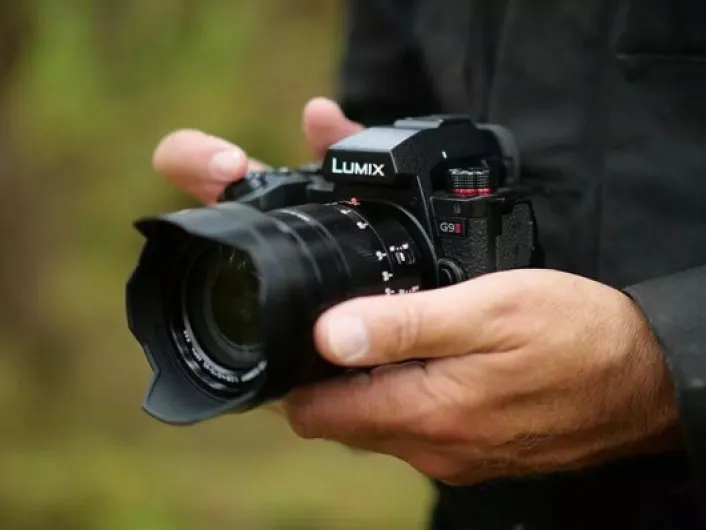
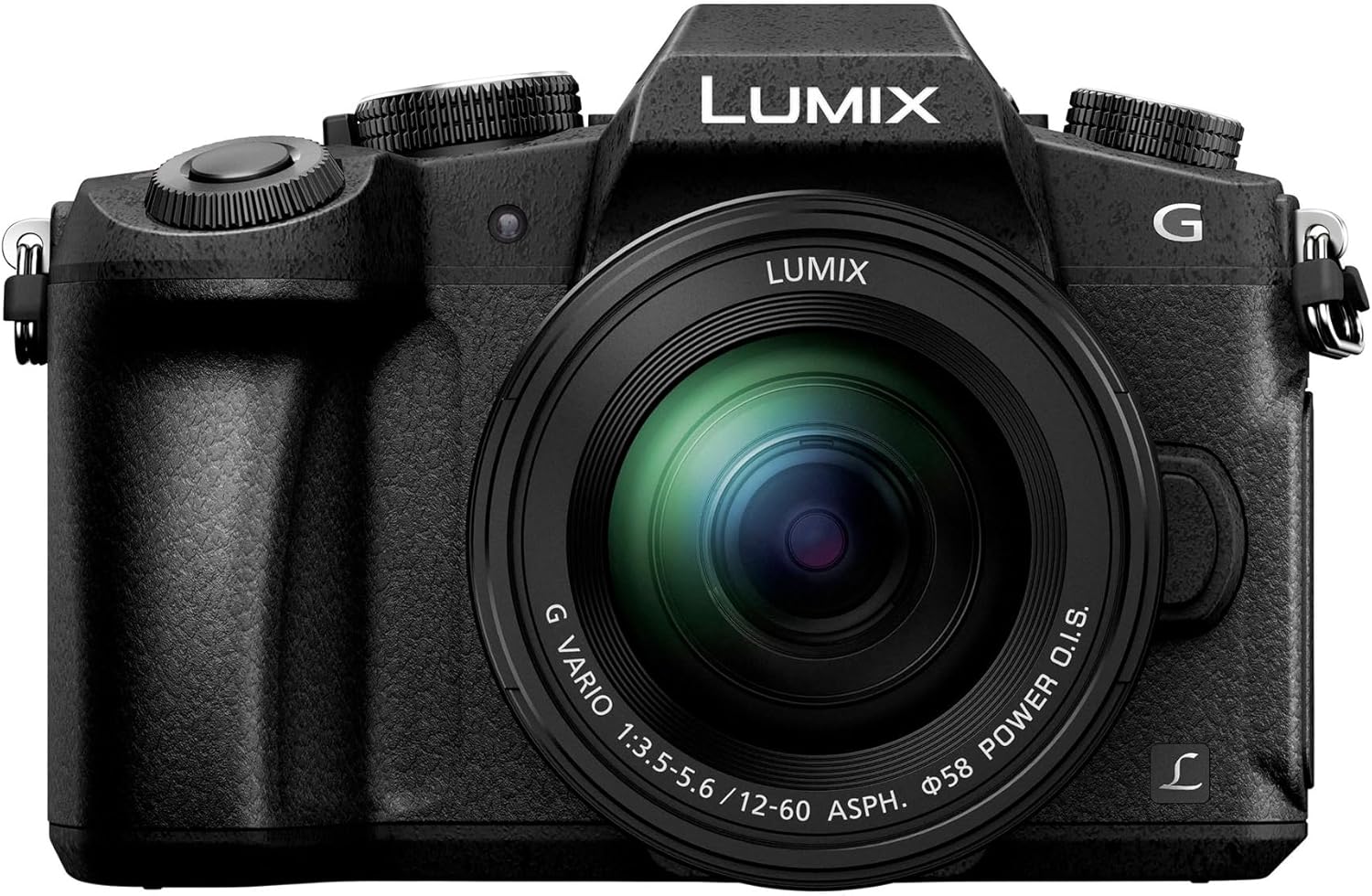
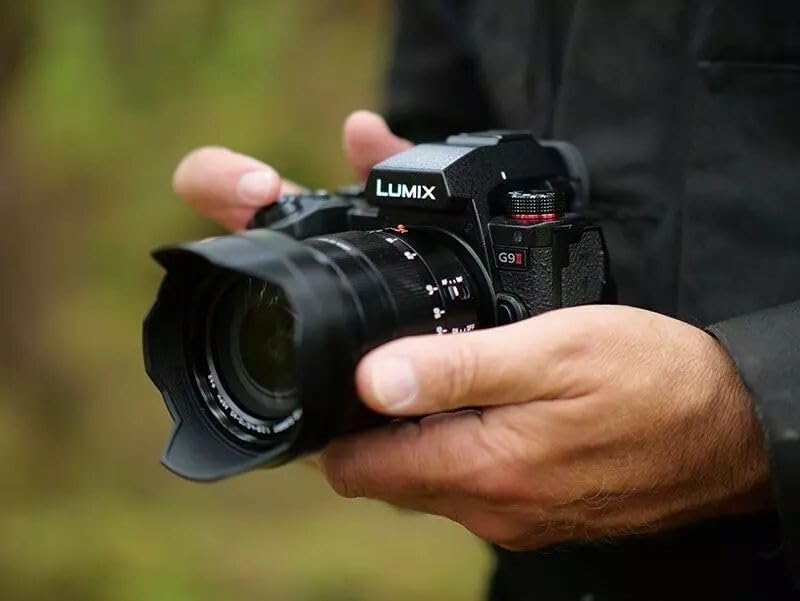
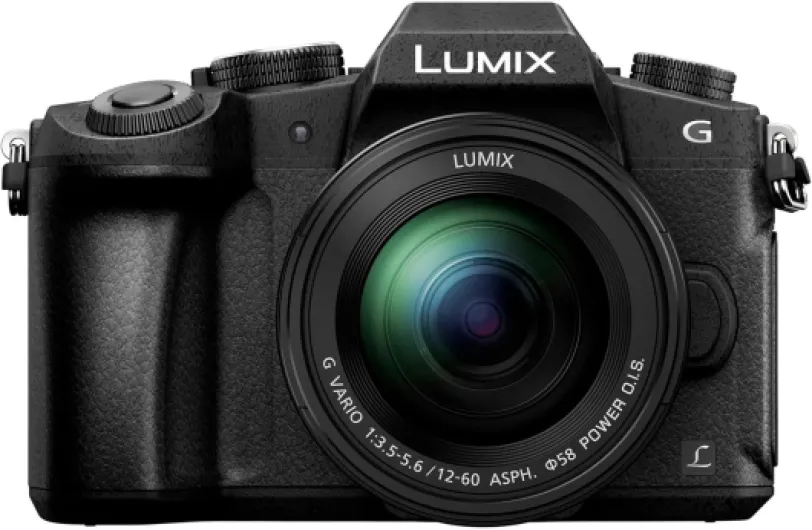
LUMIX G85 4K Digital Camera, 12-60mm Power O.I.S - Lens, 16 Megapixel Mirrorless Camera, 5 Axis In-Body Dual Image Stabilization, 3-Inch Tilt and Touch LCD, DMC-G85MK (Black) Camera Starter Kit

Panasonic

LUMIX G85 4K Digital Camera, 12-60mm Power O.I.S - Lens, 16 Megapixel Mirrorless Camera, 5 Axis In-Body Dual Image Stabilization, 3-Inch Tilt and Touch LCD, DMC-G85MK (Black) Camera Starter Kit

⭐ Très bien noté
  • Very effective in-body stabilization combined with stabilized 12–60mm kit lens
  • Comfortable DSLR-style handling with weather-sealed body and lens
  • Good 4K video features and fully articulating touchscreen for hybrid use
The Panasonic LUMIX G85 with the 12–60mm kit lens is a practical, no-nonsense camera for people who want to take photography and video more seriously without going all-in on pro gear. Its biggest strengths in real use are the stabilization, the handling, and the flexibility of the 24–120mm equivalent zoom range. Add the weather sealing and fully articulating screen, and you get a camera that’s easy to live with for travel, everyday shooting, and YouTube-style content.It’s not flawless. The Micro Four Thirds sensor can’t match APS-C for low light and depth of field, the autofocus in 4K video is only okay, and the battery life is average enough that an extra battery is basically required. If you mainly shoot still photos and want the cleanest files and biggest prints for the money, there are APS-C options that make more sense. If you’re doing fast-paced vlogs with lots of movement and need rock-solid continuous AF, this might frustrate you.If you want a compact, weather-sealed hybrid camera with strong stabilization, decent image quality, and access to a mature, affordable lens system, the G85 kit is a pretty solid choice, especially at current prices. It suits hobbyists, content creators starting out, and anyone who wants one camera that can handle a bit of everything without being too bulky or too expensive. People chasing the latest tech or top-tier autofocus should probably look higher up the range or at other brands.
8.6 /10
★★★★★ ★★★★★
🌟 Excellent See full review →
See offer Amazon
#2 🔥 Most popular
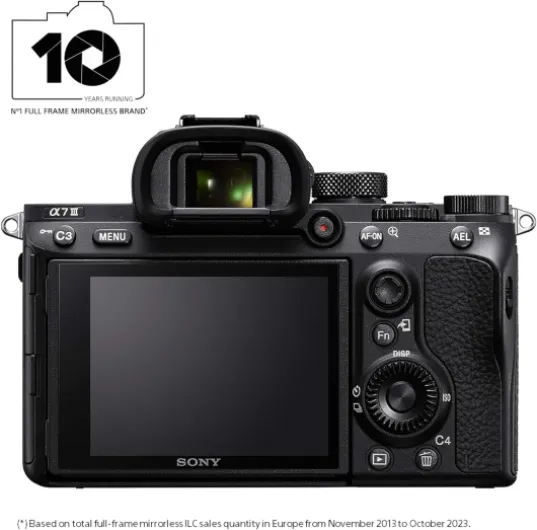
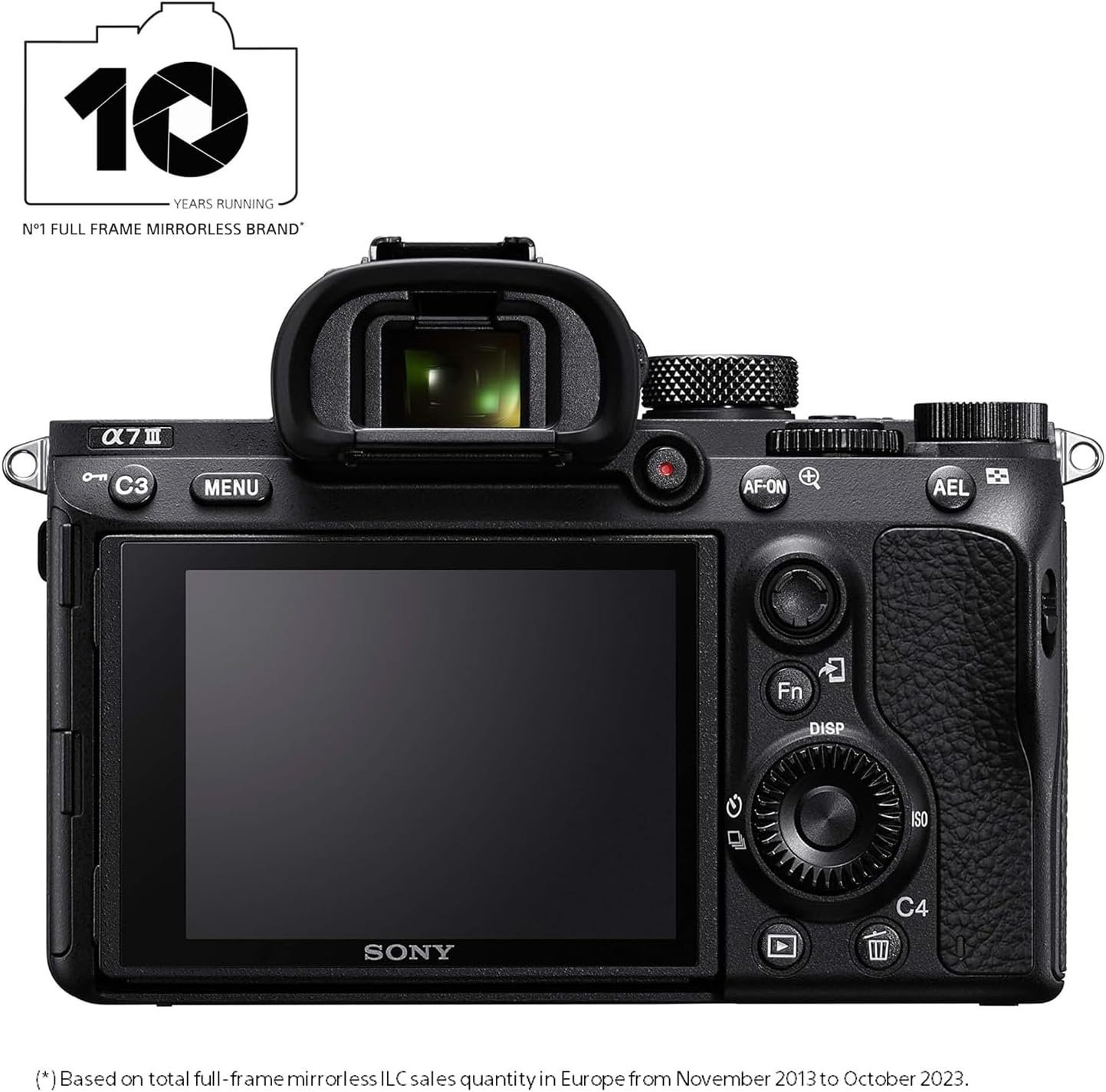
Alpha 7 III Full-Frame Mirrorless Camera (24.2MP, 4K Video, Fast 0.02s 693 Point Hybrid AF & 5 Axis stabilisation - Ideal for Enthusiasts, Hybrid Shooter and Low Light imaging) A7 III Body Body

Sony

Alpha 7 III Full-Frame Mirrorless Camera (24.2MP, 4K Video, Fast 0.02s 693 Point Hybrid AF & 5 Axis stabilisation - Ideal for Enthusiasts, Hybrid Shooter and Low Light imaging) A7 III Body Body

⭐ Très bien noté 🔥 Populaire
  • Very good image quality and low-light performance from the 24 MP full-frame sensor
  • Fast, reliable autofocus with eye tracking and 10 fps burst for most action
  • Excellent battery life with the Z battery, easily lasting a full shooting day
The Sony A7 III is not the shiny new kid in the mirrorless world anymore, but it still delivers where it matters for most people: image quality, autofocus, and battery life. The 24 MP full-frame sensor handles low light well, the dynamic range gives you room to fix mistakes, and the AF with eye tracking makes portraits and moving subjects much easier to handle. Add in the Z‑series battery that actually lasts a full day and decent 4K quality, and you get a camera that’s still very capable in 2026.It’s not perfect. The build feels a bit cheaper than the original launch price would suggest, the dials can be mushy and sometimes skip, and the screen and EVF are clearly behind newer bodies. Video shooters wanting modern codecs, 10‑bit, and a flip screen will feel limited. But if you’re mainly a photographer or a hybrid shooter on a budget, the current price makes these flaws easier to live with.I’d recommend the A7 III to: people moving from APS‑C to full frame, hobbyists who also do the odd paid job (events, portraits), and hybrid shooters who want solid 4K without spending top money. If you already own a newer Sony body (A7 IV, A7S III, etc.) or you’re very picky about build and video specs, skip this and look higher up the line. For everyone else who wants a reliable workhorse at a more reasonable price, the A7 III still gets the job done.
8.5 /10
★★★★★ ★★★★★
🌟 Excellent See full review →
See offer Amazon
#3
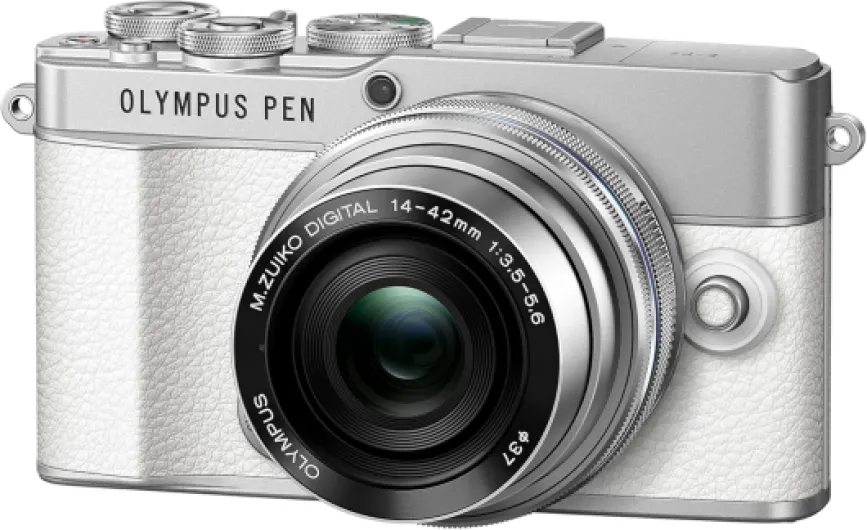
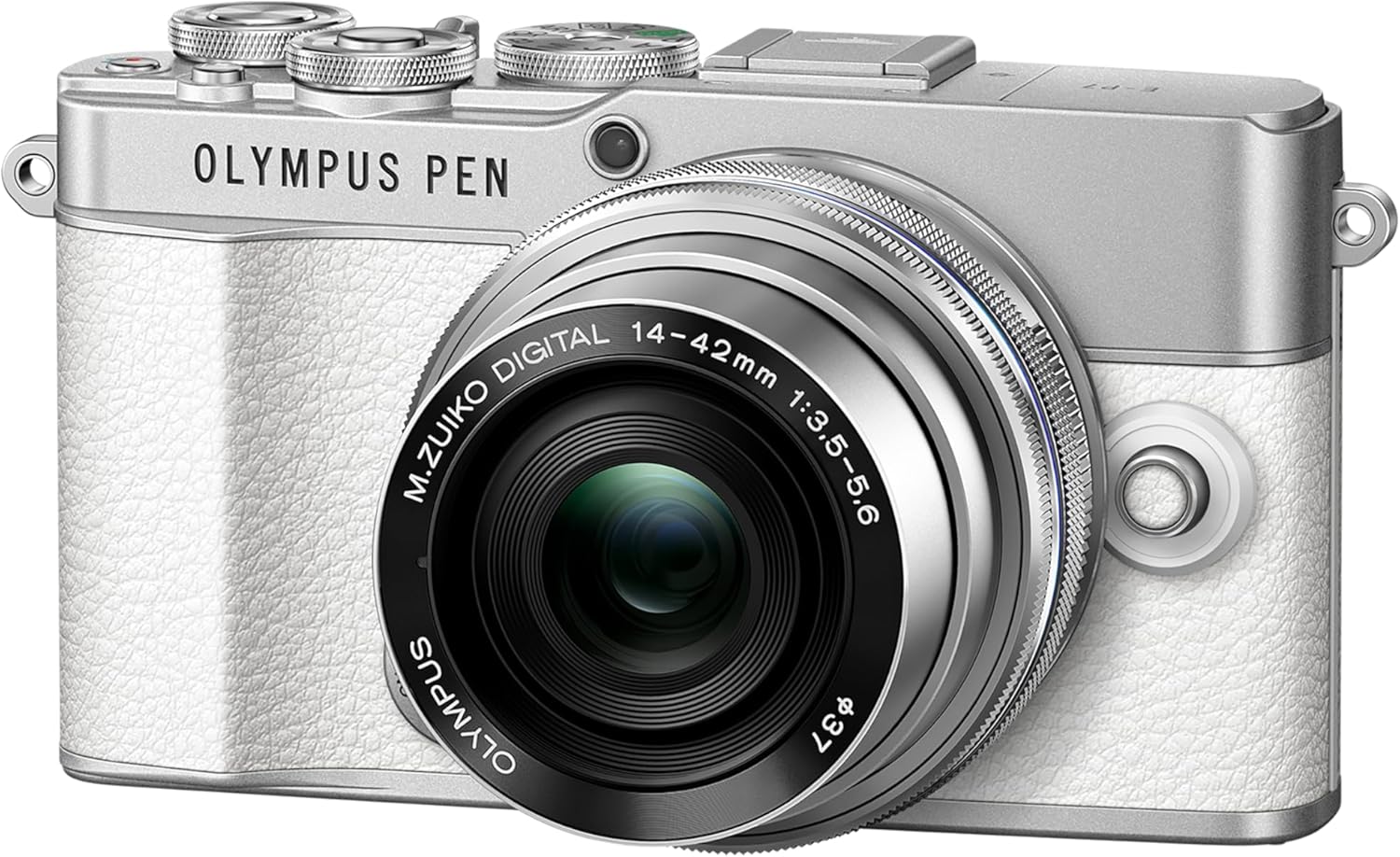
Olympus PEN E-P7 Camera Kit, 20 MP Sensor, 5-axis image stabilisation, tilt HD LCD, 4K, Wi-Fi,color and monochrome profile control, white incl - M.Zuiko Digital ED 14-42mm EZ silver

OM SYSTEM

Olympus PEN E-P7 Camera Kit, 20 MP Sensor, 5-axis image stabilisation, tilt HD LCD, 4K, Wi-Fi,color and monochrome profile control, white incl - M.Zuiko Digital ED 14-42mm EZ silver

  • Compact, lightweight body with in‑body 5‑axis stabilisation that really helps in low light
  • 20 MP sensor and JPEG engine deliver good image quality for everyday and travel use
  • Flip‑down touchscreen and Wi‑Fi/Bluetooth make selfies and phone transfers straightforward
Overall, the Olympus PEN E‑P7 is a nice little everyday and travel camera if you know what you’re getting into. The 20 MP Micro Four Thirds sensor, 5‑axis stabilisation, and compact 14–42mm kit lens give you clean, sharp photos in most normal situations. The body is light, looks good, and is small enough that you actually bring it instead of leaving it at home. The flip‑down screen and built‑in Wi‑Fi/Bluetooth make it easy to grab selfies, low‑angle shots, and push images to your phone for quick sharing.It’s not a perfect package. You don’t get a viewfinder, there’s no mic jack, battery life is just okay, and the micro‑USB port feels dated. Autofocus is fine for everyday life but not on the same level as newer phase‑detect systems if you’re chasing fast action. If you’re expecting a pro tool or heavy video rig, you’ll hit those limits fast. But if what you want is a compact camera that beats your phone, lets you play with lenses and profiles, and keeps things simple, it does that well.I’d recommend it to: people who travel a lot and want something light, beginners who want to step up from a phone without carrying a brick, and Micro Four Thirds fans who value size and style. I’d skip it if: you absolutely need a viewfinder, you’re serious about video with external audio, or you mostly shoot in tough weather. In the right hands and with the right expectations, it’s a good, no‑nonsense everyday camera.
8.4 /10
★★★★★ ★★★★★
🌟 Excellent See full review →
See offer Amazon
#4
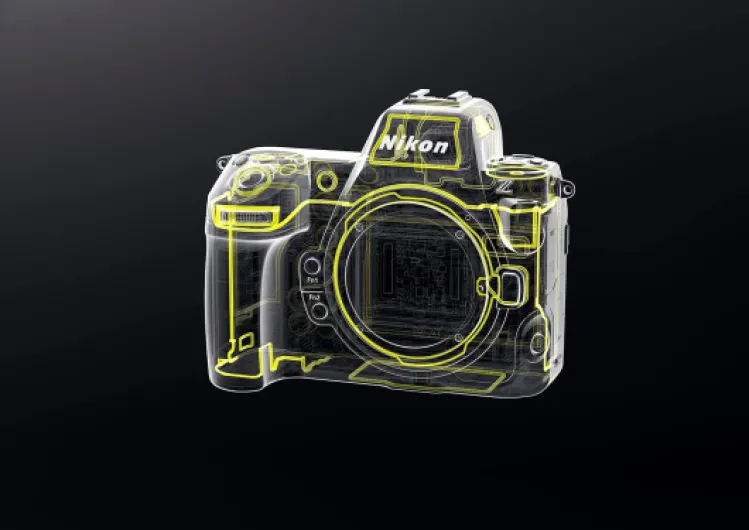
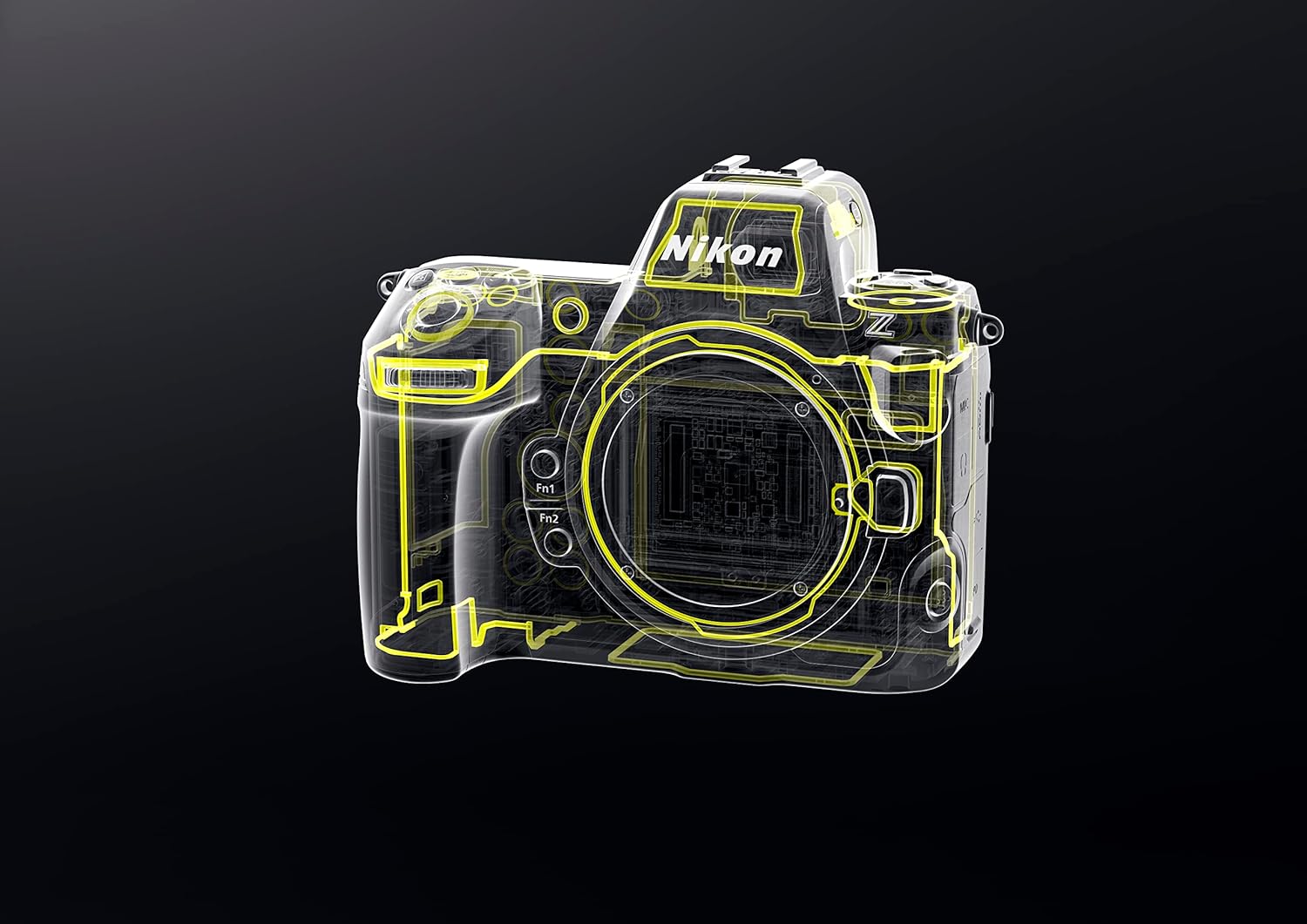
Nikon Z8 Digital Mirrorless Camera Body

Nikon

Nikon Z8 Digital Mirrorless Camera Body

  • High-resolution 45.7 MP stacked sensor with strong stills and video quality
  • Fast, modern autofocus with subject detection that works well for most real-world use
  • Compact compared to the Z9 while keeping most of its performance and features
The Nikon Z8 is a serious hybrid camera that makes sense if you’re already into Nikon and want something close to Z9 performance without carrying a full-on brick. Image quality is strong, autofocus is finally in the modern league, and the video options are more than enough for most creators. For mixed photo and video jobs, it handles pretty much everything I’d expect from a pro body in 2024, as long as you learn its quirks and accept that battery life and heat aren’t limitless.It’s not perfect. Battery life is just okay, especially for heavy video. The body is smaller than a Z9 but still chunky compared to some rivals. The menu system is powerful but a bit old-fashioned, and you really need to be careful about where you buy it from to avoid grey imports with weak warranty support. But overall, as a tool, it gets the job done and feels like a natural upgrade path from the D850 for people who are ready to fully move into mirrorless.I’d say the Z8 is for: Nikon users who shoot a mix of stills and video, event and wedding shooters, and anyone who wants high resolution plus fast AF in one body. People who should probably skip it: casual hobbyists who don’t need 45 MP, pure videographers who want long, no‑stress recording times, and anyone who isn’t ready to spend extra on proper Z lenses and fast cards. If you fit the first group and buy from an authorised seller, the Z8 is a solid, long-term camera body that can handle real work without feeling outdated anytime soon.
8.3 /10
★★★★★ ★★★★★
🌟 Excellent See full review →
See offer Amazon
#5
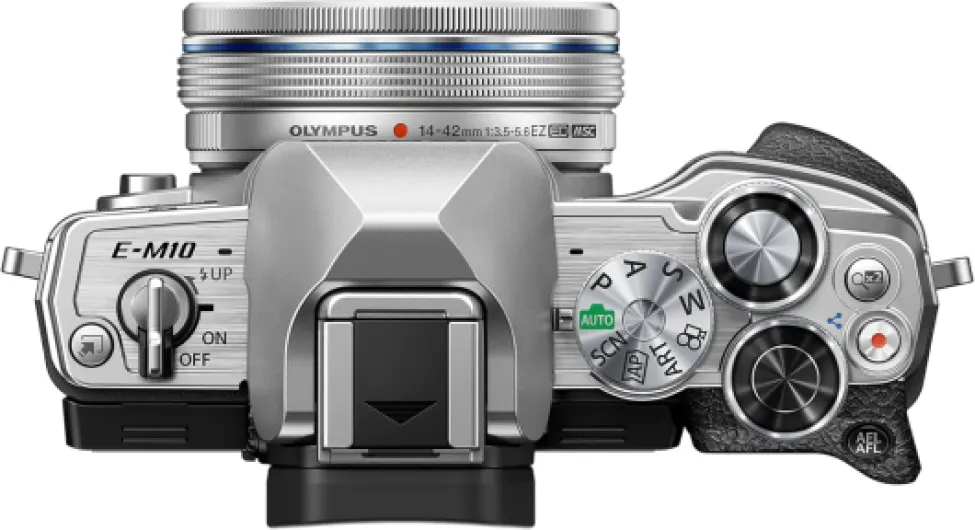
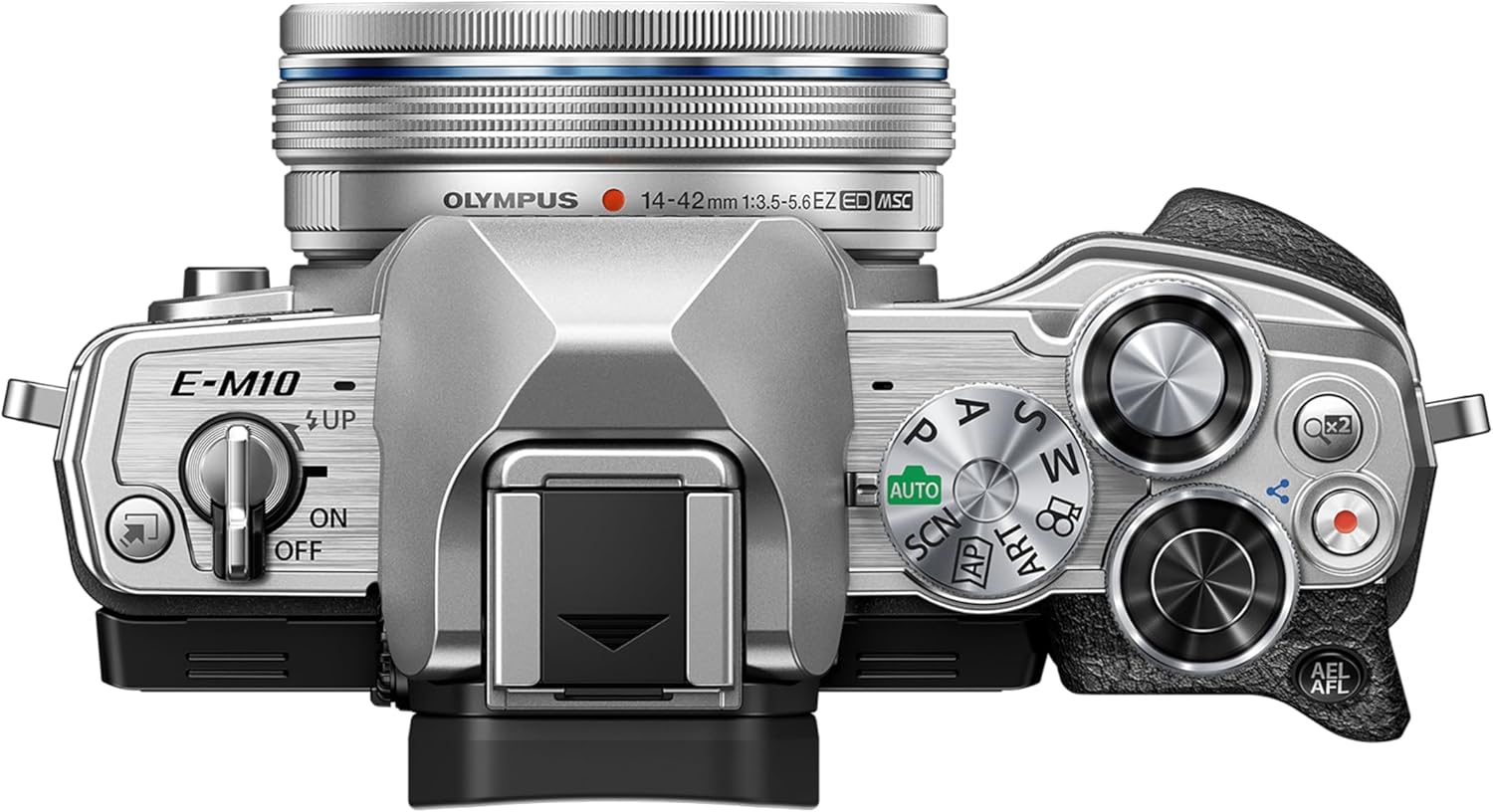
OM-D E-M10 Mark IV Micro Four Thirds System Camera Kit, 20 MP sensor, electronic viewfinder, 4K video, powerful AF, Wi-Fi, silver incl - M.Zuiko Digital ED 14‑42mm F3.5‑5.6 EZ Pancake silver

‎Olympus

OM-D E-M10 Mark IV Micro Four Thirds System Camera Kit, 20 MP sensor, electronic viewfinder, 4K video, powerful AF, Wi-Fi, silver incl - M.Zuiko Digital ED 14‑42mm F3.5‑5.6 EZ Pancake silver

  • Very compact and light body with a flat 14‑42mm pancake lens, easy to carry daily
  • Good 20 MP image quality in normal light plus effective 5‑axis in-body stabilisation
  • User-friendly controls with dual dials, EVF, and tilt/flip touchscreen for flexible shooting
After using the Olympus OM-D E-M10 Mark IV kit for a while, my feeling is pretty clear: it’s a very capable little camera that nails the "small, light, and good enough for almost everything" brief. The 20 MP sensor, 5‑axis stabilisation, and decent autofocus give you sharp, clean photos in normal conditions, and the body is compact enough that you actually want to carry it. The retro design is nice, the controls are straightforward once you’ve tamed the menus, and the electronic viewfinder plus flip screen make shooting more enjoyable than with a phone.It’s not without flaws. Low-light performance is okay but not on the level of bigger-sensor cameras, the kit lens is more practical than impressive, there’s no weather sealing, and the lack of an external charger is just cheap. For video, it’s fine for casual 4K clips, but if you’re serious about filming, the missing mic jack and average AF tracking are limiting. So this isn’t the best choice for hardcore videographers or people who constantly shoot in dark venues.Who is it for? It’s ideal for beginners and enthusiasts who want a compact travel or everyday camera that’s clearly better than a phone, without diving into a heavy and expensive system. It’s also good for someone who values portability and stabilisation more than ultimate image quality. Who should skip it? People who need strong low-light performance, weather sealing, or advanced video features, and anyone already invested in another system with better bodies available. If you accept those limits, the E‑M10 Mark IV is a solid, enjoyable camera that gets the job done in most real-world situations.
8.2 /10
★★★★★ ★★★★★
🌟 Excellent See full review →
See offer Amazon
#6
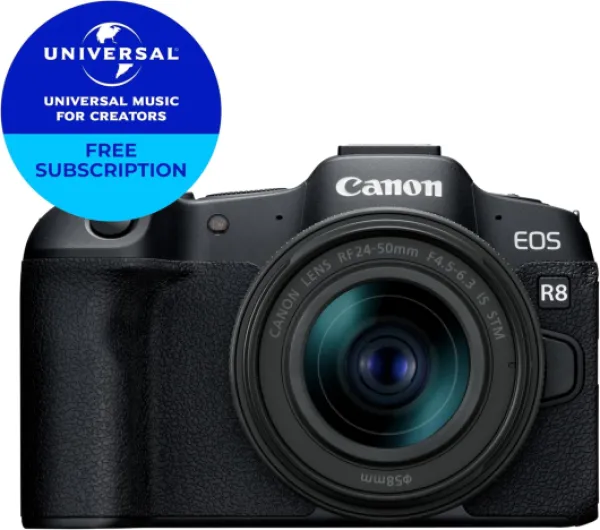
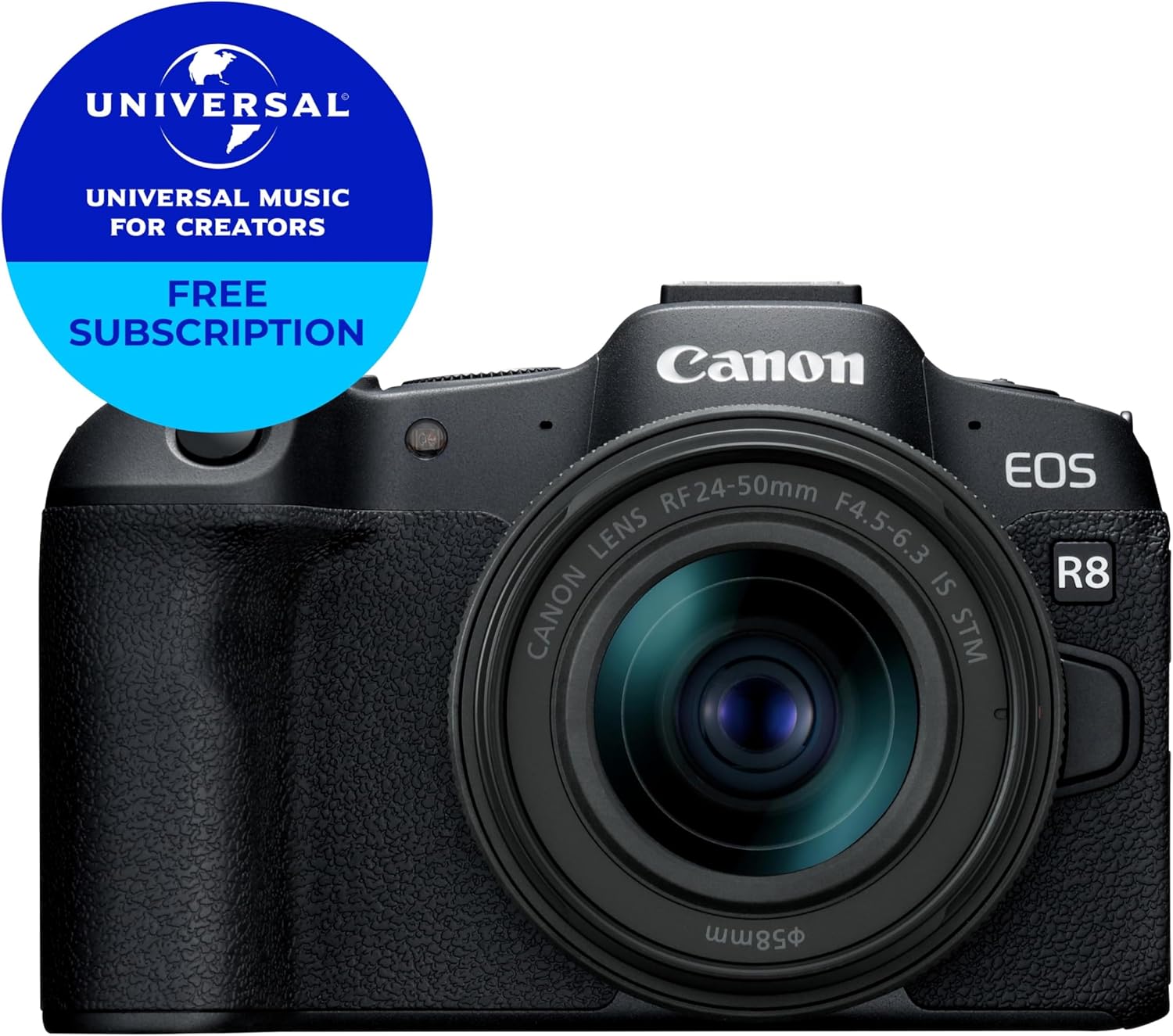
Canon EOS R8 + RF 24-50mm - Mirrorless Digital Camera - 24.2 MP Full-Frame CMOS Sensor - Dual Pixel CMOS AF II - UVC/UAC Compatible

Canon

Canon EOS R8 + RF 24-50mm - Mirrorless Digital Camera - 24.2 MP Full-Frame CMOS Sensor - Dual Pixel CMOS AF II - UVC/UAC Compatible

  • Light full-frame body with good ergonomics and flip screen
  • Autofocus is fast and reliable for people, animals and basic action
  • 4K60 video, webcam over USB and good out-of-camera colours for content creation
After using the Canon EOS R8 + RF 24–50mm kit in real situations, I’d sum it up like this: great sensor and autofocus in a light body, held back by a basic lens, no IBIS, and average battery. For travel, everyday photos, YouTube videos and streaming, it does the job well and is easy to live with. You turn it on, point it at something, and most of the time the shot is in focus and looks good, without spending ages in the menus.If you’re a content creator, vlogger, or hobbyist photographer who wants full-frame without carrying a brick, this combo makes sense. Just budget for at least one extra battery and, sooner or later, a better lens. If you do paid events, need dual card slots, rock-solid battery life, or rely on in-body stabilisation for video, this is not the ideal tool. In that case, you’re better off looking higher in the range or at models with IBIS and stronger batteries.
8 /10
★★★★★ ★★★★★
🌟 Excellent See full review →
See offer Amazon

Comparison table : Mirrorless digital cameras

Overall score Value for money Design Battery Durability Performance Presentation
LUMIX G85 4K Digital Camera, 12-60mm Power O.I.S - Lens, 16 Megapixel Mirrorless Camera, 5 Axis In-Body Dual Image Stabilization, 3-Inch Tilt and Touch LCD, DMC-G85MK (Black) Camera Starter Kit
#1 Panasonic
LUMIX G85 4K Digital Camera, 12-60mm Pow...
See offer Amazon
8.6/10 ★★★★★ ★★★★★ ★★★★★ ★★★★★ ★★★★★ ★★★★★ ★★★★★ ★★★★★ ★★★★★ ★★★★★ ★★★★★ ★★★★★
Alpha 7 III Full-Frame Mirrorless Camera (24.2MP, 4K Video, Fast 0.02s 693 Point Hybrid AF & 5 Axis stabilisation - Ideal for Enthusiasts, Hybrid Shooter and Low Light imaging) A7 III Body Body
#2 Sony
Alpha 7 III Full-Frame Mirrorless Camera...
See offer Amazon
8.5/10 ★★★★★ ★★★★★ ★★★★★ ★★★★★ ★★★★★ ★★★★★ ★★★★★ ★★★★★ ★★★★★ ★★★★★ ★★★★★ ★★★★★
Olympus PEN E-P7 Camera Kit, 20 MP Sensor, 5-axis image stabilisation, tilt HD LCD, 4K, Wi-Fi,color and monochrome profile control, white incl - M.Zuiko Digital ED 14-42mm EZ silver
#3 OM SYSTEM
Olympus PEN E-P7 Camera Kit, 20 MP Senso...
See offer Amazon
8.4/10 ★★★★★ ★★★★★ ★★★★★ ★★★★★ ★★★★★ ★★★★★ ★★★★★ ★★★★★ ★★★★★ ★★★★★ ★★★★★ ★★★★★
Nikon Z8 Digital Mirrorless Camera Body
#4 Nikon
Nikon Z8 Digital Mirrorless Camera Body
See offer Amazon
8.3/10 ★★★★★ ★★★★★ ★★★★★ ★★★★★ ★★★★★ ★★★★★ ★★★★★ ★★★★★ ★★★★★ ★★★★★ ★★★★★ ★★★★★
OM-D E-M10 Mark IV Micro Four Thirds System Camera Kit, 20 MP sensor, electronic viewfinder, 4K video, powerful AF, Wi-Fi, silver incl - M.Zuiko Digital ED 14‑42mm F3.5‑5.6 EZ Pancake silver
#5 ‎Olympus
OM-D E-M10 Mark IV Micro Four Thirds Sys...
See offer Amazon
8.2/10 ★★★★★ ★★★★★ ★★★★★ ★★★★★ ★★★★★ ★★★★★ ★★★★★ ★★★★★ ★★★★★ ★★★★★ ★★★★★ ★★★★★
Canon EOS R8 + RF 24-50mm - Mirrorless Digital Camera - 24.2 MP Full-Frame CMOS Sensor - Dual Pixel CMOS AF II - UVC/UAC Compatible
#6 Canon
Canon EOS R8 + RF 24-50mm - Mirrorless D...
See offer Amazon
8/10 ★★★★★ ★★★★★ ★★★★★ ★★★★★ ★★★★★ ★★★★★ - ★★★★★ ★★★★★ ★★★★★ ★★★★★

Key brands and models among the best mirrorless digital cameras

Sony mirrorless cameras dominate many rankings of the best mirrorless digital cameras for good reasons. Their Alpha full frame sensor bodies, such as the Sony A7 IV and A7R V, combine excellent image quality, strong low light performance, and class leading autofocus for both stills and video. The extensive Sony lens lineup, from compact primes to fast telephotos, makes the system attractive to beginners and professionals.

Canon has transformed its Canon EOS mirrorless camera range into a serious alternative for both photographers and filmmakers. Recent EOS Mark bodies like the EOS R6 Mark II bring improved Dual Pixel CMOS AF II, refined ergonomics, and better frame rate options for high speed shooting. Many users appreciate how Canon colour science renders skin tones and overall image aesthetics straight out of camera.

Fujifilm focuses mainly on APS C mirrorless cameras, yet still competes strongly with larger full frame rivals. Its X series bodies, including the X-T5 and X-S20, deliver excellent dynamic range, attractive JPEG images, and tactile dials that encourage deliberate shooting. Paired with compact Fujifilm lenses, these cameras suit travel, street, and documentary work where portability matters.

Panasonic Lumix mirrorless cameras appeal especially to video focused creators. Their Micro Four Thirds and full frame lines offer advanced video codecs, high frame rate slow motion, and robust image stabilization for handheld shooting. If you care more about video than still images, a Panasonic Lumix body such as the Lumix S5 II can be the best mirrorless choice in its price bracket.

When comparing these brands, pay close attention to sensor size and frame sensor technology. A modern full frame sensor from Sony or Canon often outperforms an older APS C sensor in low light, yet lens size and cost also rise. For some buyers, a smaller sensor digital camera with lighter lenses remains the more practical option.

Content creators who prioritise advanced video features should also look at specialised guides such as this overview of top 6K video cameras. These resources help you understand which mirrorless camera bodies offer oversampled 4K, high bit rate recording, and reliable autofocus during long video sessions. Matching your camera choice to your real world projects always matters more than chasing headline specifications.

Essential specifications that define real world image quality

Image quality depends on more than megapixels when you evaluate the best mirrorless digital cameras. The combination of sensor size, lens sharpness, and processing determines how clean your images look at higher ISO settings. A well designed full frame sensor usually delivers smoother tones and wider dynamic range than a smaller chip with similar resolution.

Look closely at how each mirrorless camera handles low light scenes such as indoor events or evening streets. Cameras with strong high ISO performance, effective image stabilization, and fast lenses let you keep shutter speeds high enough for sharp shooting. This trio of features often matters more than chasing the absolute highest frame rate or resolution.

Autofocus technology now plays a central role in perceived image quality. Systems with advanced subject detection and reliable tracking keep more images in perfect focus, especially during fast action or shallow depth of field work. Sony, Canon EOS, and Panasonic Lumix bodies increasingly use deep learning algorithms to recognise eyes, animals, and vehicles.

For hybrid creators, video image quality deserves equal attention. Check whether the camera oversamples from the full width of the frame sensor or crops heavily, because this affects field of view and sharpness. Also verify whether 10 bit recording, log profiles, and clean HDMI output are available for serious colour grading.

Battery life and thermal management quietly influence real world results, particularly for long video shoots. A camera that overheats or drains batteries quickly may force you to stop recording just as the best moments unfold. Reading user feedback from Amazon or B&H Photo can reveal whether a specific body handles extended shooting gracefully.

Creators who need a compact setup with strong image quality should explore this guide to top digital cameras for content creators. These curated options balance sensor performance, autofocus reliability, and practical features such as articulated screens and dual card slots. Matching specifications to your workflow ensures that the best mirrorless camera on paper becomes the best tool in your hands.

Handling, ergonomics, and system growth over time

Technical specifications rarely tell the full story of how a mirrorless camera feels in daily use. Grip shape, control layout, and viewfinder quality all influence whether a camera body disappears in your hands or constantly distracts you. Photographers who shoot long events quickly notice how comfortable ergonomics reduce fatigue and improve overall shooting posture.

Menu design and customisation options also separate the best mirrorless digital cameras from merely good ones. Being able to assign autofocus modes, frame rate changes, and video settings to dedicated buttons saves precious seconds during fast paced shooting. Sony, Canon, Fujifilm, and Panasonic Lumix each take different approaches, so try to navigate their systems before you buy.

System growth matters because most photographers keep lenses longer than any single camera body. When you invest in a mirrorless system, consider the breadth of native lenses, third party support, and accessories such as flashes or grips. A rich ecosystem lets you adapt from casual travel images to professional assignments without switching brands.

Card slots and storage options deserve more attention than they often receive. Dual card slots allow instant backup of critical images or separate storage for stills and video, which working professionals rely on. Even enthusiasts benefit from this redundancy when photographing once in a lifetime events such as weddings or major trips.

Weight and size influence whether you actually carry your camera every day. Some of the best mirrorless cameras pair compact bodies with small primes, creating lightweight kits that rival premium compacts for portability. If you value minimal gear, consult resources like this guide to top lightweight digital cameras for further inspiration.

Finally, think about how firmware updates and service support extend the life of your investment. Brands that regularly refine autofocus, image stabilization, and video features through updates effectively give you a better camera over time. Checking regional service centres and warranty terms helps ensure that your chosen digital camera system remains reliable for years.

Practical buying strategies for person seeking information

Approaching the market for the best mirrorless digital cameras with a clear plan saves both money and frustration. Start by defining a realistic budget that includes at least one quality lens, extra batteries, and sufficient memory cards. Many buyers underestimate these accessories, yet they directly affect how long and how confidently you can keep shooting.

Next, prioritise features that genuinely impact your photography rather than marketing buzzwords. For stills, focus on sensor size, autofocus reliability, and dynamic range, while for video you should emphasise codecs, frame rate options, and image stabilization. Ranking these criteria in order of importance helps you compare Sony, Canon EOS, Fujifilm, and Panasonic Lumix bodies more objectively.

Retailers such as Amazon and B&H Photo provide useful user reviews, but interpret them carefully. Look for consistent comments about strengths and weaknesses, such as battery life, low light performance, or menu complexity, instead of isolated complaints. When possible, rent or borrow a mirrorless camera before you buy, so you can test it in your own shooting conditions.

Consider whether a kit lens or separate body and lens purchase suits you better. Kit lenses offer convenience and lower upfront cost, yet a high quality prime or constant aperture zoom often unlocks noticeably better image quality. Over time, investing in lenses usually yields more visible gains than chasing every new camera body.

Timing your purchase can also stretch your budget further. When a new EOS Mark or Alpha body launches, previous generation models often drop in price while still delivering excellent images and video. These discounted cameras can represent the best mirrorless value for photographers who do not need the latest frame rate or autofocus refinements.

Finally, protect your investment with sensible extras such as padded bags, screen protectors, and weather resistant accessories. These small additions help keep your digital camera, lenses, and card slots safe during travel or outdoor work. A thoughtful buying strategy ensures that your chosen mirrorless camera system supports your creativity instead of limiting it.

Matching specific use cases to the best mirrorless digital cameras

Different photographic genres demand different strengths from the best mirrorless digital cameras. Sports and wildlife shooters need fast autofocus, high frame rate bursts, and deep buffers to capture decisive moments. Portrait, landscape, and studio photographers often prioritise full frame sensors, rich dynamic range, and subtle colour rendering.

For travel and street photography, compact mirrorless cameras with small lenses and discreet styling work best. Fujifilm APS C bodies, some Sony models, and lightweight Panasonic Lumix options strike a strong balance between image quality and portability. Pairing these cameras with a fast prime lens creates a nimble kit that excels in low light city scenes.

Hybrid creators who alternate between stills and video should seek bodies with strong image stabilization and reliable continuous autofocus. Features such as Dual Pixel autofocus on Canon EOS cameras or advanced subject tracking on Sony models keep both photos and video sharp. Articulated screens, headphone jacks, and clean HDMI output further simplify solo shooting.

Event and wedding photographers benefit from dual card slots, robust battery life, and weather sealed bodies. These professionals often choose full frame mirrorless cameras for their superior low light performance and smoother background blur. Reliable eye detection autofocus helps maintain consistent facial expression and pose across hundreds of images.

Content focused users who mainly shoot video for online platforms should examine rolling shutter behaviour, recording limits, and audio options. Some of the best mirrorless cameras in this niche rival dedicated cinema cameras, especially when paired with high quality lenses and external microphones. For deeper research, consult specialised resources beyond this overview, such as guides to top cameras for content creation.

As you evaluate each digital camera, remember that the best mirrorless choice is the one that fits your real projects. A balanced system with suitable sensor size, dependable autofocus, and comfortable ergonomics will always outperform a spec heavy body you hesitate to carry. Matching camera capabilities to your creative goals turns technical decisions into practical advantages.

Key statistics about mirrorless digital cameras

  • According to data from the Camera & Imaging Products Association (CIPA), mirrorless cameras accounted for more than half of interchangeable lens camera shipments worldwide in 2021 and 2022, reflecting a clear shift away from traditional DSLRs.
  • Independent lab tests from reviewers such as DPReview and DxOMark show that modern full frame sensors can deliver usable images at ISO 12800 and beyond, giving mirrorless users up to two stops of low light advantage over many older APS C models.
  • Battery life ratings for current mirrorless bodies typically range between 300 and 700 shots per charge under CIPA standards, yet real world usage with power saving settings can extend this by roughly 30 percent.
  • Many recent mirrorless cameras now offer continuous shooting frame rates of 20 frames per second or higher with electronic shutters, enabling sports and wildlife photographers to capture more decisive moments than with most legacy DSLRs.
  • Laboratory measurements from independent reviewers indicate that top tier full frame sensors can reach dynamic range figures around 14 stops at base ISO, providing significant flexibility for recovering shadows and highlights in post processing.
Frequently asked questions

For most beginners, mirrorless cameras now offer a more intuitive experience than DSLRs. Electronic viewfinders show real time exposure and colour, which helps new users understand how settings affect the final image. Lighter bodies and advanced autofocus also make it easier to capture sharp photos in varied conditions.

A full frame sensor provides advantages in low light performance, dynamic range, and shallow depth of field, yet it is not mandatory for excellent image quality. Many APS C and Micro Four Thirds mirrorless cameras produce professional results when paired with good lenses and careful technique. Choose full frame mainly if you often shoot in dim environments or require very blurred backgrounds.

In body image stabilization significantly improves handheld video by reducing visible shake, especially with non stabilised lenses. For vloggers and run and gun shooters, this feature can make the difference between usable and distracting footage. Tripod based or gimbal based filmmakers benefit less, but still appreciate stabilisation for quick, spontaneous shots.

Your main subjects determine whether autofocus speed or resolution matters more. Fast action photographers and videographers should prioritise responsive autofocus and high frame rate bursts, even if resolution is moderate. Landscape, studio, and product shooters often value higher resolution for detailed prints and cropping flexibility.

Buying from reputable retailers such as Amazon and B&H Photo is generally safe, provided you choose authorised sellers. These stores usually offer clear return policies, manufacturer warranties, and reliable shipping, which protect your investment. Always verify seller status and read recent customer reviews before placing a large order.

According to our tests, the best mirrorless digital cameras is the LUMIX G85 4K Digital Camera, 12-60mm Power O.I.S - Lens, 16 Megapixel Mirrorless Camera, 5 Axis In-Body Dual Image Stabilization, 3-Inch Tilt and Touch LCD, DMC-G85MK (Black) Camera Starter Kit with a score of 8.6/10.

The cheapest mirrorless digital cameras in our comparison is the LUMIX G85 4K Digital Camera, 12-60mm Power O.I.S - Lens, 16 Megapixel Mirrorless Camera, 5 Axis In-Body Dual Image Stabilization, 3-Inch Tilt and Touch LCD, DMC-G85MK (Black) Camera Starter Kit.

The most popular mirrorless digital cameras is the Alpha 7 III Full-Frame Mirrorless Camera (24.2MP, 4K Video, Fast 0.02s 693 Point Hybrid AF & 5 Axis stabilisation - Ideal for Enthusiasts, Hybrid Shooter and Low Light imaging) A7 III Body Body with 1 250 customer reviews.

To choose a mirrorless digital cameras, we recommend comparing performance, build quality, value for money and user reviews. Our comparison table above helps you make the right choice.

We have tested 6 Mirrorless digital cameras to establish this ranking.
#1 LUMIX G85 4K Digital Camera, 12-60mm Power O.I.S - Lens, 16 Megapixel Mirrorless Camera, 5 Axis In-Body Dual Image Stabilization, 3-Inch Tilt and Touch LCD, DMC-G85MK (Black) Camera Starter Kit
Panasonic
LUMIX G85 Camera Kit
8.6/10 Best choice
See offer Amazon