Section 1 – Why lens ecosystems matter more than camera bodies
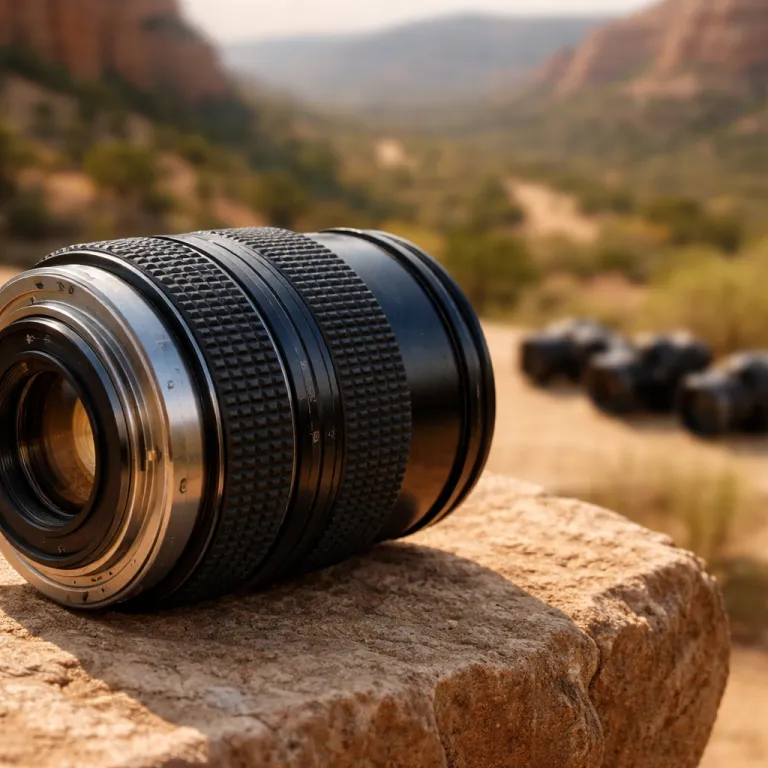
A serious camera system comparison starts with one blunt truth. The camera body is a fast computer that ages quickly, while each lens is an optical instrument that shapes your photography for the long term. If you treat lenses as accessories instead of the core system, you pay twice when you eventually switch.
Think about how you actually use your camera during everyday shooting. You click the shutter, track a moving subject, rely on autofocus, and expect clean files in low light. Every one of those steps depends as much on the lens as on the camera body, from focal length flexibility to background rendering and overall image quality.
Most enthusiasts obsess over the latest Canon, Sony, or Nikon body and ignore the systems behind them. A thoughtful lens-based camera comparison flips that habit and asks which optics will still feel right in your hands after several upgrades. The body is a temporary frame around your vision, but the lens lineup is the long term partner that either expands or limits what you can shoot.
When you compare systems, do not just expand spec sheets and chase megapixels. Look at how many practical lenses exist at the focal length ranges you actually use, and how those lenses behave for real photography. A compact 35mm prime that you love will raise your keeper rate far more than a marginal sensor upgrade.
Canon EOS, Nikon, and Sony all offer excellent camera lenses for full frame and APS-C bodies. Yet each system has different strengths in wildlife photography, portraits, travel, and video, and those strengths live in the lens catalog. Evaluating a brand’s glass is really a lifestyle choice about what you want to photograph next year and how you want to grow in this hobby over the next decade.
Many photographers treat their first kit as a test, then become a loyal member of one brand’s ecosystem. That loyalty often comes less from the camera body and more from a single lens that just works, whether it is a budget 50mm or a pro zoom. Once you feel that connection, you start to see the Canon system, a Nikon and Canon mix via adapters, or the Sony lineup as long term homes rather than temporary tools.
Online forums often show a thread starter asking whether to upgrade a body or buy a new lens. The most experienced user replies that lenses do not depreciate as fast, and that a smart lens choice improves both autofocus performance and low light shooting immediately. That advice reflects years of watching cameras age while good lenses don’t.
When you read any detailed system comparison, pay attention to how reviewers talk about real shooting scenarios. Do they mention how a lens tracks a running child against a busy background, or how it behaves for wildlife at dusk? Those details matter more than lab charts, because they describe how the system supports your photography rather than just its technical ceiling.
If you are still using a basic zoom, it is worth reading a focused guide on why your kit lens is better than you think and when to finally replace it. That kind of analysis helps you understand where your current lenses do well and where the system holds you back. Once you see those limits clearly, the next step in your camera ecosystem evaluation becomes much easier to plan.
Section 2 – Canon RF, Nikon Z, Sony E, Fuji X: strengths and tradeoffs
Canon’s RF mount is one of the boldest modern lens systems, but also one of the most closed. You get some of the widest fast prime options on the market, yet you pay premium prices and still lack native Sigma or Tamron style third party autofocus lenses. For a photographer planning a long term Canon system, that means stunning optics but fewer budget friendly paths.
On the Canon side, bodies like the Canon EOS R8 and the higher end R6 Mark II pair beautifully with RF glass. If you are weighing those two cameras, a detailed comparison of the Canon R8 and R6 Mark II that focuses on real shooting differences is essential. The key is to see how each body handles the same lenses, because the lens choice will outlast whichever camera you pick today.
Canon’s RF 35mm f/1.8 and RF 85mm f/2 make a strong two lens kit for portraits and travel. They offer reliable autofocus, solid image quality, and workable low light performance without the weight of the big L-series primes. For many photographers, that pair defines their everyday photography more than any EOS Mark body upgrade ever will.
Nikon’s Z system took longer to mature, but its native lenses are quietly excellent. The Z 24–70mm f/4 and Z 85mm f/1.8, for example, deliver sharpness and background blur that rival more expensive Canon lenses, while keeping weight manageable for long shooting days. As Sigma and Tamron collaborations arrive for Z mount, the ecosystem becomes more attractive for budget conscious photographers.
Many Nikon users also adapt older F-mount lenses, creating a hybrid Nikon and Canon style mix of vintage and modern glass. Adapters work well for slower paced photography, but they can reduce autofocus speed and keeper rate for fast action. If wildlife photography or sports is your main subject, native Z lenses will usually serve you better than adapted options.
Sony’s E-mount remains the most mature mirrorless ecosystem, especially for full frame bodies like the A7 series. You can choose from a vast range of Sony lenses plus third party options from Sigma, Tamron, and Samyang, covering every focal length and budget. That depth makes any cross-brand comparison feel slightly tilted in Sony’s favor for flexibility.
For a practical two lens Sony kit, many photographers pair a 28–70mm style zoom with a compact 55mm or 85mm prime. This combination covers everyday shooting, portraits, and some wildlife, while keeping the system light enough for travel. The used market for Sony camera lenses is also the strongest, which softens the blow if you later change direction.
Fuji X stands apart as an APS-C specialist rather than a full frame competitor. Its lenses are smaller and lighter, and the system emphasizes tactile controls and film simulations that appeal to photographers who value the shooting experience. If you rarely print huge and care more about how the camera feels in hand, Fuji’s ecosystem can be a smart long term choice.
Across all these systems, the real question is not which brand wins a spec war. The question is which lens roadmap aligns with your photography goals, your budget, and your willingness to carry weight. A thoughtful mirrorless system comparison forces you to answer that before you expand another body review.
Section 3 – The two lens kit test and real world shooting scenarios
A practical way to compare camera ecosystems is to run a two lens kit test. The idea is simple, yet brutally revealing, because it shows what each system offers for a fixed budget. Imagine you have about one thousand euros to spend on lenses and want a setup that handles most photography without constant swapping.
For Canon RF, a realistic pair might be the RF 24–105mm f/4–7.1 and the RF 50mm f/1.8. This combination gives you a flexible zoom for travel and family shooting, plus a fast prime for portraits and low light scenes. On a Canon EOS R8 or similar EOS Mark body, that kit covers everything from street photography to casual wildlife at the zoo.
Nikon’s Z system can answer with the Z 24–70mm f/4 and the Z 40mm f/2, which together offer strong image quality and compact size. This duo works well for weddings, events, and documentary photography, especially when paired with a body that has reliable autofocus in low light. If you are curious about event work, a guide to choosing the best camera for marriage photography can help you judge whether your current system is up to the task.
Sony shooters often build a two lens kit around the FE 28–70mm and a small 85mm prime. That pairing handles portraits, travel, and some wildlife photography if you are willing to crop a bit. Because Sony systems have such deep third party support, you can often find Sigma or Tamron alternatives that stretch your budget further.
Fuji X users might choose the XF 18–55mm f/2.8–4 and the XF 50mm f/2 as their core lenses. This combination is light, sharp, and fast enough for most low light situations, especially when you use the camera’s excellent noise handling. For many photographers, that compact kit makes them more likely to bring the camera everywhere, which quietly raises their keeper rate.
When you evaluate these two lens kits, think about your main subject and shooting style. If wildlife is your passion, you may need to sacrifice a fast prime to afford a telephoto zoom with enough focal length reach. For street and travel photography, a small prime that disappears in the background of your bag can be more valuable than a heavy zoom you leave at home.
Real world shooting also exposes how different systems handle autofocus and tracking. A lens that looks similar on paper can behave very differently when you follow a running child or a bird in flight, especially in low light. Independent reviewers sometimes report keeper rate gaps of twenty percentage points or more between native mirrorless lenses and adapted DSLR glass in these tests, which illustrates how much the mount and focusing motor design matter.
For event shooters, the balance between full frame and APS-C matters less than how quickly the camera and lens lock focus in dim venues. A smaller sensor with a bright prime can outperform a full frame body saddled with a slow zoom, especially when you are moving constantly. The right two lens kit for your system should feel like an extension of your instincts, not a compromise you fight all night.
As you refine your kit, remember that lenses do not need to be perfect to be effective. They just need to match your subject, your style, and your tolerance for weight and cost. In the end, the best two lens kit is the one that makes you want to shoot every weekend, not the one that wins a lab test.
Section 4 – Switching systems, adapters, and how to future proof your choices
Every serious comparison of lens ecosystems eventually runs into the question of switching systems. Maybe you started with a basic Canon setup, then fell in love with Sony’s autofocus, or you are tempted by Nikon’s Z lenses for wildlife. The fear is always the same, that you will lose money and momentum if you jump.
There is some truth to that concern, because lenses hold value but not forever. If you sell a set of mid range lenses after a few years, you might see a thirty to forty percent loss compared with what you paid. That is painful, yet still better than clinging to gear that no longer fits your photography.
Adapters promise an easier path, letting you mount Canon lenses on Sony bodies or mix Nikon and Canon combinations in one bag. For slower paced photography, such as landscapes or studio portraits, this can work surprisingly well. The tradeoff appears when you push autofocus, where adapted lenses often lag behind native glass in both speed and keeper rate.
Wildlife photography is where these limits show most clearly, because you are tracking unpredictable subjects at long focal length settings. A native telephoto on a modern body will usually lock focus faster and more reliably than an adapted lens, especially in low light. If wildlife is your main subject, building a coherent native lens set inside one system is almost always the better long term move.
On the other hand, renting lenses can soften the feeling of ecosystem lock in. Before you commit to a new system, rent a body and two lenses for a weekend of real shooting, including low light and fast action. That experience will tell you more about background rendering, autofocus behavior, and handling than any spec based comparison of camera mounts.
Some photographers like to log their experiences in a simple shooting journal, noting which focal length ranges they actually use. After a few months, patterns emerge that show whether you are really a 35mm street shooter, a 70–200mm sports fan, or a 16–35mm landscape addict. Those notes help you choose lenses that fit your activity rather than chasing trends.
Mobile tools can also help, even if the phrase install app feels out of place in a lens discussion. A few photography apps let you simulate different focal length options on your phone, so you can see how a scene would look at 24mm versus 85mm. While not perfect, this exercise clarifies which lenses don’t suit your style and which ones you will actually carry.
As an active member of any brand community, you will see debates where lenses don’t live up to hype or where a thread starter complains about a specific camera’s behavior. Read those carefully, but filter them through your own priorities and photography tips that match your level. The goal is not to win an argument about Canon versus Sony, but to build a system that quietly supports your work for years.
In the end, the smartest way to compare camera systems is less about brands and more about habits. Choose the mount whose lenses make you want to click the shutter, explore new subjects, and expand your skills without constant gear anxiety. The body will change, the menus will update, but the lenses you still reach for in a decade will define your photography far more than any spec sheet ever could.
Key figures for lens ecosystems and camera choices
- Market research from CIPA (Camera & Imaging Products Association) shows that interchangeable lens cameras and lenses together account for well over half of camera industry revenue in recent years, underscoring how system choice matters more financially than individual bodies. These figures are based on CIPA’s published shipment and value statistics, aggregated across multiple years.
- Resale data published by major used dealers indicates that popular mid range lenses often retain roughly 60 to 70 percent of their original price after several years, while camera bodies of the same age may drop closer to 30 to 40 percent; these figures are aggregated estimates from dealer reports and price tracking, not exact guarantees for any specific model.
- Surveys of enthusiast photographers by large retailers consistently report that more than half of respondents upgrade their main camera body every three to five years, but keep favorite lenses for at least twice that duration, highlighting how optics define the long term character of a system. These survey results are typically shared in retailer trend reports and annual summaries.
- Rental house statistics frequently show that standard zooms in the 24–70mm range and fast primes around 35mm and 85mm make up a large share of bookings, reflecting how a small set of focal length options dominates real world shooting. These rankings are usually published as yearly “most rented gear” lists.
- Autofocus performance tests from independent reviewers often reveal that native mirrorless lenses can achieve noticeably higher keeper rates for fast action than adapted DSLR lenses, especially in challenging low light conditions; for example, some published comparisons report native telephoto zooms delivering around 75 to 80 percent sharp frames on erratic subjects versus roughly 55 to 60 percent for adapted equivalents under the same test. These numbers are test specific samples rather than universal guarantees, but they illustrate the typical pattern reviewers observe.