Mirrorless camera or compact point and shoot for a first step
Many people searching for the best digital cameras for beginners hesitate between a simple compact point and shoot and a more advanced mirrorless camera. A compact digital camera with a fixed zoom is ideal if you value pocketable size, automatic modes and a straightforward interface, because it lets you focus on composition and timing rather than technical settings. However, once your photography skills grow, the lack of interchangeable lenses and the typically smaller sensor design can limit image quality, especially in low light.
Entry‑level mirrorless cameras strike a strong balance between portability and performance. A mirrorless camera body with an APS‑C sensor often weighs little more than a premium compact, yet it supports a wide range of lenses and usually offers a larger, sharper electronic viewfinder that makes framing easier in bright sunlight. When you compare price, remember that a mirrorless kit lens bundle may cost more than a compact camera initially, but the system will grow with you and can become the best beginner platform for serious photography.
Wi‑Fi equipped cameras make sharing much easier for camera beginners who are used to smartphones. If wireless transfer matters to you, check whether the companion app is stable on your phone, because a clumsy app can ruin an otherwise great camera experience. In practice, a small mirrorless camera with a good kit lens, solid image stabilization and reliable wireless features will usually outperform even the best compact point and shoot models once you start shooting in varied conditions.
Understanding sensors, lenses and mounts before you buy
Every digital camera aimed at beginners is built around a sensor, and that sensor largely defines potential image quality. An APS‑C sensor offers a practical compromise between size, cost and performance, while a full‑frame sensor delivers cleaner files at high ISO and more control over depth of field, though at a higher price and with bulkier lenses. When you read specifications mentioning APS‑C or full frame, remember that both can produce excellent results, but the supporting lens ecosystem and mount options matter just as much.
The lens mount determines which lenses you can attach to your camera body. For example, a Canon EOS R‑series mirrorless camera uses a different RF mount from older Canon DSLR EF lenses, so you may need an adapter if you want to reuse existing Canon glass, and this can influence whether a particular body is truly the best beginner choice for you. Before committing, check the availability and cost of lenses such as a bright prime, a versatile zoom and a macro option, because a strong lens lineup will keep your system relevant for many years.
Stabilization technology is another key factor when comparing the best cameras for newcomers. Some mirrorless cameras include in‑body image stabilization that shifts the sensor to counteract hand shake, while others rely on optical stabilization inside the lens, and a few budget models offer neither feature. If you plan to shoot indoors, at night or while traveling, prioritize a camera and kit lens combination that offers effective image stabilization, since this will help you achieve sharp images at slower shutter speeds without a tripod.
Canon, Ricoh and other brands that serve camera beginners well
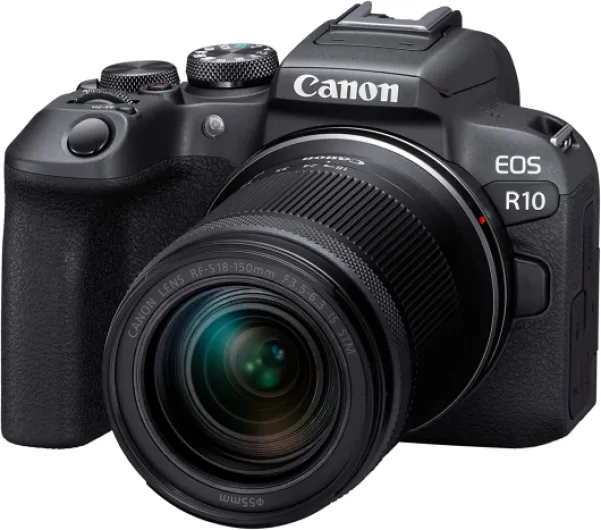
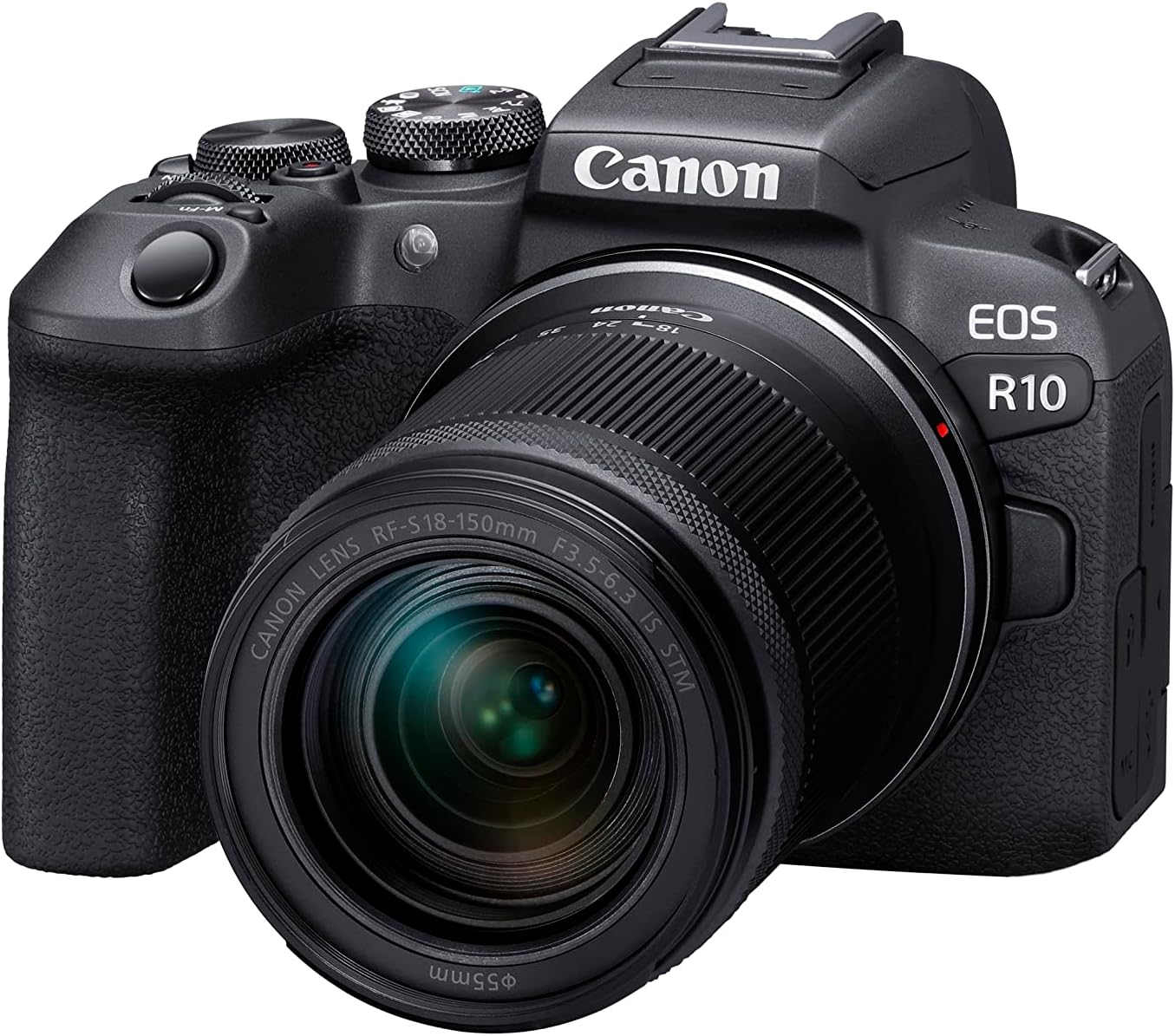
Brand choice shapes your long‑term experience with the best digital cameras for beginners because it locks you into a particular lens mount and accessory ecosystem. Canon remains a dominant player, and a Canon EOS mirrorless camera with a bundled kit lens is often recommended as a strong starter option thanks to its intuitive menus, dependable autofocus and wide selection of affordable lenses. When you see names like Canon EOS R10 or EOS R50 on spec sheets, you are usually looking at newer generations that refine autofocus, processing speed and sometimes image quality compared with earlier models.
Ricoh takes a different approach with its compact GR series, which appeals strongly to street photography enthusiasts. A model such as the Ricoh GR IIIx offers a large APS‑C sensor inside a slim body with a sharp fixed 40mm‑equivalent lens, making it a compelling digital camera for photographers who want pocket size without sacrificing image quality, though the lack of a zoom lens or built‑in viewfinder means it suits more deliberate shooting styles. For some camera beginners, a Ricoh GR can be the best camera for everyday carry, while others will prefer the flexibility of interchangeable‑lens mirrorless cameras from Canon or other brands.
Whatever brand you consider, evaluate how the cameras handle in real use. Visit a store, raise each camera to your eye and check whether the viewfinder feels comfortable, whether the grip fits your hand and whether the menus make sense without a manual, because these details will influence how often you actually carry the camera. If you are curious about how design trends evolved, reading about how mid‑century photography shaped modern camera culture can also help you appreciate why certain brands emphasize ergonomics, dials and tactile controls that still matter for beginners today.
Budget, price tiers and what you really need as a best beginner
Setting a realistic budget is essential when comparing the best digital cameras for beginners, because the body is only part of the total cost. You must account for at least one extra lens, a memory card, a spare battery and possibly a simple tripod, so a camera that seems cheap at first glance may not be the best option once you factor in the full kit. Think in terms of a complete photography system rather than a single purchase, and decide how much you are willing to invest over the next two or three years.
At the entry level, compact point and shoot models and basic APS‑C mirrorless cameras often sit in a similar price range. The compact digital camera will usually include a versatile zoom and sometimes a small built‑in flash, while the mirrorless camera may come with a modest kit lens that you can later replace with sharper lenses as your skills grow, which makes it a stronger long‑term choice for many camera beginners. If your budget allows, stepping slightly above the absolute minimum price bracket often brings better image quality, more responsive autofocus and improved build quality that will withstand frequent travel.
Do not overlook the value of accessories that protect and extend your gear. A padded bag, a simple cleaning kit and perhaps a small external flash can keep your cameras working reliably and help you maintain consistent image quality in varied lighting. For those who enjoy sharing photos at home, pairing your beginner camera with a modern Wi‑Fi photo frame such as a top digital picture frame can be a more engaging way to enjoy your images than leaving them buried on a hard drive.
Practical shooting tips to get the most from a beginner camera
Owning one of the best digital cameras for beginners is only the first step, because technique matters as much as specifications. Start by learning how aperture, shutter speed and ISO interact, then practice in aperture priority mode so that you can control depth of field while the camera handles exposure, which will quickly improve your understanding of light. As you grow more confident, experiment with manual focus, different lenses and the viewfinder display options so that you can anticipate how the final image will look before pressing the shutter.
Stabilization and stance play a huge role in perceived image quality. Even if your camera or lens offers advanced image stabilization, you will get sharper results by bracing your elbows against your body, exhaling gently as you shoot and using the viewfinder rather than holding the camera at arm’s length, especially in low light. When possible, raise the ISO slightly instead of accepting motion blur, because modern APS‑C and full‑frame cameras handle moderate ISO values well and still deliver great results for prints and online sharing.
Do not be afraid to use automatic modes while you learn, but review your images critically afterward. Check where the autofocus locked, whether the exposure preserved highlight detail and how the colors look on a calibrated screen, then adjust your settings or shooting technique next time to refine your style. Over time, this deliberate practice will matter more than whether you chose a Canon EOS kit, a Ricoh GR IIIx compact or another mirrorless camera, because the best cameras only reveal their potential when the photographer understands how to work with light and composition.
When to upgrade from a beginner camera and what to look for next
At some point, many owners of the best digital cameras for beginners feel limited by their gear. Typical signs include struggling to freeze fast action, wanting cleaner files at very high ISO or needing more precise control over focus tracking for wildlife or sports, and these needs often point toward more advanced APS‑C or full‑frame bodies. Before upgrading, ask whether a new lens, better technique or careful post‑processing might solve the issue, because these changes usually cost less than replacing the entire camera.
If you decide that an upgrade is justified, think about staying within the same lens mount to protect your investment. Moving from an entry‑level Canon EOS body to a higher‑end EOS R‑series model, for example, lets you keep your existing lenses while gaining faster autofocus, better viewfinder resolution and improved image quality, which is more efficient than switching brands and starting again. Photographers who began with a compact Ricoh GR camera might add a mirrorless system later while still using the Ricoh as a discreet point and shoot companion for travel or street work.
As your skills and ambitions grow, you may also refine your preferences for ergonomics and controls. Some photographers gravitate toward larger bodies with more direct dials and a deeper grip, while others prefer small mirrorless cameras that remain unobtrusive in public spaces, and neither choice is inherently best. The key is to let your real‑world shooting experience guide your decisions, so that every upgrade feels like a natural extension of the journey that started with your first beginner camera.
Key figures about beginner digital cameras
- Industry shipment reports from organizations such as CIPA show that interchangeable‑lens cameras, including mirrorless models, now represent a substantial share of digital camera revenue worldwide, reflecting strong demand from enthusiasts and beginners moving beyond smartphones.
- Manufacturer and retailer questionnaires indicate that many first‑time buyers choose an APS‑C body as their initial dedicated camera, mainly because it balances price, size and image quality better than most compact or full‑frame options.
- Data published by large online retailers frequently shows that entry‑level mirrorless kits with a bundled zoom lens receive user ratings around 4 to 5 stars, suggesting that most camera beginners are satisfied with their first purchase when they choose a flexible system.
- Annual CIPA trend overviews highlight that compact point and shoot cameras have declined sharply compared with mirrorless cameras, yet premium compacts with larger sensors still maintain a stable niche among travelers and street photographers.
- Consumer ownership surveys report that many buyers keep their first beginner camera for at least three to five years, which underlines the importance of choosing a system with room to grow through lenses and accessories.