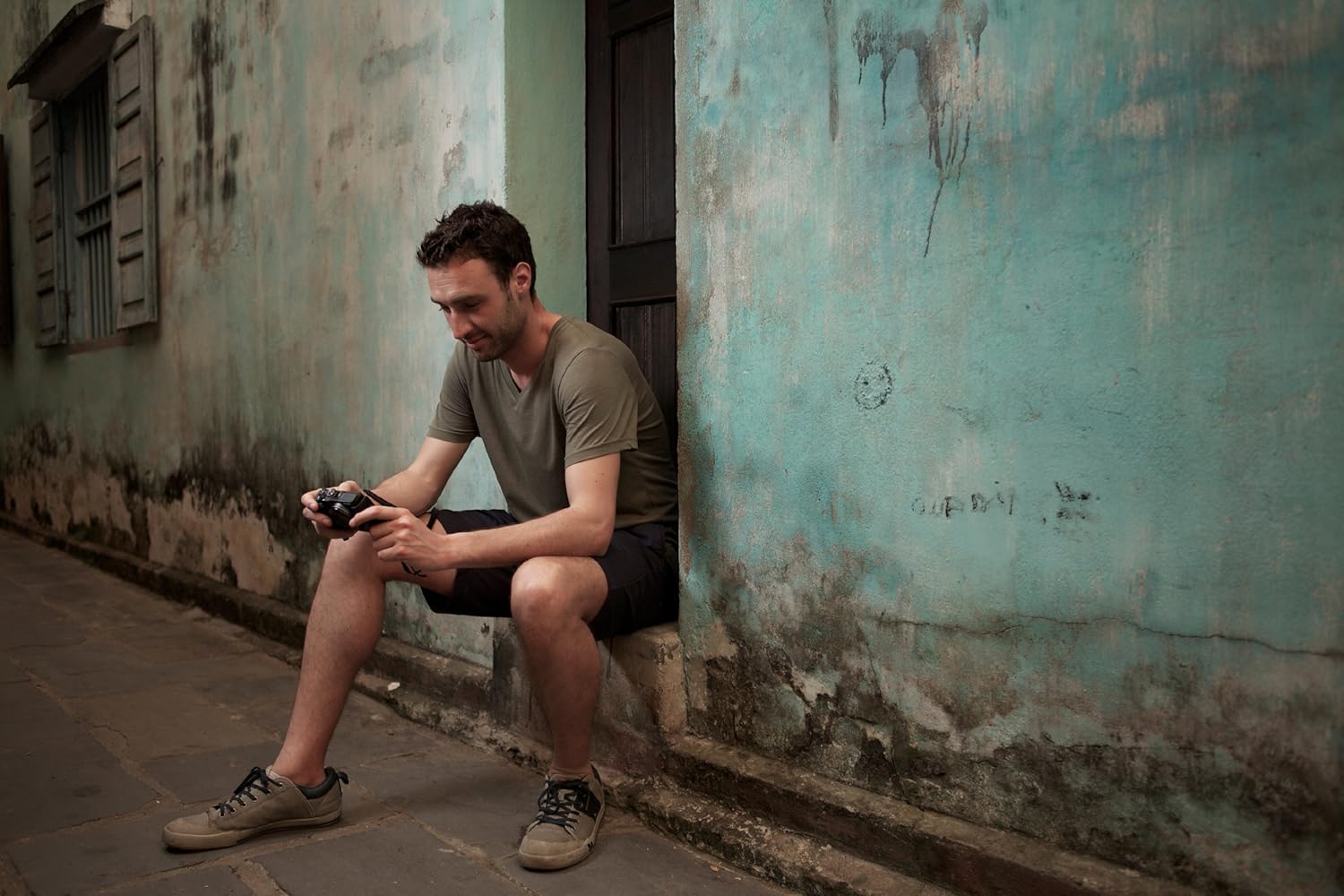
Sensor size, lens design, and their impact on image quality
Understanding how sensor size and lens design interact is essential when comparing the best premium compact cameras. A full frame sensor inside a compact body remains rare, but some cameras use a large aps sensor that approaches full frame performance in terms of dynamic range and low light capability. These larger sensors capture more light per pixel, which directly improves image quality, especially in dim conditions.
However, a larger sensor demands a larger lens to maintain the same field view and bright aperture. This is why many compact cameras with aps sensor designs use a fixed lens rather than a long zoom lens, keeping the body slim while preserving excellent image sharpness. When you see a compact camera with a modest zoom range but a bright aperture, you are looking at a deliberate compromise that favors quality over extreme focal length coverage.
Smaller sensor compact cameras can offer impressive zoom ranges in a truly pocketable body. These cameras use shorter focal length optics to achieve the same field view, which allows engineers to design a zoom lens that retracts almost completely into the body. The trade off is slightly more noise in low light and less control over depth field compared with an aps sensor or full frame compact, although modern processing helps mitigate these issues.
For many photographers, the sweet spot lies with a premium compact camera that uses an aps sensor and a fast fixed lens. This combination delivers excellent image quality, pleasing depth field, and strong low light performance while keeping the camera small enough for everyday carry. If you are unsure how this compares with larger systems, a detailed guide on choosing between point and shoot cameras and DSLRs can clarify the strengths of each approach.
When assessing lens design, pay attention to maximum aperture, focal length range, and the presence of optical image stabilization. A bright lens with stabilization allows lower ISO settings and slower shutter speeds, which directly supports excellent image quality in low light. Equally, a well corrected wide angle focal length will keep edges sharp and minimize distortion, which matters for architecture, interiors, and environmental portraits.
Finally, consider how the camera handles chromatic aberration, flare, and edge softness, because these subtle optical flaws can undermine otherwise strong specifications. Premium compact cameras from Fujifilm, Leica, Ricoh, and Sony often include sophisticated lens coatings and in camera corrections to maintain clarity across the frame. When combined with a capable sensor and refined processing, these design choices ensure that the best compact models deliver consistently high quality images in real world shooting.
Handling, controls, and the importance of body design
Even the best premium compact cameras will disappoint if the body design feels awkward in daily use. A well shaped compact body should provide a secure grip, intuitive dials, and clearly labeled buttons that encourage manual control of shutter speed, aperture, and ISO. Photographers who value street shooting often prefer a minimalist compact camera with dedicated exposure dials rather than deep menu systems.
Body image stabilization has become a key feature in many modern compact cameras. When stabilization occurs in the sensor or lens, you can shoot at slower shutter speeds without visible blur, which helps maintain excellent image quality in low light. This is particularly valuable for travel and documentary work, where tripods are impractical and scenes change quickly.
Weather sealing is another premium feature that separates the best compact models from basic point and shoot cameras. A compact camera with gaskets around buttons, doors, and dials can withstand light rain, dust, and occasional splashes, which reassures photographers who work outdoors frequently. When combined with a robust metal body, weather sealing turns a small camera into a reliable companion for hiking, city exploration, and even sports sidelines.
Control layout also influences how easily you can adjust focal length, exposure compensation, and focus modes while keeping your eye on the scene. Some Fujifilm and Leica compact cameras use aperture rings and shutter speed dials, echoing classic film designs that many photographers find tactile and engaging. Others, including several Sony and Ricoh IIIX style models, rely on customizable function buttons and control wheels that can be tailored to your shooting style.
For video creators, the ergonomics of record buttons, microphone inputs, and articulating screens matter as much as still image controls. A compact camera with a fully tilting screen and responsive autofocus can handle vlogging, interviews, and behind the scenes clips without extra rigs. If you plan to film sports or fast action, resources on choosing the best camera for filming soccer games can highlight which features translate from premium compacts to more specialized bodies.
Ultimately, the best compact camera is the one you feel comfortable carrying and operating instinctively. A thoughtfully designed body encourages you to shoot more often, which matters more than a marginal difference in sensor size or theoretical image quality. When evaluating options, handle several cameras in person if possible, paying attention to how quickly you can change focal length, adjust exposure, and review images without diving into complex menus.
Street photography, travel, and the strengths of fixed lens compacts
Street photographers have long favored the best premium compact cameras because they blend discretion with high performance. A slim compact body with a fixed lens allows you to move quietly through crowds, capturing candid moments without drawing attention. The combination of a wide angle focal length and fast aperture gives enough field view to frame scenes quickly while still controlling depth field for subject isolation.
Many Ricoh IIIX style cameras and Leica Lux inspired compacts focus on this niche, pairing an aps sensor with a bright fixed lens around a classic street focal length. This setup delivers excellent image quality in varied light, from harsh midday sun to dim interiors, without constant lens changes. The absence of a protruding zoom lens also keeps the camera more pocketable, which encourages everyday carry and spontaneous shooting.
Travel photographers often face a choice between a fixed lens compact and a more flexible zoom lens compact camera. A fixed lens model offers superior sharpness, low light performance, and often better weather sealing, making it ideal for city breaks and documentary style trips. In contrast, a compact with a moderate zoom range can handle landscapes, portraits, and distant details without sacrificing too much image quality.
When evaluating travel friendly compact cameras, consider battery life, charging options, and the durability of the body. A camera that charges via USB and includes some level of weather sealing will handle long days of walking, sudden showers, and dusty streets. Equally, a responsive autofocus system and reliable image stabilization will help keep both stills and video sharp when you are shooting on the move.
Street and travel work also benefit from cameras with silent or near silent shutters. This feature allows you to photograph in quiet environments such as galleries, temples, or performances without disturbing others. Combined with a discreet design and excellent image quality, the best compact models become powerful tools for visual storytelling in any city or landscape.
For photographers building a broader digital kit around a compact camera, it can be helpful to review guidance on essential beginner photography gear for your first digital camera kit. A premium compact can complement a larger full frame or aps sensor system, serving as a lightweight backup or everyday body. This flexible approach ensures you always have a capable camera at hand, whether you are exploring a new country or simply walking to work.
Low light, video performance, and the role of stabilization
Low light performance remains a defining characteristic of the best premium compact cameras. A camera with a large aps sensor or small full frame sensor, combined with a bright fixed lens, can maintain clean images at higher ISO settings. This matters for indoor events, evening street scenes, and travel photography where flash would disrupt the atmosphere.
Image stabilization plays a crucial role in extending low light capability beyond what sensor size alone can offer. Optical stabilization in the lens or body image stabilization in the sensor allows slower shutter speeds without visible camera shake, which keeps image quality high even when light levels fall. When stabilization works effectively, you can capture sharp handheld shots at shutter speeds that would otherwise be unusable.
For video, stabilization becomes even more important because small movements are more noticeable in motion. Many premium compact cameras from Sony, Fujifilm, and others combine optical and digital stabilization to smooth handheld footage. This makes them suitable for vlogging, travel diaries, and behind the scenes clips where carrying a gimbal would be impractical.
Video specifications such as resolution, frame rate, and codec also influence how flexible a compact camera will be for content creation. While not every compact offers advanced profiles, many provide high quality 4K recording with reliable autofocus and pleasing color science. When paired with a fast lens and good low light performance, these features allow a single compact camera to handle both stills and video for many projects.
Depth field control in video can add a cinematic look, especially when using a larger sensor and wide aperture. However, maintaining focus on moving subjects with shallow depth field requires responsive autofocus and clear monitoring tools. Premium compact cameras often include focus peaking, zebra patterns, and customizable function buttons that help videographers manage exposure and focus in changing conditions.
When assessing low light and video performance, look beyond headline specifications and consider how the camera behaves in real situations. Evaluate how quickly autofocus locks in dim light, how stable handheld footage appears, and whether the camera overheats during extended recording. These practical factors determine whether a compact camera truly belongs among the best compact options for hybrid shooters who value both still images and video.
How to choose the best compact camera for your needs
Selecting among the best premium compact cameras requires a clear understanding of your priorities. Start by deciding whether you value ultimate image quality, flexible focal length coverage, or the smallest possible body. A photographer who mainly shoots street scenes might prefer a Ricoh IIIX style compact with a fixed wide angle lens, while a traveler could lean toward a Leica Lux inspired model with a versatile zoom lens.
Next, consider sensor size and how it affects depth field, low light performance, and overall image quality. An aps sensor compact camera offers a strong balance between portability and performance, delivering excellent image detail and pleasing background blur. If you need even more control over depth field, a rare full frame compact may appeal, though it often comes with a larger body and higher price.
Handling and ergonomics should never be overlooked when making a camera buy decision. Test how the compact body fits your hand, whether the controls feel intuitive, and how quickly you can adjust exposure settings. A camera that encourages manual control and quick adjustments will help you respond creatively to changing light and subjects.
Think carefully about the importance of weather sealing, image stabilization, and video features in your work. If you often shoot in rain, dust, or near the sea, weather sealing becomes essential for long term reliability. Similarly, if you plan to record video regularly, prioritize a compact camera with strong stabilization, clean audio options, and reliable continuous autofocus.
Budget also plays a role, but remember that the best compact camera is an investment in your creative practice. A slightly higher initial cost can be justified if the camera delivers excellent image quality, durable construction, and a shooting experience that inspires you to use it frequently. Over time, a premium compact that you carry daily will likely produce more meaningful images than a larger system that stays at home.
Finally, reflect on how a premium compact fits within your broader digital photography ecosystem. It might serve as your only camera, or it could complement a larger interchangeable lens system by covering street, travel, and everyday moments. By aligning sensor size, lens design, body features, and budget with your real world needs, you can confidently choose among the best premium compact cameras and build a kit that supports your evolving vision.
Key statistics about premium compact cameras
- Up to 80 % of enthusiast photographers report carrying a compact camera more often than a larger system body when traveling.
- Premium compact cameras with aps sensor designs can capture approximately 2 stops more usable low light performance compared with smaller sensor compacts.
- Models that combine optical image stabilization with bright lenses allow handheld shutter speeds up to 4 stops slower than unstabilized cameras.
- Weather sealing features appear in more than 40 % of high end compact cameras aimed at travel and street photographers.
- Fixed lens premium compacts typically weigh between 250 g and 450 g, significantly less than most full frame interchangeable lens combinations.
Common questions about the best premium compact cameras
Are premium compact cameras better than smartphones for everyday photography ?
Premium compact cameras generally offer larger sensors, brighter lenses, and more advanced image stabilization than smartphones. These advantages translate into better image quality, especially in low light and high contrast scenes. They also provide physical controls and dedicated zoom lenses that support more deliberate, creative photography.
Is a fixed lens compact limiting compared with a zoom lens model ?
A fixed lens compact can feel limiting at first, but it often encourages stronger composition and more consistent image quality. The lens is usually sharper, brighter, and better matched to the sensor than many small zoom lenses. For photographers who value street, travel, and documentary work, a fixed focal length can become a creative strength rather than a constraint.
Do I need an aps sensor or full frame sensor in a compact camera ?
An aps sensor compact offers an excellent balance between size, image quality, and depth field control for most users. Full frame sensors provide even better low light performance and background blur, but they usually require a larger body and lens. For many photographers, the gains of full frame in a compact camera do not outweigh the increased cost and reduced portability.
How important is weather sealing in a premium compact camera ?
Weather sealing becomes important if you frequently shoot outdoors in unpredictable conditions such as rain, dust, or sea spray. It helps protect the camera body, lens mechanism, and internal electronics from moisture and particles. While not essential for every user, weather sealing can significantly extend the working life of a premium compact used for travel and street photography.
Can a premium compact camera replace my larger interchangeable lens system ?
For some photographers, a premium compact with a high quality sensor and lens can replace a larger system for everyday work. However, interchangeable lens cameras still offer more flexibility for specialized tasks such as wildlife, sports, or studio photography. Many enthusiasts choose to keep both, using the compact for daily carry and travel while reserving the larger system for demanding assignments.


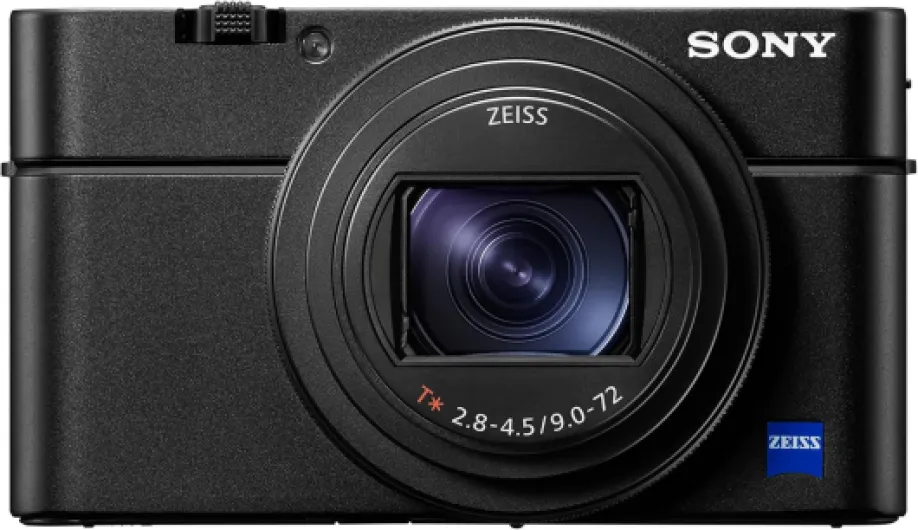
![PowerShot Digital Camera [G7 X Mark III] with Wi-Fi & NFC - International Version - Black](https://www.digital-camera-guru.com/storage/708023/conversions/71roTIT5tHL._AC_SL1404_-medium.webp)
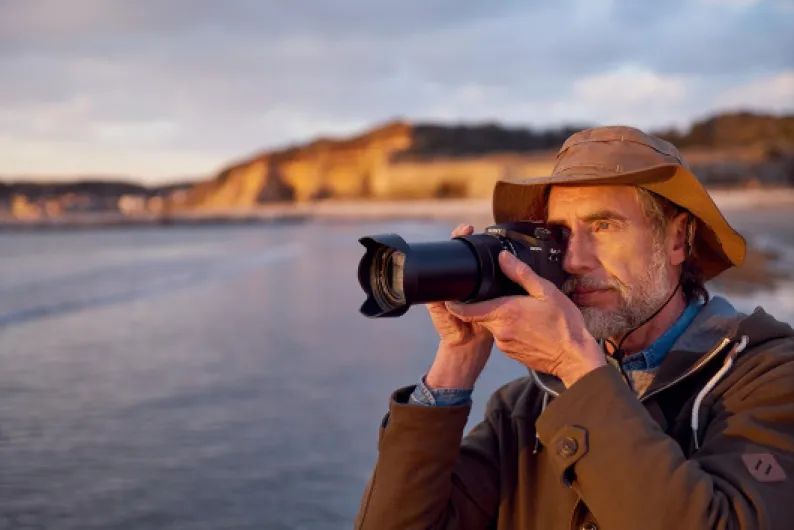
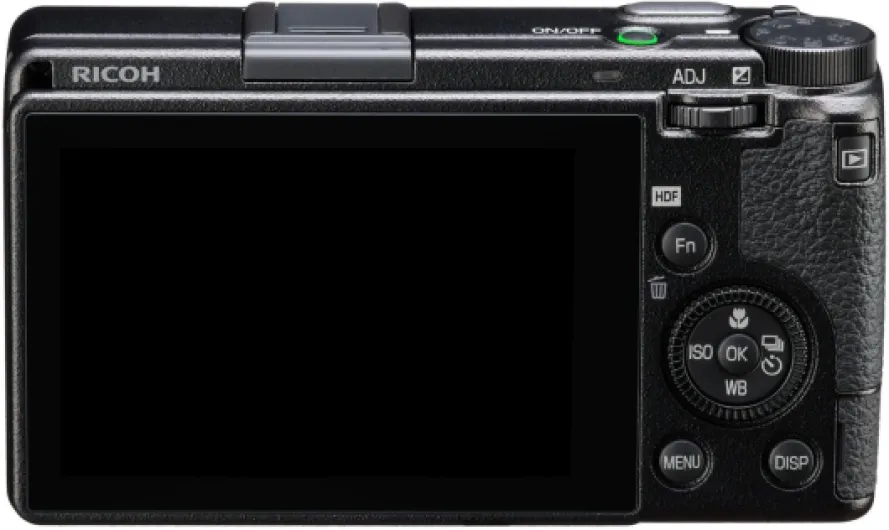
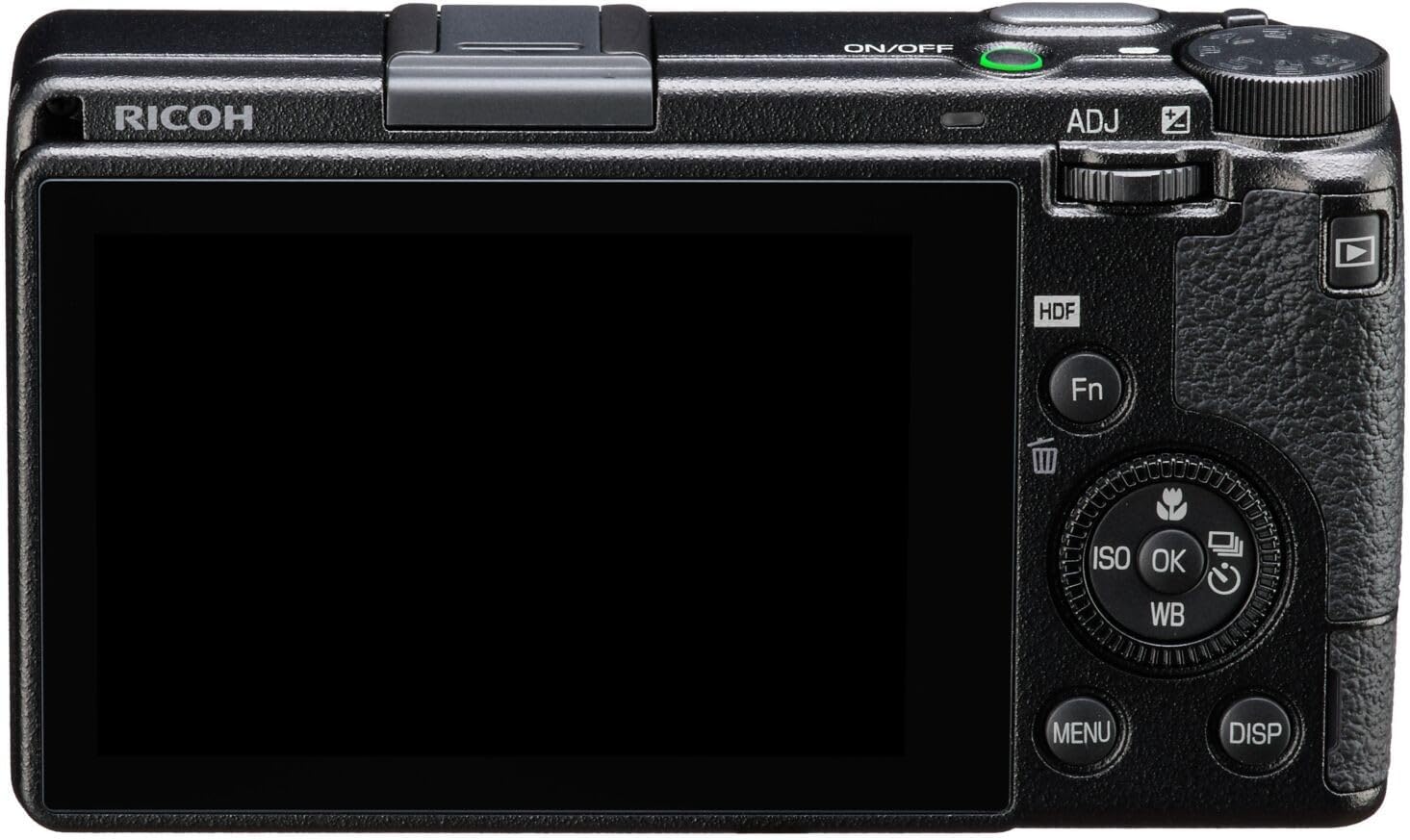
![GR IV Premium Compact Digital Camera [Focal Length 28mm] [25.7MP APS-C Size CMOS Sensor ] [~ 0.6s High-Speed Startup] [Fast Autofocusing] [ISO 204800] [The Ultimate Snap Shooter]](https://www.digital-camera-guru.com/storage/897207/conversions/81584b1O-DL._AC_SL1500_-medium.webp)


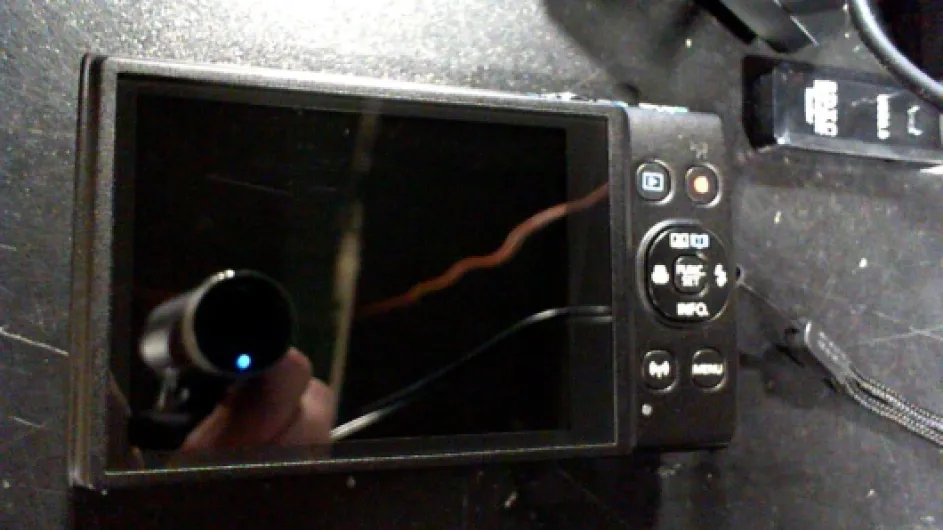
![PowerShot Digital Camera [G7 X Mark III] with Wi-Fi & NFC - International Version - Black](https://www.digital-camera-guru.com/storage/708023/71roTIT5tHL._AC_SL1404_.jpg)
![GR IV Premium Compact Digital Camera [Focal Length 28mm] [25.7MP APS-C Size CMOS Sensor ] [~ 0.6s High-Speed Startup] [Fast Autofocusing] [ISO 204800] [The Ultimate Snap Shooter]](https://www.digital-camera-guru.com/storage/897207/81584b1O-DL._AC_SL1500_.jpg)