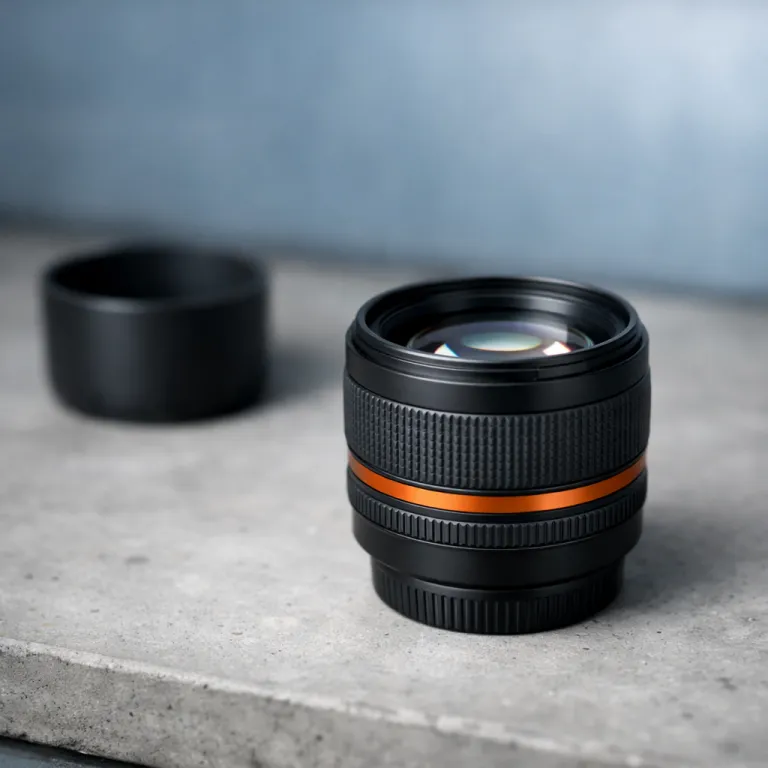
Understanding what makes the best portrait lenses for Canon
Choosing the best portrait lenses Canon users can rely on starts with understanding how a lens shapes perspective and background blur. A good portrait lens for a Canon camera balances focal length, aperture, and image rendering, creating portraits that feel natural while still flattering the subject. When photographers compare lenses Canon offers with third party options, they quickly see how subtle differences in focal length and aperture affect the emotional tone of each portrait.
On Canon DSLR and Canon EOS mirrorless bodies, focal length determines how close you need to stand and how compressed the background appears. Classic portrait lenses around 50 mm to 85 mm on full frame provide a great balance between working distance and perspective, while longer length Canon options near 135 mm give even stronger background separation. When you mount a portrait lens on a Canon APS camera, the smaller sensor changes the effective focal length, so a 50 mm lens behaves more like an 80 mm equivalent.
Aperture is just as critical as focal length when evaluating the best portrait lenses Canon photographers might buy. A lens that stays sharp wide open at f/1.4 or f/1.8 lets you blur busy backgrounds while keeping the eyes crisp, which dramatically improves perceived image quality. Many Canon lens designs with USM focus motors also maintain reliable autofocus at wide apertures, helping you keep moving portraits sharp even in low light.
Focal length, APS sensors, and full frame portrait rendering
To judge the best portrait lenses Canon shooters can use, you must consider how APS sensors and full frame sensors change the field of view. On a full frame Canon EOS or Canon DSLR body, an 85 mm portrait lens gives a classic look with gentle compression and flattering facial proportions. When that same lens is mounted on a Canon APS body, the effective focal length feels closer to 135 mm, which can be great for tight portraits but less flexible in small spaces.
Many photographers starting with a Canon APS camera look for a good 50 mm lens Canon option, because it behaves like a short telephoto for portraits. This focal length on APS offers a great compromise between working distance and background blur, especially when the lens is fast enough to be used wide open. As you upgrade to a full frame Canon camera, that same 50 mm becomes more of an environmental portrait lens, placing your subject within a wider context.
When comparing Canon lenses and Sigma lenses for portraits, pay close attention to focal length markings and how they translate between formats. A Sigma 56 mm lens on APS can mimic the look of an 85 mm portrait lens on full frame, which is why many APS users consider it among the best Canon portrait alternatives. For a deeper understanding of how full frame rendering affects portraits and travel work, you can study a detailed mirrorless camera review for enthusiasts and compare field of view examples.
Aperture, ISO, and shooting wide open for portraits
When evaluating the best portrait lenses Canon owners can choose, aperture and ISO performance are inseparable. A fast portrait lens with an f/1.4 or f/1.8 aperture allows you to keep ISO lower, preserving image quality in dim interiors or at dusk. Shooting wide open also creates a shallow depth of field that isolates the subject, which is why many photographers consider a fast Canon lens or Sigma lens essential for professional portraits.
However, using a lens wide open demands precise technique and reliable autofocus, especially on Canon EOS and Canon DSLR bodies. At very large apertures, even a slight movement can shift focus from the eyes to the ears, so a good USM lens with accurate tracking becomes critical. Canon USM designs are known for quiet and responsive focusing, and many portrait photographers regard a Canon USM prime as a best Canon choice for low light work.
Balancing aperture and ISO also depends on sensor size and camera generation, whether you shoot Canon APS or full frame. Modern Canon camera models handle higher ISO values gracefully, letting you stop down the lens slightly for more depth of field while still maintaining good image quality. When reading any camera or lens review, pay attention to how the photographer describes ISO performance at typical portrait settings, such as f/2 and ISO 1600 in indoor light.
Autofocus, USM technology, and handling for portrait work
Beyond focal length and aperture, the best portrait lenses Canon users select must focus quickly and accurately. Portraits often involve subtle expressions and fleeting gestures, so a USM lens that locks onto the eyes without hesitation can mean the difference between a keeper and a missed moment. Canon USM technology uses ultrasonic motors to drive focus elements smoothly, which is especially valuable when shooting portraits wide open with shallow depth of field.
Handling also matters, because a portrait lens that balances well on a Canon DSLR or Canon EOS mirrorless body encourages more confident framing. A lens that is too heavy or front loaded can make it harder to hold the camera steady, which may reduce image quality at slower shutter speeds. Many photographers find that mid weight Canon lenses and Sigma lenses offer a good compromise between build quality and comfort during long portrait sessions.
When you compare portrait lenses across brands, look at how each lens behaves in real world photography rather than only reading specifications. A detailed review that includes portraits, close ups, and backlit scenes will reveal how the lens handles flare, contrast, and autofocus reliability. For example, examining a thorough full frame mirrorless Canon EOS test can show how different portrait lenses behave on a compact body in varied lighting.
Image quality, rendering, and the character of portrait lenses
Image quality in portrait photography goes beyond sharpness charts, especially when assessing the best portrait lenses Canon photographers might buy. A good portrait lens should render skin tones gently, keep fine detail in the eyes, and produce a pleasing transition from in focus areas to blur. Many Canon portrait specialists value lenses that remain sharp at the point of focus while softening backgrounds smoothly, even when used wide open.
Different Canon lenses and Sigma lenses have distinct rendering styles, which become obvious when you compare portraits side by side. Some lenses emphasize micro contrast and crisp detail, while others prioritize smoother transitions and a more forgiving look on skin. When you read a lens review, look for comments about bokeh quality, color reproduction, and how the lens handles high contrast edges around hair and eyelashes.
On full frame bodies, longer focal length Canon options like 85 mm and 135 mm often produce especially flattering portraits with strong background separation. On Canon APS cameras, shorter focal length lenses can achieve similar framing, but the depth of field will be slightly deeper at the same aperture. This is why many photographers consider both sensor format and focal length when building a set of portrait lenses, aiming for a coherent look across different cameras.
Building a versatile Canon portrait kit for real world use
Creating a flexible kit around the best portrait lenses Canon offers means thinking about how you actually shoot. Many photographers start with a 50 mm portrait lens as an affordable all rounder, then add an 85 mm or 135 mm lens Canon option for tighter portraits. On a Canon APS body, a 35 mm or 50 mm lens can cover most portrait needs, while a full frame Canon camera benefits from a trio of 35 mm, 50 mm, and 85 mm focal lengths.
When mixing Canon lenses and Sigma lenses, ensure that each focal length serves a distinct purpose in your photography. A fast 35 mm lens is ideal for environmental portraits and small interiors, while an 85 mm lens shines for classic head and shoulders portraits. Adding a macro capable portrait lens can also be useful, letting you capture close ups of eyes, hands, and details without switching to a dedicated macro lens.
Budget and handling should guide your choices as much as specifications, especially if you use both Canon APS and full frame bodies. A lighter USM lens may be the best Canon option for long events, even if a heavier lens offers slightly higher image quality on paper. Over time, your experience with different portrait lenses will teach you which focal length and aperture combinations feel most natural for your style.
Key statistics and common questions about Canon portrait lenses
Key quantitative insights
- Portrait photographers frequently favor focal lengths between 50 mm and 135 mm on full frame Canon cameras for natural perspective and background compression.
- On Canon APS bodies, lenses in the 35 mm to 85 mm range are commonly used to achieve framing similar to classic full frame portrait focal lengths.
- Fast portrait lenses with maximum apertures between f/1.2 and f/2.0 are widely chosen to maintain lower ISO settings and enhance subject separation in low light.
- Many working photographers rely on at least two dedicated portrait lenses, often combining a standard prime with a short telephoto prime for flexibility.
Frequently asked questions
What focal length is most suitable for Canon portrait photography
For Canon portrait work on full frame, focal lengths around 85 mm are widely regarded as a sweet spot for flattering perspective. On Canon APS cameras, a 50 mm lens offers a similar field of view and is often considered a good starting point. Many photographers eventually add both shorter and longer focal lengths to adapt to different spaces and portrait styles.
Are third party lenses like Sigma good for Canon portraits
Sigma lenses can be very good for Canon portrait photography when chosen carefully. Many Sigma primes offer fast apertures, strong image quality, and reliable autofocus on Canon DSLR and Canon EOS bodies. Always check compatibility and read a detailed review to ensure the specific Sigma lens performs well on your camera.
Should I prioritize aperture or image stabilization for portraits
For portraits, a wide maximum aperture usually brings more creative control than image stabilization. A fast portrait lens allows lower ISO settings and stronger background blur, which directly affects the look of your portraits. Image stabilization can still help at slower shutter speeds, but it does not freeze subject movement as effectively as a wider aperture combined with higher shutter speeds.
Is a full frame Canon camera necessary for professional portraits
A full frame Canon camera offers advantages in depth of field control and high ISO performance, but it is not strictly necessary. Many photographers create excellent portraits with Canon APS bodies paired with fast lenses and careful technique. The choice between APS and full frame should consider budget, lens options, and how large you plan to print or display your images.
How many portrait lenses do I really need for a Canon system
Most photographers can cover a wide range of portrait situations with two or three dedicated lenses. A standard prime around 35 mm or 50 mm and a short telephoto around 85 mm form a strong core for both Canon APS and full frame systems. Additional lenses can be added later to address specific needs such as tight headshots, environmental portraits, or low light events.
Trustful expert sources
- Canon official product and technical documentation
- Digital Camera World laboratory tests and field reviews
- DPReview in depth camera and lens evaluations