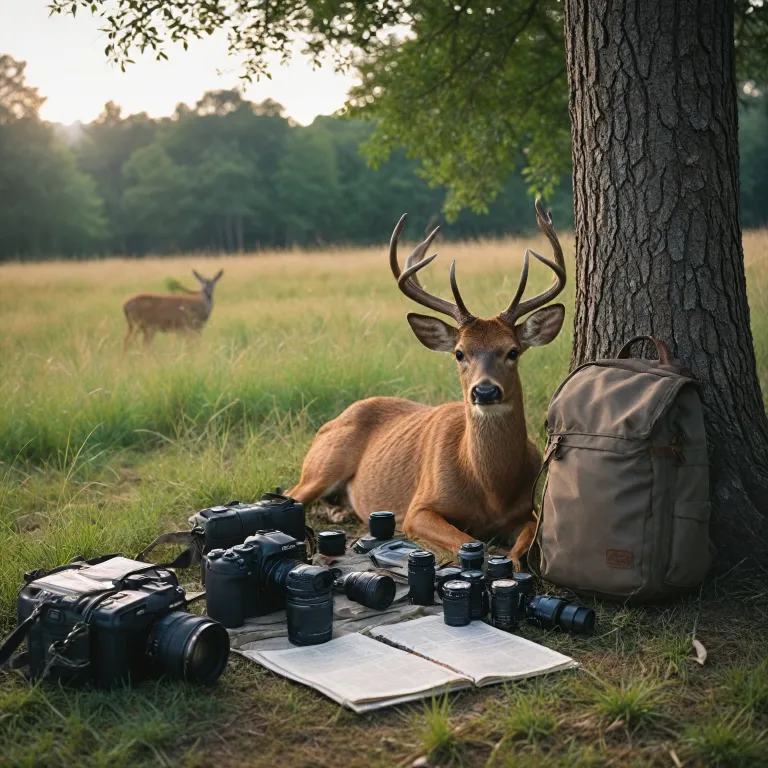
Building a reliable wildlife photography kit for the field
Wildlife photography equipment must balance reach, reliability, and portability. When you select each piece of photography gear, you shape how close you can get to wildlife and how confidently you can work in harsh conditions. A well planned set of photo gear lets you react quickly while still protecting your camera and lenses.
The heart of any wildlife photography kit is the camera and primary camera lens. Many photographers rely on a Canon body with a fast Canon USM telephoto camera lens, because Canon USM autofocus is quiet and precise around nervous wildlife. Whether you choose Canon or another brand, the best bodies offer fast bursts, deep buffers, and dependable autofocus tracking for wildlife photography.
Long lens choices define your reach for wildlife in open field environments. Prime lenses and zoom lenses both have a place in wildlife photography equipment, and many photographers carry two lenses to cover different distances. Adding high quality filters in front of a camera lens can protect glass and control light, especially when you use filter holders and dedicated filter cases to keep each filter safe.
Support gear is equally important for sharp wildlife images. A sturdy tripod with a smooth tripod head or ball head stabilizes heavy lenses, and quick release plates or dedicated lens plates let you move rapidly between handheld and tripod work. Thoughtful camera accessories, from memory card wallets to sensor cleaning kits, ensure your wildlife photography sessions are productive instead of frustrating.
Carrying systems, camera bags, and field protection
Moving wildlife photography equipment safely into remote locations demands smart carrying solutions. A dedicated backpack for photography gear spreads weight evenly, while smaller camera bags and shoulder bags keep essential camera accessories close at hand. Many photographers combine a backpack with padded cases and filter cases to organize delicate lenses and filters.
When you hike all day in the field, a well designed backpack protects both your back and your wildlife photography equipment. Look for photography backpacks with adjustable harnesses, weather resistant fabrics, and modular dividers that fit long lenses and multiple camera bodies. Extra side pockets help you separate cleaning tools, memory card holders, and compact tripod heads from food or clothing.
Some photographers prefer a cotton carrier style harness to keep a camera ready on the chest. A cotton carrier system reduces neck strain and prevents a swinging camera from startling wildlife, especially when you scramble over rocks or through dense brush. You can still pair this with slim camera bags or lens cases for spare lenses accessories and other photo gear.
Protection in the field also means planning for accidents and weather. Padded cases, rain covers for camera bags, and waterproof bags for accessories shield your wildlife photography equipment from dust, moisture, and impacts. If you are considering a used full frame body as part of your wildlife photography kit, reading a detailed guide on buying a used mirrorless camera for nature work can help you evaluate durability and value.
Tripods, tripod heads, and stability for long lenses
Stability is a cornerstone of sharp wildlife photography, especially with long lenses. A robust tripod keeps your wildlife photography equipment steady during low light or when you wait patiently for elusive wildlife to move. Choosing the best tripod for your style means balancing weight, height, and rigidity in real field conditions.
Carbon fibre tripods are popular because they are lighter to carry in a backpack yet still rigid enough for heavy camera lens combinations. For wildlife photography, a tripod with independent leg angles lets you work on uneven ground, riverbanks, or forest floors. Pairing the tripod with a fluid tripod head or gimbal style tripod head allows smooth tracking of moving wildlife without fighting friction.
Many photographers rely on a ball head for more compact wildlife photography equipment setups. A high quality ball head with a strong quick release clamp and compatible lens plates supports long lenses securely while allowing fast recomposition. Matching your lens plates and quick release system across all camera accessories, including smaller tripods, monopods, and clamps, keeps your photography gear efficient and consistent.
Do not overlook small stability accessories that complement the main tripod. Ground pods, beanbags, and low profile holders for lenses help when a full tripod is impractical or too visible to wary wildlife. For hybrid shooters who mix wildlife photography with video, reading a practical review of a modern hybrid body such as the Sony Alpha 7 IV for creators can clarify how stabilization and ergonomics affect field work.
Filters, cleaning routines, and sensor maintenance in the wild
Filters and meticulous cleaning routines protect your wildlife photography equipment from harsh outdoor environments. A simple UV filter on each camera lens can shield the front element from dust, salt spray, and minor impacts without degrading photo quality. When you carry multiple filters for creative control, dedicated filter holders and labeled filter cases keep everything organized.
Polarizing filters are especially useful in wildlife photography because they cut glare on water and foliage. Neutral density filters help when you want motion blur in wildlife habitats, such as flowing rivers or flocks in flight, while maintaining safe shutter speeds for handheld camera work. Keeping these filters in padded filter cases inside your camera bags or backpack prevents scratches and accidental loss in the field.
Regular lens cleaning and sensor cleaning are essential when you work in dusty or humid environments. A compact lens cleaning kit with a blower, soft brush, and microfiber cloth should live permanently in your camera bags or side pockets of your backpack. For sensor cleaning, many photographers carry pre moistened swabs and follow manufacturer guidelines, because improper sensor cleaning can damage delicate surfaces and compromise every photo.
Cleaning routines extend to tripod legs, tripod heads, and ball head mechanisms that collect sand and grit. Wiping down holders, lens plates, and other camera accessories after each wildlife photography outing prolongs the life of your photography gear. For a deeper look at how a compact fixed lens body handles outdoor work and travel, a detailed article on capturing stunning moments with a travel oriented camera offers useful context.
Memory cards, backups, and workflow for wildlife sessions
Efficient handling of every memory card is vital when you shoot fast wildlife action. Wildlife photography equipment must include reliable, high speed cards that match your camera buffer and burst capabilities. Many photographers carry multiple memory cards in rugged holders or compact cases to separate exposed and empty cards clearly.
During intense wildlife photography sessions, you may fill several memory cards before leaving the field. Using color coded holders or labeled filter cases repurposed as memory card organizers helps prevent accidental formatting of important wildlife images. Some camera bags and backpacks include dedicated pockets for photo gear such as memory card wallets, batteries, and compact cleaning tools.
Backup strategies should start before you return from the field. When possible, use cameras with dual memory card slots and set them to record RAW files to both cards, especially during rare wildlife encounters. Once back at base, immediately copy files to at least two separate drives, because no amount of photography gear can replace a lost wildlife photo.
Workflow planning also affects how you pack wildlife photography equipment. Keeping cables, card readers, and small camera accessories in clearly marked cases saves time and reduces stress after long days in the field. Over time, refining how you handle each memory card, from camera to archive, becomes as important as choosing the best lens or tripod head for your wildlife photography.
Seasonal challenges, winter photography, and hand protection
Seasonal changes place unique demands on wildlife photography equipment and technique. Winter photography in particular tests batteries, camera seals, and your own endurance in the field. Planning for cold conditions means adapting both your photography gear and your clothing system.
Winter photography often requires insulated photography gloves that still allow precise control of camera buttons. Good photography gloves balance warmth with dexterity, so you can adjust a ball head, change a memory card, or swap filters without exposing bare skin for long. Many wildlife photographers keep a thin liner glove under thicker photography gloves to manage changing activity levels.
Cold weather also affects tripods, tripod heads, and other metal accessories. Wrapping tripod legs with foam or tape makes them more comfortable to carry, while checking quick release clamps and lens plates for ice prevents accidents. Camera bags and backpacks should have enough space for extra layers, hand warmers, and dry cases for lenses accessories that might fog when you move between temperatures.
Winter wildlife photography rewards careful preparation with unique light and behavior. Batteries drain faster in low temperatures, so keep spares in inner pockets close to your body, and rotate them regularly between the camera and your clothing. With thoughtful planning of wildlife photography equipment, from cotton carrier systems over insulated jackets to weather sealed camera bodies and lenses, you can work safely and ethically in demanding winter environments.
Ethical fieldcraft, quiet gear choices, and long term care
Ethical fieldcraft is as important as sharp images when you assemble wildlife photography equipment. Quiet camera shutters, smooth tripod heads, and discreet camera bags help you minimize disturbance to wildlife in sensitive habitats. Choosing the best gear is not only about technical performance but also about how your presence affects the animals you photograph.
Long telephoto lenses allow you to keep a respectful distance while still filling the frame with wildlife. Using stable tripods, ball heads, and quick release systems reduces the need to move constantly, which can stress wildlife and damage fragile vegetation. Cotton carrier harnesses and low profile holders for accessories keep your silhouette compact and less intrusive in the field.
Long term care of photography gear ensures it remains reliable for future wildlife seasons. Regular lens cleaning, sensor cleaning, and inspection of lens plates, filter holders, and tripod locks prevent small issues from becoming failures during critical moments. Storing wildlife photography equipment in dry, ventilated cases or camera bags with silica gel reduces the risk of fungus on lenses and corrosion on metal parts.
Ethical wildlife photography also includes honest communication about your methods and equipment. Sharing how you use your camera, lenses, filters, and accessories responsibly builds trust with other photographers and with the wider public. Over time, this commitment to careful fieldcraft, respectful distances, and well maintained wildlife photography equipment strengthens both your images and your reputation.
Frequently asked questions about wildlife photography equipment
What is the best focal length for wildlife photography in open habitats ?
Many photographers prefer lenses between 300 mm and 600 mm for wildlife in open field environments, because this range balances reach, weight, and cost. Zoom lenses around 100 400 mm or 150 600 mm offer flexibility when wildlife moves closer or farther away. Prime lenses in the 400 mm to 600 mm range provide excellent sharpness but require more careful positioning.
How important is a tripod for wildlife photography ?
A tripod becomes essential when you use heavy telephoto lenses, work in low light, or wait for long periods. It reduces fatigue, improves composition, and allows lower ISO settings for cleaner files. Pairing a solid tripod with a smooth tripod head or ball head is one of the most effective upgrades to wildlife photography equipment.
Which camera bags work best for long hikes with wildlife gear ?
Backpacks designed specifically for photography gear distribute weight better than simple shoulder camera bags. Look for adjustable harnesses, hip belts, and ventilated back panels to stay comfortable during long approaches. Internal dividers should fit your camera, main lens, tripod head, and accessories while leaving room for water and extra clothing.
How often should I perform sensor cleaning and lens cleaning ?
For regular wildlife photography, inspect your sensor and lenses after every major trip. Light lens cleaning with a blower and cloth can happen frequently, while wet sensor cleaning should follow manufacturer guidance and only when dust spots appear in images. Keeping a small cleaning kit in your camera bags or backpack encourages consistent maintenance.
What accessories are most overlooked in wildlife photography equipment ?
Many photographers underestimate the value of sturdy quick release plates, dedicated lens plates, and organized filter cases. Simple items like photography gloves, cotton carrier harnesses, and memory card holders can dramatically improve comfort and efficiency. Together with thoughtful camera accessories and protective cases, these small tools help you focus on wildlife behavior instead of wrestling with your gear.
Trusted references for further reading : National Geographic photography resources, Audubon photography guidelines, and Canon professional services documentation.