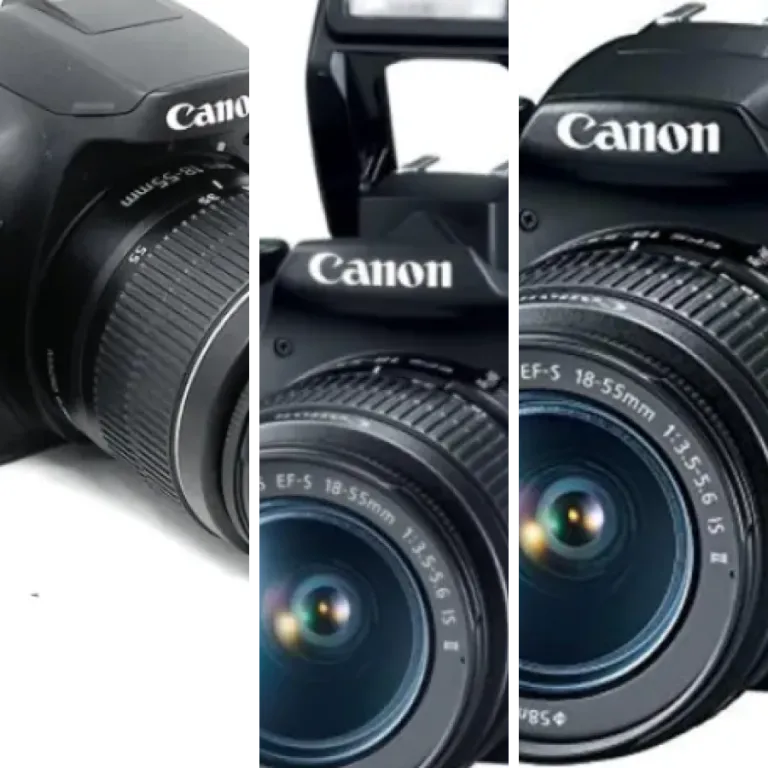
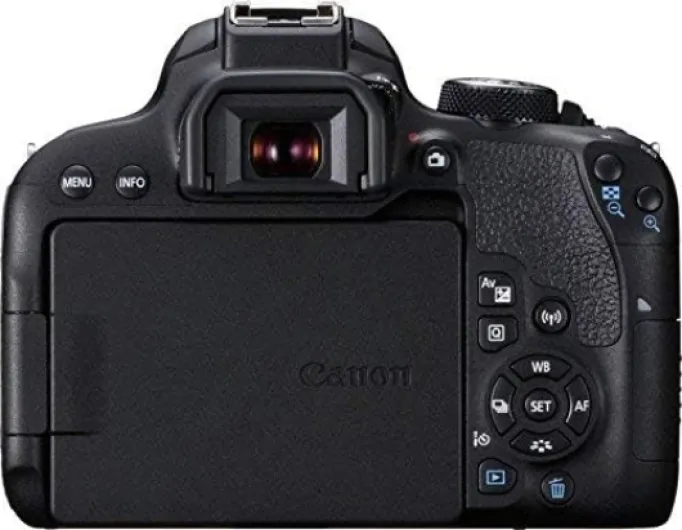
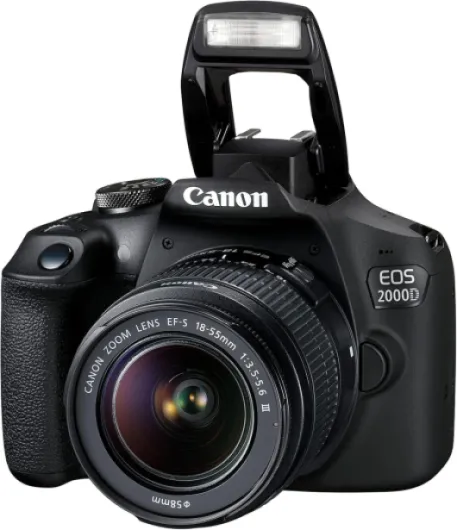
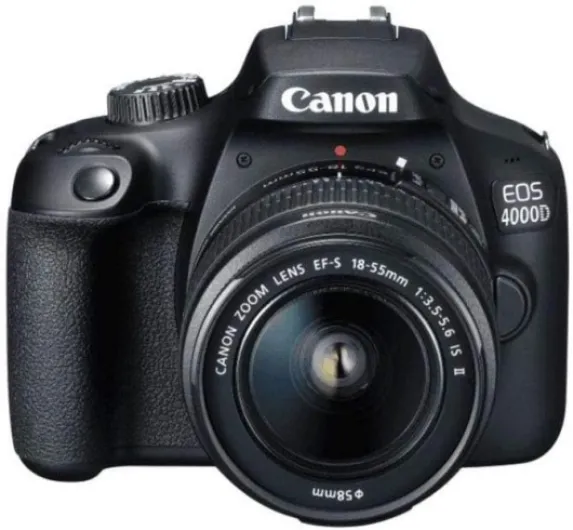
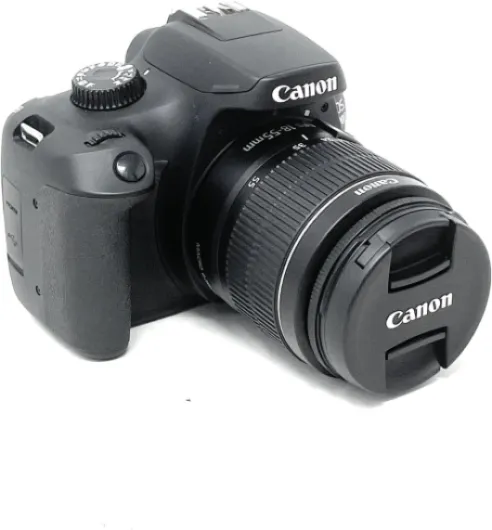
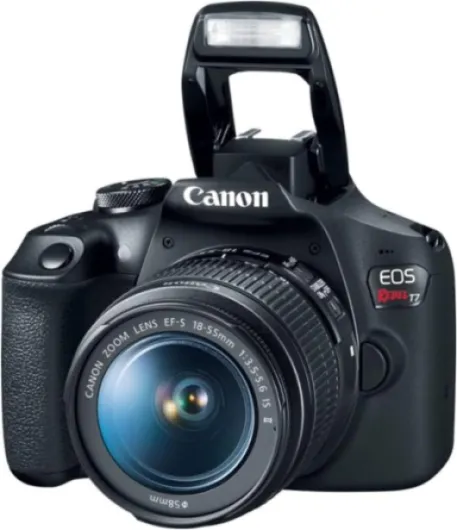
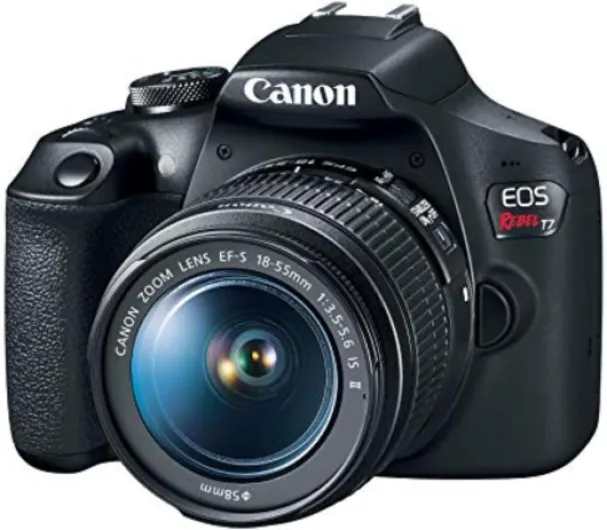
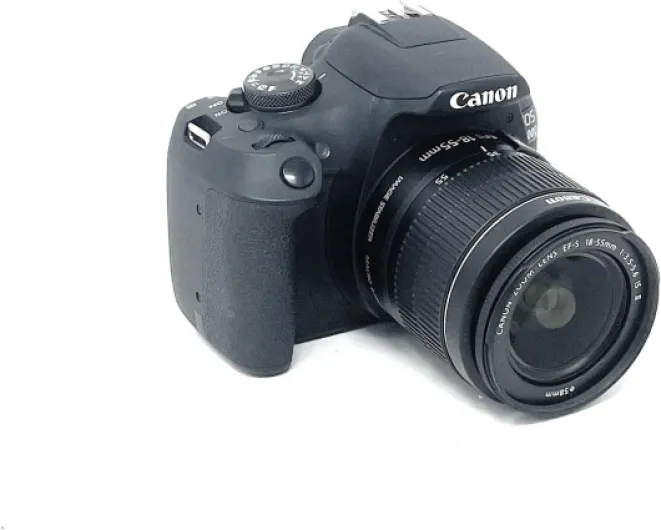
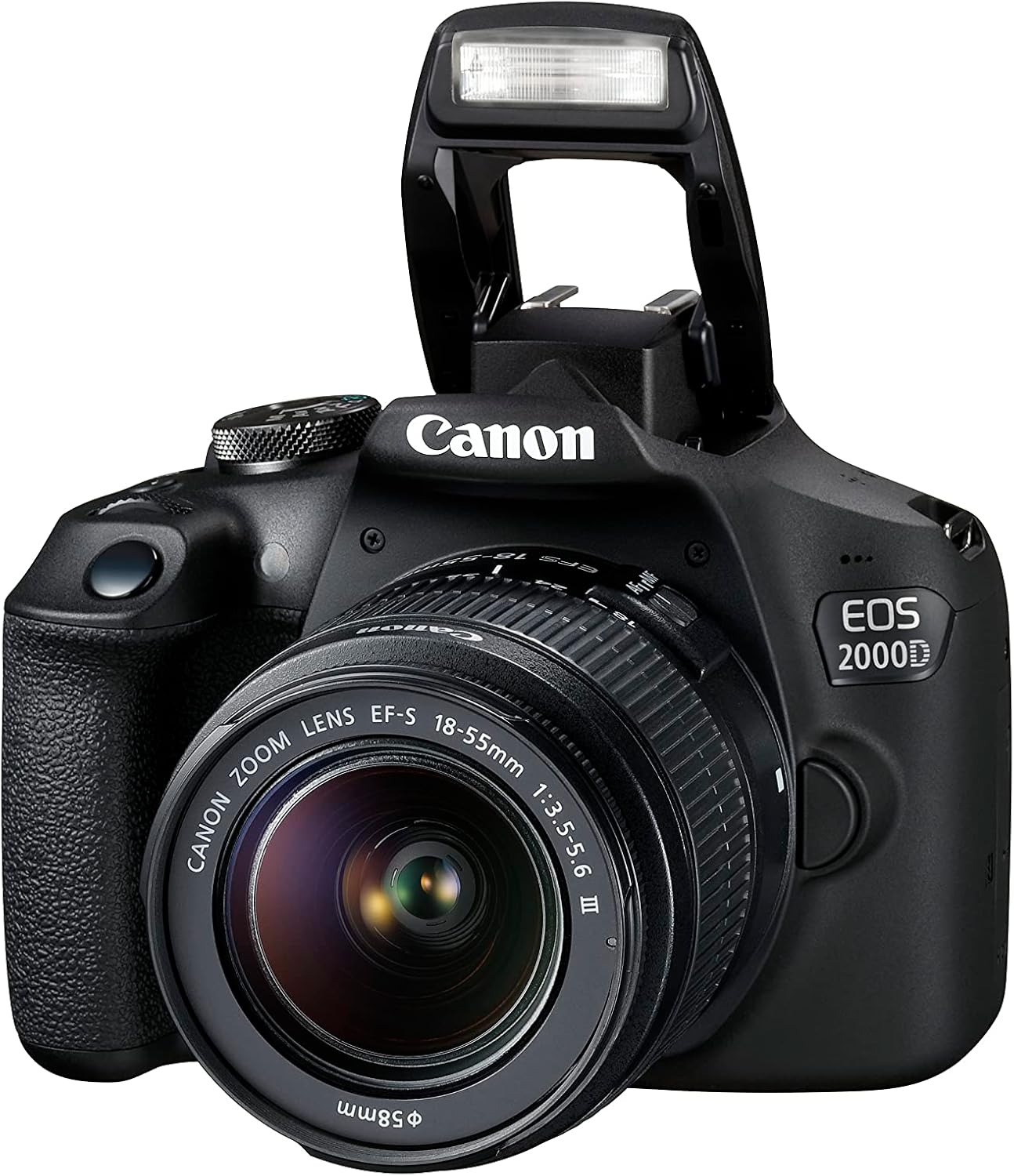
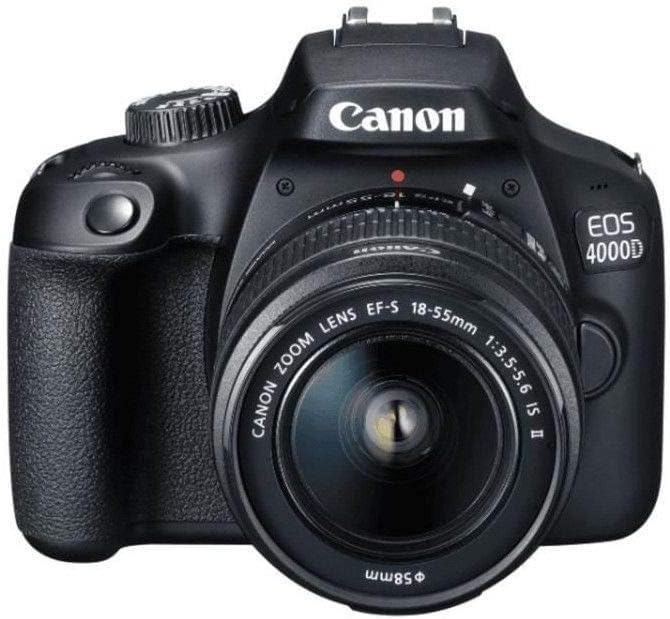
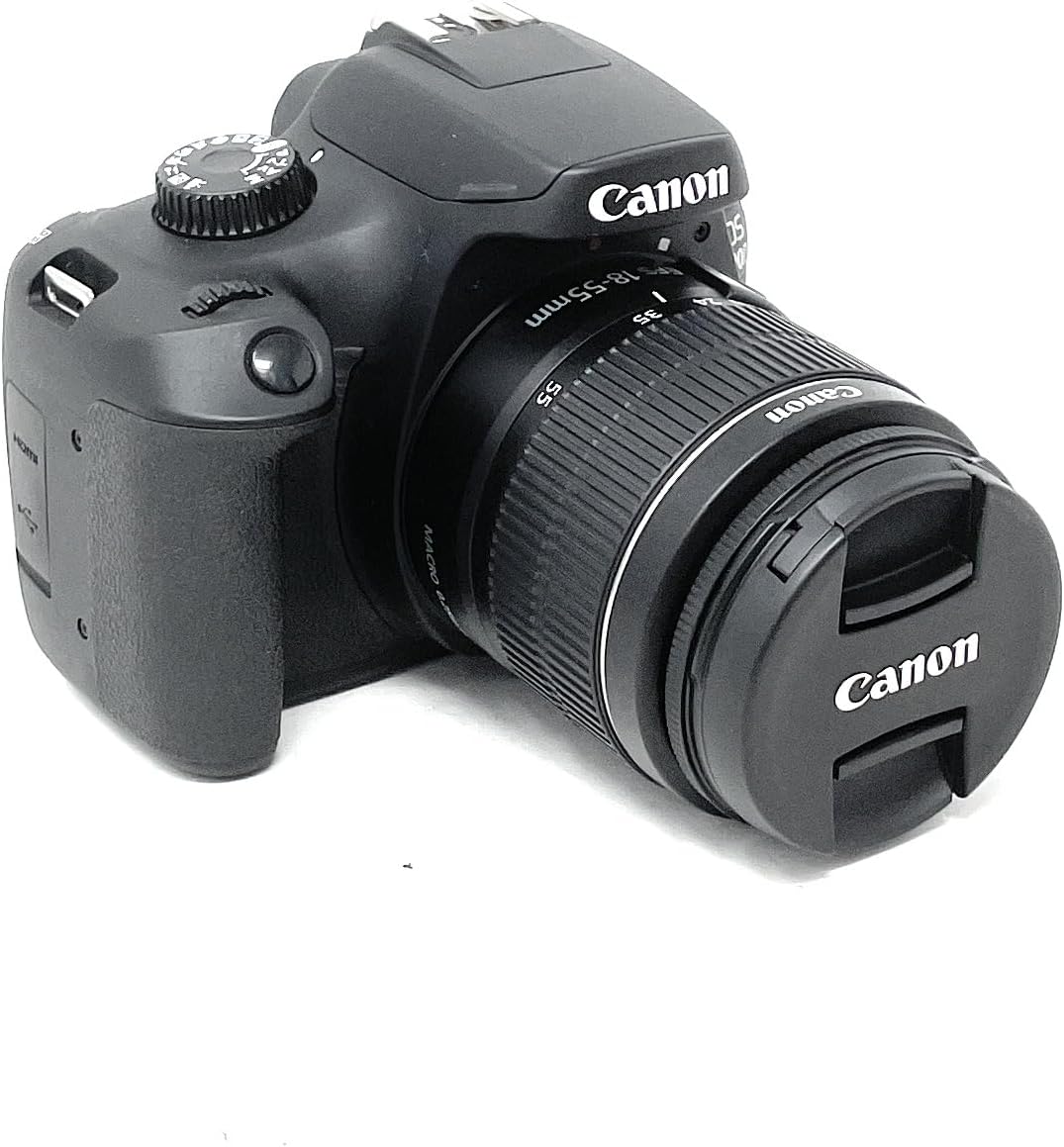
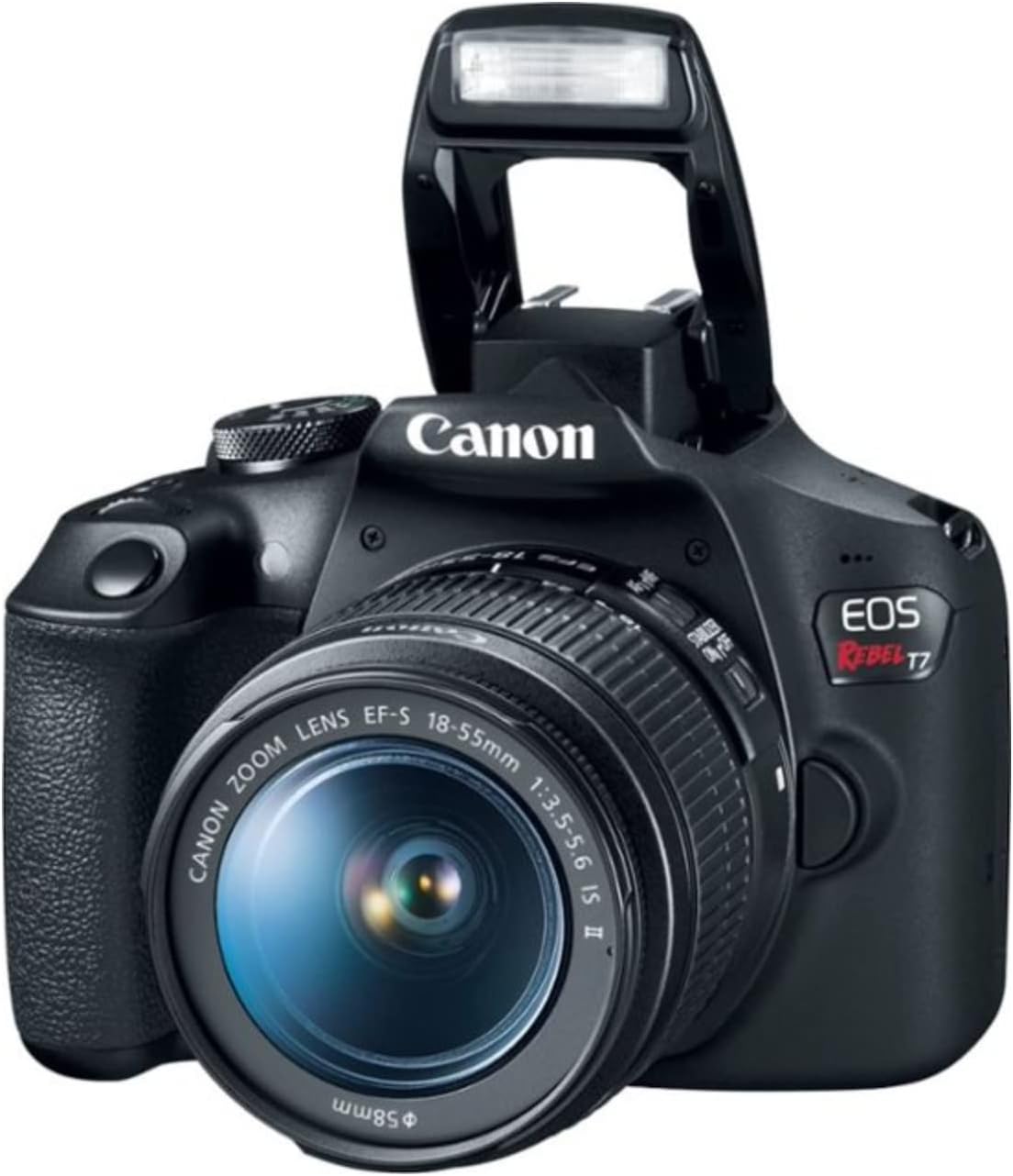
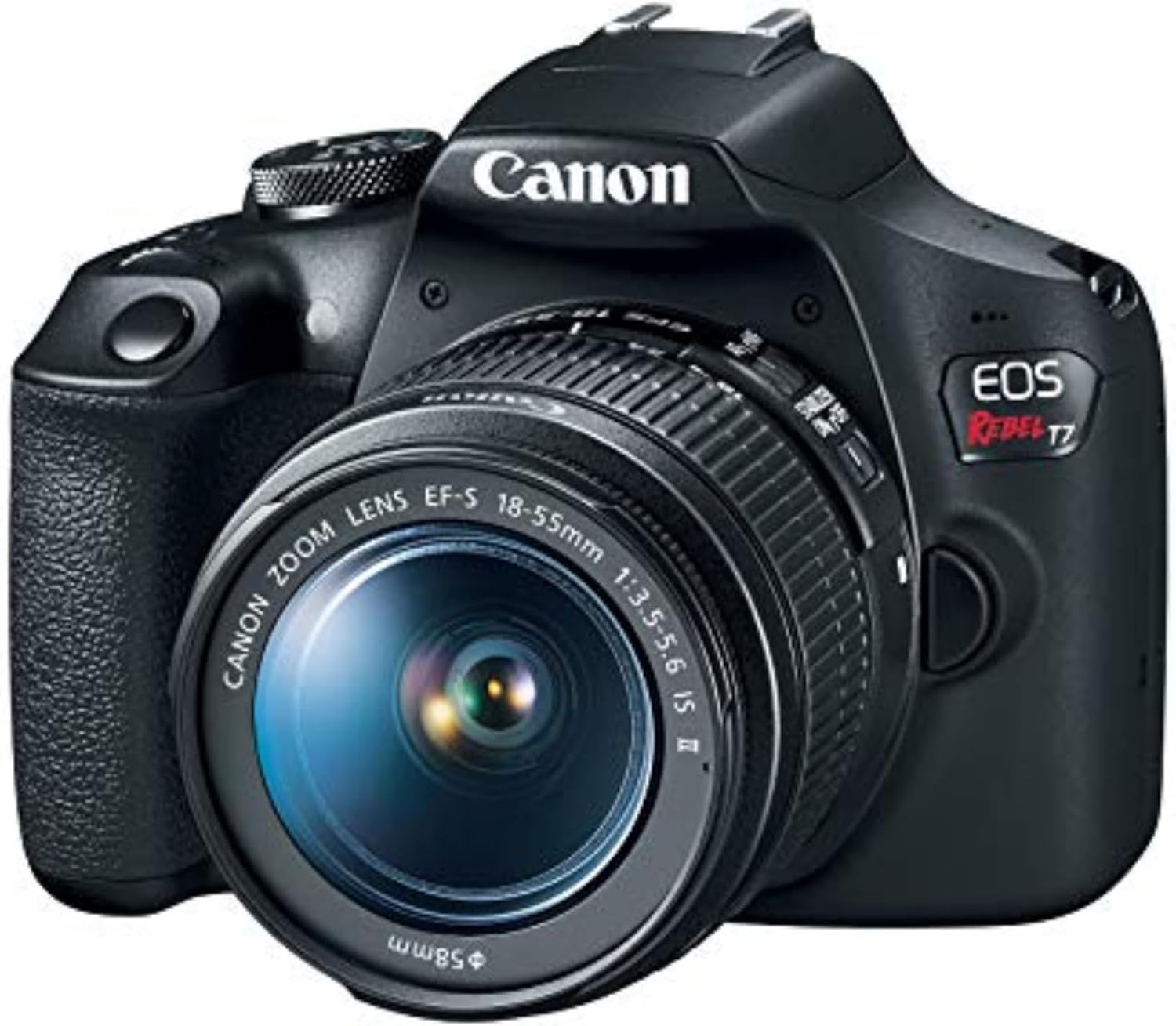
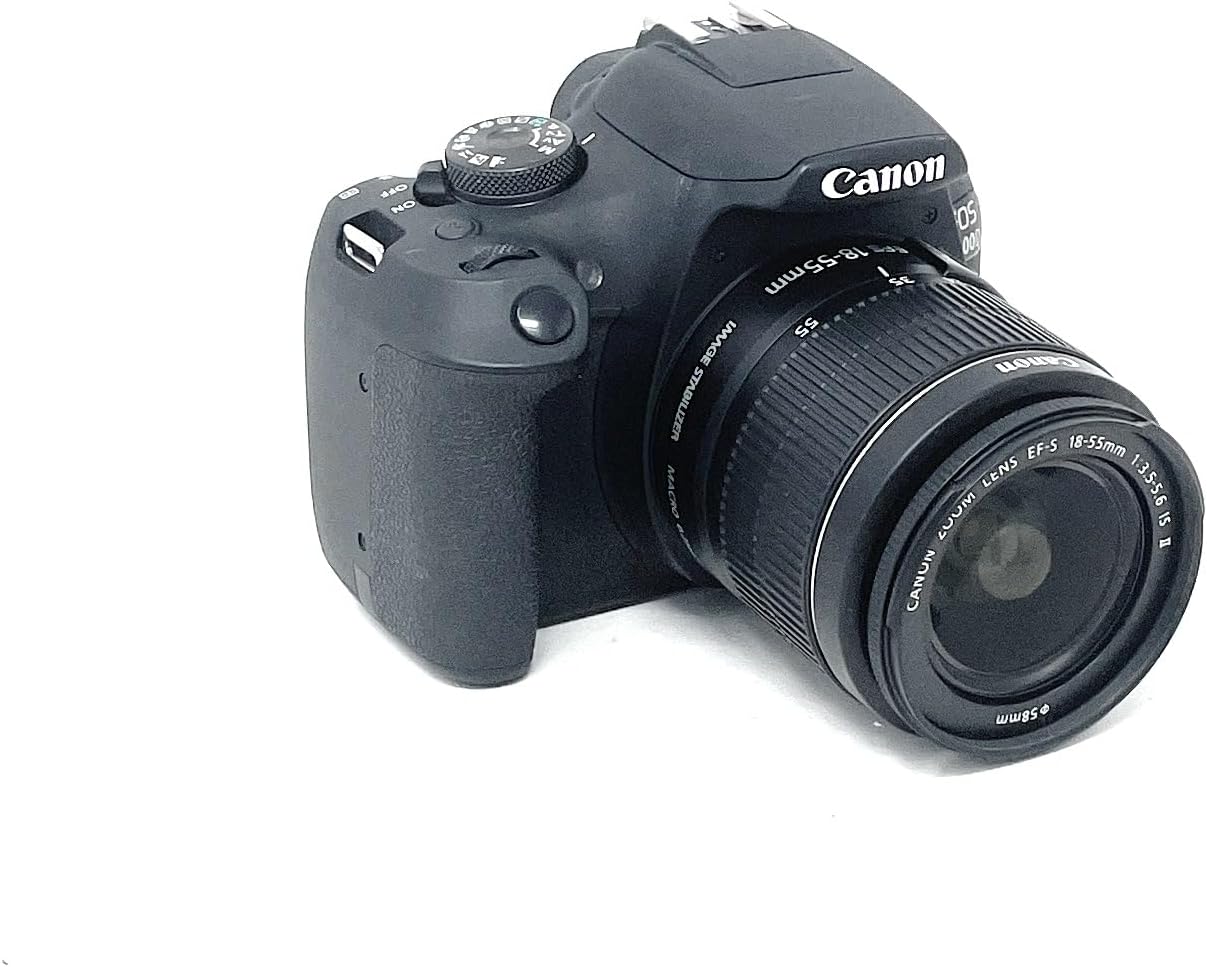
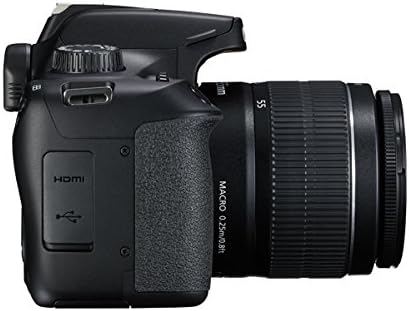
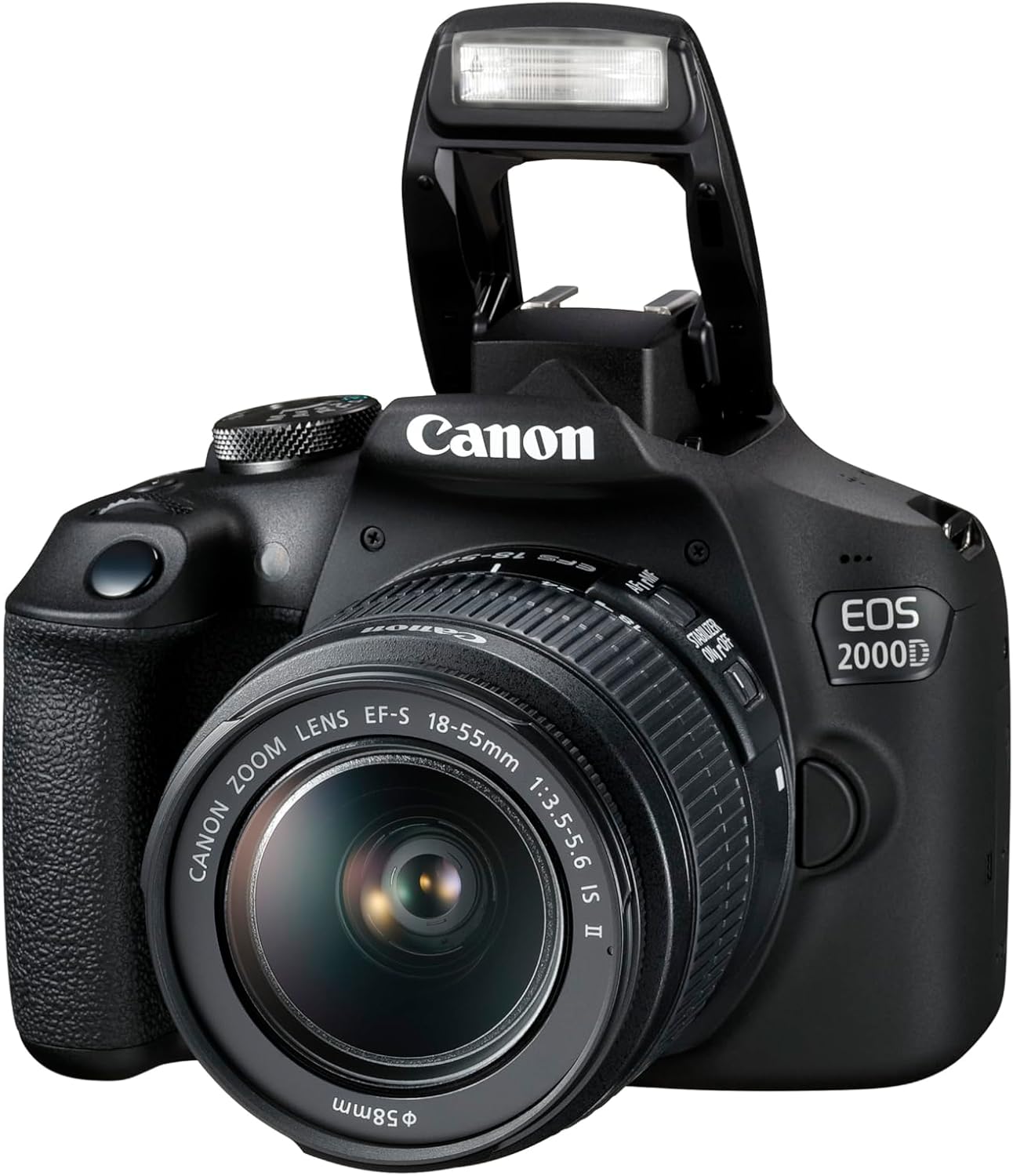
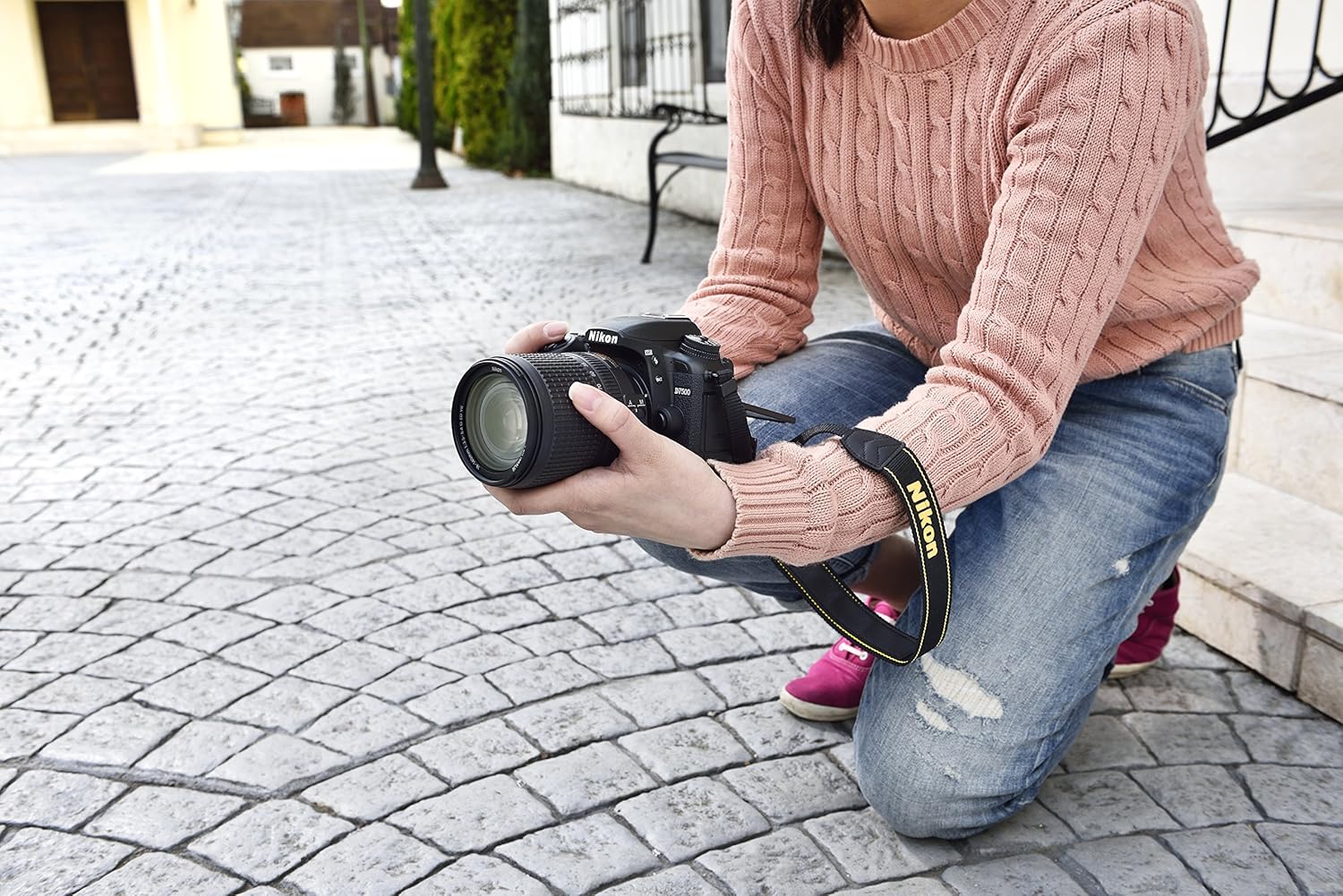
Canon versus Nikon for first time DSLR buyers
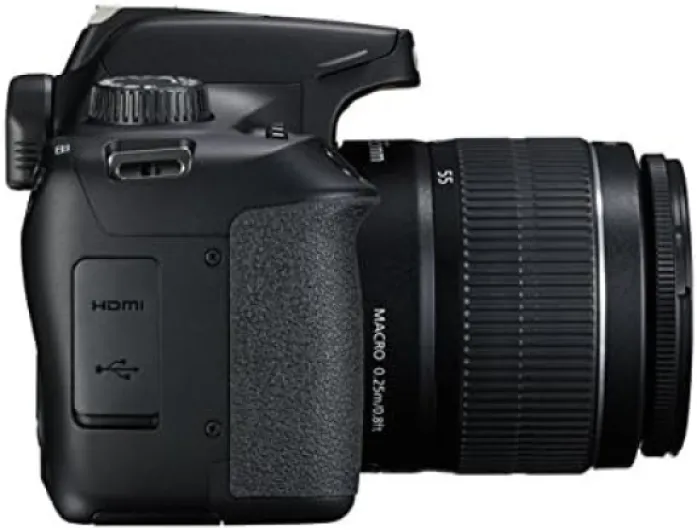
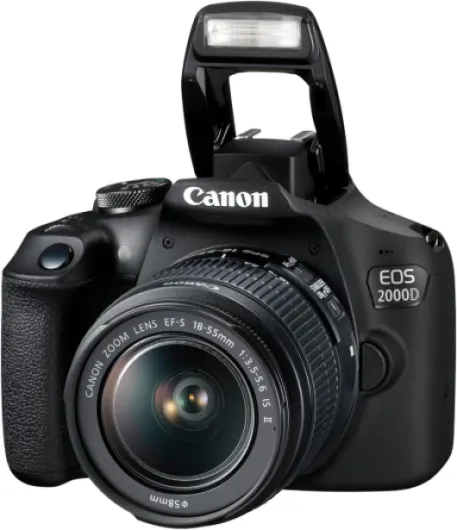
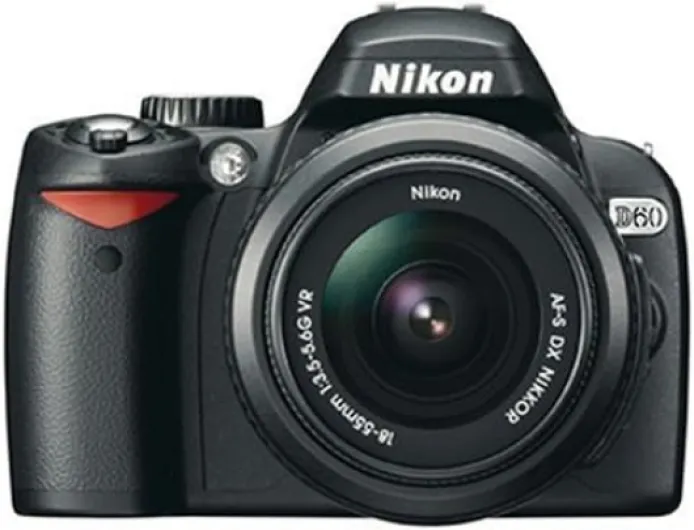
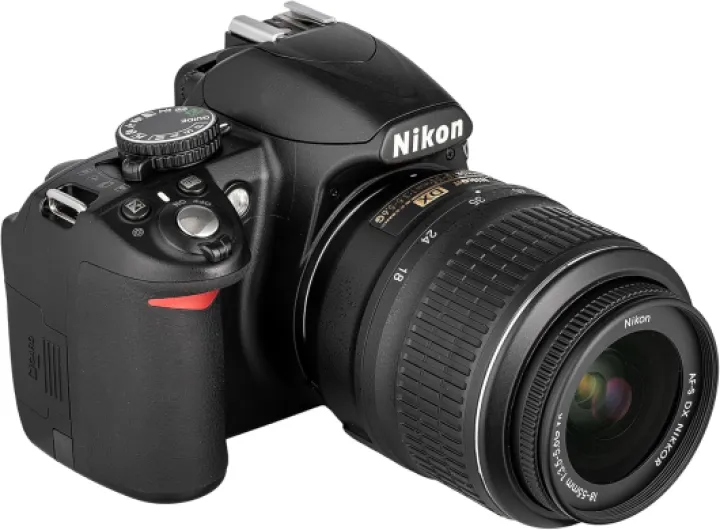
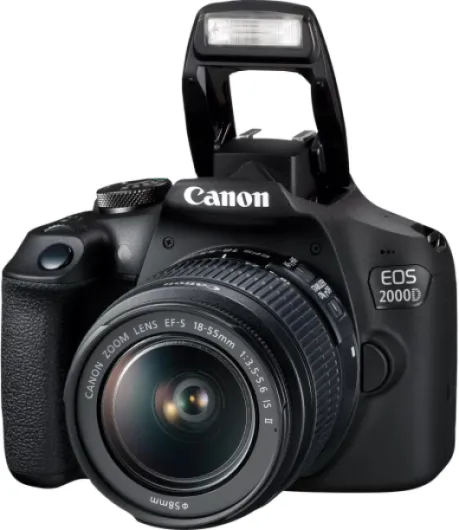
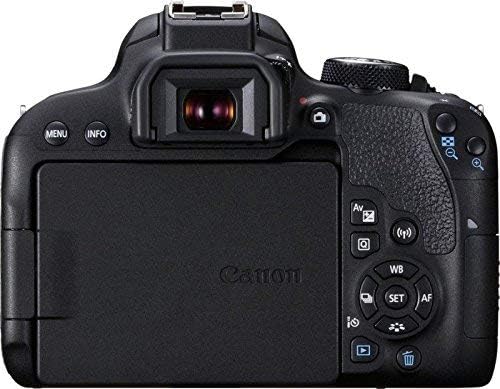
When comparing Canon and Nikon for the best entry level DSLR cameras, you are really comparing ecosystems. Each brand offers affordable DSLR camera bodies, beginner friendly menus, and a deep catalog of lenses. The differences often come down to ergonomics, color science, and how the controls feel in your hands.
Canon EOS cameras, including many eos rebel models, emphasize straightforward touch screens and clear visual guides. Nikon DSLR cameras typically offer excellent dynamic range and robust build quality, which appeals to beginners who want a slightly more professional feel. Both brands provide point shoot style automatic modes that help you learn gradually while still capturing sharp images.
For many beginners, Canon feels familiar because friends or family already own Canon EOS cameras. Having canon friends means you can borrow lenses, compare settings, and learn faster together. Shared gear also stretches your budget, because you can test different lenses before using your own purchase links.
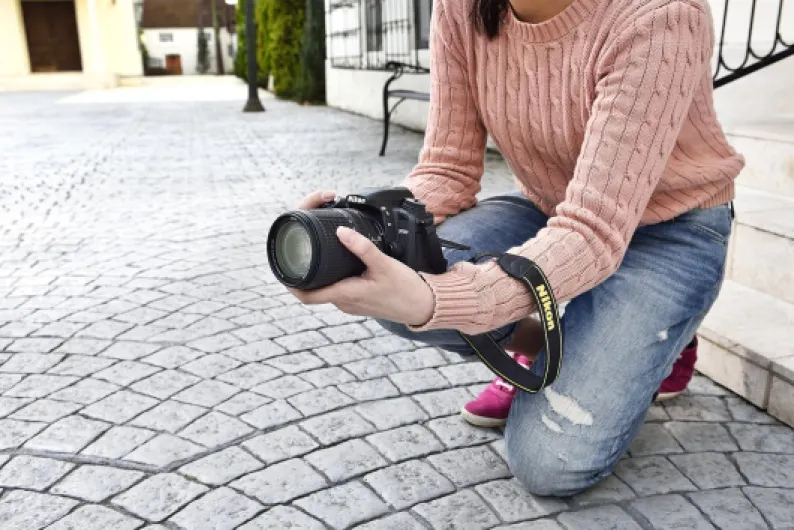
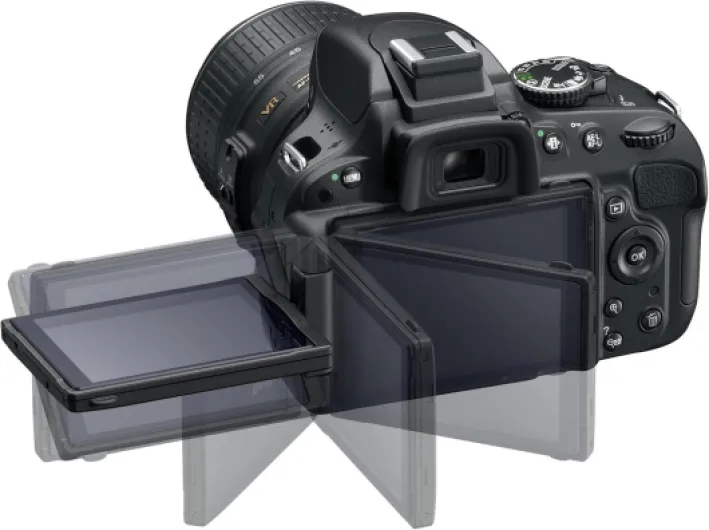
Nikon, on the other hand, often wins praise for comfortable grips and logical button layouts. If a Nikon DSLR body fits your hand better, you will use it more often and learn faster. The best beginner camera is always the one that encourages you to practice regularly.
Whichever brand you choose, remember that lenses matter more than minor body differences. A simple prime lens can transform a basic DSLR into a top portrait tool, especially in low light. To keep your kit practical, pair your DSLR with a stable support by reading this guide on power and support systems for longer shooting sessions.
How lenses, focus modes, and bodies shape your learning curve
Entry level DSLR cameras usually ship with a compact zoom lens, but this is only the beginning. As you learn, you will better appreciate how different lenses change perspective, background blur, and low light performance. Investing in one or two additional lenses can make your DSLR feel completely new.
Canon EOS and Nikon DSLR bodies both offer multiple autofocus modes tailored to different situations. Single point focus is ideal for portraits, while continuous focus tracks moving subjects like children or pets. Understanding when to switch modes separates casual point shoot habits from more deliberate photography.
Many beginners worry that a mirrorless camera might offer faster focus or more advanced features. While that can be true, the best entry level DSLR cameras still deliver reliable performance for everyday photography. A well chosen DSLR body with a bright lens can outperform a basic mirrorless kit in dim interiors.
As your skills grow, you may start reading technical posts about sensor sizes, dynamic range, and buffer depth. These details matter, but they should not paralyze your decision making process. Focus first on a comfortable grip, clear menus, and a lens lineup that fits your budget.
Power management also shapes your experience, especially during long practice sessions or time lapses. Understanding accessories such as an NP-FZ100 dummy battery system helps you keep your camera running without interruption. Reliable power, good lenses, and thoughtful focus choices will better support your growth as a photographer.
Balancing DSLR and mirrorless options for beginners
Many shoppers researching the best entry level DSLR cameras also compare mirrorless alternatives. A mirrorless camera removes the optical viewfinder and uses an electronic display, which can preview exposure and color in real time. This live feedback helps beginners learn faster, because every adjustment is visible before pressing the shutter.
However, DSLR cameras still offer several advantages that matter to new photographers. Optical viewfinders remain bright in strong sunlight, and DSLR batteries usually last longer than those in comparable mirrorless bodies. For travel or long days outside, fewer battery changes mean more time focusing on composition and timing.
Canon and Nikon both sell mirrorless and DSLR cameras, which can make the choice confusing. Canon EOS mirrorless bodies share some design language with Canon EOS DSLR models, easing the transition if you upgrade later. Nikon follows a similar strategy, encouraging beginners to learn core skills that transfer across systems.
When you compare DSLR and mirrorless cameras, think about how you actually shoot. If you prefer a compact body and silent shutter, a mirrorless camera might feel better in crowded or quiet spaces. If you value a deep grip and an optical view, a DSLR body remains a top contender.
Whichever route you choose, remember that lenses and technique matter more than the latest buzzwords. A thoughtful point shoot approach, combined with manual practice, will better refine your eye over time. The best beginner camera is the one that makes you want to go outside and photograph again tomorrow.
Practical settings and techniques for new DSLR photographers
Owning one of the best entry level DSLR cameras is only the first step. To move beyond automatic point shoot habits, you need to understand aperture, shutter speed, and ISO. These three settings control how your DSLR camera records light and motion.
Start by using aperture priority mode on your Canon or Nikon body. This mode lets you choose the f stop while the camera sets a matching shutter speed, which simplifies early learning. A wide aperture such as f/1.8 blurs the background, while a narrower setting like f/8 keeps more of the scene in focus.
Next, experiment with continuous autofocus when photographing moving subjects. Most Canon EOS and Nikon DSLR cameras offer tracking modes that follow faces or objects across the frame. Learning to place your focus point deliberately will better separate your work from casual snapshots.
As you gain confidence, read educational posts that explain exposure compensation, white balance, and metering patterns. These tools help you handle tricky lighting, such as backlit portraits or high contrast streets. Over time, you will better predict how your camera reacts before you even raise it to your eye.
Do not neglect stability, because even the best lenses cannot fix camera shake. A solid support, chosen with guidance from this article on selecting the right tripod for landscape photography, will improve sharpness dramatically. Combining good technique, thoughtful focus, and reliable support turns a basic DSLR into a truly capable creative tool.
Budget, ethics, and long term value when buying your first DSLR
When evaluating the best entry level DSLR cameras, price is only one part of the equation. You should also consider long term value, upgrade paths, and how your purchase aligns with your creative goals. A slightly more expensive camera that you will use for years can be better value than a cheaper model that frustrates you.
Canon and Nikon both offer refurbished DSLR bodies and lenses, which can stretch a tight budget. These options often include warranties and are inspected by professionals, making them safer than random private sales. When you compare purchase links, check whether the seller clearly states that all rights reserved information and warranty terms are transparent.
Ethical considerations also matter in a world flooded with sponsored posts and affiliate marketing. Look for reviewers who clearly label purchase links and explain how commissions support their work. Transparent communication builds trust and helps beginners make informed decisions about cameras and lenses.
Think about how your first DSLR body fits into a broader system. If you expect to move toward professional work, choosing a Canon EOS or Nikon lineup with strong lens support will better serve you. A well planned system lets you keep your favorite lenses even as you upgrade camera bodies.
Finally, remember that gear is only a tool for telling stories. The best beginner camera encourages you to learn, experiment, and share images with canon friends or local communities. With thoughtful choices and honest information, your first DSLR can be the start of a rewarding photographic journey.
Common questions about choosing the best entry level DSLR cameras
No faq_people_also_ask data was provided in the dataset, so specific external FAQs cannot be reproduced. Instead, here are practical answers to frequent concerns raised by beginners.
Many readers ask whether a DSLR or mirrorless camera is better for a first purchase. The choice depends on your priorities, because DSLR bodies offer longer battery life and optical viewfinders, while mirrorless cameras provide lighter bodies and real time exposure previews. For most beginners, either system can work well if paired with a simple prime lens and regular practice.
Another common question concerns how much to spend on the first camera. A sensible approach is to allocate part of your budget to lenses and accessories, not only to the camera body. This balance ensures that your best entry level DSLR cameras setup remains flexible as your skills grow.
Beginners also wonder how quickly they can reach a professional level with an entry level DSLR. With consistent practice, careful study of focus techniques, and thoughtful composition, many photographers produce professional quality work using modest cameras. The key is to learn how your specific camera responds in different lighting and motion scenarios.
Finally, people often ask whether they will outgrow an entry level DSLR too quickly. In reality, most modern DSLR cameras offer more capability than a beginner can fully exploit in the first few years. You will better benefit from mastering your current body and lenses before considering a major upgrade.