Key features that define the best compact digital cameras
When evaluating the best compact digital cameras, start with the sensor because it shapes image quality more than any other component. A larger sensor in a compact camera gathers more light, which improves dynamic range, reduces noise, and helps preserve detail in both shadows and highlights. Some advanced compact cameras even use micro thirds or near full frame sensors, narrowing the gap with interchangeable lens systems.
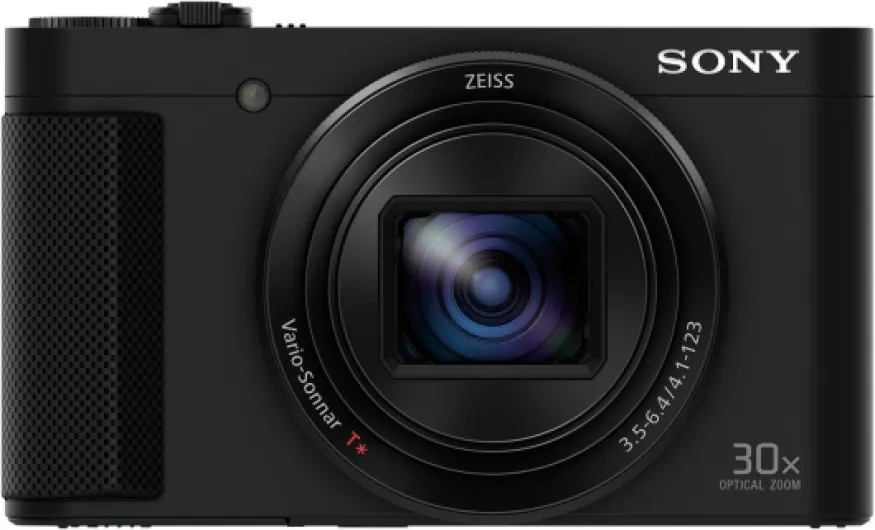
The lens and zoom system come next, since they determine how you frame your photos in everyday situations. Look for a zoom lens with a practical focal length range, such as 24 to 70 millimeters equivalent, which covers wide angle scenes and flattering portraits with one compact digital camera. Strong optical zoom is helpful, but extreme zoom can compromise image quality, so the best compact models balance reach, brightness, and size.
Image stabilization is essential in a compact camera because people often shoot handheld in low light or at long focal lengths. Optical image stabilization inside the lens or sensor shift stabilization inside the digital camera body allows slower shutter speeds without blur, which is especially valuable for travel and street photography. When you view full size files on a large screen, the benefit of good stabilization becomes obvious in sharper details and cleaner edges.
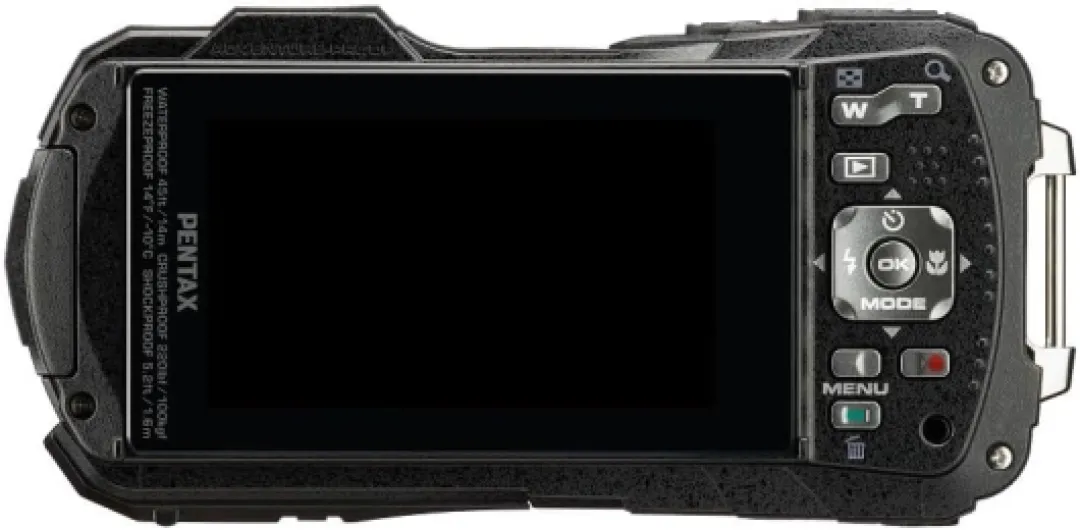
Other features also influence how a compact camera feels in daily use, including battery life, view options, and ruggedness. A system tough design with weather resistance protects the camera during outdoor adventures, while a bright rear screen or small electronic viewfinder improves the shooting experience in harsh sunlight. If you are interested in cinematic work, reading about a 35 mm cinema camera for sale can clarify how compact digital cameras differ from dedicated video tools.
Sensor formats, lenses, and zoom choices in compact cameras
Understanding sensor formats helps you compare the best compact digital cameras more intelligently. Entry level compact cameras often use small sensors that keep the camera tiny and the price low, but they struggle in dim light and produce more noise in the image. Premium compact digital camera models adopt larger micro thirds or even full frame sensors, which dramatically improve image quality while still remaining more portable than many interchangeable lens systems.
The lens design in a compact camera is usually a fixed lens that cannot be changed, so choosing the right focal length range at purchase is critical. A short zoom lens with modest optical zoom can deliver sharper photos and a brighter maximum aperture than a superzoom, which helps separate subjects from the background. When you view full resolution files, you will notice that the best compact cameras with restrained zoom ranges often outperform long zoom rivals in fine detail and contrast.
Some enthusiasts prefer a fixed lens compact digital camera with no zoom at all, trading flexibility for purity and optical performance. This type of compact camera encourages you to move your feet, think about composition, and engage more deeply with the scene instead of relying on zoom. Leica and Fujifilm both offer original fixed lens compacts that appeal to photographers who value a classic shooting experience and distinctive rendering of the image.
Wildlife and travel photographers may still want a compact camera with strong optical zoom and robust image stabilization for distant subjects. In that case, studying guidance on choosing the right cameras for wildlife photography can highlight when a compact digital camera is sufficient and when a larger system is necessary. Balancing sensor size, zoom range, and system tough durability will help you select the best compact option for your personal mix of city, landscape, and action photos.
How Canon, Fujifilm, and Leica shape the compact camera landscape
Brand identity plays a significant role when people compare the best compact digital cameras for everyday use. Canon, Fujifilm, and Leica each bring decades of optical expertise and digital innovation to their compact camera lines, but they prioritize different strengths. Understanding these differences helps you match a compact digital camera to your expectations about color, handling, and long term reliability.
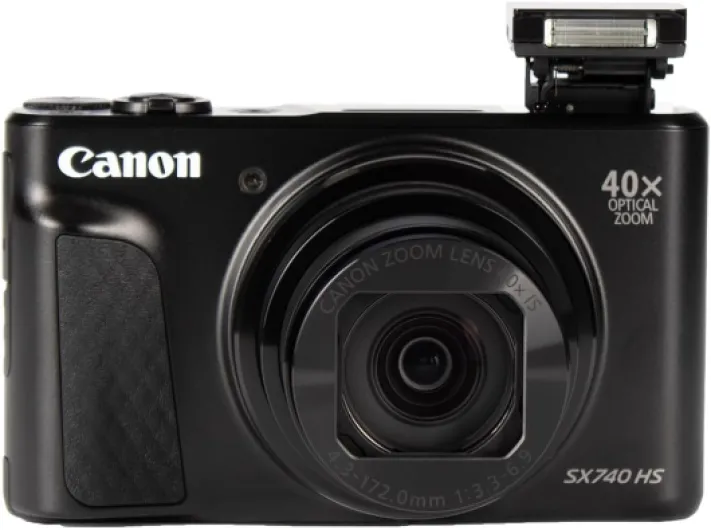
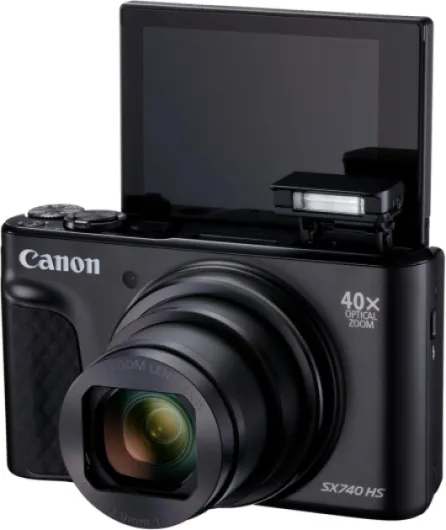
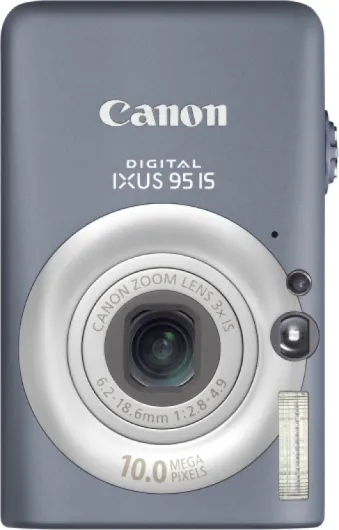
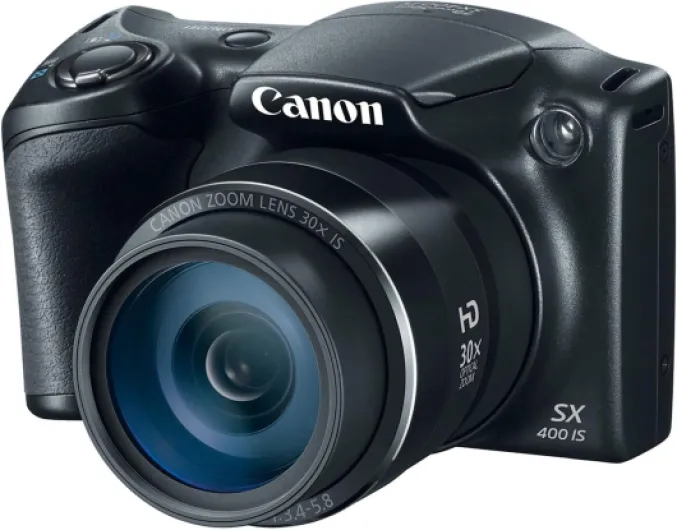
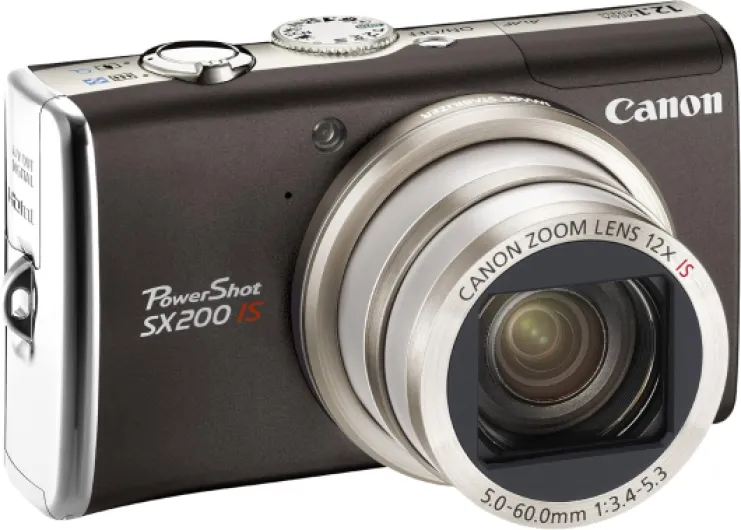
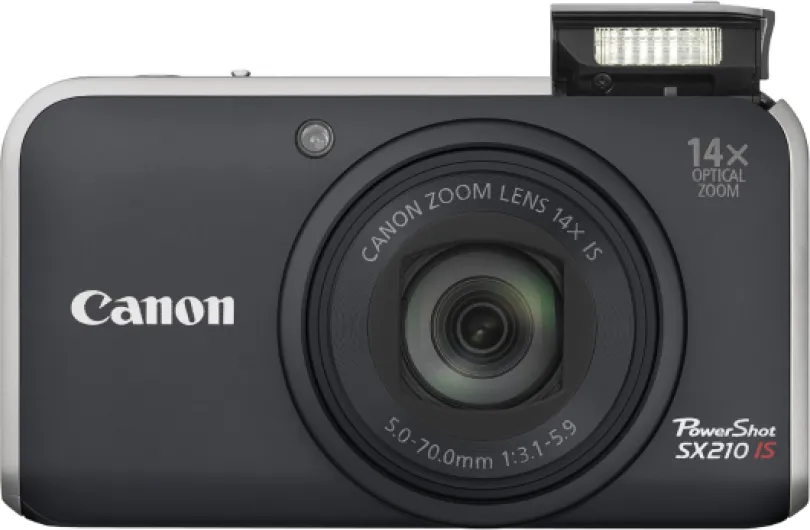
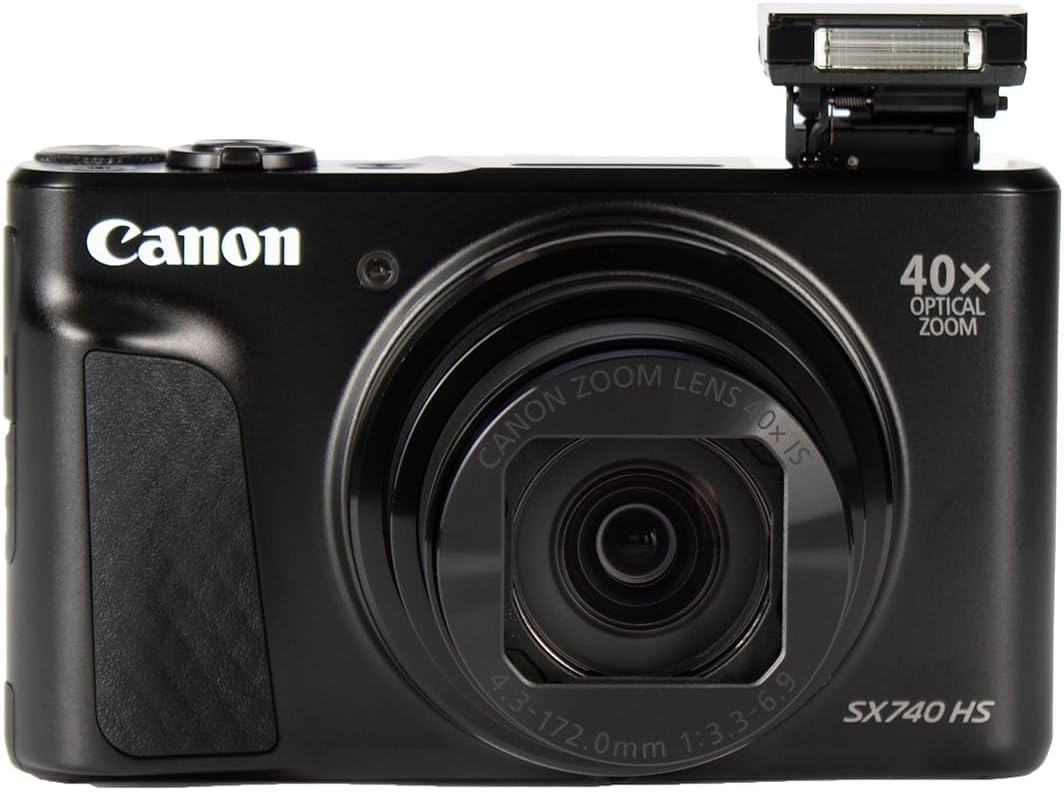
Canon Powershot compact cameras are designed to be approachable, with intuitive menus, helpful automatic modes, and competitive price points. A Canon Powershot model often includes a versatile zoom lens, dependable image stabilization, and solid battery life, making it a strong candidate for families and camera kids. Some Powershot Elph cameras emphasize ultra compact design, while other Powershot models lean toward better image quality and longer optical zoom for travel.
Fujifilm compact digital cameras tend to emphasize color science, tactile dials, and an original film inspired aesthetic. Many Fujifilm compact cameras offer film simulation modes that alter the image to mimic classic emulsions, which can be inspiring for creative photographers. When you view full size files from these cameras, the combination of sensor technology and color profiles often produces pleasing skin tones and rich landscapes.
Leica compact cameras, including Leica Lux style models, focus on premium materials, minimalist controls, and a distinctive rendering of the image. The price of a Leica compact digital camera is usually higher, but buyers value the build quality, lens performance, and long term durability. If you are considering a step up to an interchangeable lens digital camera, comparing a compact to options in the mirrorless world, such as those discussed in this guide to choosing your first Canon EOS mirrorless camera body, can clarify whether a compact camera or a larger system better fits your needs.
Practical buying advice: price, battery life, and everyday usability
Choosing the best compact digital cameras requires more than reading specifications because real life usability matters as much as pure image quality. Start by defining your budget and acceptable price range, then list the situations where you expect to use the compact camera most frequently. A realistic assessment of your habits will guide decisions about zoom range, battery life, and system tough durability.
If you travel often, prioritize a compact digital camera with strong battery life, USB charging, and a versatile zoom lens that covers wide angle cityscapes and moderate telephoto views. A Canon Powershot or Fujifilm compact camera with effective image stabilization and a comfortable grip can make long days of shooting more enjoyable. When you view full galleries from your trips, you will appreciate how a reliable compact camera encourages you to capture more spontaneous photos.
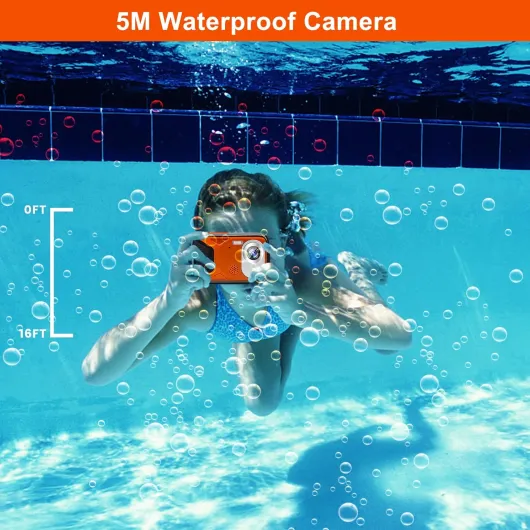
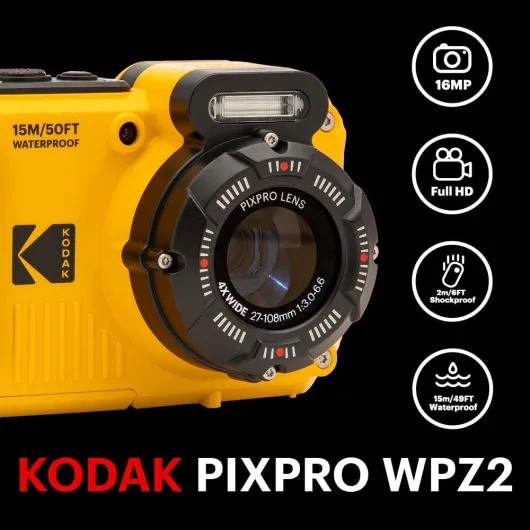
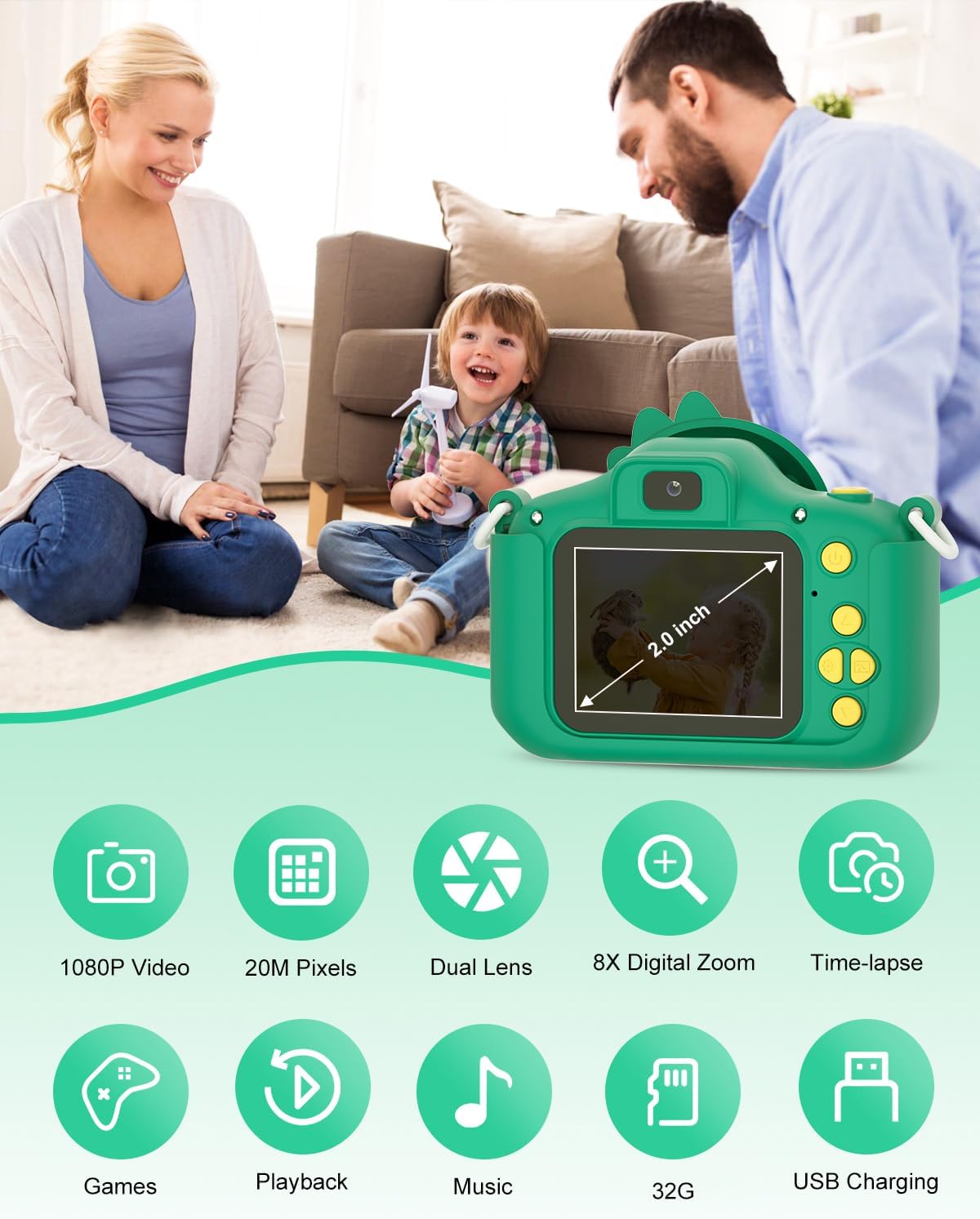
Families and camera kids may prefer a point shoot style compact camera with simple menus, a responsive autofocus system, and a robust body that tolerates occasional bumps. Some system tough compacts are waterproof and shock resistant, which protects the digital camera during beach holidays or outdoor adventures. A fixed lens design reduces the risk of dust entering the camera, while strong optical zoom still allows playful framing of distant subjects.
Enthusiasts who already own a full frame digital camera might look for a premium compact that complements their main system. In that case, a micro thirds or large sensor compact camera with a bright fixed lens can deliver excellent image quality in a much smaller package. Balancing price, handling, and performance will help you identify the best compact option that feels like a natural extension of your existing photographic style.
Use cases: travel, family, creative work, and learning photography
The best compact digital cameras shine when matched to clear use cases that exploit their strengths. For travel, a compact camera with a wide to moderate telephoto zoom lens, strong image stabilization, and dependable battery life offers a powerful blend of flexibility and portability. You can carry such a compact digital camera all day, capture original street scenes, and still have energy left for evening city lights.
Families benefit from compact cameras that are easy for camera kids and adults to share without confusion. A Canon Powershot or Fujifilm compact camera with clear icons, a responsive touchscreen, and a forgiving automatic mode encourages everyone to experiment with framing and timing. When you later view full resolution images, you will see how a dedicated compact camera often records better low light photos than a phone, especially indoors.
Creative photographers may use a fixed lens compact digital camera as a visual notebook for daily life. Limiting yourself to one focal length trains your eye, while the combination of a quality sensor and bright lens ensures that the image holds up to large prints. Leica Lux style compacts and certain Fujifilm models are popular in this role because they pair strong image quality with a discreet, system tough body.
Finally, compact cameras are excellent learning tools for people considering a future upgrade to a full frame or micro thirds interchangeable lens system. A well chosen compact camera teaches exposure, composition, and timing without overwhelming the user with technical complexity. By the time you are ready to invest in a larger digital camera, your experience with the best compact models will give you a clear sense of which focal length, zoom range, and handling style suit you best.