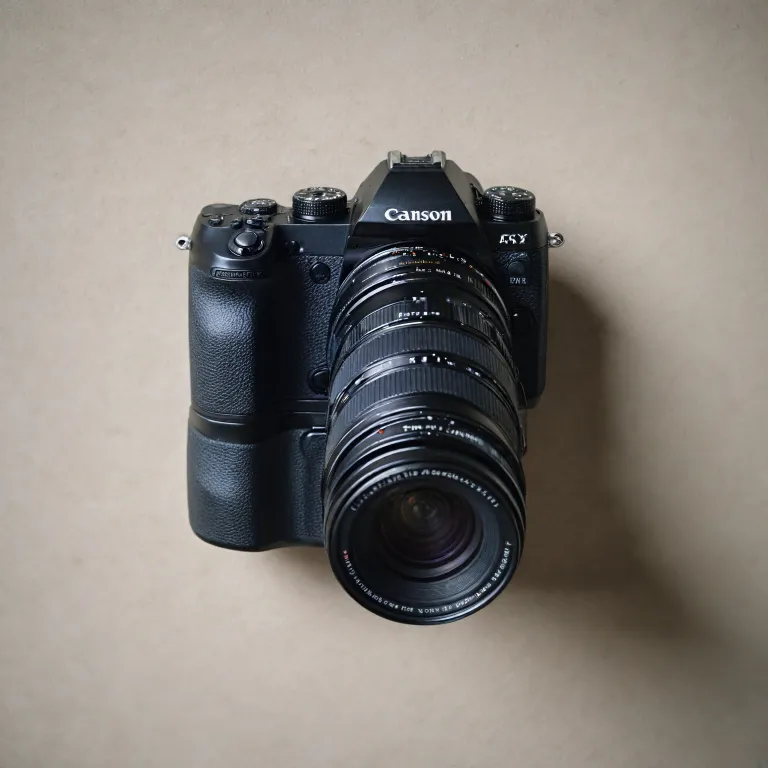

Understanding the basics of mirrorless and DSLR cameras
How Mirrorless and DSLR Cameras Work
When you start exploring digital cameras, you’ll quickly notice two main types: mirrorless and DSLR. Both are popular in photography, but they work differently. Understanding these basics will help you decide which gear fits your needs.
- DSLR cameras use a mirror system. Light enters through the lens, hits a mirror, and bounces up to an optical viewfinder. This lets you see exactly what the lens sees in real time. When you press the shutter, the mirror flips up, exposing the sensor to light and capturing the image.
- Mirrorless cameras skip the mirror. Light passes straight through the lens to the sensor. You see the image on an electronic viewfinder or the rear screen. This design makes mirrorless cameras more compact and lighter than most DSLRs.
Key Features and Differences
Both types of cameras use interchangeable lenses, offer manual focus, and support full frame or crop sensors. However, the way you compose your shot and the camera’s size are influenced by the presence or absence of the mirror and viewfinder system.
- Viewfinders: DSLRs use an optical viewfinder, while mirrorless cameras use an electronic viewfinder or live view on the screen. Some photographers prefer the clarity of an optical viewfinder, while others like the real-time exposure preview of an electronic viewfinder.
- Shutter: Mirrorless models often offer an electronic shutter, allowing for silent shooting and higher frames per second. DSLRs typically rely on a mechanical shutter, which can be louder but is familiar to many photographers.
- Size and weight: Without the mirror and prism, mirrorless cameras are usually smaller and lighter, making them easier to carry for long periods.
Choosing between these two types depends on your photography style, how much you value portability, and whether you prefer an optical or electronic viewfinder. If you want to learn more about carrying your camera gear comfortably, check out this guide on choosing the perfect bag for your mirrorless camera.
Image quality and sensor performance
How Sensor Size and Technology Impact Your Photos
When comparing mirrorless and DSLR cameras, sensor size is a major factor in image quality. Both types offer a range of sensor sizes, from smaller APS-C to full frame sensors. Generally, a larger sensor captures more light, which means better performance in low light situations and improved dynamic range. This is crucial for photography enthusiasts who want sharp details and vibrant colors, especially when shooting in challenging lighting conditions.
- Full frame sensors are available in both mirrorless and DSLR cameras. These sensors deliver superior image quality, especially at higher ISO settings, reducing noise and preserving detail.
- APS-C sensors are more common in entry-level and mid-range gear. While slightly smaller, they still provide excellent results for most photography needs.
ISO Performance and Exposure Control
ISO sensitivity is another key element. Mirrorless cameras often feature newer sensor technology, which can mean better ISO performance than some older DSLRs. This allows you to shoot at higher ISO values without sacrificing image quality, making them a strong choice for low light photography. Exposure control is also enhanced by the electronic viewfinder or live view, letting you preview changes in real time before taking the shot.
Viewfinders and Real-Time Feedback
DSLR cameras use an optical viewfinder, which gives a direct, real-time view through the lens via a mirror. This can be preferable for some photographers who want a natural, lag-free experience. Mirrorless cameras, on the other hand, use an electronic viewfinder or the rear screen for live view. This means you see exactly how your exposure, ISO, and white balance settings will affect the final image before you press the shutter.
- Electronic viewfinders can display exposure, focus peaking, and even real-time histograms.
- Optical viewfinders offer a clear, uninterrupted view, which some find better than digital screens for composing shots.
Other Factors Affecting Image Quality
Lens quality, sensor technology, and even the camera's image processor all play a role in the final result. Both mirrorless and DSLR systems offer a wide range of lenses, from fast primes to versatile zooms. However, some mirrorless cameras use more advanced electronic shutters, allowing for silent shooting and faster frames per second, which can be useful for capturing fleeting moments.
For those interested in the evolution of digital camera technology and how it influences image quality, exploring the Olympus Pen S offers insight into how sensor and lens innovations have shaped modern photography.
Autofocus and shooting speed
Speed and Precision in Focusing and Shooting
When it comes to autofocus and shooting speed, the differences between mirrorless and DSLR cameras can be significant for many types of photography. Both systems have evolved, but their core technologies still influence how fast and accurately you can capture a shot.
- Autofocus Systems: Mirrorless cameras use on-sensor phase detection and contrast detection, giving them a real-time advantage, especially in live view and video. DSLRs rely on dedicated phase-detection sensors, which are fast for stills but can lag in live view mode.
- Continuous Shooting: Mirrorless cameras often offer higher frames per second (fps) rates than DSLRs. This is because they use electronic shutters, which eliminate the need for a moving mirror. For action, sports, or wildlife, this can mean more frames captured in a burst.
- Low Light Performance: Autofocus in low light is crucial. Mirrorless models, especially those with full frame sensors, have improved dramatically and now rival or surpass many DSLRs in challenging lighting.
- Manual Focus and Tracking: Both systems allow manual focus, but mirrorless cameras often provide focus peaking and magnification in the electronic viewfinder, making precise manual adjustments easier.
- Viewfinder Experience: DSLRs use an optical viewfinder, giving a real-time, lag-free view. Mirrorless cameras use an electronic viewfinder, which can display exposure, ISO, and focus aids directly, but may show slight lag in some situations.
For photographers who need to capture the exact moment—think sports, wildlife, or fast-moving subjects—mirrorless cameras are increasingly the go-to gear. Their ability to shoot silently with an electronic shutter and deliver high fps rates is often better than what most DSLR cameras can offer. If you’re interested in advanced shooting features, check out this review of a smart day/night hunting scope that highlights some of the latest advancements in camera technology.
However, DSLRs still have their strengths, especially for those who prefer an optical viewfinder or need longer battery life for extended shoots. Your choice may depend on whether you prioritize speed, accuracy, or the traditional feel of a DSLR mirror and viewfinder system.
Size, weight, and portability
Carrying Your Camera: Size and Weight Differences
When it comes to choosing between a mirrorless camera and a DSLR, size and weight can make a big difference, especially if you plan to carry your gear for long periods or travel often. Mirrorless cameras are generally more compact and lighter than traditional DSLRs. This is mainly because they don’t have the mirror mechanism and optical viewfinder found in DSLRs. Instead, mirrorless cameras use an electronic viewfinder or the rear LCD screen for composing shots.
- Mirrorless cameras: Usually smaller and lighter, making them easier to pack and less tiring to carry. This is a big advantage for street photography, travel, or long shooting sessions.
- DSLR cameras: Tend to be bulkier due to the mirror and prism system. While some entry-level DSLRs are relatively compact, most full frame models and professional bodies are heavier and larger.
Portability and Your Photography Style
The portability of your camera setup can influence your photography style. If you prefer to shoot discreetly or need to move quickly, a mirrorless camera’s smaller profile can help you blend in and react faster. For those who use large telephoto lenses or need a robust grip, some DSLRs may offer better balance, especially with heavier lenses.
- Mirrorless systems often have smaller lenses, but as sensor sizes increase (like full frame mirrorless), lens size can also grow.
- DSLRs, especially with pro-grade lenses, can become quite heavy, which might be a consideration for long hikes or travel photography.
Other Portability Factors
Don’t forget about accessories. Mirrorless cameras sometimes use smaller batteries, which can mean carrying extras for a full day of shooting. Also, the number of card slots, grip size, and even the type of viewfinder (electronic vs. optical) can affect how comfortable and portable your setup feels over time.
Ultimately, if portability and weight are top priorities, mirrorless cameras have a clear edge. But if you value a larger grip, optical viewfinder, or plan to use heavy lenses, a DSLR might still be the better fit for your photography needs.
Lens and accessory compatibility
Lens Choices and System Flexibility
One of the biggest factors when choosing between a mirrorless camera and a DSLR is the range of lenses and accessories available. This can impact your photography style, gear investment, and even how you approach different shooting situations.
- DSLRs: These cameras have been around longer, so they offer a huge selection of lenses, from budget-friendly options to professional-grade glass. Brands like Canon EOS and Nikon have decades of lens development, including specialty lenses for macro, tilt-shift, and super-telephoto photography. Many third-party manufacturers also support DSLR mounts, which can help you find the right lens for your needs and budget.
- Mirrorless cameras: While mirrorless systems started with fewer lens choices, the gap is closing fast. Major brands now offer a growing lineup of native lenses, including full frame and crop sensor options. Mirrorless lenses are often designed for newer sensor technologies, supporting features like fast autofocus and silent electronic shutter operation. Some mirrorless cameras can use DSLR lenses with adapters, but autofocus speed and image quality may vary.
Accessory Ecosystem and Compatibility
Beyond lenses, consider the range of accessories you might need. DSLRs have a mature ecosystem: flashes, battery grips, remote triggers, and more. Mirrorless cameras are catching up, but some systems may have fewer options for things like optical viewfinder attachments or specialized manual focus tools.
Another point is card slots. Many full frame DSLRs and high-end mirrorless cameras now offer dual card slots for backup or overflow, which is important for professional work or travel photography. Check if your chosen camera supports this feature, especially if you shoot high-resolution images or long bursts at several frames per second.
Future-Proofing Your Gear
Think about where you want your photography to go. If you already own DSLR lenses, sticking with the same brand might make sense, especially if you value optical viewfinder performance or have invested in specific glass. On the other hand, mirrorless systems are advancing quickly, with better than ever autofocus, low light performance, and electronic viewfinder technology. For new photographers, starting with a mirrorless camera could offer more flexibility as the system expands over time.
Ultimately, your choice comes down to the type of photography you do, the gear you already own, and how much you value access to a wide range of lenses and accessories. Both mirrorless and DSLR cameras offer strong ecosystems, but the right fit depends on your needs and shooting style.
Battery life and durability in real-world use
Real-World Battery Life and Reliability
When choosing between mirrorless and DSLR cameras, battery life and durability are often overlooked but can make a big difference in real-world photography. Mirrorless cameras, which rely on electronic viewfinders and live view screens, tend to consume more power than traditional DSLRs. This means you might find yourself swapping batteries more often, especially during long shoots or when using features like continuous autofocus, high ISO, or electronic shutter modes.
- Battery Life: DSLRs generally offer longer battery life per charge. Their optical viewfinder doesn’t require power, so you can shoot hundreds or even thousands of frames on a single battery. Mirrorless cameras, with their electronic viewfinder or LCD always on, typically last for fewer shots per charge. If you shoot events, travel, or wildlife, carrying extra batteries is a must for mirrorless users.
- Durability: Both camera types are available in weather-sealed, rugged bodies, especially in higher-end models. However, DSLRs have a reputation for surviving tough conditions thanks to their robust build and fewer electronic components exposed to the elements. Mirrorless cameras are catching up, with many offering magnesium alloy bodies and weather sealing, but it’s worth checking the specs if you plan to shoot outdoors or in challenging environments.
- Card Slots and Reliability: For professional work or critical moments, dual card slots are a key feature. Many full frame DSLRs and some mirrorless cameras offer this, allowing instant backup of your images. It’s a detail that matters for wedding, sports, or documentary photography where you can’t afford to lose a shot.
In summary, if you need a camera that can last all day on a single charge and handle rough conditions, DSLRs still have an edge. Mirrorless cameras are improving quickly, but you’ll want to plan for extra power and check the build quality for your specific needs. Whether you prioritize battery life, ruggedness, or backup options, matching your gear to your shooting style will help you get the most from your camera in the field.