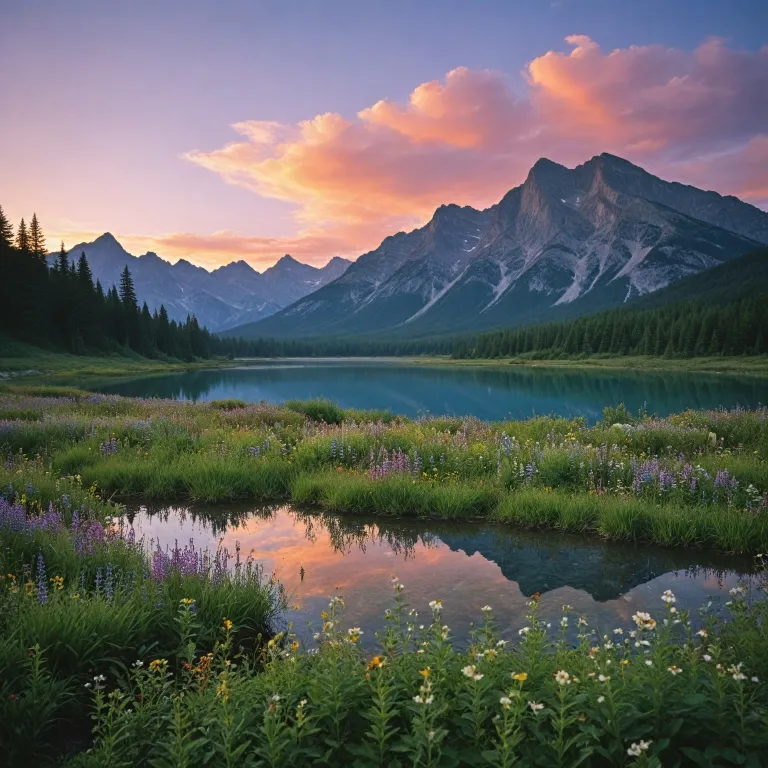

Understanding what makes a lens great for landscapes
Key Qualities of a Landscape Lens
When it comes to landscape photography, the lens you choose can make a significant difference in the quality and feel of your images. The best lenses for landscapes often share a few important characteristics that help capture the full beauty of a scene. Understanding these qualities will help you compare options and select the right lens for your needs, whether you shoot with Sony, Canon, or another system.
- Wide Angle and Field of View: A wide angle lens allows you to include more of the scene in your frame, which is crucial for capturing expansive landscapes. Lenses with a wide field of view, such as those with a focal length between 14mm and 35mm on a full frame camera, are popular choices for landscape photography.
- Image Quality: Sharpness across the frame, minimal distortion, and good color rendition are essential for landscape images. High-quality glass and advanced lens coatings help reduce flare and improve contrast, especially when shooting wide open or in low light.
- Build and Features: Since landscape photography often means shooting outdoors, consider lenses that are weather-sealed and robust. Some contemporary lenses offer features like image stabilization, which can be helpful for handheld shots in low light conditions.
- Focal Range: While wide angle lenses are common, some photographers prefer a zoom lens for flexibility. A zoom lens with a versatile focal range lets you adjust your composition without changing your position, which can be useful in challenging terrain.
- Price and Value: The best lenses for landscapes come in a range of prices. It's important to balance your budget with the features you need, whether you’re considering an art hsm lens, a prime lens, or a lens sony model.
For those interested in expanding their creative options, using extension tubes can also add versatility to your lens setup, especially when exploring close-up details in nature.
As you continue your search for the best lenses for landscape photography, keep these qualities in mind. The next sections will help you compare prime vs zoom lenses, explore how focal length affects your images, and highlight other features to consider for outdoor shooting.
Prime vs zoom lenses for landscape photography
Comparing Prime and Zoom Lenses for Landscape Shooters
When exploring the best lenses for landscape photography, the choice between a prime lens and a zoom lens is a key decision. Each type offers distinct advantages, and understanding these can help you select the right lens for your style and needs.
- Prime lenses have a fixed focal length. This means you cannot zoom in or out, but you often get superior image quality, sharper images, and wider maximum apertures. Many landscape photographers appreciate the clarity and low distortion that prime lenses provide, especially when shooting wide open for dramatic field view effects.
- Zoom lenses offer a range of focal lengths in one lens. This flexibility is valuable when you want to quickly adjust your composition without changing your position. Modern zoom lenses, especially those designed for full frame cameras, deliver impressive image quality and are more versatile for capturing different angles and perspectives in the field.
When you compare these two options, consider the following:
- Image quality: Primes often edge out zooms in sharpness, but high-end zooms like the Sony lens or Canon L-series can be excellent for landscape photography.
- Weight and size: Prime lenses are usually lighter and more compact, making them easier to carry on long hikes or when traveling light.
- Price: Zoom lenses can be more expensive, especially those with a wide angle and constant aperture. However, they can replace several primes, which may justify the investment.
- Low light performance: Primes with a wide aperture (like f/1.8 or f/2.8) are better for low light situations, such as sunrise or sunset landscapes.
- Focal range: Zoom lenses cover multiple focal lengths, making them ideal for photographers who want to experiment with different perspectives without swapping lenses.
Some contemporary zooms, like the Sigma Art HSM series, offer near-prime image quality and are popular among landscape shooters. Wide angle lenses, whether prime or zoom, are often preferred for their ability to capture expansive scenes and dramatic skies. For those using Sony or Canon systems, there are excellent options in both categories, including full frame and APS-C formats.
If you want to dive deeper into how a specific lens stands out for landscape photography, check out this review of the Fujifilm 16-55 Mark II lens for insights on performance, focal range, and image quality.
Ultimately, the best lenses for landscape photography depend on your shooting style, the field view you want, and your willingness to carry extra gear. Whether you choose a prime lens for its clarity or a zoom lens for its versatility, both can deliver stunning landscape images when paired with the right technique and camera system.
How focal length affects your landscape shots
How Different Focal Lengths Shape Your Landscape Images
When you’re exploring landscape photography, the focal length of your lens is one of the most important factors to consider. Focal length, measured in millimeters, directly affects the angle of view and how much of the scene you can capture in a single image. It also influences the sense of depth and scale in your photos, which is crucial for creating impactful landscape images.
- Wide angle lenses (typically 10-35mm on full frame cameras) are often considered the best lenses for landscape photography. They offer a broad field of view, letting you include sweeping vistas, dramatic skies, and foreground interest. For example, a 16mm lens on a full frame camera gives a wide, immersive perspective, making it easier to capture the grandeur of a scene.
- Standard focal lengths (around 35-50mm) provide a more natural perspective, similar to what the human eye sees. These lenses can be great for landscapes where you want to avoid distortion and focus on a specific part of the scene.
- Telephoto lenses (70mm and above) are less common for classic landscape shots but can be used creatively to isolate distant subjects, compress layers, or highlight details in the landscape. A 70-200mm zoom lens, for example, is useful for mountain photography or picking out patterns in the landscape.
When you compare different focal lengths, you’ll notice that wider lenses exaggerate the sense of space and foreground, while longer focal lengths flatten the scene and bring distant elements closer. This is why many photographers carry a range of lenses, from wide angle to telephoto, to adapt to different locations and creative visions.
It’s also important to consider whether you’re using a full frame or crop sensor camera, as this affects the effective field of view. For example, a 24mm lens on a crop sensor body gives a narrower angle than on a full frame camera. Always check your camera’s sensor size when choosing the best focal range for your needs.
For those shooting in low light or wanting to keep their lens wide open for creative effects, some prime lenses offer excellent image quality and wider maximum apertures. However, zoom lenses provide flexibility, letting you adjust your composition without changing your position.
If you’re looking to expand your outdoor photography kit, don’t forget about accessories that help with stability and versatility. For example, a cold shoe mount can be a valuable addition for attaching microphones or lights, especially during landscape shoots at dawn or dusk.
Ultimately, the best lens for landscape photography depends on your creative goals, the type of scenes you want to capture, and your camera system. Whether you choose a wide angle art hsm lens, a versatile zoom lens, or a high-quality prime lens, understanding focal length will help you make informed decisions and create stunning landscape images.
The importance of aperture and depth of field
The role of aperture in landscape clarity
When it comes to landscape photography, the aperture of your lens plays a crucial role in determining how much of your scene is in focus. Aperture, measured in f-stops, controls the amount of light entering the lens and affects the depth of field. For wide, sweeping landscapes, most photographers prefer a deep depth of field so that both the foreground and background remain sharp. This is usually achieved by setting the aperture to a higher f-stop, like f/8 or f/11, on your best lenses.
However, not all lenses perform equally well at every aperture. Some wide angle lenses, especially those designed for full frame cameras, deliver superior image quality even when stopped down. Contemporary lenses from brands like Sony and Canon often feature advanced optics that minimize distortion and maximize sharpness across the entire field of view. When comparing lenses landscape shooters often look for models that maintain clarity from edge to edge, even at smaller apertures.
Balancing low light and sharpness
Shooting landscapes at dawn, dusk, or in shaded areas can challenge your lens’s ability to gather light. A lens with a wide open maximum aperture (like f/2.8) allows more light in, which is helpful in low light situations. However, using a wide open aperture reduces the depth of field, so only a small part of your image may be in focus. This is where a tripod and slower shutter speed can help, letting you use a narrower aperture for greater sharpness without sacrificing exposure.
- Prime lens: Often offers a wider maximum aperture, but you may need to stop down for best sharpness in landscape photography.
- Zoom lens: Provides flexibility in focal range, but check if sharpness holds up at different apertures and focal lengths.
Other aperture considerations for outdoor shooting
Some lenses, like the art hsm or hsm series, are engineered for high image quality at a range of apertures. When choosing the best lens for landscapes, consider how the lens performs at both wide and narrow apertures. Also, look for features like weather sealing and robust construction, which are important for outdoor photography. Price can also be a factor, as high-end lenses with superior optics and build quality often come at a premium.
Ultimately, the right lens for landscape photography is one that delivers sharp, detailed images across your desired focal range and aperture settings. Whether you’re using a Sony lens, Canon, or another brand, always compare how different models handle aperture and depth of field to ensure your landscapes are captured with the clarity and depth they deserve.
Lens features to consider for outdoor shooting
Weather Sealing and Durability
When you’re out in the field capturing landscape photography, your lens is exposed to the elements. Weather sealing is a key feature to consider, especially if you shoot in unpredictable conditions. Lenses with robust construction protect against dust, moisture, and even light rain. Brands like Sony and Canon offer a range of wide angle and zoom lens options with weather-resistant designs. This is crucial for maintaining image quality and ensuring your gear lasts through many adventures.
Autofocus Performance and Manual Control
Fast and accurate autofocus can make a difference, particularly when the light is low or you want to capture fleeting moments in changing landscapes. Look for lenses with advanced autofocus motors, such as HSM (Hyper Sonic Motor) or similar technology. These systems provide quiet and reliable lens clicking, which is helpful for both still images and video. At the same time, manual focus rings should be smooth and responsive, giving you precise control over your focal point—important for wide open shots and creative compositions.
Image Stabilization
Image stabilization is another feature to consider, especially if you often shoot handheld or in low light. Some lenses, especially in the contemporary and art HSM series, offer built-in stabilization that helps reduce blur from camera shake. This is particularly useful for wide angle lenses and zoom lenses with a longer focal range, as it allows you to use slower shutter speeds without sacrificing sharpness.
Filter Compatibility
Filters are essential tools for landscape photography, helping you manage reflections, balance exposure, and enhance colors. When choosing the best lenses for landscapes, check if the lens accepts standard screw-on filters. Some ultra-wide angle lenses have bulbous front elements that make it difficult to attach filters, so compare models if filter use is important to your workflow.
Weight, Size, and Price
- Weight and Size: If you hike or travel to remote locations, a lighter lens can make a big difference. Prime lens options are often more compact, while zoom lenses may offer more versatility at the cost of extra weight.
- Price: The best lenses for landscape photography come in a wide price range. Contemporary lenses tend to be more affordable, while art HSM and full frame options often command a higher price due to superior optics and build quality. Consider your budget and shooting needs before making a decision.
Ultimately, the right lens features will depend on your style, camera system—whether it’s a Sony lens, Canon, or another brand—and the types of landscapes you love to shoot. Compare options carefully to find the best fit for your creative vision and practical needs.
Recommended lenses for different camera systems
Top Landscape Lenses for Popular Camera Systems
Choosing the best lenses for landscape photography depends on your camera system, your preferred focal range, and your budget. Below is a comparison of some of the most respected options for Canon, Sony, and Nikon, covering both full frame and crop sensor cameras. Each lens is selected for its image quality, wide angle capabilities, and suitability for capturing stunning landscape images.| Camera System | Lens | Focal Length | Type | Key Features | Approx. Price |
|---|---|---|---|---|---|
| Canon (Full Frame) | Canon RF 16-35mm f/2.8L IS USM | 16-35mm | Zoom Lens | Wide angle, constant f/2.8, weather-sealed, excellent image quality | High |
| Canon (APS-C) | Canon EF-S 10-18mm f/4.5-5.6 IS STM | 10-18mm | Zoom Lens | Lightweight, affordable, image stabilization, great for wide field view | Low |
| Sony (Full Frame) | Sony FE 16-35mm f/2.8 GM | 16-35mm | Zoom Lens | Wide open f/2.8, sharp images, robust build, ideal for landscape photography | High |
| Sony (APS-C) | Sony E 10-18mm f/4 OSS | 10-18mm | Zoom Lens | Wide angle, optical stabilization, compact, good for travel | Mid |
| Nikon (Full Frame) | Nikon Z 14-30mm f/4 S | 14-30mm | Zoom Lens | Ultra wide, lightweight, excellent sharpness, filter-friendly front element | High |
| Third-Party (All Mounts) | Sigma 14-24mm f/2.8 DG DN Art HSM | 14-24mm | Zoom Lens | Art HSM series, wide open f/2.8, high image quality, available for Sony, Canon, Nikon | Mid-High |
| Prime Lens Option | Samyang 14mm f/2.8 | 14mm | Prime Lens | Ultra wide, affordable, manual focus, great for low light and astrophotography | Low |
What to Consider When Comparing Lenses
- Focal Length: Wide angle lenses (10-24mm on APS-C, 14-35mm on full frame) give you a broader field view, perfect for landscapes.
- Aperture: While you often shoot landscapes stopped down, a wide open aperture (like f/2.8) helps in low light or for creative depth of field.
- Image Quality: Look for lenses with sharpness across the frame and minimal distortion.
- Build: Weather sealing and robust construction are important for outdoor photography.
- Price: There are excellent options at every price point, from budget-friendly to professional-grade.
Final Tips for Lens Selection
- For the best results in landscape photography, prioritize wide angle lenses with high image quality and reliable performance in the field.
- Consider your camera’s sensor size, as it affects the effective focal range and field of view.
- If you shoot in challenging conditions, look for weather-sealed lenses.
- Don’t overlook third-party options like Sigma Art HSM or Tamron Contemporary series, which often deliver excellent value and performance.