

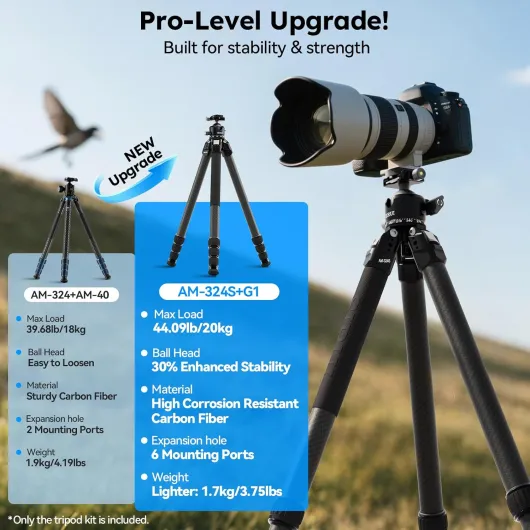
Why a tripod matters in landscape photography
Stability and Sharpness in Every Shot
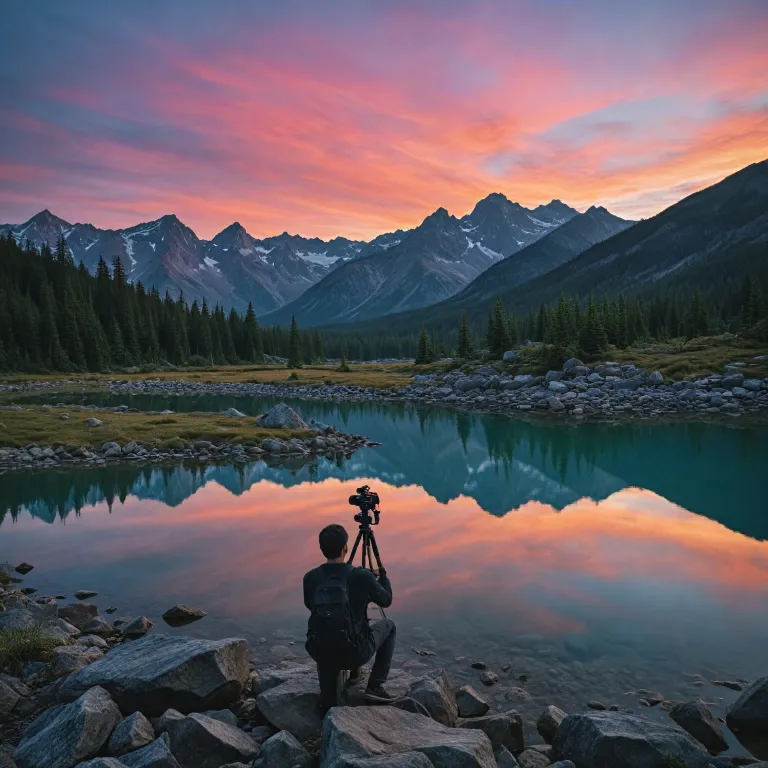
For landscape photography, a tripod is not just an accessory—it’s a fundamental tool. When you’re capturing scenes at dawn, dusk, or in low light, a tripod keeps your camera steady. This stability is crucial for achieving sharp images, especially when using slow shutter speeds or high-resolution sensors. Even the best camera and lens can’t compensate for the blur caused by hand movement during long exposures. That’s why tripods are considered essential for landscape photographers who want consistently crisp results.
Unlocking Creative Possibilities
Using a tripod opens up creative options that are hard to achieve handheld. You can experiment with long exposures to smooth out water or capture cloud movement. Adjusting the tripod legs and center column lets you compose from unique angles, whether you want a low perspective close to the ground or need extra height to clear obstacles. The ability to precisely frame your shot and keep the camera locked in place is a game-changer for landscape work.
Handling Heavy Gear and Challenging Conditions
Landscape photographers often use heavier cameras and lenses, sometimes adding filters or accessories. A sturdy tripod supports this weight, keeping your setup safe and stable even on uneven terrain. Features like rubber feet, adjustable leg sections, and reliable locks help you adapt to rocks, sand, or mud. If you’re interested in moving your setup easily, especially with heavy gear, check out this heavy-duty tripod dolly with rubber wheels for added mobility.
Consistency and Efficiency in the Field
When you’re out in the field, a tripod helps maintain consistency between shots. This is especially useful for panoramic photography or HDR, where multiple exposures need to align perfectly. With a tripod, you can lock the camera position, adjust the tripod head for precise framing, and work more efficiently without worrying about fatigue from holding your camera for long periods.
- Improved sharpness at slow shutter speeds
- Stable support for heavy cameras and lenses
- Enables creative techniques like long exposure
- Consistent framing for panoramas and HDR
- Adaptable to different terrains with adjustable legs and rubber feet
Key features to look for in a tripod
Essential criteria for selecting a tripod
When searching for the best tripod for landscape photography, it’s easy to get overwhelmed by the variety of options. However, focusing on a few key features can help you find a tripod that matches your needs and budget. Here’s what matters most:
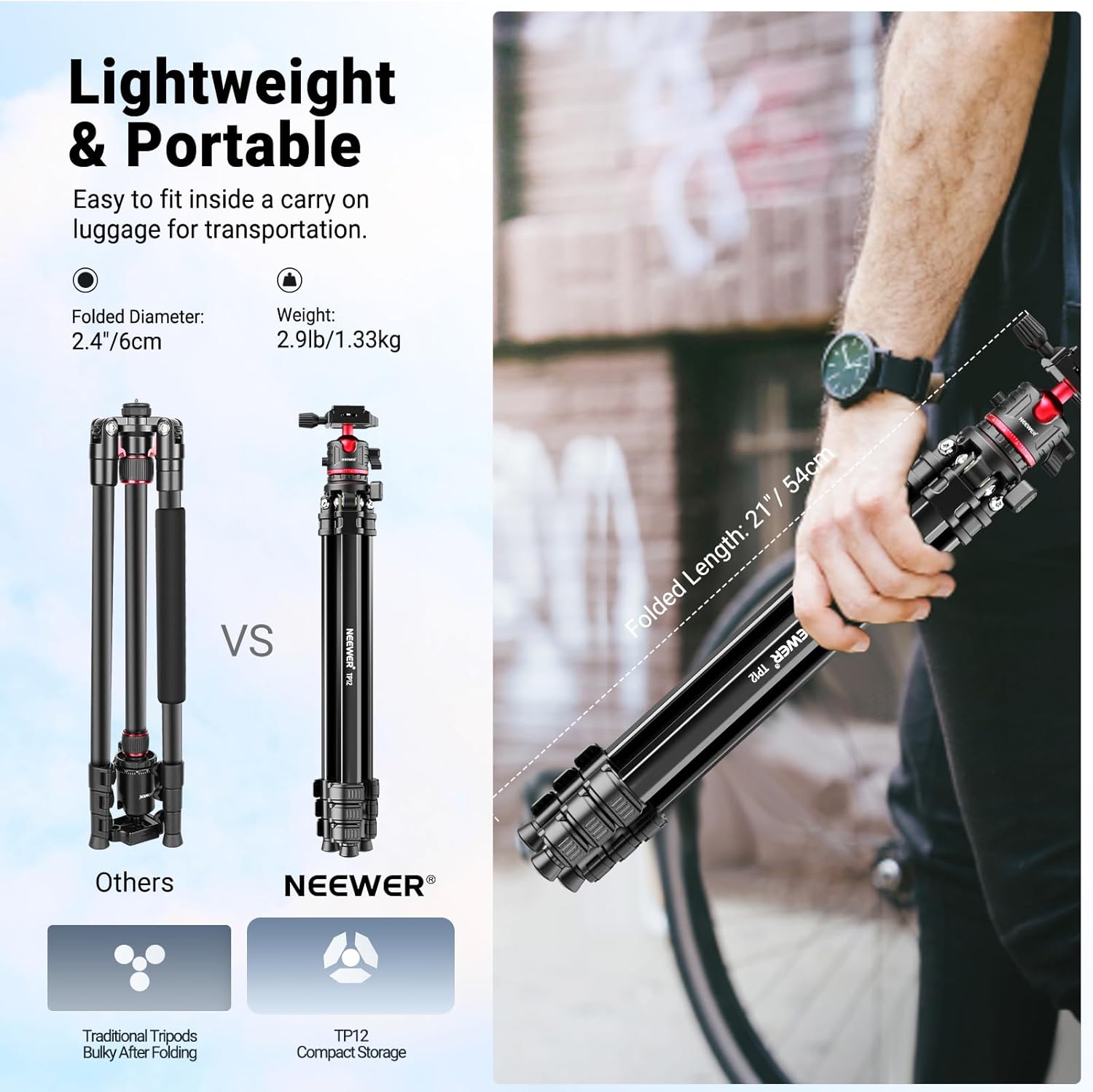
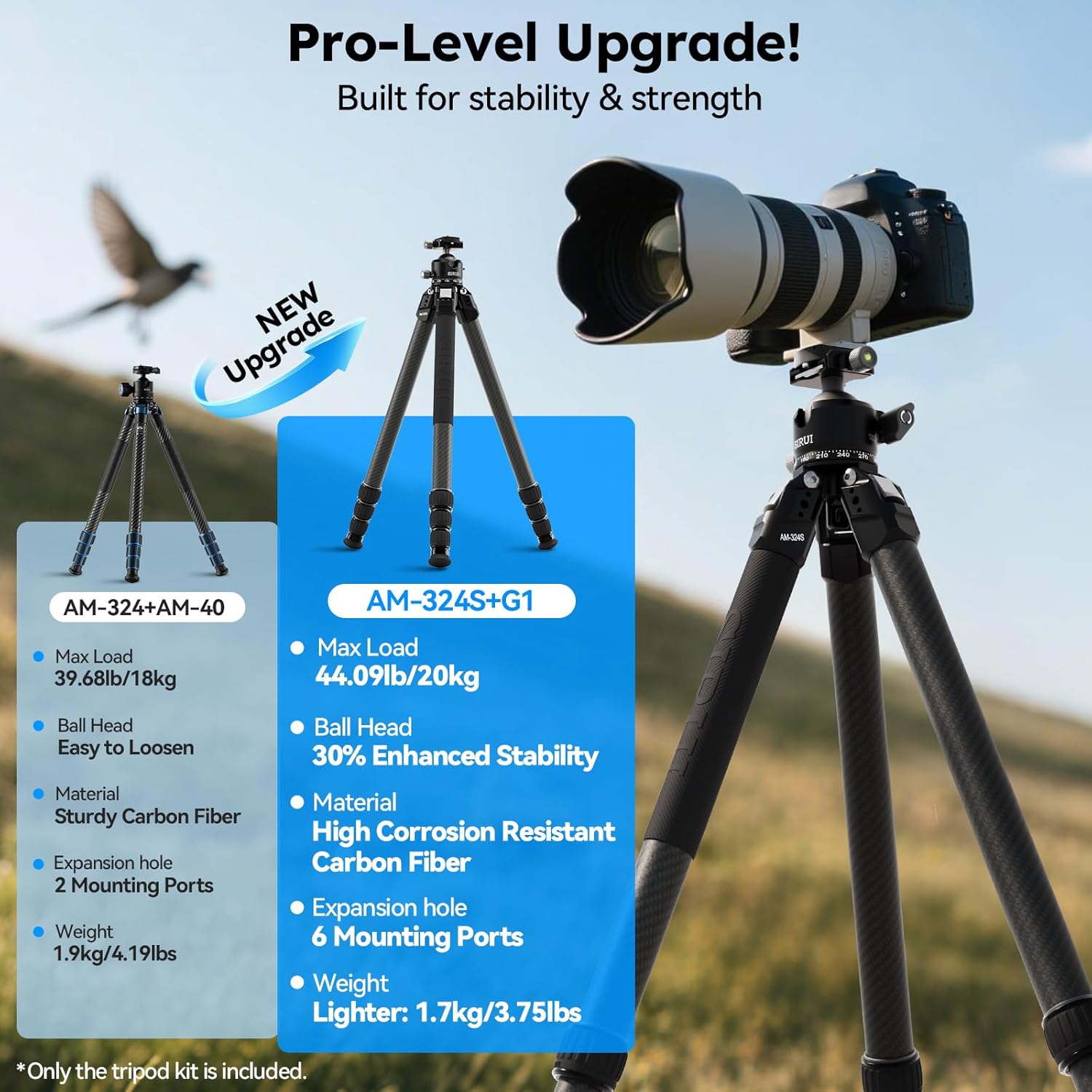
- Stability and weight: A tripod’s main job is to keep your camera steady, especially at slow shutter speeds. Look for a model that balances stability with portability. Carbon fiber tripods are popular for their lightweight yet sturdy build, making them ideal for travel and outdoor use.
- Height and center column: Consider both the maximum and minimum height. A tripod with a center column gives you extra height, but removing or lowering the column can help you shoot from a low angle, which is often needed in landscape photography.
- Leg sections and locks: More leg sections mean a more compact tripod, but can affect stability. Flip locks are quick to use, while twist locks offer a sleeker design. Decide which lock type feels best in your hands, especially when working in cold or wet conditions.
- Tripod head compatibility: Not all tripods come with a head. Ball heads are favored for their flexibility and ease of use, but make sure the tripod kit you choose is compatible with your preferred head type.
- Feet and grip: Rubber feet provide grip on hard surfaces, while spiked feet are better for soft ground. Some tripods let you switch between the two, which is useful for varied terrain.
- Build quality and design: A well-designed tripod, like those from Peak Design or other reputable brands, will last longer and perform better in the field. Check the quality of the leg locks, the smoothness of the head, and the overall finish.
- Price and value: The best tripod isn’t always the most expensive. Compare features and build quality at different price points to find the right balance for your photography style.
For a deeper dive into the top tripods for landscape photography, check out our detailed roundup. It covers a range of models, from travel tripods to heavy-duty options, helping you narrow down your choices based on real-world performance.
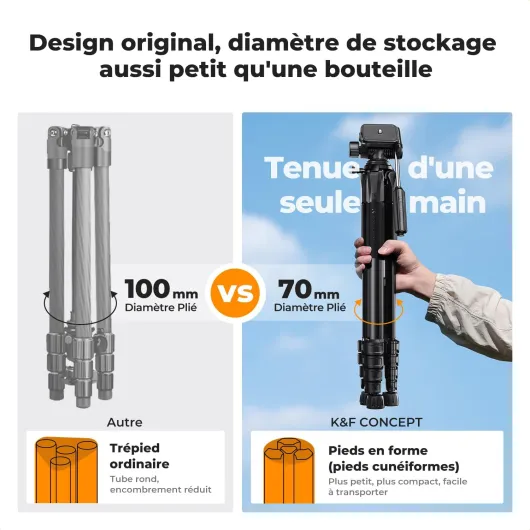
- + 190cm max height for elevated shots and versatile framing
- + Supports DSLR and smartphones — includes a phone clip and compatible with Nikon, Canon, Sony, iPhone, Samsung
- + 4kg load capacity suitable for most mirrorless and entry-level DSLR setups
- + Removable pan head for smooth panning and easier transport
- + Bluetooth remote included for convenient remote shutter control

Materials and build quality
Comparing Carbon Fiber and Aluminum Tripods
When it comes to landscape photography, the material and build quality of your tripod can make a big difference in your shooting experience. The two most common materials are carbon fiber and aluminum. Each has its own strengths, and your choice will depend on your priorities for weight, stability, and price.
- Carbon fiber tripods are known for being lightweight and strong. This makes them ideal for travel tripods or when you need to hike to your shooting location. Carbon fiber also absorbs vibrations better, which can help when using slower shutter speeds. However, these tripods often come at a higher price.
- Aluminum tripods are generally more affordable and still offer good stability. They tend to be heavier, which can be a benefit in windy conditions but may be a drawback if you need to carry your gear long distances.
Key Elements of Tripod Construction
Beyond the main material, several design aspects affect the tripod's performance in landscape photography:
- Leg sections: More leg sections mean the tripod can fold down smaller, but each joint can introduce instability. Fewer sections usually mean better stability but less compact storage.
- Locks: Flip locks and twist locks are the two main types. Flip locks are quick to operate, while twist locks can be more compact and less likely to snag on gear.
- Center column: Some tripods have a center column for extra height. While convenient, extending the center column can reduce stability. For the best tripod stability, keep the center column low or use a tripod without one.
- Rubber feet: These help grip surfaces and prevent slipping, especially on rocks or uneven terrain. Some tripods offer interchangeable feet for different environments.
Balancing Height, Weight, and Stability
Choosing the best tripod for landscape photography means finding the right balance between height, weight, and stability. A taller tripod gives you more flexibility in composition, but it may be heavier. Lightweight tripods are easier to carry but can be less stable in windy conditions. Consider your typical shooting locations and how much gear you want to carry.
If you want to see how a wide-angle lens can benefit your landscape shots, check out this review of the EF-S 10-18mm lens for practical examples.
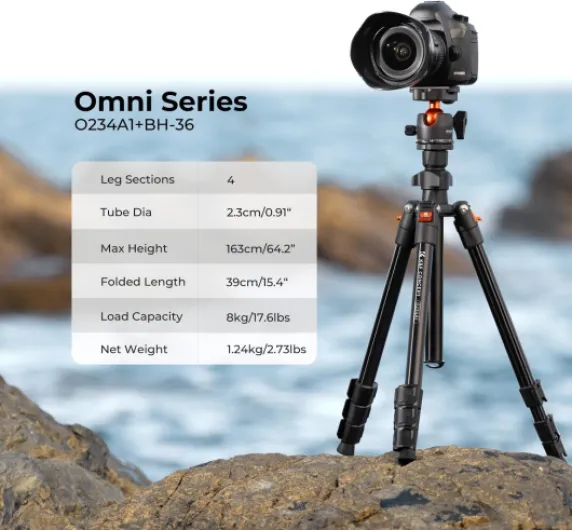
- + Lightweight aluminium body — 1.24kg, easy to carry
- + Tall 163cm maximum height for versatile shooting
- + High load capacity supports up to 8kg (DSLR & lenses)
- + 360° ball head for flexible framing and quick adjustments
- + Phone mount included for smartphone photography
Tripod heads: which type suits landscape photography
Understanding Tripod Heads for Landscape Photography
When selecting a tripod for landscape photography, the type of tripod head is just as important as the tripod legs and build quality. The tripod head is the connection point between your camera and the tripod, and it determines how easily you can adjust your composition and lock your camera in place. Choosing the right head can make a significant difference in your shooting experience, stability, and the sharpness of your images, especially at low shutter speeds.
- Ball Heads: Ball heads are popular for landscape photography due to their simplicity and flexibility. They allow quick adjustments in almost any direction with a single lock. This is useful when you need to rapidly recompose as light or scenery changes. Look for a ball head with a strong locking mechanism and smooth movement, especially if you use heavier cameras or lenses.
- Three-Way (Pan-and-Tilt) Heads: These heads offer independent control over each axis (horizontal, vertical, and tilt). They are ideal if you want precise adjustments, such as when aligning horizons or making panoramic shots. However, they can be bulkier and slower to operate compared to ball heads.
- Other Types: There are also geared heads, which provide ultra-precise adjustments, and gimbal heads, which are more common for wildlife or sports but can be overkill for most landscape work. For most landscape photographers, a quality ball head or three-way head is the best balance of control and portability.
Key Considerations When Choosing a Tripod Head
- Weight Capacity: Ensure the tripod head supports your camera and heaviest lens. Check the manufacturer’s specifications for maximum load.
- Locking Mechanism: A reliable lock is essential to keep your camera steady, especially during long exposures. Test how securely the head holds your gear at different angles.
- Quick Release System: Many tripod kits include a quick release plate, which lets you mount and remove your camera quickly. Arca-Swiss compatible plates are widely used and offer good compatibility across brands.
- Height and Weight: The head adds to the overall height and weight of your tripod. Consider this if you’re looking for a travel tripod or need to keep your kit light for hiking.
Some tripods come as a kit with a head included, while others let you choose the best tripod head for your needs. If you’re investing in a carbon fiber tripod for its low weight, make sure the head matches in quality and doesn’t compromise stability. Features like a removable center column, rubber feet, and secure leg locks also contribute to a tripod’s overall performance in landscape photography.
Practical tips for using a tripod outdoors
Setting Up Your Tripod for Stability
When you’re out in the field, stability is everything. Start by extending the tripod legs from the thickest section first. This helps maintain strength and reduces vibration. If your tripod has a center column, avoid raising it unless you need extra height. Using the center column can make the setup less stable, especially in windy conditions. For the best tripod performance, keep the camera as close to the tripod legs as possible.
Adapting to Uneven Terrain
Landscape photography often means working on rocky, sandy, or muddy ground. Adjust each tripod leg independently to ensure your camera stays level. Many tripods feature rubber feet or spiked feet for better grip. Rubber feet are ideal for hard surfaces, while spikes work well in soft ground. Some tripod kits include interchangeable feet, so check what’s included before you buy.
Managing Weight and Portability
Carrying your tripod over long distances can be tiring. Carbon fiber tripods offer a great balance of low weight and strength, making them a popular choice for landscape photographers. If you’re hiking, consider a travel tripod with compact leg sections and a lightweight design. Peak Design and other brands offer models that fold down small but still provide good stability.
Securing Your Camera and Head
Always double-check that your camera is securely attached to the tripod head. Ball heads are popular for landscape photography because they allow quick adjustments. Make sure all locks are tight before shooting, especially the leg locks and the ball head clamp. If your tripod has flip locks, ensure they’re fully engaged to prevent the legs from collapsing.
Dealing with Weather and Vibration
- Hang your camera bag or a weight from the center column hook to add stability in windy conditions.
- Use a remote shutter release or the camera’s self-timer to avoid vibration from pressing the shutter button.
- Keep an eye on the tripod legs and feet, especially if you’re near water or mud, as debris can affect stability and leg locks.
Height and Composition Tips
Adjust the tripod height to suit your composition, but remember that lower setups are generally more stable. If you need to shoot at a low angle, look for tripods with legs that splay out or a removable center column. This flexibility can help you get creative perspectives in your landscape photography.
Recommended tripod accessories for landscape photographers
Accessories That Make a Difference in the Field
When you’re out shooting landscape photography, the right tripod accessories can make your experience smoother and your results more consistent. Beyond the tripod itself, a few well-chosen extras can help you adapt to changing conditions, protect your gear, and get the most out of your setup.
- Tripod Spikes and Rubber Feet: Swappable feet let you adapt to different terrain. Rubber feet are best for indoor or rocky surfaces, while metal spikes provide stability on soft ground. Many tripod legs allow you to switch between these options quickly.
- Leveling Base: A leveling base between your tripod legs and head helps you set up perfectly straight horizons, which is crucial for landscape shots. This is especially useful if your tripod doesn’t have a built-in bubble level.
- Remote Shutter Release: Even with a sturdy tripod, pressing the shutter can introduce vibrations. A remote release or intervalometer lets you trigger your camera without touching it, helping you get sharp images at slow shutter speeds.
- Weight Hook or Sandbag: Many tripods have a hook under the center column. Hanging your camera bag or a sandbag here adds weight, increasing stability in windy conditions. This is particularly helpful with lightweight carbon fiber tripods.
- Tripod Bag or Carrying Strap: A padded bag or a comfortable strap makes it easier to transport your tripod kit, especially if you’re hiking to remote locations. Some travel tripods come with dedicated carrying solutions.
- Lens and Camera Rain Cover: Weather can change quickly in the landscape. A rain cover protects your camera and tripod head from moisture, keeping your gear safe and functional.
- Replacement Quick Release Plates: Having an extra plate for your ball head or tripod head saves time if you use multiple cameras or lose one in the field. Look for plates compatible with your tripod best design.
- Short Center Column or Column Adapter: For low-angle shots, a short center column or adapter lets you position your camera close to the ground without sacrificing stability. Some tripods offer reversible columns for this purpose.
Choosing Accessories for Your Needs
When selecting accessories, consider your tripod’s design, the weight you’re willing to carry, and the types of landscapes you shoot. Carbon fiber tripods are lighter, so a weight hook becomes more important in windy areas. If you often shoot at low heights, prioritize a tripod with a removable or adjustable center column. For photographers who travel, compact accessories and a lightweight tripod kit are essential.
Investing in the right accessories can extend the versatility of your tripod and help you adapt to any landscape photography challenge. Whether you’re using a peak design travel tripod or a classic three-section carbon fiber model, these add-ons can make a noticeable difference in your workflow and image quality.