
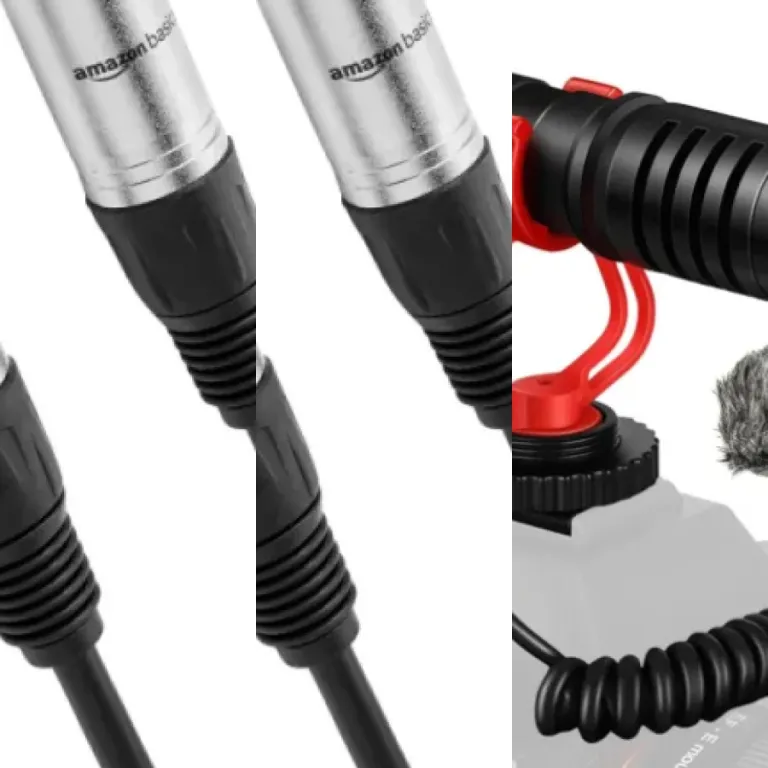
Understanding shotgun microphones for digital cameras
What Makes a Shotgun Microphone Unique for Digital Cameras?
Shotgun microphones are a top choice for capturing high-quality audio with digital cameras, especially when you want focused sound and minimal background noise. The unique design of a shotgun mic features a long, narrow tube that helps pick up sound from the front while rejecting noise from the sides and rear. This directional pattern, often called a supercardioid or lobar pattern, is what sets shotgun microphones apart from other camera microphones.
Why Use a Shotgun Mic for Video and Photography?
Whether you are recording interviews, vlogs, or events, using a shotgun microphone can dramatically improve your sound quality. Built for on-camera use, models like the Rode VideoMic Pro, Rode NTG, and Sennheiser MKE series are designed to deliver clear audio with low noise, even in challenging environments. Many pros and budget-conscious creators alike choose shotgun mics for their ability to capture crisp dialogue and reduce unwanted ambient sounds.
Key Benefits of Using a Camera Shotgun Microphone
- Focused Audio: The shotgun pattern isolates your subject’s voice, making it ideal for interviews or dialogue-heavy scenes.
- Improved Sound Quality: Compared to built-in camera microphones, shotgun mics offer a wider frequency response and lower noise floor.
- Versatility: Many shotgun microphones, like the Audio Technica and Rode models, can be used both on-camera and on boom poles for flexible recording setups.
- Professional Features: Options like low cut filters, phantom power support, and robust build quality make these mics suitable for both beginners and advanced users.
When to Consider a Shotgun Microphone
If you’re looking to buy the best shotgun microphone for your camera, consider your recording environment and budget. Shotgun mics excel in controlled settings but can also perform well outdoors with the right accessories. Models like the Sennheiser MKH and Rode NTG series are often rated as top best options for their reliability and sound performance.
For those setting up a home studio or photo booth, pairing your shotgun mic with a professional backdrop for video recording can further enhance your production quality.
Key features to look for in a shotgun microphone
What Makes a Shotgun Mic Stand Out?
When looking to buy the best shotgun microphone for your digital camera, understanding the key features is crucial. A shotgun mic is designed to capture high-quality audio by focusing on sound from the front while minimizing noise from the sides and rear. This makes it ideal for video recording, interviews, and vlogging where clear sound is essential.
- Polar Pattern: The polar pattern, often supercardioid or lobar, determines how well the mic isolates sound. Shotgun mics excel at picking up audio directly in front of the camera, making them a top choice for outdoor shoots and busy environments.
- Frequency Response: A wide frequency response ensures the mic captures both low and high tones accurately. Look for models with a flat response for natural sound, or tailored response for specific needs like voice clarity.
- Low Cut Filter: Many pro shotgun microphones, such as the Rode NTG and Sennheiser MKH series, include a low cut filter. This feature reduces unwanted low-frequency noise from wind or handling, improving overall sound quality.
- Low Noise Performance: Low self-noise is vital for capturing clean audio, especially in quiet settings. Models like the Sennheiser MKE and Audio Technica shotgun mics are known for their low noise levels.
- Power Options: Some shotgun microphones require phantom power, while others like the Rode VideoMic Pro run on batteries. Consider your camera's compatibility and your workflow needs.
- Build Quality: Durability matters, especially for field recording. Metal construction and shock mounts help reduce handling noise and extend the life of your camera microphone.
- Budget and Value: There are top best shotgun mics for every budget. Entry-level models like the Rode VideoMic offer solid performance, while higher-end options like the Rode NTG and Sennheiser MKH provide pro-level audio for demanding projects.
Comparing Features for Your Needs
Choosing the best shotgun microphone means balancing features with your recording style and camera setup. For those seeking a camera shotgun mic for run-and-gun shooting, lightweight and battery-powered options are practical. If studio-quality sound is your priority, look for a shotgun with a wide frequency response and low noise floor.
For a deeper dive into essential gear for your camera setup, check out this guide to the best LED panels for video recording. Lighting and audio go hand in hand for professional results.
Quick Reference Table: Key Features
| Feature | Why It Matters | Popular Models |
|---|---|---|
| Polar Pattern | Focuses on sound in front, reduces side noise | Rode NTG, Sennheiser MKH, Audio Technica |
| Frequency Response | Captures full range of audio for natural sound | Rode VideoMic Pro, Sennheiser MKE |
| Low Cut Filter | Reduces rumble and wind noise | Rode NTG, Sennheiser MKH |
| Low Noise | Ensures clean, professional audio | Audio Technica, Sennheiser MKE |
| Power | Battery or phantom power options | Rode VideoMic, Rode NTG |
Compatibility with different digital camera models
Matching Your Shotgun Mic to Your Camera
When you buy a shotgun microphone for your digital camera, compatibility is key. Not every shotgun mic will work seamlessly with every camera model. It's important to check the connection type, power requirements, and mounting options before making a choice. Here are some essential points to consider:
- Connection Type: Most consumer cameras use a 3.5mm audio jack, while pro-level cameras may offer XLR inputs. Some shotgun microphones, like the Rode VideoMic series, are designed for 3.5mm jacks, while others such as the Sennheiser MKH or Audio Technica models may require XLR connections and phantom power.
- Power Requirements: Some shotgun mics need batteries, while others draw phantom power from the camera or an external recorder. Make sure your camera can supply the needed power for your chosen mic.
- Mounting Options: Check if the shotgun microphone comes with a shock mount or cold shoe adapter. This ensures it fits securely on your camera and reduces unwanted noise during recording.
- Audio Settings: Cameras vary in their ability to adjust audio levels, enable low cut filters, or handle high frequency response. A mic best suited for your camera will let you capture top sound quality without distortion or excessive noise.
Popular shotgun microphones like the Rode NTG, Rode VideoMic Pro, and Sennheiser MKE series are known for their broad compatibility with many camera models. However, always double-check the specs. For example, if you want a camera lens that pairs well with your audio setup, ensure both your mic and lens choices fit your shooting style and camera body.
Remember, the best shotgun microphones for your camera are those that match your workflow, budget, and desired sound quality. Whether you need a budget-friendly option or a top best pro model with low noise and wide frequency response, compatibility should always be your first checkpoint.
Popular shotgun microphone models compared
Comparing Leading Shotgun Microphones for Digital Cameras
When searching for the best shotgun mic for your camera, it’s important to compare the top models available. Each shotgun microphone offers unique features, frequency response, and sound quality, which can make a big difference in your audio recording results. Here’s a look at some of the most popular options among creators and professionals:| Model | Key Features | Frequency Response | Power | Best For |
|---|---|---|---|---|
| Rode VideoMic Pro | Supercardioid pattern, integrated shock mount, low cut filter | 40Hz – 20kHz | 9V battery | Vloggers, run-and-gun shooting, compact setups |
| Rode NTG | Broadcast-quality, variable gain control, USB-C and 3.5mm output | 20Hz – 20kHz | Internal rechargeable battery | Pro video, hybrid camera/audio setups |
| Sennheiser MKE 600 | Low noise, switchable low cut, phantom power or AA battery | 40Hz – 20kHz | Phantom power / AA battery | Documentary, interviews, DSLR/mirrorless cameras |
| Audio-Technica AT875R | Short, lightweight, tailored for video cameras, low noise | 90Hz – 20kHz | Phantom power | Budget pro setups, camcorders, field recording |
| Sennheiser MKH 416 | Industry standard, high directionality, robust build | 40Hz – 20kHz | Phantom power | Film, TV, high-end production |
- Sound quality and frequency response are crucial for capturing clear audio. Models like the Rode NTG and Sennheiser MKH 416 are known for their pro-level sound and low noise.
- For those on a budget, the Audio-Technica AT875R offers solid performance at a lower price point, though it requires phantom power.
- If you need a camera shotgun mic that’s easy to use and portable, the Rode VideoMic Pro and Rode NTG are top choices, especially for on-the-go recording.
- Features like low cut filters help reduce unwanted low-frequency noise, improving overall audio quality.
Tips for optimal audio recording with shotgun microphones
Positioning Your Shotgun Mic for Clear Sound
Getting the best audio from your camera shotgun microphone starts with proper placement. Always aim the mic directly at your sound source. The shotgun pattern is designed to pick up sound from the front and reject noise from the sides, so keep the mic pointed at your subject, not at the ground or ceiling. If you’re using a camera-mounted shotgun mic like the Rode VideoMic Pro or Sennheiser MKE, make sure it’s securely attached and not blocked by accessories.
Using Low Cut Filters and Adjusting Gain
Many top shotgun microphones, such as the Rode NTG and Audio Technica models, offer a low cut filter. This feature helps reduce unwanted low frequency noise, like wind or handling sounds. Activate the low cut when recording outdoors or in noisy environments. Adjust the gain on your camera or mic to avoid distortion. Keep levels in the green to maintain high sound quality and avoid clipping.
Monitoring and Managing Audio Levels
- Use headphones to monitor your audio while recording. This helps catch issues like low volume or interference early.
- Check your camera’s audio meters to ensure your levels are neither too low nor peaking in the red.
- If your shotgun mic supports it, use the -10dB or -20dB pad when recording loud sources to prevent overload.
Reducing Handling and Wind Noise
To achieve the best sound, use shock mounts and windshields. Many pro shotgun mics, including the Rode VideoMic and Sennheiser MKH series, come with these accessories. A shock mount isolates the mic from vibrations, while a foam or furry windshield cuts down on wind noise. This is essential for outdoor shoots or when moving the camera.
Powering Your Shotgun Microphone
Some shotgun microphones require phantom power, while others use batteries. Always check your camera’s compatibility and ensure your mic is powered correctly. Low battery or insufficient phantom power can cause low noise or poor frequency response, impacting your audio quality.
Recording Tips for Different Budgets
- For budget setups, the Rode VideoMic GO offers good quality without breaking the bank.
- For higher-end needs, the Rode NTG and Sennheiser MKH deliver top best sound quality and low noise, suitable for pro video work.
- Always match your shotgun mic to your camera and recording environment for the best results.
Troubleshooting common issues with shotgun microphones
Common Audio Problems and How to Fix Them
Even the best shotgun microphones can run into issues during recording. Knowing how to troubleshoot can save your audio and help you get the most out of your camera shotgun mic setup. Here are some frequent problems and practical solutions:
- Low or No Sound:
Check your mic connection to the camera. Ensure the cable is fully inserted and not damaged. If your shotgun mic requires phantom power, confirm your camera or recorder provides it. For battery-powered models like the Rode VideoMic Pro, make sure the battery is fresh and properly installed. - Unwanted Noise or Hiss:
Low noise is a key feature of top shotgun microphones, but interference can still happen. Try a different cable or move away from electronic devices that might cause interference. If your mic has a low cut filter, enable it to reduce background rumble. - Distorted or Clipped Audio:
High input levels can overload the mic or camera preamp. Lower the recording level on your camera or use the mic's built-in pad switch if available. Some models, like the Rode NTG series, offer this feature for better sound quality. - Directional Pattern Issues:
If your shotgun microphone is picking up too much side noise, double-check its positioning. The best shotgun mics have a supercardioid or lobar pattern, so aim the mic directly at your subject for optimal audio capture. - Frequency Response Problems:
If your audio sounds muffled or too bright, review your mic's frequency response settings. Some camera microphones, like the Audio Technica and Sennheiser MKH series, allow you to adjust the response for different environments.
Quick Tips for Reliable Performance
- Always test your shotgun mic before important shoots.
- Keep spare batteries for models like the Rode VideoMic or Sennheiser MKE.
- Use windshields outdoors to maintain sound quality.
- For budget setups, double-check compatibility with your camera’s input and power requirements before you buy.
When to Seek Professional Help
If you’ve tried these steps and still have issues, your shotgun microphone may need servicing. Contact the manufacturer or a pro audio technician, especially for high-end models like the Sennheiser MKH or Rode NTG series. Regular maintenance can extend the life and performance of your top best camera microphone.