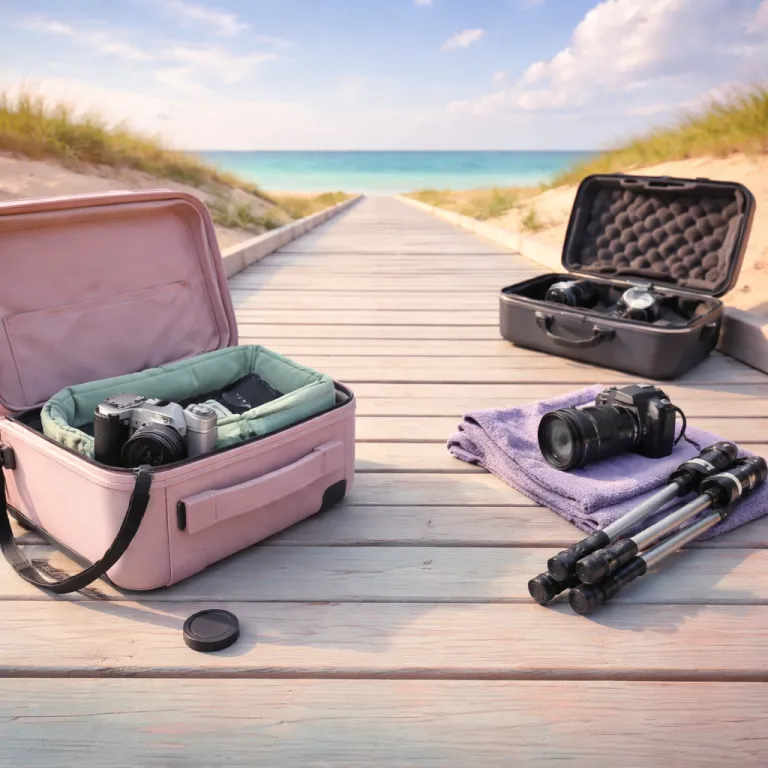
Defining the best travel camera for your kind of trip
The best travel camera is not the biggest or the most expensive. It is the digital camera whose body and lens you are happy to carry from sunrise airport queues to late night street photography sessions. Before you buy anything, you must match your travel habits, your shooting style, and your acceptable price range.
Start with intent, not with sensor size or brand logos. If your travel photography is mostly cafés, city streets, and family portraits, a compact travel camera or a pocketable camera with a fixed lens and strong image stabilization will feel liberating compared with heavier mirrorless cameras. Hikers and wildlife fans usually need a longer zoom lens, better low light performance, and a body that survives dust, rain, and the occasional knock against a train door.
Think about how you actually move through travel days. A point and shoot style compact that slips into a jacket pocket changes how often you raise a camera, while a larger mirrorless camera with an interchangeable zoom lens pushes you toward more deliberate photography. The best compact models such as a premium Sony RX100 VII or similar rivals give excellent image quality for their size, but they still involve trade offs in depth of field control and ultimate low light performance compared with a larger full frame body.
To make this concrete, imagine three typical travelers. A city break photographer might pair a 300 gram compact camera with a 24 to 70 millimetre equivalent zoom and carry no extra lenses. A hiking traveler could choose an 800 gram APS C mirrorless camera plus 18 to 135 millimetre zoom and a light sling bag. A hybrid stills and video creator might accept a 1.2 kilogram full frame camera and 24 to 105 millimetre zoom to gain better low light performance and more robust 4K video.
Size versus sensor: choosing between compact, APS C and full frame
Every travel camera choice is a negotiation between size, sensor, and lens flexibility. Micro Four Thirds and APS C mirrorless cameras keep the body small while still offering interchangeable lenses and very good image quality for travel photography. Full frame cameras deliver the best dynamic range and shallowest depth of field, but they demand more space in your camera travel bag and more strength in your shoulders.
For most people seeking the best travel camera, APS C mirrorless cameras hit the sweet spot. A Sony APS C mirrorless camera with a stabilized zoom lens such as an 18 to 135 millimetre equivalent covers city breaks, landscapes, and casual wildlife without weighing more than many compact cameras from a decade ago. Canon offers similar balance in its APS C Canon EOS mirrorless camera line, where you can pair a modestly priced body with a versatile zoom lens and still keep the total price below many premium compact camera options.
Full frame bodies from Sony and Canon remain excellent tools when travel photography is a priority rather than an afterthought. A small full frame body with a 24 to 200 millimetre zoom lens gives you serious low light capability, creamy depth of field, and robust image files that tolerate heavy editing. Just remember that even the best compact full frame setups are still heavier than a typical point and shoot pocketable camera, so you must honestly check whether you will carry that weight through long travel days.
As a rough guide, many APS C travel camera kits with an 18 to 135 millimetre zoom weigh around 700 to 900 grams and cost in the mid range segment, while comparable full frame kits with a 24 to 105 millimetre zoom often reach 1.1 to 1.5 kilograms and sit several hundred dollars higher. Those extra grams and the higher price only make sense if you will regularly use the additional low light performance and depth of field control.
One lens travel kits and zoom choices that actually work
Most travelers do not want to swap lenses in a crowded market or on a windy ridge. That is why the best travel camera kits usually revolve around one excellent zoom lens that stays on the body from airport to hotel. On APS C mirrorless cameras, an 18 to 135 millimetre or 16 to 80 millimetre zoom lens covers wide landscapes, portraits, and tighter details without forcing constant decisions.
On full frame cameras, a 24 to 200 millimetre or 24 to 120 millimetre zoom lens offers similar flexibility for travel photography. These lenses are rarely the cheapest in the catalog, yet their combination of range, image quality, and weight often makes them the best price to performance choice for a single lens travel camera kit. If you prefer a compact camera, look for a premium model with a 24 to 70 millimetre or 24 to 200 millimetre equivalent zoom, strong image stabilization, and fast autofocus so that you can rely on one pocketable camera for both stills and video.
Some travelers still love a fixed lens compact camera because it forces a consistent way of seeing. A high quality fixed lens around 28 or 35 millimetres equivalent on a large sensor digital camera can deliver excellent image quality and a natural depth of field for environmental portraits. If you lean toward this minimalist approach, check that the autofocus is reliable in low light and that the body feels secure in your hand, because you will not have a backup zoom lens to save a missed framing opportunity.
When you compare one lens travel kits, look at real world numbers: an 18 to 135 millimetre APS C zoom often weighs 300 to 400 grams, while a 24 to 200 millimetre full frame zoom can reach 500 to 800 grams. Many buyers accept the extra weight because retailer sales data from major camera stores consistently shows that all in one zoom lenses in the 24 to 200 millimetre equivalent range rank among the most popular travel lens purchases.
Autofocus, low light and video performance on the road
Autofocus performance matters more in travel than spec sheets suggest. Street photography, kids running through fountains, and quick portraits in changing light all stress a camera’s autofocus system in ways that static test charts never reveal. When you compare cameras, check how confidently they lock focus in low light and how well they track moving subjects during continuous shooting.
Modern Sony mirrorless cameras are known for sticky eye autofocus and strong video autofocus, which helps if you shoot both stills and video on the same travel camera. Canon EOS mirrorless camera bodies have improved dramatically, offering excellent subject detection and natural color straight out of the camera, which many travelers appreciate when they prefer minimal editing. Whichever brand you choose, prioritize phase detect autofocus across most of the sensor, because contrast only systems tend to hunt in dim restaurants and evening streets.
Low light performance is not just about the sensor size, although full frame sensors do hold an advantage. Image stabilization in the body or in the lens lets you handhold at slower shutter speeds, which is crucial when tripods are impractical during travel. If video is important, look for a digital camera with reliable 4K recording, effective stabilization, and a body that does not overheat during longer clips, and consider reading a detailed 4K vlogging camera test from a reputable review site to understand real world limitations.
Independent lab tests and reviewer comparisons often show that modern APS C sensors remain very usable up to ISO 3200 or 6400, while full frame travel cameras can push a stop or two higher before noise becomes distracting. Combine that with four to six stops of image stabilization in many current bodies and lenses, and you can confidently shoot handheld city scenes at night without resorting to a tripod.
Carrying, weather sealing and practical camera travel strategies
The best travel camera is useless if it stays in your hotel safe. Think carefully about how the camera body, lens, and any accessories will fit into your carry on and your day bag. A compact camera or pocketable camera can live in a jacket pocket, while a mirrorless camera with a zoom lens usually needs a small dedicated sling or backpack to protect the body and lens elements.
Weather sealing is often misunderstood in travel photography. A weather sealed body and lens combination from Sony or Canon can shrug off light rain and dust, but it is not a license to change lenses in a storm or to rinse your digital camera under a tap. If you expect rough conditions, a single lens setup on a sealed mirrorless camera or a sealed fixed lens compact camera reduces the risk of moisture reaching the sensor or the internal electronics.
Battery life and charging are another practical pillar of camera travel planning. Look for USB C charging directly into the body so that you can top up from a power bank on long travel days, and always carry at least one spare battery for mirrorless cameras, which drain faster than many older point and shoot models. Before you buy, check how many shots reviewers report in real mixed shooting, because official ratings often underestimate or overestimate what you will see when you mix stills, video, and frequent image review on the rear screen.
Real world testing by independent reviewers frequently reports between 300 and 700 shots per charge for many modern mirrorless travel cameras, depending on how much you use continuous autofocus, burst shooting, and 4K video. For most photographers, carrying two fully charged batteries comfortably covers a full intensive day of sightseeing, street photography, and evening restaurant images.
Budget, brands and when to stretch for better image quality
Price should guide your choice, but it should not paralyze you. A mid range mirrorless camera with a sensible zoom lens often delivers better long term value than a cheaper body with a kit lens you will quickly outgrow. When you compare cameras at a similar price, pay attention to lens ecosystems, because the cost and availability of future lenses will shape your photography more than a small difference in sensor resolution.
Sony and Canon dominate the mirrorless cameras market, and both offer excellent travel camera options at multiple price points. Sony bodies often lead in autofocus sophistication and video features, while Canon EOS cameras tend to offer intuitive menus and pleasing color that many travelers enjoy straight from the camera. If you are curious about how brand strategies affect buyers, you can read an analysis of upcoming launches from a trusted photography news source before you decide whether to wait or to buy now.
Sometimes the best compact option for travel photography is not a camera at all but a smartphone you already own, paired with a small dedicated camera only when you need better image quality or more control over depth of field. If you shoot weddings or events as part of your travel work, you will need more robust bodies and backup cameras, and resources such as a guide to choosing the best camera for marriage photography can help you understand professional reliability standards. For most travelers, though, the right balance is a single mirrorless camera or premium compact camera that feels good in the hand, fits the budget, and makes you want to keep shooting long after the trip ends, because the real best travel camera is not the megapixel count, but what you will still shoot with in five years.
As you set a budget, remember that a capable APS C travel camera kit with an 18 to 135 millimetre zoom often costs less than many flagship smartphones, while a higher end full frame body and 24 to 105 millimetre zoom can reach several times that price. Stretching your budget makes sense if you already know you enjoy photography, but if you are unsure, starting with a smaller, lighter, and more affordable system is usually the wiser choice.
Key statistics about travel cameras and photography habits
- According to the Camera & Imaging Products Association (CIPA), global digital camera shipments have fallen by more than 80 percent compared with a decade ago, yet interchangeable lens cameras now represent a much higher share of remaining sales, suggesting that dedicated cameras are increasingly bought by enthusiasts and travelers who care about image quality.
- Survey data from major photo sharing platforms indicates that around 60 percent of users who own both a smartphone and a dedicated camera still prefer the dedicated camera for low light travel photography, mainly because of better sensors, larger lenses, and more effective image stabilization, although exact percentages vary by study and by region.
- Industry reports from camera manufacturers and market research firms suggest that mirrorless cameras now account for over two thirds of interchangeable lens camera sales worldwide, reflecting a shift toward lighter bodies and more compact travel camera systems.
- Battery testing by independent reviewers shows that many modern mirrorless cameras achieve between 300 and 700 shots per charge in mixed real world use, which means that carrying two batteries typically covers a full intensive travel day of shooting for most photographers.
- Lens sales data from major retailers reveals that all in one zoom lenses in the 24 to 200 millimetre equivalent range are among the most popular purchases for travel, confirming that many buyers prefer a single versatile zoom lens over carrying multiple primes.
When you read statistics like these, always check whether the source is a manufacturer report, an independent association such as CIPA, or a retailer summary, because each type of data reflects a slightly different slice of how real travelers choose and use their cameras.
FAQ about choosing the best travel camera
Is a compact camera enough for serious travel photography ?
A high end compact camera with a large sensor, a fast zoom lens, and strong image stabilization can absolutely be enough for serious travel photography. You trade some depth of field control and ultimate low light performance compared with a full frame mirrorless camera, but you gain portability and the ability to keep the camera with you at all times. For many travelers, that constant availability leads to better images than a heavier system left in the hotel room.
Should I choose APS C or full frame for a first travel camera ?
For a first dedicated travel camera, APS C mirrorless cameras usually offer the best balance of price, size, and image quality. They provide excellent image quality, good low light performance, and access to a wide range of lenses without the weight penalty of full frame bodies and glass. Full frame makes more sense if you already know you need very shallow depth of field or you often shoot in extremely low light.
How important is image stabilization for travel photography ?
Image stabilization is extremely valuable for travel photography because it lets you shoot at slower shutter speeds without a tripod. This helps in low light interiors, evening streets, and when you want to keep ISO values lower for cleaner files. Whether stabilization is in the lens or in the camera body, it effectively expands the situations where you can come home with sharp images.
Do I need a separate camera for video when I travel ?
Most modern mirrorless cameras and many premium compact cameras offer video quality that is more than sufficient for travel clips and vlogs. If you care about long continuous recording, advanced autofocus during video, and good audio options, then choosing a hybrid camera with strong video features makes sense. Only dedicated filmmakers usually need a separate video focused body beyond a capable travel camera.
How many lenses should I pack for a two week trip ?
For most travelers, one versatile zoom lens is enough for a two week trip, especially if it covers a range like 18 to 135 millimetres on APS C or 24 to 200 millimetres on full frame. Adding a small fast prime lens can be helpful if you love low light portraits or want very shallow depth of field, but every extra lens adds weight and complexity. If you are unsure, start with one good zoom lens and see whether you truly miss anything during your travel days.
As a quick buyer’s checklist, ask yourself five questions before you commit: how much weight you will really carry, whether you need 4K video, how often you shoot in low light, whether you prefer a single zoom or multiple lenses, and how much room your travel camera kit can take in your bag.