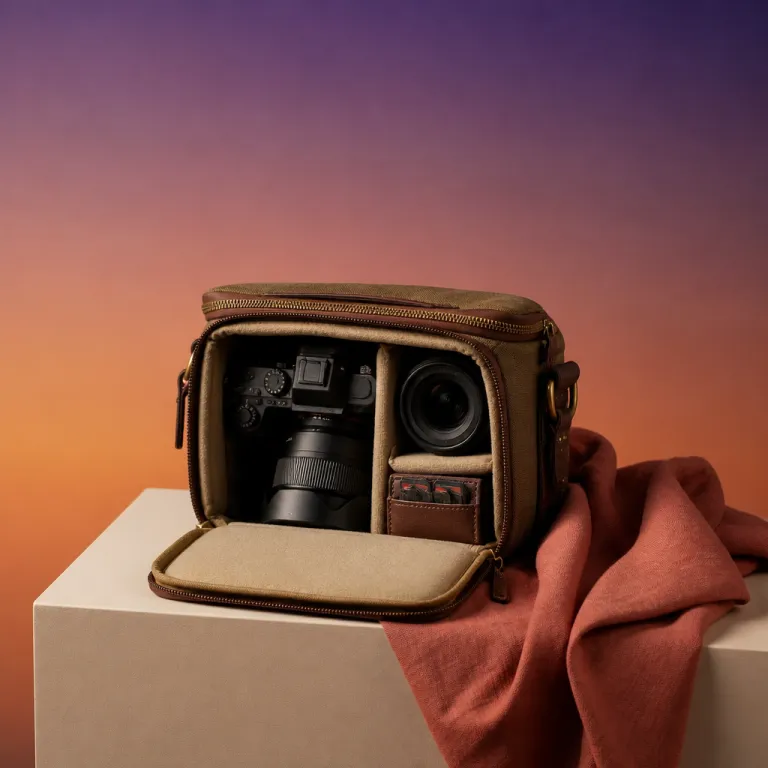

Billingham Mini Eventer camera bag as a daily carry for modern shooters
The Billingham Mini Eventer camera bag is designed as a compact yet capable daily carry for photographers who value discretion. Its exterior combines durable canvas or Fibrenyte fabric with full grain leather panels, creating a refined bag that looks at home in city streets or on assignment. This balance of style and function means the Mini Eventer works as both a practical camera bag and an elegant everyday shoulder companion.
At the heart of the design sits the main compartment, which is protected by a removable padded insert that cradles your camera and lenses securely. This padded insert turns the Mini Eventer into a flexible system, because you can lift the insert out and use the bag as a regular messenger when you are not carrying camera gear. Billingham lists the internal dimensions of the insert at approximately 320 x 210 x 80 mm in its product literature at the time of writing, which suits a mirrorless body with a standard zoom plus one or two small primes without feeling cramped.
The top handle is thick, leather wrapped, and carefully stitched, so the bag feels stable when you grab it quickly between shots. A wide shoulder strap with an optional shoulder pad spreads weight across your torso, which matters when the camera bag is loaded with a body, lenses, and a padded laptop sleeve. For travel, the rear luggage trolley strap lets the Mini Eventer slide over a suitcase handle, turning it into part of a larger system of Billingham bags that move easily through airports and train stations.
Build quality, leather details, and protection for camera gear
Billingham has a long reputation for building camera bags that outlast several camera systems, and the Mini Eventer continues that tradition. The combination of Fibrenyte or canvas with thick leather on the base and front straps creates a shell that shrugs off rain, abrasion, and daily knocks. According to Billingham’s published specifications, the bag weighs around 1.3 kg empty and offers roughly 7 litres of capacity, figures that place it in the mid range of compact shoulder bags without becoming cumbersome for everyday use.
Inside the main compartment, the removable padded insert uses dense closed cell foam that resists compression over time. This padded insert includes adjustable dividers, so the internal dimensions can be tailored to a single large camera body or to several small lenses, depending on the assignment. In a practical test with a 24 MP mirrorless body, a 24–70 mm f/4 zoom, a compact 70–200 mm f/4, and a small prime, the Mini Eventer carried the kit securely while still leaving a narrow channel for a compact tripod head tucked beside the dividers.
The leather top handle and leather reinforced shoulder strap anchors are not only aesthetic touches, they are structural components that distribute load across the bag. A well positioned shoulder pad on the strap reduces pressure points, which becomes noticeable when the camera bag carries a padded laptop, chargers, and accessories for a long day. If you prefer extra security, the Eventer style front straps close with both brass buckles and quick release fittings, so the bag opens fast yet stays locked when you move quickly with a camera in hand or when you add a secondary red paracord camera strap upgrade to your setup.
Capacity, internal layout, and how much camera kit will fit
Although the Billingham Mini Eventer camera bag looks small from the outside, its internal dimensions are carefully engineered to maximise usable space. The quoted capacity in litres feels conservative in day to day use, because the square main compartment and straight sides avoid wasted corners. For many photographers, this means the Mini Eventer will fit a mirrorless body with lens attached, two extra lenses, and a compact flash while still leaving room for everyday items.
The main compartment is supported by generous dump pockets on the front, which are ideal for batteries, filters, and small tripods or stabiliser plates. These dump pockets expand outward rather than inward, so they do not steal space from the padded insert that protects your camera gear. When you work with tripods and stabilisers, you can keep quick release plates, hex keys, and small pro tools in these pockets, while the Eventer camera body and lenses remain safely inside the removable padded core.
On the rear, a flat slip pocket handles documents or a tablet, complementing the padded laptop sleeve inside the main compartment for those who carry ultra small notebooks. The luggage trolley strap turns the Mini Eventer into a modular part of a travel kit, especially when combined with larger Billingham bags that carry lighting or bigger tripods. If you are planning a travel setup and wondering how many images you can store, pairing this bag with a high capacity memory card is wise, and resources such as this guide on how many photos a 128 GB card can hold help you plan storage alongside physical carrying capacity.
Mini Eventer versus Hadley Small and Hadley Pro for tripod users
Photographers familiar with the Hadley Small and Hadley Pro often wonder how the Billingham Mini Eventer camera bag compares. The Hadley Small is lighter and slightly more compact, while the Hadley Pro offers a bit more volume and a built in luggage trolley strap. The Mini Eventer sits between these bags in spirit, adding a more structured shape, a dedicated padded laptop area, and a reinforced leather base that suits heavier tripod and stabiliser accessories.
When you carry tripods or gimbals, the way a bag balances on your shoulder becomes critical. The Mini Eventer uses a broad shoulder strap and optional shoulder pad to keep weight stable, even when a small pro travel tripod is lashed to the underside or carried in hand. Compared with the Hadley Small, the Mini Eventer feels more rigid, so the main compartment and padded insert resist twisting when you move quickly between locations with a camera in one hand and tripod in the other.
The Hadley Pro remains an excellent choice for photographers who need extra litres of capacity and a slightly taller main compartment for larger DSLR bodies. However, the Mini Eventer will fit most mirrorless cameras with stabilised zooms while still leaving space for compact tripod heads, clamps, and cables. For many hybrid shooters who mix stills and video, this balance of size, structure, and protection makes the Mini Eventer a more refined Eventer camera option than the softer, more casual Hadley style bags.
Comfort, ergonomics, and working all day with tripods and stabilisers
Comfort becomes non negotiable when you carry a camera bag for ten hours while shooting with tripods and stabilisers. The Billingham Mini Eventer camera bag addresses this with a wide, adjustable shoulder strap that sits flat and resists twisting. When paired with the dedicated shoulder pad, the strap spreads pressure across a larger area, which reduces fatigue during long walks between locations.
The leather top handle is more than a cosmetic detail, because it allows quick hand carrying when you need to move the bag only a few metres. This is especially useful on set when you reposition tripods, sliders, or gimbals and want the camera bag close without re slinging it over your shoulder. The structured base and leather reinforced corners keep the bag upright when placed on the ground, so the main compartment and padded insert remain stable while you swap lenses or attach a camera to a stabiliser.
For photographers who work in tight interiors, the relatively small footprint of the Mini Eventer means it occupies fewer litres of floor space than bulkier shoulder bags. You can tuck the bag beside a light stand or tripod leg without blocking movement, yet still access the front dump pockets for tools and accessories. When you need to move quickly, the Eventer style front straps open with one hand, letting you grab the camera while the rest of the kit stays organised inside the removable padded core.
Practical packing strategies for the Billingham Mini Eventer camera bag
To get the best from the Billingham Mini Eventer camera bag, you need a deliberate packing strategy that respects its compact internal dimensions. Start by configuring the padded insert so the main compartment holds your primary camera body in the centre, with lenses or a small pro flash on either side. This central placement keeps the heaviest item close to your body, improving balance when the bag hangs from the shoulder strap.
Use the front dump pockets for dense but compact accessories such as batteries, memory card wallets, and tripod plates, rather than bulky items that could distort the bag. The rear slip pocket is ideal for flat objects like shooting schedules or permits, while the padded laptop sleeve inside the main compartment should be reserved for ultra small notebooks or tablets. When you pack this way, the Mini Eventer will fit a surprising amount of gear without feeling overloaded, and the Eventer camera setup remains quick to access.
Think of the Mini Eventer as part of a broader ecosystem of Billingham bags rather than a standalone solution. Larger models can carry full size tripods, sliders, or lighting, while the Mini Eventer handles the core camera kit and stabiliser controls. This layered approach lets you keep the camera bag light on your shoulder, with only the essentials in the removable padded insert and the rest of the equipment riding on a luggage trolley or in a rolling case.
Key figures and practical statistics for camera bags and support gear
- Many premium shoulder camera bags in this size class offer between 5 and 8 litres of internal volume, which typically accommodates a mirrorless body and three lenses according to product specifications from major manufacturers; always check the latest figures on the maker’s own site for confirmation.
- Independent lab tests published by photography magazines have reported that dense closed cell foam, similar to that used in quality padded inserts, can reduce impact forces on camera bodies by around 40 percent compared with unpadded bags in controlled drop tests, although exact results vary by test method.
- Market surveys from imaging industry associations in recent years indicate that over half of enthusiast photographers now use mirrorless cameras, which aligns well with the internal dimensions and capacity of compact bags like the Billingham Mini Eventer.
- Tripod usage studies suggest that travel tripods with folded lengths under 40 cm represent a growing segment, making them easier to pair with smaller shoulder bags for urban and travel photography.
- Consumer research from luggage brands shows that bags with an integrated luggage trolley strap are more likely to be chosen by frequent travellers, especially photographers who fly several times per year with camera gear.
FAQ about the Billingham Mini Eventer camera bag and support gear
What kind of camera system fits best in the Billingham Mini Eventer ?
The Billingham Mini Eventer is optimised for mirrorless systems with compact lenses, and it will fit a body with standard zoom plus two small primes in the padded insert. Smaller DSLRs can also work, provided you avoid oversized telephoto lenses. The internal dimensions favour a balanced, lightweight kit rather than very large professional bodies.
Can the Mini Eventer carry a laptop or tablet safely ?
The bag includes a padded laptop sleeve inside the main compartment that suits small notebooks or tablets. Larger laptops generally exceed the internal dimensions, so they are better carried in a separate bag. For many photographers, a tablet for tethering or reviewing images is the most practical match for this compartment.
Is the Billingham Mini Eventer suitable for use with tripods and stabilisers ?
The Mini Eventer pairs well with compact travel tripods and gimbals, especially when you carry the support gear by hand or in a separate case. Inside the camera bag, you can store tripod plates, tools, and accessories in the dump pockets and padded insert. The structured shape and strong shoulder strap help manage the extra weight of support equipment.
How weather resistant is the Billingham Mini Eventer camera bag ?
The combination of canvas or Fibrenyte with leather and a structured base offers strong protection against rain and splashes. While it is not a fully sealed dry bag, the overlapping top flap and front straps keep water away from the main compartment in typical bad weather. For extreme conditions, many photographers add extra rain covers or pack sensitive items in dry pouches inside the padded insert.
How does the Mini Eventer compare with the Hadley Small and Hadley Pro ?
The Hadley Small is lighter and slightly more compact, while the Hadley Pro offers more litres of capacity and a taller main compartment. The Mini Eventer adds a reinforced leather base, a more structured shape, and a dedicated padded laptop area, which suit heavier kits and frequent travel. Photographers who prioritise elegance and protection for a focused mirrorless setup often prefer the Mini Eventer over the softer Hadley style bags.