Balancing focal length, aperture and mount compatibility
Choosing the best digital camera lenses always involves trade offs between focal length, aperture and size. A bright lens that stays sharp wide open will usually be larger, heavier and more expensive than a slower alternative with similar zoom range. Understanding how these factors interact with your camera mount helps you buy more intelligently and avoid incompatible combinations.
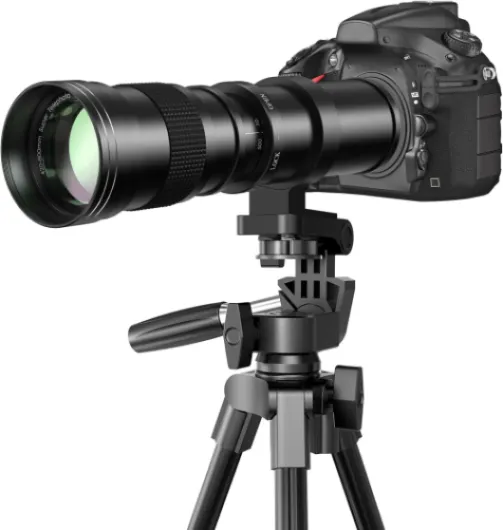
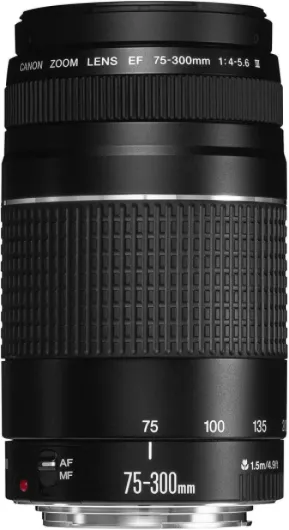
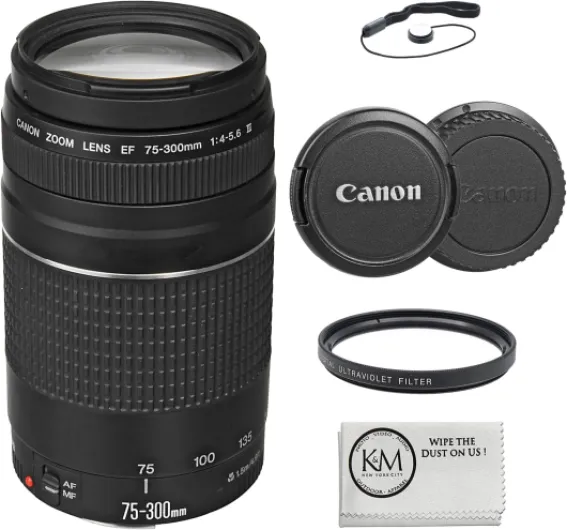
Focal length determines how much of the scene your camera sees. Short focal lengths create a wide angle view that suits landscapes, interiors and environmental portraits, while longer focal lengths behave like a telephoto lens that brings distant subjects closer. A telephoto zoom covering medium to long focal lengths can be ideal for sports wildlife, travel and compressed perspective portraits on both full frame and APS C cameras.
Aperture controls how much light the lens transmits and how shallow your depth of field can be. Lenses that remain bright when used wide open, such as many mark iii era primes, allow fast shutter speeds for action and low noise ISO settings in dim conditions. When a zoom lens maintains a constant maximum aperture across its range, it simplifies exposure for fast shooting and video work on mirrorless cameras.
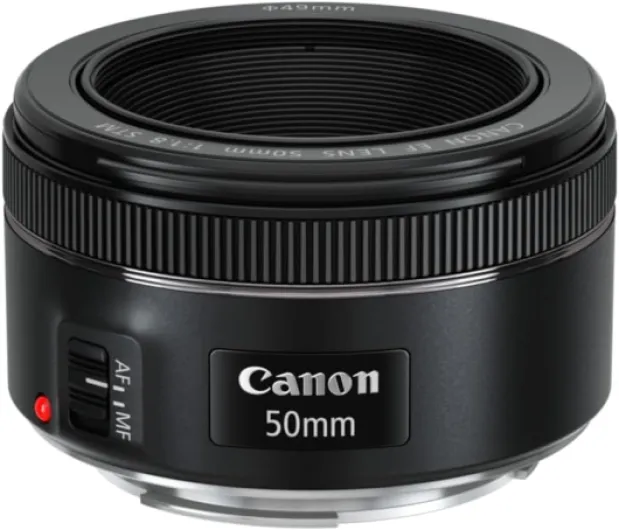
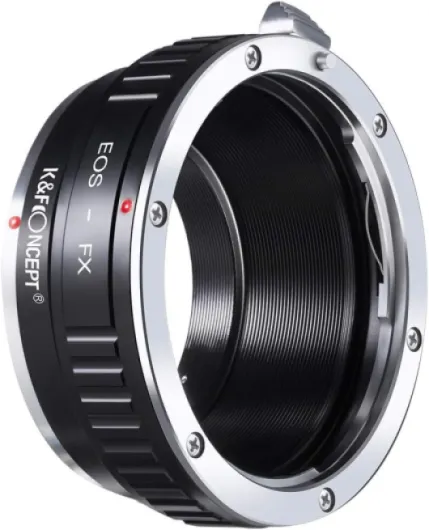
Mount compatibility is critical when mixing brands and formats in the search for the best digital camera lenses. A lens canon design for the EF mount will not natively fit a Nikon F mount body, and a lens nikon for DSLRs needs an adapter to work on some series mirrorless cameras. When evaluating kits such as the compact mirrorless zoom kit, always confirm whether the lens is fully compatible with your current or future camera bodies.
Prime versus zoom: which lenses are truly the best
Photographers comparing the best digital camera lenses often start by weighing prime lenses against zoom lenses. A prime lens with a single focal length encourages deliberate composition and usually delivers excellent image quality with minimal distortion. A zoom, by contrast, offers framing flexibility that can be invaluable when you cannot move freely during shooting.
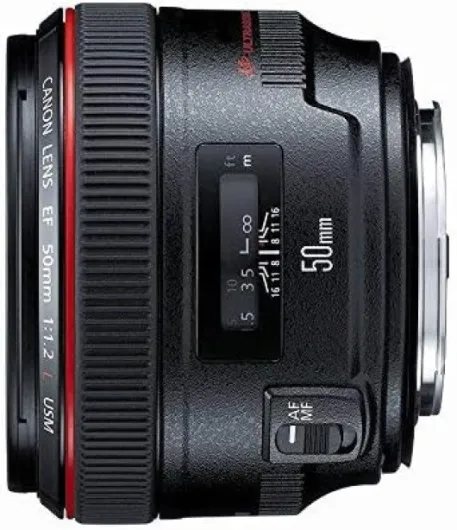
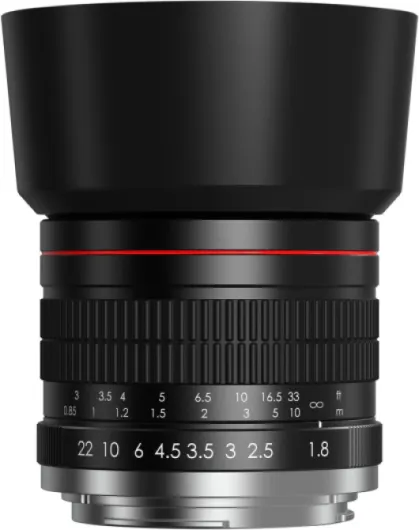
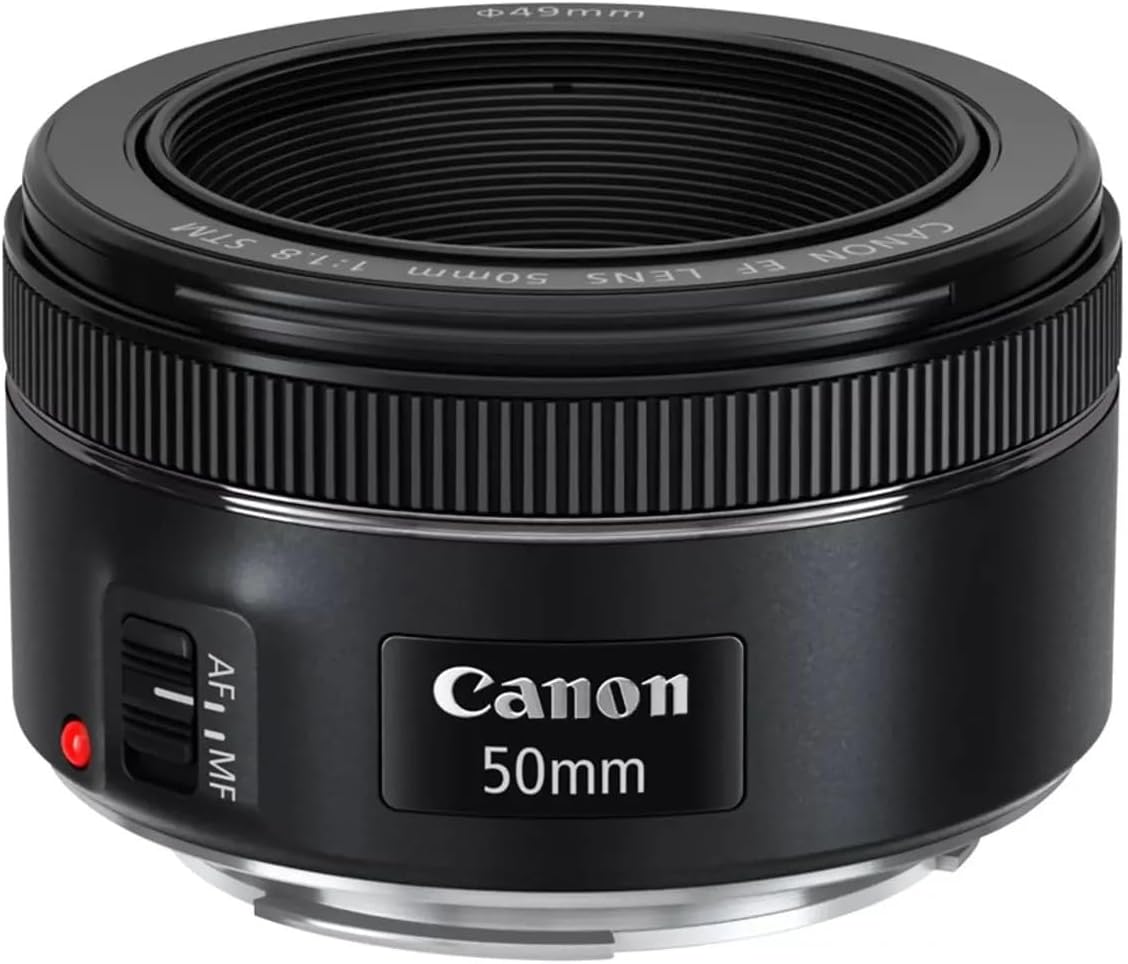
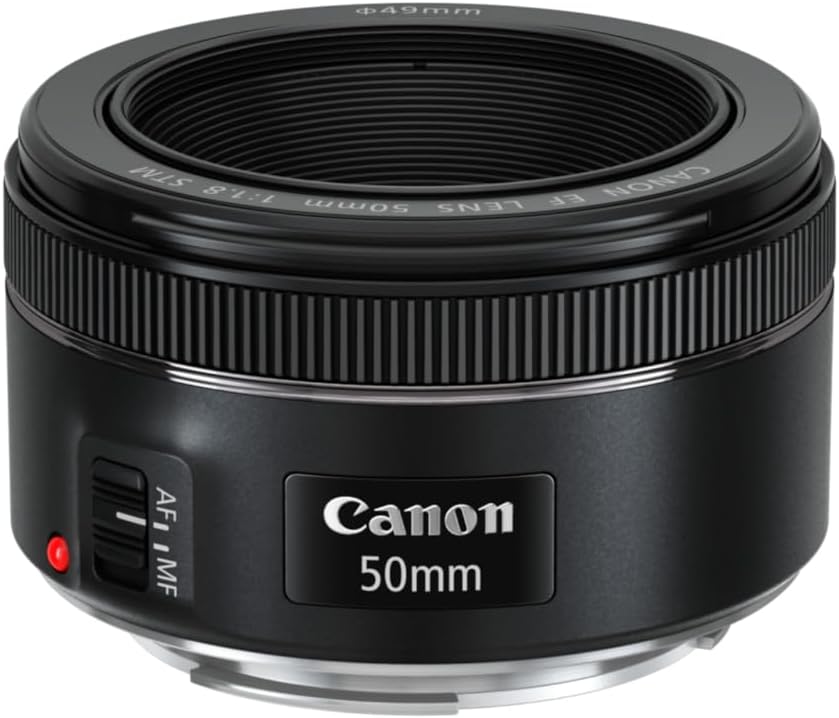
Prime lenses shine when used wide open, where their fast apertures create strong subject separation. Portrait photographers frequently choose an 85 mm telephoto lens on full frame cameras, while street photographers might prefer a 35 mm wide angle prime. Many professionals still rely on classic mark iii era primes for their combination of build quality, reliable autofocus and consistent rendering across the EOS series.
Modern zoom lens designs have improved so much that they now rival primes in many situations. A high end telephoto zoom with constant aperture can track fast subjects for sports wildlife coverage on Canon, Nikon or Sony mirrorless cameras. When paired with a responsive canon eos or comparable body, these lenses will deliver fast focusing, strong image quality and robust performance in challenging light.
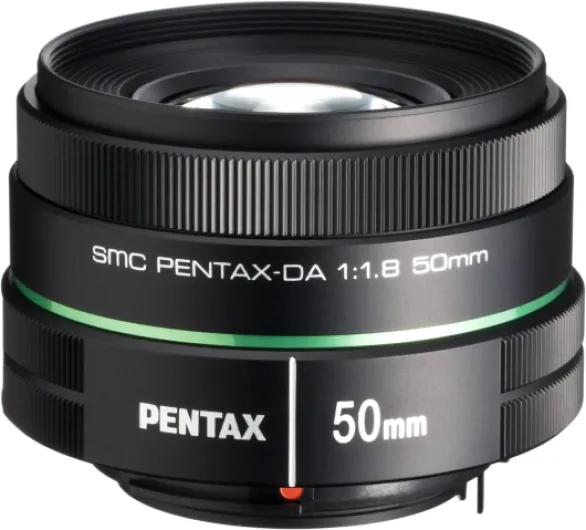
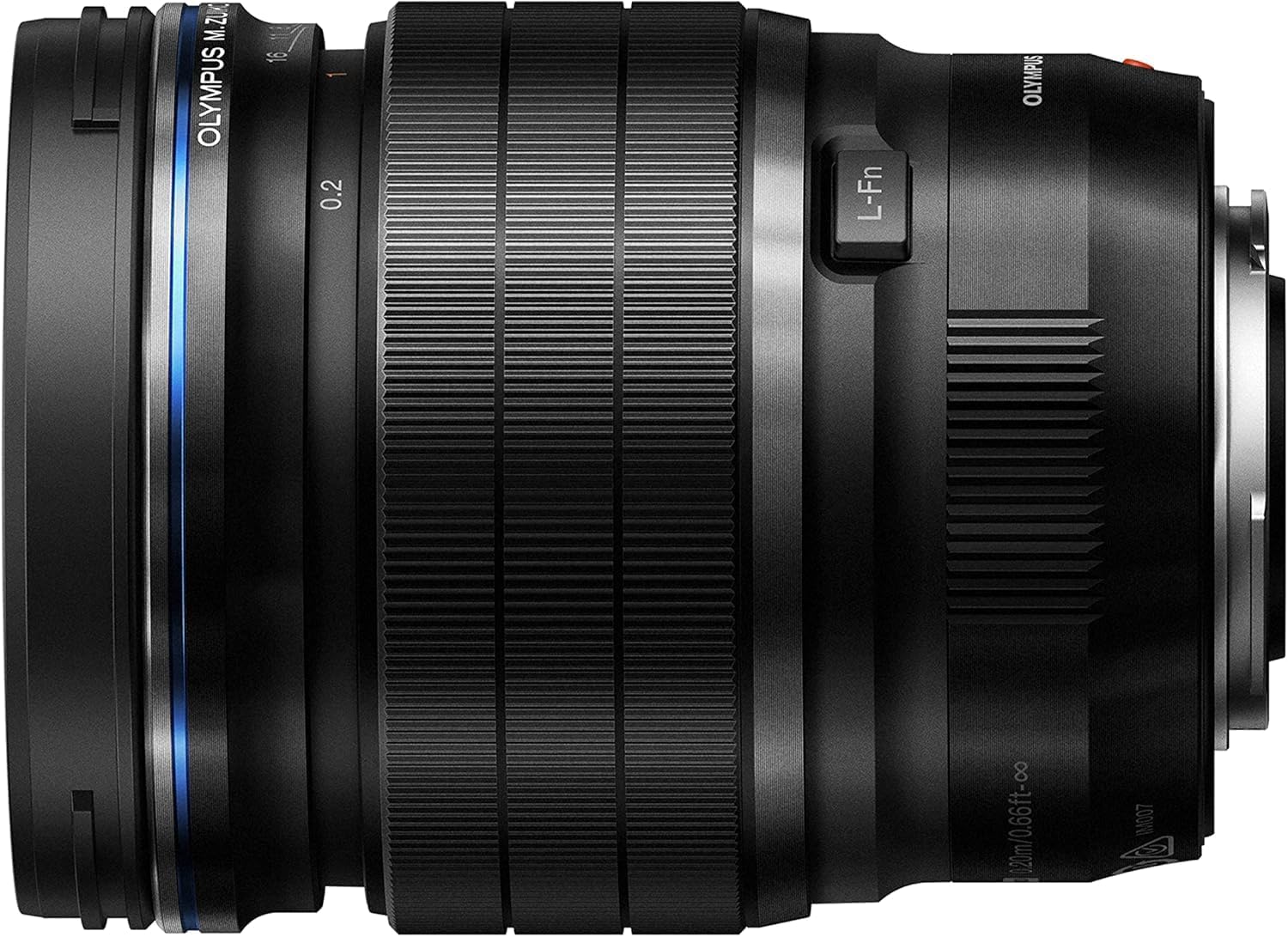
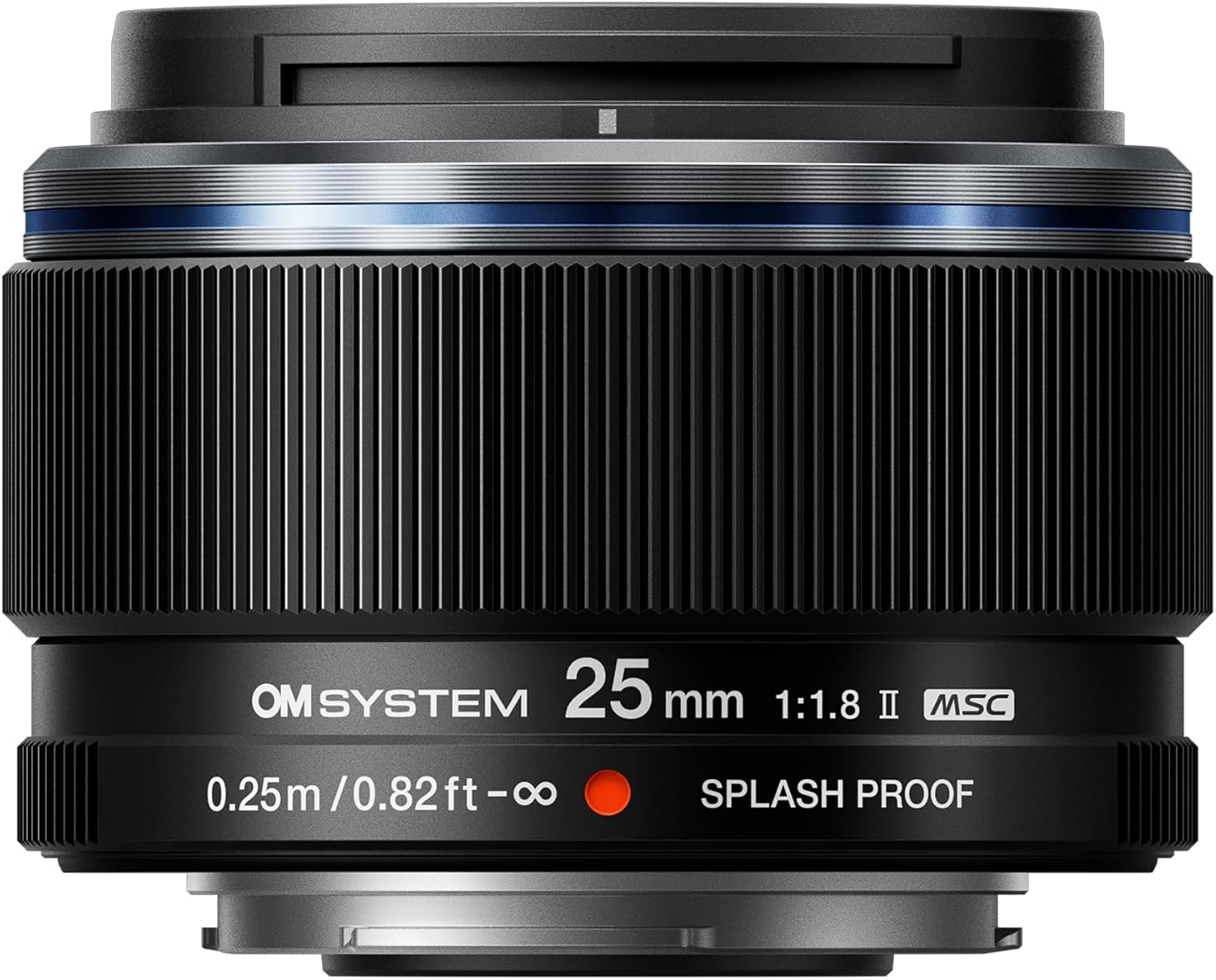
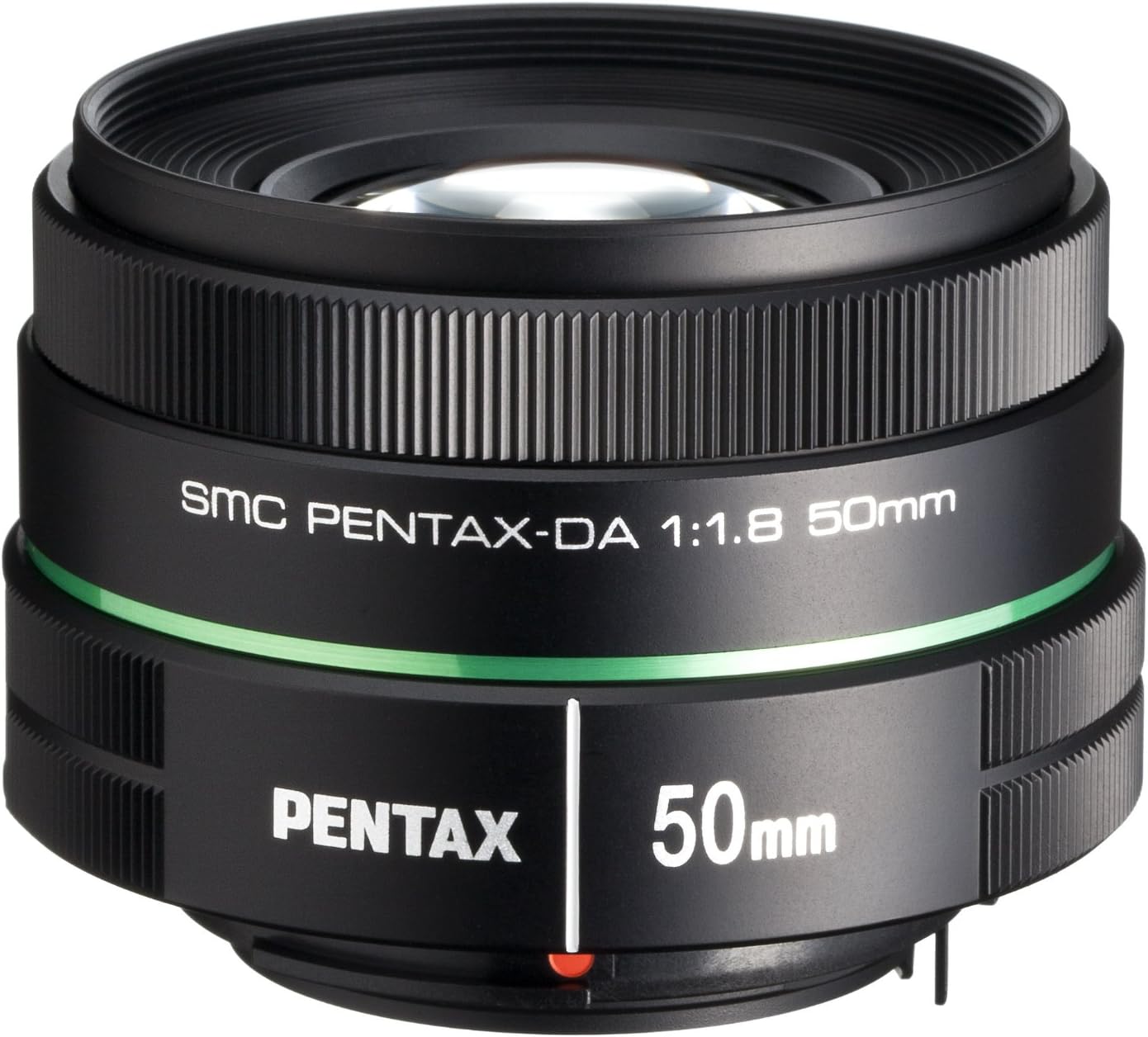
Specialist primes also play a role in a well rounded kit built around the best digital camera lenses. For example, a fast 23 mm wide angle prime can transform low light street scenes and environmental portraits on micro thirds or APS C cameras. Reviews such as why a 23 mm f/1.4 is a top choice illustrate how a single lens can define a photographer’s style and approach.
Brand ecosystems: Canon, Nikon and Sony lens strategies
When evaluating the best digital camera lenses, it helps to view each brand as a complete ecosystem. Canon, Nikon and Sony all offer extensive ranges of camera lenses that cover everything from ultra wide angle to super telephoto. Your decision to buy into one system or another will shape future choices about bodies, mounts and accessories.
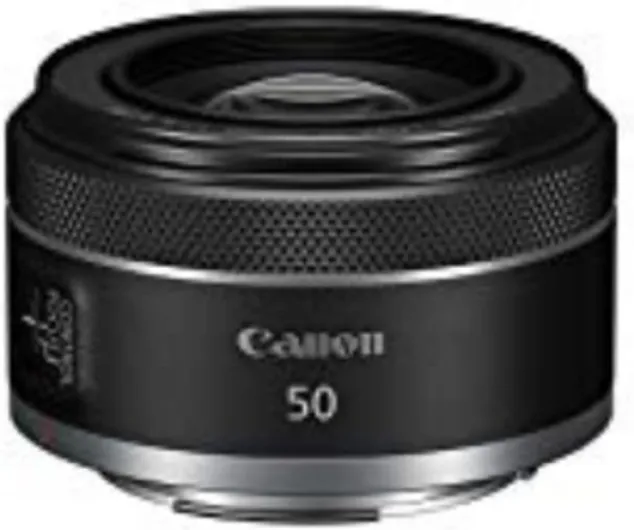
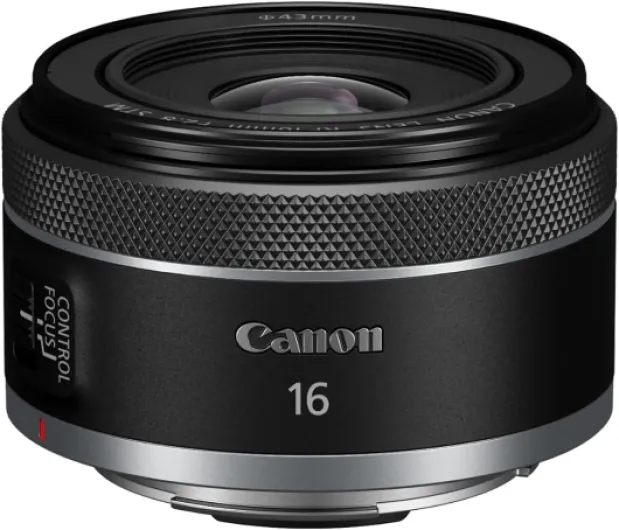
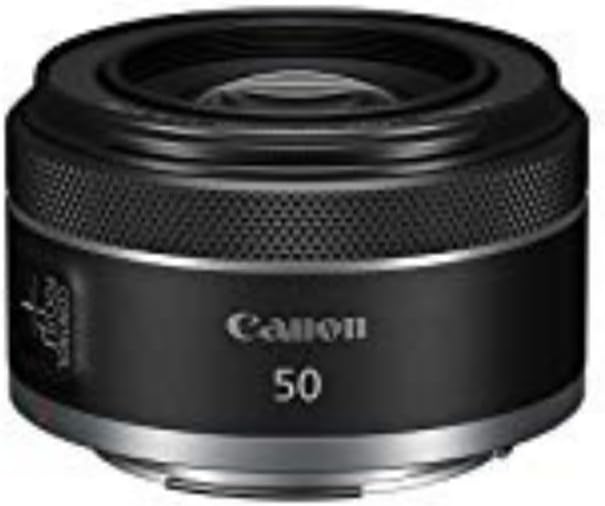
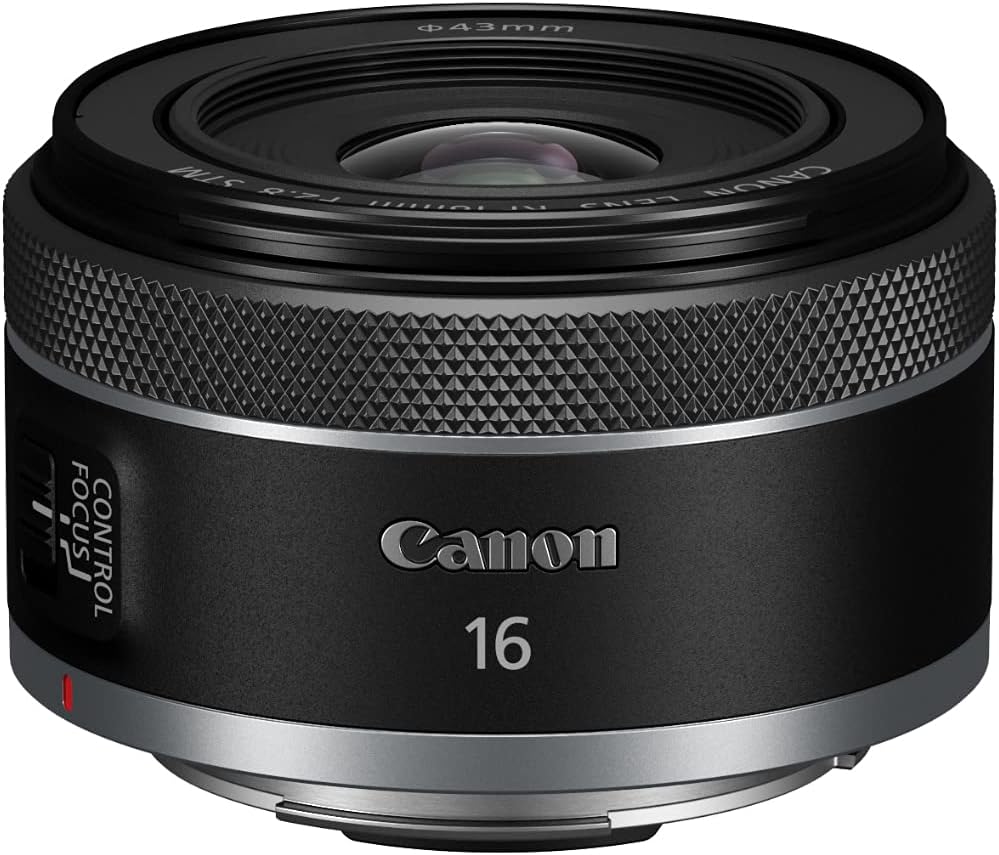
Canon has long built its reputation on the EOS series, combining DSLR bodies with a deep catalog of EF mount optics. Classic canon usm lenses remain popular for their fast autofocus and reliable image quality, especially among sports wildlife and event photographers. The transition to series mirrorless bodies has introduced new RF mount lenses while maintaining backward compatibility through adapters for many lens canon designs.
Nikon follows a similar path, with F mount DSLR lenses and newer Z mount optics for mirrorless cameras. Many photographers still rely on a favorite lens nikon telephoto zoom for action, while adding compact wide angle primes for travel and documentary work. Build quality has improved significantly across the range, and modern coatings help maintain contrast and color accuracy even in difficult lighting.
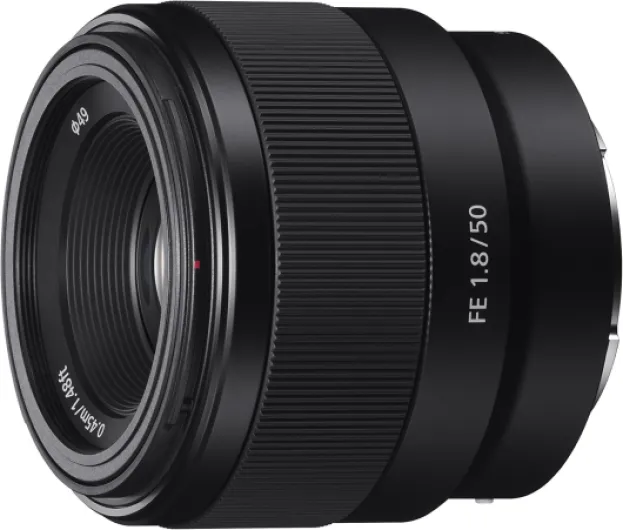
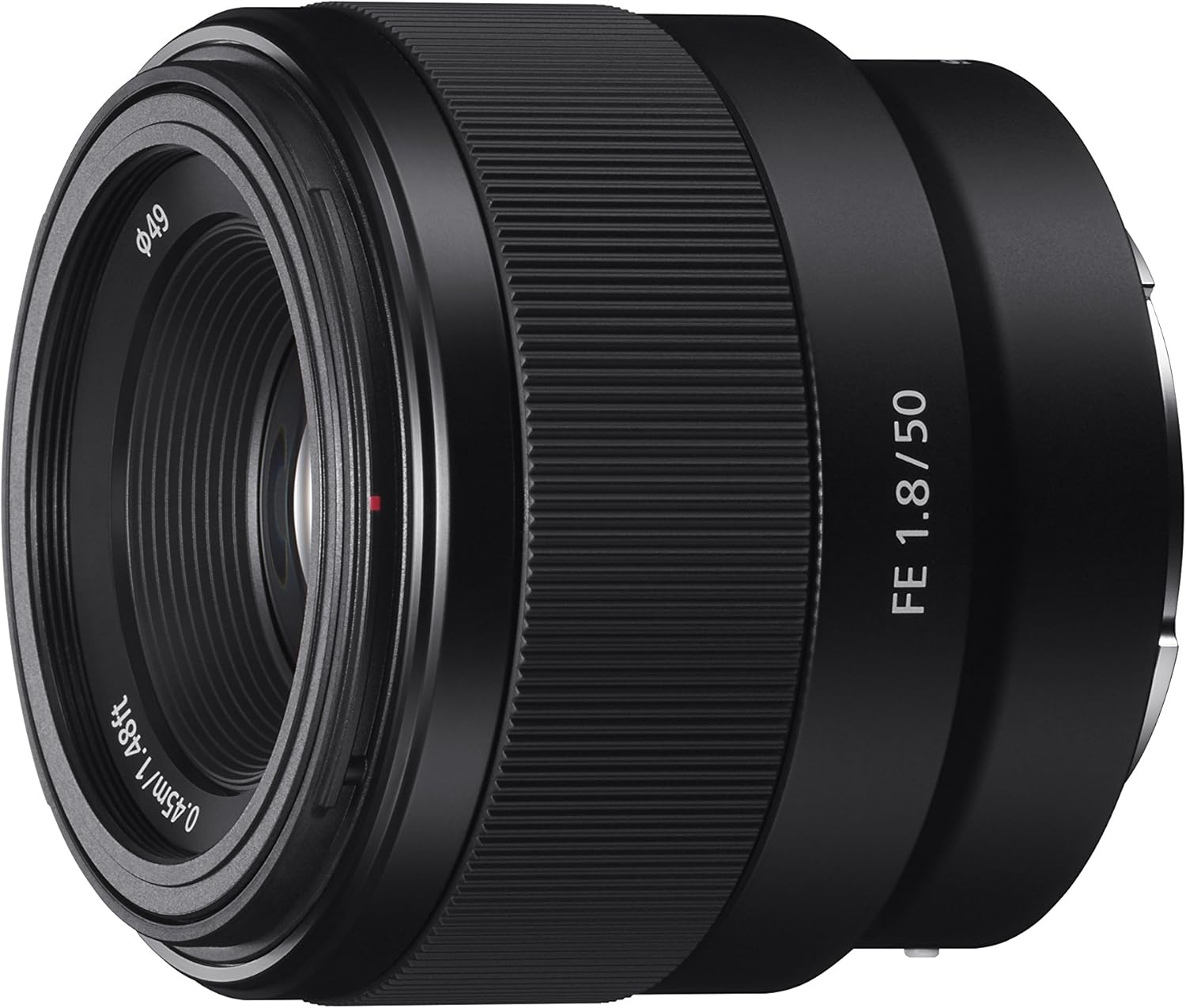
Sony entered the interchangeable lens market later but rapidly expanded its full frame mirrorless cameras lineup. The company now offers a broad selection of zoom and prime lenses, including fast telephoto lens options for sports wildlife and professional events. Across all three brands, the best digital camera lenses share common traits such as strong image quality, reliable autofocus, weather sealing and consistent performance when used wide open.
Practical buying advice for different shooting scenarios
Translating specifications into real world choices is essential when selecting the best digital camera lenses. Start by listing your main shooting scenarios, such as travel, portraits, sports wildlife or video, then match focal length ranges to those needs. This approach will guide whether you prioritize a versatile zoom lens, a fast prime or a specialized telephoto zoom.
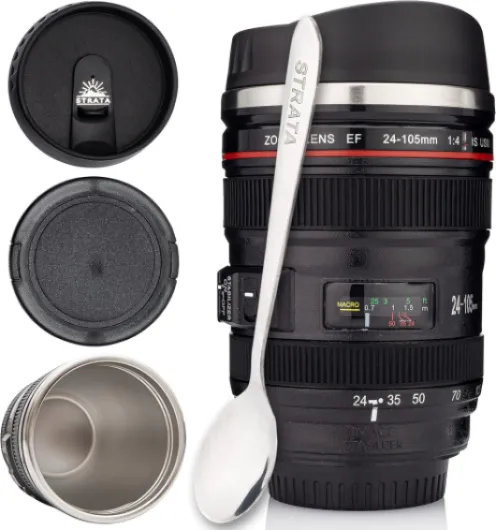
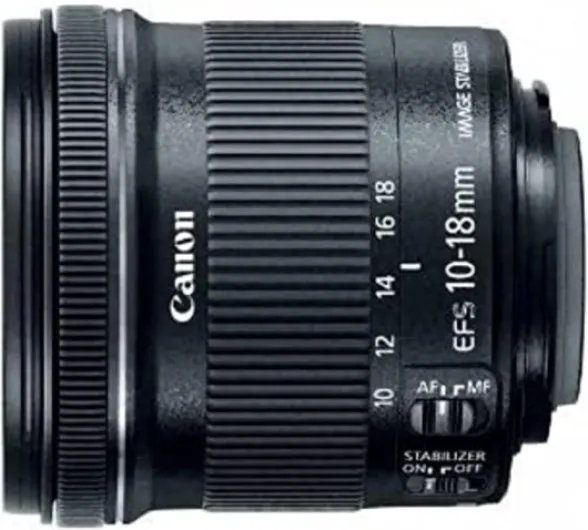
For travel and everyday photography, a standard zoom covering moderate wide angle to short telephoto often works well. On full frame cameras, something in the 24 to 105 mm range balances flexibility, image quality and manageable size. Micro thirds and APS C users can achieve similar coverage with more compact lenses, especially on lightweight series mirrorless bodies.
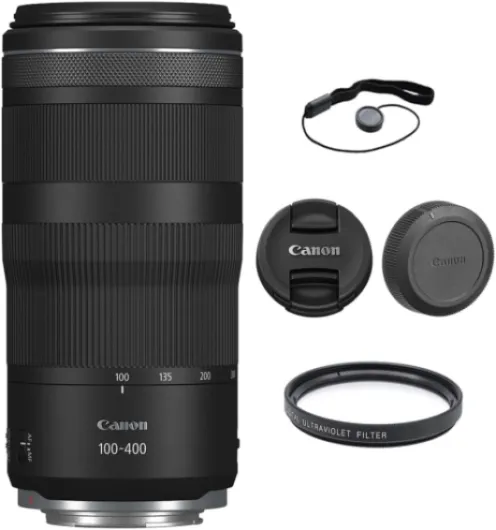
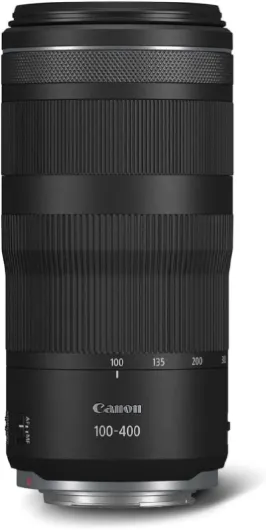
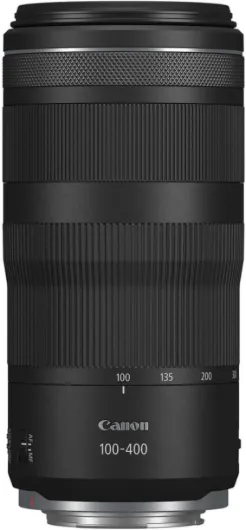
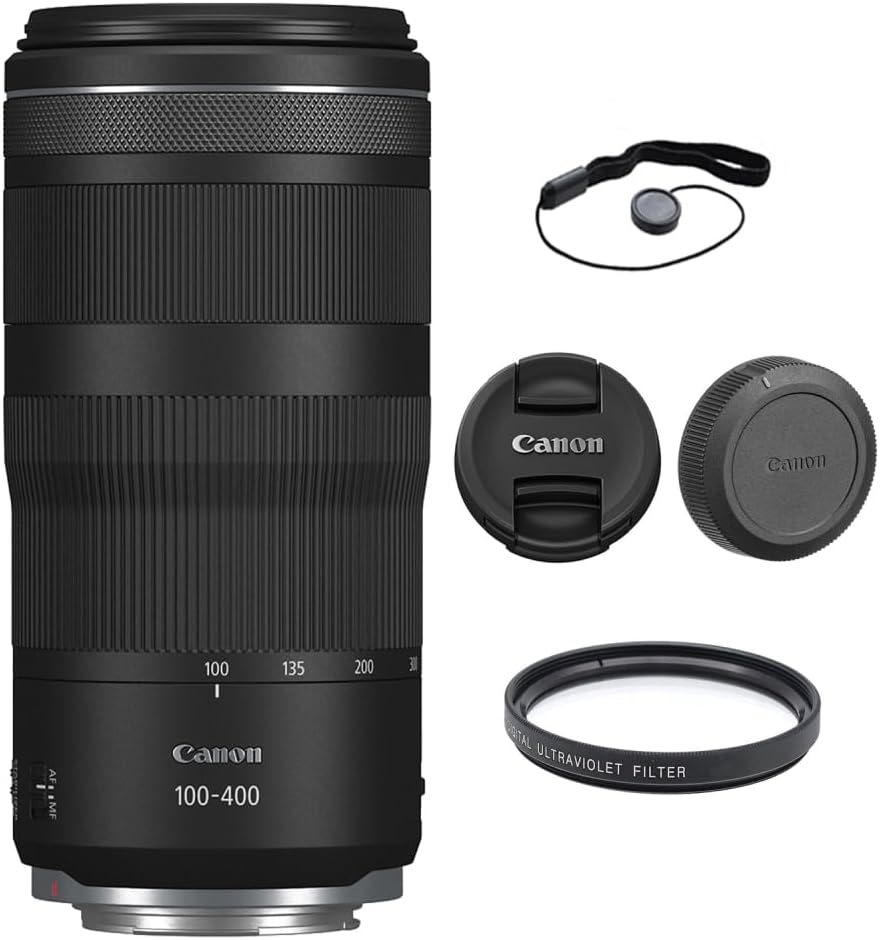
Action and wildlife photographers usually need a longer telephoto lens with fast autofocus and solid build quality. Canon, Nikon and Sony all offer 70 to 200 mm or 100 to 400 mm telephoto zoom options that pair well with their EOS series or mirrorless cameras. When used wide open, these lenses will separate subjects from busy backgrounds and maintain high image quality even at the long end of the focal length range.
Do not overlook audio and workflow tools when assembling a complete kit around the best digital camera lenses. Devices such as a dedicated digital voice recorder with built in USB can streamline interviews, field notes and behind the scenes documentation. Combining thoughtful lens choices with reliable accessories will support consistent shooting and professional results across varied assignments.
Evaluating build quality, handling and long term value
Beyond focal length and aperture, the best digital camera lenses distinguish themselves through build quality and handling. A well constructed lens with smooth controls, weather sealing and durable materials will withstand intensive shooting schedules. Over time, such lenses often retain value better than camera bodies, which are replaced more frequently.
Handling characteristics influence how confidently you work with your cameras in demanding situations. A balanced telephoto zoom that sits comfortably on a full frame body encourages steady framing and reduces fatigue during long sports wildlife sessions. Compact wide angle primes, especially on micro thirds or small series mirrorless bodies, make discreet street and travel shooting easier.
Autofocus performance is another pillar of perceived image quality and usability. Canon usm motors, Nikon silent wave designs and Sony linear drives all aim to deliver fast, accurate focusing for stills and video. When a lens tracks reliably while used wide open, it allows you to concentrate on timing, composition and storytelling rather than technical worries.
Long term value also depends on mount stability and system evolution within the world of the best digital camera lenses. Canon EOS, Nikon F and Sony E mounts each have extensive roadmaps that influence which lens canon or lens nikon designs will receive future updates. By considering how your preferred brand supports both DSLR and mirrorless cameras, you will make buying decisions that remain sound as technology and shooting styles continue to evolve.