
Summary
Editor's rating
Value for money in 2026: still worth it?
Design and handling: a solid brick that feels built for work
Battery life: where DSLR still beats mirrorless
Durability and weather resistance: built to take a beating
Performance: autofocus, speed, and image quality in real use
What the D850 actually is (and isn’t)
Pros
- High-resolution 45.7 MP sensor with strong dynamic range for detailed stills
- Fast and reliable autofocus system suitable for portraits, events, and moderate action
- Robust build and weather sealing with very good battery life for long shooting days
Cons
- Heavy and bulky compared to modern mirrorless options
- Large RAW files require lots of storage and a fairly powerful computer
- Video autofocus is weak and overall video feature set trails newer mirrorless bodies

Specifications
View full product page →| Brand | Nikon |
A big, serious camera in a mirrorless world
I’ve been using the Nikon D850 as my main body for a while now, mostly for landscapes, portraits, and some occasional paid gigs. This isn’t a fresh release anymore, but it still pops up in a lot of pro and semi-pro bags, so I figured a straight, no-nonsense review could help if you’re wondering whether it still makes sense in 2026. Short version: it’s a very capable workhorse, but it’s not for everyone, especially if you’re just getting into photography or if you’re already deep into mirrorless.
Coming from smaller bodies and a couple of mid-range Nikons, the first days with the D850 were a mix of "wow" and "okay, this is overkill." The resolution, the autofocus and the dynamic range are on a different level than older entry or mid-range DSLRs. At the same time, you feel the weight, the price, and the file sizes right away. It’s the kind of camera that forces you to think about your lenses, your storage, and even your computer.
In practice, I used it for a bit of everything: family portraits, low-light events, long hikes with a tripod for landscape, and some handheld street stuff. It handled all of that easily, but it’s clearly happier when you slow down and treat it like a serious tool. If you just want a casual travel camera, this is like bringing a sledgehammer to hang a picture frame.
So in this review I’ll walk through how it actually feels to live with the D850: the body, performance, battery, durability, and whether it still offers good value now that mirrorless is everywhere. I’ll skip the marketing talk and focus on what actually matters when you’re out shooting and then stuck in front of your computer editing 45.7 MP files.
Value for money in 2026: still worth it?
Value on the D850 really depends on who you are and how you shoot. If you’re a beginner or casual user thinking of spending this much just because the reviews are good, I’d say don’t. You can get cheaper bodies with simpler menus and smaller files that will give you more than enough quality for social media and prints. The D850 is overkill if you’re not going to shoot RAW, learn manual controls, and invest in decent lenses.
For serious hobbyists or working photographers already on Nikon F-mount glass, the story is different. On the used or discounted market, the D850 often sits at a price where you get a lot of camera for the money: high resolution, strong AF, good low-light performance, and very solid build. If you already have a set of sharp lenses, you can squeeze a lot out of this body. It’s also a good way to stay in DSLR land if you don’t feel like switching everything to mirrorless yet.
The hidden costs are worth mentioning: fast XQD or similar cards are not cheap, and you’ll likely need more storage and maybe even a faster computer to handle the big RAW files. Also, the sensor is so detailed that cheap lenses will look worse, so you might feel pushed to upgrade your glass. That adds up quickly. So while the body itself can be reasonable value, the full ecosystem cost can creep up.
Compared to Nikon’s newer mirrorless options, the D850 still holds its own in pure image quality and battery life. You do lose out on some modern autofocus tricks for video and eye-tracking in Live View, but if you mainly shoot through the optical finder and focus on stills, it’s still a solid deal. In short: good value for serious shooters with F-mount gear; not a smart buy if you’re just starting out or mainly care about video and portability.
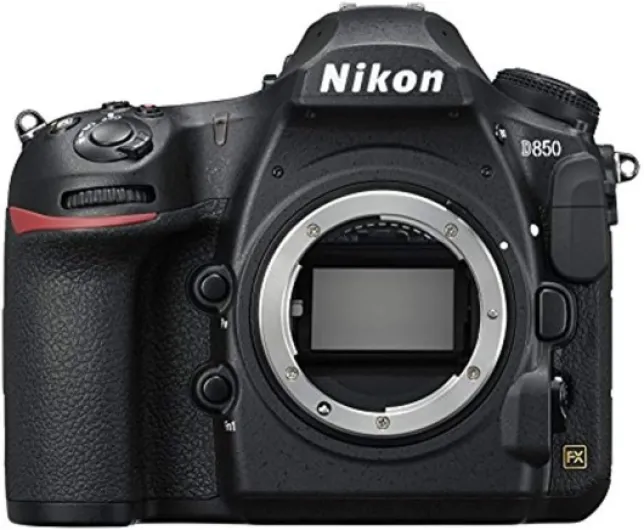
Design and handling: a solid brick that feels built for work
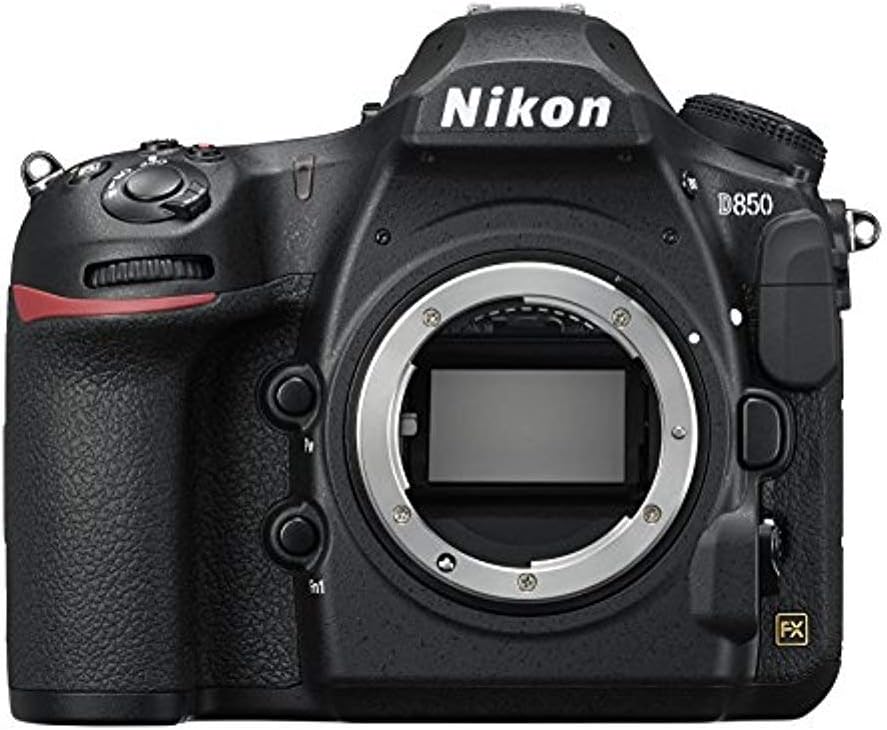
The first thing you notice when you pick up the D850 is that it’s not a toy. It’s chunky, it’s dense, and it feels like a serious tool. For me, that’s a plus. The grip is deep and fits my hand well, even with heavier lenses. After a couple of full-day shoots, I can say it’s comfortable enough, but you do feel the weight in your wrist and shoulder if you’re used to smaller mirrorless bodies. If you’re thinking of carrying this all day on vacation with a big zoom, keep that in mind.
The button layout is classic Nikon pro-body style: a lot of direct-access buttons, dials for pretty much everything, and very little menu diving once you’ve set it up. Compared to mid-range Nikons I used before, it’s more logical and faster to operate. The backlight for the buttons is one of those small features you don’t know you need until you shoot at night – I used it a lot for astrophotography and evening events, and it just makes life easier.
The tilting touchscreen is another nice touch. I wasn’t sure I’d use it, but I ended up relying on it for low and high angle shots and for zooming into images quickly to check focus. It only tilts up and down, not fully articulating, so if you vlog or want to film yourself, it’s not ideal. For stills though, the tilt plus touch to focus in Live View is genuinely useful, especially on a tripod.
One design choice I’m less happy about is the card slot combo: one SD and one XQD. I get why Nikon did it at the time, but in practice it means you either buy into the more expensive XQD ecosystem or accept that your buffer clears slower on SD. I ended up getting a fast XQD card, and the speed difference is real, but I would have preferred two identical fast slots instead of this mix. Overall, the design is practical and focused on work, but it’s not light or compact by any standard.
Battery life: where DSLR still beats mirrorless
Battery life on the D850 is one of the practical reasons I still like DSLR bodies. Compared to mirrorless, where I often carry two or three batteries for a long day, with the D850 I usually get through a full day on a single charge unless I’m shooting a ridiculous number of frames or doing a lot of Live View and video. For event work or a long hike, that peace of mind is nice.
During a full wedding-style day (prep, ceremony, reception), shooting mostly stills, some Live View for tricky angles, and a handful of short video clips, I ended with around 30–40% battery left. That’s with the standard included battery, not the grip setup. If you throw the grip and bigger battery into the mix, you can push it even further, but that also makes the camera heavier and bulkier, so I only bother when I really need it.
Silent shooting in Live View, which uses the electronic shutter, helps a bit with wear and tear on the mechanical shutter and doesn’t seem to drain the battery as fast as I expected. Obviously, Live View uses more power than shooting through the optical viewfinder, but it’s still nowhere near the drain you get on mirrorless bodies with an EVF always on. I used silent mode for timelapses and for quiet ceremonies where the shutter noise would be annoying, and the battery held up fine.
My only real complaint is that the charger and battery system haven’t really changed much. They work, but they’re old-school: no USB-C charging on the body, no easy way to top up from a power bank directly. You’re stuck with the proprietary charger. Not a deal breaker, but in 2026 it does feel a bit dated. Overall though, if you want a camera that can go all day on one or two batteries without stress, the D850 still does a good job there.
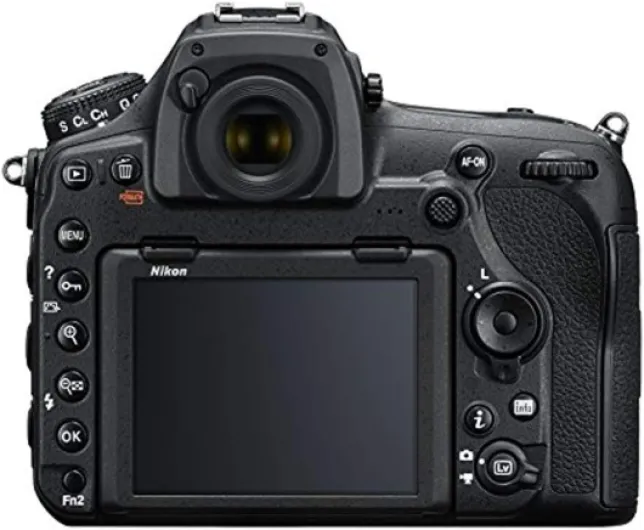
Durability and weather resistance: built to take a beating
The D850 feels like it was made to be thrown in a bag and dragged through bad weather. I’ve used it in light rain, cold mornings around freezing, and dusty outdoor locations, and it just kept going without any weird behavior. The weather sealing seems solid. I’ve wiped water off the body and buttons more than once, and nothing leaked or failed. I’m not saying you should soak it, but for normal outdoor work, it feels trustworthy.
The lack of a built-in flash actually makes some sense here. By sealing the top better, you reduce one more point of failure. I never really missed the pop-up flash, because on a camera like this, you’re either shooting natural light or using a proper external flash anyway. The mechanical parts – shutter, mirror, buttons, dials – all feel sturdy. Nothing feels loose or cheap. After a period of use, the body still feels tight, with no play in the grip or doors.
The card doors and battery door lock firmly and don’t feel fragile. I’ve swapped cards and batteries in the field with cold hands and never felt like I was about to snap anything. The tilting screen is usually the weak point on many cameras, but here it has a firm hinge with a reassuring feel. I still try not to abuse it, but so far it hasn’t loosened up or started wobbling.
If you’re clumsy or work in rough environments, this is the sort of body that inspires more confidence than smaller, plasticky cameras. It’s not magic – you can still break it if you drop it hard enough – but for day-to-day knocks, bad weather, and heavy use, it feels like a camera designed to last several years of real work, not just weekend use. The trade-off, again, is weight. All that solid construction adds grams, so you have to decide if you prefer tough and heavy over light and a bit more fragile.
Performance: autofocus, speed, and image quality in real use
This is where the D850 earns its place. The 45.7 MP sensor has a lot of resolution, and you really feel it when you start cropping. For landscapes and studio portraits, it’s great: you can shoot a bit wider, then reframe later without your file falling apart. The dynamic range is also very good. I’ve recovered shadows from underexposed shots and pulled highlights back from bright skies without the files turning to mush, as long as I kept ISO reasonable.
Autofocus is one of the strong points. It uses the same AF system as Nikon’s higher-end sports body from that era, and in practice it locks on quickly and tracks motion well. I used it for kids running around, some casual sports, and events in low light. It kept up with no real drama. The only time it struggled a bit was in very dark environments with backlighting, but that’s hard for most cameras. Compared to older Nikon mid-range bodies, the jump in AF reliability is obvious.
Continuous shooting up to 9 fps (with the grip) on a 45.7 MP sensor is no joke, but here the card speed matters a lot. With a fast XQD card, the buffer clears fast enough that I never hit a wall during normal use. With a slower SD card, you can feel the camera choke sooner when you’re holding down the shutter. For most people doing portraits, landscapes, and general work, the speed is more than enough. If you’re a hardcore sports shooter firing long bursts, you might still lean toward a dedicated sports body.
On the downside, all that resolution comes at a price: file sizes. RAW files are big, and if you shoot a full day in RAW, be ready to invest in storage and a decent computer. Importing, culling, and editing takes longer than with lower-resolution cameras. If your workflow or hardware is already on the edge, the D850 will expose that quickly. So yes, the performance is strong, but you need to be ready for the extra load it puts on the rest of your setup.
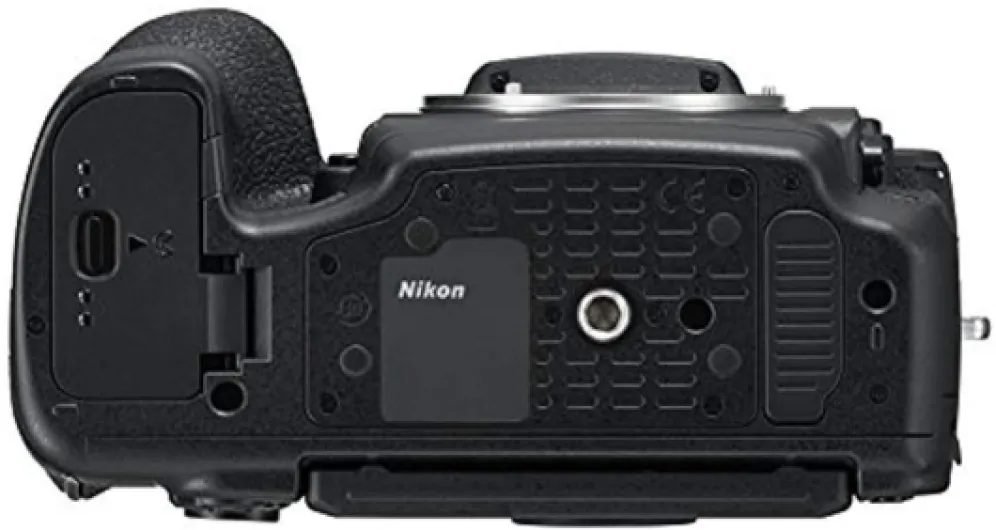
What the D850 actually is (and isn’t)
The Nikon D850 is a full-frame DSLR body with a 45.7 MP sensor, up to 9 fps continuous shooting (with the right battery grip setup), and 4K video. On paper it looks like a camera that tries to do everything: high resolution for landscapes and studio work, but also enough speed for action. In real life, it does lean more towards stills photographers who care about detail and dynamic range rather than hardcore video shooters.
The body-only package is exactly that: just the camera, a battery, and the usual charger and straps. No lens, no built-in flash. If you don’t already have F-mount lenses, the total bill climbs quickly, because this sensor will show every weakness in cheap glass. The dual card slots (one SD, one XQD/CFexpress depending on what you use) are clearly aimed at people who shoot a lot and need redundancy or fast buffer clearing.
Compared to something like a Nikon D750 or D610, the D850 feels like a big step up in build, autofocus, and flexibility. Compared to modern Nikon Z mirrorless bodies, it’s more old-school: you get the optical viewfinder, more weight, and fewer video tricks, but better battery life and a very familiar DSLR handling if you’ve been in the Nikon ecosystem for years.
So, what it isn’t: it isn’t a beginner camera, and it isn’t a budget option. It also isn’t the best choice if your main focus is video. You can shoot decent video with it, but it’s clearly a stills-first body. If you mostly shoot JPEG in auto mode and don’t plan to learn manual or semi-manual modes, this camera is honestly wasted on you and will just give you huge files for nothing.
Pros
- High-resolution 45.7 MP sensor with strong dynamic range for detailed stills
- Fast and reliable autofocus system suitable for portraits, events, and moderate action
- Robust build and weather sealing with very good battery life for long shooting days
Cons
- Heavy and bulky compared to modern mirrorless options
- Large RAW files require lots of storage and a fairly powerful computer
- Video autofocus is weak and overall video feature set trails newer mirrorless bodies
Conclusion
Editor's rating
The Nikon D850 is a serious DSLR for people who actually plan to use what it offers: high resolution, strong autofocus, long battery life, and a tough body. In stills work – landscapes, portraits, weddings, product – it holds up very well even years after release. You get plenty of detail, good dynamic range, and enough speed to handle most action that isn’t hardcore pro sports. The handling is classic Nikon: lots of direct controls, a deep grip, and an optical viewfinder that many people still prefer over an EVF.
On the flip side, it’s heavy, expensive once you factor in good lenses and storage, and not the most modern choice if you care about video or small size. The video autofocus is just okay, and the mixed card slots plus older charging setup feel a bit dated now. If you’re new to photography or mainly shoot casual stuff, this camera will mostly give you bigger files and a steeper learning curve for no real benefit.
So who should get it? Enthusiasts and pros who already own Nikon F-mount glass and want a reliable, high-resolution workhorse that can handle rough use and long days without chewing through batteries. Who should skip it? Beginners, travel-first shooters who want something light, and video-focused creators who will be happier on a modern mirrorless system. If you fit the first group and find the D850 at a good price, it’s still a pretty solid tool that can easily stay in your kit for years.