
Summary
Editor's rating
Design: Practical and User-Friendly
Battery Life: Does It Keep Up with the Shoots?
How the EOS 4000D Performs in Real World Use
Pros
- Affordable entry into DSLR photography
- User-friendly design
- Decent battery life
Cons
- Limited advanced features
- Plastic body feels less premium

Specifications
View full product page →| Brand | Canon |
Getting Started with the Canon EOS 4000D
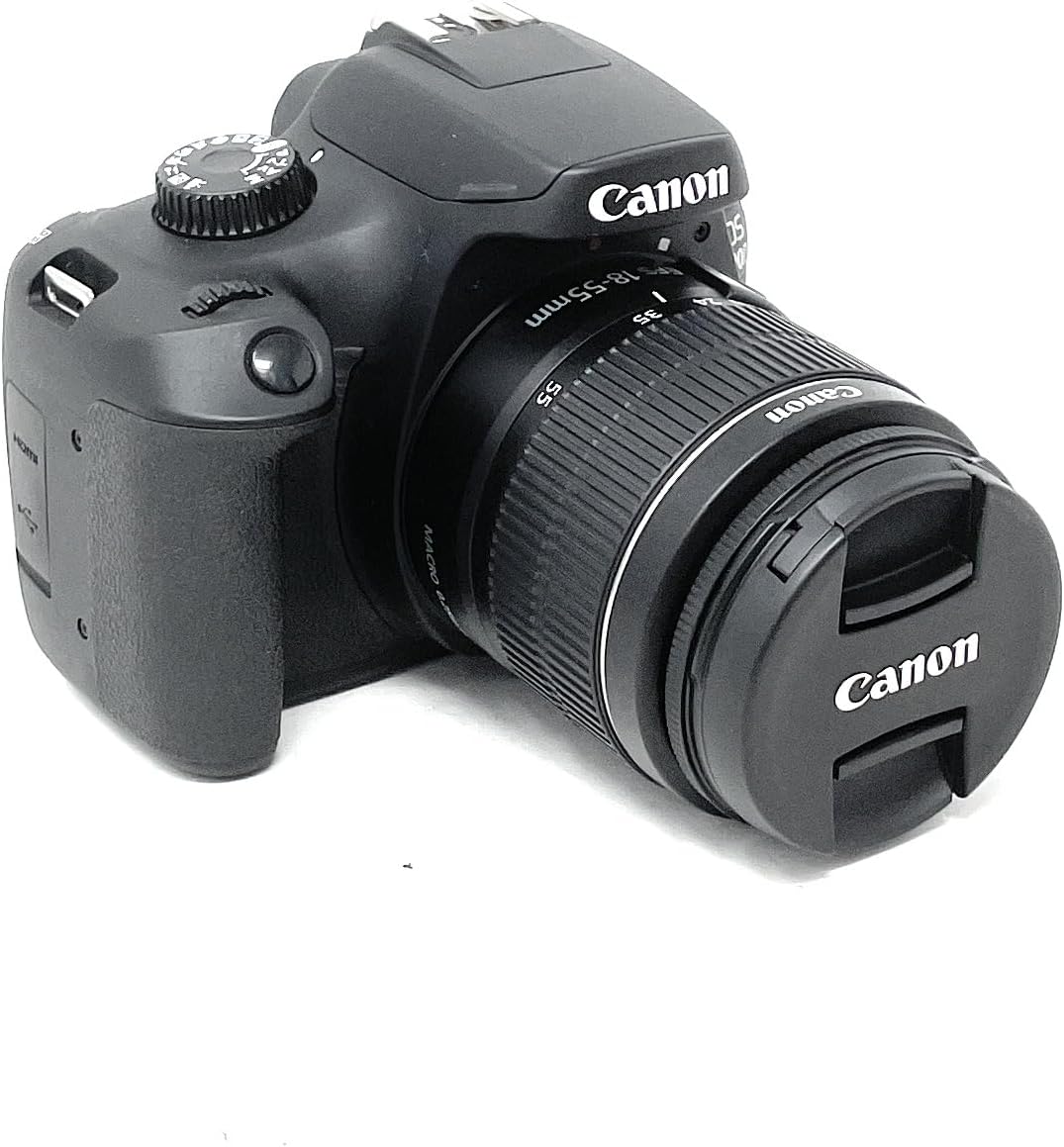
When I first got my hands on the Canon EOS 4000D, I was eager to see what an entry-level DSLR could offer. Coming with an EF-S 18-55 mm lens, it promised a straightforward start into the world of photography. It's not the latest model, but its features are designed to appeal to beginners.
The first impression was that it's a no-fuss kit. Everything needed to start shooting is included in the box, such as the battery pack, charger, and getting started guide. It seemed like a good way to dive into DSLR photography without being overwhelmed by too many extras.
After setting it up, I was ready to explore its capabilities. With an 18 Megapixel sensor, the camera targets hobbyists who want to capture decent photos without complications. It's good for those looking to move up from smartphone photography.
Overall, my initial thoughts were positive, especially considering its accessible price point. It looked like a promising tool for learning the basics of photography and experimenting with different settings and lenses.
Design: Practical and User-Friendly
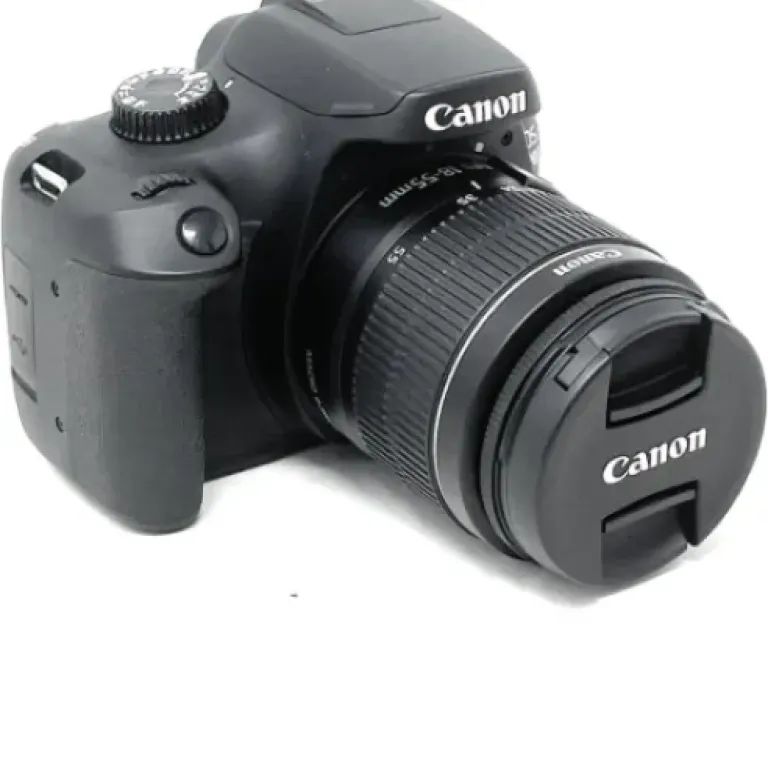
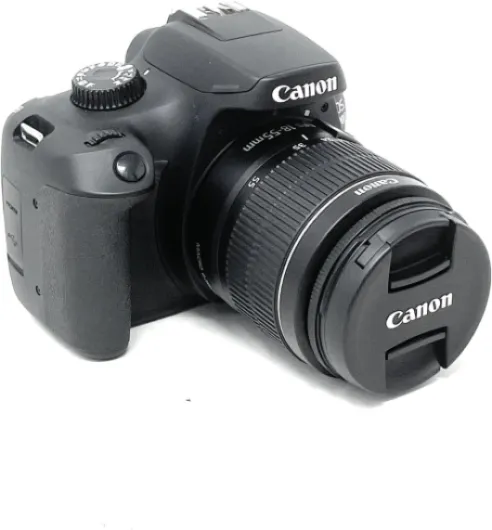
The design of the Canon EOS 4000D is pretty standard for an entry-level DSLR. It's not flashy, but it has a functional and user-friendly layout. Weighing in at 0.63 kilograms, it's light enough to carry around for the day without feeling like a burden.
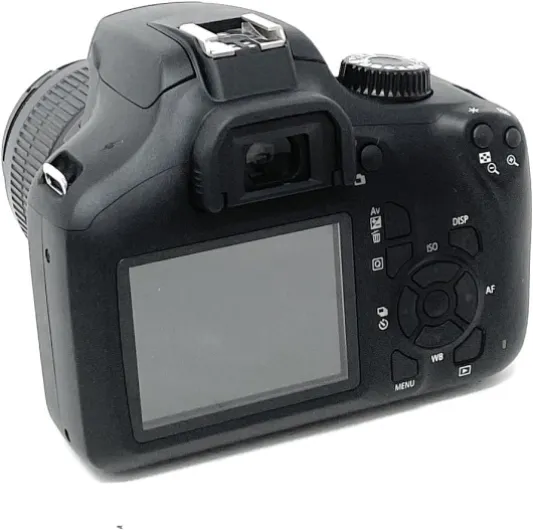
The body is made of plastic, which keeps the weight down but doesn't feel as premium as some higher-end models. The button placement is intuitive, making it easy for beginners to navigate the settings. I found the grip to be comfortable, allowing for steady holding during shoots.
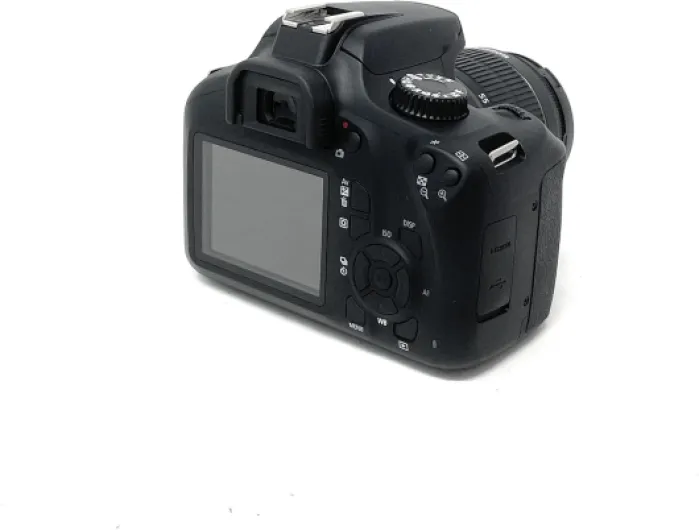
One downside is the lack of a touchscreen, which could have made navigating menus a bit quicker. Instead, you have to rely on physical buttons and dials, which might take some getting used to if you're coming from a smartphone or a more modern camera.
In terms of aesthetics, it's a no-nonsense black design that doesn't stand out, but it doesn't need to. The focus here is clearly on function over form, which is suitable for those who are more interested in the results than the looks of their gear.
Battery Life: Does It Keep Up with the Shoots?
The battery life of the Canon EOS 4000D was something I paid close attention to. It comes with a Lithium Polymer battery, which is included with the camera. After a couple of days of shooting, I found the battery life to be quite reasonable for an entry-level DSLR.
On a full charge, I could comfortably get through a day of moderate shooting. I captured around 300-400 images before needing to recharge, which aligns with what you'd expect from a camera in this category. If you're planning a full day of shooting or a long trip, having a spare battery would be advisable.
The charger is straightforward to use, and it doesn't take too long to get the battery back to full capacity. However, one thing I noticed was that the battery indicator on the camera isn't the most reliable. It tended to drop suddenly after showing full, which was a bit annoying.
Overall, the battery life is decent, but it's always good to have a backup plan. If you're shooting professionally or on extended trips, investing in an extra battery pack is recommended.
How the EOS 4000D Performs in Real World Use
After a couple of weeks with the Canon EOS 4000D, I got a pretty solid understanding of its performance capabilities. The camera's 18 Megapixel sensor does a decent job in various lighting conditions. It's not going to blow you away, but for daytime photography, it gets the job done.
The autofocus system is fairly basic with 9 autofocus points. In fast-moving situations, it struggled a bit to keep up, but for general usage, it was reliable. The 3x optical zoom on the 18-55 mm lens is versatile enough to cover a range of shooting scenarios from wide-angle to standard portraits.
One thing I noticed is the lack of advanced features found in more expensive models. There's no 4K video or touchscreen interface, which can be a downside if you're used to more modern tech. The Wi-Fi connectivity, though, is a neat addition for easy sharing and remote shooting using the Canon Connect app.
In summary, while it might not feature cutting-edge technology, the EOS 4000D is adequate for beginners. It's a straightforward DSLR that performs well for its intended audience, providing a good foundation to learn and grow in photography.
Pros
- Affordable entry into DSLR photography
- User-friendly design
- Decent battery life
Cons
- Limited advanced features
- Plastic body feels less premium
Conclusion
Editor's rating
The Canon EOS 4000D is a solid choice for beginners who want to step into the world of DSLR photography without breaking the bank. It's got the basics covered with a decent sensor and straightforward usability. If you're just starting out and looking for a camera to learn the ropes, this model is worth considering.
However, if you're expecting cutting-edge features or top-of-the-line performance, this isn't the camera for you. It lacks some modern conveniences like a touchscreen and 4K video. For those who require more advanced features, it might be worth exploring other options.
In the end, the EOS 4000D is about finding value and getting a feel for DSLR photography. It serves its purpose well for its target audience—beginners eager to explore and improve their photography skills.