

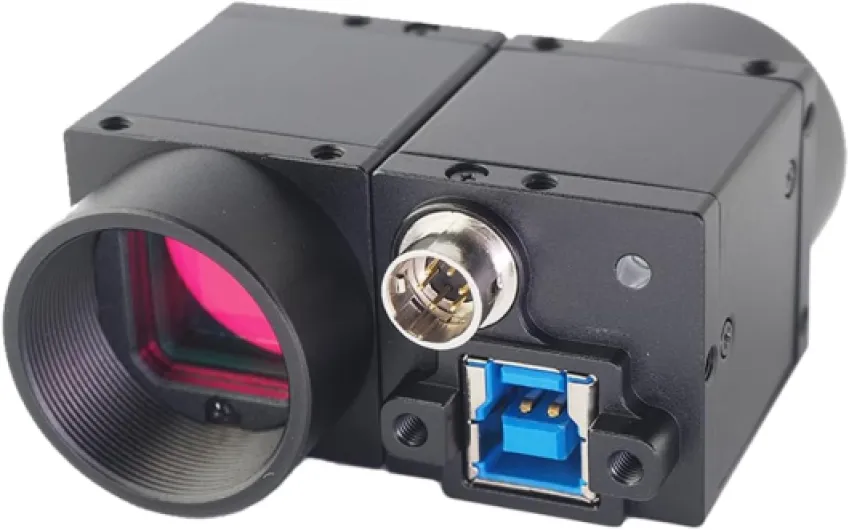
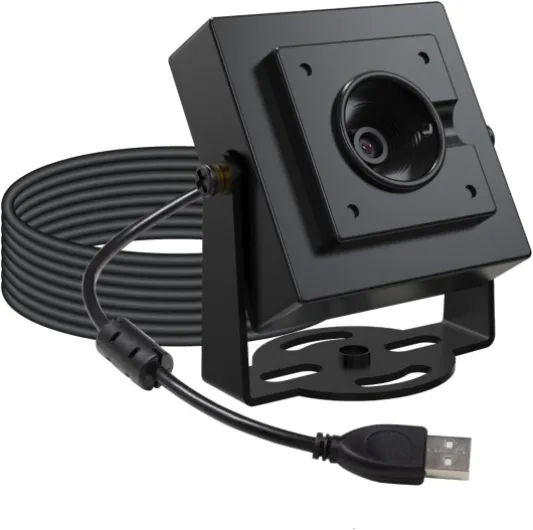
What makes a camera high speed?
Understanding What Sets High Speed Cameras Apart
When people talk about a high speed camera, they usually mean a camera that can capture an impressive number of frames per second (fps). Standard cameras might record at 24 or 30 fps, but high speed models can reach 1000 fps or even more. This capability allows you to slow down fast-moving subjects, revealing details that are invisible to the naked eye. The difference is all about frame rate—the higher the fps, the smoother and more detailed your slow motion footage will be.
Key Elements That Define High Speed Performance
- Frame Rate (fps): The most important metric. High speed cameras can reach fps max values of 1000 or higher, making them ideal for capturing quick actions.
- Resolution: While some models offer high resolution at lower frame rates, the resolution max often drops as fps increases. Look for cameras that balance resolution fps for your needs.
- Sensor Type: Many high speed cameras use a global shutter sensor to avoid distortion in fast scenes. Options include color, monochrome, and color monochrome sensors, each with their own strengths.
- Recording Time: The record time at high fps can be limited by internal memory. Some models offer raw recording or compressed formats to maximize record time.
- Mounting Options: A secure locking mount is essential for stability during high speed recording. Some cameras are compatible with specialized mounts for unique shooting scenarios.
Comparing Models and Price Points
There are many high speed camera models on the market, with a range of price options. Entry-level speed cameras may offer lower resolution or shorter record times, while professional models provide higher fps full resolution and longer warranties, sometimes up to a year warranty. Shopping platforms like Amazon list a variety of cameras, from compact monochrome models to advanced color units. Always compare product specs, including fps high, resolution max, and mount compatibility, to find the best fit for your needs.
For those interested in protecting their investment, check out these essential tips and accessories for camera protection.

How high speed camera 1000 fps works
How Does a 1000 FPS High Speed Camera Capture Motion?
High speed cameras are designed to record video at extremely high frame rates, such as 1000 fps (frames per second). This means the camera captures 1000 individual frames every second, compared to the standard 24 or 30 fps in regular cameras. The result is the ability to slow down fast-moving subjects and reveal details that are invisible to the naked eye.
Key Components and Technology
- Sensor Type: Most high speed cameras use advanced CMOS sensors with a global shutter. This technology ensures every pixel is exposed at the same time, eliminating motion distortion and ensuring crisp images at high fps.
- Resolution vs. Frame Rate: There’s often a trade-off between resolution and frame rate. At 1000 fps, some cameras may reduce resolution to maintain speed, while others offer higher resolution max options at lower fps. Always check the resolution fps specs for each model.
- Color and Monochrome Models: High speed cameras are available in both color and monochrome versions. Monochrome models can offer higher sensitivity and better detail in low light, while color cameras provide full color video for more lifelike playback.
- Recording and Storage: Recording at 1000 fps generates massive amounts of data. Many cameras use fast internal memory or SSDs to store raw footage, and some offer options for extended record time or direct-to-computer recording.
- Mounting and Build: A locking mount is essential for stability during high speed recording. Some cameras are designed for rugged environments, while others are more suited for controlled studio setups.
What to Expect When Using a 1000 FPS Camera
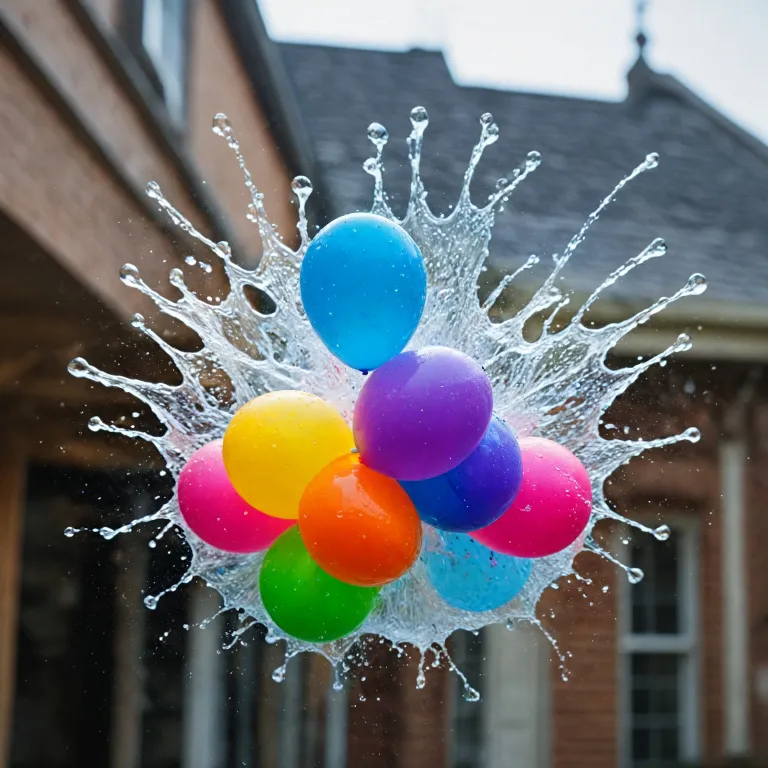
When you use a high speed camera at 1000 fps, you’ll notice that even the quickest actions—like a balloon popping or a hummingbird’s wings—can be played back in smooth, slow motion. This is possible because the camera captures so many frames in a short time, allowing you to analyze motion frame by frame.
Keep in mind, the max fps and resolution max can vary between models and brands. Some products on Amazon and other retailers offer different fps high options, with varying price points and year warranty terms. It’s important to compare these features before making a purchase.
For those interested in protecting their investment, consider reading about essential tips and accessories for action cameras. Proper care can help maintain performance and extend the life of your high speed camera.
Applications of high speed cameras in everyday life
Everyday Uses for High Speed Cameras
High speed cameras, especially those capable of 1000 fps or more, are no longer limited to scientific labs or industrial settings. Their ability to record fast-moving subjects in stunning detail has made them valuable in many everyday scenarios. Here are some practical applications where high speed cameras make a real difference:
- Sports and Action Analysis: Coaches and athletes use high speed cameras to break down movements frame by frame. This helps improve technique and performance, as the camera captures every subtle motion that standard frame rates might miss.
- Creative Content and Social Media: Slow motion videos have become a trend on platforms like Instagram and TikTok. Content creators use high speed cameras to produce eye-catching clips, from splashing water to jumping pets. For those interested in unique perspectives, exploring creative camera options can open up new possibilities.
- Product Testing and Quality Control: Manufacturers rely on high speed cameras to inspect products on fast-moving assembly lines. Recording at high fps allows them to spot defects or irregularities that could be missed at lower speeds.
- Home Experiments and Education: Teachers and students use high speed cameras to visualize physics concepts, like the trajectory of a bouncing ball or the burst of a balloon. The ability to record in both color and monochrome models adds flexibility for different educational needs.
- Wildlife and Nature Observation: Nature enthusiasts and researchers use high speed cameras to study animal behavior, such as the flapping of a bird’s wings or the strike of a snake. The high resolution and max fps help capture these fleeting moments in full detail.
When choosing a camera for these applications, factors like resolution max, global shutter, and record time are important. Some models offer both color and monochrome options, and features like a locking mount can provide stability during high speed recording. Price and year warranty are also key considerations, especially when comparing options on platforms like Amazon. As high speed cameras become more accessible, their role in everyday life continues to grow, making it easier for anyone to capture moments in motion with clarity and precision.
Key features to look for in a high speed camera
Essential Specifications for High Speed Cameras
When evaluating high speed cameras, especially those capable of 1000 fps, it’s important to focus on several technical and practical features. These factors directly impact the camera’s ability to capture fast-moving subjects with clarity and reliability.
- Frame Rate (fps): The core of any high speed camera is its frame rate. A camera with 1000 fps or higher allows you to record rapid events in slow motion, revealing details invisible to the naked eye. Always check the max fps at different resolutions, as some models offer 1000 fps only at reduced resolution.
- Resolution and Resolution Max: Higher resolution ensures sharper images, but not all cameras maintain high resolution at maximum frame rates. Look for the resolution fps specification to see what image quality you get at 1000 fps.
- Color vs. Monochrome Models: Decide between color and monochrome cameras. Monochrome models often deliver better sensitivity and detail in low light, while color cameras provide more natural-looking footage. Some brands offer both options, sometimes labeled as color monochrome.
- Recording Time and Storage: High speed recording generates large files quickly. Consider the record time at your desired frame rate and resolution, and check if the camera supports raw or compressed formats. Some cameras allow direct recording to SD cards, while others require external storage.
- Global Shutter: For fast-moving subjects, a global shutter is crucial. It prevents distortion that can occur with rolling shutters, ensuring each frame is captured at the same instant in time.
- Mount and Locking Mount Options: The way you mount your camera affects stability and flexibility. Look for a robust locking mount system, especially if you plan to use the camera in dynamic environments or need precise positioning.
- Build Quality and Year Warranty: High speed cameras are an investment. Check for durable construction and a solid year warranty to protect your purchase.
- Product Range and Price: Compare different models and brands. Some cameras are available on platforms like Amazon, offering a range of price points and user reviews. Consider your budget and required features before making a decision.
Comparing Models and Options
| Model | Max FPS | Resolution Max | Color/Monochrome | Global Shutter | Mount Type | Year Warranty | Price Range |
|---|---|---|---|---|---|---|---|
| Camera A | 1000 fps | 1280x720 | Color | Yes | Locking Mount | 2 years | $$$ |
| Camera B | 1200 fps | 800x600 | Monochrome | Yes | Standard Mount | 1 year | $$ |
| Camera C | 960 fps | 1920x1080 | Color Monochrome | No | Locking Mount | 3 years | $$$$ |
Reviewing these features and comparing models helps you find the right high speed camera for your needs, whether you’re focused on slow motion, scientific analysis, or creative projects. Always consider your specific requirements for fps, resolution, and mounting options to get the most value from your investment.
Challenges of using high speed cameras
Technical Hurdles and Limitations
Using a high speed camera capable of 1000 fps brings several technical challenges. One of the main issues is managing the huge amount of data generated at high frame rates. Recording at 1000 fps full resolution can quickly fill up storage, and not all models support long record time at max fps. This means users often have to compromise between resolution and frame rate, especially when working with raw or color monochrome footage.
Lighting and Exposure Demands
High speed cameras require much more light than standard cameras. At 1000 fps, each frame is exposed for a very short time, so scenes can appear dark or underexposed if lighting is not sufficient. This is especially true for monochrome models, which may need even more precise lighting to capture detail. Setting up proper lighting can increase the overall product price and complexity of your shoot.
Cost and Accessibility
High speed cameras with fps max capabilities are often more expensive than regular cameras. The price varies based on resolution max, color options, and whether the camera supports features like global shutter or locking mount. While some options are available on platforms like Amazon, professional models with year warranty and advanced features can be a significant investment.
Mounting and Handling
Because of their specialized design, high speed cameras may require specific mounts or accessories to ensure stability during recording. A locking mount is often necessary to avoid vibrations that can ruin footage at high frame rates. Not all content cameras come with these accessories, so users should check what is included with their chosen product.
File Management and Workflow
Managing the large files produced by fps high recording can be overwhelming. Transferring, editing, and storing high resolution fps footage demands a robust workflow and powerful computer hardware. Skipping content or losing frames can happen if the system cannot keep up with the data rate, so planning ahead is crucial.
- High speed cameras generate large files at max fps
- Proper lighting is essential for clear images
- Product price increases with advanced features
- Special mounts may be required for stability
- Efficient file management is necessary for smooth workflow
Tips for getting the most out of your high speed camera 1000 fps
Maximizing Performance and Results
Getting the most out of your high speed camera 1000 fps means understanding both its strengths and its limits. Whether you’re capturing fast-moving subjects or analyzing motion in detail, a few practical steps can help you achieve the best results.
- Choose the right resolution and fps: Many cameras offer a trade-off between resolution and frame rate. If you need the highest fps, you may have to lower the resolution. Check your camera’s specs for max fps at different resolutions, and select the best balance for your project.
- Lighting is crucial: High speed recording at 1000 fps requires a lot of light. The faster the frame rate, the less time each frame has to capture light, so use strong continuous lighting to avoid underexposed footage.
- Consider color vs. monochrome models: Monochrome cameras can be more sensitive to light and may deliver higher resolution or fps. If color isn’t essential, a monochrome option could be a better fit for certain applications.
- Use the right mount and support: High speed cameras can be sensitive to vibrations. Use a sturdy tripod or a locking mount to keep the camera stable during recording.
- Monitor record time and storage: Recording at 1000 fps generates large files quickly. Make sure you have enough storage and know the max record time for your camera. Using raw or uncompressed formats will require even more space.
- Explore camera settings: Adjust shutter speed, ISO, and white balance for each scene. Some models offer global shutter options to reduce motion artifacts, which is especially useful at high frame rates.
- Review product options and price: Compare different models and their features, such as resolution max, fps full, and year warranty. Sites like Amazon can help you check user reviews and price comparisons for speed cameras.
Practical Workflow Tips
- Plan your shots: High speed footage often requires precise timing. Test your setup and rehearse the action to avoid missing key moments.
- Use slow motion playback: Reviewing your footage in slow motion helps you spot details you might miss at normal speed. This is especially helpful for scientific or sports analysis.
- Keep firmware updated: Manufacturers release updates that can improve performance or add features. Check for updates regularly to ensure your camera operates at its best.
With the right approach, you can unlock the full potential of your high speed camera, whether you’re working with color or monochrome models, and capture moments that would otherwise be impossible to see.