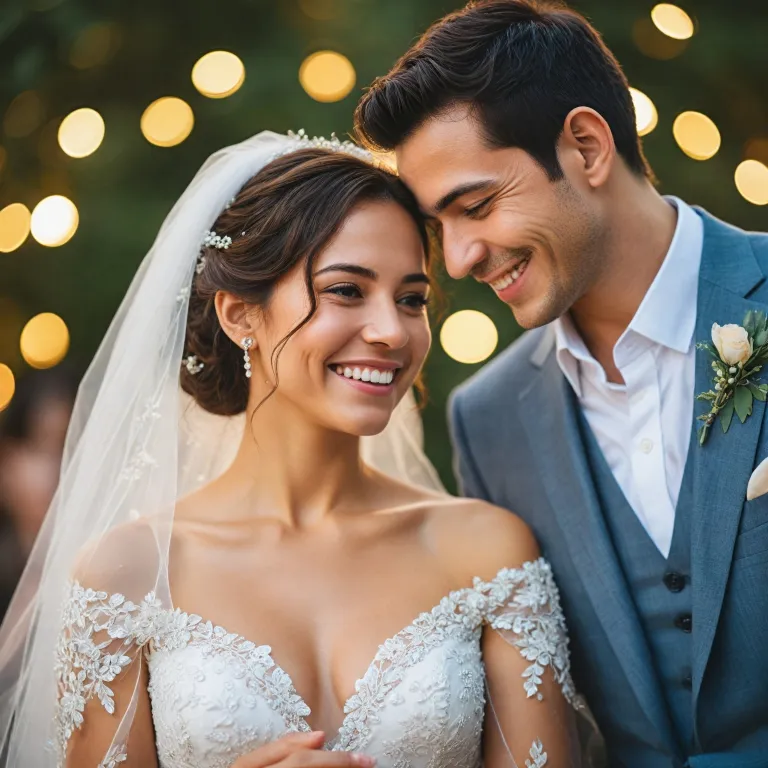
Understanding what makes the best camera for marriage photography
Choosing the best camera for marriage photography starts with understanding how weddings differ from other events. A wedding day moves quickly, emotions shift constantly, and the camera must keep pace with fast moving scenes while remaining reliable. For many wedding photographers, the essential wedding gear list begins with a full frame body that balances low light performance, autofocus speed, and robust memory cards management.
Modern cameras wedding specialists rely on usually offer dual card slots, which protect every wedding photo from card failure. Losing images from a single card would be a deal breaker for any professional photographing weddings, so a second card provides crucial redundancy. Whether you prefer a Canon camera or a Nikon camera, you should always check how the camera handles dual card recording options and whether both card slots support fast cards.
Autofocus is another pillar of the best cameras for wedding photography, because couples move, guests react, and details change in seconds. A fast accurate autofocus system helps photographers shoot fleeting expressions, even in dim reception lighting. When evaluating cameras, read the specifications carefully and test how well the camera tracks subjects walking down the aisle, dancing, or entering low contrast spaces.
The lens you choose matters as much as the camera, since lenses shape the look of wedding photos. Many wedding photographers shoot with a versatile zoom lens for the ceremony and a brighter prime lens for portraits. Matching lenses to your style and to the realities of weddings will ensure that your camera kit remains both flexible and dependable.
Sensor size, low light performance, and reliability on the wedding day
For many professionals, a full frame sensor defines the best camera for marriage photography because it handles low light better than smaller formats. During weddings, churches, town halls, and reception venues often restrict flash, so cameras wedding specialists choose must perform cleanly at high ISO. A full frame camera paired with bright lenses allows wedding photographers to maintain fast shutter speeds while keeping noise under control.
Low light performance also depends on how fast accurate the autofocus remains when illumination drops. Canon and Nikon both offer cameras whose autofocus systems lock onto faces and eyes even under candlelight, which helps photographers shoot confidently during speeches and first dances. When you read technical reviews, pay attention to how the camera behaves in real wedding photography scenarios rather than only in studio tests.
Reliability extends beyond the sensor to the entire kit, including spare batteries and memory cards. A serious wedding day workflow always includes multiple batteries, because photographing weddings from early preparations to late night dancing drains power quickly. Many wedding photographers carry at least three batteries per camera, which prevents a dead battery from becoming a deal breaker during key moments.
Storage security is equally important, so dual card slots are now considered essential wedding features in professional bodies. Using two card slots lets you record RAW files to one card and JPEG backups to another, protecting every wedding photo. If you plan to shoot long ceremonies or extended receptions, invest in high capacity cards and test how your camera manages continuous shooting with both cards engaged.
To deepen your understanding of robust field performance, you can study how to choose the best Canon camera for demanding conditions in wildlife work through this guide to Canon cameras in challenging environments, which shares principles that also apply to weddings.
Choosing lenses and focal lengths that flatter couples and venues
The best camera for marriage photography only reaches its potential when paired with the right lens. Wedding photographers rely on a mix of lenses to handle portraits, ceremonies, and receptions, because no single focal length can cover every situation. When planning your kit, think about how each lens will serve specific parts of the wedding day.
Many professionals consider a 24–70 mm zoom an essential wedding lens because it covers wide group shots and tighter portraits. This focal length range allows photographers shoot processions, ring exchanges, and candid interactions without constantly changing lenses. For lens weddings setups, pairing that zoom with a fast 70–200 mm lens gives you reach for discreet ceremony coverage and emotional close ups.
Prime lenses also play a major role in wedding photography, especially in low light receptions. A 35 mm or 50 mm prime lens with a wide aperture creates shallow depth of field and beautiful background blur in wedding photos. Canon lenses and Nikon lenses both offer excellent primes, so the choice often depends on which camera system you already own and how each lens renders color and contrast.
When evaluating lenses, read about sharpness, autofocus speed, and how they handle backlit scenes, which are common during outdoor weddings. Some photographers shoot entire weddings with only two or three lenses, while others prefer a broader kit to cover every creative idea. To understand how lens and body combinations evolve, you can explore an in depth look at a classic DSLR body in this feature overview of the Canon XTi camera, which illustrates how camera and lens choices have progressed.
Managing light, accessories, and fast moving wedding moments
Even the best camera for marriage photography struggles without thoughtful lighting, so planning a compact lighting kit is essential. Many wedding photographers rely on a mix of natural light, on camera flash, and off camera flash to adapt quickly. The goal is to keep the kit light enough for long days while still controlling contrast and color.
During ceremonies, photographers shoot discreetly, often without flash, which demands cameras wedding specialists trust in low light. Reception spaces can be unpredictable, so a small lighting kit with one or two flashes, light stands, and modifiers helps shape flattering light. When photographing weddings, practice bouncing flash off ceilings and walls to create soft illumination that flatters skin tones.
Fast moving moments like bouquet tosses, entrances, and dance floor action test both autofocus and buffer performance. A camera with fast accurate tracking and a deep buffer lets photographers shoot bursts without the camera freezing while writing to memory cards. Before accepting paid weddings, test how your camera behaves when the dual card system is recording continuous bursts, because slow cards can become a hidden deal breaker.
Accessories beyond lights also matter, including spare batteries, a comfortable strap, and a reliable bag to protect the kit. Many wedding photographers carry a compact audio recorder to capture vows and speeches, and a dedicated digital voice recorder can integrate smoothly into a professional workflow. Planning these details ensures that your camera, lenses, and accessories support you rather than distract you during the wedding day.
Workflow, memory cards, and protecting every wedding photo
Technical image quality matters, but the best camera for marriage photography must also support a secure workflow. Wedding photographers handle irreplaceable memories, so cameras wedding professionals choose need robust systems for memory cards and backups. A single corrupted card can jeopardize an entire wedding day, which is why dual card slots have become standard in serious bodies.
When you configure your camera, set the dual card system to record identical files to both cards. This approach ensures that if one card fails, every wedding photo still exists on the second card, which reduces stress while photographing weddings. Some photographers shoot RAW files to one card and JPEGs to the other, but full duplication offers the strongest safety net.
Card choice also influences performance, because slow cards can limit how fast accurate bursts clear from the buffer. Invest in high quality memory cards from reputable brands, and test them before important weddings to confirm reliability. Label each card clearly, rotate them between weddings, and avoid filling any card completely, which can reduce the risk of corruption.
After the wedding day, copy files to at least two separate drives before formatting any card. Many wedding photographers maintain one onsite backup and one offsite backup, ensuring that cameras, lenses, and cards all contribute to a resilient system. Treating workflow as part of your essential wedding kit elevates your professionalism and protects both your reputation and your clients’ memories.
Balancing budget, brands, and long term growth as a wedding photographer
Selecting the best camera for marriage photography often involves balancing budget against performance and future growth. Canon and Nikon both offer strong ecosystems, with bodies, lenses, and accessories that support photographers shoot weddings at every level. When comparing options, think about not only the current camera, but also the lenses and lighting kit you will eventually need.
Entry level cameras can handle weddings when paired with good lenses, but limitations in autofocus, buffer depth, and card slots may appear as you grow. For many wedding photographers, investing in a mid range or higher body with dual card slots and strong low light performance proves wiser over time. The camera body may change every few years, while quality lenses and a solid lighting kit can serve across many weddings.
Brand choice also affects how easily you can rent or share lenses with other wedding photographers in your area. If most local photographers shoot Canon, accessing Canon lenses for special projects becomes simpler, while Nikon users benefit similarly in Nikon dominated communities. Think about how your kit will integrate into second shooting opportunities, workshops, and collaborative projects.
Finally, remember that the best cameras cannot replace the photographer’s eye, empathy, and preparation. Couples hire wedding photographers not only for sharp images, but for calm guidance and the ability to anticipate fast moving emotions. As you refine your camera kit, card strategy, and lens weddings choices, keep your focus on telling the full story of each wedding day with care and consistency.
Key statistics about marriage photography equipment and practice
- Approximately 70–80 % of professional wedding photographers now consider dual card slots a non negotiable feature in primary cameras wedding setups.
- Industry surveys indicate that more than 60 % of established wedding photographers shoot with full frame cameras for better low light performance.
- On a typical wedding day, photographers shoot between 2 000 and 5 000 images, which demands reliable memory cards and efficient workflow habits.
- Many professionals allocate at least 30–40 % of their total equipment budget to lenses, recognizing that lens quality strongly shapes final wedding photos.
- Backup planning is widespread, with a majority of wedding photographers carrying at least two camera bodies, four lenses, and multiple spare batteries to every wedding.
Common questions about choosing the best camera for marriage photography
Is a full frame camera necessary for wedding photography ?
A full frame camera is not strictly necessary, but it offers clear advantages for wedding photography. Better high ISO performance, wider dynamic range, and shallower depth of field help when photographing weddings in dim venues. Many professionals therefore consider full frame bodies the best cameras for long term growth.
How important are dual card slots for wedding photographers ?
Dual card slots are extremely important because they protect against memory card failure. By writing every wedding photo to two cards simultaneously, cameras wedding specialists use create instant redundancy. For most professionals, the absence of dual card slots in a main body is a deal breaker.
Which lenses are most useful for a typical wedding day ?
Most wedding photographers rely on a standard zoom such as 24–70 mm and a telephoto zoom such as 70–200 mm as their core lens weddings kit. These focal length ranges cover ceremonies, portraits, and candid moments with minimal lens changes. Many also add fast primes like 35 mm or 50 mm for low light receptions and creative portraits.
How many spare batteries and memory cards should I bring to a wedding ?
For a full wedding day, plan at least three spare batteries per camera body and several high capacity memory cards. This ensures that fast moving events are never interrupted by power or storage issues. Building redundancy into your kit is part of being prepared for any essential wedding assignment.
Can I start photographing weddings with an entry level camera kit ?
Yes, you can begin photographing weddings with an entry level camera and a modest kit, provided you understand its limitations. Focus on acquiring at least one bright lens, reliable memory cards, and a simple lighting kit while you build experience. As your skills and bookings grow, you can upgrade to the best camera for marriage photography that fits your evolving needs.