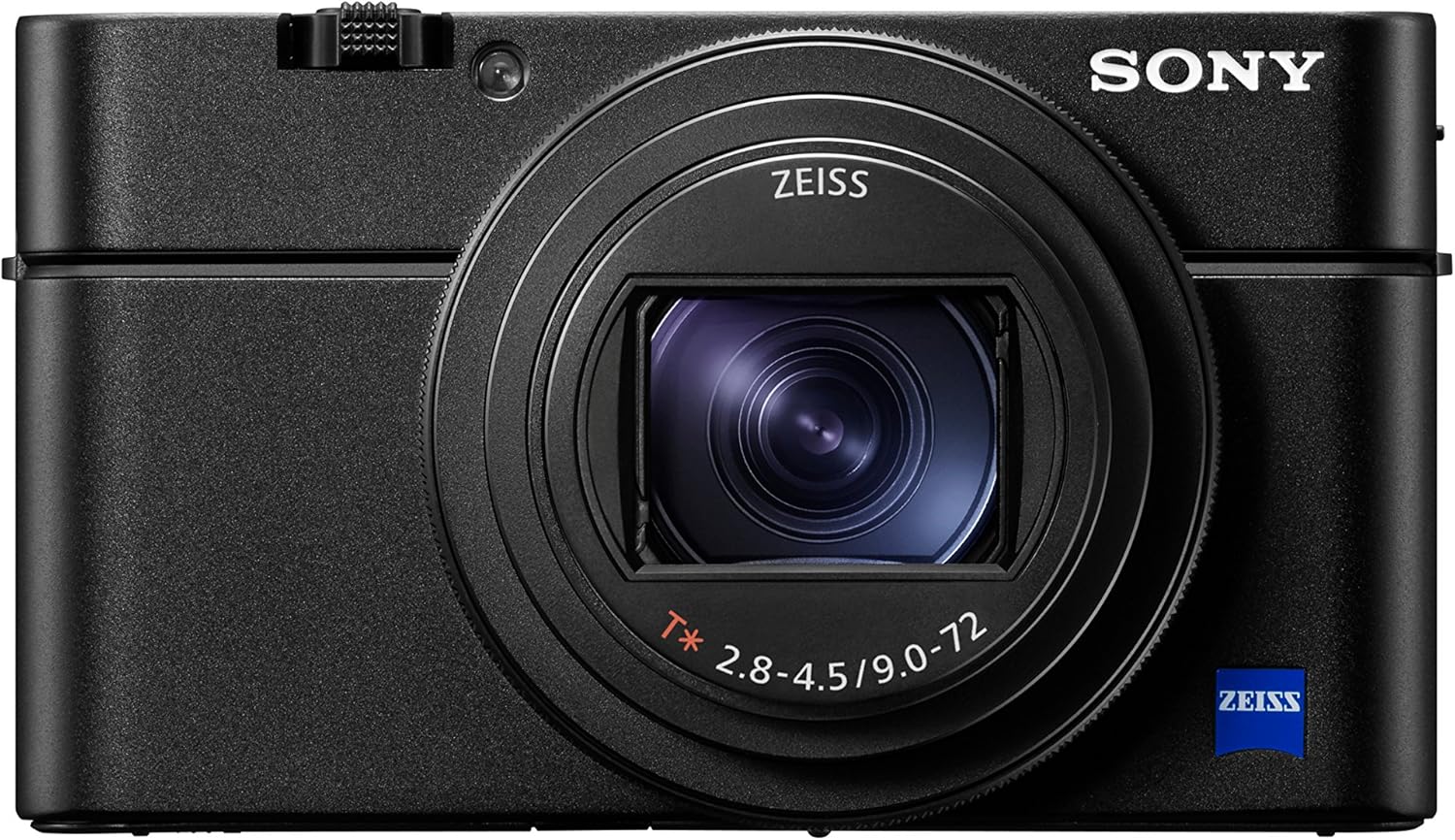
Key features that define quality in modern 4k video cameras
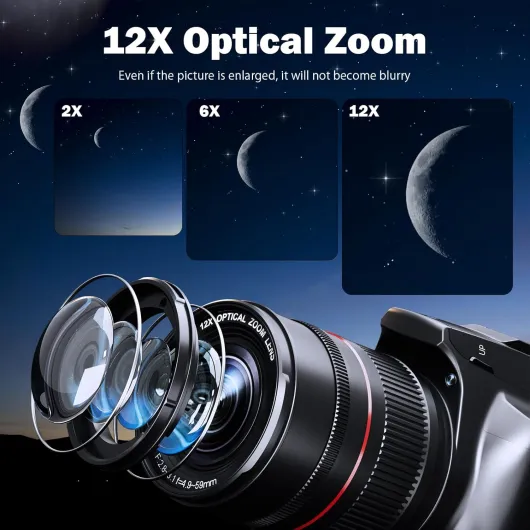
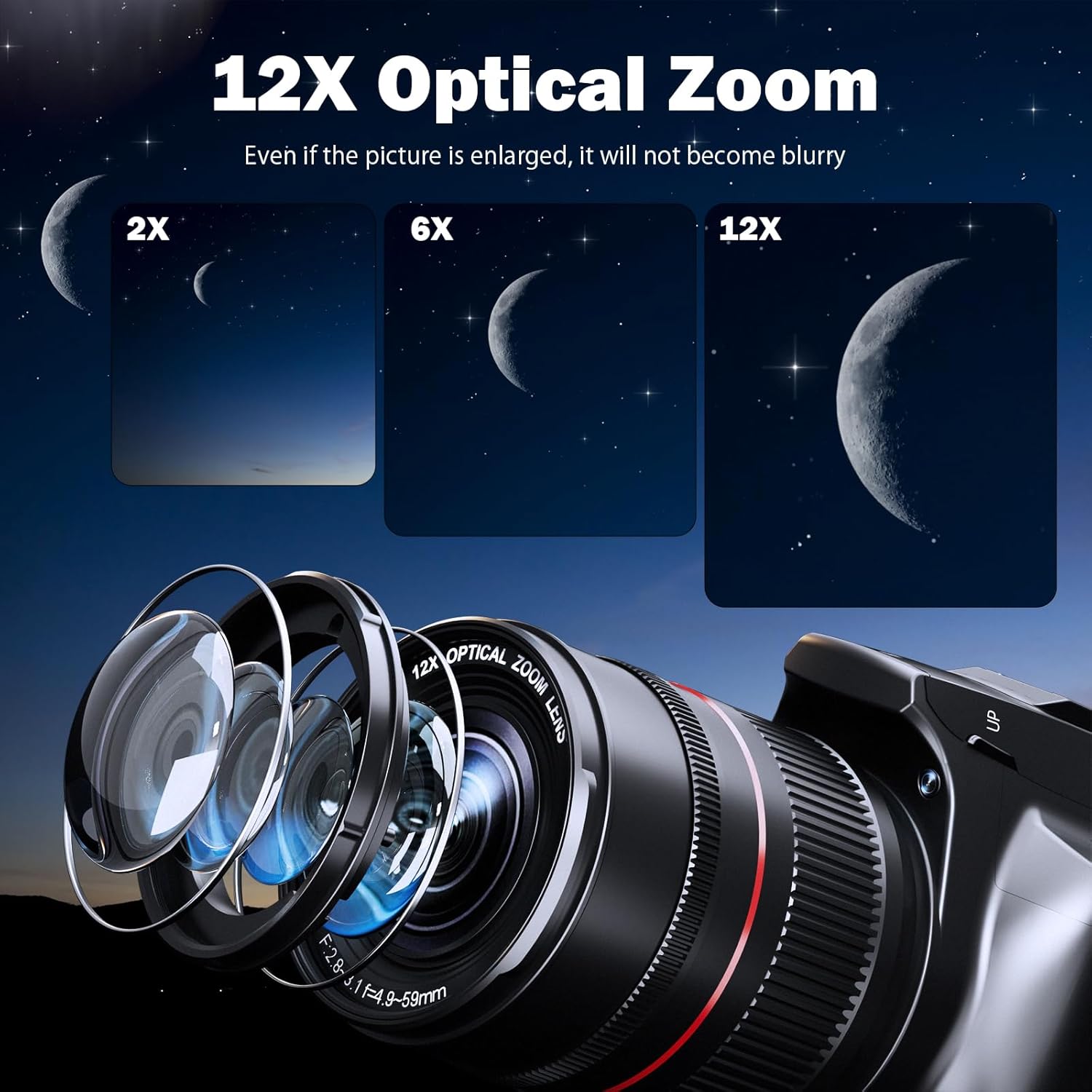
Image quality in the best 4k video cameras starts with the sensor and lens. A sharp optical design with strong optical zoom lets you frame precisely without sacrificing clarity or introducing distortion. When combined with a clean 4K sensor readout, this optical performance produces video with rich detail and smooth tonal transitions.
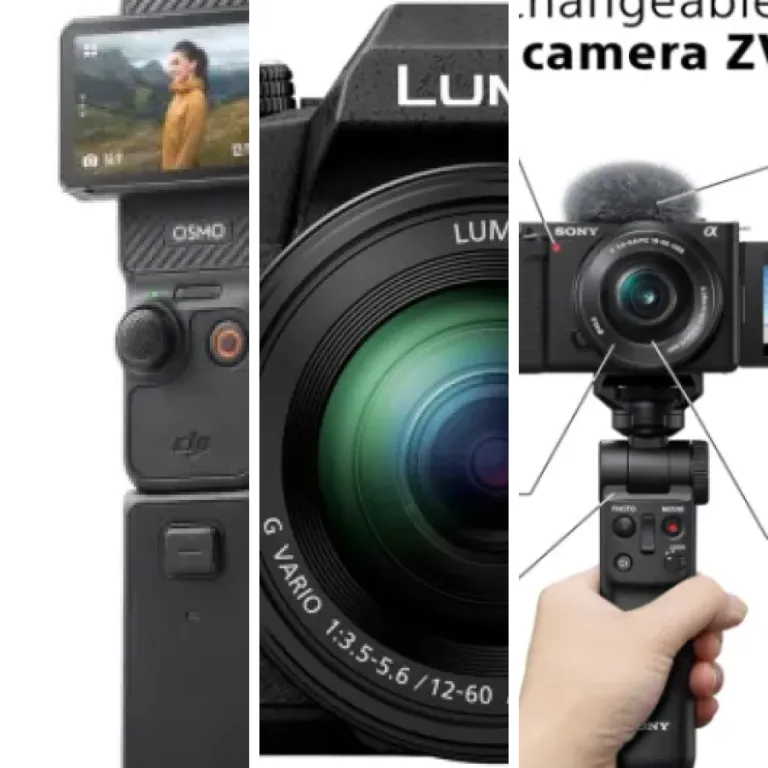
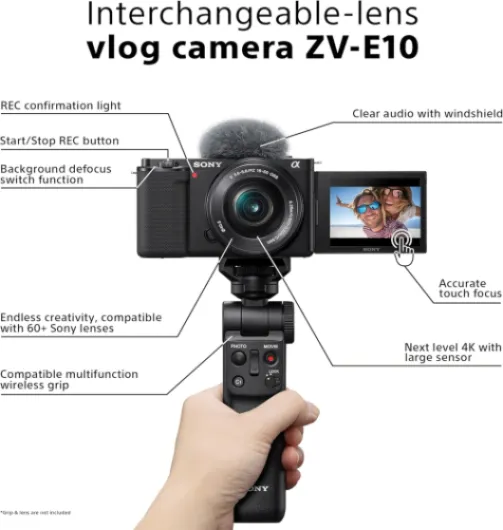
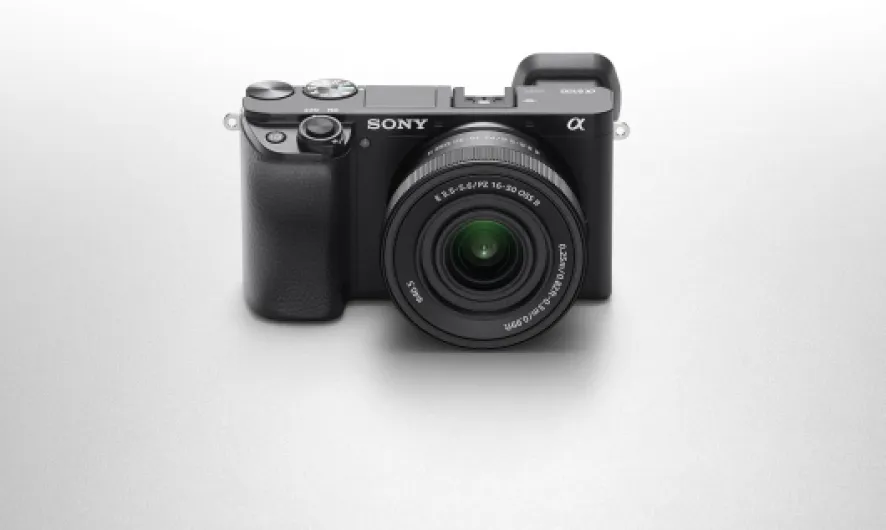
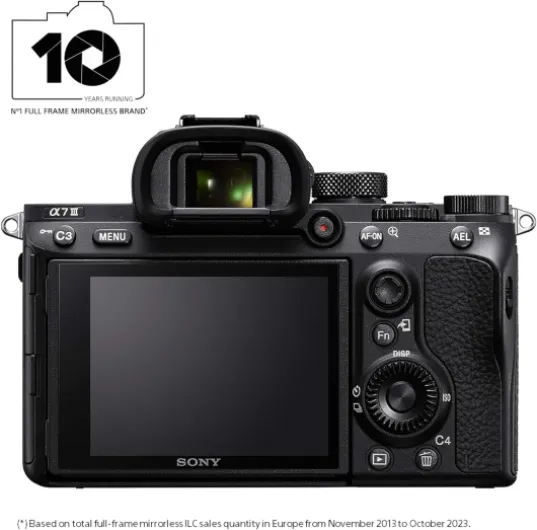
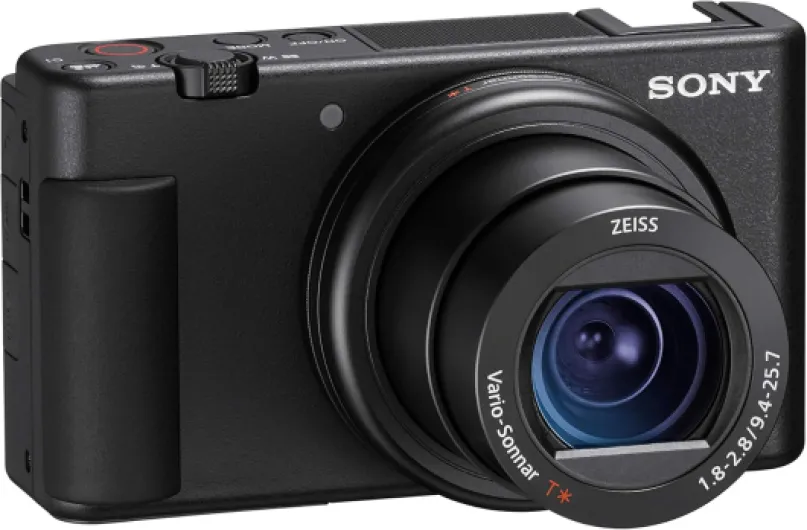
Autofocus is another pillar of a modern video camera. Systems from Sony and Canon track faces and eyes effectively, which is vital for solo creators who cannot pull focus manually while moving the camera. Panasonic has improved autofocus in recent Panasonic Lumix models, making them more competitive for hybrid digital photography and video work.
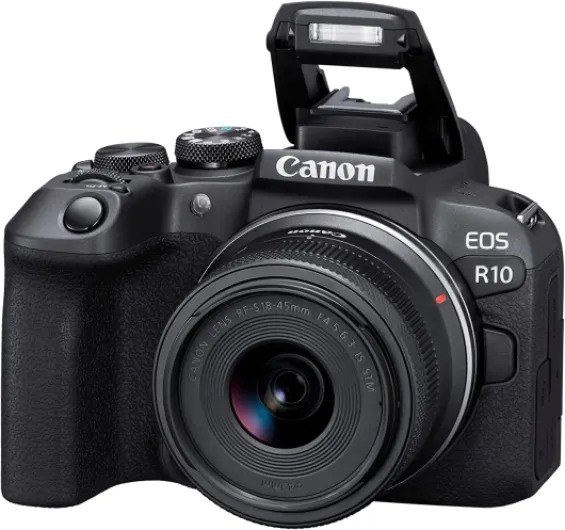
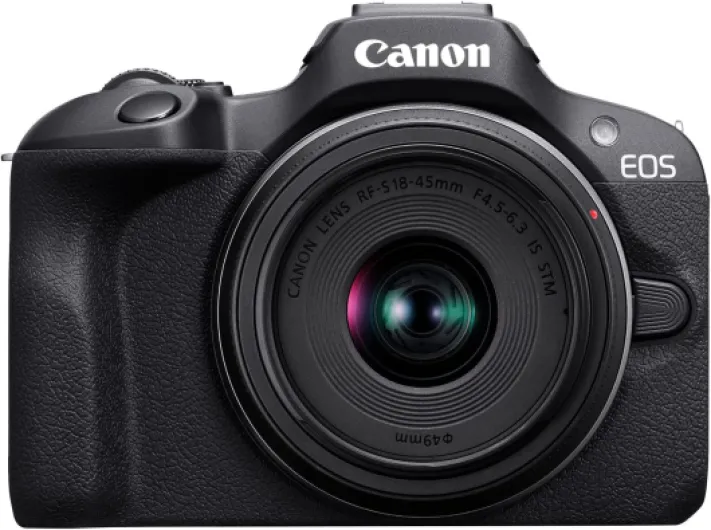
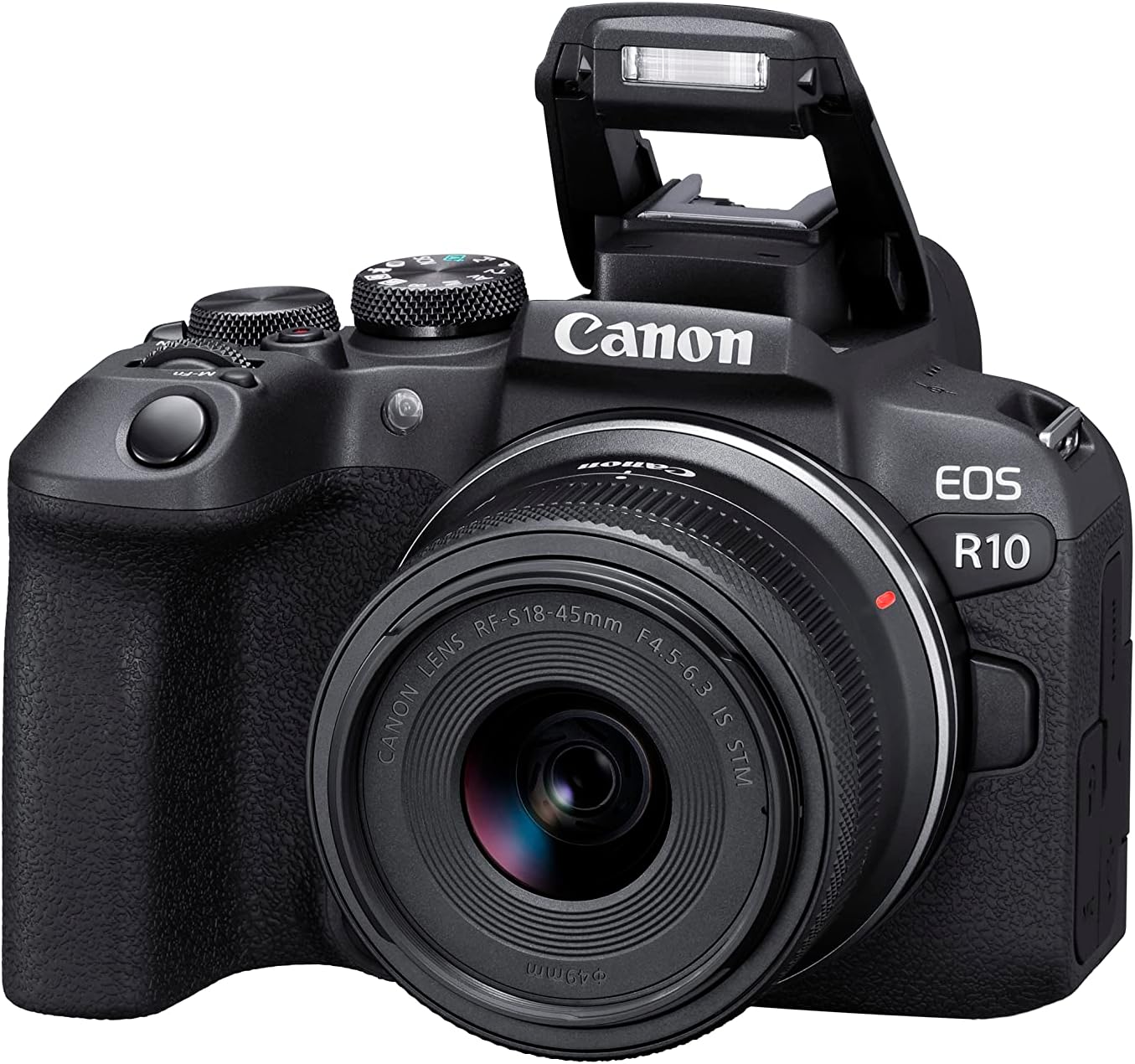
Within Canon’s range, the Canon EOS series offers several options that qualify as best camera candidates for 4K. Models such as an EOS Rebel or an EOS Mark variant provide accessible bodies that still deliver high quality 4K recording and responsive autofocus. For more advanced users, a Canon cinema camera adds professional tools like waveform monitors, log profiles, and better audio inputs.
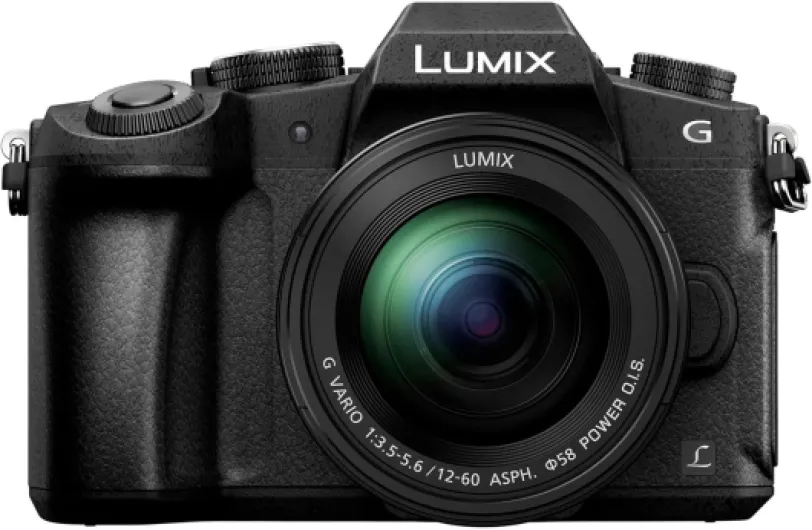
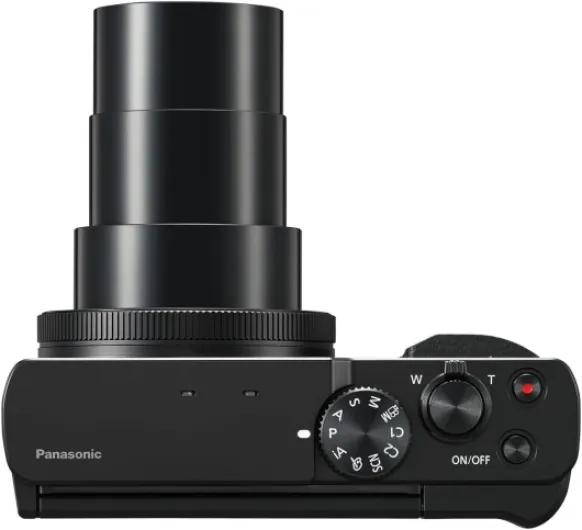
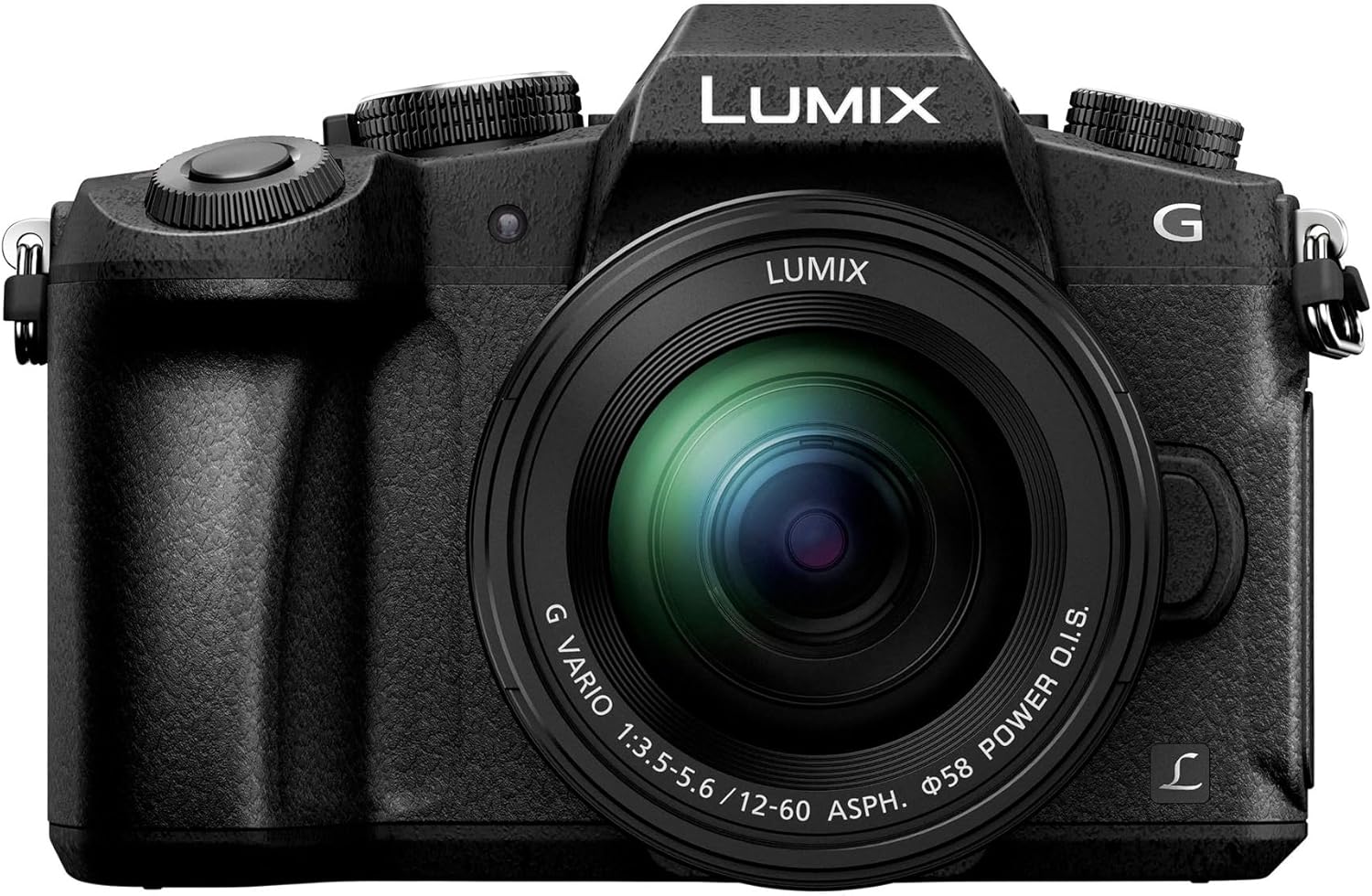
Panasonic Lumix cameras are known for strong video features, especially for slow motion and high frame rate recording. Many Lumix cameras offer 4K at multiple frame rate options, letting you choose between cinematic 25p, smoother 50p, or ultra slow motion modes in Full HD. This flexibility helps you match motion rendering to your project’s style.
Lens choice also shapes how the best 4k video cameras perform in the field. A compact zoom lens can keep your kit light enough for a small bag, while a fast prime lens improves low light quality and depth of field control. For portrait work, studying techniques such as those in this guide to capturing expressive portraits can help you translate still skills into cinematic framing.
How different brands approach 4k, slow motion, and frame rate
When comparing the best 4k video cameras, brand philosophy matters as much as specifications. Sony often pushes cutting edge autofocus and high frame rate modes, making its cameras attractive for fast action and unpredictable motion. Canon focuses on colour science and intuitive ergonomics, which many creators value for skin tones and long recording sessions.
Panasonic, especially through the Panasonic Lumix line, has built a reputation for video first design. Many Lumix cameras include advanced codecs, unlimited recording times, and detailed control over picture profiles, which appeals to professional filmmakers and serious enthusiasts. These features help a Panasonic camera behave more like a compact cinema camera while remaining relatively affordable.
Within Canon’s ecosystem, the Canon EOS and EOS Rebel families serve different audiences. An EOS Rebel body can be the best camera for beginners who want 4K without the complexity of a full cinema camera, while an EOS Mark model may offer higher bit rates and more robust build quality. Both still integrate well into Canon’s broader lens system, which is important when planning long term digital photography and video growth.
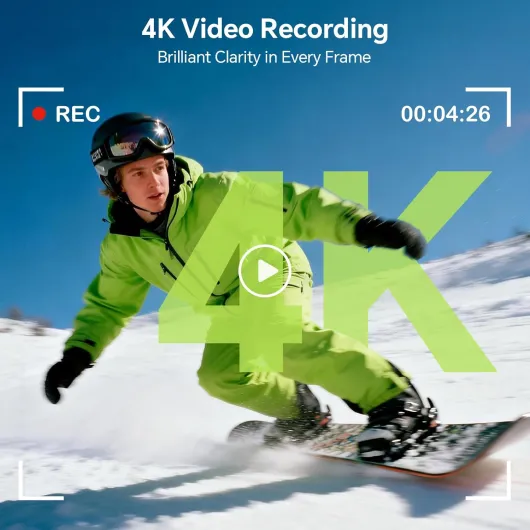
Slow motion capabilities vary widely among the best 4k video cameras. Some cameras offer 4K at 60 frames per second, while others push Full HD to 120 or even 240 frames per second for dramatic slow motion. When reading any review or reviews product page, check whether slow motion is cropped, whether autofocus remains active, and how much quality drops at the highest frame rate.
Wildlife and sports shooters often need a mix of reach, frame rate, and portability. Guides such as this analysis of why a compact body suits bird and wildlife photography illustrate how a small camera can still deliver professional results. For these users, a light body, strong optical zoom, and reliable 4K recording may matter more than pure sensor size.
Practical buying advice for people seeking the best 4k video cameras
Choosing among the best 4k video cameras starts with defining your real world scenarios. If you mainly shoot handheld vlogs, a compact camera with strong stabilisation and a wide angle zoom will be more useful than a heavy cinema camera. For documentary work, prioritise long recording limits, good quality audio inputs, and batteries that last through extended interviews.
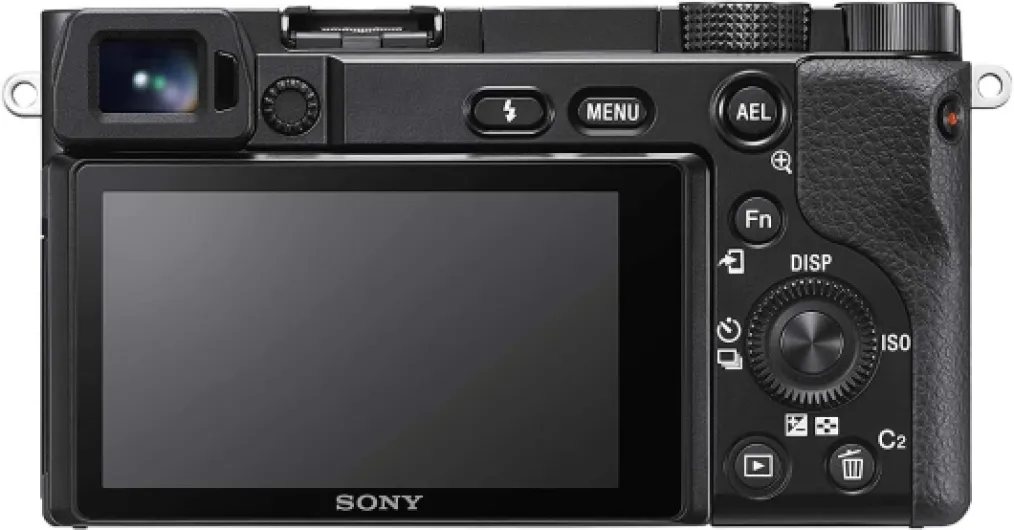
Always handle a camera in person when possible, because ergonomics influence how often you actually use it. A body that feels balanced with your preferred lens and fits into a small bag will encourage spontaneous digital photography and video recording. Controls for ISO, aperture, and frame rate should be reachable without diving constantly into menus.
When comparing Sony, Canon, and Panasonic Lumix options, look beyond marketing terms like best camera or professional grade. Examine how each camera manages rolling shutter, overheating, and autofocus reliability during 4K recording, especially at higher frame rate settings. Read more than one review and cross check reviews product pages to see whether early praise still holds after long term testing.
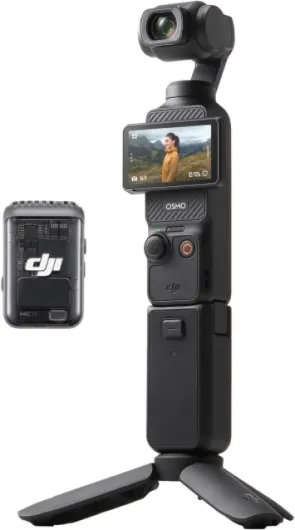
Audio is often overlooked when discussing the best 4k video cameras. Built in microphones rarely deliver truly professional sound, so plan for an external mic and possibly a wireless system. For creators who film on phones as well as cameras, this detailed test of a wireless mini microphone for audio video recording shows how much cleaner dialogue can become.
Finally, think about how your camera video files fit into your editing workflow. High bitrate 4K and slow motion clips demand fast storage and a capable computer, which can add hidden costs beyond the camera body and lenses. Balancing quality, file size, and editing time will help you select the best 4k video cameras for your overall budget.
Real world use cases: from compact travel rigs to professional cinema setups
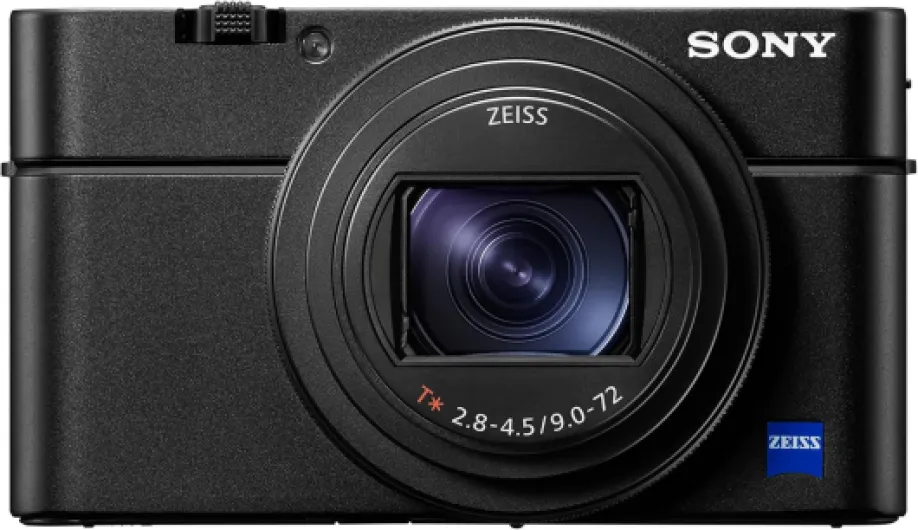
Travel creators often need the best 4k video cameras that remain discreet and light. A compact camera with a versatile optical zoom can replace several lenses, making it easier to keep everything in a small bag during flights and long walks. In this context, good quality stabilisation and weather resistance may matter more than the absolute largest sensor.
For hybrid shooters who mix digital photography with video, models from Sony, Canon EOS, and Panasonic Lumix lines offer balanced performance. These cameras let you switch quickly between stills and 4K recording, often with dedicated buttons and clear on screen indicators for frame rate and exposure. Such flexibility turns one body into a best camera candidate for both client work and personal projects.
Professional filmmakers may gravitate toward a cinema camera when they outgrow basic mirrorless bodies. Cinema cameras provide advanced monitoring tools, robust codecs, and better thermal management for long recording sessions, which is crucial on commercial sets. However, many modern mirrorless cameras now approach cinema level quality, especially when paired with external recorders and high end lenses.
Slow motion storytelling has become a hallmark of modern video platforms. The best 4k video cameras that offer high frame rate modes in both 4K and Full HD allow creators to emphasise motion, texture, and emotion in ways that standard playback cannot. When evaluating any review or reviews product summary, look for examples of slow motion footage rather than relying solely on numbers.
Even for casual users, a thoughtful choice of video camera can elevate everyday memories. Smooth 4K clips of family events, travel, or sports look dramatically better when captured with strong optical performance and stable autofocus. Over time, these small upgrades in quality make your personal archive feel closer to professional productions.
Essential settings, workflow tips, and ethical considerations for 4k video
Owning one of the best 4k video cameras is only the first step. Learning to control shutter speed, aperture, and frame rate will determine whether your footage looks cinematic or chaotic. As a rule of thumb, keep shutter speed roughly double your frame rate to maintain natural motion blur.
Picture profiles also influence the final look of your video camera output. Many Sony, Canon EOS, and Panasonic Lumix models offer flat or log profiles that preserve more dynamic range for colour grading, which is valuable when shooting high contrast scenes. Beginners can start with standard profiles, then gradually experiment with log once they understand exposure and monitoring tools.
Workflow planning matters when dealing with large 4K and slow motion files. Use fast memory cards rated for sustained recording, and back up your main content promptly to at least two locations to protect your digital photography work. Organising footage by date, project, and camera video settings will save time during editing and reviews product stages.
Ethical and legal aspects should not be ignored when using the best 4k video cameras in public spaces. Always respect local regulations, obtain consent when filming identifiable individuals, and read the privacy policy of any cloud service that stores your footage. Many websites now include a skip main or skip main content link to help users navigate, and similar accessibility thinking should guide how you present your own videos online.
Whether you shoot with a compact travel camera, a Canon cinema camera, or a professional Sony body, the same principles apply. Prioritise good quality storytelling, clear audio, and respectful behaviour over chasing every new specification. With thoughtful technique, even modest cameras can produce results that feel truly best in the moments that matter.