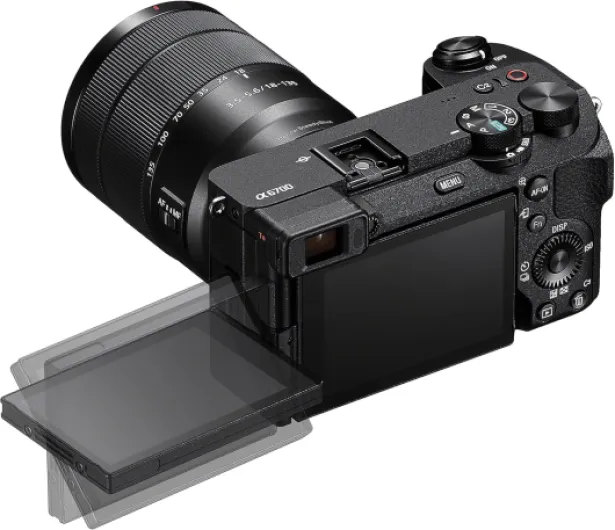
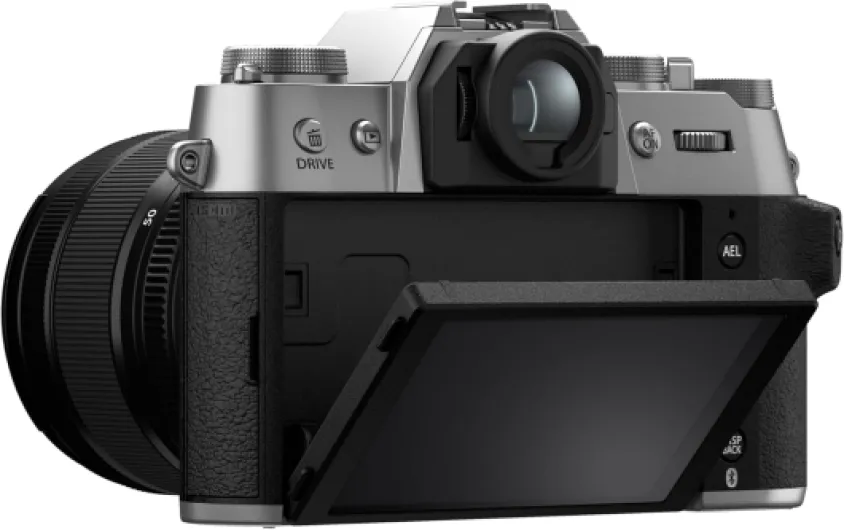
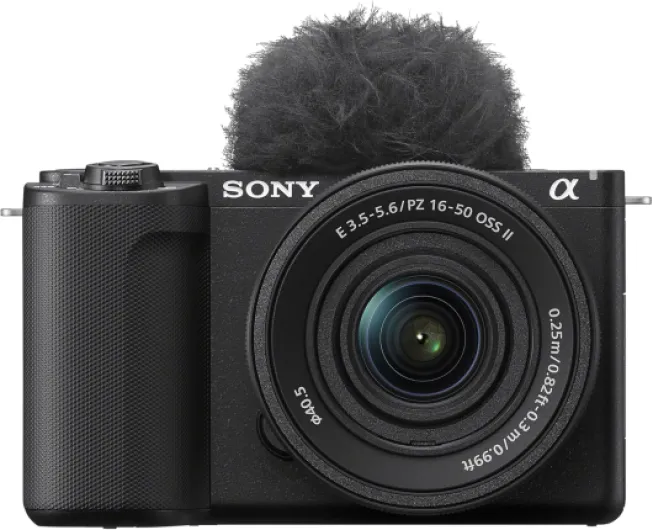
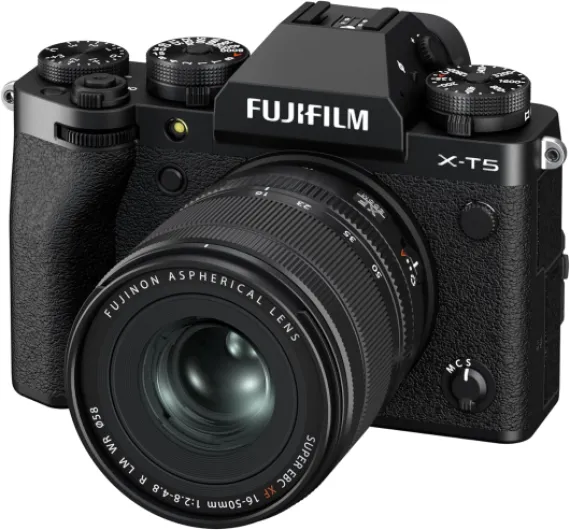
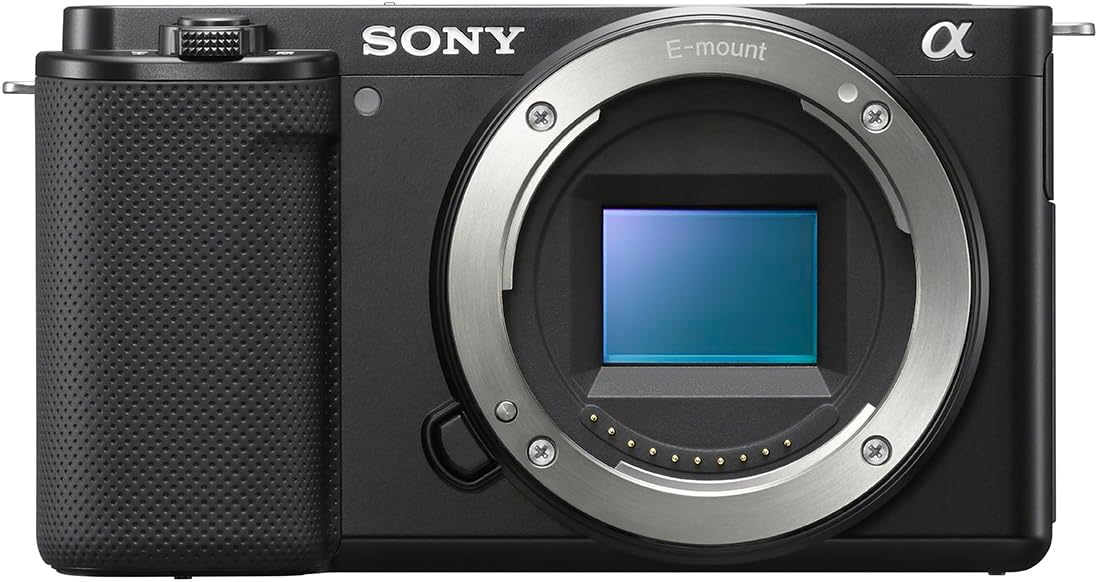
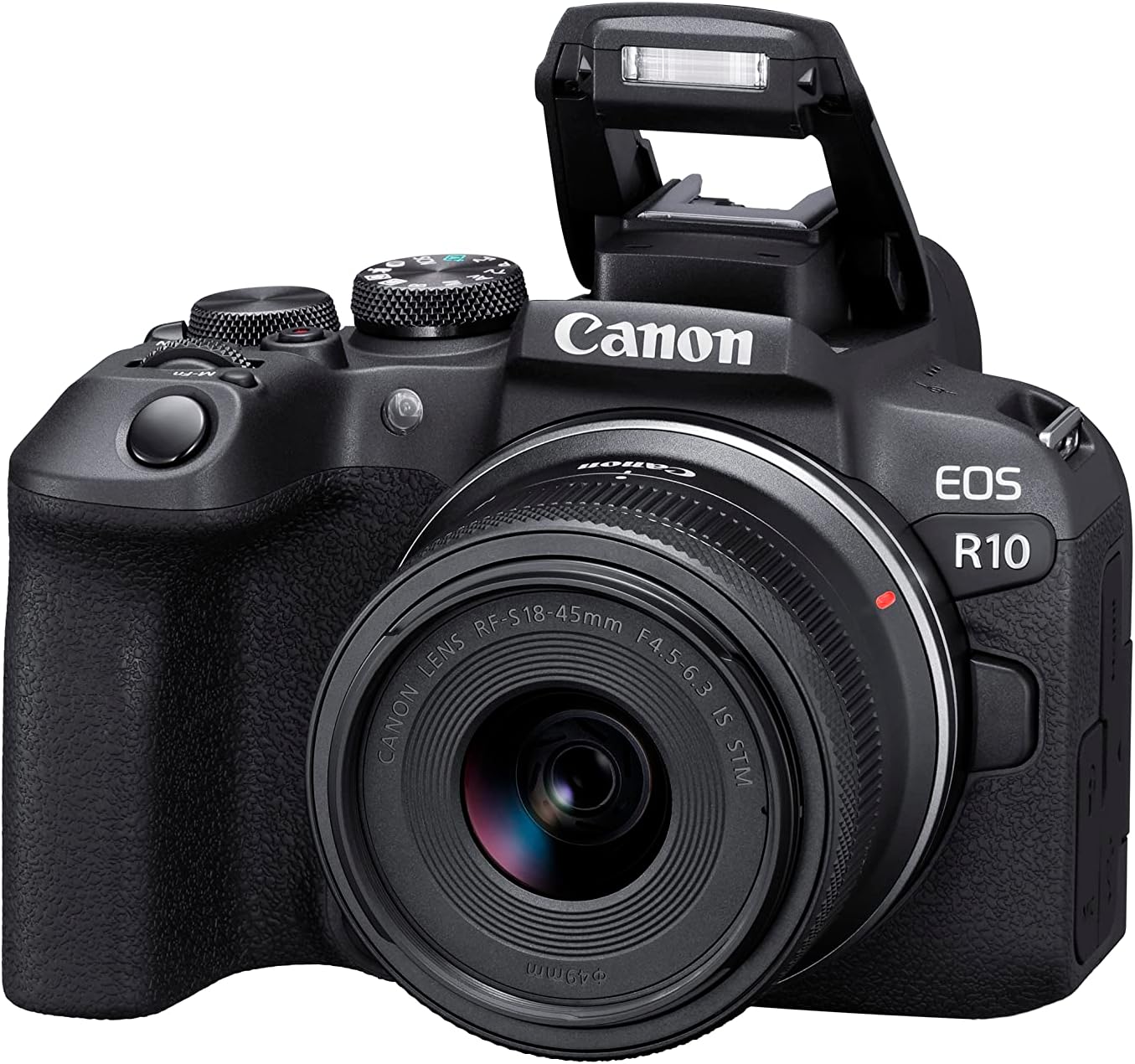
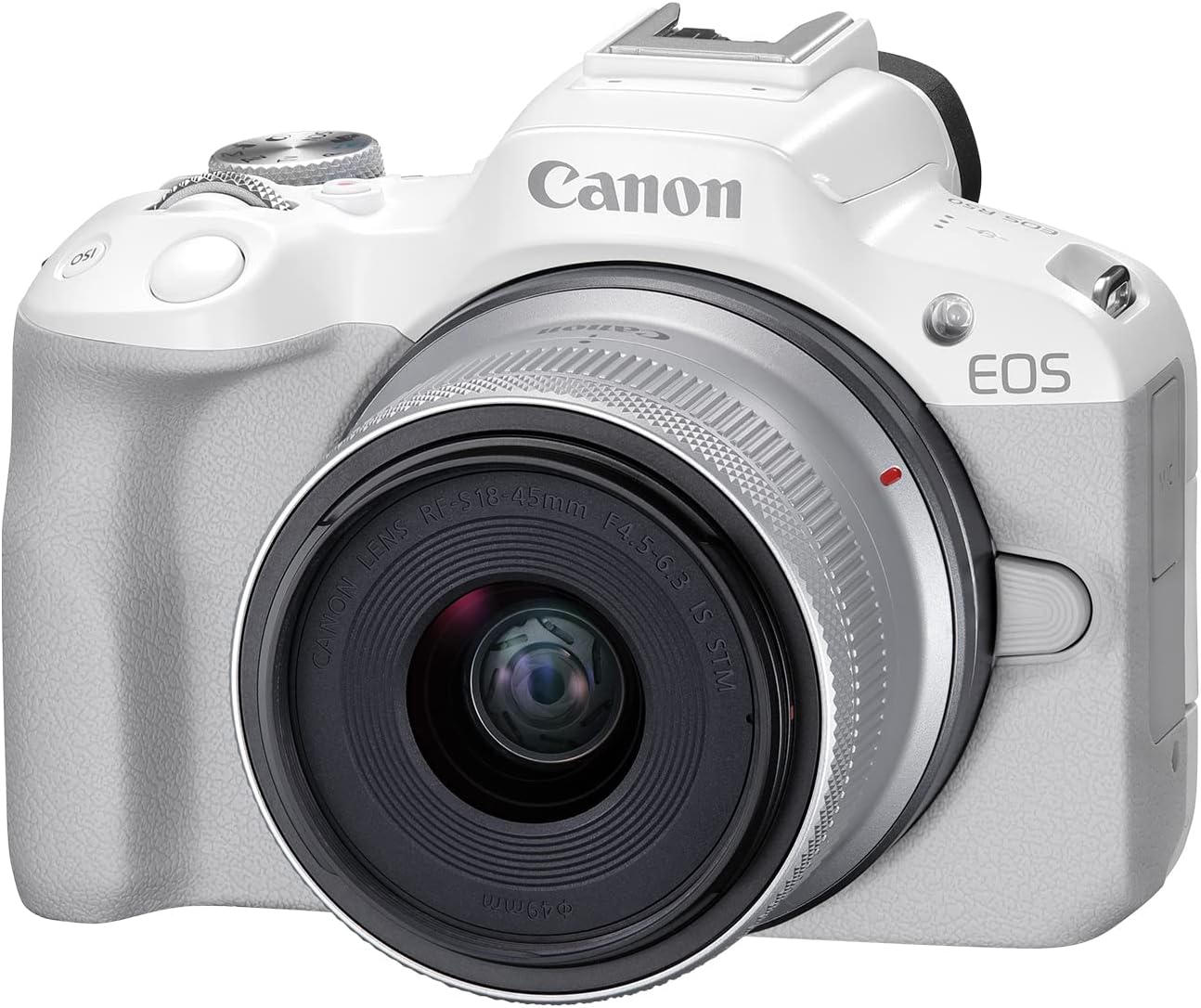
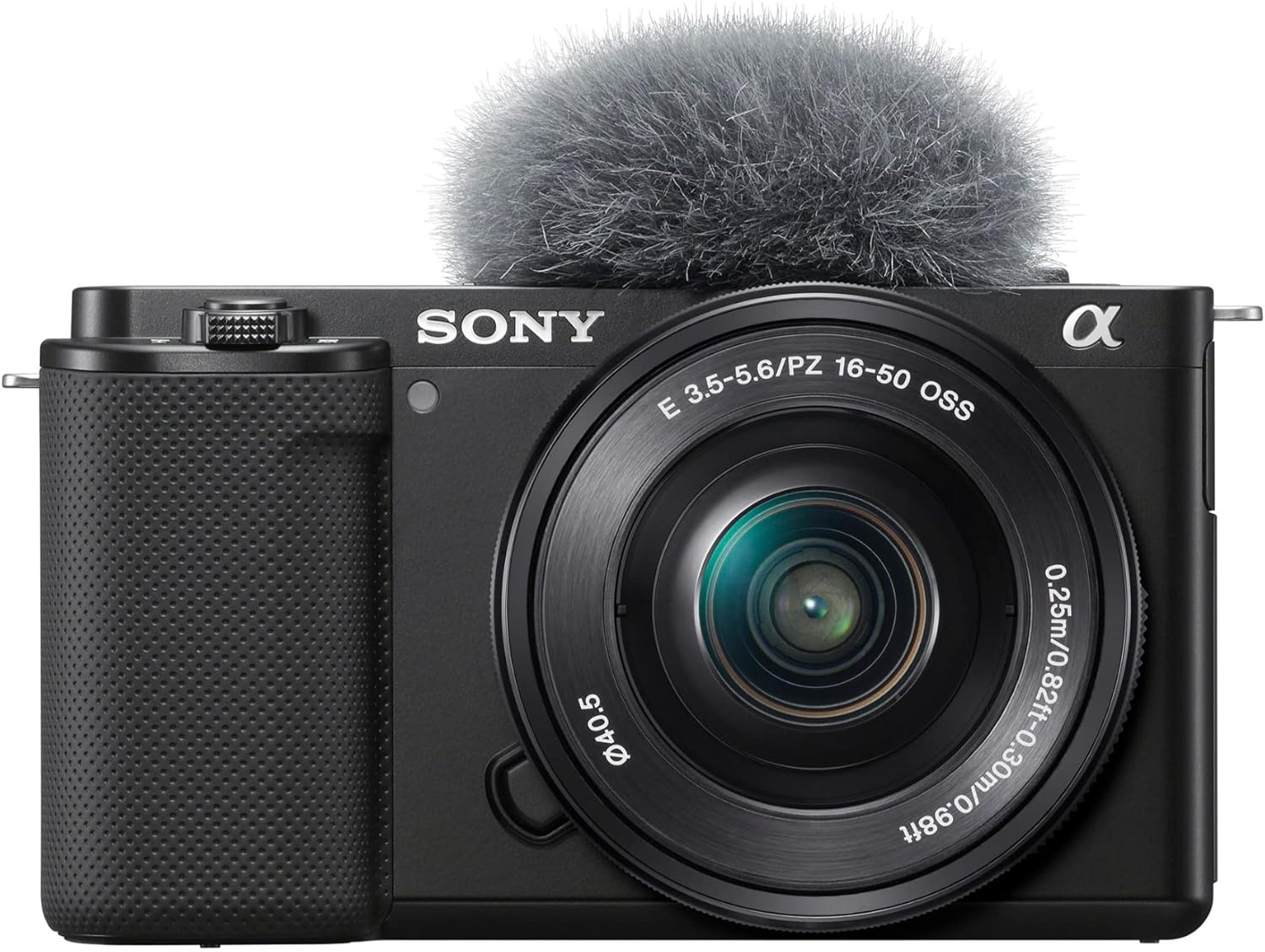
Key features that define the best APS C mirrorless cameras
To judge the best APS C mirrorless cameras fairly, you need a clear feature checklist. Start with the sensor and image quality, because every camera decision flows from how your images look. High resolution APS C sensors now rival some older full frame models, especially when paired with sharp lenses and careful shooting technique.
Autofocus and tracking performance come next, especially for moving subjects. A modern autofocus system should cover most of the frame, offer eye detection, and maintain focus during continuous fps shooting. When a mirrorless camera can sustain a high fps burst with accurate tracking, it becomes a powerful tool for sports, wildlife, and fast street photography.
Video capabilities are increasingly central to any APS C mirrorless system. Look for 4K video with minimal crop, clean HDMI output, and options for raw video or high bitrate recording when possible. Even if you mainly shoot still images, strong video features add flexibility for hybrid creators who alternate between cameras and smartphones.
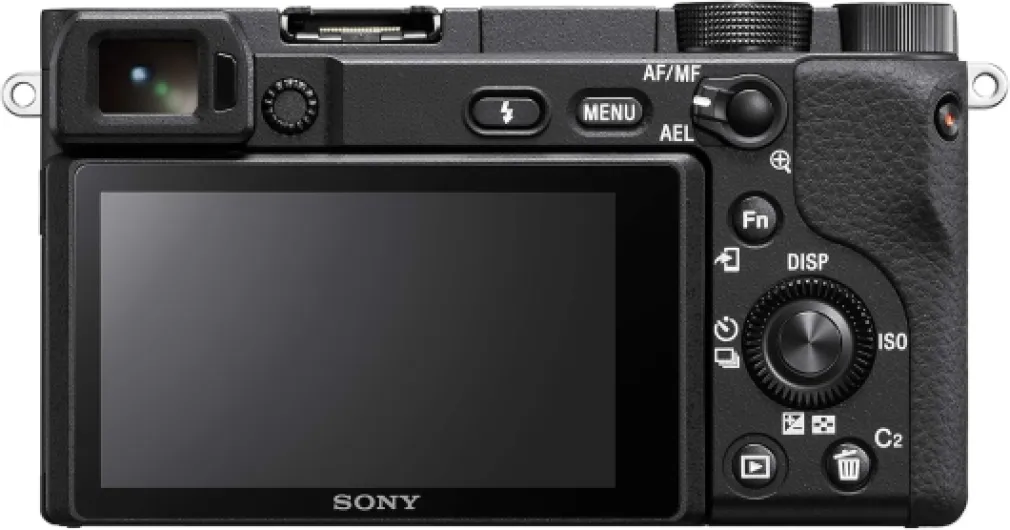
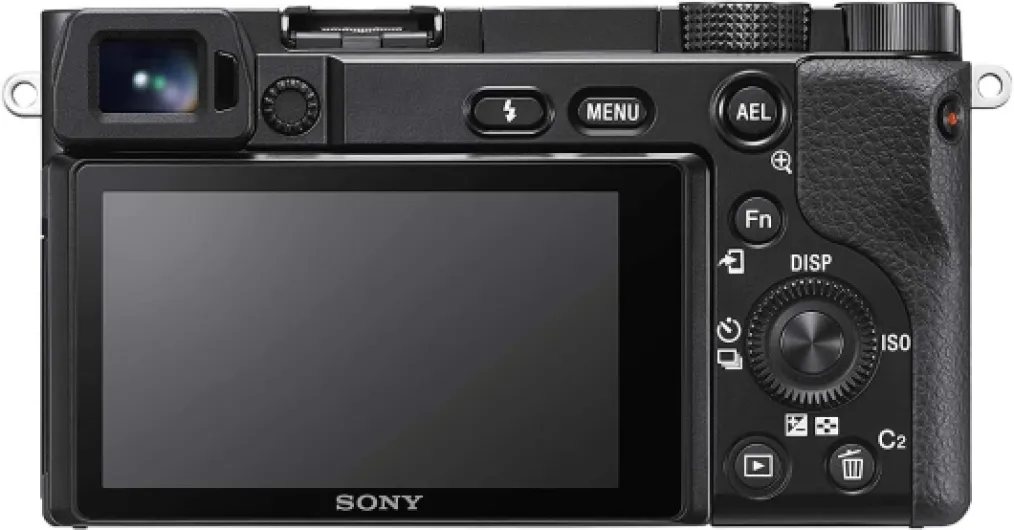
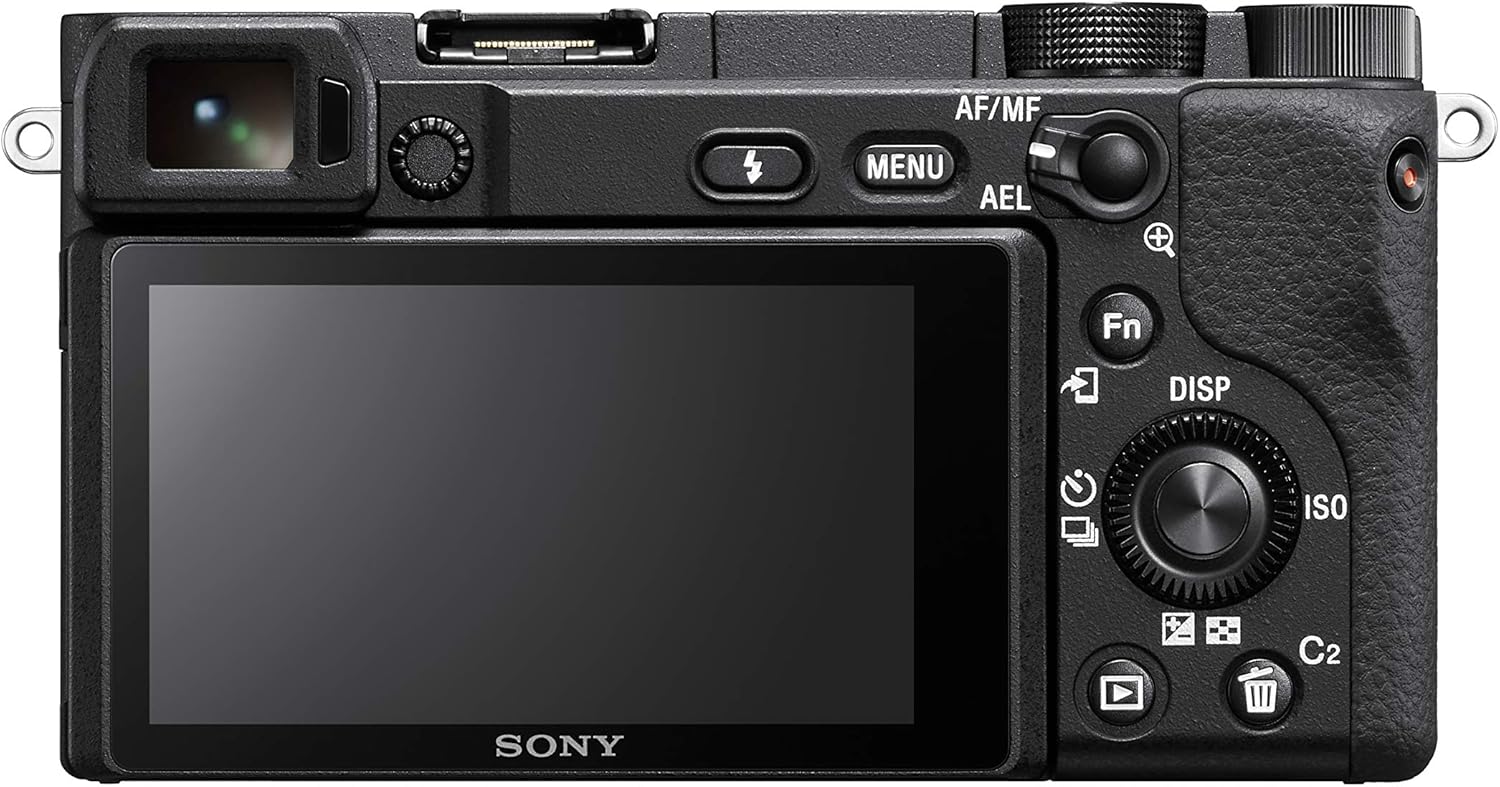
Ergonomics and body design also shape your experience with mirrorless cameras. A comfortable grip, intuitive buttons, and a clear electronic viewfinder help you react quickly during demanding shooting situations. If you plan to use a larger lens or a heavy kit lens, test how the camera body balances in your hands over longer sessions.
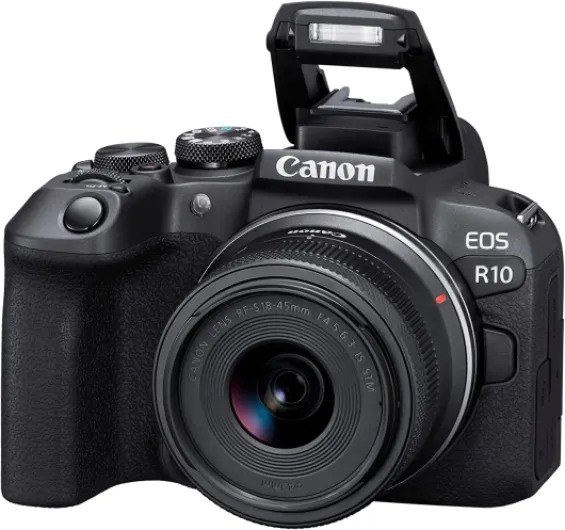
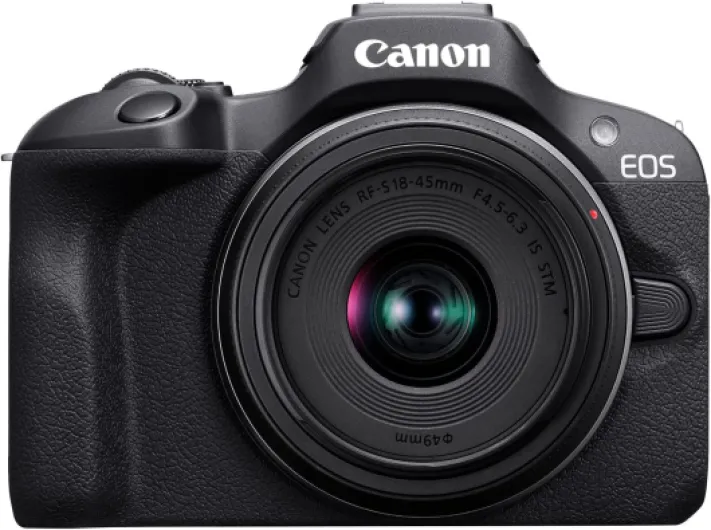
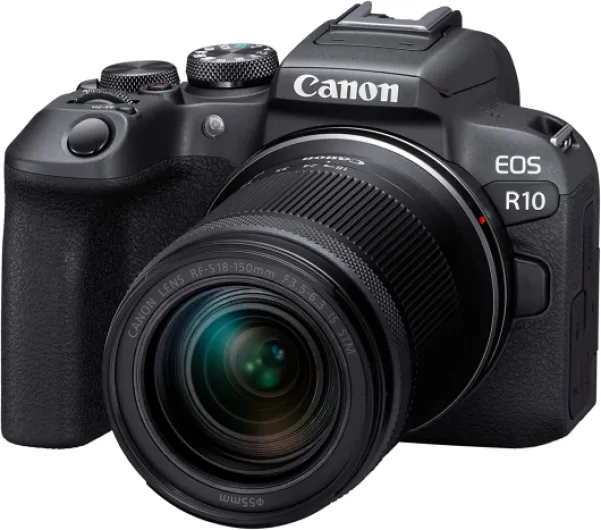
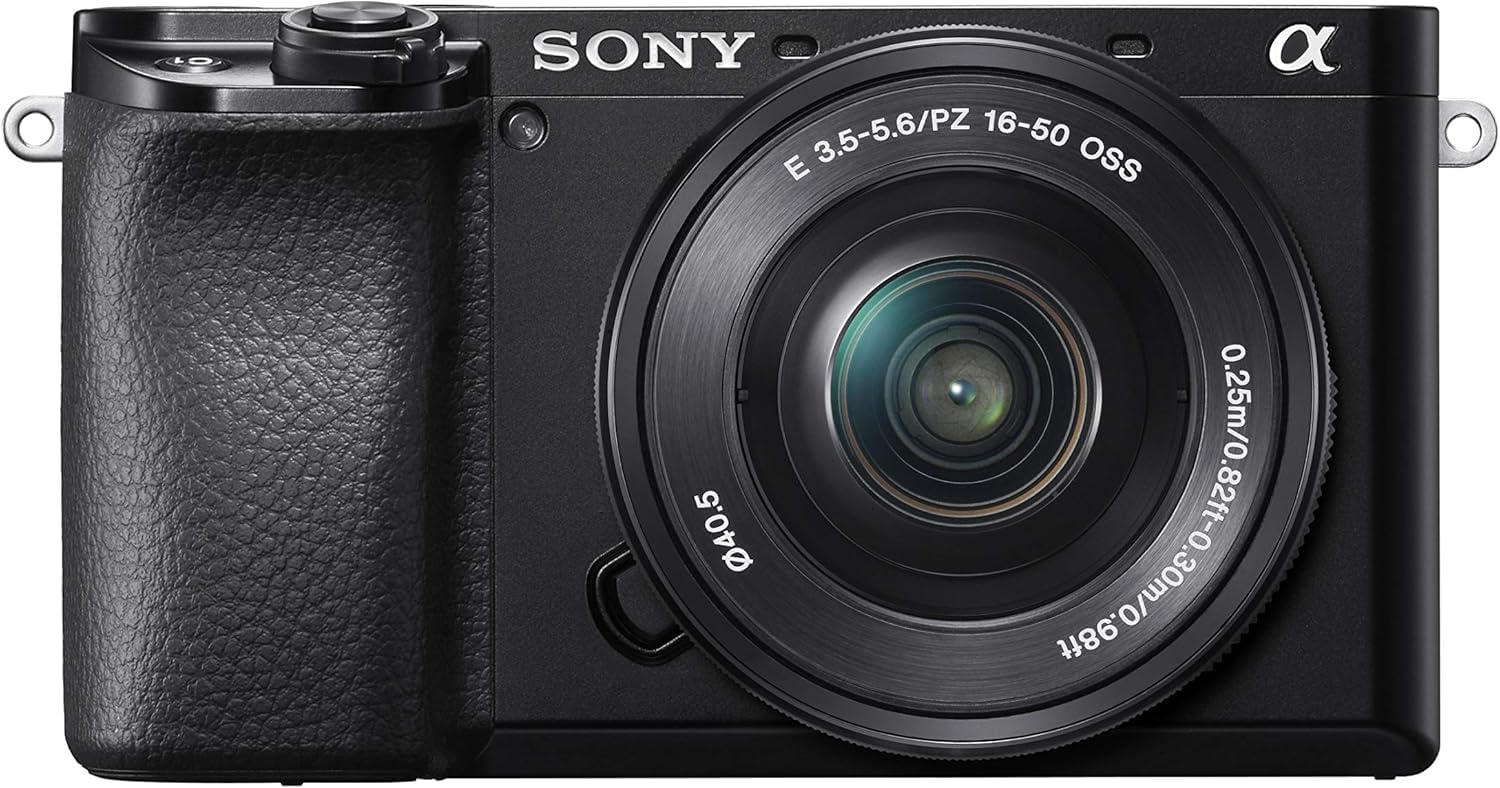
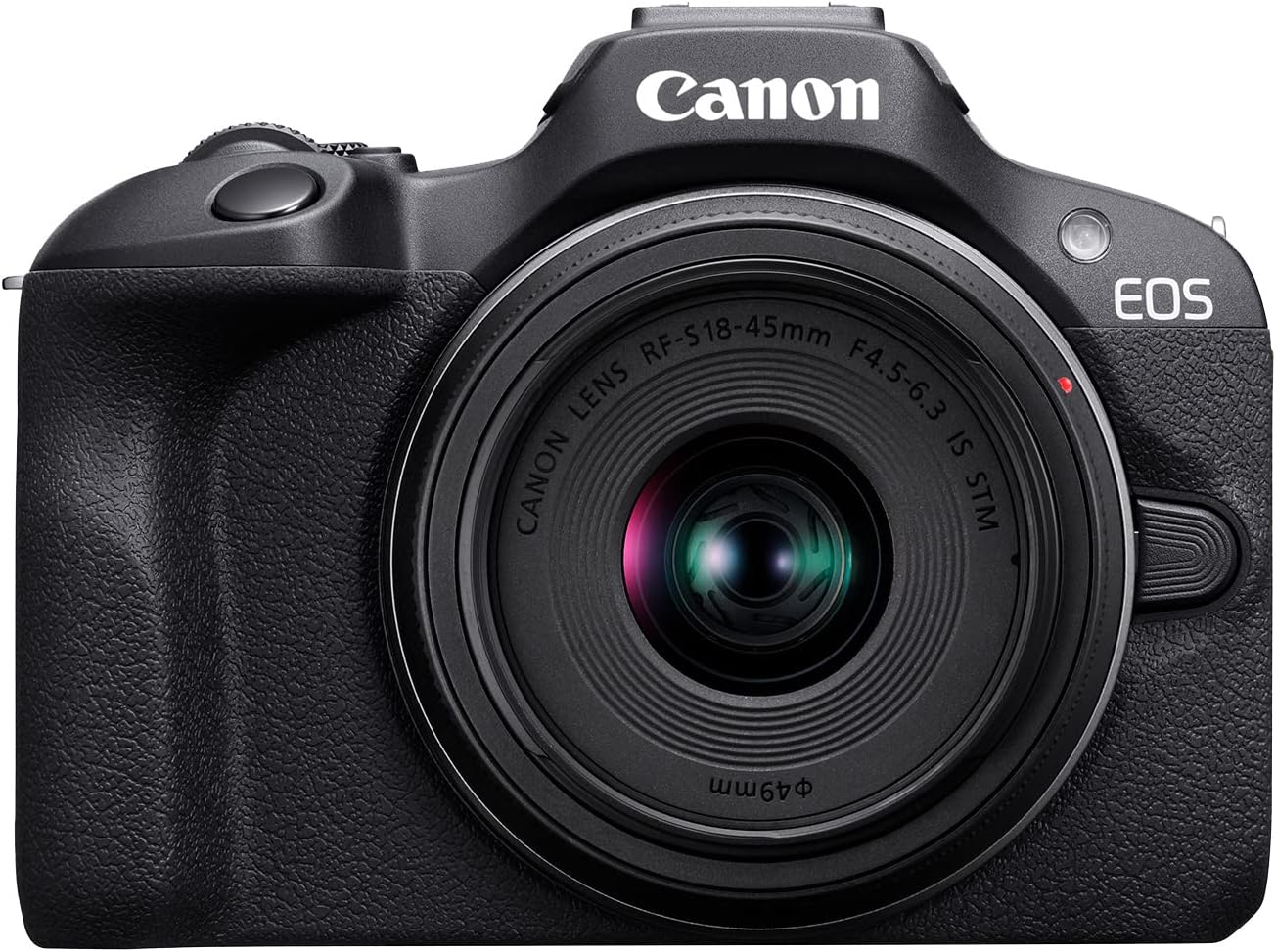
Lens ecosystems differ significantly between Canon EOS, Sony Alpha, and Fujifilm mount systems. The Canon mount and Sony mount each offer a mix of compact primes, zooms, and specialist optics that influence which brand delivers the best mirrorless value for you. When researching options, detailed product tests such as this review of a Canon EOS camera with an 18–55 mm lens can help you understand how specifications translate into real world performance.
Lens mounts, ecosystems, and building a flexible APS C mirrorless system
When comparing the best APS C mirrorless cameras, lens choice often matters more than body specifications. Each mirrorless camera mount defines which lenses you can use natively and how easily you can adapt older glass. A strong system with a wide range of lenses lets your camera grow with your skills and creative ambitions.
The Canon mount for APS C mirrorless cameras supports compact zooms, fast primes, and specialist optics. Many Canon EOS bodies can also adapt DSLR lenses, giving access to a mature ecosystem while keeping the benefits of a modern mirrorless camera. This flexibility helps photographers who already own Canon cameras transition smoothly into a new system.
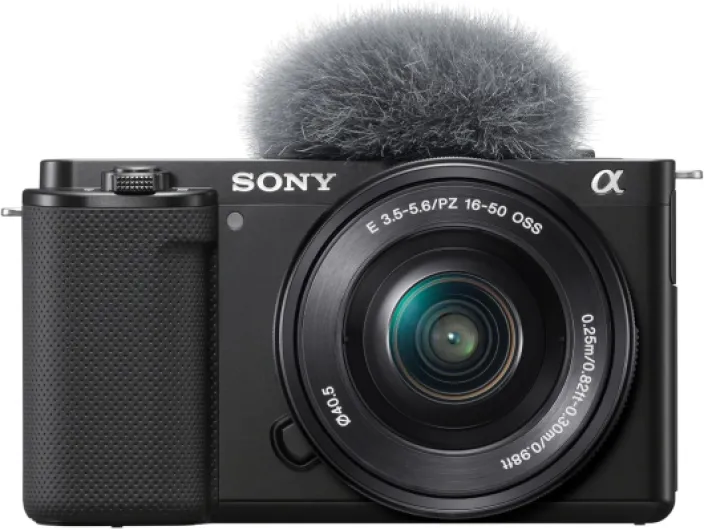
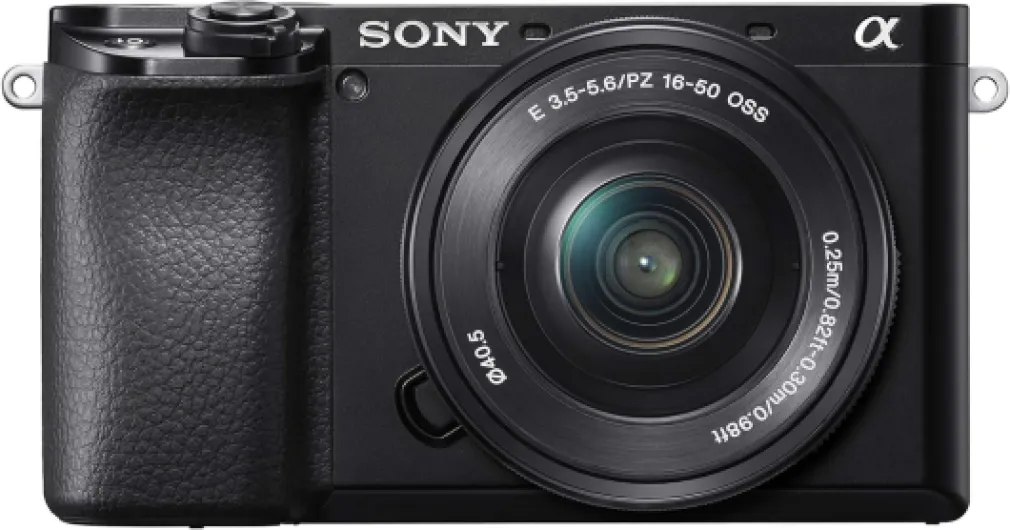
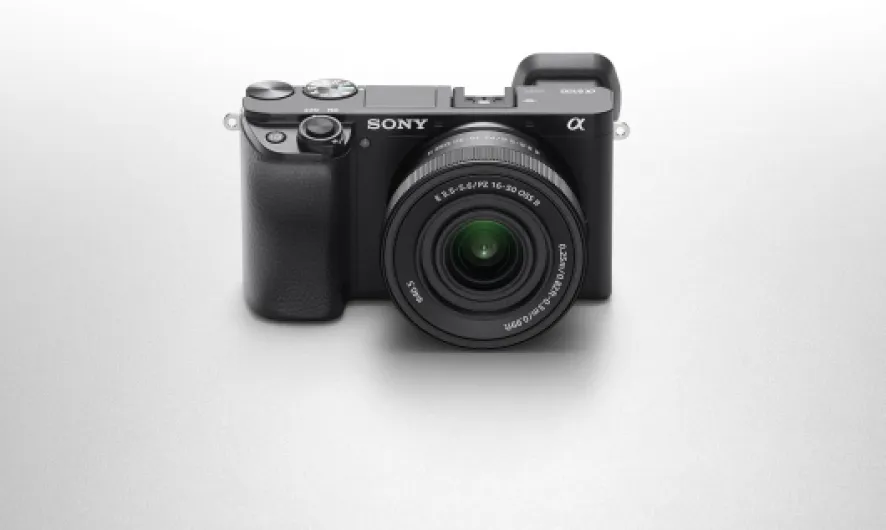
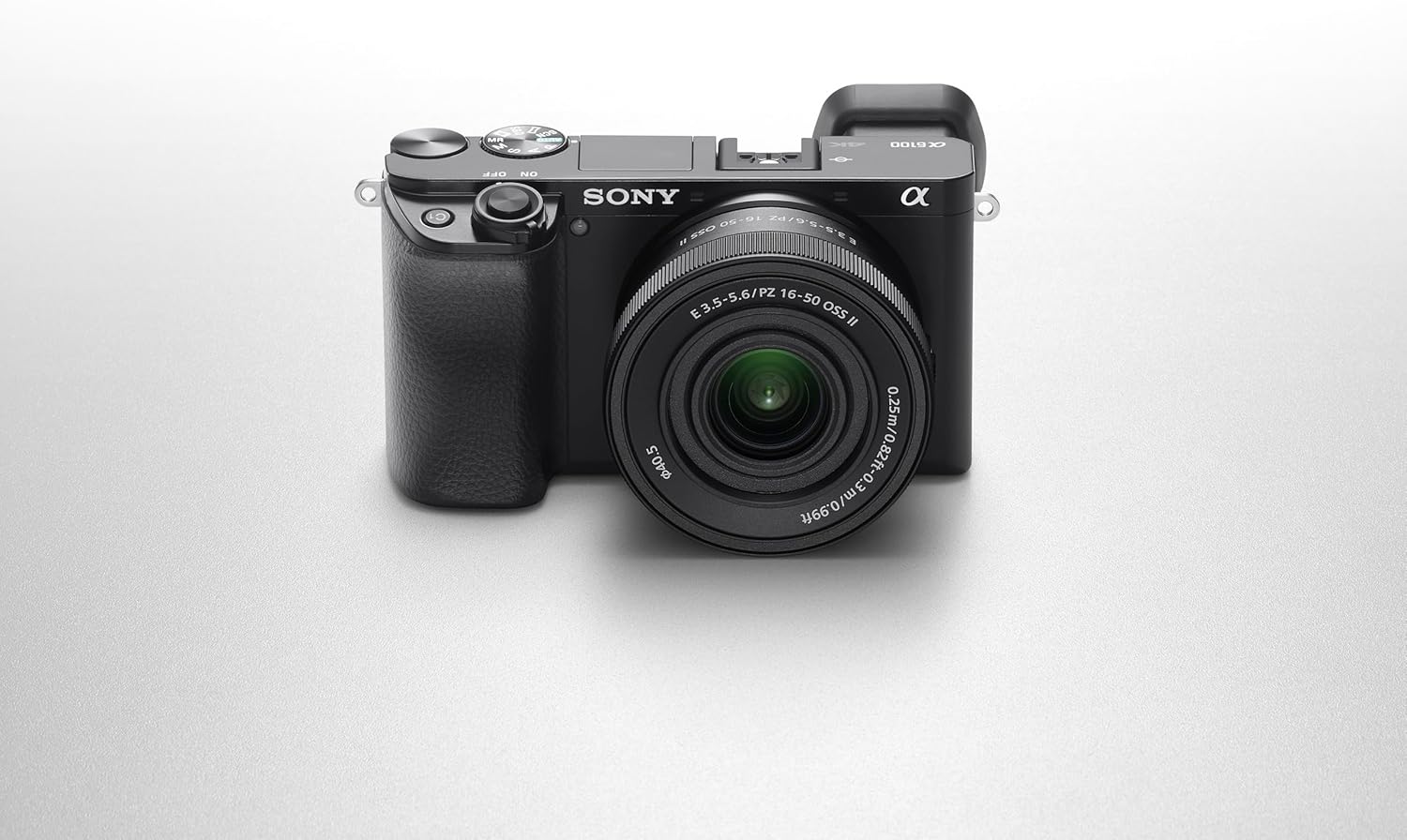
Sony Alpha APS C cameras use the Sony mount, which has become one of the most extensive mirrorless ecosystems. Third party manufacturers now offer many autofocus lenses for this mount, from budget kit lens options to premium glass. For photographers who value choice and long term system depth, this breadth can make Sony one of the best mirrorless platforms.
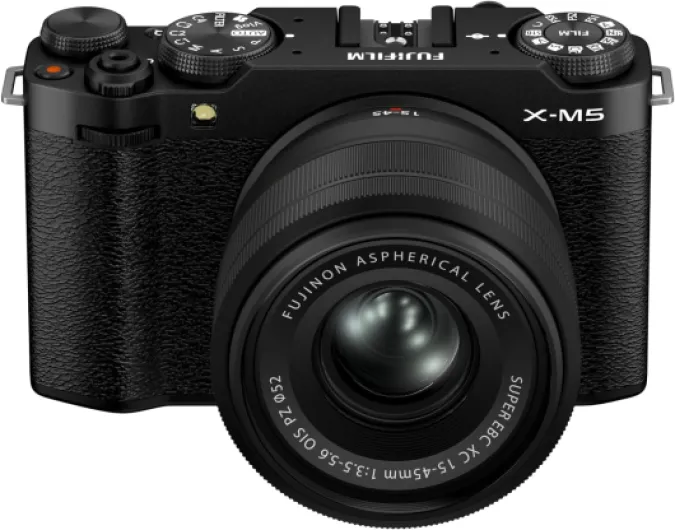
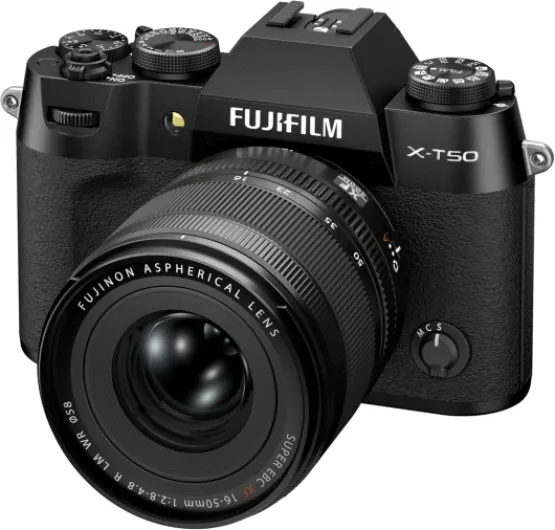
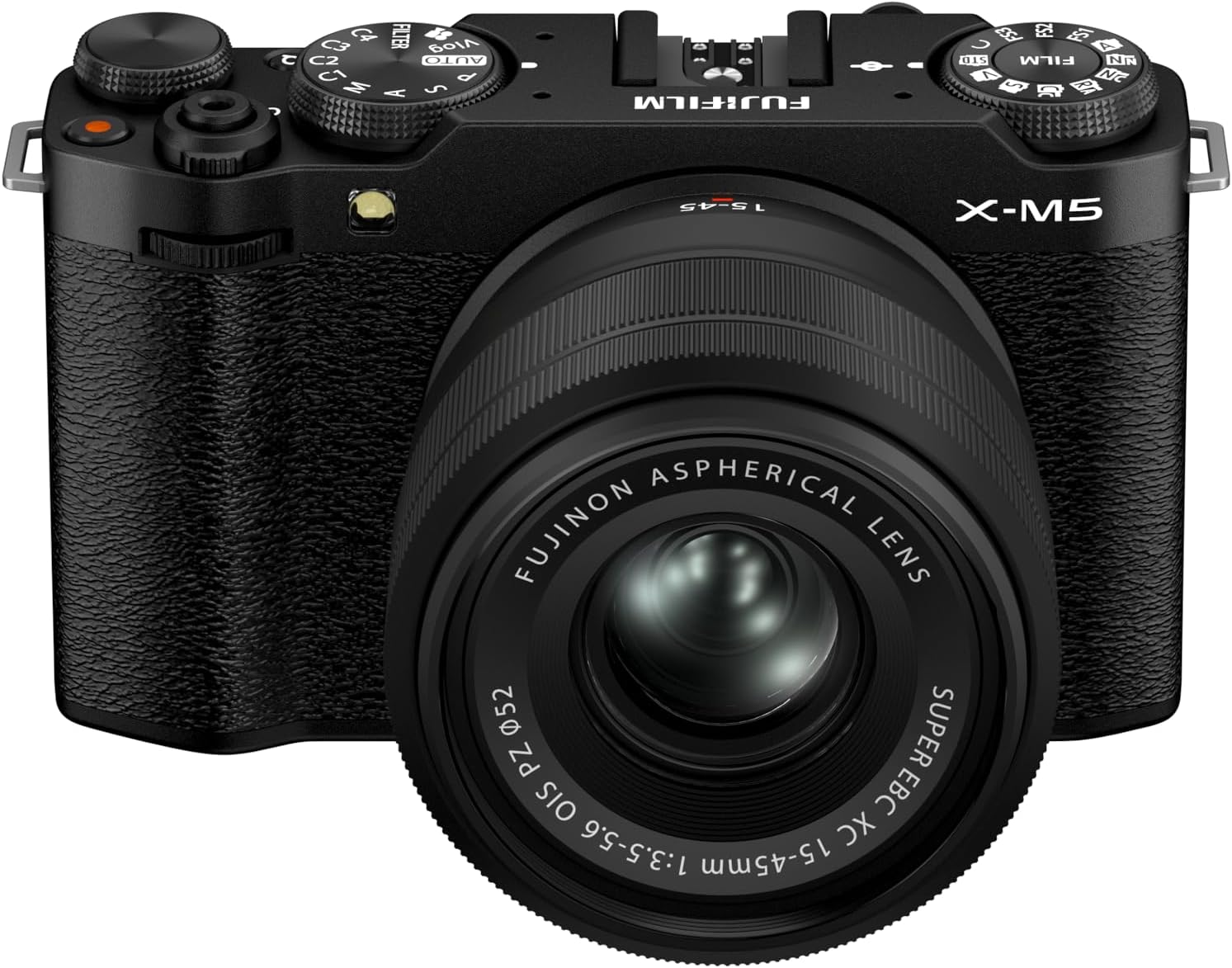
Fujifilm mount lenses focus strongly on APS C, with many designs optimized specifically for this sensor size. While Fujifilm does not emphasize full frame or medium format in the same way as some rivals, its APS C lineup feels cohesive and photographer centric. The result is a system where lens and body design work together to maximize image quality and handling.
Accessories also shape how you use the best APS C mirrorless cameras in practice. Reliable cables, such as a high speed Micro HDMI to HDMI display cable, help when monitoring video or streaming live content. Combined with robust weather sealing and thoughtful ergonomics, these small details turn a good camera into a dependable everyday tool.
Autofocus, fps, and blackout free shooting for action and wildlife
Action photography exposes the strengths and weaknesses of the best APS C mirrorless cameras. A fast autofocus system with reliable tracking determines whether you capture the decisive moment or miss it entirely. When a mirrorless camera can lock onto eyes, faces, or vehicles across most of the frame, your keeper rate rises dramatically.
Modern APS C mirrorless cameras often offer high fps burst rates that rival or exceed older professional DSLRs. Mechanical shutter modes provide a traditional feel and can reduce rolling shutter artifacts, while electronic options enable silent shooting. For sports and wildlife, combining a high fps burst with accurate tracking and blackout free viewing gives a clear advantage.
Blackout free shooting means the viewfinder image remains continuous during bursts, rather than flickering with each frame. This feature helps you follow erratic movement, especially when using a telephoto lens on a compact APS C body. Many photographers find that once they experience blackout free shooting, they struggle to return to older cameras.
Battery life becomes critical when you push fps and autofocus performance during long sessions. Some of the best APS C mirrorless cameras now match or exceed older DSLRs in endurance, especially with efficient power saving modes. Carrying a spare battery remains wise, but you no longer need to fear constant recharging during a full day of shooting.
For hybrid creators, strong video autofocus matters as much as stills performance. Cameras that maintain smooth tracking during 4K video or raw video capture feel more professional and future proof. When evaluating options on platforms such as Amazon, look beyond headline fps numbers and study how the autofocus system behaves in real world tests.
Video performance, image quality, and hybrid shooting with APS C mirrorless cameras
Hybrid creators increasingly expect the best APS C mirrorless cameras to excel at both stills and video. APS C sensors now deliver high image quality with impressive detail, dynamic range, and low light performance. When paired with a sharp lens and careful exposure, these cameras can rival larger full frame systems for many uses.
Video specifications deserve close attention if you plan to shoot regularly. Look for 4K video at multiple frame rates, clean output, and options for log or raw video when available. A mirrorless camera that handles both casual clips and more serious productions reduces the need for separate dedicated video cameras.
Stabilization, either in body or in lens, further enhances video and still images. Combined with a responsive autofocus system, stabilization allows smoother handheld shooting and sharper photos at slower shutter speeds. For vloggers and content creators, features such as articulating screens and reliable face tracking can be as important as pure resolution.
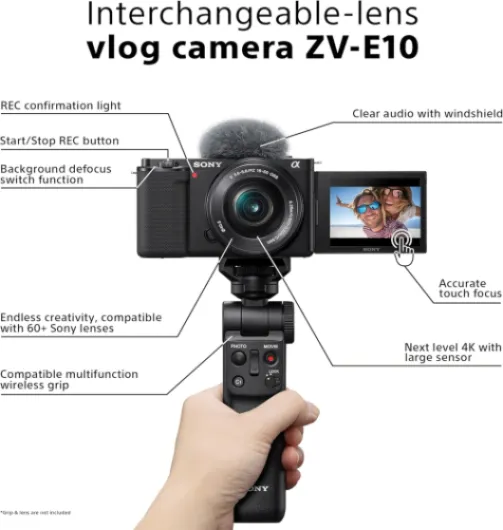
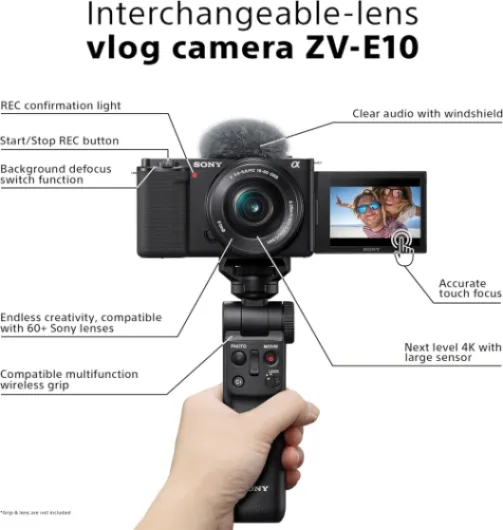
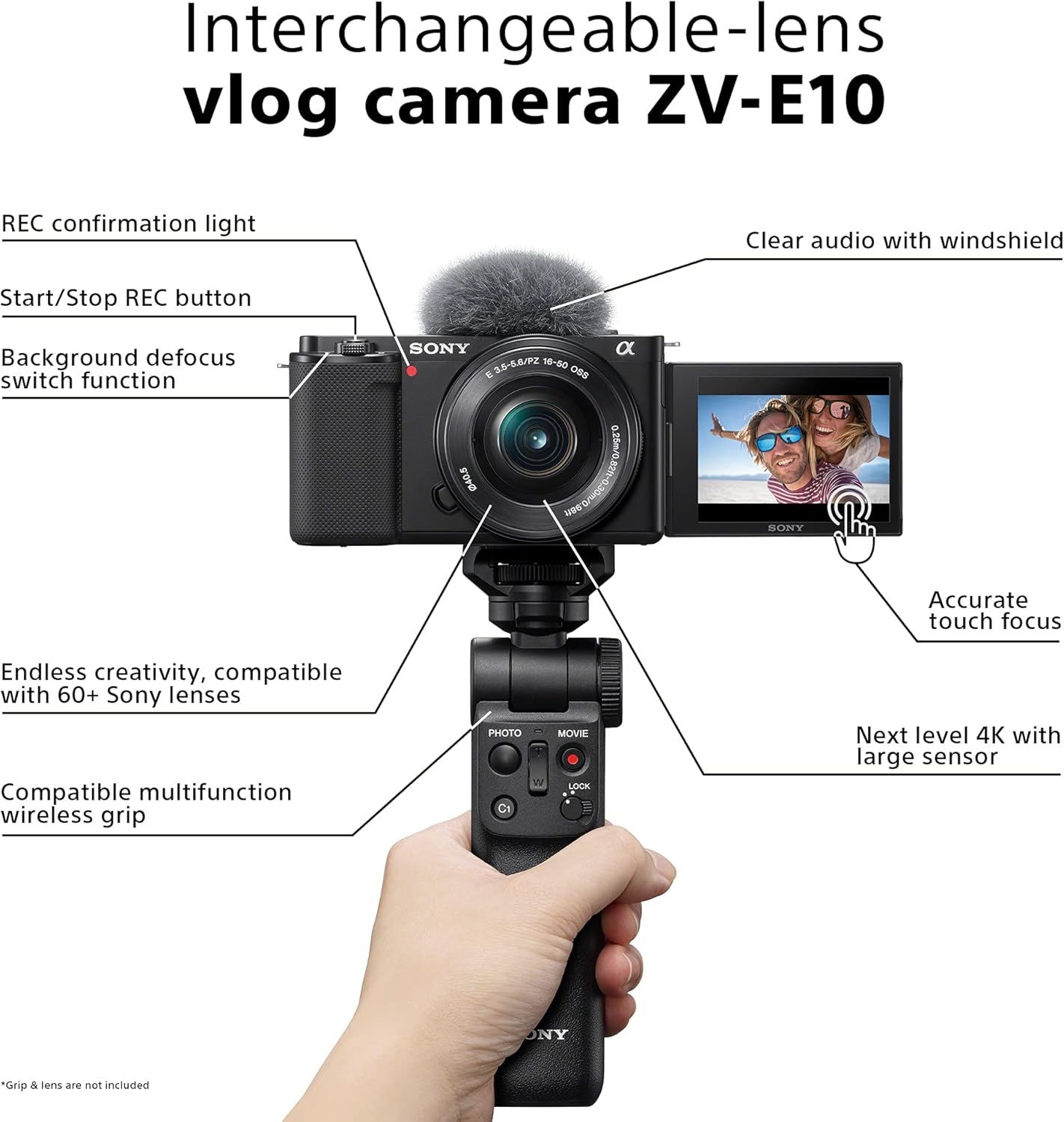
Battery life and heat management also influence how practical a camera feels for extended video sessions. Some APS C mirrorless cameras now record long clips without overheating, even at high resolutions and fps settings. When reading detailed tests, such as this review of a 4K digital camera for vlogging, pay attention to how the body handles sustained recording.
While APS C sits below full frame and medium format in sensor size, it often offers the best balance for everyday creators. You gain much of the image quality of larger formats in a smaller, lighter mirrorless body. For many photographers and videographers, this combination of performance, portability, and price defines the true best mirrorless choice.
Durability, weather sealing, and real world reliability of APS C mirrorless bodies
Durability often separates the best APS C mirrorless cameras from more fragile entry level models. A robust camera body with partial or full weather sealing withstands rain, dust, and temperature changes better. For photographers who work outdoors regularly, this resilience matters as much as pure image quality.
Weather sealed designs use gaskets around buttons, dials, and doors to block moisture and dust. Not every mirrorless camera offers the same level of weather sealing, so reading specifications carefully is essential. When combined with a weather sealed lens, the entire system becomes more trustworthy in challenging environments.
Mechanical shutter durability also influences long term reliability, especially for high volume shooters. Many of the best APS C mirrorless cameras rate their shutters for hundreds of thousands of actuations. For photographers who rely on high fps bursts, this endurance helps justify investing in a more advanced body.
Battery life plays a practical role in reliability, particularly for travel and documentary work. A camera that can shoot hundreds of images and extended video on a single charge reduces anxiety. When comparing options on Amazon or in specialist stores, consider how real world battery tests align with your shooting style.
Lens mount robustness, whether Canon mount, Sony mount, or Fujifilm mount, also affects long term confidence. A solid mount connection supports heavier lenses without flex, preserving autofocus accuracy and overall system integrity. Together, these durability factors ensure that the best APS C mirrorless cameras remain dependable companions rather than delicate electronics.
How to choose the best APS C mirrorless cameras for your needs
Selecting the best APS C mirrorless cameras starts with an honest assessment of your priorities. If you mainly shoot travel and family images, a compact body with a versatile kit lens may be ideal. For sports, wildlife, or fast action, prioritize a strong autofocus system, high fps burst, and blackout free viewing.
Consider whether you plan to grow into full frame or stay with APS C. Some photographers use APS C mirrorless cameras as a stepping stone toward a larger full frame system. Others commit fully to APS C, investing in lenses optimized for this sensor size and enjoying the portability benefits.
Video needs should also guide your decision, especially if you create content professionally. Look for cameras with strong 4K video, reliable tracking, and options for log or raw video workflows. A mirrorless camera that handles both stills and video gracefully can replace multiple older cameras and simplify your kit.
Budget remains an unavoidable factor, but value extends beyond the initial camera price. Lens costs, accessories, and potential future upgrades within the same mount system all affect long term spending. Reading detailed user reviews and expert tests on platforms like Amazon helps reveal how specifications translate into everyday performance.
Ultimately, the best mirrorless choice is the camera and system you feel confident using regularly. Whether you prefer a Canon EOS body, a Sony Alpha model, or a Fujifilm mount camera, prioritize ergonomics, reliability, and image quality. With thoughtful research and realistic expectations, APS C mirrorless cameras can deliver professional results without the weight and expense of larger formats.
Key statistics about APS C and mirrorless camera adoption
- Global mirrorless camera shipments have steadily increased as DSLR sales decline, with APS C models representing a significant share of units sold.
- In many markets, mirrorless cameras now account for more than half of interchangeable lens camera sales by volume.
- Average resolution for new APS C mirrorless sensors commonly ranges between 24 and 32 megapixels, supporting detailed large prints.
- Continuous autofocus tracking success rates in modern APS C mirrorless cameras often exceed 80 percent in controlled test scenarios.
- Battery life for mid range APS C mirrorless bodies typically spans 300 to 700 shots per charge under standardized testing conditions.