Key features that define a modern full frame mirrorless camera
To judge the best full frame mirrorless cameras fairly, you need a clear checklist of features. First, examine the autofocus system, because reliable subject tracking often matters more than marginal differences in resolution. Modern Sony, Nikon, and Canon EOS bodies use advanced algorithms that recognize eyes, faces, animals, and even vehicles, which transforms everyday photography into a more confident experience.
Next, look closely at continuous shooting fps and buffer depth, especially if you capture sports or wildlife. A stacked sensor design can read data faster, which supports higher fps bursts with minimal rolling shutter in both stills and video. This technology also improves live view responsiveness, so what you see in the electronic viewfinder of a mirrorless camera stays in sync with the action.
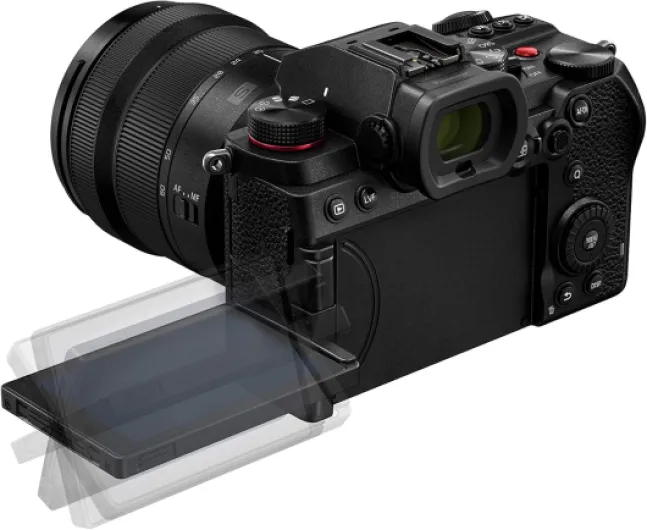
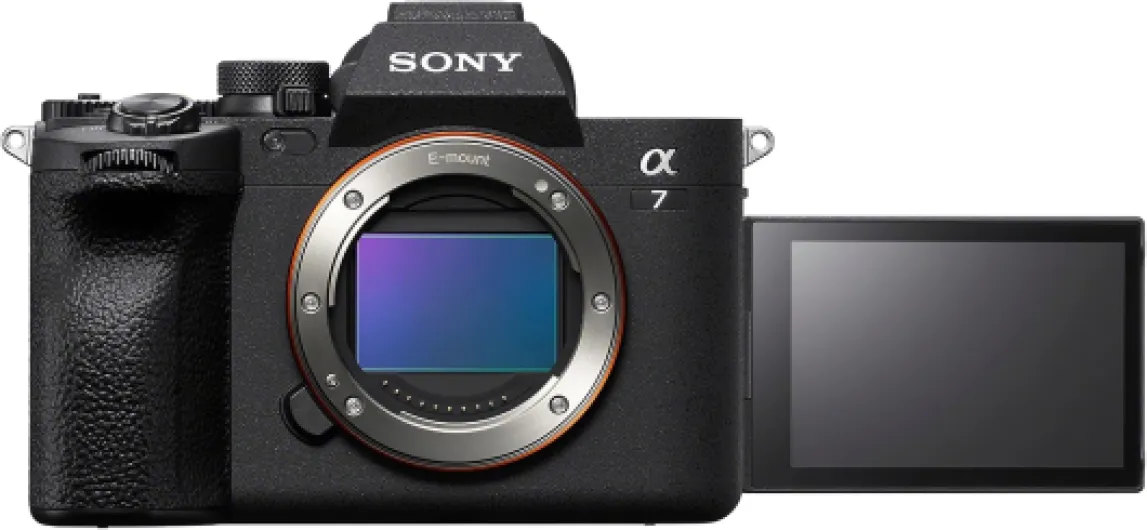
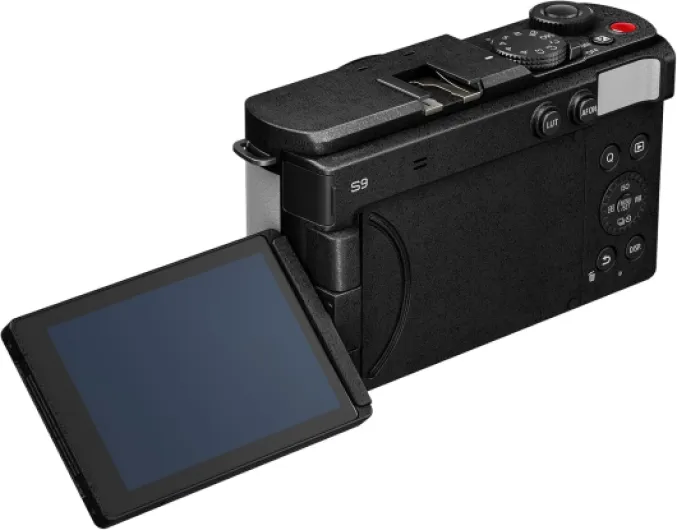
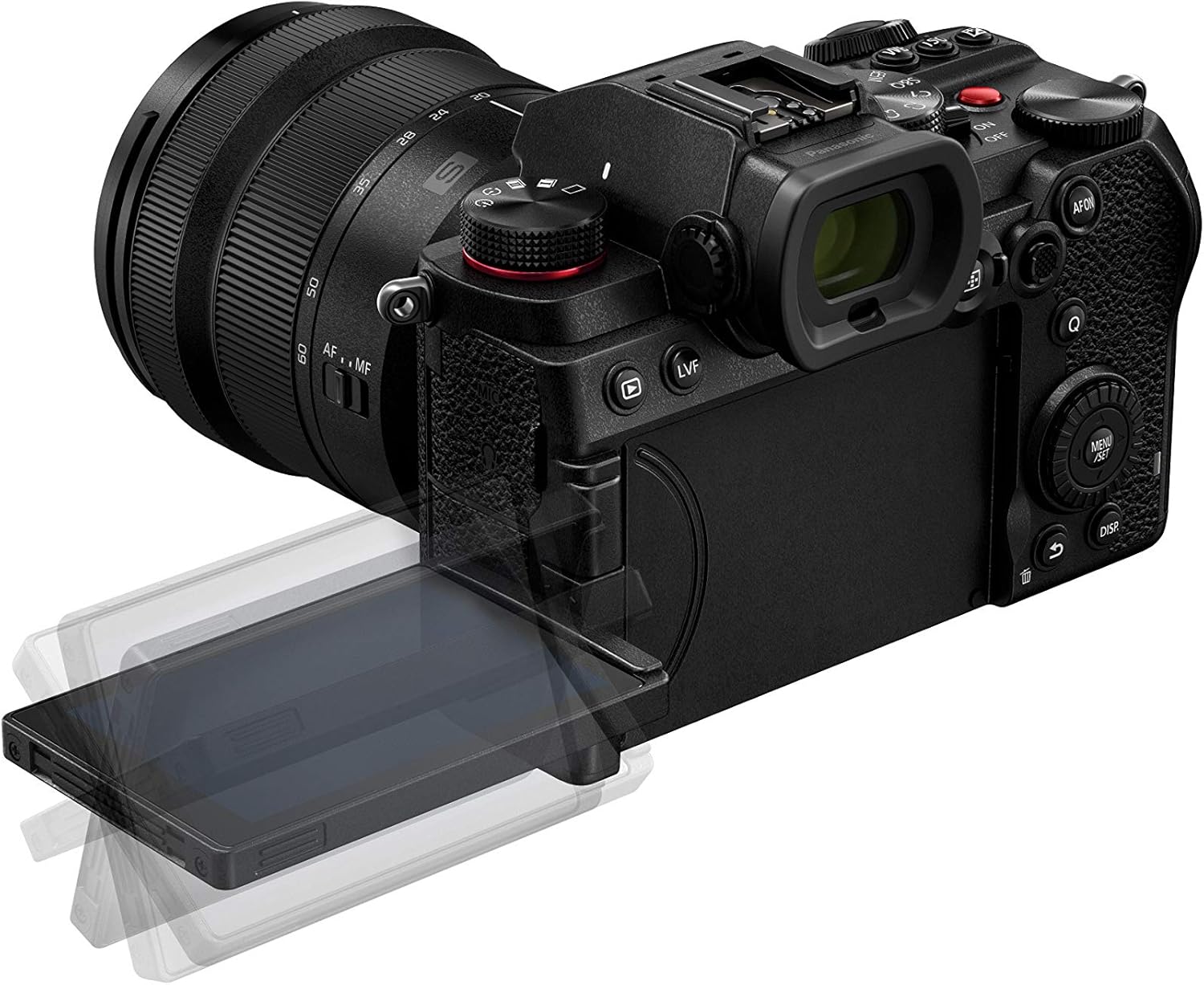
Video capabilities now play a central role in any frame mirrorless buying decision. Many of the best mirrorless bodies offer oversampled 4K, flat profiles, and fully articulating screens that simplify vlogging or self shooting. Dual card slots are another top tier feature, because they allow instant backup or separation of stills and video files, which is essential for professional reliability.
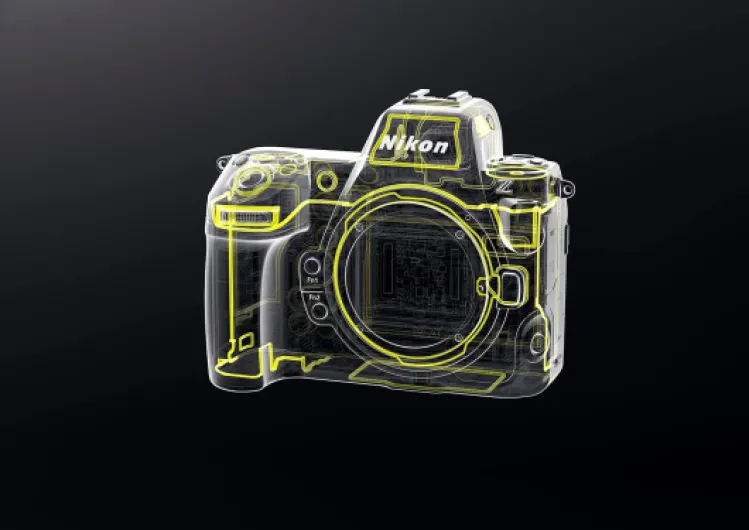
Durability and usability complete the picture for a serious full frame camera. A weather sealed body protects the frame sensor and internal electronics when you shoot travel projects in rain, dust, or snow. Ergonomic grips, customizable buttons, and clear menus help you react quickly, while a good selection of native lenses ensures that your mirrorless cameras can adapt to portraits, landscapes, and documentary work without compromise.
For owners of legacy film gear, even maintenance matters, and guides such as this resource on how to repair the metal spring in a Nikon SF 210 illustrate the long term value of robust camera systems. Understanding how components age can influence how you treat your new frame camera in demanding field conditions. Long term thinking often separates a casual purchase from a carefully planned investment in best mirrorless tools.
Image quality, dynamic range, and low light performance in practice
When photographers talk about the best full frame mirrorless cameras, they often mean bodies that excel in image quality. A large frame sensor gathers more photons at any given exposure, which reduces noise and preserves detail in shadows and highlights. This wider dynamic range lets you recover skies, skin tones, and dark foregrounds without banding or harsh transitions.
Low light performance is another decisive advantage of a full frame camera over smaller formats. With a modern stacked sensor and refined on chip circuitry, these mirrorless cameras maintain clean files at higher ISO values, which is vital for events, indoor sports, and night travel scenes. You can pair them with fast lenses to keep shutter speeds high, maintain subject sharpness, and still enjoy subtle color rendering.
Resolution also shapes how you use your mirrorless camera in real projects. High res sensors allow generous cropping, which effectively extends your lens range for wildlife or distant architecture without sacrificing too much image quality. However, extremely high res files demand more from your storage, your card slots, and your editing workstation, so balance ambition with practicality.
Color science and tonal response differ between Sony, Nikon, and Canon EOS systems, even when their specifications look similar. Some photographers prefer the neutral starting point of a Sony frame mirrorless body, while others like the warm skin tones from a Canon EOS Mark series camera. Nikon often emphasizes natural greens and blues, which landscape specialists appreciate when they evaluate best mirrorless options for outdoor work.
To master exposure and motion blur with any frame mirrorless body, it helps to study resources such as this guide on mastering shutter speed adjustments on a Nikon camera. Understanding how shutter speed, aperture, and ISO interact on a full frame sensor lets you fully exploit the dynamic range and low light strengths of your chosen mirrorless cameras. Technical fluency turns specifications into consistent, repeatable results in the field.
Autofocus, lenses, and handling for real world photography and travel
Autofocus performance often separates the best full frame mirrorless cameras from merely competent models. Modern phase detect systems cover a huge portion of the frame, which allows you to compose freely without constantly focusing and recomposing. Eye detection and subject recognition now work reliably for people, animals, and vehicles, so your frame camera can keep up with unpredictable travel moments.
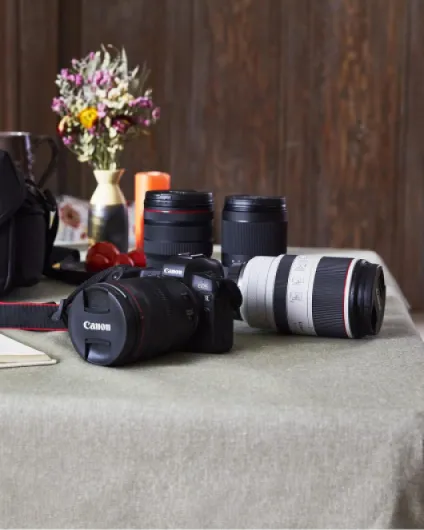
The choice of lenses shapes how your mirrorless camera behaves in daily use. Compact primes make a full frame camera feel nimble for street photography and discreet travel shooting, while large zoom lenses suit events, weddings, and reportage. Many Sony, Nikon, and Canon EOS mounts now offer both budget friendly lenses and top tier professional glass, which gives you a clear upgrade path.
Handling details such as a fully articulating screen, weather sealed construction, and well placed controls matter more than spec sheets suggest. A fully articulating display helps you frame low or high angle shots, record video pieces to camera, and manage awkward compositions without strain. Weather sealed bodies and lenses protect your frame mirrorless kit when you work in rain, sea spray, or dusty markets, which is common in serious travel photography.
Card slots also influence reliability and workflow when you shoot important assignments. Dual card slots allow instant backup or separation of RAW stills and video clips, which is vital for professionals who cannot risk data loss. Even enthusiasts benefit from this redundancy, especially when they push their best mirrorless cameras in remote locations with limited backup options.
For photographers who also explore other systems, resources such as this guide on how to choose a recommended Fujifilm camera for photography and travel show how different brands prioritize ergonomics and lens design. Comparing Fujifilm APS C bodies with Sony, Nikon, or Canon EOS full frame mirrorless cameras clarifies the trade offs between size, image quality, and system depth. Such comparisons help you decide whether a full frame sensor truly matches your photography and travel needs.
Comparing Sony, Nikon, and Canon EOS in the full frame mirrorless arena
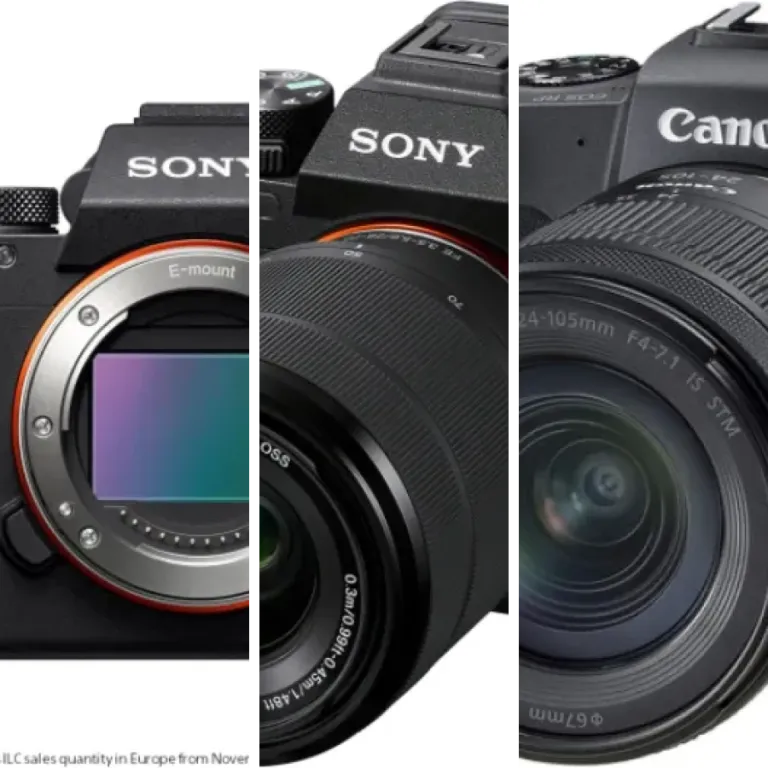
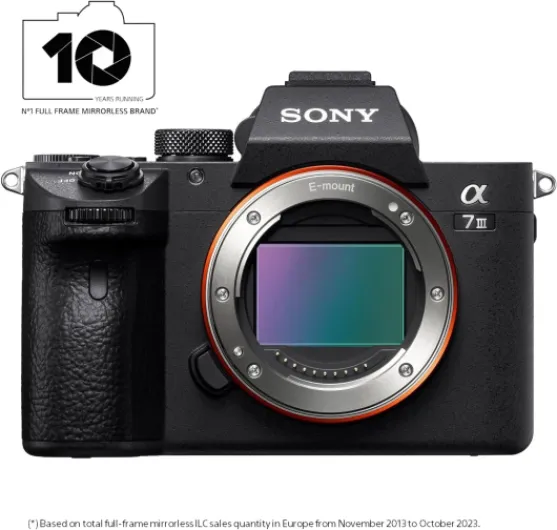
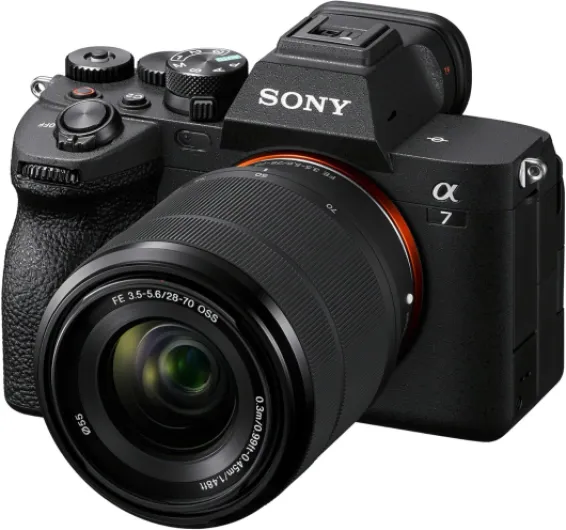
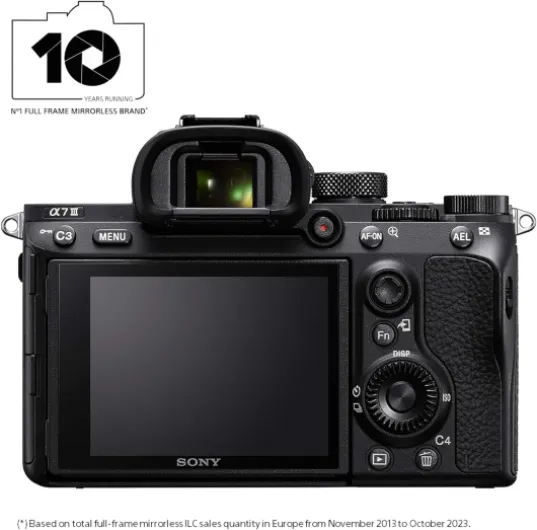
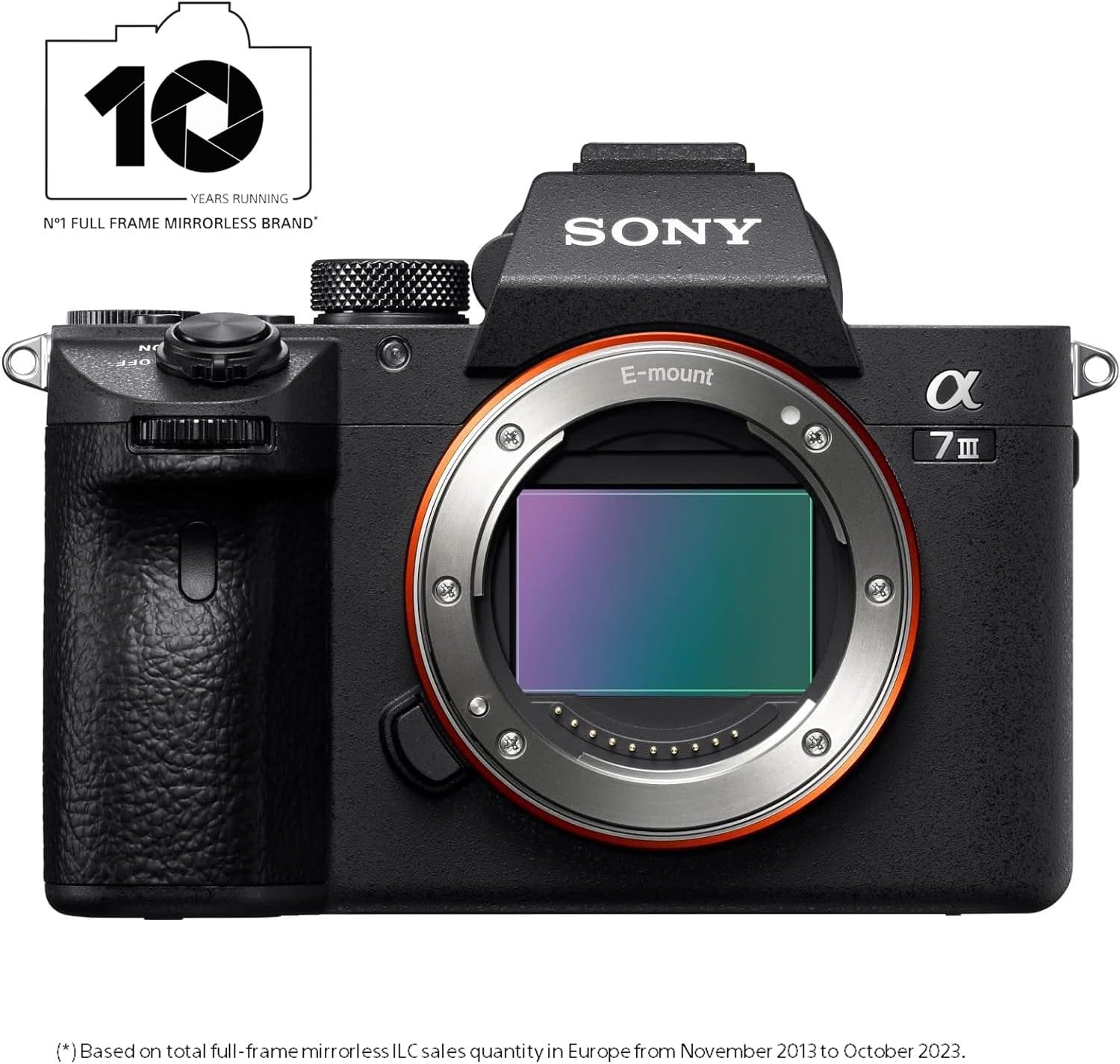
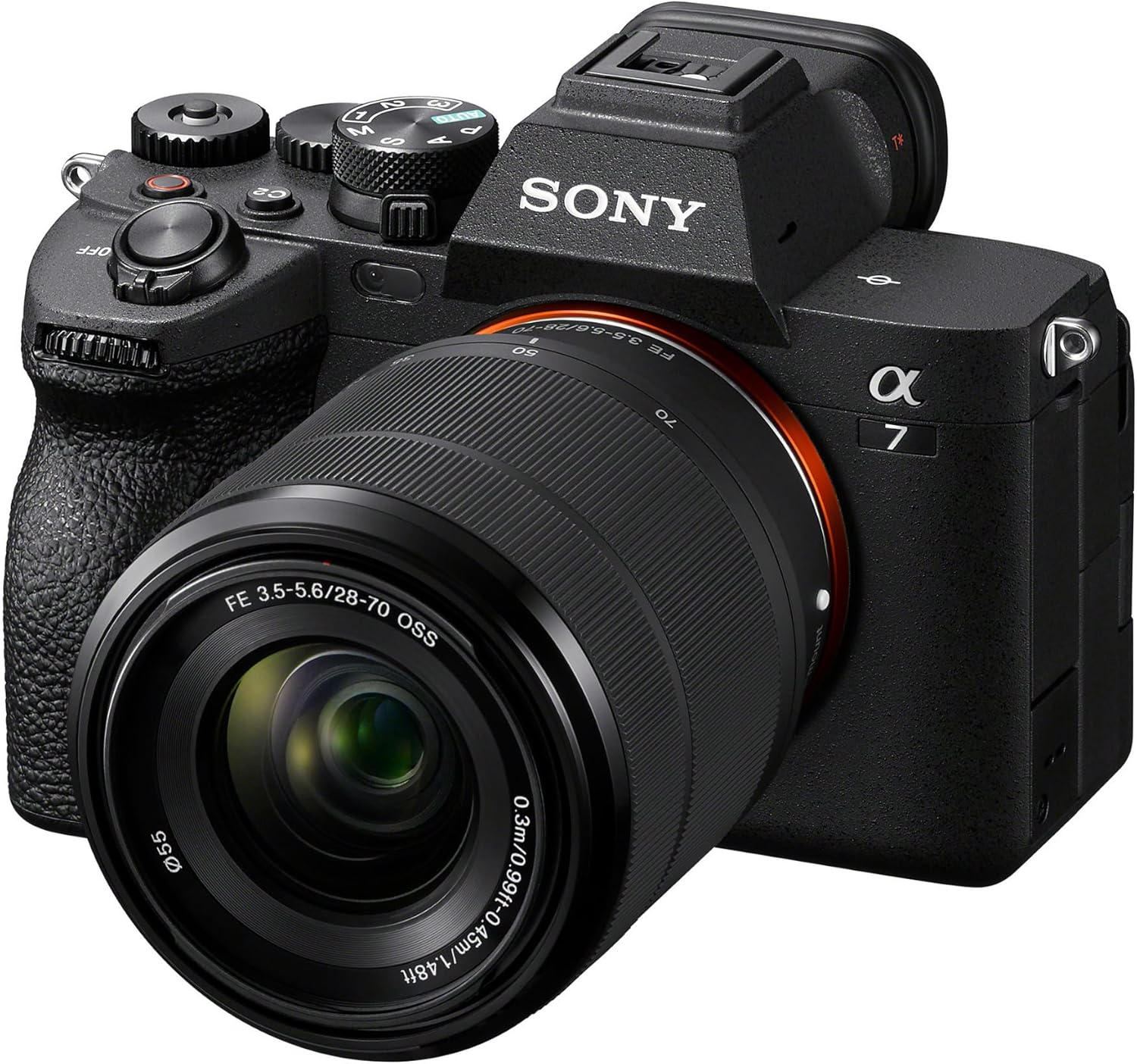
Within the market for the best full frame mirrorless cameras, each major brand brings distinct strengths. Sony helped define the modern mirrorless camera category, and its frame mirrorless lineup now spans compact bodies for travel, hybrid models for video, and top tier flagships with stacked sensor technology. These Sony cameras often lead in autofocus innovation, fps performance, and third party lens support.
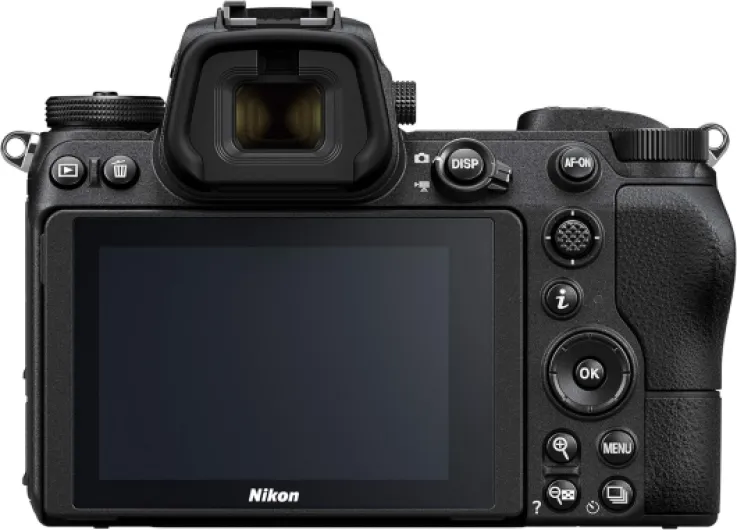
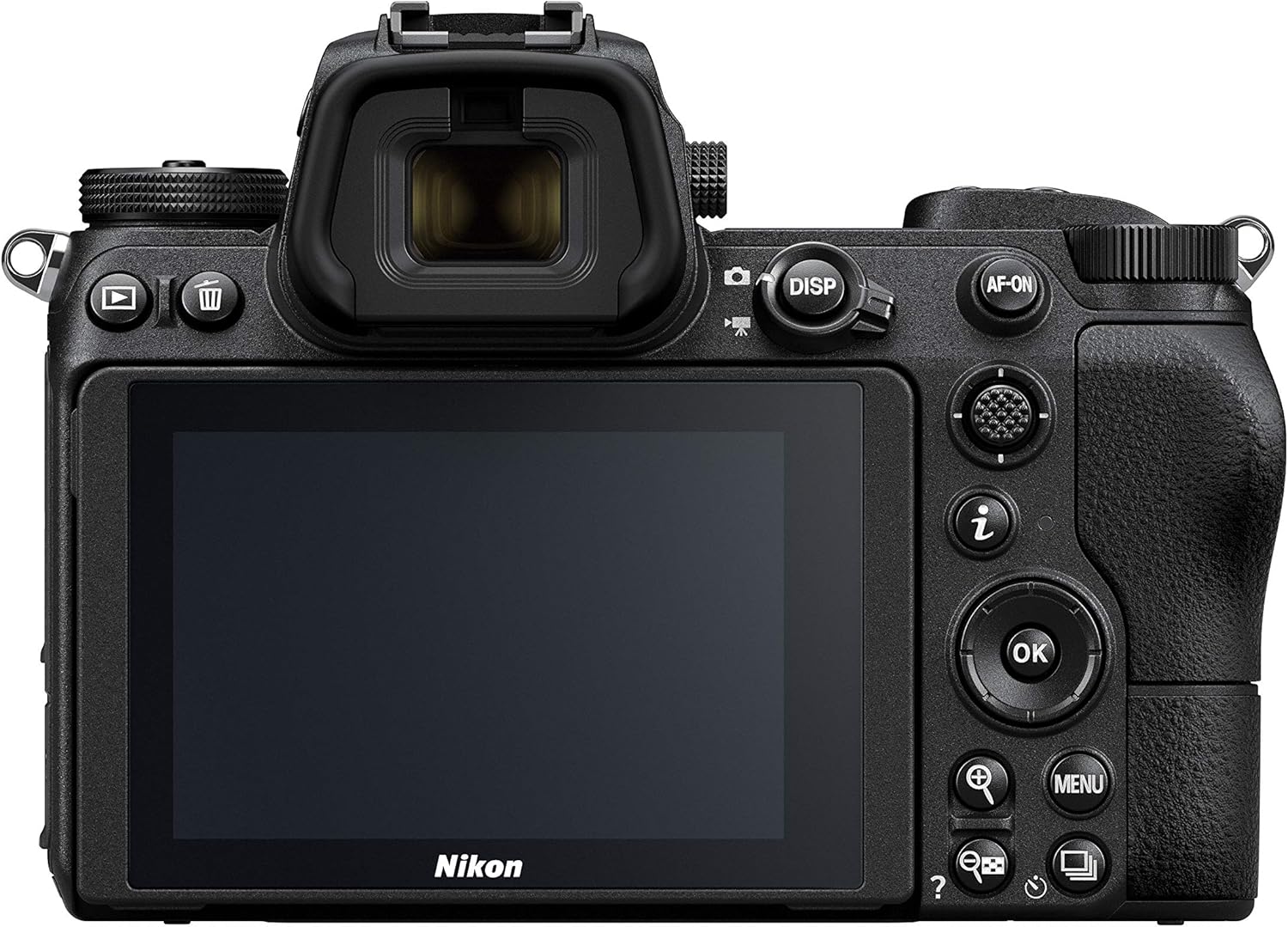
Nikon entered the full frame mirrorless space later but has matured quickly. Its frame camera bodies emphasize comfortable grips, intuitive menus, and excellent viewfinders, which appeal to photographers who value tactile shooting. Many Nikon lenses balance sharpness, size, and weather sealed construction, making them strong companions for landscape and wildlife photography.
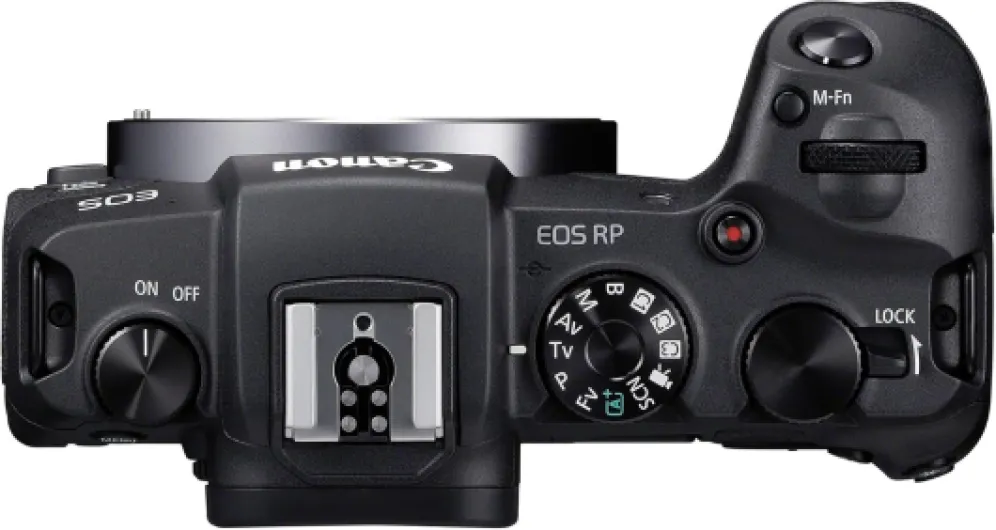
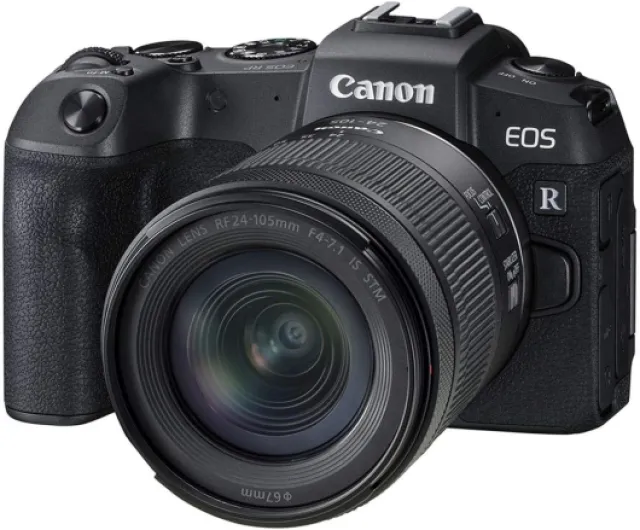
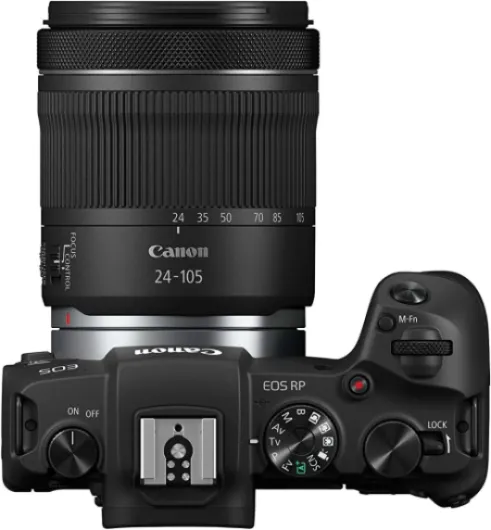
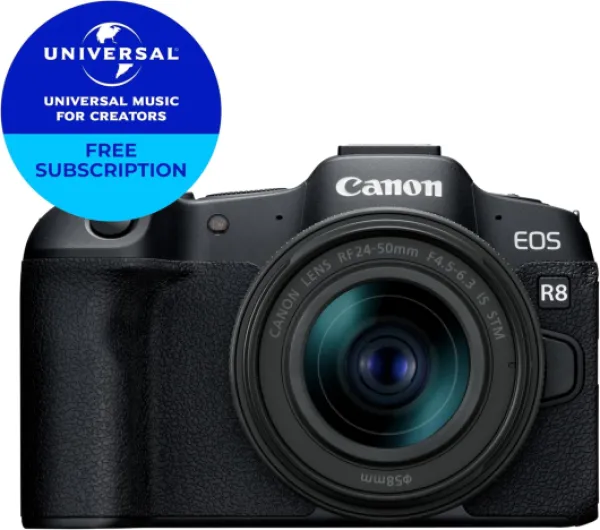
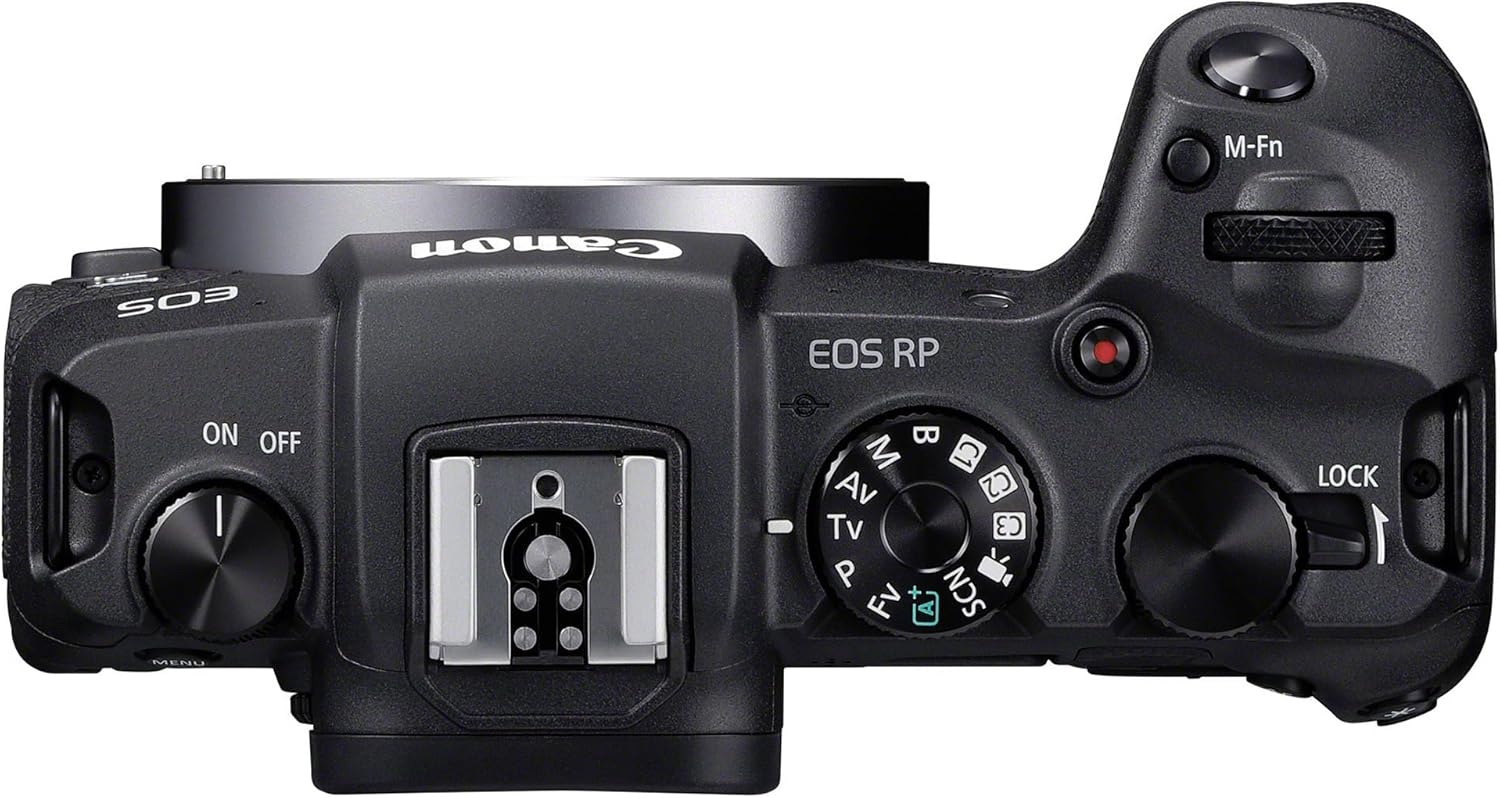
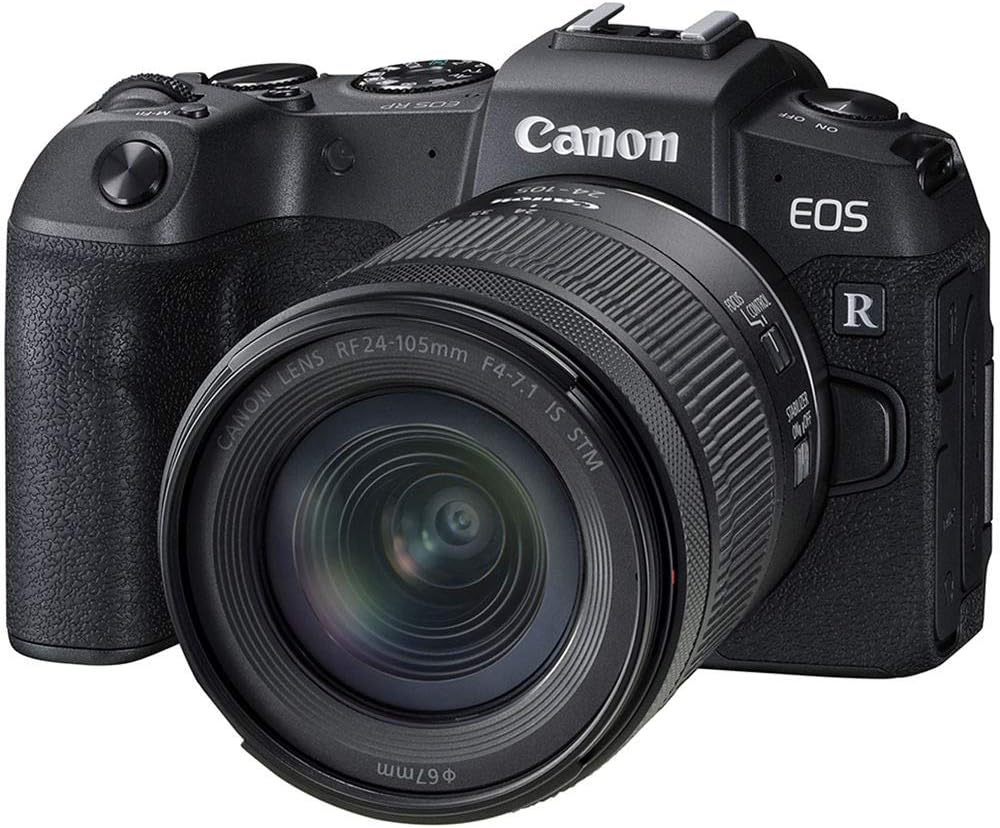
Canon EOS mirrorless cameras build on decades of DSLR experience while embracing new technologies. A Canon EOS Mark series body typically offers strong video features, fully articulating screens, and pleasing color science that many portrait and wedding specialists trust. Canon lenses for its mirrorless mount now cover a wide range, from compact travel primes to large aperture zooms with excellent optical performance.
Across these brands, image quality and dynamic range differences have narrowed, so handling and ecosystem often matter more. You should consider how each full frame camera feels in your hand, how the menus align with your habits, and whether the available lenses match your creative plans. The best mirrorless choice is rarely about one specification; it is about the complete experience of using the camera daily.
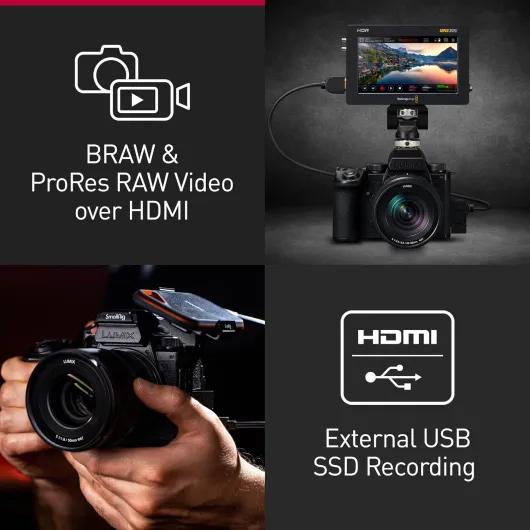
Hybrid creators who balance photography and video should pay special attention to overheating behavior, codec options, and card slots. Some Sony, Nikon, and Canon EOS bodies offer dual card slots with fast standards, which support high bitrate video and rapid stills bursts. When combined with a robust stacked sensor and reliable autofocus, these features turn a frame mirrorless body into a versatile tool for both studio and travel assignments.
Why full frame mirrorless is not always the automatic best choice
Although the best full frame mirrorless cameras deliver impressive image quality, they are not the ideal solution for every photographer. A full frame sensor requires larger lenses to cover the image circle, which can make a travel kit heavier than an equivalent micro thirds or APS C setup. For some users, a smaller mirrorless camera with compact lenses offers a better balance between portability and performance.
Cost is another factor that complicates the idea of a single best mirrorless format. A high res frame sensor body with stacked sensor technology, weather sealed construction, and dual card slots often commands a premium price. When you add top tier lenses, the total investment can exceed that of a capable medium format or micro thirds system, depending on your priorities.
Depth of field control, often cited as a full frame advantage, can also become a challenge. At very wide apertures, keeping moving subjects in focus demands precise autofocus and careful technique, especially when you shoot video or portraits. Some photographers prefer the slightly deeper depth of field from smaller sensors, which can make everyday photography more forgiving.
Finally, not every project requires the dynamic range and low light strengths of a frame mirrorless body. For web only content, social media, or casual travel albums, the gains from a full frame camera may be subtle compared with modern smaller formats. The key is to match the camera and lenses to your real world needs, rather than chasing specifications that sound impressive but rarely influence your final images.
Practical checklist for choosing your best full frame mirrorless kit
When you are ready to choose among the best full frame mirrorless cameras, start with a clear checklist. First, define your primary use cases, such as travel, weddings, wildlife, or mixed photography and video work. Then, compare Sony, Nikon, and Canon EOS options that match those needs, paying close attention to autofocus behavior, fps rates, and ergonomics.
Next, evaluate the lens roadmap for each mirrorless camera system. Make sure there are affordable lenses for your current projects and top tier options you might grow into later, including weather sealed zooms and fast primes. Remember that lenses often outlast bodies, so a thoughtful lens plan can matter more than chasing the latest frame camera release.
Handling tests are essential before committing to any frame mirrorless body. Check whether the grip suits your hand, whether the fully articulating screen moves smoothly, and whether the menus feel intuitive. Confirm that the card slots support the speeds you need for high res stills and demanding video codecs, especially if you plan to shoot long events.
Finally, consider long term support, firmware updates, and service networks for your chosen brand. Sony, Nikon, and Canon all maintain extensive service infrastructures, but local availability can vary, which affects downtime if your mirrorless cameras need repair. By weighing sensor performance, dynamic range, autofocus, lenses, and practical support together, you can build a full frame kit that serves you reliably for many years of serious photography and travel.
Key statistics about full frame mirrorless cameras
- Market share for full frame mirrorless cameras has grown significantly compared with DSLRs, reflecting a clear shift in buyer preferences.
- Average continuous shooting speeds now commonly reach 10 to 20 fps, especially in models that use stacked sensor designs.
- Dynamic range for modern full frame sensors often exceeds 14 stops, which supports extensive post processing flexibility.
- Low light performance improvements allow clean results at ISO values that were previously considered unusable in older camera generations.
Common questions about the best full frame mirrorless cameras
Are full frame mirrorless cameras always better than APS C or micro thirds models
Full frame mirrorless cameras offer advantages in image quality, dynamic range, and low light performance, but they are not automatically better for every user. APS C and micro thirds systems can be lighter, more affordable, and sufficient for many travel or web focused projects. The best choice depends on your budget, portability needs, and how you plan to use your images.
Do I really need a stacked sensor in my full frame camera
A stacked sensor benefits photographers who shoot fast action, sports, or demanding video, because it enables higher fps and reduces rolling shutter. If you mainly capture static scenes, portraits, or casual travel photography, a conventional frame sensor may be entirely adequate. Consider your shooting style before paying extra for this top tier technology.
How important are dual card slots in a mirrorless camera
Dual card slots provide redundancy and flexibility, which is crucial for professional work or once in a lifetime events. They allow instant backup or separation of RAW stills and video files, reducing the risk of data loss. Enthusiasts who value security and efficient workflow also benefit from this feature in their best mirrorless bodies.
Is a fully articulating screen necessary for photography and video
A fully articulating screen is not strictly necessary, but it greatly improves usability. It helps with low and high angle compositions, self recording, and tight spaces where the viewfinder is awkward. Many hybrid creators now consider a fully articulating display a core feature of a modern frame mirrorless camera.
Should I prioritize lenses or the camera body when building a system
Lenses usually have a longer useful life than camera bodies, so they deserve priority. Investing in a small set of excellent lenses can improve image quality and creative options more than frequent body upgrades. Choose a full frame mirrorless system with a lens roadmap that supports both your current needs and your future ambitions.