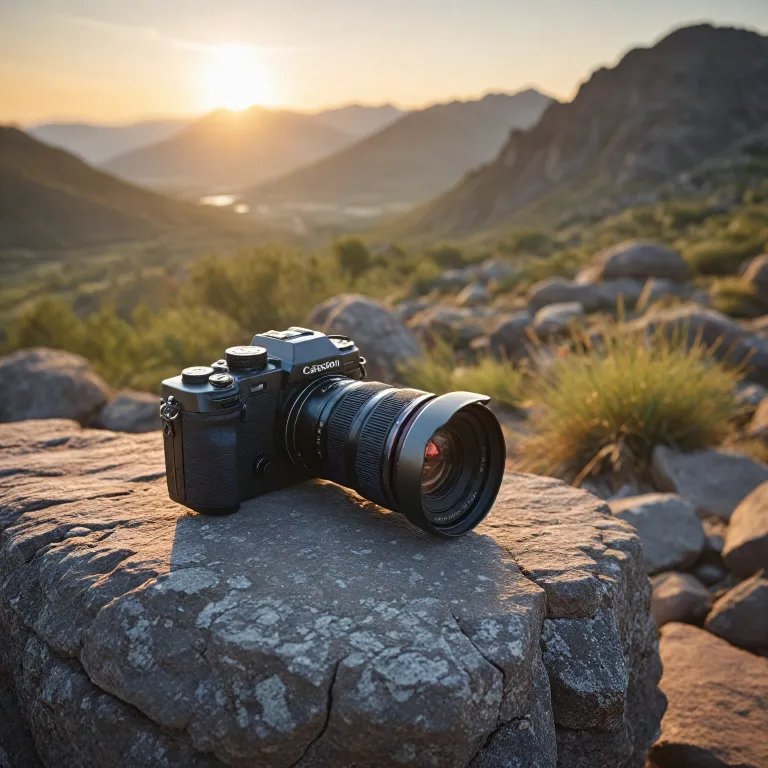
Understanding what makes a lens for wide angle landscape effective
A dedicated lens for wide angle landscape work changes how you see scenes. By expanding the field of view, this type of lens lets your landscape photography include sweeping skies, layered mountains, and a strong foreground that anchors the shot. When you choose between different lenses, you are really choosing how the viewer will experience depth, scale, and composition in every frame.
For most landscape situations, a focal length between 14 mm and 35 mm on a full frame camera offers a versatile focal range. This wide angle window gives you enough range to move from ultra wide drama to a more natural angle that still keeps the landscape dominant in the image. Understanding how focal lengths translate between APS C and full frame bodies will help you select the best lens for your current camera and any future upgrades.
Landscape photographers often focus on the best balance between image quality, price, and weight. A prime angle lens can deliver exceptionally sharp results, but a zoom with a flexible focal range may suit varied angle landscapes during travel. Whether you shoot with Nikon or Sony, the best lenses for landscapes share similar traits, including strong edge to edge sharpness, controlled distortion, and reliable weather sealing.
Depth field is another critical factor when choosing a lens landscape setup. With a wide angle lens, you can keep both the foreground and distant mountains sharp by stopping down the aperture and focusing carefully. This combination of focal length, aperture choice, and composition will give your landscape photography a three dimensional feel that pulls the viewer into the frame.
Balancing focal length, field of view, and composition in landscapes
Every lens for wide angle landscape work shapes the field view and the sense of space. A shorter focal length increases the field of view, exaggerating the distance between foreground and background in the image. This effect can make a modest hill look like a dramatic peak when the composition places a strong foreground element close to the camera.
Many landscape photographers rely on focal lengths around 16 mm to 24 mm for a natural yet expansive look. At these settings, wide lenses still keep lines relatively straight while offering enough angle to include sky, midground, and background in a single frame. When you move toward ultra wide focal lengths, you must manage distortion carefully to maintain a believable landscape.
On Nikon and Sony bodies, you will find both zooms and primes that cover this crucial focal range. A best lens for landscape photography often starts at 14 mm or 16 mm, giving you flexibility for tight valleys and open coastlines. If you use a lens Sony design on an APS C camera, remember that the effective focal length changes, narrowing the field of view compared with a full frame sensor.
Composition remains central when working with any wide angle lens or angle lenses. Place a rock, flower, or textured path in the foreground to guide the eye through the landscape and into the distant frame. For photographers comparing options, a detailed guide to related imaging tools and accessories can complement your understanding of how lenses interact with your broader photography workflow.
Managing sharpness, depth of field, and image quality
A carefully chosen lens for wide angle landscape photography should deliver consistent sharp results from corner to corner. When you evaluate lenses, look at how sharp the image appears at typical landscape apertures such as f/8 or f/11. This is where many wide lenses reach their peak image quality, balancing resolution, contrast, and minimal aberrations.
Depth field control is slightly different with a wide angle lens compared with a telephoto option. Because shorter focal lengths naturally increase depth of field, you can keep more of the landscape in focus without resorting to extremely small apertures. This characteristic allows a landscape photographer to maintain both a detailed foreground and a crisp horizon in a single shot.
Modern Nikon and Sony wide lenses often include advanced coatings and optical designs that reduce flare and ghosting. These improvements help preserve contrast when shooting into the sun, a common scenario in landscape photography at sunrise or sunset. When comparing price and performance, remember that the best lenses usually maintain strong image quality even in challenging backlit conditions.
For photographers who capture large RAW files, a reliable memory card is as important as a sharp lens landscape setup. Testing tools such as a high performance SD card for 4K camera work can safeguard your landscape photography sessions. By pairing robust storage with a high quality wide angle lens, you protect both the technical and creative sides of every frame.
Choosing between ultra wide, standard wide, and super telephoto options
When selecting a lens for wide angle landscape projects, you must decide how extreme you want the perspective to feel. Ultra wide lenses, typically between 10 mm and 16 mm on full frame, create a dramatic field view that can make foreground elements dominate the frame. This look suits bold compositions where the foreground leads powerfully into the distant landscape.
Standard wide lenses, often in the 20 mm to 28 mm focal length range, offer a more natural perspective. Many landscape photographers consider this range the best compromise between immersive angle and realistic proportions in the image. With these focal lengths, you can still emphasize the foreground while keeping mountains, forests, and coastlines looking believable.
Although super telephoto lenses are not traditional choices for wide angle landscapes, they still play a role in a complete landscape photography kit. A super telephoto focal length allows you to isolate distant peaks or compress layers of hills into a tight frame. By combining wide lenses and long focal lengths, a landscape photographer can interpret the same scene in multiple ways during a single session.
Both Nikon and Sony systems offer best lenses across this spectrum, from ultra wide zooms to compact telephoto primes. When comparing each lens Sony or Nikon option, consider price, weight, and how the focal range complements your existing camera body. For a broader overview of how different lenses shape your photography, consult a detailed guide to top digital camera lenses for enthusiasts.
Working with full frame and APS C cameras in landscape photography
The choice between a full frame camera and an APS C body strongly influences how a lens for wide angle landscape behaves. On a full frame sensor, a 16 mm focal length delivers a very wide field of view that suits expansive angle landscapes. On an APS C camera, that same focal length behaves more like a moderate wide lens, narrowing the frame and changing your composition options.
Landscape photographers using Nikon or Sony APS C cameras must account for this crop factor when selecting focal lengths. To achieve a similar field view to a 16 mm full frame lens, you may need a focal length around 10 mm or 11 mm on an APS C body. This adjustment ensures that your wide lenses still capture the sweeping landscape photography scenes you envision.
Full frame cameras often provide advantages in dynamic range and high ISO performance, which can improve overall image quality. However, APS C bodies paired with the best lenses still deliver excellent results at a more accessible price. When choosing a lens Sony or Nikon design, confirm whether it is optimized for full frame or APS C, because this affects both focal range and potential future upgrades.
Regardless of sensor size, the fundamentals of composition, depth field, and foreground placement remain the same. Use your angle lens to place leading lines, rocks, or water patterns in the foreground, guiding the viewer through the landscape and into the distant frame. By understanding how focal lengths translate between formats, you ensure that every lens landscape choice supports your creative intent.
Practical field techniques for sharper, more engaging wide angle landscapes
In real world conditions, a lens for wide angle landscape photography performs best when paired with solid technique. Start by stabilizing the camera on a tripod, which allows you to use lower ISO values and maintain maximum image quality. With the camera secure, you can fine tune composition, adjust focal length, and wait for the perfect light without rushing the shot.
Focus placement is critical when working with wide lenses and deep landscapes. Many landscape photographers use the hyperfocal distance method, focusing slightly beyond the foreground to maximize depth field across the frame. This approach keeps both the immediate foreground and distant mountains acceptably sharp, especially when using apertures between f/8 and f/11 on a full frame camera.
Pay close attention to the edges of the image, because a wide angle lens can easily include distracting elements. Before pressing the shutter, scan the frame for bright rocks, branches, or people that weaken the composition in the landscape. Adjust your position, focal length, or angle lens orientation until every part of the frame supports the main subject.
Finally, remember that the best lens is only part of a thoughtful landscape photography workflow. Combine careful lens landscape selection with deliberate timing, weather awareness, and patient observation of light across angle landscapes. When you align focal lengths, field view, and composition with the character of the scene, your wide lenses will consistently produce compelling, sharp, and emotionally resonant images.
Key statistics about wide angle landscape lenses
- Typical wide angle focal lengths for landscapes on full frame cameras range from 14 mm to 35 mm, covering most field of view needs for expansive scenes.
- Many landscape photographers report using apertures between f/8 and f/11 in more than 70 % of their wide angle landscape shots to balance sharpness and depth of field.
- Ultra wide lenses below 16 mm can increase the apparent size of foreground elements by up to 30 % compared with standard wide focal lengths, significantly affecting composition.
- Weather sealed wide lenses are preferred by a majority of outdoor photographers who regularly work in rain, sea spray, or dusty environments.
- High quality wide angle zooms often maintain over 80 % of their maximum sharpness from center to corners at typical landscape apertures.
Common questions about choosing a lens for wide angle landscape photography
What focal length is most useful for general landscape photography
For most landscape photography situations, focal lengths between 16 mm and 24 mm on a full frame camera provide a versatile balance of width and natural perspective. This range allows you to include a strong foreground while keeping distant features realistically proportioned in the image. On APS C cameras, look for lenses that provide an equivalent field of view, typically around 10 mm to 16 mm.
Is an ultra wide lens always better for dramatic landscapes
An ultra wide lens can create very dramatic angle landscapes, but it is not always the best choice. Extreme focal lengths can make distant mountains appear smaller and may introduce distortion that complicates composition. Many landscape photographers prefer to carry both an ultra wide and a standard wide lens to adapt to different scenes.
Do I need a full frame camera for high quality landscape photography
A full frame camera offers advantages in dynamic range and noise performance, which can enhance image quality in challenging light. However, modern APS C cameras paired with the best lenses can produce excellent landscape photography results. The choice between formats should consider budget, weight, and how each system fits your shooting style.
How important is lens sharpness compared with composition
Lens sharpness matters, especially for large prints and detailed landscapes, but composition remains more important overall. A well composed frame with thoughtful use of foreground, leading lines, and light will usually outperform a technically perfect yet poorly composed shot. Aim to choose a lens landscape setup that is sharp enough, then focus your energy on creative decisions in the field.
Should I invest in a prime or zoom lens for landscapes
Prime lenses often deliver slightly better sharpness and wider maximum apertures, while zooms provide flexibility across a broader focal range. For many landscape photographers, a high quality wide angle zoom offers the best balance of convenience and performance. If you frequently shoot in low light or value minimal weight, a compact wide prime can be an excellent complement to your kit.