Evaluating stability, load capacity, and height for serious photography
Stability defines whether a tripod truly belongs among the best digital camera tripods. If the legs flex or the head creeps under load, even the sharpest camera and lens will not deliver consistent results. A stable camera tripod lets you shoot long exposures, panoramas, and time lapses with confidence.
Always compare the stated load capacity with your real world camera weight. Include the camera body, heaviest lens, and any accessories like a flash or microphone in that calculation. For safety, many experts recommend choosing a tripod with a max load at least double your total camera load.
Tripods tested in independent labs often reveal that cheaper models exaggerate load capacity. Premium carbon fiber tripods from Vanguard Alta, Vanguard Veo, or K&F Concept usually perform closer to their specifications. When a tripod head and legs are both rated for high load, the system resists vibration better in wind.
Maximum height matters for comfort, especially during long landscape or architectural sessions. Ideally, the camera viewfinder should reach your eye level without fully extending the center column. Raising the center column reduces stability, so the best tripod designs keep most height in the legs.
For wildlife or sports, pairing a stable tripod with the right camera is essential. Photographers comparing options for a dedicated wildlife body can review this guide on the best camera for wildlife. Matching a robust camera with a high load capacity tripod ensures sharp images even with heavy telephoto lenses.
Travel tripods, mini tripods, and monopods for photographers on the move
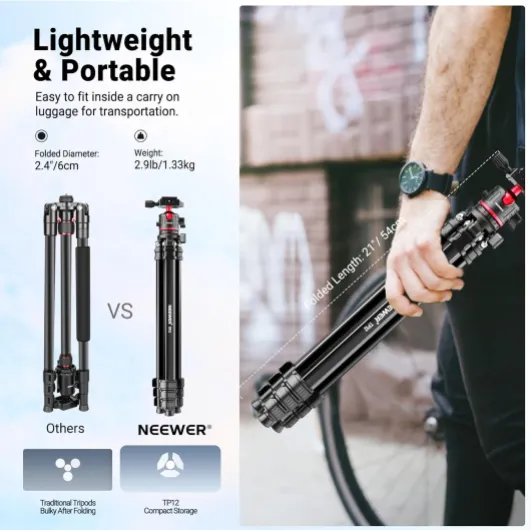
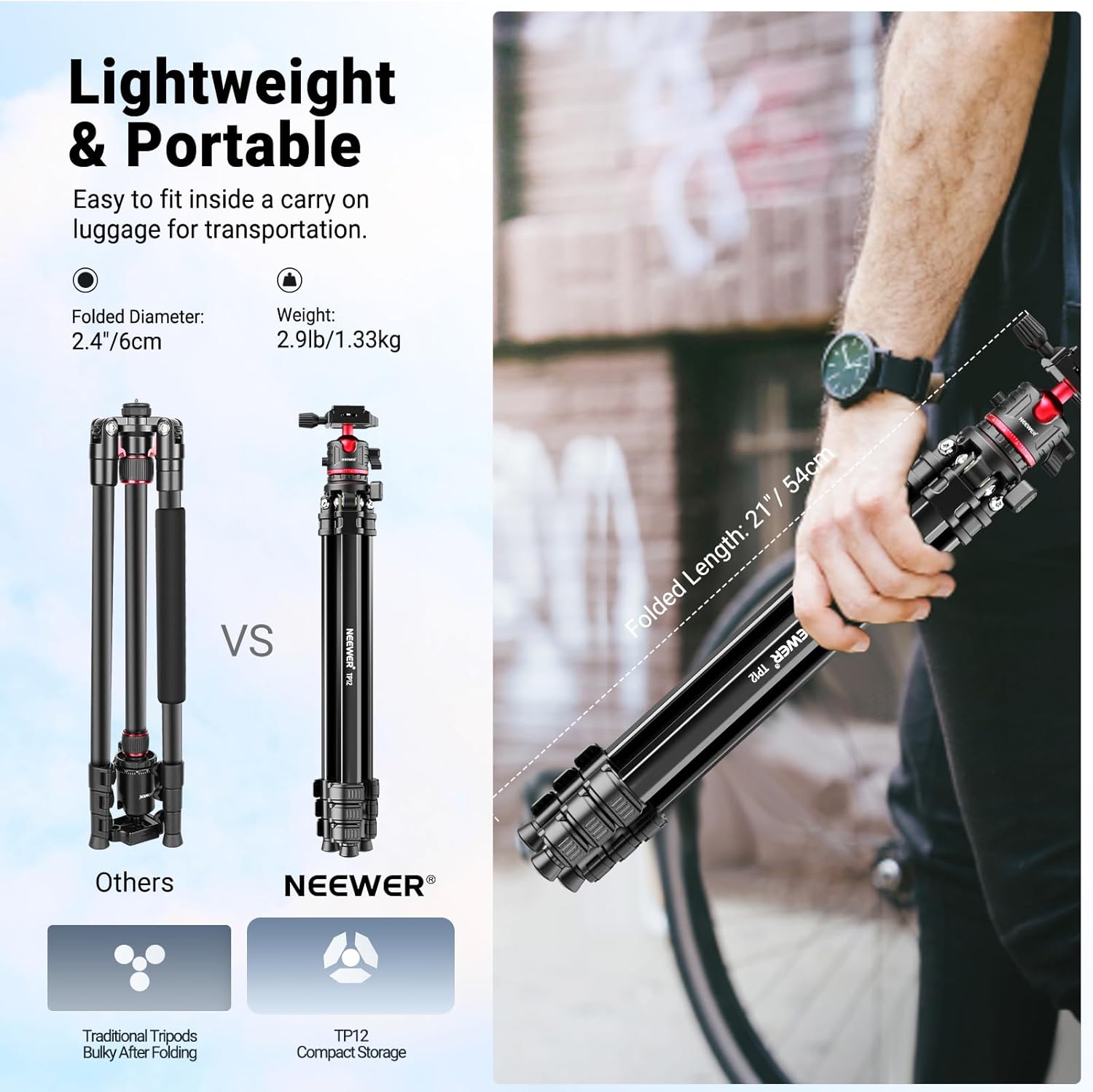
Travel tripods aim to deliver stability in a compact, lightweight design. Folding legs, short center columns, and carbon fiber construction help a travel tripod fit easily into cabin luggage. The best digital camera tripods for travel keep weight low without sacrificing essential rigidity.
Many travel tripods use reverse folding legs around the head to reduce packed length. This design allows a camera tripod to slip into a backpack side pocket or small suitcase. Twist locks on each leg section speed up setup, though some photographers still prefer flip locks for tactile feedback.
A mini tripod offers another solution when space is extremely limited. Mini tripods sit close to the ground, supporting a camera for low angle landscapes, vlogs, or macro work. Despite their small size, the best mini tripod models still quote a realistic max load and load capacity.
Monopods provide partial stability with far less weight than full tripods. A monopod supports the camera vertically, reducing fatigue when tracking action or wildlife. Some Vanguard Alta and Vanguard Veo kits even convert one leg into a monopod, extending the system’s flexibility.
Photographers who enjoy both digital and analog workflows may pair a compact travel tripod with a film body. For budget conscious shooters, this overview of the best budget friendly film cameras can complement a lightweight tripod kit. Whether you mount a modern mirrorless camera or a classic film camera, stable support remains essential.
Carbon fiber versus aluminum and the role of leg design
Choosing between carbon fiber and aluminum legs shapes how a tripod behaves in the field. Carbon fiber tripods usually weigh less, dampen vibration faster, and feel warmer to the touch in cold weather. Aluminum tripods cost less and can be slightly more robust against impacts, though they transmit more vibration.
The best digital camera tripods use carefully engineered leg geometry to maximize stability. Thicker upper leg sections and fewer total segments usually improve rigidity, especially at full height. However, more leg sections allow a travel tripod to fold shorter, which matters for airline carry on rules.
Twist locks have become common on carbon fiber tripods because they seal well against dust and moisture. With practice, photographers can unlock or lock all leg sections in one smooth motion. Flip locks remain popular for users who want a quick visual confirmation that each leg is secure.
The center column design also influences stability and versatility. A short or removable center column lets the camera tripod sit close to the ground for macro or product photography. Systems like the Vanguard Alta Pro allow the center column to swing horizontally, turning the tripod into a flexible studio tool.
Brands such as Vanguard Alta, Vanguard Veo, K&F Concept, and 3 legged thing compete strongly on leg design innovation. Many of their tripods tested by reviewers show excellent stiffness relative to weight, especially in carbon models. Shoppers often compare prices on platforms like Amazon, where detailed user reviews highlight long term durability.
Heads, quick release systems, and everyday usability
The tripod head determines how smoothly you can position the camera. A high quality ball head allows fast framing adjustments, then locks firmly under load. For video or precise panning, a fluid head or three way head may still be the best choice.
Quick release systems make mounting and removing the camera far more efficient. Most of the best digital camera tripods now use Arca type quick release plates for broad compatibility. With a solid quick release clamp, you can move a camera between a tripod, monopod, and mini tripod in seconds.
When comparing heads, pay attention to both max load and real world performance. Some compact ball heads claim high load capacity but struggle to hold a heavy camera at an angle. Tripods tested by independent reviewers often reveal which ball head designs resist creep and vibration best.
Ergonomics also matter, especially for travel tripods used all day. Smooth knobs, clear friction controls, and intuitive leg angle selectors reduce frustration in the field. A well designed camera tripod encourages you to use it more often, which directly improves image consistency.
Photographers researching a complete setup may also evaluate bodies in the APS C mirrorless segment. This detailed guide to the top APS C mirrorless cameras pairs naturally with an analysis of tripod best practices. Matching a responsive camera with a stable tripod head and legs unlocks the full potential of modern sensors.
Real world buying advice and how to use tripods effectively
Buying the best tripod for your camera starts with honest self assessment. List your heaviest camera and lens combination, typical shooting locations, and preferred travel style. Then compare tripods tested by reputable reviewers, focusing on stability, weight, and maximum height rather than only price.
For landscape photographers, a carbon fiber travel tripod with twist locks and a strong ball head often works best. Street and documentary shooters may prefer a lighter camera tripod that fits easily into a day bag. Studio and product specialists usually choose heavier tripods with higher load capacity and a versatile center column.
Once you own a tripod, technique matters as much as specifications. Extend the thickest leg sections first, keep the center column as low as possible, and hang a bag from the center hook only if the design supports that load. Always lock each leg and head control firmly before letting go of the camera.
Platforms like Amazon provide a useful overview of how tripods survive real use. Look for comments about worn twist locks, slipping center columns, or underperforming max load ratings. Consistent praise for stability and design usually signals a tripod best suited to demanding photographers.
Whether you choose a Vanguard Alta, Vanguard Veo, K&F Concept, or 3 legged thing model, prioritize stability and usability over minor weight savings. A reliable camera tripod or monopod quickly becomes an invisible partner, supporting every creative decision. Over time, the best digital camera tripods pay for themselves in sharper, more consistent images.