

Understanding magnetic filters for digital cameras
What Makes Magnetic Filters Unique?
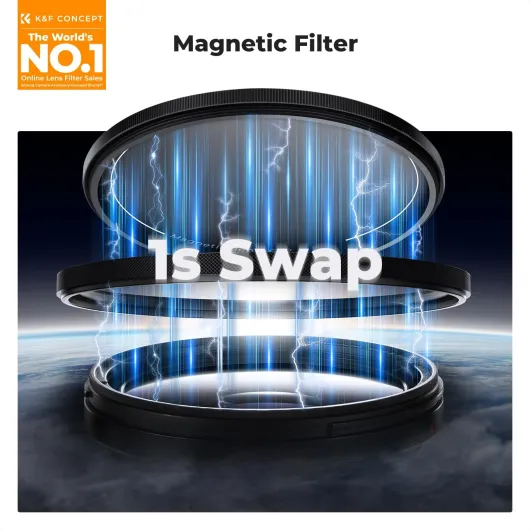
Magnetic filters are a modern solution for photographers looking to simplify and speed up the process of attaching filters to their camera lenses. Unlike traditional screw-on filters, magnetic filters use a magnetic adapter ring that attaches to the front of your lens. This system allows you to quickly snap filters on and off, making it much easier to adapt to changing light conditions or creative needs.
These filters are designed for full compatibility with most popular camera brands and lens sizes. The magnetic field created by the adapter ring holds the filter securely in place, even during high intensity shoots or when working outdoors. This easy install approach is especially useful for photographers who need to switch between different types of filtration, such as neutral density or mist filters, without wasting time or risking cross-threading.
How the Magnetic Filtration System Works
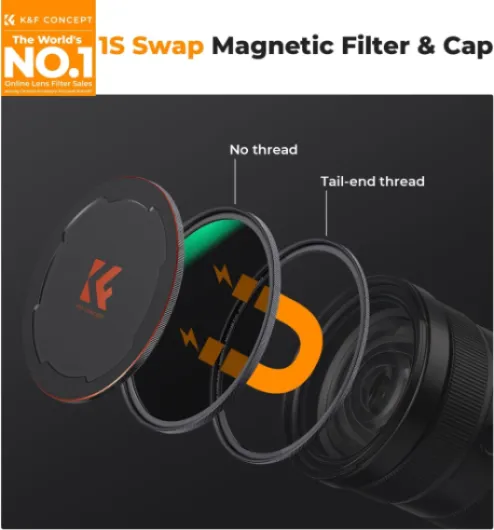
The magnetic filtration system typically consists of three parts: the magnetic adapter ring, the filter itself, and sometimes a protective cover. The adapter ring is screwed onto your lens just once. After that, you can attach or remove magnetic filters in seconds. This system is designed to work with a variety of filter types, including best seller options like black mist and neutral density filters. The magnetic connection is strong enough to withstand regular use, yet gentle enough not to damage your lens.
- Easy install: No more struggling with threads or risking damage to your lens.
- Quick changes: Swap filters in seconds to adapt to different lighting or creative effects.
- Secure fit: The magnetic field ensures the filter stays in place, even during movement.
For those interested in expanding their camera’s creative potential, magnetic filters are available in a range of sizes and styles. They are often sold as part of a full system, with options for both regular price and sale price, depending on the retailer. If you’re looking for a filter that can deliver cinematic effects or high-quality mist, you’ll find plenty of choices in today’s market.
To get the most out of your magnetic filter system, it’s important to choose the right size and type for your camera. For example, if you use a lens with a 58mm filter thread, you might want to explore wide angle lens accessories compatible with 58mm filter threads to ensure seamless integration.
As you explore the world of magnetic filters, you’ll discover how this innovative system can enhance your camera experience, making it easier to achieve professional results whether you’re shooting landscapes, portraits, or creative effects.
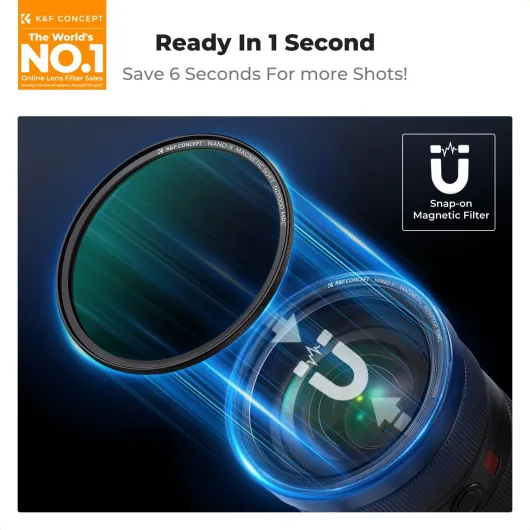
- + Magnetic design for easy attachment
- + 5 filters included for versatile shooting
- + Multi-layer coated optical glass for better image quality
- + Compatible with various camera lenses
- + Lightweight and portable design

Benefits of using magnetic filters
Why photographers are switching to magnetic filtration
Magnetic filters have quickly become a best seller in the camera accessories market, and for good reason. The magnetic system allows for easy install and removal, saving time when you need to adapt to changing light conditions. Unlike traditional screw-on filters, magnetic filtration works by attaching the filter to an adapter ring using a magnetic field, making the process much faster and less prone to cross-threading or accidental drops.
- Speed and convenience: Swapping between a neutral density filter and a mist filter, for example, takes just seconds. This is especially useful for photographers working in high intensity environments or when capturing fleeting moments.
- Secure fit: The magnetic field holds the filter firmly in place, reducing the risk of it falling off during use. This is a major advantage when shooting outdoors or in dynamic settings.
- Versatility: With a single adapter ring, you can use multiple filters from the same system. This means you can order a full set of filters—such as black mist, neutral density, or cinematic filters—without needing separate threads for each lens size.
- Cleaner workflow: Magnetic filters are less likely to get fingerprints or dust on the glass, as you handle the filter less during installation. This helps maintain high image quality and reduces time spent on cleaning.
For those interested in exploring more about how filters can impact your photography, check out this test of a 58mm wide angle lens with macro and filter thread for practical insights.
When comparing price usd and sale price, magnetic filters often offer better value over time. You can buy a filter regular at regular price, or wait for a usd sale to get a full system at a discount. Many brands now offer high quality magnetic filters for sale, making it easier to build a gallery of creative options without breaking the bank.
| Feature | Magnetic Filter | Traditional Filter |
|---|---|---|
| Installation | Easy install, magnetic attachment | Screw-on, can cross-thread |
| Speed | Very fast to swap | Slower, especially with multiple filters |
| Security | Strong magnetic field holds filter | Depends on thread tightness |
| System flexibility | One adapter ring for many filters | Different threads for each lens size |
Whether you are looking for a black mist filter for cinematic effects or a neutral density filter for long exposures, magnetic filters provide a modern solution that works seamlessly with today’s digital cameras. Their popularity is growing, and with regular price drops and usd sale events, it’s easier than ever to upgrade your camera filter setup.
Types of magnetic filters available
Exploring the Main Types of Magnetic Filters
Magnetic filters have transformed the way photographers approach lens filtration, offering a system that is both easy to install and highly adaptable. Understanding the different types of magnetic filters available can help you build a filtration kit that suits your creative needs and shooting style. Here’s a breakdown of the most popular options on the market:
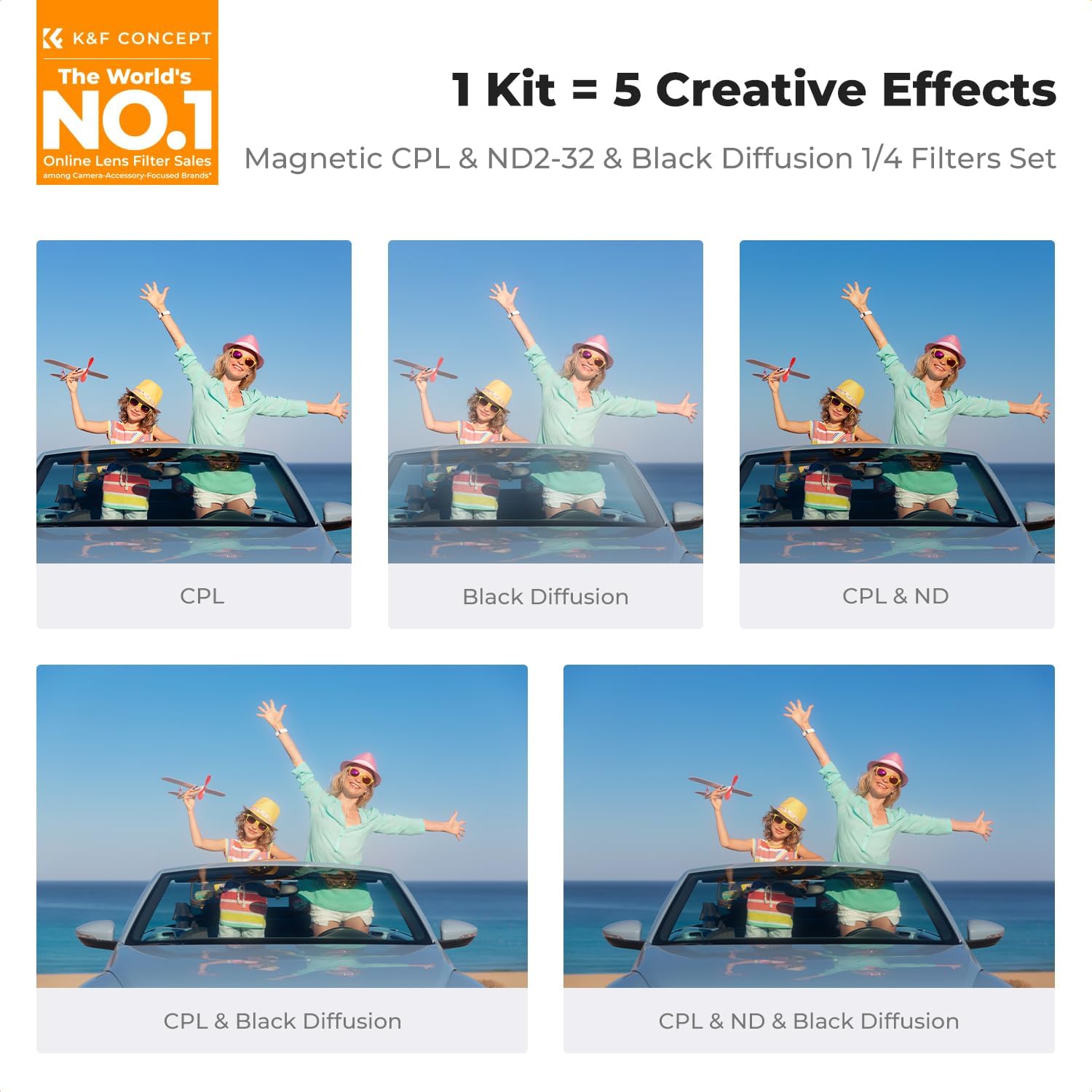
- Neutral Density (ND) Filters: These are best sellers for landscape and cinematic work. ND filters reduce the amount of light entering your camera, allowing for longer exposures or wider apertures even in high intensity lighting. Magnetic ND filters make it simple to swap strengths quickly, which is especially useful when light conditions change rapidly.
- Mist and Black Mist Filters: These filters are designed to soften highlights and create a cinematic, atmospheric look. A black mist filter, for example, diffuses light to give portraits a dreamy, filmic quality. Magnetic mist filters are popular for their easy install and reliable hold, even when working with a full camera system.
- Polarizing Filters: While not always magnetic by default, many brands now offer magnetic polarizers. These filters help reduce glare and enhance color saturation, making them ideal for outdoor photography. The magnetic field ensures a secure fit and quick changes in the field.
- UV and Protective Filters: These provide basic lens protection and help cut haze in bright conditions. Magnetic UV filters are a practical choice for everyday use, as they can be added or removed in seconds.
Many magnetic filtration systems use an adapter ring that attaches to your lens, allowing you to stack multiple filters or swap them out without threading. This is especially useful if you work with several lenses or need to change filters quickly between shots.
When shopping, you’ll notice a range of price points. Some filters are available at a regular price, while others may be on sale. It’s worth comparing the usd regular price and usd sale price to find the best value for your order. Look for filters that are labeled as best sellers or have a gallery of sample images to see how they work in real-world conditions.
For those using heavy camera setups or shooting video, pairing your magnetic filters with a heavy-duty tripod dolly for DSLR cameras can help maintain stability, especially when stacking multiple filters or working with high gauss magnetic systems.
Each filter type serves a different purpose, so consider your shooting style and the lighting conditions you most often encounter. The right combination of magnetic filters can significantly enhance your camera’s versatility and the quality of your images.
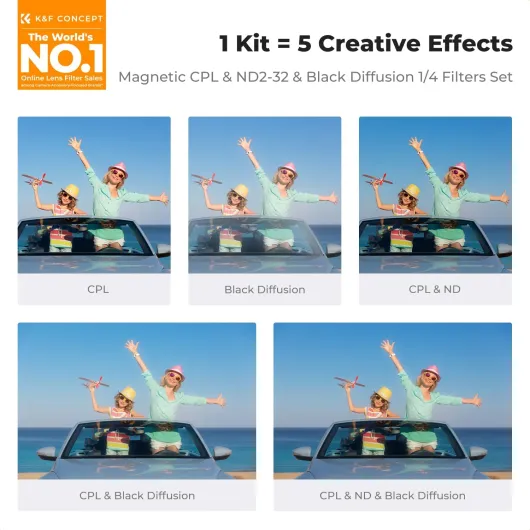
- + Versatile: Includes CPL, VND2-32, and Black Diffusion filters
- + Convenient: Magnetic design for easy filter swaps
- + High-quality: 28 multi-layer coating for reduced glare
- + Includes: Basic ring and lens cap for protection
- + Storage case: Keeps filters organized and safe
Compatibility with different camera lenses
How Magnetic Filters Attach to Your Camera
Magnetic filters are designed for quick and secure attachment to your camera lens. The system typically uses an adapter ring that screws onto your lens’s filter thread. Once the adapter ring is in place, the magnetic filter simply snaps on, held by a strong magnetic field. This design makes it easy to swap between different filters, such as a neutral density or mist filter, without the hassle of screwing and unscrewing each time.
Lens Sizes and Filter Compatibility
Before you order a magnetic filter, check your lens’s filter thread size. Most camera lenses display this size in millimeters (for example, 58mm or 77mm). Magnetic filters and their adapter rings are available in a range of sizes to fit regular and wide-angle lenses. Some brands offer step-up or step-down rings, allowing you to use the same filter system across multiple lenses. This flexibility is especially helpful if you own several lenses with different diameters.
- Full compatibility with most DSLR and mirrorless camera lenses
- Works with high-intensity lenses and cinematic setups
- Adapter rings are often included in the sale price or available separately
Considerations for Special Filters
Some specialty filters, like black mist or high gauss magnetic filtration, may be thicker than standard filters. If you use multiple filters at once, check for vignetting (darkening at the corners of your image), especially on wide-angle lenses. The best seller magnetic filters are engineered to minimize this effect, but it’s worth testing your setup in your own gallery of shots.
Price and Value
Magnetic filter systems are available at a range of price points. You’ll find options from usd regular price to usd sale price during promotions. While the initial investment may be higher than regular screw-on filters, the easy install and versatility often justify the cost for serious photographers. Look for bundles that include multiple filters and adapter rings for the best value.
Tips for choosing the right magnetic filter
What to Look for When Selecting a Magnetic Filter
Choosing the right magnetic filter for your camera system can make a significant difference in your photography results. With so many options on the market, it’s important to focus on features that match your needs, camera, and shooting style. Here are some practical tips to help you make an informed decision:
- Filter Size and Adapter Ring: Ensure the filter matches your lens diameter. Many magnetic filters come with an adapter ring, making it easy to fit various lens sizes. Double-check compatibility with your camera filter thread to avoid issues during installation.
- Filtration Type: Decide what effect you want. Neutral density filters are great for controlling light and achieving cinematic effects, while mist filters (like black mist) add a soft, dreamy look. Consider your creative goals and the types of shots you take most often.
- Magnetic Strength and Field: A strong magnetic field ensures the filter stays securely attached, even during high-intensity shoots or when working outdoors. Look for filters with a high gauss rating for reliable performance.
- Build Quality: Opt for filters made from high-quality optical glass and durable frames. This helps maintain image clarity and withstands regular use. Check for coatings that resist fingerprints, water, and dust for easier maintenance.
- System Compatibility: Some magnetic filtration systems are modular, allowing you to stack multiple filters or quickly swap between different effects. If you plan to expand your filter collection, choose a system that supports full compatibility across your lenses.
- Price and Value: Compare the regular price and sale price (often listed in USD) to find the best value. While some best sellers may cost more, they often offer better optical performance and durability. Weigh the price against the features and your budget.
- Ease of Installation: Magnetic filters are known for their easy install process. Still, read user reviews or gallery posts to confirm that the filter works as advertised and won’t slow down your workflow.
Extra Considerations for Cinematic and Creative Work
- If you’re aiming for a filter cinematic look, prioritize filters designed for high-resolution sensors and minimal color cast.
- For photographers who often shoot in changing light, a versatile magnetic filter system can save time and help you adapt quickly.
- Look for brands that offer a wide range of filters, from neutral density to black mist, so you can build a complete filtration toolkit over time.
Ultimately, the best magnetic filter is the one that fits your camera, meets your creative needs, and offers reliable performance at a price that makes sense for you. Take the time to compare options, read product details, and consider how each filter will work with your existing gear.
Care and maintenance of magnetic filters
Keeping Your Magnetic Filters in Top Shape
Proper care and maintenance are essential to ensure your magnetic filters deliver consistent, high-quality results and maintain their value over time. Whether you’ve invested in a best seller magnetic filter system or a specialized mist filter, following a few simple steps will help you get the most out of your camera filter collection.
- Clean regularly: Dust, fingerprints, and smudges can impact light transmission and image quality. Use a soft microfiber cloth and a gentle lens cleaning solution to wipe your filters. Avoid abrasive materials that could scratch the filter surface.
- Handle with care: The magnetic field that holds your filters in place is strong, but the glass and coatings can be delicate. Always attach and remove filters gently, especially when working with high intensity neutral density or black mist filters.
- Store properly: When not in use, keep your filters in a dedicated case or pouch. Many magnetic filtration systems come with protective cases that help prevent dust and scratches. Storing filters with their adapter ring attached can also make for easy install next time you shoot.
- Avoid exposure to harsh elements: While many filters are built to withstand regular use, prolonged exposure to moisture, salt, or extreme temperatures can degrade coatings and magnetic components. After shooting in challenging environments, clean and dry your filters before storage.
- Inspect for damage: Regularly check your filters for chips, cracks, or weakened magnetic works. Even a small flaw can affect the filtration quality and the way light interacts with your camera lens.
Maximizing Filter Longevity and Value
Investing in magnetic filters often means spending a bit more upfront, with price usd or usd regular price reflecting the advanced technology and convenience. To protect your investment, consider the following:
- Buy from reputable brands or authorized dealers to ensure you receive genuine products, especially during a sale or when you see a tempting sale price.
- Keep track of your order details and warranty information. Some manufacturers offer support or replacement if your filter system develops issues under regular use.
- If you use multiple filters, such as a neutral density or a filter cinematic set, label or organize them in your gallery for quick access and to avoid confusion during shoots.
With proper care, your magnetic filters will continue to deliver reliable performance, whether you’re capturing high gauss light scenes or experimenting with creative effects like black mist. A little attention to maintenance goes a long way in preserving both the function and appearance of your camera accessories.