

Understanding the unique challenges of wildlife photography
Challenges That Set Wildlife Photography Apart
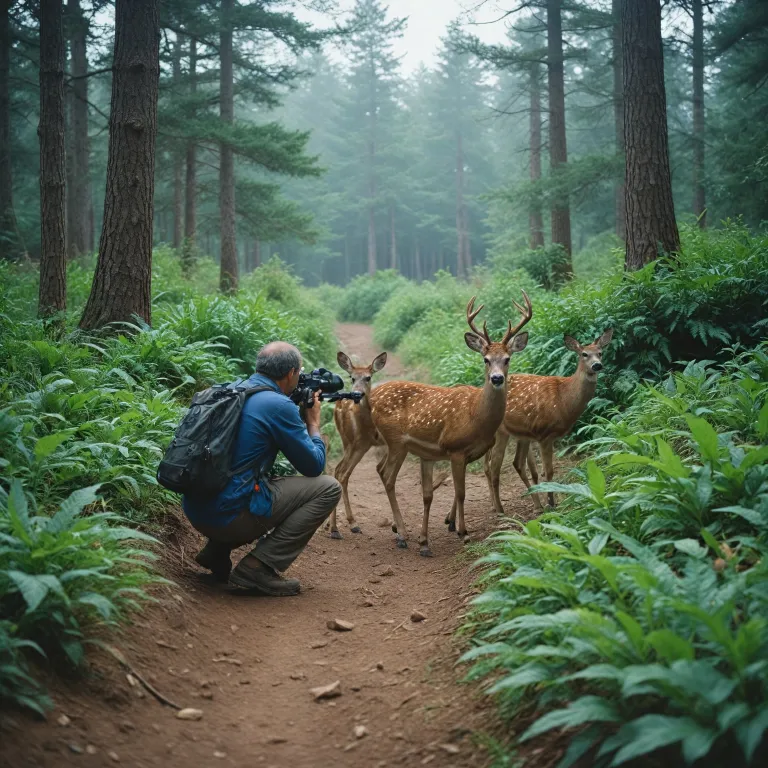
Wildlife photography is a rewarding but demanding pursuit. Unlike studio or landscape photography, capturing animals in their natural habitat presents unique obstacles. The unpredictable movement of wildlife, varying light conditions, and the need for quick reactions all play a role in determining the best camera and lens setup for the job.
Fast Action and Unpredictable Subjects
Animals rarely stay still. Whether you are photographing birds in flight or mammals on the move, you need a camera that can keep up. Fast autofocus systems, high frame rates (fps), and reliable eye tracking are crucial for getting sharp images of fast moving subjects. Cameras like the Canon EOS series, Sony Alpha models, and Nikon Z lineup are known for their advanced autofocus and burst speed capabilities, which help wildlife photographers capture fleeting moments.
Lighting Conditions and Sensor Performance
Wildlife is often most active during dawn or dusk, when light is limited. This means your camera’s low light performance becomes essential. Full frame sensors generally offer better light sensitivity and resolution, allowing you to shoot at higher ISO settings without excessive noise. Brands like Canon, Sony, and Nikon have developed cameras with impressive sensor technology and dual pixel autofocus, making them strong choices for wildlife photography.
Distance and the Importance of Lenses
Getting close to wildlife is not always possible or ethical. The right lens can make all the difference. Telephoto lenses with fast autofocus and image stabilization help you frame distant subjects sharply. The choice of lens will impact your ability to capture detail and action, so it’s important to consider compatibility with your camera body and the type of wildlife you plan to photograph.
Durability and Field Readiness
Wildlife photographers often work in challenging environments. Your camera and lenses need to withstand dust, moisture, and occasional rough handling. Weather-sealed bodies and robust construction are features to look for in the best camera for wildlife. These qualities ensure your gear will perform reliably in the field.
For those new to digital cameras or looking to understand more about camera basics, you may find this guide on choosing the right 35mm camera for beginners helpful as a starting point before diving into the specifics of wildlife photography.

Key features to look for in a wildlife camera
Essential Specifications for Capturing Wildlife
When searching for the best camera for wildlife photography, certain features can make a significant difference in your results. Wildlife photographers face fast-moving subjects, unpredictable lighting, and challenging environments. Here’s what you should look for in a camera wildlife setup:
- Autofocus Performance: Fast and accurate autofocus is crucial. Look for cameras with advanced autofocus systems, such as Canon’s Dual Pixel AF or Sony’s eye tracking technology. These help keep moving animals sharp, even in dense foliage or low light.
- Burst Speed and Frame Rate (fps): Wildlife moments happen quickly. A high burst speed—measured in frames per second (fps)—lets you capture multiple shots in rapid succession. Cameras like the Canon EOS Mark series, Sony Alpha models, and Nikon’s latest releases offer impressive fps rates, including electronic shutter options for silent shooting.
- Sensor Size and Resolution: A full frame sensor delivers better light performance and dynamic range, which is essential for early morning or dusk shots. High resolution sensors allow for cropping without losing detail, which is helpful when you can’t get close to your subject.
- Low Light Capabilities: Wildlife is often most active in low light. Cameras with strong ISO performance and large sensors, such as full frame models, will give you cleaner images with less noise.
- Video Capabilities: Many wildlife photographers also shoot video. Look for cameras with 4K or higher video, fast autofocus in video mode, and options like fps RAW for high-quality footage.
- Lens Compatibility: The best camera is only as good as the lens you pair with it. Make sure your camera system supports a wide range of telephoto and fast lenses, which are essential for wildlife photography.
For those considering a camera as a gift for a photography enthusiast, these features are also important to keep in mind. You can find more guidance in this article on the ideal gift for the photography enthusiast.
Comparing Popular Brands and Models
Canon, Sony, and Nikon are leaders in the wildlife photography space. Canon EOS models, especially the EOS Mark series, are known for their robust autofocus and burst speed. Sony’s full frame cameras offer excellent eye tracking and light performance, while Nikon’s latest cameras provide strong resolution and fps rates. When choosing, consider your preferred lens ecosystem and the specific wildlife subjects you plan to photograph.
Top camera types for wildlife photography
DSLRs vs Mirrorless: Which Delivers for Wildlife?
When it comes to wildlife photography, the choice between DSLR and mirrorless cameras is more important than ever. Both types offer strengths, but your decision will depend on your shooting style and priorities. DSLRs like the Canon EOS Mark series and Nikon D models have long been trusted for their robust build and reliable autofocus systems. Mirrorless cameras, such as the Sony Alpha full frame lineup, are gaining ground with faster burst speeds, advanced eye tracking, and lighter bodies.
- DSLRs: Known for their optical viewfinders, long battery life, and ruggedness. Popular with wildlife photographers who need durability and consistent autofocus.
- Mirrorless: Offer superior fps (frames per second) rates, silent shooting, and advanced autofocus with features like dual pixel and real-time eye tracking. These are ideal for capturing fast moving animals in low light.
Full Frame vs Crop Sensor: What Matters Most?
Full frame sensors are often considered the best for wildlife photography because they deliver excellent low light performance and higher resolution. Cameras like the Canon EOS R5 or Sony A7 series provide outstanding image quality and dynamic range. However, crop sensor cameras (APS-C) from brands like Nikon and Canon can offer extra reach with your lens, making distant subjects appear closer—a real advantage for wildlife enthusiasts.
| Camera Type | Key Benefit | Popular Models |
|---|---|---|
| Full Frame | Best light performance, high resolution | Canon EOS R5, Sony A7 IV, Nikon Z8 |
| Crop Sensor | Greater reach with lenses, lighter bodies | Canon EOS 90D, Nikon D500, Sony a6600 |
Essential Specs for Capturing Wildlife Action
Wildlife photography demands cameras that can keep up with unpredictable subjects. Look for these features:
- Burst Speed (fps): High frame rate fps is crucial for catching fast moving wildlife. Models with 10 fps or higher, including electronic and mechanical shutter options, are preferred.
- Autofocus: Advanced autofocus systems with eye tracking and dual pixel technology help lock onto animals quickly, even in challenging environments.
- Video Capabilities: Many wildlife photographers value 4K or even 8K video for capturing animal behavior. Leading cameras offer impressive video specs alongside stills performance.
For more on optimizing your setup, including choosing the right backdrops for your camera wildlife adventures, check out this guide on cloth photo backdrops for digital cameras.
Recommended lenses for capturing wildlife
Essential Lenses for Capturing Wildlife Moments
Choosing the right lens is just as important as picking the best camera for wildlife photography. Wildlife photographers often face unpredictable conditions, fast moving subjects, and challenging light. The right lens helps you get close to the action, maintain sharpness, and capture those fleeting moments with clarity.
- Telephoto Lenses: A telephoto lens, typically in the 300mm to 600mm range, is a staple for wildlife. These lenses allow you to photograph animals from a distance without disturbing them. Canon, Nikon, and Sony all offer high-quality telephoto options that pair well with their full frame cameras.
- Zoom Lenses: Versatile zoom lenses, such as a 100-400mm or 200-500mm, provide flexibility in the field. They let you adjust your framing quickly as wildlife moves, which is crucial for fast moving subjects.
- Wide Aperture: Lenses with wide maximum apertures (like f/2.8 or f/4) perform better in low light and help create a shallow depth of field, making your subject stand out against the background. This is especially helpful during dawn or dusk when wildlife is most active.
- Autofocus Performance: Look for lenses with fast and accurate autofocus systems. Features like dual pixel autofocus (Canon) or advanced eye tracking (Sony) can make a significant difference in capturing sharp images of moving animals.
Lens Recommendations by Brand
| Brand | Recommended Lenses | Key Features |
|---|---|---|
| Canon | EF 100-400mm f/4.5-5.6L IS II USM RF 600mm f/11 IS STM |
Excellent image stabilization, fast autofocus, compatible with EOS and EOS Mark cameras |
| Nikon | AF-S 200-500mm f/5.6E ED VR Z 100-400mm f/4.5-5.6 VR S |
Great reach, reliable autofocus, strong low light performance for full frame sensors |
| Sony | FE 200-600mm f/5.6-6.3 G OSS FE 100-400mm f/4.5-5.6 GM OSS |
Outstanding resolution, fast eye tracking, high burst speed for cameras wildlife |
When selecting a lens, consider the weight and size, especially if you will be hiking or traveling. Many wildlife photographers prefer lenses with weather sealing to protect against dust and moisture. Also, check compatibility with your camera’s autofocus and burst speed features, as these can impact your ability to capture high frame rate fps sequences or fps raw images in the field.
Ultimately, the best lens for wildlife photography is one that balances reach, speed, and image quality, while matching your camera’s sensor and autofocus capabilities. Investing in a high-quality lens will help you make the most of your camera wildlife setup, whether you’re shooting stills or exploring video capabilities.
Popular camera models for wildlife enthusiasts
Popular Choices Among Wildlife Photographers
When it comes to cameras wildlife enthusiasts trust, a few models consistently stand out for their performance, reliability, and advanced features. Wildlife photography demands fast autofocus, high burst speed, excellent low light performance, and robust build quality. Below is a look at some of the best camera options that meet these needs, with a focus on full frame sensors, high frame rates, and versatile video capabilities.
| Camera Model | Sensor Type | Burst Speed (fps) | Autofocus Features | Key Strengths |
|---|---|---|---|---|
| Canon EOS R5 | Full Frame | Up to 20 fps electronic | Dual Pixel CMOS AF II, Eye Tracking | High resolution, excellent low light, advanced video |
| Sony Alpha 1 | Full Frame | Up to 30 fps electronic | Real-time Eye AF, Fast Moving Subject Tracking | Superb speed fps, 8K video, robust autofocus |
| Nikon Z9 | Full Frame | Up to 20 fps RAW | Advanced 3D Tracking, Eye Detection | High resolution, strong burst rate fps, pro build |
| Canon EOS-1D X Mark III | Full Frame | Up to 20 fps live view | Dual Pixel AF, Deep Learning AF | Durability, fast autofocus, excellent for action |
| Sony Alpha 9 II | Full Frame | Up to 20 fps electronic | Real-time Eye AF, Fast Subject Tracking | Silent shooting, fast frame rate, reliable autofocus |
- Canon EOS R5 is a favorite for its high resolution and advanced autofocus, making it ideal for capturing fast moving wildlife in challenging light.
- Sony Alpha 1 stands out with its unmatched burst speed and eye tracking, offering wildlife photographers the ability to freeze action with precision.
- Nikon Z9 delivers impressive fps raw performance and a robust sensor, making it a top choice for those who need reliability and speed in the field.
- Canon EOS-1D X Mark III is built for professionals who demand the best camera for action, with fast autofocus and high burst speed.
- Sony Alpha 9 II is known for its silent shooting and fast autofocus, which is especially useful for photographing skittish wildlife.
Each of these cameras supports a wide range of lenses, allowing wildlife photographers to choose the best lens for their subject and environment. Features like dual pixel autofocus, high frame rate, and strong low light performance help ensure you never miss a critical moment. When selecting your camera wildlife kit, consider how these models align with your specific needs in wildlife photography, from sensor resolution to video capabilities and lens compatibility.
Tips for getting the most out of your wildlife camera
Mastering Camera Settings for Wildlife Action
To capture fast moving wildlife, understanding your camera’s settings is crucial. Use a high frame rate (fps) to freeze action, especially when animals are unpredictable. Many cameras wildlife enthusiasts use, like the Canon EOS Mark series or Sony Alpha models, offer burst speed modes. This allows you to shoot multiple frames per second, increasing your chances of getting that perfect shot. For birds in flight or running animals, set your autofocus to continuous tracking or eye tracking. Dual pixel autofocus in Canon cameras and advanced AF systems in Sony and Nikon models help maintain sharp focus on moving subjects.
Optimizing for Low Light and Challenging Conditions
Wildlife photography often means working in low light, such as dawn or dusk. Choose a camera with strong low light performance and a full frame sensor for better light gathering. Lenses with wide apertures (like f/2.8 or f/4) let in more light, improving image quality and autofocus speed. Adjust your ISO settings carefully to balance light sensitivity and noise. Cameras like the Canon EOS R5 or Nikon Z9 are known for their excellent sensor resolution and low light capabilities.
Making the Most of Video Capabilities
Modern cameras wildlife photographers use often include advanced video capabilities. If you want to record animal behavior, look for cameras with high resolution video and high fps electronic modes. Some models offer 4K or even 8K video, letting you crop in for detail without losing quality. Fast autofocus and frame rate fps are essential for smooth wildlife footage. Sony and Canon’s latest models excel in this area, offering reliable autofocus during video recording.
Choosing the Right Lenses and Accessories
The lens you pair with your camera wildlife setup can make a big difference. Telephoto lenses (like 300mm or 600mm) help you get close to distant animals without disturbing them. Consider lenses with image stabilization for handheld shooting. Wildlife photographers also benefit from using monopods or tripods for stability, especially with heavier lenses. Don’t forget extra batteries and memory cards, as burst shooting and high resolution files can drain resources quickly.
Practice and Patience in the Field
Even with the best camera and lenses, wildlife photography demands patience and practice. Spend time learning animal behavior and anticipating movement. Practice using your camera’s burst speed and autofocus modes so you can react quickly when the moment comes. Review your images to understand what settings worked best, and adjust your technique as needed. Over time, you’ll develop the skills to make the most of your gear and capture stunning wildlife moments.