

Understanding mirrorless cameras and their advantages
Why Mirrorless Cameras Stand Out in Today’s Market
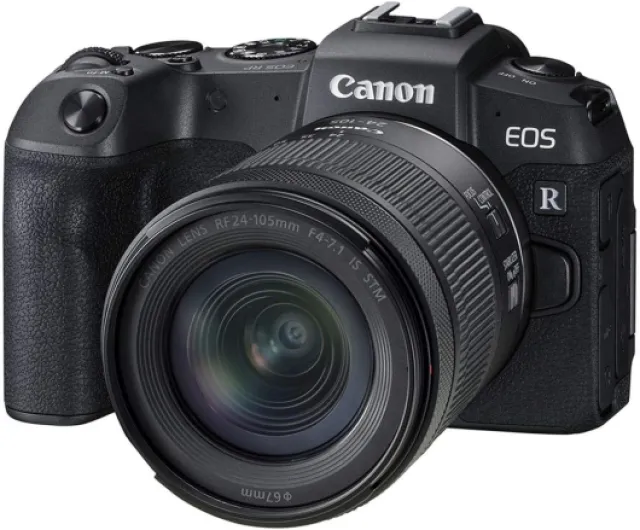
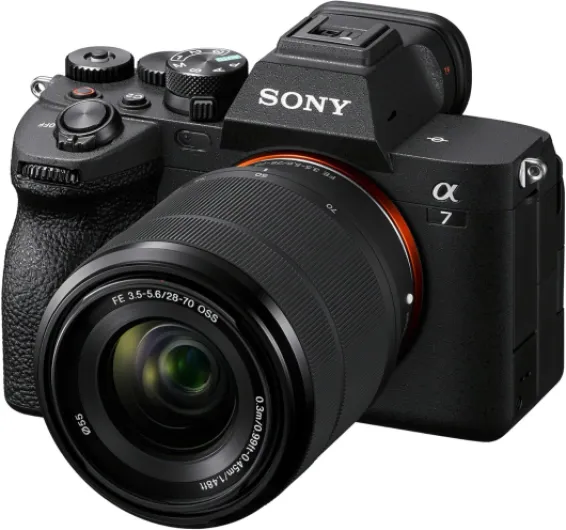
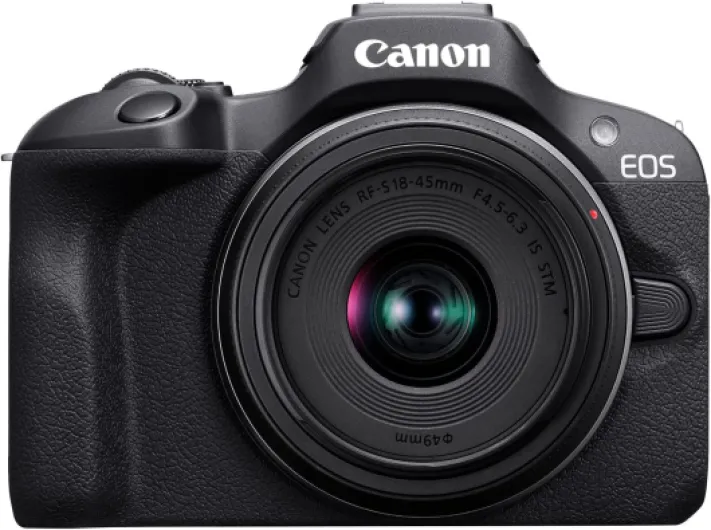
Mirrorless cameras have quickly become the go-to choice for both beginners and enthusiasts who want great image quality without the bulk of traditional DSLRs. Unlike older camera systems, mirrorless models use advanced sensor technology and electronic viewfinders, making them lighter and more compact. This design is especially appealing if you’re looking for a camera under a certain price range, as you often get more features for your money.
How Mirrorless Technology Impacts Your Photography
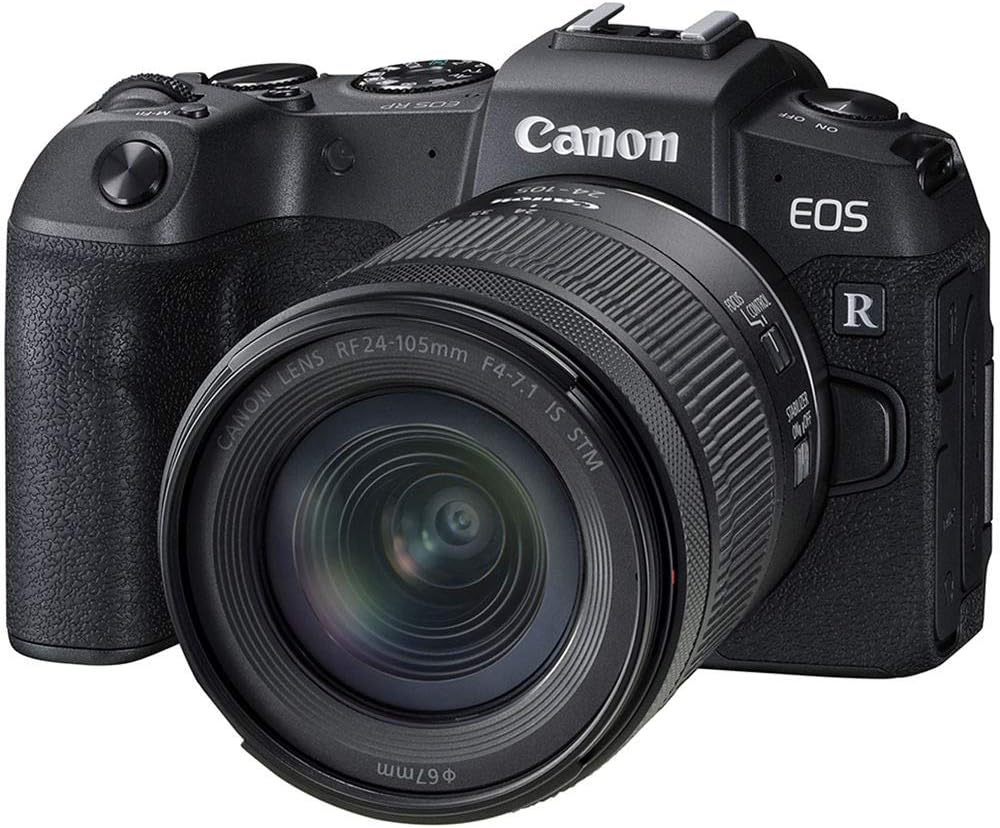
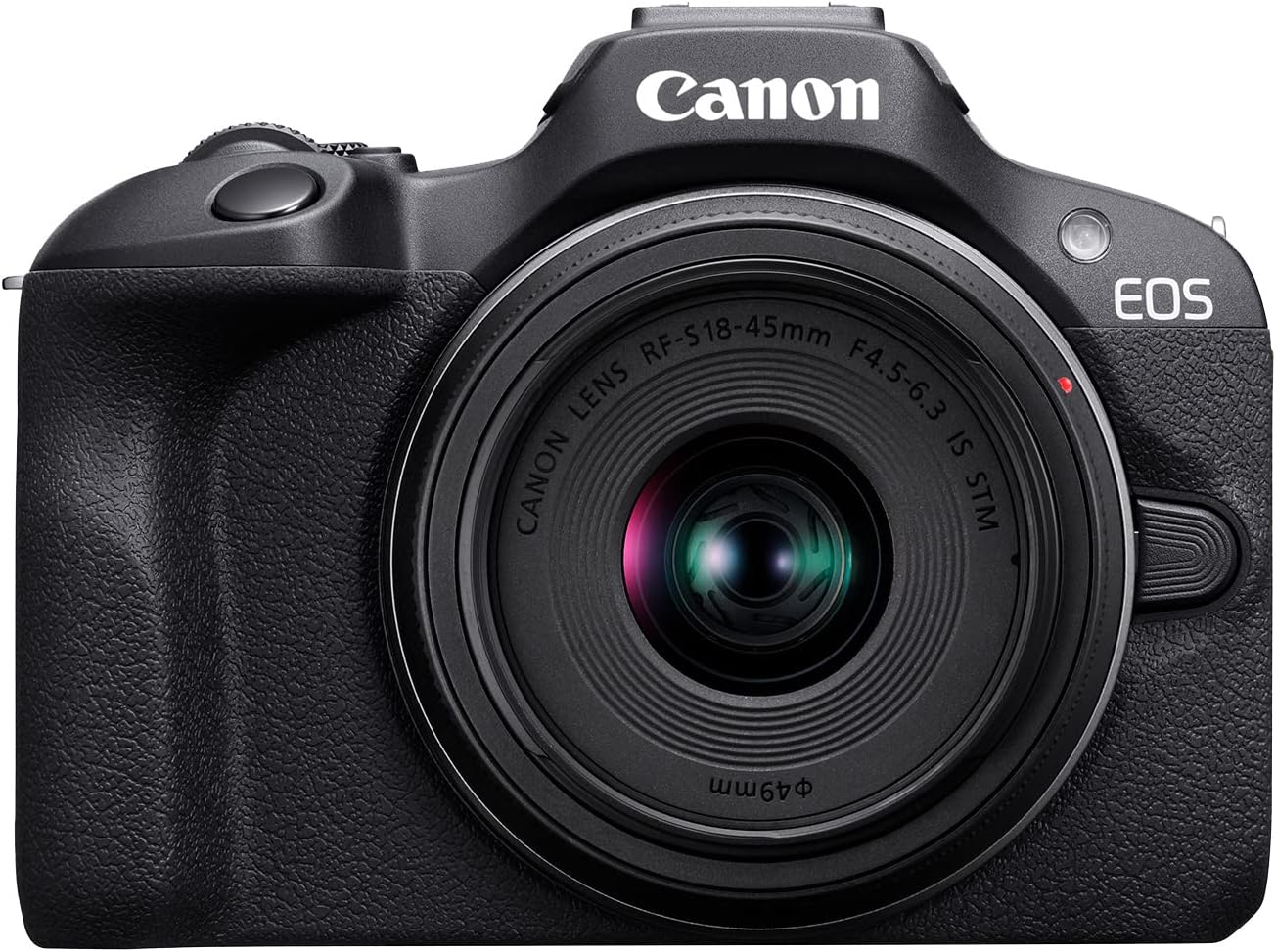
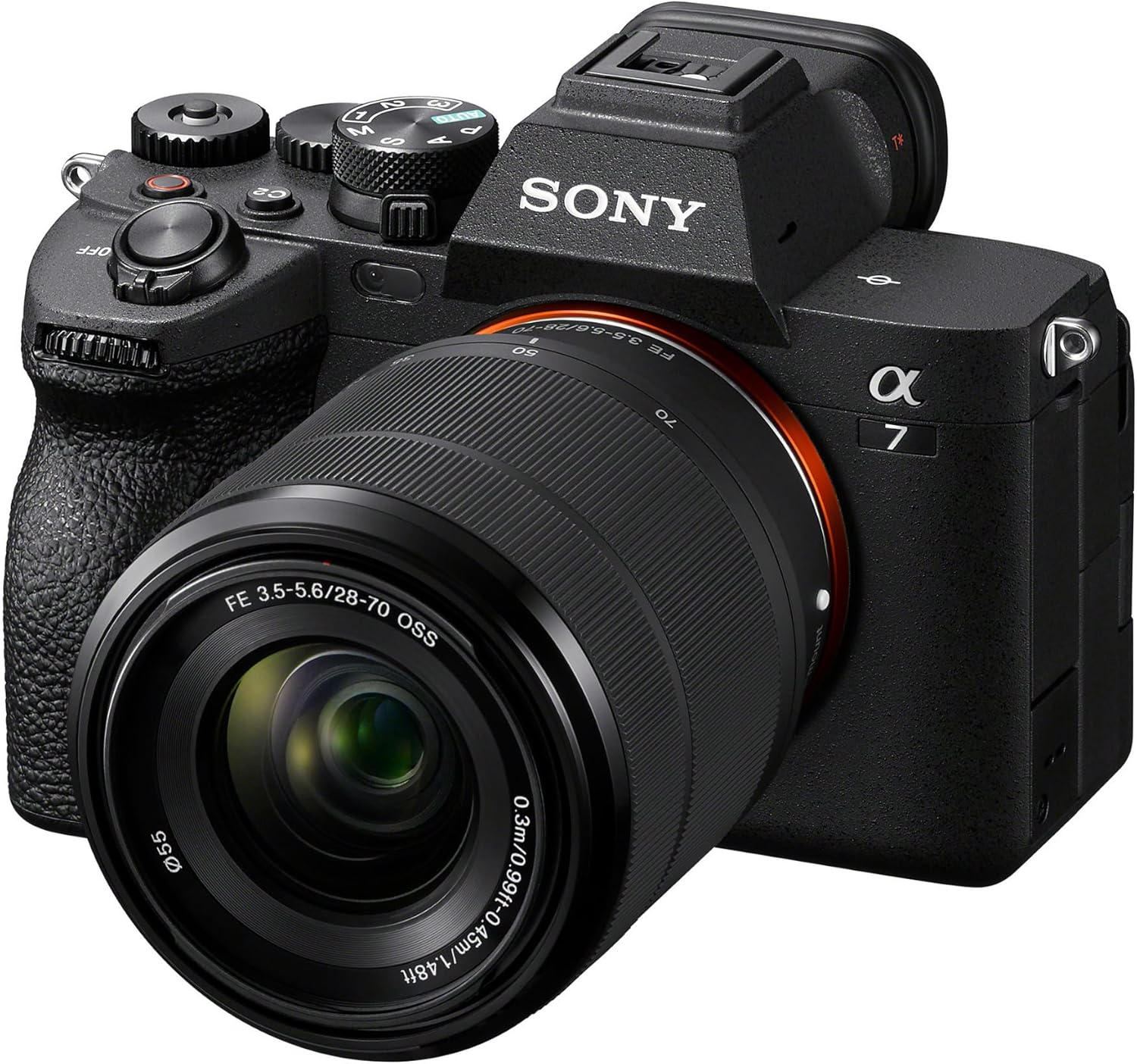
The heart of any mirrorless camera is its sensor. Whether you’re considering a full frame sensor, an APS-C, or a micro thirds sensor camera, the sensor size directly affects image quality, low light performance, and depth of field. Full frame sensors, like those found in some Sony Alpha and Canon EOS models, offer superior image quality and better light performance, but even smaller sensors can deliver excellent results for most photography needs.
- Autofocus: Mirrorless cameras are known for fast and accurate autofocus, which is great for both photography and video.
- Hybrid Shooters: If you want to shoot both stills and video, mirrorless cameras offer strong video features, making them ideal for hybrid shooters.
- Battery Life: While battery life can be shorter than DSLRs, improvements are being made with each new generation.
Mirrorless Cameras for Every Budget
With so many options available, you can find a good mirrorless camera at almost any price point. Brands like Sony and Canon offer a range of models on Amazon, making it easy to compare features, price, and user reviews before you buy. Whether you’re looking for the best mirrorless camera for travel, street photography, or video, there’s a model to fit your needs and budget.
For those interested in exploring what mirrorless cameras can do for video, especially on a larger budget, check out this guide on the best mirrorless video cameras for a $5000 budget.
Understanding the basics of mirrorless cameras will help you make a more informed decision as you look at key features, compare popular models, and consider lens compatibility. As you continue your search, keep in mind how sensor size, lens options, and autofocus performance can impact your photography and video results.

Key features to look for in a mirrorless camera under 1000
What Makes a Mirrorless Camera Stand Out in This Price Range?
When searching for the best mirrorless camera under 1000, it’s important to focus on features that truly impact your photography and video experience. The market offers a variety of models, but not all cameras are created equal—especially in the budget-friendly segment. Here are the most important aspects to consider:
- Sensor Size and Type: The sensor is the heart of any camera. In this price range, you’ll mostly find APS-C and Micro Four Thirds sensors. APS-C sensors, like those found in many Sony Alpha and Canon EOS models, generally provide better image quality and low light performance than micro thirds sensors. A larger sensor means more detail and better dynamic range, which is great for both photography and video.
- Autofocus System: Fast and accurate autofocus is crucial for capturing sharp images, especially if you shoot moving subjects or want to try hybrid shooting (photo and video). Look for cameras with reliable autofocus tracking and face or eye detection features. Sony and Canon have made significant progress in this area, even in their more affordable mirrorless cameras.
- Lens Compatibility: Even the best mirrorless camera is limited by its lens selection. Check if the camera supports a wide range of lenses, including zoom and prime options. Some brands, like Sony and Canon, offer a growing ecosystem of lenses, which is important for future upgrades.
- Video Capabilities: Many users want a camera that performs well for both stills and video. Look for features like 4K recording, good autofocus in video mode, and microphone input. These are essential for hybrid shooters who want flexibility.
- Battery Life: Mirrorless cameras are known for shorter battery life compared to DSLRs. Check the rated battery performance, especially if you plan to shoot events or travel. Carrying a spare battery is often a good idea.
- Build Quality and Handling: A camera should feel comfortable in your hands. Look for a solid grip, intuitive controls, and a clear electronic viewfinder or LCD. Weather-sealing is a bonus if you shoot outdoors.
- Price and Value: The price range under 1000 offers some great options, but always compare what’s included—such as kit lenses or bundled accessories—when you buy. Shopping on platforms like Amazon can help you find deals, but always check the terms privacy and privacy policy of the seller.
For a deeper dive into standout models and how these features play out in real-world use, check out this guide on top mirrorless cameras for enthusiasts.
Remember, the best mirrorless camera for you depends on your specific needs—whether it’s image quality, autofocus, or lens flexibility. Take your time to compare options and prioritize the features that matter most for your photography journey.
Popular models and how they compare
Comparing Top Mirrorless Cameras in the Sub-$1000 Price Range
When searching for the best mirrorless camera under $1000, it’s easy to get overwhelmed by the sheer number of options. To help you navigate, here’s a look at some of the most popular models in this price range, focusing on what matters most: sensor size, image quality, autofocus, battery life, and lens compatibility.| Model | Sensor Type | Image Quality | Autofocus | Battery Life | Video | Lens Mount | Amazon Price* |
|---|---|---|---|---|---|---|---|
| Sony Alpha a6100 | APS-C | Great detail, good low light | Fast, reliable | ~420 shots | 4K | Sony E | Check Amazon |
| Canon EOS M50 Mark II | APS-C | Good color, solid image quality | Dual Pixel, smooth | ~305 shots | 4K (crop) | Canon EF-M | Check Amazon |
| Fujifilm X-T200 | APS-C | Vivid colors, good dynamic range | Face/Eye detect | ~270 shots | 4K | Fujifilm X | Check Amazon |
| Olympus OM-D E-M10 Mark IV | Micro Four Thirds | Sharp, compact sensor camera | Fast, accurate | ~360 shots | 4K | Micro Four Thirds | Check Amazon |
*Prices fluctuate. Always check the latest price on Amazon before you buy.
What Sets These Cameras Apart?
- Sensor: APS-C sensors dominate this price range, offering a good balance between image quality and price. Micro Four Thirds cameras like the Olympus are more compact, making them a favorite for travel and hybrid shooters.
- Autofocus: Sony’s autofocus is widely praised for speed and accuracy, especially for moving subjects. Canon’s Dual Pixel autofocus is also a strong performer for both photography and video.
- Video: All these cameras support 4K video, but check for cropping and frame rates if video is a priority.
- Lens Compatibility: Sony E-mount and Micro Four Thirds systems offer a wide range of lenses, making future upgrades easier. Canon’s EF-M mount is more limited, so consider your long-term needs.
- Battery Life: Varies by model, but Sony and Olympus tend to last longer per charge than some competitors.
Which Is Best for You?
Choosing the best mirrorless camera under $1000 depends on your priorities. If you want the most lens options and great autofocus, Sony Alpha models are hard to beat. For those who value compactness and a wide lens selection, Micro Four Thirds cameras like the Olympus OM-D E-M10 Mark IV are excellent. Canon EOS M50 Mark II is a solid all-rounder, especially for those already invested in Canon gear.
For a deeper dive into how mirrorless cameras compare with other types like DSLRs and point-and-shoots, check out this guide on choosing between point-and-shoot cameras and DSLRs.
Remember to consider your photography style, future lens needs, and whether you plan to shoot more video or stills. Always review the privacy policy and terms privacy of the retailer before you buy, especially when shopping on Amazon or other online platforms.
Lens compatibility and future upgrades
Why Lens Compatibility Matters for Your Mirrorless Camera
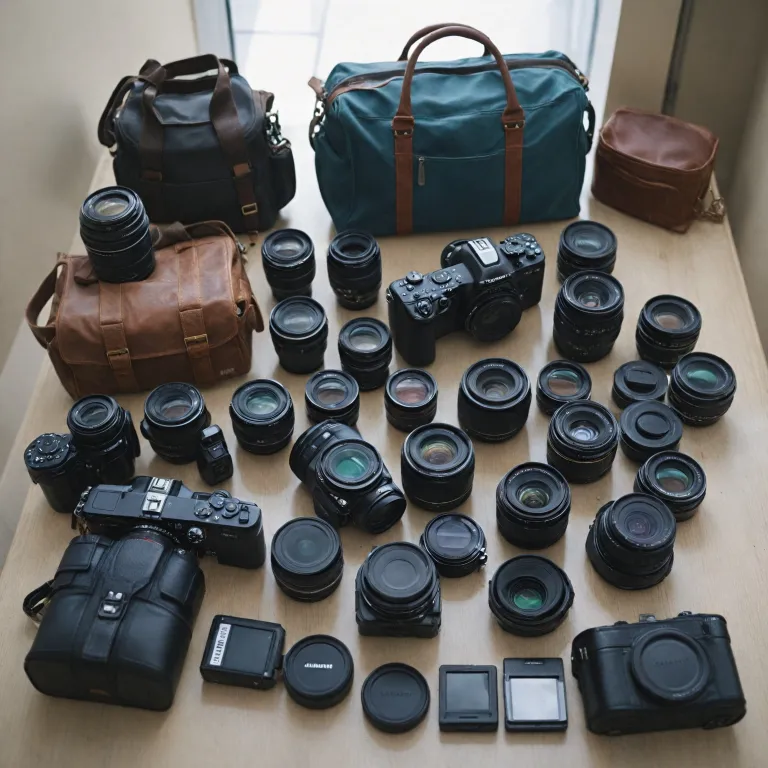
When you buy a mirrorless camera under 1000, lens compatibility is a key factor that can shape your photography journey. The lens you use has a direct impact on image quality, autofocus speed, low light performance, and creative options. Not all mirrorless cameras support the same lenses, so understanding your options now can save you money and frustration later.
- Mount Type: Each camera brand, like Sony or Canon, uses its own lens mount system. For example, Sony Alpha cameras use the E-mount, while Canon EOS mirrorless models use the RF or EF-M mount. Make sure the camera you choose supports a wide range of lenses, especially if you plan to upgrade or expand your kit.
- Sensor Size and Lens Choices: Cameras with a full frame sensor often have access to more high-end lenses, but micro thirds (Micro Four Thirds) and APS-C sensor cameras also offer great, affordable options. Consider what type of photography or video you want to do—wide angle, zoom, or prime lenses all have different uses.
- Future Upgrades: Think about your long-term needs. If you start with a good kit lens, will you be able to find affordable upgrades in your price range? Some brands have a larger selection of lenses, both new and used, on platforms like Amazon. This can be important for hybrid shooters who need both photo and video capabilities.
- Third-Party Lenses: Many mirrorless cameras are compatible with third-party lenses from brands like Sigma or Tamron. These can offer great value and sometimes better price-to-performance ratios than first-party lenses.
Other Considerations for Lens and Camera Pairing
- Autofocus and Image Stabilization: Some lenses offer built-in stabilization or faster autofocus, which can be crucial for low light or video work. Check if the camera body or lens provides these features.
- Battery Life: Using larger or more advanced lenses can sometimes affect battery life, especially when shooting video or using continuous autofocus.
- Adaptability: Some mirrorless cameras allow you to use adapters to mount lenses from other systems. This can open up more options but may affect autofocus speed or image quality.
When you look at cameras on Amazon or other retailers, pay attention to lens bundles and compatibility notes. A good lens can make a big difference, even with a sensor camera under 1000. Always check the privacy policy and terms privacy of any site before making a purchase, especially when buying used gear.
Tips for buying a mirrorless camera on a budget
Smart ways to get the most value for your money
When shopping for the best mirrorless camera under 1000, it’s easy to get overwhelmed by specs and options. But with a bit of strategy, you can maximize your budget and still end up with a great camera for photography or video.- Prioritize the sensor and lens. The sensor is the heart of your camera. Look for a sensor camera with good low light performance and solid image quality. APS-C and micro four thirds sensors are common in this price range, and both can deliver excellent results. Don’t forget the lens—an interchangeable lens system gives you more flexibility for future upgrades.
- Consider buying used or refurbished. Reputable retailers and platforms like Amazon often offer certified refurbished mirrorless cameras. This can be a smart way to get a higher-end model, like a Sony Alpha or Canon EOS, at a lower price. Always check the terms privacy and warranty details before you buy.
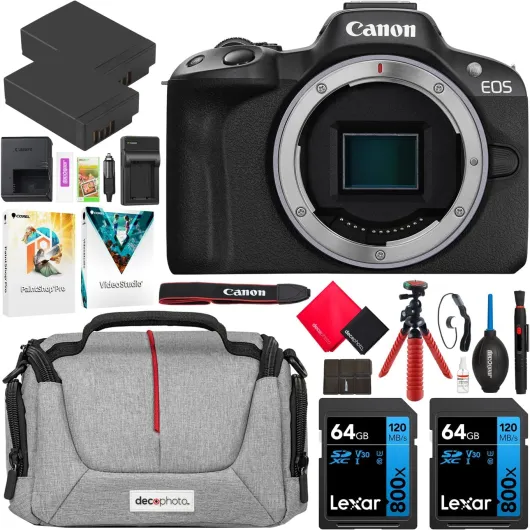
- Look for bundles. Some camera under 1000 deals include a kit lens, extra battery, or memory card. These bundles can be a good value, especially for hybrid shooters who want to start right away.
- Compare prices across retailers. Don’t just stick to one store. Check Amazon, local camera shops, and manufacturer websites. Sometimes, a price drop or special offer can make a big difference in your final decision.
- Don’t pay for features you won’t use. While full frame sensors and advanced autofocus are great, they may not be necessary for beginners. Focus on what matters most for your style—whether that’s video, zoom, battery life, or portability.
Watch out for hidden costs
It’s tempting to focus only on the camera body price, but remember to budget for accessories. A good lens, memory card, and spare battery can add up. If you plan to shoot video, consider a tripod or external microphone. Also, check if the camera uses proprietary batteries or standard ones—this can affect long-term costs.Think about future upgrades
Even if you’re buying your first mirrorless camera, think ahead. Choose a system with a wide range of compatible lenses and accessories. Brands like Sony and Canon offer extensive lens lineups, which is great if you want to expand your kit later. Micro four thirds systems are also known for their versatility and compact lenses. By keeping these tips in mind, you can find the best mirrorless camera for your needs without overspending. Always review the privacy policy and terms privacy of any retailer before making a purchase, especially when you buy amazon or other online platforms.Common mistakes to avoid when choosing your first mirrorless camera
Overlooking Sensor and Image Quality
Many first-time buyers focus on the camera body or brand, but the sensor is the heart of any mirrorless camera. A larger sensor, like an APS-C or full frame sensor, usually delivers better image quality and low light performance. Micro thirds sensors are smaller, but can still be great for travel and everyday photography. Don’t just look at megapixels—consider how the sensor size affects your style, whether you want sharp images for landscapes or smooth video for hybrid shooters.Ignoring Lens Compatibility and Future Upgrades
It’s easy to get excited about a camera under your price range, but forgetting to check lens compatibility can limit your growth. Some brands, like Sony and Canon EOS, offer a wide range of lenses, including zoom and prime options. Make sure the camera you buy supports the lenses you might want in the future, especially if you plan to try different types of photography or video. Remember, a good lens can make a big difference in image quality.Focusing Only on Price or Amazon Deals
While finding the best mirrorless camera at a good price is important, don’t let a tempting amazon buy or low price tag distract you from essential features. Sometimes, cameras on sale may lack strong autofocus, battery life, or video capabilities. Compare models carefully and check recent reviews, not just amazon ratings. It’s better to invest in a camera that fits your needs than to buy the cheapest option and regret it later.Underestimating Battery Life and Usability
Mirrorless cameras are known for compact size, but that can mean shorter battery life compared to DSLRs. If you plan to shoot long video sessions or travel, check how many shots you can get per charge. Also, try holding the camera in-store if possible. A camera that feels good in your hands and has an intuitive menu will make photography more enjoyable.Neglecting Autofocus and Video Features
Some cameras in the under 1000 price range may cut corners on autofocus or video specs. If you want to shoot moving subjects or record high-quality video, look for models with fast and accurate autofocus, good frame rates, and reliable image stabilization. Sony Alpha and Canon EOS mirrorless cameras are often praised for their autofocus systems.Not Reading the Privacy Policy or Terms Privacy
When you buy online, especially from amazon or other retailers, always check the privacy policy and terms privacy. This helps protect your personal information and ensures you understand the return policy if the camera isn’t right for you.- Prioritize sensor and lens quality over brand hype
- Check lens compatibility for future upgrades
- Balance price with essential features like autofocus and battery life
- Read privacy and return policies before you buy amazon deals
By avoiding these common mistakes, you’ll be more likely to find the best mirrorless camera for your needs, whether you’re a beginner or looking to step up your photography game.