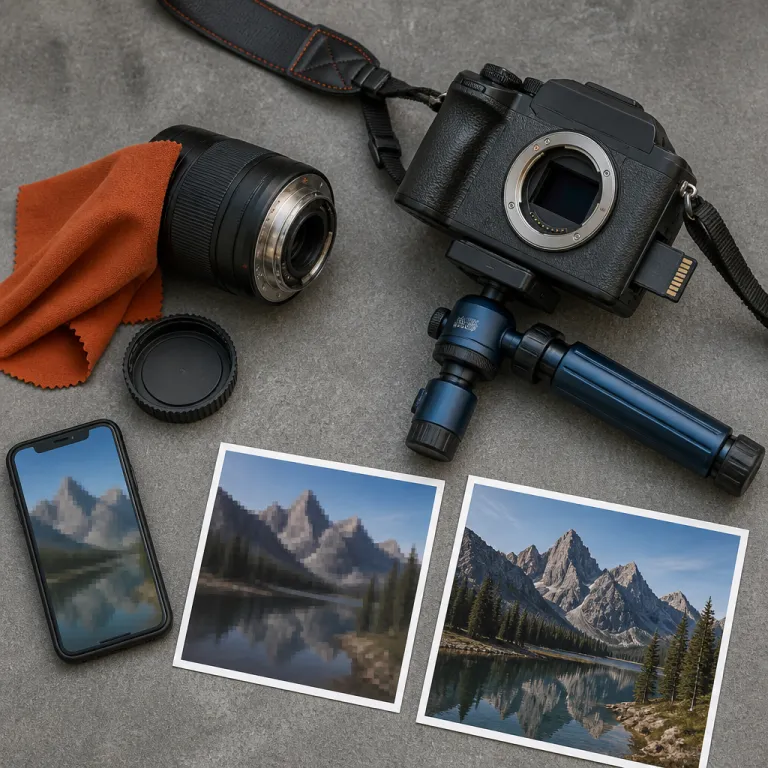
Five honest signals you are ready to move from phone to camera
You usually know when your phone camera is holding you back. The clearest signal about when to upgrade from phone to camera comes the third or fourth time a moment looks great in real life but the photo from your smartphone looks flat, smeared, or strangely processed. That gap between what you saw and the photos you get is the real trigger, not a spec sheet.
Start with zoom, because this is where phones and cameras part ways fast. When you pinch to zoom on most phones, the image quality collapses into mush, while even a basic digital camera with a modest zoom lens keeps detail and contrast at longer focal length settings. If you often crop heavily or zoom in on kids on a playground, wildlife on vacation, or stage performances, that frustration is your first sign you are upgrading from a phone to a dedicated camera for a reason that will actually matter.
The second signal is low light, especially indoors at home. Phone cameras use tiny pieces of glass and a very small sensor, so the smartphone camera leans on aggressive noise reduction and sharpening that can turn skin into plastic and shadows into blotches. A real camera with a larger sensor size and a bright lens simply gathers more light, which means cleaner files, more natural color, and better flexibility when you edit your photos later.
Background blur is the third honest signal, and it is where computational tricks start to crack. Portrait modes on a mobile phone can look good on a small screen, but they often misread hair, glasses, or hands and smear the edges of your subject, especially when the phone camera is pushed in tricky light. A digital camera with a fast lens and a larger sensor creates real optical blur, so the transition from sharp subject to soft background looks natural and repeatable, not like a software filter that sometimes fails.
Motion is the fourth big clue that you are ready to move from smartphone to camera. If your fast moving kids, pets, or sports photos keep coming out smeared or half sharp, the issue is usually a mix of slow shutter speeds, limited autofocus, and the way phones prioritize noise reduction over freezing action. Even entry level digital cameras, especially a basic mirrorless camera with decent continuous autofocus, will lock focus more reliably and let you choose faster shutter speeds so your photos of real life movement actually look alive.
The fifth signal is control, and it often sneaks up on you. When you find yourself digging through your smartphone camera menus trying to force a specific shutter speed, tweak exposure compensation, or lock focus and recompose, you are already thinking like a photographer who wants a real camera. That desire for direct control over aperture, shutter, ISO, and focal length is exactly what a dedicated camera is built to satisfy, and it opens window after window of creative options that phones only simulate.
Put these five signals together and a pattern emerges. You are not upgrading from a cell phone because someone on social media said that digital cameras are better, you are upgrading because your own photos keep failing in the same ways. When the same problems repeat across different phones and different shooting situations, that is when to upgrade from phone to camera without guilt or second guessing.
Why a phone is still enough for many photos, and when it is not
Before you rush toward a digital camera, it helps to be brutally honest about what you shoot. For quick messaging, casual snapshots of receipts, or simple social media posts, a modern smartphone camera is not just good, it is often great because the phone is already in your hand. In bright light with people standing still, the gap in image quality between phones and beginner cameras can be surprisingly small on a small screen.
So the question is not whether cameras are better than phones in some abstract way, but when your specific photography habits make a real camera the smarter tool. If ninety percent of your photos are coffee cups, mirror selfies, and quick group shots for messaging apps, a mobile phone is the right choice and buying digital cameras would only add cost and complexity. In that case, you should spend your energy learning basic composition, timing, and light with the phone camera you already own, because those skills will transfer directly if you ever move from smartphone to camera later.
On the other hand, if you care deeply about low light performance, subtle color, and the ability to crop or print larger, phones start to show their limits. The small sensor inside most cell phones forces the software to work very hard, and while the results can look punchy, they often fall apart when you zoom in or try to lift shadows during editing. A beginner friendly mirrorless camera with a larger sensor size gives you more dynamic range and cleaner files, which means more room to fix mistakes and more flexibility when you decide to turn a favorite photo into a print for your wall.
Autofocus is another area where the gap is narrowing but still real. Phones can track faces well in good light, yet they often struggle with fast erratic motion, backlit scenes, or subjects that are not human faces at all, like birds or bikes. If you are curious about how much faster and more confident a dedicated camera can feel, reading a focused guide to top digital cameras with fast autofocus will show you how far things have come, especially for parents and hobbyists.
There is also the question of how you share and store your photos. Phones make it easy to push images straight to social platforms, but that convenience can encourage you to shoot and forget, leaving your visual life scattered across apps and cloud accounts. A real camera nudges you toward a simple workflow where you import photos to a computer, back them up, and curate the best ones, which feels slower at first but often leads to better long term quality and more meaningful albums.
So when to upgrade from phone to camera. You upgrade when your frustration with missed shots outweighs the comfort of having everything in one device, not when a marketing campaign tells you that phones are suddenly not good enough. If your phone cameras still feel like the right balance of quality, speed, and simplicity for your daily life, you have permission to stay put and ignore the gear chatter.
What actually changes when you move from phone to first camera
Once you decide you have outgrown your phone camera, the real question becomes what a first digital camera will actually change in your photography. The biggest shift is the sensor, because even an entry level mirrorless camera uses a sensor size that is many times larger than the tiny chip inside most phones, and that extra area gathers more light and more detail. In practice, that means cleaner low light images, smoother tonal transitions, and more forgiving files when you edit exposure or white balance after the fact.
The second major change is the lens, and this is where the system nature of cameras matters. With a phone, you are mostly stuck with the built in lenses and whatever digital zoom tricks the software can manage, but with a real camera you can choose a lens with the focal length and brightness that match your style. A simple prime lens with a wide aperture turns family evenings into rich, low noise photos and gives you real background blur without relying on portrait mode guesses, while a modest zoom lens covers travel, kids, and everyday life with more reach than any phone camera can offer without destroying image quality.
Handling is the third big difference that people underestimate. A dedicated camera gives you physical dials and buttons for shutter speed, aperture, ISO, and exposure compensation, so you can react quickly without diving into touch screen menus on a small mobile phone display. That tactile control encourages you to think about light and timing, and it quietly teaches you how photography works every time you raise the camera to your eye.
Then there is the viewfinder, which many phones still lack in any meaningful way. Looking through an eye level finder on a digital camera blocks out distractions, stabilizes your grip, and makes it easier to judge focus and exposure in bright sun, where phone screens often wash out. That simple act of bringing a camera to your face changes how you see scenes, and it often leads to more deliberate framing and fewer throwaway photos.
Portability does matter, especially for a first time buyer moving from phone to camera. The good news is that modern mirrorless cameras and compact digital cameras can be genuinely small and light, so you do not need a huge full frame body to see a real improvement over cell phones. If you are worried about weight, a guide to top lightweight digital cameras can help you find bodies and lenses that will not stay at home on the shelf.
Cost is the final practical shift, and it is worth facing clearly. A beginner kit with a body and a basic zoom lens is an investment, but it also tends to last through several generations of phones, especially if you choose lenses wisely and treat the camera well. When you think about when to upgrade from phone to camera, remember that a good lens and a solid entry level body can serve you for many years of photos, while phones and cell phones cycle quickly through trends and minor upgrades.
So what actually changes. You gain a larger sensor, interchangeable lenses, better low light performance, and more direct control, but you also take on a little more weight, cost, and responsibility for your own results. If that tradeoff feels like an opens window rather than a burden, you are exactly the kind of person who will benefit from upgrading from a phone camera to a real camera.
Mindset, learning curve, and how a real camera changes your habits
Moving from smartphone to camera is not just a hardware swap, it is a mindset shift. With a phone, you tend to shoot reactively, grabbing quick photos whenever something happens, while a dedicated camera nudges you toward planning, observing, and waiting for the right moment. That change in pace is one of the quiet reasons why people who commit to a real camera often feel their photography improves even before they fully understand aperture or focal length.
The learning curve is real but smaller than many beginners fear. If you can handle basic settings on a mobile phone, you can learn aperture priority, exposure compensation, and simple autofocus modes on a digital camera in a few evenings of practice. The key is to accept that the first weeks with any new camera will produce a mix of great photos and strange mistakes, and that this is normal, not a sign that you made a bad choice when you decided to upgrade from phone to camera.
Start with one or two modes and build from there. Use aperture priority to control depth of field, letting the camera handle shutter speed, and watch how changing from f/2.8 to f/8 affects background blur and sharpness in your photos. Then learn how ISO interacts with low light and motion, so you can decide when a little extra noise is worth a sharper image of a moving subject, instead of letting the smartphone camera guess for you.
As you grow, you will also start to see how different lenses change your storytelling. A wide angle lens pulls in context and environment, which is perfect for travel and street scenes, while a short telephoto lens flatters faces and isolates subjects from busy backgrounds in a way that most phone cameras can only imitate. Over time, you will learn which focal length feels natural to your eye, and that preference will guide future lens choices more than any marketing claim about full frame or megapixels.
Habits around editing and archiving will evolve too. Instead of letting thousands of images vanish into the scroll of a cell phone gallery, you will import, rate, and back up your best work, which makes your photography feel more intentional and more permanent. If budget is tight, you can even look at buying a used body or lens, and a detailed guide on buying a used camera and what to check can help you stretch your money without sacrificing quality.
One practical tip for the transition is to carry both your phone and your camera for a while. Use the phone for quick utility shots and messaging, and reserve the digital camera for moments you care about, like family gatherings, travel, or personal projects, so you can feel the difference in image quality and control. After a few weeks, you will know in your bones when to upgrade from phone to camera for a given situation, because the files from the real camera will keep winning whenever the light is difficult or the moment is important.
In the end, the best beginner cameras are the ones that feel simple enough to bring everywhere yet capable enough to grow with you. If you stay honest about what you shoot, accept a short learning curve, and choose lenses that match your life rather than a spec sheet, your first real camera will not feel like a luxury gadget, it will feel like a tool you reach for without thinking. The gear that matters most is not the phone or the camera with the biggest sensor, but the one you will still be excited to pick up five years from now.
Key figures about phones, cameras, and real world image quality
- According to Counterpoint Research, global smartphone shipments exceeded one billion units recently, while dedicated digital camera shipments reported by the Camera & Imaging Products Association were under ten million units, showing how dominant phones have become for casual photography.
- Sensor size in a typical smartphone camera is often around 1/1.7 inch or smaller, while an APS C sensor in many beginner mirrorless cameras is roughly 13 times larger in area, which directly improves low light performance and dynamic range.
- Data from Flickr has consistently shown that phones, especially popular mobile phone models, dominate the list of most used cameras on the platform, yet interchangeable lens cameras still account for a disproportionate share of the most favorited and printed photos.
- Independent lab tests from organizations such as DxOMark and Imaging Resource regularly measure signal to noise ratios that are several stops better for APS C and full frame sensors compared with leading phone cameras, confirming the real advantage of larger sensors in low light.
- Surveys of hobbyist photographers by major photo communities indicate that many users keep a single camera body for five to seven years, while they replace their cell phones roughly every two to three years, which makes a first real camera a longer term investment than a typical phone upgrade.