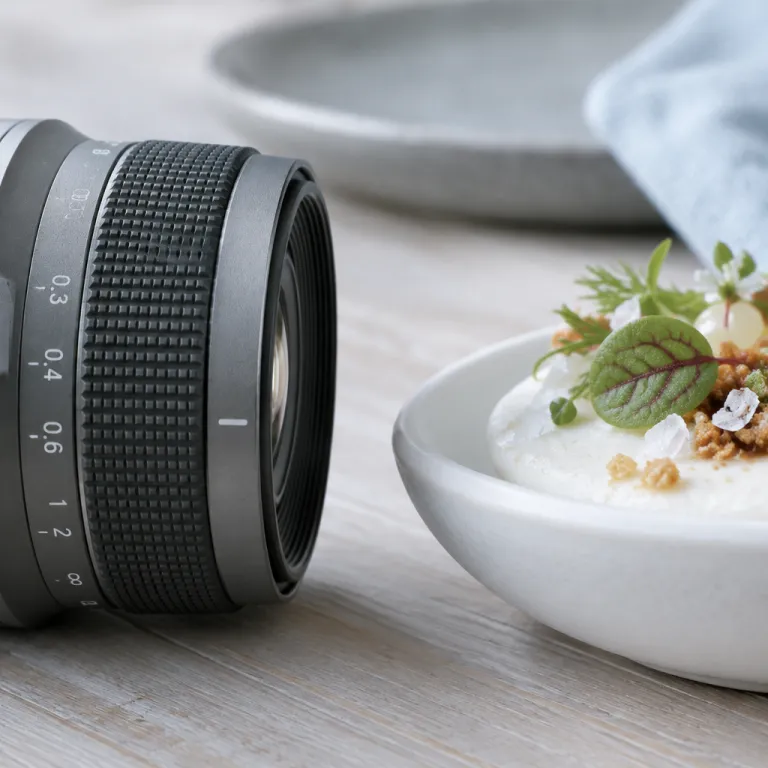
Understanding what makes the best camera for food photography
Choosing the best camera for food photography starts with understanding how you actually shoot. A digital camera that captures rich colour, fine texture and clean images at higher ISO settings will always serve your food storytelling better than a spec sheet that only looks great on paper. When you compare different cameras, keep in mind how each body handles in your hands and how easily you can adjust focus, aperture and shutter speed while your plated food changes quickly under the lights.
For most people, a modern mirrorless camera offers the best balance between image quality, portability and autofocus performance. These mirrorless cameras use an electronic viewfinder and a large frame sensor or APS C sensor size to deliver detailed food photos while remaining compact enough to move around a table or restaurant counter. If you prefer an optical viewfinder and longer battery life, a traditional digital camera with a DSLR design still works well, but mirrorless cameras now lead in focus points coverage and video features for hybrid food photography and video content.
Sensor size matters more than sheer megapixels when you evaluate any best camera option for camera food work. A full frame sensor gives smoother background blur, better low light performance and more flexibility when you shoot raw files for later editing, while a smaller sensor can still produce great images if paired with a sharp camera lens and good light. When you compare full frame and APS C cameras, think about how close you usually stand to your plates, because working distance, depth of field and the look of your food photos all change with sensor size.
Sensor, ISO and low light performance around the table
Restaurant food photography often happens in dim interiors, so the sensor and ISO performance of your camera become critical. A larger frame sensor, especially in a full frame mirrorless camera, gathers more light and keeps noise under control when you raise ISO to 3200 or 6400 for handheld images. This low light strength lets you keep shutter speeds fast enough to avoid blur while still preserving the mood of candles or warm ambient lighting on the food.
When you evaluate different cameras, look beyond the marketing term best camera and study real world tests of dynamic range and high ISO image quality. Files from a modern full frame sensor usually tolerate heavier editing when you shoot raw, which helps you recover highlights on shiny sauces and lift shadows under garnishes without banding or colour shifts. APS C cameras can still deliver great food photos if you expose carefully and keep ISO moderate, but you will notice more noise in deep shadows when you push the file size aggressively in post production.
Pay attention to how your chosen digital camera handles white balance and colour in mixed lighting, because restaurant food often sits under tungsten, LED and window light at the same time. Some mirrorless cameras from brands such as Nikon, Canon and Sony offer excellent auto white balance that keeps plates neutral while preserving atmosphere, which saves time when you reply quickly to client deadlines. If you often shoot tethered to a laptop, test how the camera maintains live view quality at higher ISO values, since accurate preview of colours and contrast helps you refine lighting and focus points on the fly.
Before investing in expensive filters, read a detailed guide about whether you actually need a UV filter and what really protects your lens, such as the analysis on practical lens protection choices. Protecting your lenses properly matters when you work close to sizzling pans, splashing sauces and steam that can fog the front element during intense food photography sessions. A clean, unfiltered camera lens usually gives the sharpest images, while a high quality protective filter can be useful in chaotic commercial kitchens where accidents are common.
Choosing lenses and macro options for detailed food photos
The lens you mount on your camera shapes the character of your food photography more than almost any other choice. A standard prime camera lens between 35 mm and 60 mm on a full frame body gives a natural perspective that flatters plates without distortion, while a short telephoto around 85 mm isolates details like crumbs, herbs and bubbles in drinks. When you plan a kit, keep in mind how much space you usually have around the table, because cramped kitchens favour shorter focal lengths while studio setups allow longer lenses.
For extreme detail, a dedicated macro lens lets you focus very close and capture textures such as flaky pastry, salt crystals or grill marks with stunning clarity. Many food photographers rely on a 90 mm or 100 mm macro lens on full frame cameras, or a 60 mm macro on APS C mirrorless cameras, to balance working distance and magnification. These lenses often include internal focus mechanisms that maintain length while focusing, which is helpful when you work above delicate food that you do not want to disturb with a moving front element.
Zoom lenses can still play a role in a best camera for food photography kit, especially when you shoot both food photos and behind the scenes video during the same session. A 24 70 mm zoom on a full frame sensor covers overhead table scenes, three quarter angles and tight detail shots without changing lenses, which keeps your workflow fast when clients expect a quick reply and a variety of images. Whatever lenses you choose, prioritise fast maximum apertures, reliable autofocus and pleasing rendering of out of focus areas, because smooth background blur helps the viewer focus on the food rather than distracting elements in the restaurant.
Many people start with a smartphone and then move to a dedicated camera once they see the limits of tiny sensors and fixed lenses, a transition explored in depth in this guide about why a dedicated camera still makes you a better photographer on the value of a dedicated camera. That shift becomes especially clear in food photography, where control over sensor size, aperture and focus points transforms flat snapshots into layered, appetising images. A dedicated digital camera with interchangeable lenses simply gives you more creative control over how every ingredient appears in the frame.
Autofocus, focus points and handling for reliable food shoots
Sharp focus on the right detail separates professional food photos from casual snapshots, so autofocus performance should guide your choice of the best camera for food photography. Look for a mirrorless camera or DSLR that offers dense coverage of focus points across the frame, because you often place the hero element off centre in a styled plate. When you compose overhead flat lays or angled shots, being able to move a single focus point quickly without recomposing helps you maintain precise focus on garnishes, sauces or the front edge of a dish.
Continuous autofocus is less critical for static plates, yet it becomes valuable when you shoot video of pouring sauces, rising steam or hands interacting with food. Many modern cameras from Nikon, Canon, Sony and Fujifilm now track subjects smoothly in video mode, which keeps your images and clips consistent when you move around the table. For still photography, test how reliably the camera locks focus in low light, because dim restaurants and moody studios can challenge even advanced autofocus systems.
Handling details such as custom buttons, touch screens and dials matter more than you might expect during long food photography sessions. A camera that lets you assign ISO, white balance and focus mode to dedicated controls will keep your eyes on the food instead of buried in menus, which speeds up your reply to fleeting moments like melting ice cream or collapsing foam. When you shoot tethered to a laptop, check that the camera maintains responsive live view and allows remote control of focus points, aperture and shutter speed, because this workflow lets you collaborate with stylists and clients in real time.
Card slots and file management also influence reliability on commercial jobs, where losing images is not an option. Dual card slots that can record raw files to one card and JPEG images to another provide instant backup and faster client previews, especially when you shoot raw for maximum editing flexibility. Before a big assignment, format each card in camera, label them clearly and keep mind that consistent file naming and folder structure will save hours when you deliver final food photos.
Full frame versus APS C and how to build a practical kit
Choosing between a full frame camera and an APS C digital camera for food photography comes down to working style, budget and space. Full frame bodies offer better low light performance, smoother background blur and often higher dynamic range, which helps when you shoot raw and push files in post production. APS C cameras remain lighter, more affordable and perfectly capable of producing great images for web, social media and many print uses when paired with sharp lenses and good lighting.
Many professionals use a full frame mirrorless camera as their main body and keep an APS C mirrorless camera as a backup or travel option. This combination lets you share lenses across both cameras while taking advantage of the crop factor for extra reach when you shoot detail shots or behind the scenes images. When you compare systems, study not only the camera bodies but also the depth and cost of available lenses, because your choice of macro lens, standard zoom and fast primes will shape your long term food photography style.
Entry level photographers often ask whether they should wait for a high end model such as a Canon EOS 5D Mark III or invest in a more recent mid range mirrorless camera instead. For most food photography work, a modern mid range mirrorless camera with strong autofocus, good high ISO performance and reliable card slots will outperform an older professional DSLR in usability, even if the older body still delivers excellent image quality. To understand how the entry level goalposts have shifted, you can read a detailed buying guide about the best first camera to buy this fall on modern entry level camera choices, then adapt those principles to your specific food photography needs.
When you assemble a kit, start with one camera body, a versatile standard zoom and a dedicated macro lens, then add speciality lenses as your style evolves. Keep mind that investing in lenses usually brings more visible improvement to your food photos than upgrading the camera body every cycle, because glass defines rendering, contrast and bokeh. A thoughtful, lean kit also makes it easier to move between home kitchens, restaurants and studios without carrying unnecessary weight that slows your creative reply to new food stories.
Workflow, file size and tethered shooting for professional results
Professional food photography depends as much on workflow as on the choice of the best camera for food photography. Shooting raw gives you maximum control over white balance, contrast and colour grading, but it also increases file size and demands faster cards and more storage. When you plan a system, balance your need for editing flexibility with realistic expectations about backup, archiving and delivery deadlines for clients.
Many food photographers shoot tethered to a laptop or tablet so they can judge focus, composition and colour on a larger calibrated screen. Tethered shooting lets you adjust focus points precisely, refine styling and lighting with instant feedback and involve clients in the creative process, which reduces revisions later. To make this work smoothly, choose a camera that supports stable tethering software, offers fast card slots and maintains responsive live view even when writing large raw images to the card.
Video has become a core part of food storytelling, from short social clips to full recipe tutorials, so your camera should handle both stills and video gracefully. Look for clean HDMI output, reliable continuous autofocus and flexible frame rate options, because these features help you create smooth, appetising footage that matches the look of your still images. When you shoot both formats on the same day, organise your cards carefully and keep mind that video files grow quickly, so plan extra storage and a clear folder structure before the shoot.
Even if you work alone, treat every session like a commercial job by backing up cards immediately and maintaining a consistent naming convention for images and projects. A disciplined workflow builds trust with clients, protects your best camera investment and frees mental space to focus on plating, lighting and creative direction. Over time, this combination of technical control, reliable backup and thoughtful editing will help your food photos stand out in a crowded visual landscape.
How to match specific cameras to your food photography style
No single model can claim to be the absolute best camera for food photography, because style, budget and environment vary widely. If you shoot mostly at home with controlled light, an APS C mirrorless camera with a sharp macro lens may give you all the image quality you need at a lower cost. Restaurant photographers who work in low light and need fast autofocus often benefit from a full frame mirrorless camera with strong high ISO performance and dual card slots for safety.
Brand choice often comes down to ergonomics, lens ecosystem and personal preference rather than pure image quality, because modern cameras from Nikon, Canon, Sony, Fujifilm and Panasonic all produce excellent files. Nikon full frame mirrorless cameras, for example, offer strong colour science and comfortable grips that many food photographers appreciate during long days on set. Canon and Sony systems provide extensive lens lineups, including multiple macro lens options and fast standard zooms that cover most food photography scenarios with ease.
When you compare specific bodies, pay attention to how quickly the camera wakes from sleep, how responsive the menus feel and how easily you can move focus points while looking through the viewfinder. These small handling details influence whether the camera disappears in your hands, letting you concentrate fully on the food, the story and the people around the table. Before you commit, rent or borrow a few different cameras, shoot the same dishes under the same light and then review the images side by side, judging not only technical quality but also how each camera supported your creative flow.
Key figures and statistics about cameras for food photography
- According to CIPA shipment data, mirrorless cameras now account for more than half of interchangeable lens camera sales worldwide, reflecting their growing dominance among food photographers who value compact bodies and advanced autofocus.
- Industry surveys from major photo agencies indicate that over 70 % of commissioned food photography for advertising is now shot on full frame cameras, largely because art directors expect high resolution files suitable for large prints and cropping.
- Data from leading stock photography platforms shows that images tagged as food photos have increased by more than 40 % over the past five years, highlighting the intense competition and the need for high quality cameras and lenses to stand out.
- Professional workflow studies suggest that photographers who shoot tethered reduce reshoot rates by up to 30 %, since clients can approve compositions and focus points on set rather than relying on small camera screens.
- Storage analyses from backup providers reveal that raw files from modern full frame cameras can range from 30 MB to 80 MB per image, meaning a single full day of food photography may generate over 100 GB of data that must be managed and archived securely.
FAQ about choosing the best camera for food photography
Is a full frame camera always better for food photography than APS C ?
A full frame camera offers better low light performance and smoother background blur, which many food photographers appreciate for moody restaurant scenes and shallow depth of field. However, APS C cameras can still deliver excellent images when paired with good lenses and lighting, especially for web and social media use. The best choice depends on your budget, shooting environment and how large you need to print or crop your food photos.
Do I really need a macro lens for food photography ?
A macro lens is not strictly required, but it opens creative options that standard lenses cannot match. Macro lenses allow very close focusing and high magnification, which helps you capture fine textures like sugar crystals, herbs and bubbles with striking clarity. Many professionals consider a macro lens one of the most valuable tools in a dedicated food photography kit.
Should I prioritise megapixels or sensor size when buying a camera for food ?
Sensor size usually matters more than pure megapixel count for food photography. A larger sensor, such as full frame, gathers more light and offers better dynamic range, which helps when you shoot raw and edit heavily. Very high megapixel counts can be useful for large prints and cropping, but they also increase file size and storage demands.
Is it necessary to shoot tethered for professional food photography ?
Shooting tethered is not mandatory, yet it brings clear advantages on commercial sets. Tethered workflows let you judge focus, colour and composition on a larger screen, involve clients in real time and reduce the risk of missed details. For many professionals, tethering has become a standard practice whenever space and time allow.
Can I start with one camera and a single lens for food photography ?
Starting with one camera and a single versatile lens is a sensible approach for beginners. A standard zoom or a normal prime around 35 mm or 50 mm on full frame (or 23 mm or 35 mm on APS C) covers most common food photography angles. As your style and needs evolve, you can add a macro lens and other specialised lenses to expand your creative options.