Why UV filters existed and what changed with digital cameras
Film era photographers used an ultraviolet filter because film was sensitive to ultraviolet light. Modern digital cameras already include strong ultraviolet filtration on the sensor stack, so the original optical need for ultraviolet filters has mostly disappeared. When you now ask “do I need a UV filter for my lens”, you are usually asking about lens protection rather than image cleanup.
On color film, ultraviolet light could make distant mountains look hazy and slightly blue, which pushed many photographers to keep a filter lens permanently mounted. With a current digital camera lens, that same ultraviolet light is largely blocked before it ever reaches the pixels, so a clear filter will not dramatically improve image quality in normal conditions. The main way a front filter will affect image results today is by adding extra glass surfaces that can reflect light and potentially affect image contrast.
Every extra piece of glass in front of a quality lens changes how light travels through the optical path. Even high quality filters can introduce a tiny loss of contrast or add flare when you shoot into bright light sources, which means the filter will sometimes affect image rendering more than ultraviolet wavelengths themselves. That is why many photographers who care deeply about optical quality now treat ultraviolet filters as optional accessories instead of mandatory parts of their camera lenses.
Protection versus performance: when a filter helps and when it hurts
For most everyday photography, a lens hood, a decent strap, and a padded bag provide better lens protection than a thin ring of glass. A hood extends beyond the front element of the camera lens, so it can absorb bumps and knocks that might otherwise chip the glass or bend the filter threads. If you are choosing your first travel kit and comparing different camera sizes, it is worth reading a detailed guide on finding the right travel camera size and sensor trade offs before spending extra usd on filters you may not need.
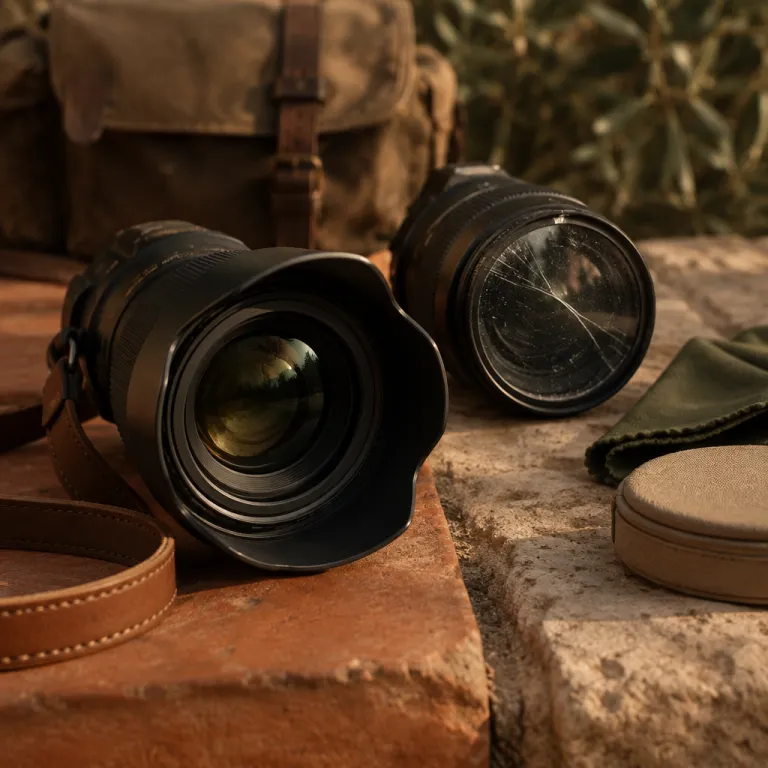
There are situations where a protective lens filter genuinely earns its place, especially when shooting in harsh conditions like blowing sand, sea spray, or sticky fingerprints from curious kids. In those cases, a high quality filter acts as sacrificial glass, so scratches on the filter will not affect image quality once you replace it, while scratches on the front element of a quality lens are permanent. If you regularly shoot at the beach, on dusty trails, or in light rain, a good ultraviolet filter or clear filter can be cheap insurance for your camera lenses.
The trade off is that even quality filters lens designs can still affect image contrast and flare, particularly when bright light hits at an angle. A cheap filter will often degrade optical quality more noticeably, so pairing a bargain filter with an expensive camera lens is a poor match. When you ask whether you need filter protection, the honest answer is that a filter will help in rough conditions but may slightly affect image clarity in clean, controlled shooting environments.
How filters affect image quality in real shooting conditions
Think of a filter as another tiny window your light must pass through before it reaches the sensor. If that glass is not perfectly flat, well coated, and clean, it can affect image sharpness, contrast, and flare, especially on high resolution digital cameras that reveal every flaw. This is why photographers who care about image quality often skip a filter lens indoors and rely on careful handling instead.
In backlit scenes, such as city streets at night or sunsets over water, a low quality filter will create extra reflections between the filter and the front element, which can add ghosting or a milky veil over the image. Even high quality filters with advanced coatings can slightly affect image rendering, though the impact is usually small compared with the benefits of lens protection in harsh conditions. If you shoot fast moving subjects and rely on fast autofocus, you will probably notice that a clean front element and a good hood do more for consistent results than stacking multiple accessories like a UV filter and a graduated neutral density or GND filter together.
For action or family photography, where kids, pets, and weather are unpredictable, the best protection is often behavioral rather than optical. Use a snug strap, keep the camera in a padded bag when you are not shooting, and mount the hood so it can take the hit instead of the glass. When you do choose to add lens filters, match the quality filters to the quality lens you own, because poor optical quality in front of the camera will always affect image results more than most people expect.
Buying advice: matching filter quality to your lens and budget
Before you spend extra usd at the counter, pause and think about how you actually use your camera. If your photography mostly happens indoors, in parks, or on city streets, you probably do not need filter protection all the time, and a lens hood will usually be enough. When you do buy a lens filter, treat it as part of the optical system rather than a generic accessory, because the filter will sit in the same light path as your expensive camera lens.
Check the filter thread size printed on the front of your lens, then choose a high quality ultraviolet filter or clear filter that matches both that diameter and the level of lens you own. A premium quality lens deserves equally high quality filters, with multi coated glass that preserves optical quality and reduces reflections that might affect image contrast. If you own several lenses with different thread sizes, consider buying one excellent filter in the largest size and using step up rings, rather than several cheaper filters lens options that could each affect image quality differently.
Remember that not every accessory sold as a filter lens is necessary for beginners, especially when you are still learning how light, shutter speed, and aperture shape your images. A GND filter, for example, is useful for landscape photographers who need to balance bright skies and dark foregrounds, but it is not required for casual family shooting. For most first time buyers, the smarter upgrade is often a camera with faster autofocus or better low light performance, and you can compare those options in guides to digital cameras with fast autofocus before worrying about stacking multiple filters.
Practical setups that protect your gear without wasting money
If you are still wondering “do I need a UV filter for my lens”, start by building a simple, reliable setup instead of buying every accessory at once. A sturdy strap, a padded bag, and a properly sized lens hood will do more for lens protection than a drawer full of unused filters. When you add a single high quality ultraviolet filter for beach trips or dusty hikes, you get targeted filter protection without compromising everyday optical quality.
On a family trip to a windy beach, for example, a good ultraviolet filter can shield the front glass from blowing sand while the hood reduces flare from harsh light. Back in the city, you can remove the filter and rely on the hood to avoid bumps and to keep stray light from hitting the camera lens at odd angles that might affect image contrast. This flexible approach lets photographers adapt their accessories to real conditions instead of treating filters as permanent fixtures.
When you are ready to upgrade your body or add another lens, focus first on core performance like autofocus, stabilization, and sensor quality, then think about which lens filters genuinely support your style of shooting. A clear, sharp image from a quality lens on a modest body will usually look better than a more expensive camera saddled with cheap filters that affect image clarity. If you want a broader view of which bodies pair well with your existing glass, you can explore a curated list of top digital cameras before deciding whether you really need filter accessories or just better technique.
FAQ
Do I really need a UV filter for my lens on a digital camera?
Most modern digital cameras already block ultraviolet light at the sensor, so you usually do not need a UV filter for image quality alone. A UV filter can still be useful as physical protection in harsh conditions, such as blowing sand or sea spray. For everyday shooting, a lens hood and careful handling often provide enough lens protection without adding extra glass that might affect image contrast.
Can a cheap filter affect image quality on a good lens?
Yes, a low quality filter can noticeably affect image quality, especially on a sharp, high resolution lens. Cheap glass and weak coatings can introduce flare, ghosting, and a slight loss of sharpness or contrast. If you choose to use filters, match the quality filters to the quality lens you own so the filter will not become the weakest link in your optical chain.
Is a lens hood better protection than a UV filter?
A lens hood often provides better physical protection against bumps and knocks because it extends beyond the front element. The hood also helps avoid stray light that can affect image contrast, while a UV filter mainly adds a sacrificial layer of glass. Many photographers use a hood all the time and reserve a UV filter for specific conditions where debris or moisture might hit the front glass directly.
When should I definitely use a protective filter on my camera lens?
A protective filter makes the most sense when you shoot in environments with abrasive particles or corrosive moisture, such as beaches, deserts, or near waterfalls. In those conditions, a good ultraviolet filter or clear filter can take scratches and residue that would otherwise damage the front element. Once you leave those harsh conditions, you can remove the filter to preserve maximum optical quality in cleaner settings.
Do professional photographers still use UV or clear filters?
Many professional photographers use UV or clear filters selectively rather than leaving them on every lens permanently. They often mount a protective filter for risky assignments, like sports on dusty fields or documentary work in bad weather, then remove it when shooting in controlled environments to avoid any chance that the filter will affect image rendering. The key is treating filters as tools for specific conditions, not as mandatory accessories for every moment of photography.