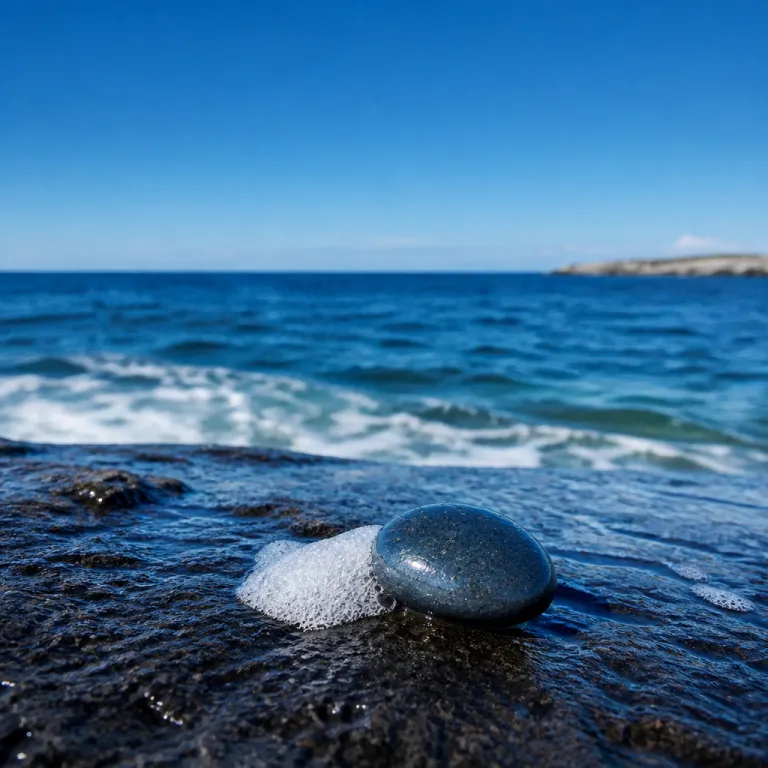

Why the xf 16mm f 1 4 r wr sample photos matter
When photographers search for xf 16mm f 1 4 r wr sample photos, they are usually looking for real evidence rather than brochure language. Actual sample images reveal how this Fujifilm prime behaves in everyday photography, from cramped interiors to dramatic street scenes. A careful look at these photos shows how the focal length, wide angle coverage, and depth of field rendering translate into practical image quality.
This Fujinon wide angle lens offers a 16 mm focal length, which on Fujifilm X series cameras gives a field of view similar to a 24 mm angle lens on full frame. That makes it ideal for travel photos, environmental portraits, and cityscapes where you need both context and subject clarity in your images. Studying multiple Fujifilm 16mm sample images lets you judge sharpness, distortion, and how the optics handle complex scenes with bright highlights and deep shadows.
In galleries of XF 16mm f/1.4 samples, you will often see scenes from European streets, dim cafés, and rainy alleys that test the weather resistant design. These varied sample images help you understand how the lens performs wide open at f 1.4 in low light, and how the focus ring responds when you switch to manual focus for precise control. By comparing different sample image sets from several Fujifilm review articles and looking at the EXIF data for aperture and shutter speed, you can separate marketing claims from real world performance.
Field of view, focal length and depth of field in practice
The 16 mm focal length on a Fujifilm X camera gives a wide angle view that feels immersive without becoming extreme. In xf 16mm f 1 4 r wr sample photos, you will notice how this focal length lets you stand close to your subject while still including generous background context. That combination is powerful for documentary photography, street images, and environmental portraits where place matters as much as the person.
Because this Fujinon wide angle lens opens to f 1.4, you can create surprisingly shallow depth field even at such a short focal length. Many sample photos show a subject framed at arm’s length, with the background in cafés or city parks rendered as a soft blur that still preserves recognisable shapes. This balance between subject separation and environmental detail is a key reason many pro photographers choose this specific Fujifilm lens for storytelling images.
When you study Fujifilm sample images at different apertures, pay attention to how depth field changes from f 1.4 to f 5.6 and beyond. Wide open, the angle lens draws the viewer’s eye to the in focus subject while keeping foreground and background gently softened. Stopped down, the same lenses deliver edge to edge sharpness that landscape photographers and architecture specialists value, which you can confirm by examining any detailed sample image or in depth Fujifilm review focused on this focal length. For readers comparing portrait options, a dedicated guide to choosing a portrait lens and focal lengths can be helpful, especially when deciding how this 16 mm fits alongside longer primes.
Sharpness, image quality and low light performance
One of the first things you notice in xf 16mm f 1 4 r wr sample photos is the impressive central sharpness even at f 1.4. Fine details in brick walls, street signs, and distant windows remain crisp, which reflects the optical design of this Fujinon lens. As you move through different sample images, you can also evaluate corner sharpness and see how quickly it improves as you stop down.
Image quality is not only about sharpness, so look closely at colour rendering, contrast, and micro contrast in each sample image Fujifilm photographers share. Many Fuji lenses, including this 16 mm, are known for rich yet natural colours that require minimal correction in post processing. In low light scenes, such as evening photos from canals or indoor images lit only by window light, the lens shows how its wide open aperture and fast focus can keep ISO values lower and noise under control.
Because the lens is weather resistant, reviewers often include sample photos taken in rain, mist, or near the sea to test sealing and coating performance. These Fujifilm review galleries let you judge flare resistance, ghosting, and contrast when shooting into strong light sources at different angles. If you are comparing this prime to ultra wide angle lenses, you may also want to read about an ultra wide zoom that costs less, which helps place the 16 mm’s image quality and price in a broader context.
Autofocus, manual focus and handling in real shooting
Handling characteristics rarely show up in specifications, so xf 16mm f 1 4 r wr sample photos taken in demanding situations are essential. When you see sharp images of moving subjects in low light, you can infer that autofocus and the focus ring design are working effectively together. Street photography sequences, for example, reveal how quickly the lens locks focus as people walk across the frame.
The focus ring on this Fujifilm lens features a clutch mechanism that lets you switch instantly between autofocus and manual focus. In many sample images, especially night photos or close up shots, photographers rely on manual focus to fine tune the focal plane with precision. This is particularly useful when shooting wide open at f 1.4, where depth field can be surprisingly thin at close distances, and even slight focus errors become obvious in high resolution images.
Pro users often comment in each Fujifilm review on how the lens balances on different Fuji camera bodies, from compact rangefinder style models to larger pro oriented grips. Weather resistant construction means you can keep shooting in light rain or sea spray, which is why you often see harbour photos and similar coastal images in sample galleries. On one overcast afternoon in Copenhagen, for instance, a series of handheld harbour shots at f 1.4 and ISO 800 showed consistent focus accuracy and contrast despite drizzle and low contrast light.
Real world use cases, from Copenhagen streets to pro assignments
Looking across xf 16mm f 1 4 r wr sample photos from different photographers, clear patterns emerge about where this lens excels. Travel and city photography benefit from the wide angle view, which captures both architecture and human activity in a single image. Scenes from Copenhagen, Tokyo, or New York often show leading lines from streets and buildings drawing the eye toward a sharply rendered subject.
For professional work, many pro photographers use this Fujifilm lens for environmental portraits, weddings, and editorial assignments. Sample images from such jobs show how the lens handles mixed lighting, fast moving subjects, and tight indoor spaces where a wider angle lens is essential. Because the lens remains sharp wide open and focuses quickly, it becomes a reliable tool when there is no chance to repeat a moment, such as during ceremonies or fleeting street interactions.
Fuji lenses in this focal range also appeal to content creators who shoot both photos and video, since the wide angle field of view suits vlogging and handheld documentary work. When you examine sample photos and frame grabs from video, you can judge how consistent the image quality and colour rendering remain across different shooting modes. Over time, building your own library of sample images with this focal length will help you understand how it fits into your broader photography style and whether it complements or replaces other angle lenses in your kit.
How to evaluate xf 16mm f 1 4 r wr sample photos before buying
Before investing in any Fujifilm lenses, it is wise to study multiple xf 16mm f 1 4 r wr sample photos from different sources. Look for galleries that include both RAW and JPEG images, as well as a mix of daylight, low light, and backlit scenes. This variety helps you judge not only the lens but also how Fuji camera processing interacts with the optical design.
When comparing sample images, pay attention to how the lens renders straight lines, especially in architecture photos where distortion can be distracting. Examine the corners of each sample image Fujifilm photographers share to see whether sharpness holds up and whether chromatic aberration appears along high contrast edges. Also check bokeh quality in close up shots taken wide open, since the character of out of focus areas contributes significantly to overall image quality and depth field perception.
Finally, read at least one detailed Fujifilm review that includes both technical tests and practical shooting impressions, rather than relying on a single sample gallery. Cross referencing several reviews, sample photos, and your own priorities in photography will give you a balanced view of this Fujinon lens. If you already own other Fuji lenses, consider how this 16 mm focal length and wide angle perspective will complement your existing focal length coverage and whether its weather resistant build justifies a place in your everyday bag.
Key figures and statistics for wide angle lenses
- On Fujifilm X series cameras, a 16 mm focal length provides an angle of view of roughly 83 degrees diagonally, which is close to the classic 24 mm wide angle field on full frame systems according to manufacturer specifications.
- Laboratory tests from independent reviewers often measure centre sharpness of the Fujinon XF 16 mm f 1.4 at over 80 % contrast in modulation transfer function charts at f 2, indicating very high image quality for real world photography.
- Weather resistant Fujifilm lenses, including the XF 16 mm f 1.4 R WR, are typically rated to operate down to approximately −10 °C, which is relevant for photographers working in cold climates or shooting winter cityscapes.
- Many professional photographers report that a single 16 mm wide angle prime can cover around 60 to 70 % of their travel and street photos on a trip, highlighting how versatile this focal length is for everyday images.
FAQ about the Fujifilm XF 16 mm f 1.4 R WR
Is the Fujifilm XF 16 mm f 1.4 R WR good for low light photography ?
Yes, the XF 16 mm f 1.4 R WR is excellent for low light photography because its wide open f 1.4 aperture lets in a large amount of light. This allows you to keep ISO values lower and shutter speeds faster, which improves image quality and reduces motion blur in handheld photos. Many xf 16mm f 1 4 r wr sample photos taken at night or indoors clearly show clean, sharp images with controlled noise.
How does the 16 mm focal length compare to other wide angle lenses ?
On Fujifilm X cameras, the 16 mm focal length behaves like a 24 mm angle lens on full frame, which is a classic wide angle choice for travel and documentary work. It is less extreme than ultra wide options, so straight lines remain more natural while still giving a broad field of view. Sample images from Copenhagen streets and interiors demonstrate that this focal length balances immersion with relatively low distortion.
Is the XF 16 mm f 1.4 R WR suitable for professional work ?
The lens is widely used in professional photography, including weddings, editorial assignments, and commercial travel work. Its combination of high sharpness, fast autofocus, weather resistant construction, and reliable manual focus control makes it a dependable tool in demanding conditions. Pro photographers often share xf 16mm f 1 4 r wr sample photos from real jobs to show how it performs when there is no opportunity for retakes.
Can I use the XF 16 mm f 1.4 for portraits ?
While not a traditional portrait focal length, the 16 mm lens works very well for environmental portraits where you want to include surroundings in the frame. Shooting wide open at f 1.4 can still create a pleasing depth field effect that separates the subject from the background. For tighter framing or stronger background blur, many photographers pair it with a longer portrait lens, using guides on portrait focal lengths and bokeh to build a balanced kit.
What should I look for when evaluating sample photos of this lens ?
When you study xf 16mm f 1 4 r wr sample photos, check centre and corner sharpness, colour rendering, distortion, and how the lens handles flare and backlighting. Look at images taken in both daylight and low light, and pay attention to how smooth or busy the out of focus areas appear at different apertures. Comparing multiple sample images from different photographers and at various settings will give you the clearest picture of whether this Fujifilm lens matches your style and expectations.