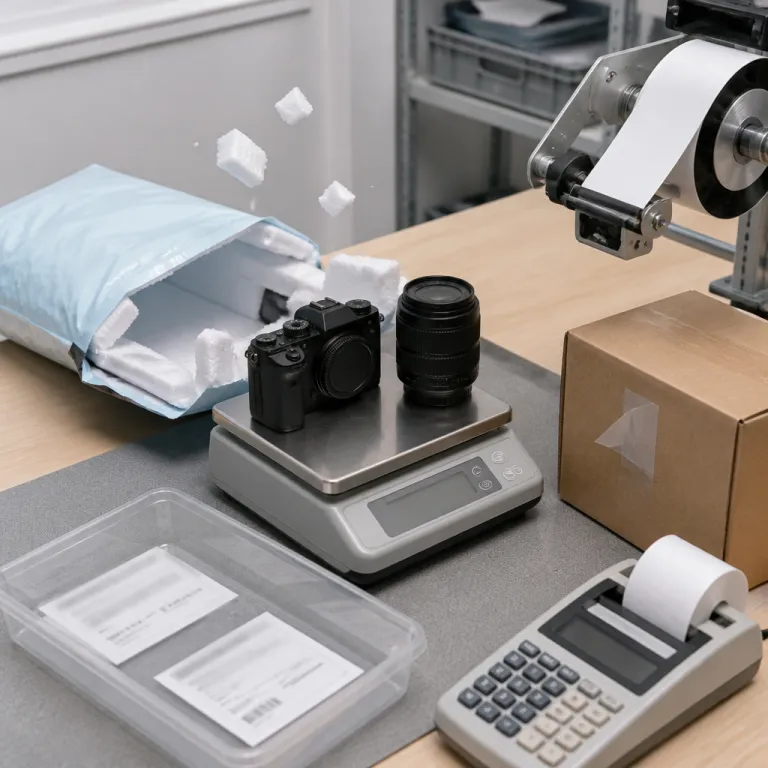

How import duties on cameras and lenses shape real world prices
When photographers talk about import duties on cameras and lenses, they usually mean the full stack of tax and border charges hidden behind an attractive online price. A camera body or camera lens bought from abroad may look cheaper at first, but the final amount you pay depends on how your customs authority classifies the type of goods and which trade agreements apply. Understanding how each customs duty, sales tax, brokerage fee and handling charge works lets you judge whether a deal is genuinely duty free or simply marketing language.
Every country sets its own duty rate on photographic goods, and some treat cameras differently from lenses and accessories. In the European Union, for example, many digital cameras are classified under HS heading 8525 (or under HS 9006 in some national tariff schedules for still-image cameras) and enter with zero customs duty, yet you still pay value added tax on the full value of the item including shipping and insurance, which means the tax is calculated on more than just the sticker price. In other markets, a camera lens classified under HS code 9002 can attract both a customs duty and a separate sales tax, so the same lens bought locally and the same lens bought abroad may end up with a similar final price once all fees are paid.
When you import goods yourself, the customs form attached to the parcel becomes a crucial document. The seller or shipping company must declare the correct type of goods, the realistic price and the country of origin, because customs officers use this information to calculate any import duty that you will pay. If the declared value looks suspiciously low, customs may ask the courier company for proof of what you actually paid, and they can reassess the duty and tax, which means extra fees and delays before the cameras or lenses are released.
Buying cameras and lenses from Japan and other popular export markets
Many enthusiasts look to Japan for high quality used cameras and lenses, especially rare telephotos and compact primes. A lens Japan sellers list on major platforms can appear hundreds of euros cheaper than the same camera lens in local shops, yet the import duties on cameras and lenses from Japan can erase much of that apparent saving. Before you click buy on a tempting lens Japan listing, you should map out every duty, tax and brokerage fee that the courier company will charge when the parcel crosses your border.
When a camera or lens is bought from Japan, the seller usually offers international shipping through a major courier or postal service. The shipping company then becomes responsible for presenting the goods to customs, paying any import duty on your behalf and invoicing you later for the duty, sales tax and its own brokerage fee, which is the company charging you for handling the paperwork. This means that even if the seller marks the parcel as duty free or writes a low value on the customs form, you will pay the real amount once customs and the courier have processed the item.
Wildlife photographers often import long telephoto lenses from Japan because the domestic price can be significantly lower. For instance, a used Sony 100–400 mm G Master bought from a reputable lens Japan dealer may undercut local retailers, especially when combined with seasonal discounts on cameras and lenses. Yet when you factor in import duties on cameras and lenses, the courier that will charge you a brokerage fee, and the sales tax that you will pay on the full declared value, the gap between the Japanese price and the local price for such a high end wildlife zoom can narrow dramatically, even if the original listing looked almost duty free on screen.
Those considering advanced wildlife optics should also compare imported offers with local promotions on specialised gear such as high performance 100–400 mm telephoto lenses for wildlife shooters. A lens bought locally may carry a higher shelf price, but you avoid the uncertainty of how much you will pay in duty and import tax, and you gain easier warranty support if the item develops a fault. In many cases, the peace of mind and predictable final price outweigh the theoretical savings of importing cameras or lenses from Japan, especially when exchange rates and courier fees move against you.
How couriers, postal services and brokerage fees affect what you pay
The shipping route you choose has a direct impact on import duties on cameras and lenses, because different carriers handle customs clearance in different ways. When a seller offers free shipping, that usually means the cost is baked into the price of the item, but it does not mean the parcel is duty free once it reaches your country. You still pay duty and sales tax on the declared value, and the courier or postal service may add a flat brokerage fee for processing the customs form and advancing the tax on your behalf.
Express couriers often provide faster delivery for cameras and lenses, yet they also tend to charge higher brokerage fees than national postal services. A courier company that specialises in cross border shipping of high value goods knows that a camera lens or professional camera body is likely to attract import charges, so it automates the process and then bills you a service fee for that automation. By contrast, postal services sometimes charge a smaller handling fee, but they may hold your bought item at a depot until you pay duty and tax in person, which can delay your new gear.
When you import a camera lens or other accessories, pay close attention to how the shipping company describes its customs service. Some carriers state clearly that they will charge a brokerage fee plus any duty and import tax that customs assesses, while others bury this information in fine print that many buyers do not read. If you are a member of a frequent shipper programme, you might receive reduced fees, but you still will pay the underlying tax on cameras and lenses, because no courier can legally waive government charges.
Landscape photographers tempted by wide angle optics from overseas retailers should run the numbers carefully. A tempting offer on an ultra wide zoom may look attractive when you compare only the base price, yet once you add the shipping cost, the brokerage fee and the import duties on cameras and lenses, the final price can approach or even exceed local deals on similar optics. Before you commit to a foreign order, compare it with competitive local options such as affordable ultra wide zoom lenses for mirrorless cameras, where the sticker price already includes sales tax and you avoid surprise fees from a courier company that will charge you for customs clearance.
Calculating the real final price before you click buy
Photographers who import gear regularly treat the calculation of import duties on cameras and lenses as part of their buying workflow. Instead of focusing only on the advertised price, they build a simple checklist that covers the base cost of the item, the shipping cost, the expected duty rate, the sales tax rate and any brokerage fee that the shipping company may add. This approach turns a tempting free shipping offer into a transparent total where you can see exactly how much you will pay before the courier rings your doorbell.
Start with the invoice value of the cameras or lenses you have bought, including any discounts or coupons. Add the shipping and insurance cost, because many customs authorities calculate import tax on the combined value of the goods and the shipping, not just the base price of the item. Then apply the duty rate for the specific type of goods, followed by the sales tax rate, and finally add any flat fees that the courier company or postal service will charge for presenting your parcel to customs.
To make this concrete, imagine importing a used 100–400 mm lens from Japan to Germany. The seller charges ¥180,000 for the lens and ¥8,000 for shipping, for a total of ¥188,000. If customs converts this at an official rate of ¥150 to €1, the customs value becomes about €1,253. With a 0 % EU customs duty on many lenses under HS 9002, the duty is €0, but 19 % German VAT applies to the full amount, adding roughly €238. If the courier then charges a €20 brokerage fee, your landed cost is about €1,511, which you can compare directly with local retail prices.
| Step | Amount |
|---|---|
| Item price + shipping (JPY) | ¥188,000 |
| Customs value (EUR, at ¥150/€) | €1,253 |
| Customs duty (0 %) | €0 |
| VAT (19 % on €1,253) | ≈ €238 |
| Brokerage / clearance fee | €20 |
| Estimated landed cost | ≈ €1,511 |
You can adapt this simple landed-cost calculator to your own jurisdiction by replacing the duty rate, VAT or sales tax percentage, exchange rate and brokerage fee with the figures that apply to your shipment.
When you import a camera lens from Japan or another major export hub, remember that exchange rates can change between the day you pay and the day customs assesses the parcel. Some customs systems convert the declared foreign currency price into local currency using their own reference rate, which can differ from what you saw on your card statement, so the import tax may be slightly higher than expected. To stay safe, many experienced buyers add a small buffer to their estimate of the final price, so that even if the duty or sales tax is a little higher, the total still fits their budget for new cameras or lenses.
One practical habit is to keep a simple spreadsheet of every bought item you import, noting the declared value, the duty and tax you paid and any extra fees charged by the courier. Over time, this record shows how your customs authority treats different categories of photographic goods, and you can see patterns in how much you will pay for a camera lens versus a camera body or a lighting accessory. When a new offer appears in your inbox and you are tempted to click on it, you can compare it against your past data and decide whether the import duties on cameras and lenses still leave you with a genuine saving.
Customs forms, declared values and the role of the seller
The customs form attached to your parcel is more than a label; it is the legal basis for calculating import duties on cameras and lenses. The seller is responsible for describing the type of goods accurately, stating whether the item is new or used and declaring a realistic price that matches what you actually paid. If the declared value on the customs form is far below the invoice, customs officials may suspect under declaration and can reassess the duty, delay the release of the cameras or lenses and even impose penalties.
Some buyers ask a seller to mark a camera lens or camera body as a gift or to declare a lower value, hoping to reduce the import tax they will pay. This practice carries real risks, because if the parcel is lost or damaged, the shipping company and its insurance will only reimburse the declared value, not the full amount you paid for the bought item. In serious cases, customs authorities can also treat repeated under declaration as an attempt to evade duty, which can lead to fines or the seizure of goods, especially when high value cameras or lenses are involved.
Reputable sellers of cameras and lenses, including many based in Japan, usually refuse to falsify customs documents, because they understand the legal consequences. They will instead provide a detailed invoice that lists each item, its price and the shipping cost, which helps customs classify the type of goods correctly and apply the appropriate duty rate. When you work with such a seller, you may pay more in import tax upfront, but you reduce the risk of disputes with customs and improve your chances of a smooth delivery handled by the courier company without unexpected delays or extra fees.
Communication matters throughout this process, so keep copies of every email share with the seller that confirms the price, the shipping method and the declared value. If customs or the courier questions the documentation, you can provide proof of what you paid and what was agreed, which often resolves issues quickly. In the long run, building relationships with honest sellers and shipping partners gives you more predictable import duties on cameras and lenses, and it protects you from the short term temptation of artificially low declarations that can backfire badly.
Strategies to minimise costs without breaking customs rules
Smart photographers aim to reduce the impact of import duties on cameras and lenses while staying firmly within the law. One effective tactic is to compare the total landed cost of an imported camera lens with the best local price, including any seasonal discounts, loyalty points or bundle offers on cameras, lenses and accessories. Often, a local retailer that charges a higher shelf price but includes sales tax and offers free or low cost shipping ends up cheaper than an overseas seller once you add duty, import tax and courier fees.
Another strategy is to group purchases logically rather than randomly, so that you do not pay a separate brokerage fee for every small parcel. If you plan to import several camera lenses or accessories from Japan, ask the seller whether they can consolidate the goods into one shipment with a clear customs form that lists each item and its price. This approach can reduce the number of times a courier company will charge you a handling fee, although you must still pay duty and tax on the full combined value of the cameras and lenses.
Some photographers join buying clubs or online communities where each member shares information about recent imports, including how much duty and tax they paid on specific cameras or lenses. These email share threads and forum posts create a practical database of real world experiences, showing which shipping companies tend to charge higher brokerage fees and which routes are more likely to result in smooth, predictable customs clearance. By learning from others in the industry making frequent cross border purchases, you can refine your own expectations about what you will pay for a given type of goods and avoid carriers with a reputation for excessive company charging practices.
When you evaluate whether to import lighting, tripods or other accessories alongside cameras and lenses, remember that some categories may attract different duty rates. It can be more efficient to buy bulky but low value items such as light stands or softboxes locally, while reserving your import budget for high value optics where the price gap is substantial even after duty and tax. For inspiration on which accessories genuinely elevate your work, you can review guides to lighting tools that enhance product photography equipment, then decide case by case whether each item makes sense to import or to source domestically.
What happens after your parcel arrives and why tracking matters
The story of import duties on cameras and lenses does not end when the parcel lands in your country. Once the shipment arrives, the courier or postal service submits the customs form and supporting data to the authorities, who then decide how much duty and tax you will pay before the cameras or lenses are released. During this stage, tracking updates from the shipping company can shift from simple transit messages to notes about clearance, inspection or requests for additional information.
If customs needs clarification about the type of goods or the declared price, they may ask the courier company to contact you for invoices or proof of payment. Responding quickly with clear documents that show what you bought, what you paid and how the seller described the item helps avoid storage fees and delays, because customs can then finalise the import tax and release the parcel. In some cases, the courier will charge a small fee for this extra handling, adding it to the brokerage fee already applied for standard clearance of cameras and lenses.
Once customs has assessed the parcel, the courier informs you how much you will pay in duty, sales tax and service fees before delivery. Some companies allow you to pay duty online in advance, while others collect the amount at the door through the driver or a local pickup point, and failure to pay promptly can result in the parcel being returned to the seller. Keeping an eye on tracking updates and email notifications ensures that you do not miss a payment request, which would turn a carefully planned import of a camera lens or camera body into a frustrating experience.
For photographers who import gear regularly, this final stage becomes routine, yet it still deserves attention. By monitoring each shipment until the cameras or lenses are in your hands, you can verify that the duty and tax charged match your expectations and challenge any obvious errors quickly. Over time, this vigilance helps you refine your estimates of import duties on cameras and lenses and gives you confidence that every bought item, from a compact camera to a premium lens Japan import, reaches you at a fair and fully understood final price.
Key statistics on import duties for cameras and lenses
- According to the World Trade Organization’s Tariff Download Facility (tariffdata.wto.org), average applied tariffs on photographic cameras in many developed economies are between 0 % and 5 %, which means that sales tax often represents a larger share of the total border charges than the customs duty itself.
- European Commission data from the TAXUD database (ec.europa.eu/taxation_customs) shows that value added tax on imported consumer electronics, including cameras and lenses, typically ranges from 17 % to 27 % depending on the member state, and this tax is usually calculated on the combined value of the goods plus shipping and insurance.
- Studies and published rate cards by international courier companies such as DHL, UPS and FedEx indicate that brokerage fees for customs clearance of small parcels can range from about 10 to 25 euros per shipment, which can significantly affect the final price of low cost accessories but has a smaller proportional impact on high value camera lenses.
- Trade statistics from Japan’s Ministry of Finance (customs.go.jp and mof.go.jp) highlight that Japan remains one of the largest exporters of photographic equipment worldwide, with a substantial share of global shipments of interchangeable lenses, which explains why many photographers consider importing a lens from Japan despite the added duty and tax.
- Consumer protection agencies in several countries report that disputes over unexpected import charges, including duty, sales tax and courier handling fees, are a recurring source of complaints, underscoring the importance of understanding import duties on cameras and lenses before placing international orders.
FAQ about import duties on cameras and lenses
Do I always have to pay duty when importing a camera or lens ?
Whether you pay duty on a camera or lens depends on your country’s tariff schedule and any trade agreements with the exporting country. Some jurisdictions apply zero customs duty on digital cameras but still charge sales tax on the full value of the goods plus shipping. You should check your customs authority’s online tariff database for the specific HS code that covers your type of goods.
How is the duty and tax calculated on imported camera gear ?
Customs usually starts with the declared value of the cameras or lenses, adds the shipping and insurance cost and then applies the relevant duty rate. After that, they calculate sales tax on the combined amount, which means you effectively pay tax on both the item and the shipping. Any brokerage fee charged by the courier is added on top as a separate service cost, not as a government tax.
Can marking a parcel as a gift remove import duties on cameras and lenses ?
Marking a parcel as a gift does not automatically make it duty free, because most customs authorities apply duty and tax above relatively low gift value thresholds. If the declared value of a camera or lens exceeds that threshold, normal import rules apply regardless of the gift label. Misdeclaring a commercial purchase as a gift can also create insurance and legal problems if the parcel is inspected.
Is it cheaper to buy a camera lens from Japan than locally ?
A lens from Japan can appear cheaper due to lower retail prices or favourable exchange rates, but the import duties on cameras and lenses can narrow that gap. Once you add duty, sales tax, shipping and any brokerage fee, the final price may be close to or even higher than local offers. Comparing the full landed cost with local prices is the only reliable way to judge whether importing is worthwhile.
Why do couriers charge brokerage fees on top of duty and tax ?
Couriers charge brokerage fees because they handle the administrative work of presenting your parcel to customs, advancing the duty and tax and then collecting the amount from you. This service is separate from the government charges and reflects the company’s internal costs for processing customs forms and maintaining clearance systems. Different carriers set different fee levels, so choosing the right shipping option can influence your overall cost when importing cameras and lenses.