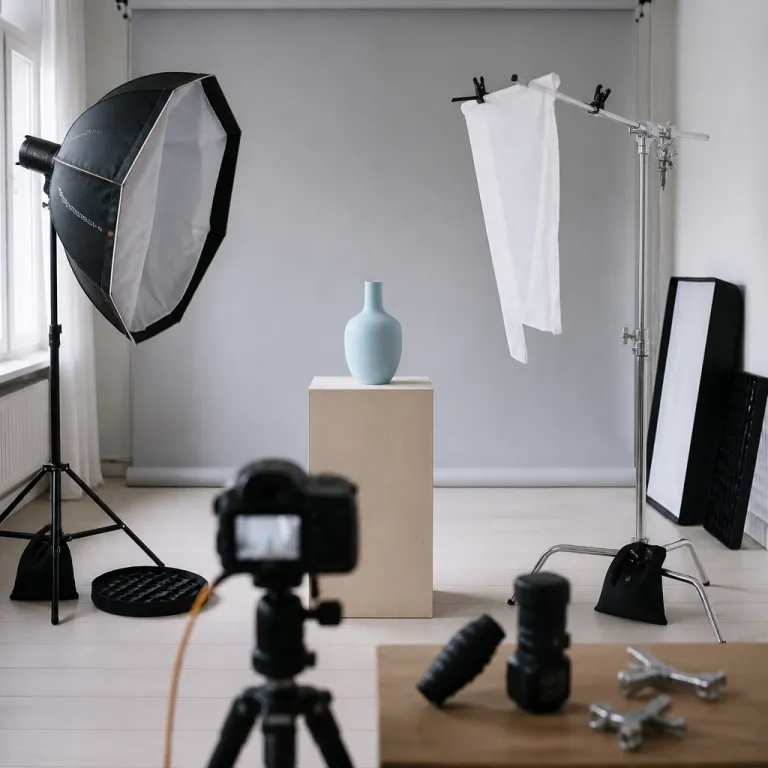
Why light modifiers in photography matter more than your camera body
Good light makes an ordinary scene feel unexpectedly alive. When you start using light modifiers in photography with intention, you begin shaping illumination instead of merely recording it. That shift turns casual snapshots into portraits and product photography with depth, dimension, and character.
Every digital camera relies on a light source, yet many photographers obsess over sensors while overlooking lighting modifiers that actually control illumination. A simple camera flash paired with the right modifier often improves photography lighting more than upgrading to a higher priced body. Thinking about how you spread light, sculpt highlights, and manage shadow detail is the fastest way to refine your style and make your results repeatable.
For portrait lighting, a bare flash gives harsh contrast and sharp shadows. Add a softbox or umbrella modifier and the same light source becomes soft, flattering, and far more forgiving. This is why experienced photographers treat each lighting modifier as a brush in a painter’s box rather than a generic accessory, choosing specific tools for skin, texture, and mood.
From harsh flash to sculpted light
A bare camera flash is a tiny, intense point of light. Because the light source is so small, it creates hard edges on shadows and emphasizes every skin texture in portraits. When you attach a softbox or one of several lighting modifiers, you effectively turn that small point into a much larger box of light with smoother transitions.
The larger the modifier relative to your subject, the softer the light becomes. Portrait photographers often choose big softboxes or umbrellas because these modifiers wrap soft light around the face and reduce contrast on skin. Product photography sometimes needs smaller lighting modifiers to control illumination precisely and create crisp highlights on reflective surfaces or packaging.
Modern systems such as a rapid box or a box switch design make it easier to adapt one modifier to different flashes. With a rapid softbox, you can switch between a speedlight and a studio head without changing your portrait lighting recipe. This flexibility keeps your photography lighting consistent whether you shoot in a small home studio or on location with limited setup time.
Softboxes, umbrellas, and beauty dishes for portraits that flatter
Softboxes remain the backbone of portrait lighting because they deliver predictable, soft light. A rectangular softbox mimics window light, while an octagonal softbox or switch octa design gives more natural, rounded catchlights in the eyes. When photographers talk about the best modifier for portraits, they usually mean a medium to large softbox placed close to the subject, such as a 24×36 inch or 36 inch octa about 2–3 feet from the face.
Umbrellas offer a rapid way to improve photography lighting with minimal setup time. Shoot through umbrellas spread light broadly and create very soft illumination, while reflective umbrellas bounce light back and give slightly more contrast. Because umbrellas are inexpensive, their sale price and overall price to performance ratio appeal to beginners building a first lighting kit or testing different portrait lighting styles.
Beauty dishes sit between softboxes and umbrellas in terms of contrast. A beauty dish or newer dish switch design creates crisp, glamorous portrait lighting with defined shadows and bright highlights. Many photographers use beauty dishes or beauty dishes with grids for dramatic portraits, while keeping a softbox or umbrellas nearby when they need softer light for older skin or corporate headshots.
Background control and modifier choice
The modifier you choose affects not only the subject but also the background. A large softbox or umbrella will spread light widely, which can brighten a seamless paper backdrop and reduce visible texture. When you want a clean studio look with a beige or cream background, pairing a softbox with a quality seamless paper backdrop for photography helps maintain even tone from edge to edge without heavy retouching.
Smaller lighting modifiers such as a focused beauty dish or a gridded softbox keep light off the background. This controlled lighting approach is essential when you want deep, rich tones behind your subject without heavy post processing. Portrait photographers often keep both a large softbox and a smaller beauty dish in their kit so they can switch quickly between airy and dramatic looks depending on the assignment.
As you refine your light modifiers photography workflow, pay attention to how each modifier affects edge contrast on the jawline and nose. Subtle changes in softbox size or umbrella distance can transform a flat portrait into a sculpted one. Over time, you will instinctively reach for the modifier that matches the mood you want rather than guessing at random or relying on trial and error.
Rapid boxes, box switch systems, and workflow for busy photographers
Speed of setup matters when you work on location with clients. A rapid box style softbox uses an umbrella like mechanism so photographers can open the box in seconds instead of wrestling with rods. This rapid deployment keeps your subject focused on posing rather than waiting while you fight with gear, which often leads to more relaxed expressions.
Box switch systems let you attach different mounts to the same softbox, which means one modifier can work with a camera flash, a battery powered monolight, or a studio head. When you invest in a high quality rapid box or switch octa, you protect yourself against future lighting upgrades. The sale price may seem higher at first, but the long term price per shoot often ends up lower than buying multiple cheap softboxes that fail or become incompatible.
Many photographers pair a rapid box with a compact reflector or small umbrellas for fill light. This combination gives a main softbox for key portrait lighting and a secondary modifier to gently lift shadows. The result is a portable lighting kit that still offers nuanced control over direction and background spill for both portraits and product photography in tight spaces.
Choosing the best softbox shapes and sizes
Shape matters when you want to shape light precisely. A strip softbox, for example, creates a narrow box of light that is perfect for rim lighting on portraits or clean highlights along a bottle in product photography. In contrast, a deep octagonal softbox or switch octa gives a more focused yet still soft quality that many photographers love for headshots and three quarter portraits.
Before you buy, compare not only the sale price but also build quality, interior finish, and available accessories. Silver interiors increase lighting efficiency and spread light more specularly, while white interiors give softer transitions between highlights and shadows. Reading detailed tests of top softboxes can help you understand how these design choices translate into real world portrait lighting and how they affect post processing.
When you evaluate any lighting modifier, think about how quickly you can set it up, how reliably it mounts to your flash, and how easily you can switch between vertical and horizontal orientations. A well designed rapid box or box switch system saves minutes on every shoot, which adds up significantly over a busy season. That time saved often matters more than a small difference in initial price or a marginal gain in light output.
Reflectors, umbrellas, and simple tools that transform natural light
Not every situation calls for a camera flash or studio strobe. Reflectors and umbrellas can dramatically improve natural light portraits when you work near a window or outdoors. A basic five in one reflector kit gives you white, silver, gold, and translucent options to spread light or soften it without adding any electronic lighting or extra batteries.
Using a reflector to bounce light back into the face helps control shadows under the eyes and chin. Silver reflectors create a stronger, more specular effect, while white reflectors keep the light soft and subtle. When you pair a reflector with a small softbox or umbrella on a single flash, you can build a complete portrait lighting setup with only one active light source and one assistant.
Umbrellas remain popular because they are light, affordable, and rapid to deploy. A shoot through umbrella modifier turns a small flash into a broad, soft light source that works beautifully for family portraits. Reflective umbrellas, on the other hand, keep more light contained and are useful when you need to shape light away from walls or ceilings in cramped rooms.
Balancing ambient and artificial lighting
When you mix ambient light with flash, your modifier choice becomes even more critical. A large softbox or umbrella can easily overpower subtle window light, while a smaller beauty dish or gridded softbox lets you add just a touch of directional lighting. The goal is to spread light from your flash in a way that complements, rather than fights, the existing environment and color temperature.
To keep your workflow efficient, meter for the ambient background first, then bring in your lighting modifiers. Start with the flash at low power through a softbox or umbrella, and gradually increase until the subject stands out without looking artificially lit. This method works for both portraits and product photography, especially when you want the background to retain some natural atmosphere or environmental context.
As you practice, you will learn how different modifiers affect the balance between ambient and flash. A beauty dish, for example, can punch through strong backlighting and still shape light cleanly on the face. In contrast, a very large softbox may wash out subtle ambient shadows, which is perfect for clean catalogue style photography lighting but less ideal for moody editorial work or cinematic portraits.
Portrait and product lighting lessons from working professionals
Watching experienced photographers handle light modifiers in photography can accelerate your learning curve. Manny Ortiz often demonstrates how a single softbox or beauty dish placed close to the subject can create dramatic yet flattering portrait lighting on city streets. Joel Grimes, by contrast, is known for using multiple lighting modifiers to build layered, high contrast looks for both portraits and product photography in controlled studio environments.
Both approaches rely on the same core principles of how to spread light, shape light, and control light. Manny Ortiz tends to favor a portable rapid box or compact softbox paired with a camera flash, which keeps his kit light enough for fast moving sessions. Joel Grimes frequently combines large softboxes, strip boxes, and reflectors to sculpt complex lighting patterns in the studio and maintain consistent results.
When you study their work, pay attention to the size and distance of each modifier relative to the subject. A beauty dish placed just outside the frame will give crisp, dimensional light, while the same dish moved farther away becomes harder and less forgiving. Reflectors and secondary softboxes then fill or subtract light to fine tune the final look and control background tone.
Building a practical modifier kit for real assignments
For most photographers, a small but carefully chosen kit of lighting modifiers is more useful than a closet full of rarely used gear. Start with one medium softbox, one umbrella, and a basic reflector, then add a beauty dish or strip box once you understand how each tool behaves. This progression keeps your spending under control while still giving you the flexibility to handle portraits, headshots, and simple product photography for clients.
When you evaluate the price of each modifier, consider durability, ease of use, and compatibility with your current flashes. A rapid box or box switch system that works with both your camera flash and future studio lights often offers better long term value than a cheaper, single mount softbox. Look for lighting modifiers that fold compactly, lock securely, and maintain consistent shape even after repeated use and travel.
As your assignments grow, you may add specialized tools such as grids, snoots, or larger beauty dishes. These accessories refine how you control light spill and background tone, especially in small studios. No matter how advanced your kit becomes, the fundamentals of light modifiers photography remain the same; you are always deciding how to spread light, shape light, and control light for the story you want to tell.
Technical choices that keep your lighting consistent and repeatable
Consistency is what separates casual experimentation from professional level lighting. To keep your portrait lighting repeatable, note the distance between your softbox or umbrella and the subject, as well as the flash power and camera settings. Recording these details lets you recreate a favorite look months later, even with a different camera body or lens.
When you work with multiple light sources, label each lighting modifier and stand position. For example, you might mark the floor where your key softbox sits, the spot for a rim light with a strip box, and the place where a reflector fills shadows. This simple habit speeds up setup and ensures that your photography lighting remains consistent across a series of portraits or product shots for the same client.
Digital workflows also depend on reliable storage, especially when you shoot long sessions with complex lighting. Understanding how many photos a 128 GB card can hold for modern digital cameras helps you plan uninterrupted sessions without card changes. Stable storage means you can focus on refining how you control light rather than worrying about running out of space mid shoot or corrupting files.
Balancing quality, portability, and price
Every lighting purchase involves a trade off between quality, portability, and price. Lightweight umbrellas and compact softboxes are easy to carry but may not withstand heavy professional use, while more robust rapid box systems cost more yet survive frequent travel. Think about how often you shoot, how far you carry your kit, and whether clients expect elaborate setups or simple, efficient portrait lighting that you can assemble quickly.
For many photographers, the best strategy is to invest first in one high quality softbox or beauty dish, then add lower priced umbrellas and reflectors as supporting tools. This approach ensures that your main light source always looks refined, while secondary modifiers handle fill and background control. Over time, you can upgrade those supporting tools as your workload and revenue grow and your style becomes more defined.
Whatever you choose, treat each lighting modifier as a long term creative partner rather than a disposable accessory. Maintain zippers, check rods, and store softboxes and umbrellas carefully so they keep their shape and interior finish. Well cared for light modifiers will reward you with consistent, controllable light for portraits and product photography across many assignments.
Key statistics about lighting modifiers and digital photography
- Market research from Grand View Research reported that the global photographic services market exceeded 30 billion USD, with studio and portrait work heavily dependent on softboxes, umbrellas, and other lighting modifiers for consistent quality. Their published summaries attribute much of the demand to commercial and portrait assignments that require controlled lighting. Figures are based on Grand View Research’s publicly available market overview for photographic services.
- Industry surveys from Professional Photographers of America indicate that more than 70 percent of full time portrait photographers rely on at least one softbox as their primary lighting modifier, reflecting its central role in modern portrait lighting. PPA’s member reports and education materials consistently highlight softboxes as the default key light in studio workflows, although exact percentages may vary by survey year.
- Data from major retailers such as B&H Photo and Adorama show that lighting kits including a softbox, umbrella, and reflector outsell single modifier kits by a significant margin, underlining the importance of having multiple ways to shape light. This observation is based on public bestseller rankings and category overviews, which regularly place multi modifier kits ahead of individual softboxes.
- Consumer behavior studies in e commerce photography frequently report that high quality product images can increase conversion rates by double digit percentages, and controlled photography lighting with appropriate modifiers is a key factor in achieving those image standards. Internal tests by many studios, including small sample comparisons of product listings photographed with consistent softbox lighting versus on camera flash, typically show higher engagement for the controlled lighting sets, although results depend on niche and platform.
FAQ about light modifiers in photography
What is the main purpose of light modifiers in photography
The main purpose of light modifiers in photography is to change the quality, direction, and spread of a light source. By attaching a softbox, umbrella, reflector, or beauty dish to a flash or continuous light, you can soften shadows, reduce contrast, or create more dramatic highlights. This control allows photographers to match the lighting style to the subject and the story they want to tell.
Should I start with a softbox or an umbrella for portraits
For most beginners, an umbrella is cheaper and faster to set up, making it a practical first step into controlled lighting. However, a medium sized softbox offers better control over light spill and usually produces more consistent results in small rooms. If your budget allows, starting with a softbox as the main light and an umbrella as a secondary modifier gives you the most flexibility for portrait lighting.
When is a beauty dish better than a softbox
A beauty dish is better than a softbox when you want crisp, glamorous light with defined shadows and strong catchlights. It works especially well for fashion, beauty, and character portraits where texture and structure are important. A softbox remains preferable for softer, more forgiving light on skin, particularly for family or corporate portraits where you want gentle transitions.
How many light modifiers do I really need
You can create professional looking portraits with just one softbox or umbrella and a reflector, so you do not need a large collection to start. As your assignments diversify, adding a second softbox, a strip box, or a beauty dish will expand your creative options. Focus on learning each modifier thoroughly before buying more, because technique matters more than quantity or brand.
Do expensive light modifiers make a visible difference
Higher priced light modifiers often offer better build quality, more even light distribution, and more reliable mounting systems. These differences become noticeable when you shoot frequently, travel often, or need very consistent results across many sessions. For occasional use, a well chosen mid range softbox or umbrella can still deliver excellent image quality if you position and expose it carefully.
References
- Grand View Research – Global photographic services market analysis and market size estimates for studio and commercial photography, based on the firm’s publicly available industry summaries.
- Professional Photographers of America – Industry surveys on studio lighting practices and primary modifier usage among full time photographers, as reported in PPA education resources and member communications.
- B&H Photo and Adorama – Retail sales trends for lighting kits and modifiers inferred from public bestseller rankings and category overviews on their respective websites.