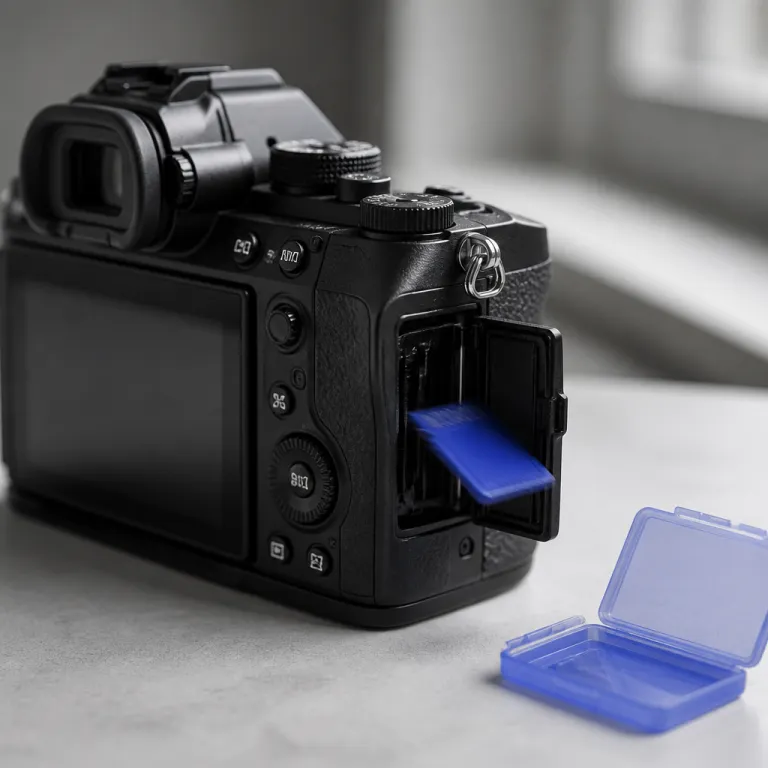

How many photos can a 128 GB card hold in real life
A 128 GB memory card can usually hold between 4 000 and 25 000 photos. The exact number of pictures depends on average file size, which is driven by whether you shoot JPEG images, RAW files, or a mix of both. To estimate how many photos a 128 GB card can hold, you must look at your camera settings, image quality options, and how much video you also record on the same card.
Most modern cameras offer several JPEG file sizes and at least one RAW option, and each choice changes the storage capacity dramatically. A typical high resolution JPEG file from an interchangeable lens camera might be 5 to 12 MB, while a RAW file from the same camera can reach 25 to 60 MB. For instance, manufacturer data and user reports show that a Canon EOS R6 Mark II RAW file is around 25 to 30 MB, a Sony A7 IV RAW file is often 45 to 55 MB, and a Nikon Z7 II RAW file can reach 55 to 60 MB. If you divide the usable storage space of a 128 GB card, which is around 115 to 119 GB after formatting according to figures from major card brands such as SanDisk and Lexar, by each average file size, you get a realistic range for how many photos the card can hold.
For example, if your JPEG files average 8 MB, a 128 GB card can hold roughly 14 000 JPEG photos, but if your RAW files average 40 MB, the same card holds only about 2 800 RAW files. Hybrid shooters who record both JPEG and RAW pairs will see file sizes stack, so each image might consume 45 to 70 MB of storage space. In that case, relatively few photos can quickly fill the card, so understanding this relationship between file sizes and card size is essential for planning serious photography trips.
How image quality, file type, and resolution change your 128 GB capacity
The biggest factor affecting how many photos a 128 GB card can hold is the combination of JPEG files and RAW files that you choose. When a camera saves only JPEG photos, it compresses the image data, which keeps each file size relatively small and lets the card hold a higher number of photos overall. When you switch to RAW photos, the camera writes much more sensor information into every file, so the memory card fills faster even though the storage capacity in gigabytes stays the same.
High resolution sensors above 30 megapixels generate larger RAW files and larger high quality JPEG files, which reduces the many photos figure for any given card size. For instance, a 24 megapixel camera might create 25 MB RAW files, while a 45 megapixel camera can easily produce RAW files of 50 MB or more, cutting the number of photos per 128 GB almost in half. If you enable extra options such as lossless compressed RAW or HEIF instead of standard JPEG files, you slightly change the balance between image quality and storage space but the basic rule remains that more detail means larger files.
Photographers who mainly shoot JPEG photos for social media or small prints can safely expect a 128 GB memory card to last through several days of casual photography. Those who shoot RAW files for professional editing should treat 128 GB as a working card size for one intensive day, especially if they also record some video clips. To compare how this scales down, you can look at a detailed guide about the capacity of a 32 GB card for photos, then simply multiply the approximate file counts by four to estimate the 128 GB storage capacity.
How video recording and burst shooting reduce available photo storage
Still photographers often forget that video files share the same storage space on a memory card as photos. A single minute of high resolution 4K video can consume between 400 MB and 1 GB depending on codec and bit rate, which dramatically reduces how many photos a 128 GB card can hold. If you film long clips on the same memory card that stores your RAW photos and JPEG photos, you must mentally reserve part of the card capacity for video.
High speed burst shooting also affects storage because it encourages you to capture many photos in quick succession, especially with modern cameras that reach 20 frames per second or more. Each second of such a burst can generate 20 RAW files, and if each RAW file size is 40 MB, that single second uses 800 MB of storage space. Over a full day of action photography, these bursts can fill even large memory cards, so understanding file sizes and planning card size accordingly becomes critical.
Archiving habits matter as well, because many photographers keep old JPEG files and RAW files on spare memory cards as a backup. While this can feel safe, it reduces the number of photos you can shoot before the card hold limit is reached, and it complicates file management later. A better approach is to offload your photos memory to a computer or external drive, optionally using a dedicated workflow such as renting a photo scanner for older prints and slides, as explained in this guide about the benefits of renting a photo scanner.
Choosing the right memory card type, speed, and capacity for 128 GB use
Not all memory cards behave the same way, even when they share a 128 GB storage capacity label. Traditional SD memory cards and modern microSD cards can both reach 128 GB, but their speed ratings and durability vary widely, which affects how reliably they handle continuous RAW files and high resolution video. Professional cameras increasingly support CFexpress cards, which offer extremely high speed performance and are designed to sustain long bursts of RAW photos and 4K or 8K video without slowing down.
When you evaluate a memory card, look at both the advertised read speed and write speed, because only the write speed determines how quickly the camera can save files. A high speed card with a sustained write speed above 150 MB per second will clear the camera buffer faster, letting you shoot many photos in a row without interruption, while a slower card might choke after a short burst. For hybrid shooters who mix JPEG photos, RAW photos, and video files, this difference in card speed can decide whether a 128 GB card feels spacious and responsive or cramped and frustrating.
Card size also influences workflow, because some photographers prefer several smaller memory cards while others rely on one large card hold strategy. Using multiple 64 GB or 128 GB memory cards spreads risk, so a single card failure does not wipe out all your photos memory from a trip. On the other hand, wildlife and sports photographers using high frame rate cameras often choose large CFexpress cards with 256 GB or more, since their file sizes and shooting style can overwhelm a single 128 GB card during a long day.
Practical examples of how many photos 128 GB can hold for different cameras
To make the numbers concrete, consider a mid range 24 megapixel camera that produces 8 MB JPEG files and 28 MB RAW files. If you shoot only JPEG photos at full resolution, a 128 GB memory card can hold around 14 000 images, while shooting only RAW photos reduces that to about 4 000 images. When you enable JPEG RAW recording, each press of the shutter creates two files totaling roughly 36 MB, so the same card holds about 3 200 combined files before reaching its storage capacity.
A high resolution 45 megapixel camera tells a different story, because its RAW files often reach 50 MB and its high quality JPEG files can average 15 MB. In JPEG only mode, a 128 GB card might store around 7 500 JPEG photos, but in RAW only mode the number of photos drops to roughly 2 300, and in RAW plus JPEG mode you may only fit 1 800 pairs. This shows how sensor resolution, image quality settings, and file size interact to change how many photos a 128 GB card can hold, even though the nominal card size stays identical.
Sports and wildlife photography add another twist, because high speed bursts generate many photos in seconds and quickly consume storage space. A photographer using a Canon R system camera with a long telephoto lens, such as the one reviewed in this detailed test of an RF 100 400 mm lens for wildlife photography, might easily shoot 5 000 RAW files in a single day. For that style of work, a 128 GB memory card becomes a baseline rather than a luxury, and many professionals carry several cards to avoid running out of storage space at a critical moment.
Managing files, backing up photos, and planning long term storage
Knowing how many photos a 128 GB card can hold is only the first step, because you also need a strategy for managing files once the card is full. After each shoot, transfer all JPEG files and RAW files to at least two separate locations, such as an internal SSD and an external hard drive, so that your photos memory is protected against hardware failure. Once the files are safely copied, format the memory card in the camera rather than deleting images one by one, which keeps the file system healthy and restores full storage capacity.
Good folder structure and clear file naming help you handle growing file sizes as you move from smaller cards to 128 GB and beyond. Many photographers organize images by date and project, then separate JPEG photos intended for quick sharing from RAW photos reserved for editing, which makes it easier to estimate how many photos each project consumes. When you archive older work, consider exporting final JPEG files at a moderate size for everyday use while keeping the original RAW files on larger long term storage, so that your working cards and drives remain uncluttered.
As your cameras evolve and you adopt higher resolution sensors, your average file size will increase, and the same 128 GB card holds fewer images than before. Planning ahead means checking new camera specifications for typical RAW file sizes and video bit rates, then recalculating how many photos a 128 GB memory card can hold under your preferred settings. This habit keeps your expectations realistic and ensures that your combination of memory cards, card size choices, and backup drives can keep pace with your photography ambitions.
Key statistics about 128 GB cards, photos, and storage
- A 24 megapixel camera producing 8 MB JPEG files can store roughly 14 000 photos on a 128 GB card, assuming about 115 GB of usable storage after formatting, which is a common real world figure reported by card manufacturers.
- A 45 megapixel camera generating 50 MB RAW files fits around 2 300 RAW photos on a 128 GB memory card, illustrating how higher resolution sensors reduce the number of photos per card despite identical capacity labels.
- Recording 4K video at 100 megabits per second uses about 750 MB per minute, so 60 minutes of footage can consume around 45 GB of a 128 GB card, leaving significantly less storage space for still images.
- CFexpress cards can reach sustained write speeds above 1 000 MB per second, which is several times faster than typical UHS I SD cards, and this high speed performance allows long bursts of RAW files without filling the camera buffer too quickly.
- Industry tests from major card brands show that formatted capacity is usually 7 to 10 percent lower than the advertised size, so a 128 GB card typically offers around 115 to 119 GB of actual storage capacity for photos and video files.
FAQ about how many photos a 128 GB card can hold
How many JPEG photos can a 128 GB card usually store
On most modern cameras, a 128 GB memory card can store between 10 000 and 20 000 JPEG photos. The exact number of photos depends on image quality settings and resolution, with higher compression allowing more images and higher quality reducing the total. Checking the average JPEG file size in your editing software gives the most accurate estimate for your specific camera.
How many RAW photos fit on a 128 GB card
For typical interchangeable lens cameras, a 128 GB card holds roughly 2 000 to 4 000 RAW photos. Lower resolution bodies with smaller RAW files sit at the upper end of that range, while high resolution models with large RAW files fall near the lower end. If you shoot compressed RAW, you may gain several hundred extra images compared with uncompressed RAW files.
Does shooting RAW plus JPEG cut the number of photos in half
Shooting RAW plus JPEG does not always cut the total exactly in half, but it significantly reduces how many photos a 128 GB card can hold. Each shutter press creates two files, so the combined file size might be 30 to 70 MB instead of 20 to 50 MB for RAW alone. In practice, you can expect roughly 60 to 70 percent as many images compared with shooting RAW only, depending on your JPEG settings.
How much 4K video can I record on a 128 GB card
At a common 4K bit rate of 100 megabits per second, a 128 GB memory card can store about 2 hours of footage if you use the entire card for video. In mixed use with photos, many photographers reserve around half the storage capacity for stills and half for video, which yields roughly 60 minutes of 4K recording. Higher bit rates or 10 bit codecs will reduce these times proportionally.
Is it better to use one 128 GB card or several smaller cards
Using one large 128 GB card is convenient because you change cards less often, which suits events and travel photography. Several smaller memory cards, such as multiple 32 GB or 64 GB cards, spread risk so that a single card failure does not erase all your photos memory from a trip. Many professionals combine both approaches, using large CFexpress cards for high speed work and smaller SD or microSD cards for secondary storage and backups.