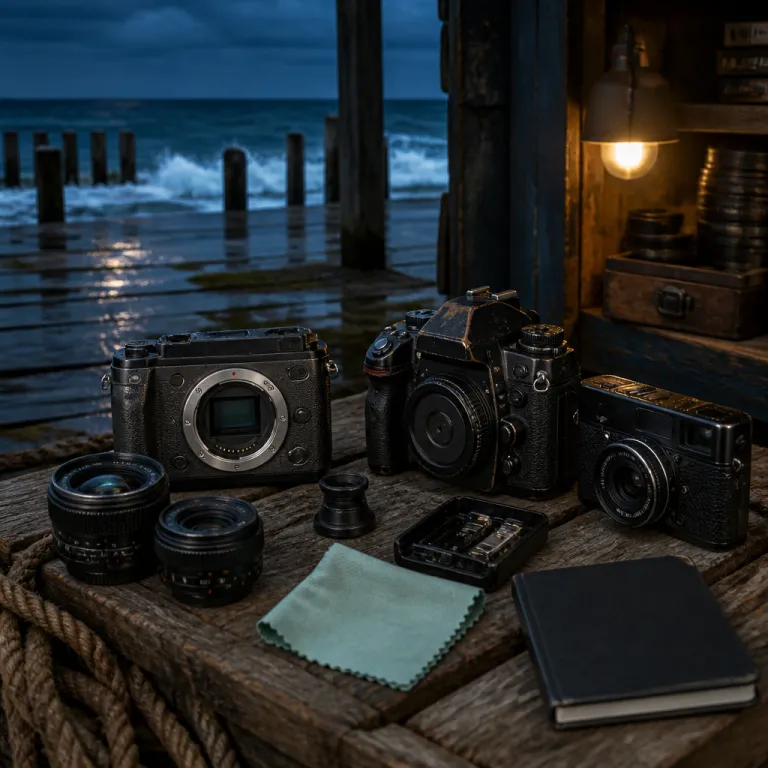
Why buying used camera safely in 2026 is the smart move
Buying a used camera safely in 2026 means getting serious performance for phone money. When you buy second-hand rather than new, you tap into a resale market where last-generation digital camera bodies and camera lenses deliver almost the same image quality for roughly half the original price. The right pre-owned camera will feel like a long-term tool rather than a disposable gadget.
Think of a solid mirrorless camera as camera gear that lets you shoot your kid’s birthday indoors without motion blur, or a compact Canon PowerShot that slips into a jacket pocket yet still beats your phone in low light. Those are the real-life gains that matter when you are shopping used, not just the megapixel number or how far the zoom can reach on paper. The best used equipment is the item that makes you want to shoot more often and keeps working every single time.
The sweet spot strategy for buying a used camera safely in 2026 is simple and repeatable. You look for enthusiast bodies like a Sony A7 series, a Nikon Z6 series, or a Canon EOS R6 series about six months after a newer model arrives, because that is when prices on the older cameras drop sharply while their image quality and autofocus still feel modern. In practice this means you get a digital camera that focuses quickly on running children, records clean photo video clips, and handles high ISO noise well enough for dim restaurants.
Used gear also lets you put more of your budget into the camera lens, which often matters more than the body for overall image quality. A sharp 35 mm prime with clean aperture blades and fast autofocus will outlive two or three bodies, so buying used lenses carefully is one of the highest-value moves you can make. When you treat lenses and format cameras as a long-term system rather than random items, every euro you spend works harder for you.
For a clear sense of how current and previous generation cameras compare, you can look at a structured guide such as this overview of finding the right travel camera size and sensor trade offs. That kind of breakdown helps you decide whether a compact Canon PowerShot, an APS C mirrorless body, or even large format cameras for studio work fit your real shooting plans. Once you know the format that suits you, buying used becomes a targeted search instead of a confusing wall of random used equipment listings.
Where to buy used safely: platforms, policies, and red flags
Safe buying used camera strategies in 2026 start with choosing the right marketplace. Specialist dealers such as MPB and KEH sit between you and individual sellers, grading every used camera, testing camera lens performance, and offering a clear return policy with a short day return window. That layer of quality control turns anonymous used market chaos into a predictable experience where you know what condition your used gear will arrive in.
MPB in particular has become a go-to platform for camera gear because it lets you trade in old cameras and lenses while buying used equipment in one transaction. You can send in a Nikon DSLR, receive a quote, and put that value toward a Sony mirrorless body or a Canon PowerShot compact, all while seeing transparent grading on every item. Their grading system is conservative, so a body rated “good” often looks better than many private sellers’ “mint” cameras, and typical discounts versus launch price can reach 30–50 percent on popular models.
KEH plays a similar role, especially for older format cameras and even some large format bodies that you will rarely see on mainstream sites. They test aperture blades, check shutter count where it still matters, and stand behind their used camera inventory with warranties that feel closer to buying new. When you are nervous about your first buy used experience, that kind of backing is worth a small price premium.
Peer-to-peer options still have a place when you are buying a used camera safely in 2026, but they demand more homework. On eBay you should filter for sellers with long histories, high feedback scores, and detailed photos of the camera mount, rear LCD, and camera lens glass, then read every line of the return policy before you click buy. Look for listings that mention tested zoom operation, clean aperture blades, and accurate shutter count, because vague descriptions often hide problems.
Photography forums such as Fred Miranda host classified sections where long-time members sell used gear to each other, and reputation there matters more than on anonymous platforms. You still need to ask about items like cameras lenses, batteries, and chargers, but you often get more honest descriptions from people who actually shoot. Some sellers even offer a short day return period, which gives you time to test image quality and autofocus at home.
Big retailers and brand stores also run certified refurbished programs that sit between new and used equipment. Canon, Nikon, and Sony refurbish digital camera bodies and lenses, replace worn parts, and then resell them with manufacturer-backed warranties, often at a meaningful discount and sometimes with free shipping promotions. If you want the safety net of a full warranty while still paying less than new, refurbished Canon PowerShot compacts or Sony mirrorless kits can be a smart middle ground.
What to check on a used camera body before you commit
Once you have found a promising used camera, the real work begins. Buying a used camera safely in 2026 means treating every body like a second-hand car, where you check mileage, service history, and how it feels on the road. For cameras, that translates into shutter count, physical wear, sensor condition, and how reliably the autofocus locks on real subjects.
Shutter count is the number of times the mechanical shutter has fired, and it matters most on older DSLRs that rely on that mechanism for every frame. Many mid range Nikon and Canon bodies are rated for roughly 100–150 thousand actuations, while pro bodies go higher, so a camera with a shutter count near its rated life will be cheaper but riskier. On newer mirrorless cameras that use electronic shutter modes more often, the mechanical shutter count tells only part of the story, so you should weigh it alongside overall body condition. You can usually read shutter count with free utilities or brand-specific apps that pull the value from EXIF data or internal service menus, and some manufacturers publish official shutter life expectations on their support pages.
Physical inspection starts with the mount, grips, and buttons, because these areas reveal how hard a digital camera has been used. Deep scratches around the lens mount, shiny worn grips, or mushy buttons suggest heavy professional use, while light scuffs and intact rubber usually indicate a more careful owner. Check that the memory card door and battery door close firmly, since loose doors can lead to weather sealing issues and random power loss.
Sensor checks are essential when you buy used, whether the camera came from MPB, eBay, or a local seller. Mount a clean camera lens, set aperture to f/22, point at a bright wall or sky, and shoot a defocused frame, then zoom in on the file to look for dust spots or strange patterns. A few dust specks are normal and easy to clean, but clusters of marks or odd lines can indicate damage that will hurt image quality.
Next, test autofocus and general responsiveness, because a used camera that misses focus is worse than no camera at all. Use different focus points, shoot a moving subject, and see whether the camera will lock quickly and consistently, then review the files at 100 percent to judge sharpness. If the body supports back button AF, try it, since sticky buttons or laggy response can signal deeper issues.
Finally, run a quick low light and long exposure test to check for hot pixels and banding. Shoot a dark frame at a high ISO and a few seconds of exposure, then zoom in to look for bright colored pixels that never turn off, which can be distracting in night photo video work. This is also a good moment to test video modes, audio inputs, and any special features that drew you to that specific item in the first place.
When you are comparing bodies and wondering whether to wait for the next release, it helps to read context on how new launches affect prices, such as this analysis of major camera brand launches and what they mean for buyers. Those shifts in the market often decide when the best time to buy used arrives for a given model. A little patience around launch cycles can save you enough to fund a better camera lens or extra batteries.
How to evaluate lenses, kits, and overall value
Many first time buyers focus on the body, but lenses quietly decide whether buying a used camera safely in 2026 feels like a win or a regret. A sharp, reliable camera lens will outlast several bodies and keep your images looking fresh even as sensors improve. That is why you should evaluate used lenses with the same care you give to bodies, especially when you are building your first real camera gear kit.
Start with a visual inspection of the glass, housing, and aperture blades, using a small flashlight if you can. Look through the lens from both ends, checking for haze, fungus, or scratches, then move the aperture ring or camera controls to see whether the blades move smoothly without sticking. Zoom lenses need extra attention, because gritty or uneven zoom action can signal internal wear that will only get worse with time.
Next, mount the lens on a known good digital camera body and shoot a simple test series. Photograph a detailed subject like a bookshelf at different apertures and focal lengths, then zoom in on the files to judge sharpness, contrast, and focus accuracy across the frame. If you see strong decentering, where one side of the image is soft while the other is sharp, that used gear may have taken a hit in the past.
Brand ecosystems also matter when you are deciding what to buy used. Nikon, Sony, and Canon each offer deep lineups of cameras lenses, from budget primes to pro zooms, and the health of that ecosystem affects how easy it will be to expand your kit later. A used Canon PowerShot compact might be all you need for travel, but if you think you will grow into interchangeable lens systems, choosing a body with strong lens support now saves headaches later.
Value is not just about the sticker price on individual items, but about the total system cost over several years. A slightly more expensive Sony or Nikon body with cheap, plentiful used lenses can end up costing less than a bargain body in a sparse ecosystem where every camera lens is pricey. When you factor in accessories like flashes, batteries, and bags, the best deal is often the one that keeps your future options open.
Online guides that compare whole systems rather than isolated cameras can help here, such as this overview of top digital cameras and system choices. Those resources frame buying used as part of a longer journey, not a one off purchase. In the end, the used equipment that serves you best is the kit that makes you want to go out and shoot on an ordinary Tuesday.
Return policies, shipping, and timing your purchase
Even when you follow every checklist, buying a used camera safely in 2026 still depends on what happens after the box arrives. A generous return policy and a clear day return window turn a risky online gamble into a controlled home test, where you can check image quality, autofocus, and handling without pressure. That is why you should treat return terms as part of the price, not an afterthought buried in small print.
Reputable platforms such as MPB, KEH, and many brand refurbished stores publish straightforward return policy details, often with around two weeks of day return coverage. This gives you enough time to run through all your tests, from shutter count verification to checking aperture blades and zoom action on every lens in the box. If a seller refuses any form of return, especially on higher value cameras, you should either negotiate better terms or walk away.
Shipping details matter too, because a well packed digital camera is far less likely to arrive with new damage. Look for listings that mention original boxes, padded packaging, and tracked shipping, and be wary of sellers who cut corners on these basics. Free shipping can be a nice bonus, but it should never compensate for poor packing or vague promises about how fragile items will be handled.
Timing your purchase around market cycles can stretch your budget further without sacrificing safety. Prices on used camera bodies usually dip when new models launch, as early adopters flood the used market with last generation gear, and this is often the best time to buy used if you are patient. You can watch price trends on platforms like eBay and MPB, then pounce when your target camera hits a level that leaves room in your budget for a better camera lens.
Think about your own calendar as well, because buying a used camera safely in 2026 is easier when you are not rushing before a big trip or event. Give yourself at least a few weeks between the arrival of your used equipment and any important shoot, so you can learn the controls, test photo video modes, and confirm that every item behaves as expected. That breathing room turns potential surprises into minor adjustments rather than last minute crises.
Over time you will develop a personal playbook for buying used, from which sellers you trust to how you test cameras lenses on the first day. The more you treat each purchase as part of a long term system, the more your camera gear will feel like a reliable partner instead of a lottery ticket. In the end, the safest used deal is not just the lowest price, but the one that lets you keep shooting confidently for years.
First-day test checklist (within your return window)
- Verify shutter count and compare it with typical manufacturer-rated life for that model.
- Inspect body, mount, and doors for cracks, loose parts, or heavy wear.
- Run a sensor dust test at f/22 against a bright wall or sky and check the file at 100 percent.
- Mount a known good lens and test autofocus, exposure, and burst shooting on moving subjects.
- Shoot a dark frame at high ISO and a few seconds of exposure to look for hot pixels or banding.
- Confirm that video modes, ports, and buttons you rely on all work consistently.
FAQ
How important is shutter count when buying a used camera
Shutter count matters most on older DSLRs where every frame uses the mechanical shutter, and bodies near their rated life can fail sooner. On newer mirrorless cameras that rely more on electronic shutter modes, shutter count is only one data point, so overall condition and how the camera was used often matter more. If you are choosing between two similar used cameras, a lower shutter count with cleaner body wear is usually the safer bet.
Is it safer to buy used gear from dealers or private sellers
Specialist dealers such as MPB and KEH test every item, grade condition, and offer warranties plus clear return policies, which makes them safer for first time buyers. Private sellers on platforms like eBay or forums can offer lower prices, but you must vet their feedback, ask detailed questions, and accept more risk. For your first buy used experience, a reputable dealer is usually worth the small premium.
What should I test first when my used camera arrives
Start by checking physical condition, making sure buttons, dials, and doors work properly, then confirm the shutter count if possible. Next, mount a known good camera lens and test autofocus, exposure, and image quality in both bright and low light, reviewing files at 100 percent. Finally, run a sensor dust test at f/22 and a dark frame for hot pixels, so you catch any serious issues within the return window.
Are used kit lenses good enough for everyday photography
Used kit lenses are often optically decent and very affordable, making them fine for learning and casual shooting. Their main limitations are slower maximum apertures and sometimes softer corners, which affect low light performance and subject separation. Many photographers start with a used kit zoom, then add a fast 35 mm or 50 mm prime later for sharper images and better low light results.
When is the best time to buy used camera gear during the year
The best time to buy used camera gear is usually right after major new model launches, when many owners sell their previous bodies and lenses. This surge in supply on the used market pushes prices down on last generation models that still offer excellent performance. Watching launch news and price trends for a few weeks can easily save enough to fund an extra lens or accessories.