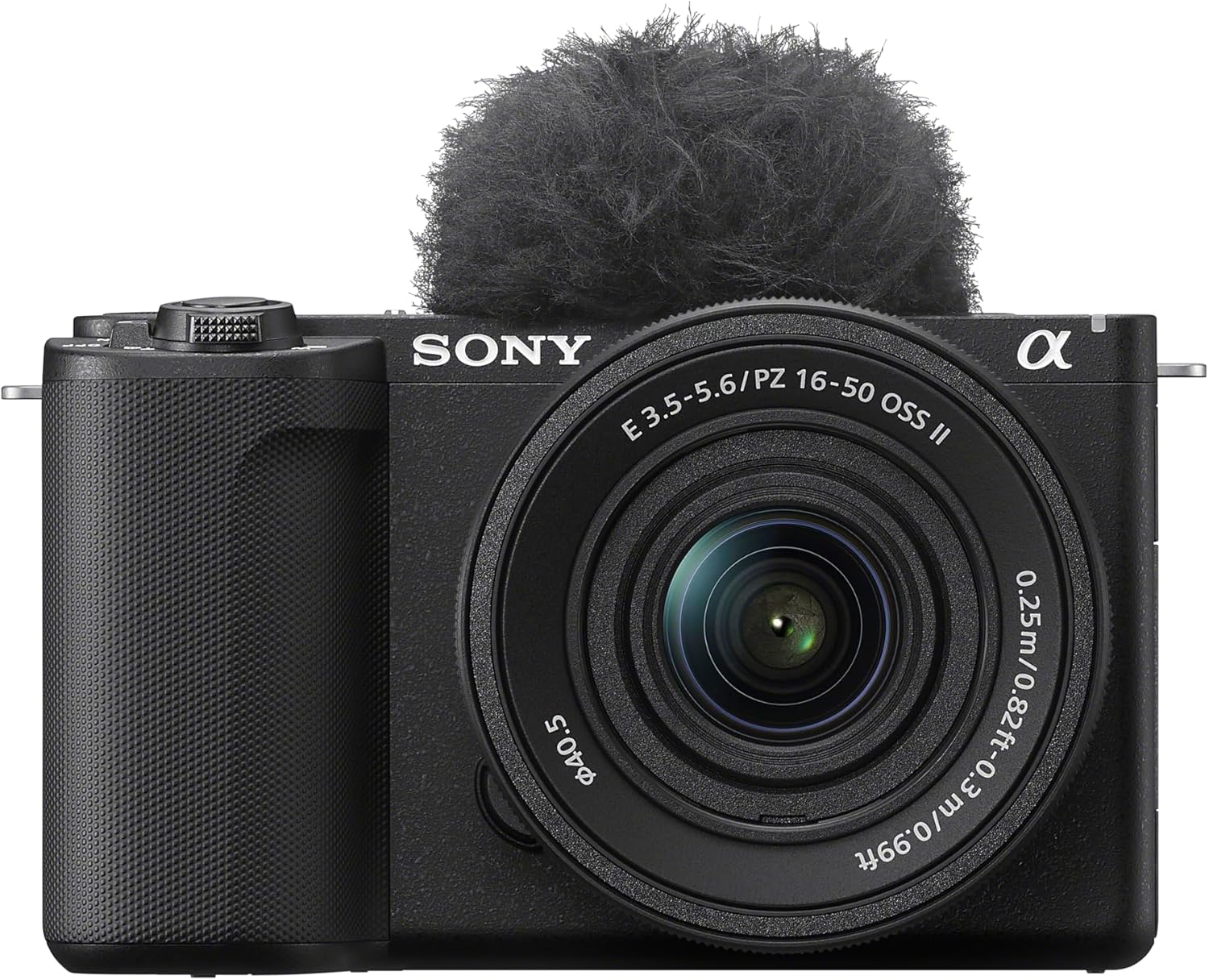
Key specs that matter when you buy your first lightweight camera
Before you buy any digital camera, you need to understand which specifications truly affect your results. The sensor size, lens focal length range and image stabilization system all shape the final camera image more than marketing buzzwords. When comparing the best lightweight digital cameras, focus on how these elements work together rather than chasing the highest numbers on a spec sheet.
Sensor size is a core factor in both stills and video performance. Full frame sensors gather more light and can offer cleaner low light photos, but Micro Four Thirds and APS C sensors often provide the best balance of image quality, compact size and reasonable price for beginners. A smaller sensor allows manufacturers to build compact cameras with shorter focal length lenses, which keeps the entire camera body lighter and easier to handle.
The lens on a compact camera or interchangeable lens camera defines how you frame the world. Look for a zoom lens that covers a useful wide angle to short telephoto focal length range, such as the equivalent of 24–70 mm, which suits landscapes, portraits and everyday photography. For point shoot models, check that the zoom lens remains reasonably bright at the long end, because a wider maximum aperture helps both image quality and autofocus in low light.
Stabilization and continuous shooting speed also deserve attention in any serious review. Optical or sensor shift image stabilization lets you shoot at slower shutter speeds without blur, which is especially helpful when using compact cameras indoors or at night. A modest continuous shooting rate of 5–10 frames per second is usually enough for family action, and it is far more important that the camera maintains focus and exposure accuracy during those bursts.
Beginners considering their first interchangeable lens camera should also read a detailed guide to top entry level DSLR cameras. While DSLRs are not always the best compact choice, they still offer strong build quality, optical viewfinders and access to a wide range of lenses at attractive prices. Balancing these strengths against the portability of mirrorless compact cameras will help you make a confident camera buy decision.
Choosing between compact cameras, micro thirds and full frame systems
New photographers often feel lost when comparing compact cameras, micro thirds bodies and full frame systems. Each type of digital camera offers different strengths in image quality, portability and price, so the best lightweight digital cameras for you depend on how and where you shoot. Thinking clearly about your real needs will prevent you from overspending on a heavy system that rarely leaves the shelf.
Compact camera models, especially advanced point shoot designs, are the simplest starting point. A high end compact camera with a built in zoom lens, solid image stabilization and responsive autofocus can deliver great photos without any lens decisions, which many beginners appreciate. These best compact models usually offer manual exposure modes, RAW files and surprisingly strong low light performance, making them serious tools despite their small size.
Micro Four Thirds mirrorless cameras sit in the middle ground between compact cameras and larger full frame systems. Their micro thirds sensors are smaller than full frame, which allows for lighter lenses and bodies while still providing very good image quality for most everyday photography. For a beginner who wants to grow into interchangeable lenses without carrying heavy gear, a micro thirds camera can be the best camera buy choice.
Full frame cameras deliver the highest potential image quality, especially in low light and for shallow depth of field effects. However, full frame lenses are usually larger, and the combined body image and lens weight can be challenging for someone just starting to explore photography. If you mainly shoot travel, family events or casual street scenes, a smaller sensor digital camera will likely feel more practical and enjoyable.
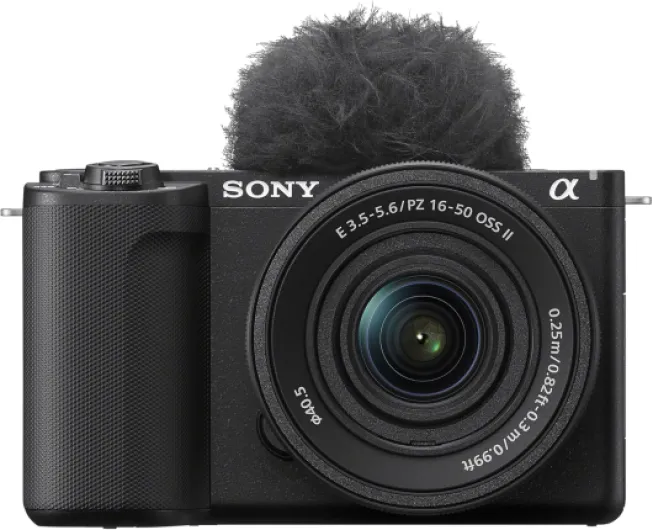
Content creators who care about video should also consider how each system handles audio and stabilization. Some of the best lightweight digital cameras include microphone inputs, flip screens and advanced image stabilization that make them ideal for vlogging and handheld video work. A dedicated guide on how to choose a vlogging camera can help you weigh these features against pure stills performance.
Real world examples of lightweight cameras that suit beginners
Looking at specific cameras helps translate abstract specifications into real choices. Among compact cameras, the Canon PowerShot G7 X Mark III and Canon PowerShot SX740 HS remain popular entry points because many Canon PowerShot models combine a versatile zoom lens, reliable autofocus and straightforward menus in a truly compact body. For a beginner who values simplicity, a Canon PowerShot compact camera often delivers good image quality and video without overwhelming options.
Fans of premium build quality may gravitate toward brands like Ricoh and Leica. The Ricoh GR III line, for example, uses a large APS C sensor in a pocketable body, delivering great camera image sharpness and low light performance for street photography and travel. Leica offers the Leica D Lux 7 and Leica V Lux 5 families, and a modern Leica D Lux compact camera pairs a fast zoom lens with excellent image stabilization, though the price will be higher than most beginner options.
Mirrorless systems also provide compelling lightweight choices for first time buyers. Many Micro Four Thirds cameras from OM System and Panasonic, such as the OM System OM 5 or Panasonic Lumix G100, offer small bodies, tilting screens and strong in body image stabilization, which is especially helpful for handheld low light shooting and smooth video. These cameras let you start with a compact zoom lens and later add a bright wide angle or portrait prime lens as your photography skills grow.
To make these options easier to compare, the table below summarizes headline specifications for the beginner friendly models mentioned above based on manufacturer data and widely cited lab tests.
| Camera |
Sensor format |
Approx. weight (with battery) |
Lens type |
Video resolution |
| Canon PowerShot G7 X Mark III |
1 inch type |
~304 g |
24–100 mm equiv. zoom |
4K / Full HD |
| Canon PowerShot SX740 HS |
1/2.3 inch type |
~299 g |
24–960 mm equiv. zoom |
4K / Full HD |
| Ricoh GR III |
APS C |
~257 g |
28 mm equiv. prime |
Full HD |
| Leica D Lux 7 |
Four Thirds |
~403 g |
24–75 mm equiv. zoom |
4K / Full HD |
| Leica V Lux 5 |
1 inch type |
~812 g |
25–400 mm equiv. zoom |
4K / Full HD |
| OM System OM 5 |
Micro Four Thirds |
~414 g (body only) |
Interchangeable lenses |
4K / Full HD |
| Panasonic Lumix G100 |
Micro Four Thirds |
~412 g (with kit lens) |
Interchangeable lenses |
4K / Full HD |
When reading any review of the best lightweight digital cameras, pay attention to how the tester describes handling. A camera that feels comfortable in your hands, with clearly labeled buttons and an intuitive menu, will encourage experimentation and faster learning. Even if two cameras share similar image quality, the one with better ergonomics and more logical controls will usually help a beginner create better photos.
Video focused beginners should also check whether their chosen digital camera includes a microphone input and clean HDMI output. A guide to top digital cameras with microphone input can highlight models that balance compact size with serious audio options. Combining good video features, dependable autofocus and effective image stabilization in a small body makes it easier to produce professional looking clips without a complex rig.
How to evaluate image quality, low light performance and video features
Image quality is more than just megapixels on a product box. When judging the best lightweight digital cameras, consider how the sensor, lens and processing engine work together to produce clean camera image files with accurate color and pleasing contrast. A well tuned compact camera can often beat a poorly configured larger system in real world photography.
Low light performance depends on several intertwined factors. A larger sensor, such as APS C or full frame, gathers more light per pixel, but a bright lens with a wide maximum aperture and effective image stabilization can narrow the gap for smaller sensors. For beginners, a digital camera that keeps noise under control at ISO 3200 and maintains good detail in shadows will feel far more forgiving during indoor or evening shooting.
Video capabilities deserve equal attention, especially for creators who plan to share clips online. Look for cameras that offer at least Full HD or 4K video with reliable continuous autofocus, because hunting focus can ruin otherwise great footage. In body image stabilization or lens based stabilization will help smooth handheld video, while a flip screen makes it easier to frame yourself during vlogs or tutorials.
When comparing reviews, pay attention to how testers describe color rendering and dynamic range. Some cameras produce more neutral colors straight out of the camera, while others lean toward warmer tones that many people find flattering for skin in photos and video. A camera that preserves highlight detail in bright skies and shadow detail in dark clothing will give you more flexibility when editing RAW files later.
Finally, remember that good technique can elevate any digital camera. Learning to brace your body, use slower shutter speeds with stabilization and choose the right focal length for each scene will improve your results more than chasing tiny specification differences. The best lightweight digital cameras simply make it easier to apply these skills consistently because you are willing to carry them everywhere.
Budget, value and long term growth for beginner photographers
Price is often the deciding factor when someone buys their first camera. The best lightweight digital cameras for beginners usually sit in a mid range price band where you get solid build quality, dependable autofocus and respectable image quality without paying for professional durability. Spending within this range leaves room in your budget for essential accessories like memory cards, spare batteries and a simple tripod.
Think about total system cost rather than just the initial camera body. Compact cameras and advanced point shoot models include a built in zoom lens, so the price you see covers the entire package, which simplifies the camera buy decision. Interchangeable lens systems, whether Micro Four Thirds or full frame, may start with an affordable kit lens but can become expensive as you add specialized wide angle, macro or telephoto lenses over time.
For many beginners, a high quality compact camera or a small micro thirds body with a kit zoom lens offers the best long term value. These cameras are light enough to carry daily, robust enough for travel and capable of both still photos and video, which means they will not feel limiting as your skills grow. When you eventually upgrade, a well maintained camera with strong body image condition and a clean lens can often be sold to fund your next step.
Reading multiple review articles before you buy will help you separate marketing claims from real strengths. Look for consistent praise of autofocus reliability, image stabilization effectiveness and overall handling, because these traits matter more than minor resolution differences for everyday photography. A camera that encourages you to shoot often, experiment with different focal length choices and refine your composition will always be the best investment.
Finally, remember that no single digital camera is perfect for every person. Your ideal choice among the best lightweight digital cameras depends on your preferred subjects, your tolerance for menu complexity and how much weight you are willing to carry. By matching sensor size, lens options, video features and price to your real needs, you set yourself up for years of enjoyable learning and memorable photos.
Key figures about lightweight digital cameras for beginners
- According to shipment data from the Camera & Imaging Products Association (CIPA), mirrorless cameras now account for more than half of interchangeable lens camera sales worldwide, reflecting a strong shift toward lighter bodies for both beginners and enthusiasts. This trend is summarized in CIPA’s publicly available shipment statistics.
- Many popular beginner oriented mirrorless cameras weigh between 350 g and 500 g with a kit zoom lens attached, which is roughly half the weight of typical full frame DSLR combinations from major brands based on manufacturer specifications published in product manuals and online datasheets.
- Entry level compact cameras with 1 inch type sensors often deliver up to three times better low light performance than older small sensor point and shoot models, based on laboratory measurements of signal to noise ratios reported in independent test databases that compare different sensor sizes under controlled conditions.
- Modern in body image stabilization systems can provide between 4 and 7 stops of compensation, allowing photographers to handhold shots at shutter speeds as slow as 1/4 second with sharp results in many situations according to manufacturer claims and third party testing from well known review labs.
- Consumer surveys from major retailers and industry analysts indicate that more than 60 percent of first time camera buyers now prioritize video features such as 4K recording and microphone inputs alongside traditional still image quality, a shift that is frequently highlighted in annual market reports.