Comparing canon, sony and other brands at 24 megapixels
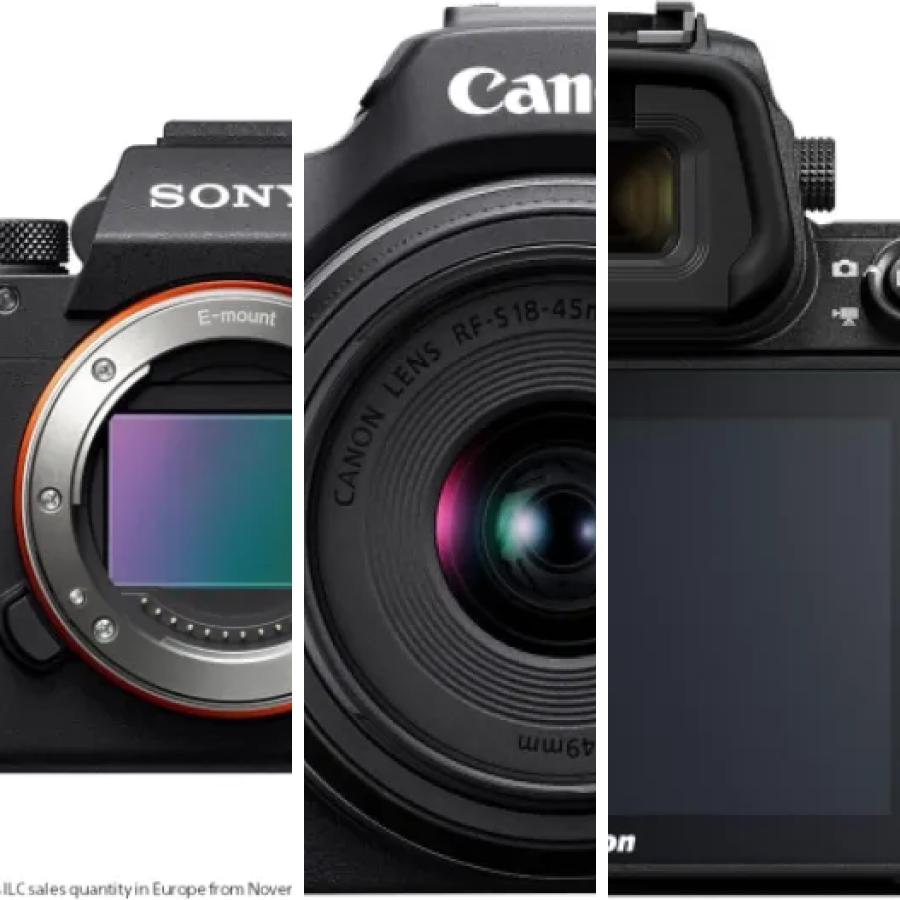
Brand choice still shapes how the best 24mp digital cameras feel in your hands and behave in the field. Canon, Sony, and other makers tune their camera sensor technology, autofocus algorithms, and video features differently, which affects both the shooting experience and final image quality. Looking beyond marketing stars and ratings helps you match a specific digital camera to your real needs.
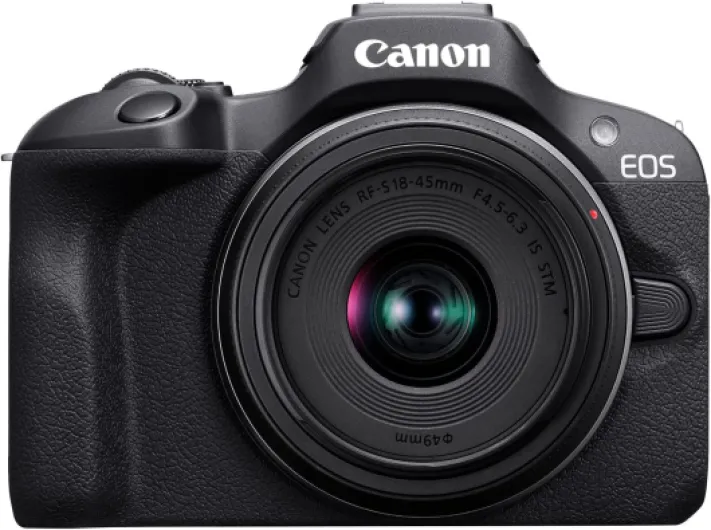
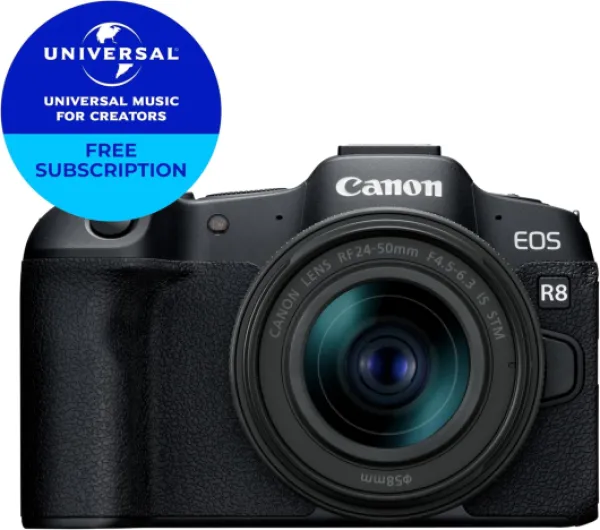
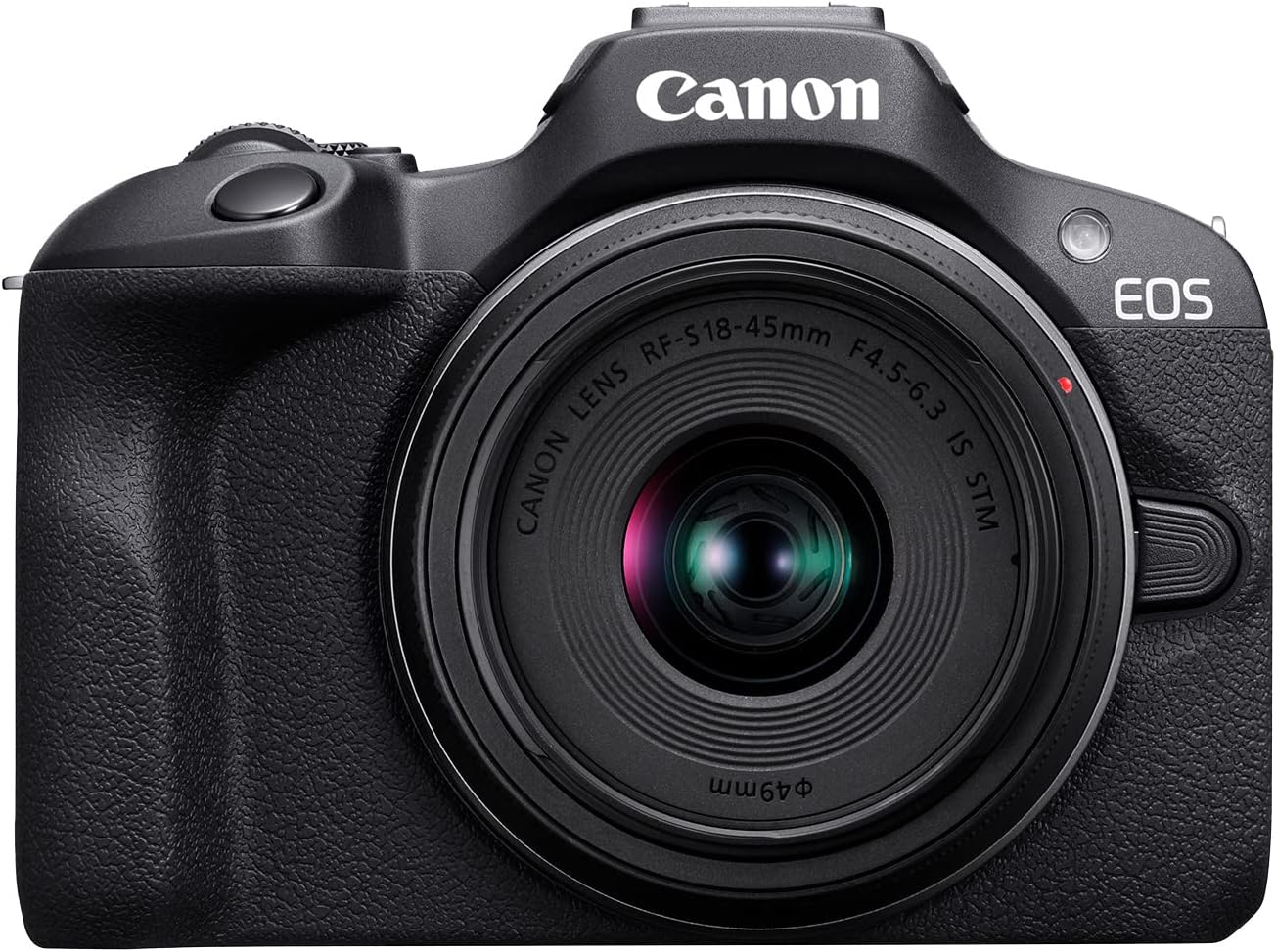
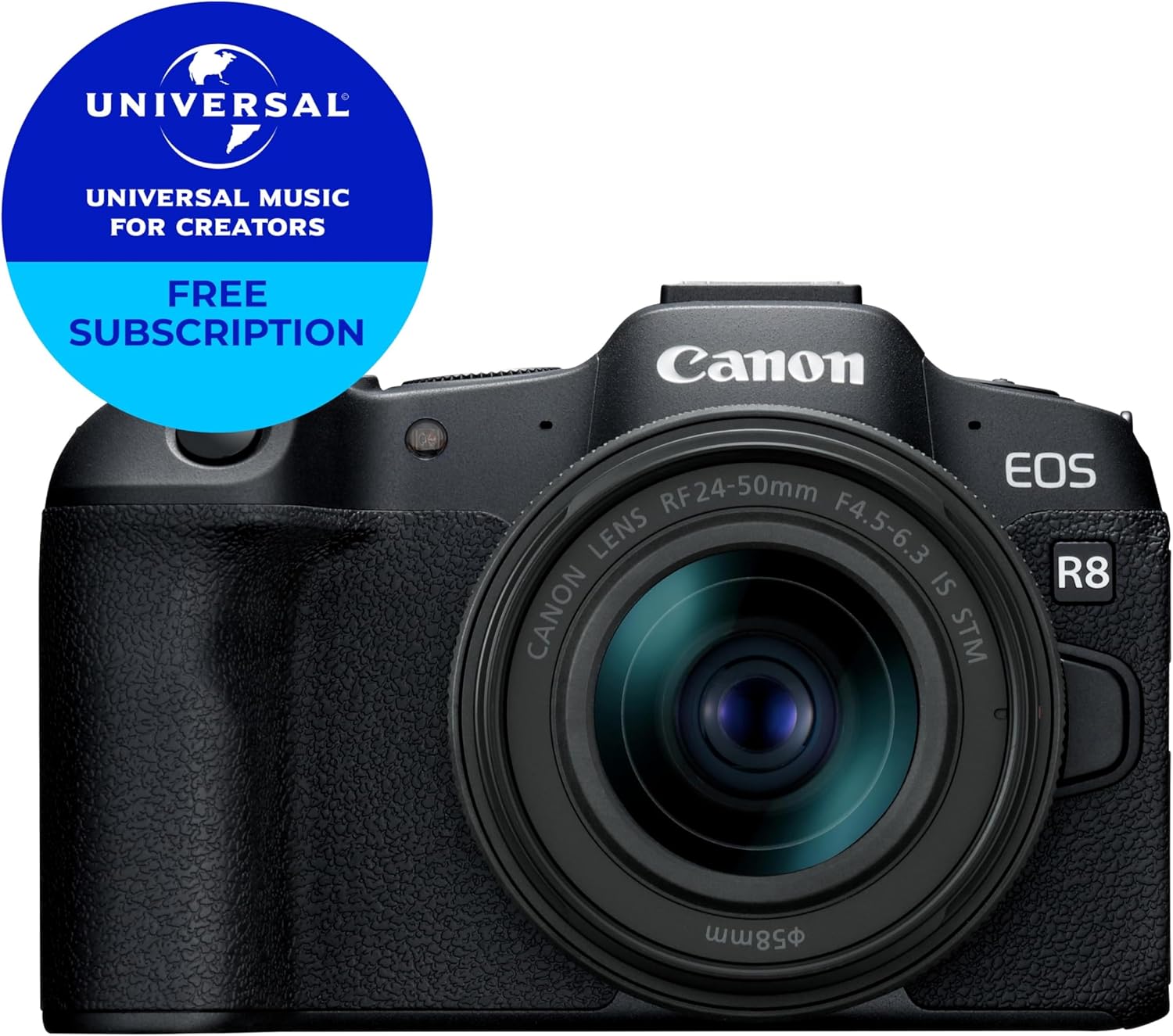
In the Canon ecosystem, a typical canon eos 24 megapixel DSLR camera such as an EOS Rebel model pairs well with an affordable STM lens for quiet autofocus during video. Canon also offers 24 megapixel mirrorless camera bodies in both APS C and full frame lines, including compact mirrorless options like the Canon EOS R10 or EOS R8 that travel easily yet still accept a wide range of lens choices. Many buyers appreciate how a canon eos camera body handles skin tones and color, especially when combined with a fast STM lens for portraits.
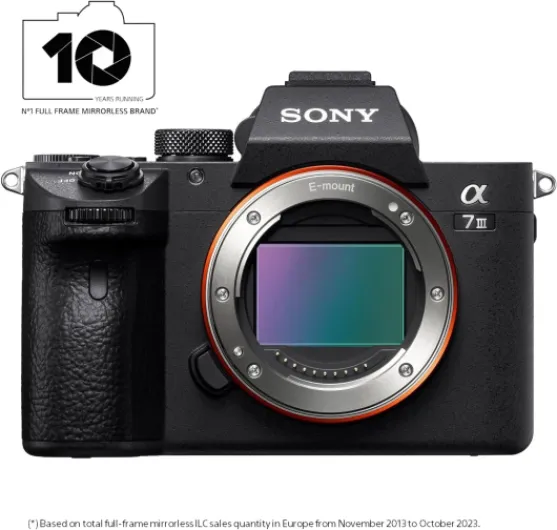
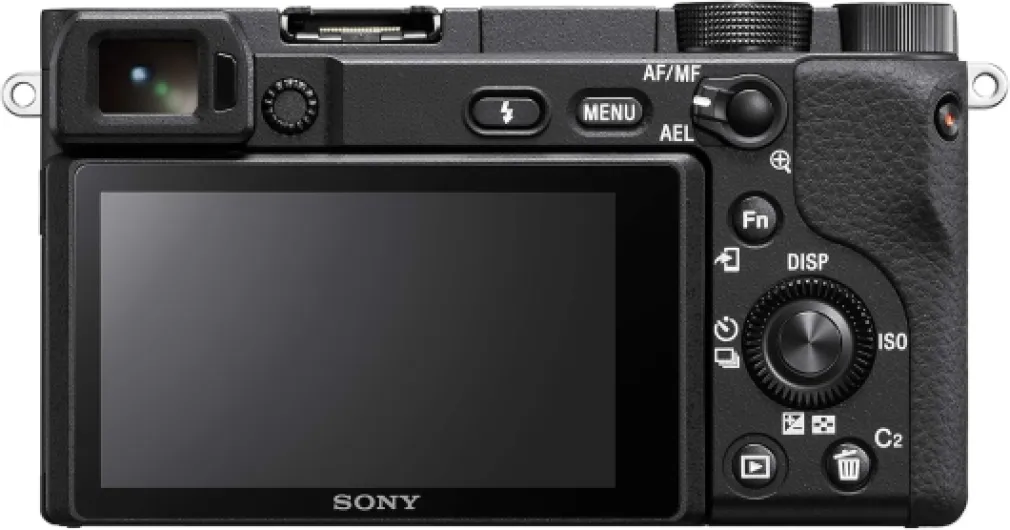
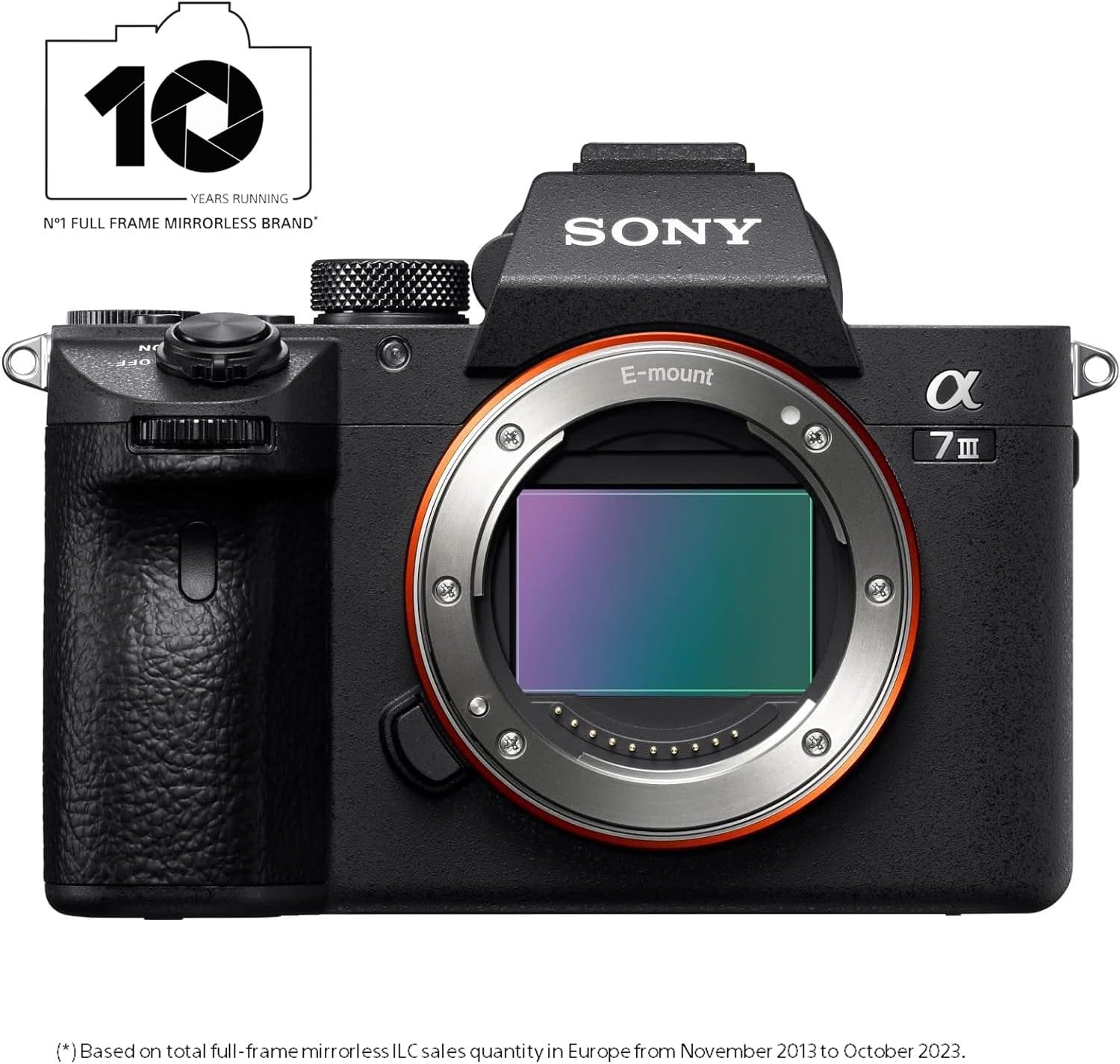
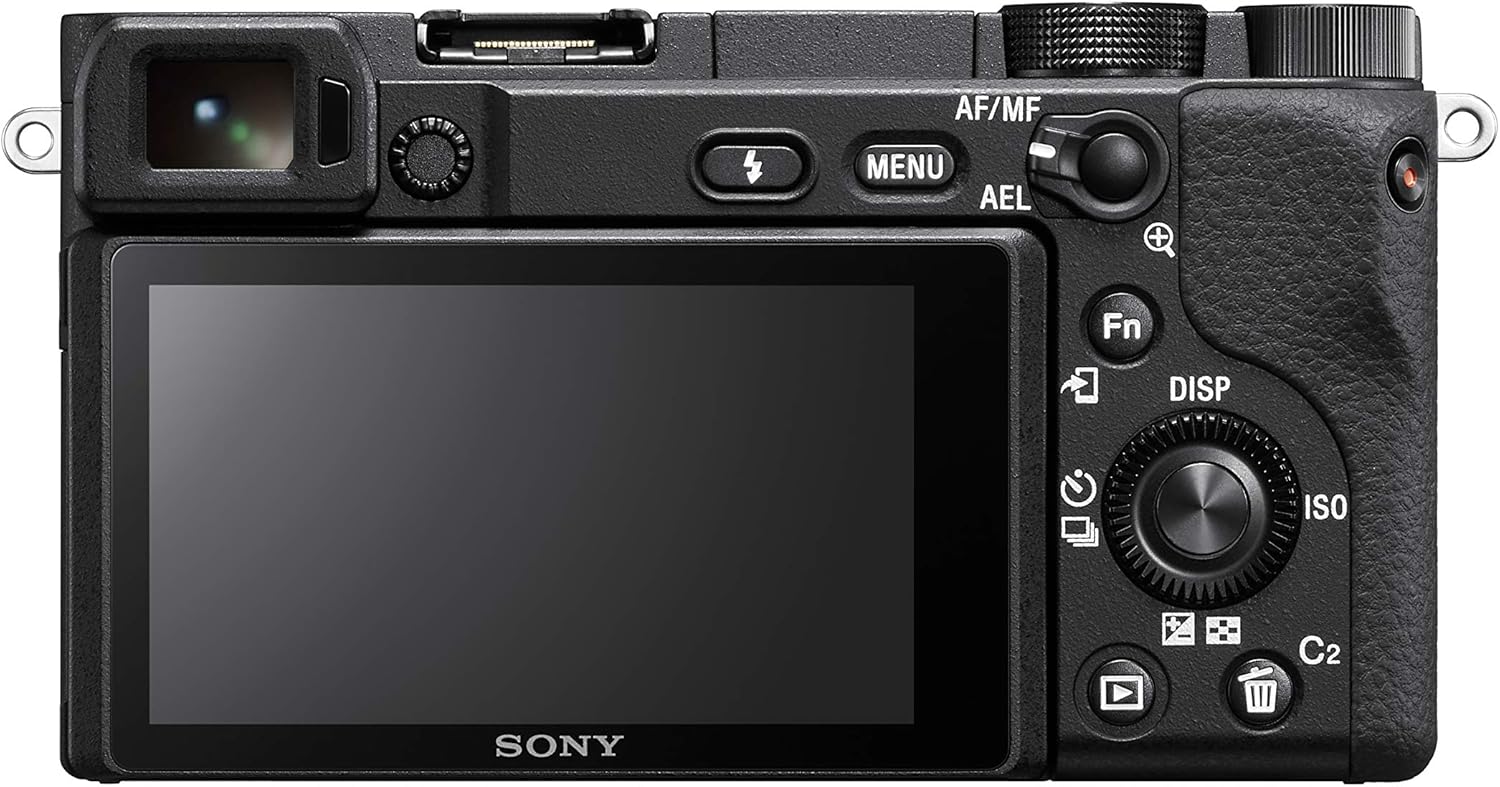
Sony takes a different approach with its sony alpha mirrorless cameras, focusing heavily on advanced autofocus and video features. A 24 megapixel sony alpha body such as the Sony A7 III or Sony A6600 often delivers rapid subject tracking, strong low light performance, and compact camera dimensions, especially in discreet black finishes aimed at street photography. If you struggle with soft images, learning how to correct unfocused pictures using a dedicated guide such as how to fix unfocused photos and recover sharpness can help you get the most from any 24 megapixel camera sensor.
Mirrorless versus DSLR at 24 megapixels
Choosing between a mirrorless camera and a DSLR camera at 24 megapixels changes how you shoot, not just what you shoot. Mirrorless cameras remove the optical mirror mechanism, which allows a smaller camera body, silent shooting modes, and advanced autofocus across a wider area of the frame. DSLR bodies remain attractive for photographers who prefer an optical viewfinder and long battery life, especially when using larger telephoto lens options.
In the 24 megapixel range, a DSLR digital camera such as a canon eos Rebel or similar model still offers excellent image quality and reliable phase detect autofocus through the viewfinder. Many of these cameras come in black finishes with robust grips, making them comfortable for long sessions and compatible with a wide range of STM lens and non STM lens choices. However, their video capabilities often lag behind mirrorless rivals, particularly for continuous autofocus during 4K recording.
Modern 24 megapixel mirrorless cameras from Canon, Sony, and others push ahead with on sensor phase detection, eye tracking, and subject recognition that feel almost predictive. A black mirrorless body with a compact lens can weigh far less than a comparable DSLR kit, which matters when you travel or shoot events all day. As two major brands prepare new launches, industry analysis such as what upcoming cameras mean for buyers suggests that most innovation in the 24 megapixel space will continue to favor mirrorless designs.
How lenses and autofocus shape real world image quality
Resolution alone never guarantees sharp photographs, even with the best 24mp digital cameras on the market. The lens you mount and the autofocus system that drives it have as much influence on image quality as the raw megapixel count. A high quality STM lens or fast prime can transform a modest camera body into a serious creative tool.
Canon users often pair a 24 megapixel canon eos body with a versatile STM lens for stills and video, because the stepping motor design keeps autofocus smooth and quiet. Sony alpha shooters may choose compact zoom lenses that balance well on smaller mirrorless bodies while still resolving enough detail for large prints. In both systems, advanced autofocus modes such as eye detection, subject tracking, and zone focusing help you keep moving subjects sharp even at wide apertures.
Compact cameras and bridge style digital cameras with fixed lenses rely heavily on how well their built in optics match the camera sensor. A well designed compact camera can outperform a poorly matched interchangeable lens setup, especially at the edges of the frame and in low light. When you compare cameras, always evaluate autofocus reliability, lens sharpness, and handling together rather than chasing specifications in isolation.
Price, value and what to expect from shipping and bundles
Budget planning plays a central role when you shortlist the best 24mp digital cameras for your needs. Entry level DSLR camera kits with an 18 55 mm STM lens often cost less than mid range mirrorless camera bodies sold without any lens. However, mirrorless systems may offer better long term value if you plan to expand your lens collection and explore more advanced autofocus and video features.
Retailers frequently list each camera with a specific SKU, which helps you compare bundles that include extra batteries, memory cards, or a compact camera bag. Pay attention to whether the listed price covers only the camera body or a full kit with a lens, because this difference can change the real cost of starting a system. Many online stores highlight free shipping offers on black DSLR or mirrorless models, but you should still check delivery times and return policies before committing.
Some buyers prefer refurbished or previous generation 24 megapixel digital cameras to stretch their budget without sacrificing core image quality. Others focus on premium full frame bodies, accepting a higher price in exchange for better low light performance and more robust construction. For a structured comparison of current options, tools such as the camera comparison resource at this curated 24 MP camera guide can help you weigh specifications, handling, and value side by side.
Building a practical camera comparison tool for 24 MP buyers
A thoughtful camera comparison tool tailored to 24 megapixel models should reflect how real photographers choose gear. Instead of listing endless technical data, it needs to connect each camera, lens, and sensor specification to concrete outcomes such as low light performance, autofocus reliability, and video capabilities. This approach turns abstract numbers into meaningful guidance for people comparing digital cameras for the first time.
Start by grouping cameras into clear categories such as compact camera options, APS C mirrorless camera bodies, and full frame DSLR camera or mirrorless models. Within each group, highlight key factors including camera sensor size, available STM lens choices, weight, battery life, and typical street price with and without bundles. Mark whether each model is sold primarily in black or in alternative finishes, because some photographers care about discreet styling for events or street work.
A strong comparison tool also flags special features such as advanced autofocus systems, weather sealing, or dedicated video profiles that matter to content creators. It should allow side by side evaluation of canon eos, sony alpha, and other brands, including popular lines like canon powershot compacts and entry level eos rebel DSLRs. When designed with clarity and transparency, such a tool helps buyers move beyond marketing stars and ratings toward choices that genuinely fit their style and ambitions.
Key statistics about 24 MP digital cameras
- Market research from CIPA shows that interchangeable lens digital cameras with sensors between 20 and 26 megapixels account for a substantial share of global shipments, underlining how 24 megapixel models sit at the core of the enthusiast segment. Readers can review the latest shipment data in the statistical reports section of the official CIPA website.
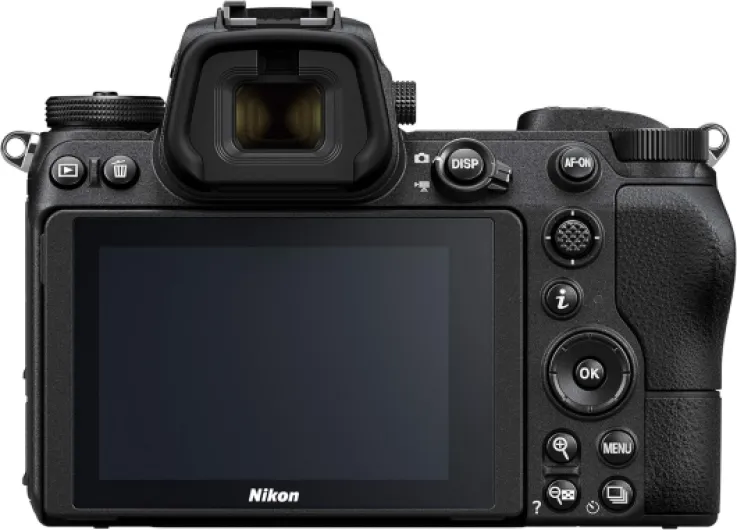
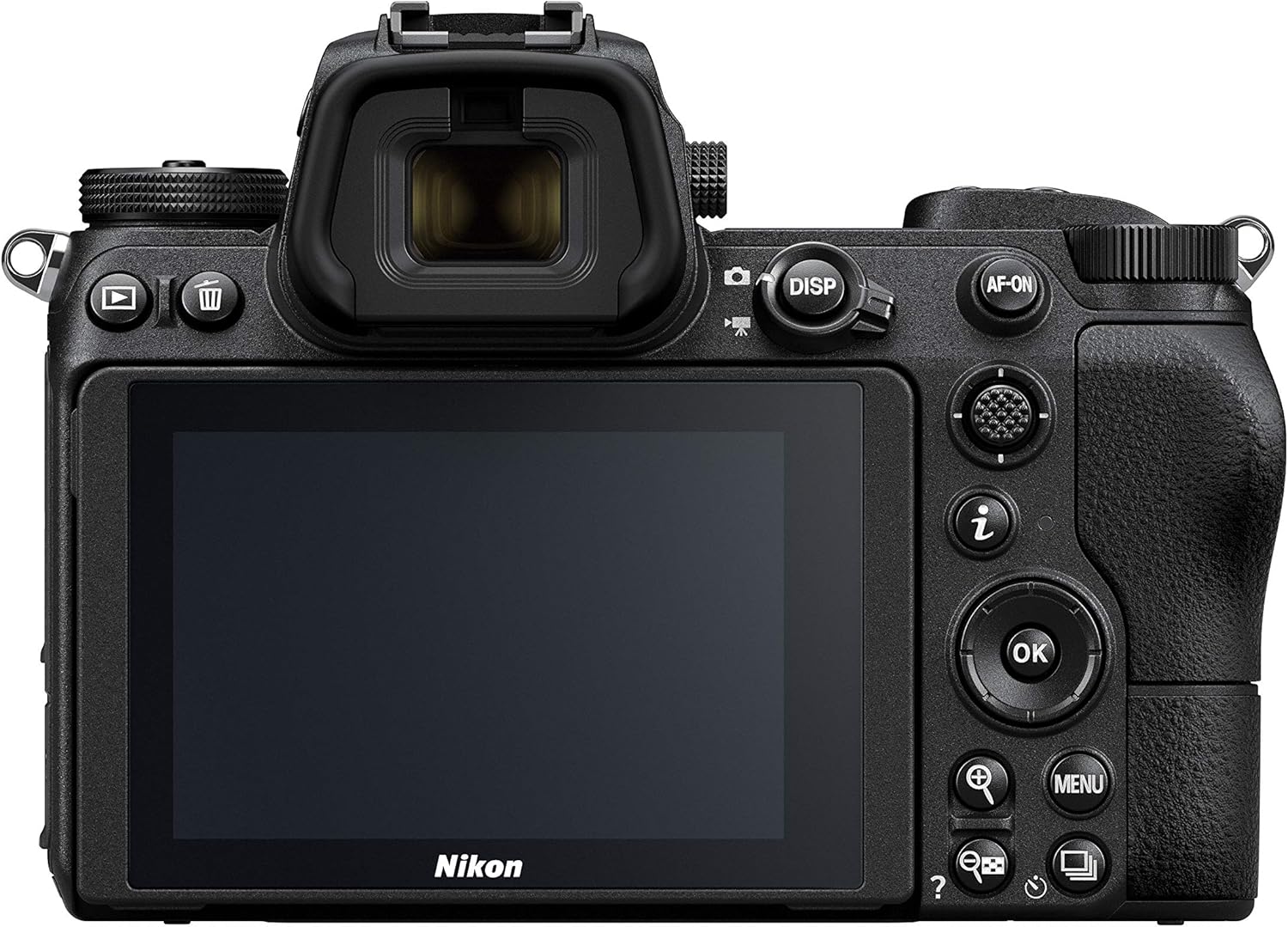
- Tests by independent labs such as DxOMark indicate that many 24 megapixel full frame sensors, including those in cameras like the Sony A7 III and Nikon Z6 II, reach dynamic range figures close to 14 stops at base ISO, which is sufficient for recovering shadows and highlights in demanding landscape scenes.
- Industry surveys of hybrid creators published by major camera review sites report that a majority of video focused photographers still use 24 megapixel bodies, because these cameras balance detailed stills with efficient 4K video recording without overwhelming storage and editing workflows.
- Retail data from major online stores shows that camera kits including an STM lens or equivalent quiet focusing lens often outsell body only packages by a significant margin, reflecting how first time buyers prefer ready to use solutions.