
Summary
Editor's rating
Is the Nikon D600 still good value for money?
Design and handling: classic Nikon DSLR feel
Battery life and everyday practicality
Build quality, long-term use, and the infamous shutter issue
Image quality and autofocus: still decent, but clearly dated
What the Nikon D600 actually offers on paper
Pros
- 24.3 MP full-frame sensor still delivers good image quality for stills
- Solid handling and battery life, typical reliable DSLR feel
- Used prices can be low, making it an accessible entry into Nikon full-frame F-mount
Cons
- Aged autofocus and video features, no 4K and slow Live View AF
- Known history of shutter/oil sensor issues on some units
- No modern connectivity, touchscreen, or articulated screen compared to newer cameras

Specifications
View full product page →| Brand | Nikon |
A used full-frame that still makes sense in 2026?
I’ve been shooting with the Nikon D600 body for a few weeks now, mainly for casual portraits, some outdoor walks, and a couple of small paid gigs where I didn’t want to bring my more expensive body. This is an older full-frame DSLR, so I went in with realistic expectations. I didn’t expect it to feel like a Z6 or a modern mirrorless, but I wanted to see if it still makes sense as a budget full-frame option, especially on the second-hand market.
The first thing that struck me is that, despite its age, the D600 doesn’t feel like a toy. The grip is solid, the controls are familiar Nikon style, and the 24.3 MP full-frame sensor still delivers files that are perfectly fine for prints and client work. You can clearly feel this was aimed at serious hobbyists and semi-pros when it came out. It’s not flashy, but it’s functional and pretty straightforward once you know Nikon menus.
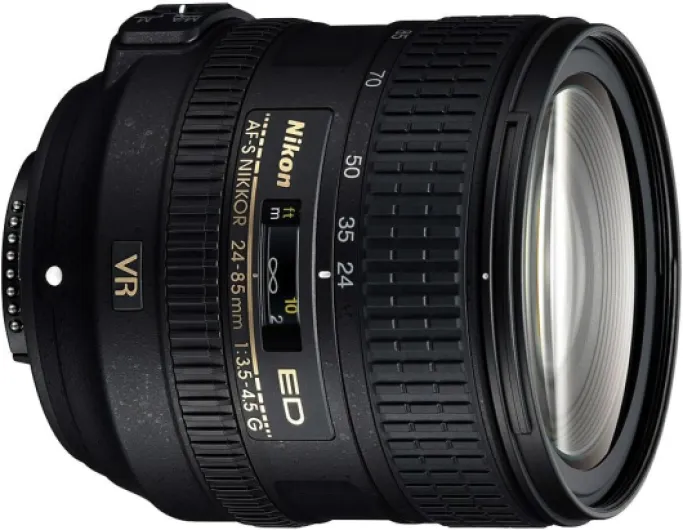
In use, the camera behaves like a classic DSLR: optical viewfinder, phase-detect autofocus, and that satisfying shutter sound. If you’re used to mirrorless with eye-AF and silent shooting, it feels a bit old-school, but in a good way if you like that style. I mostly paired it with a 50mm f/1.8 and a 24–85mm, and the body handled both just fine. The autofocus isn’t lightning fast by today’s standards, but for portraits, landscapes, and general shooting it did the job.
Where you really feel the age is in video features, connectivity, and some limitations like the SD card speed and buffer. For stills, I was honestly surprised how usable it still is; for video or fast action, it’s clearly behind. Overall, after these weeks, I see the D600 as a decent, low-cost way into full-frame Nikon F-mount, as long as you accept the drawbacks and maybe check the well-known shutter/oil issue history before buying.
Is the Nikon D600 still good value for money?
Value really depends on the price you find this body at today. New, it doesn’t make much sense anymore, but on the used market it can be quite cheap. For that low price, you’re getting a full-frame 24.3 MP sensor, Nikon F-mount compatibility, decent autofocus for general use, and good battery life. If you already own Nikon F lenses or can pick some up cheaply, it’s a pretty solid way to step into full-frame without spending a fortune.
Compared to cheaper crop-sensor bodies, the D600 gives you better depth of field control and nicer rendering with full-frame lenses. I noticed this especially with a 50mm f/1.8 and an 85mm: background blur looks smoother, and you can shoot in lower light without cranking ISO as much. On the other hand, compared to newer budget full-frame mirrorless bodies (even used ones), you miss out on modern autofocus, 4K video, touchscreen, and proper connectivity. If those features matter to you, it might be smarter to save a bit more and skip the D600.
One thing to factor in is the potential cost of dealing with the shutter/oil issue or general age-related problems. An old DSLR is still an old DSLR: shutter count, worn buttons, and possible sensor dust are all things to consider. I personally see the D600 as "good value" only if you get it at a low enough price that you can accept it as a backup or learning body, not as your main long-term workhorse.
So in practice, if you find a clean, serviced D600 at a bargain price and you mostly shoot stills—portraits, landscapes, travel—it’s a decent deal. If you’re planning to shoot a lot of video, fast action, or you want modern comfort features, there are better options even if they cost a bit more. It’s basically a budget full-frame tool that still works, but you need to go in with your eyes open.
Design and handling: classic Nikon DSLR feel
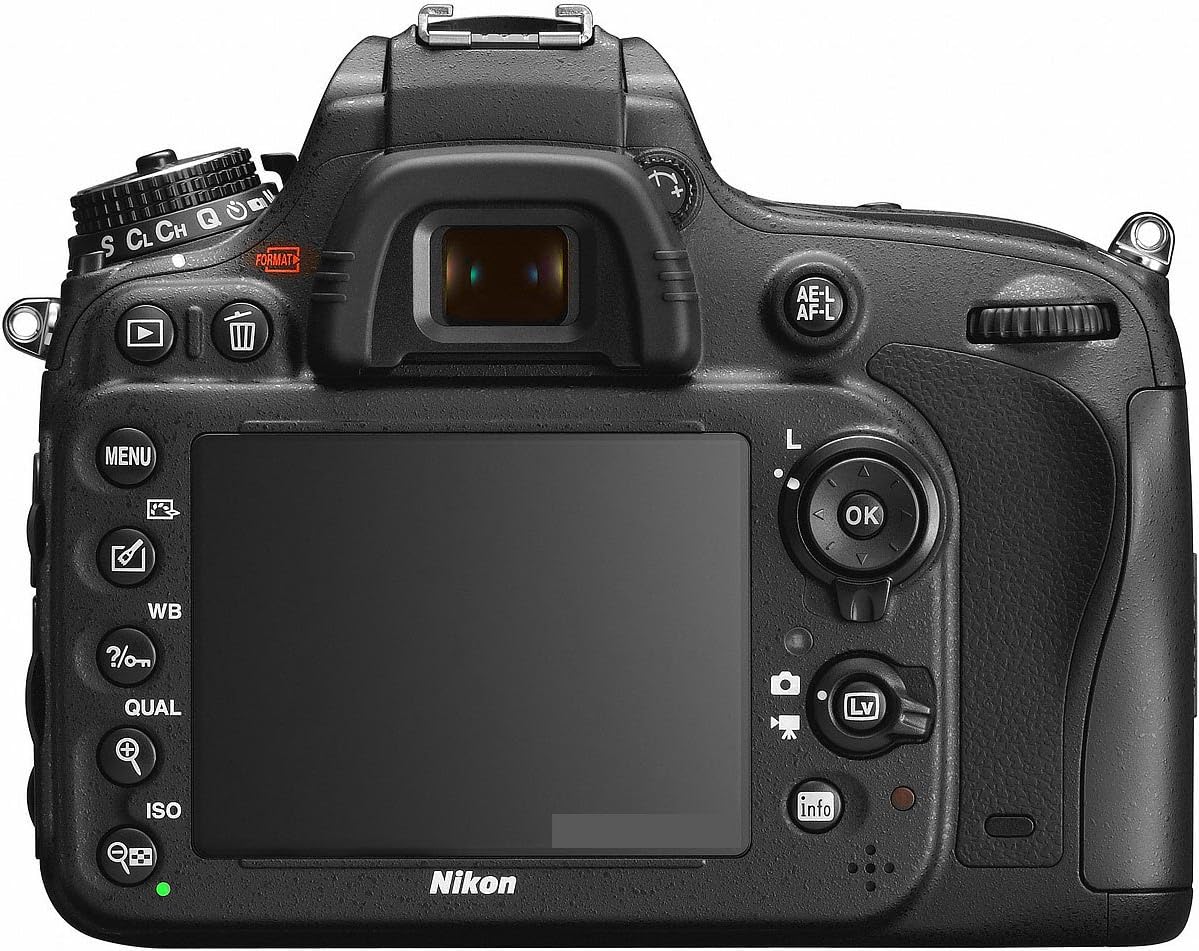
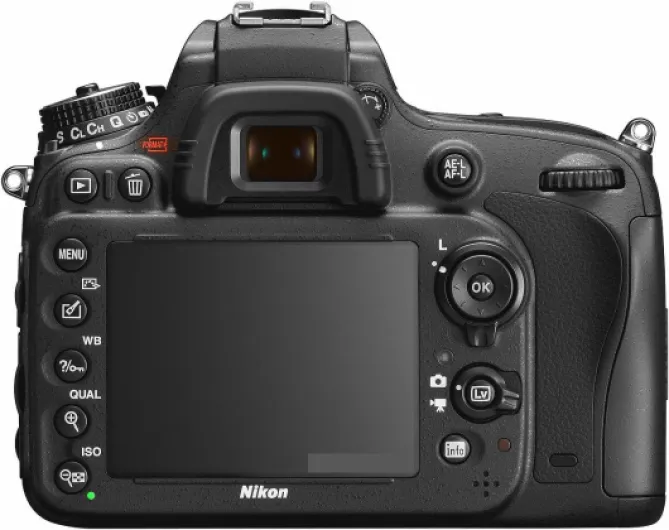
Design-wise, the D600 feels like a shrunken-down D800. The grip is deep enough, the body balances well with mid-size lenses like a 24–85mm or 50mm prime, and the control layout is very Nikon: top LCD, dedicated buttons for ISO, WB, QUAL, and a mode dial with a lock. If you’ve used any Nikon DSLR from that era, you’ll feel at home in about five minutes. I could change settings without taking my eye off the viewfinder after a short time.
The optical viewfinder is bright and covers almost the whole frame. For me, this is still more comfortable for long shooting sessions than staring at an electronic viewfinder, especially outdoors in bright light. The 3.2-inch rear LCD is decent for checking focus and composition, but it’s not the sharpest or brightest by modern standards. It is fixed (the listing says tilting, but my unit is not), so no flip screen for vlogging or low/high-angle shots, which is a bit annoying if you’re used to articulating screens.
Button placement is generally good. There’s a dedicated AF-ON style back button, front and rear dials for shutter and aperture, and a proper drive mode switch. I liked having physical controls for most things instead of digging into menus. The downside is that the body does feel older: no touchscreen, no joystick for AF point selection, and the menu graphics look dated. It works, but it’s clearly from another era compared to current cameras.
In the hand, the camera feels solid without being a brick. It’s lighter than a D800 but heavier than an entry-level DSLR. For a full day of shooting, I didn’t feel like my wrist was dying, but you do notice the weight if you’re coming from a small mirrorless. Overall, the design is practical and familiar, but if you’re hoping for a modern, compact body with fancy controls and a tilt screen, this is not it.
Battery life and everyday practicality
Battery life on the D600 is one of the areas where the old-school DSLR design still holds up well. With the standard Nikon battery, I easily got through a full day of casual shooting—around 600–800 shots—without needing to swap batteries. That was with a mix of using the optical viewfinder, some Live View, and a few short video clips. If you mostly stick to the viewfinder and avoid heavy video use, you can push it further. Compared to modern mirrorless cameras that chew through batteries quickly, this is actually pretty comfortable.
The camera doesn’t have a fancy USB-C charging option; you use the included external charger. For me, that’s not a big deal, but if you’re used to charging your camera like a phone, it feels outdated. On the plus side, batteries for this system are easy to find and relatively cheap, especially third-party ones. I grabbed an extra third-party battery and had no problem getting through a two-day trip without ever worrying about power.
In practice, not having to constantly think about battery level is nice. I could leave the camera on, let it sleep, and just wake it up with a half-press of the shutter. Startup time is fast, so you don’t miss shots waiting for it to boot. The only time I saw the battery drop faster was when I did extended Live View and video recording; the camera gets a bit warm and the battery drains quicker, but still nothing dramatic compared to mirrorless bodies.
So, in terms of day-to-day practicality, battery life is one of the D600’s strengths. It’s not flashy, but it works. If you’re traveling or shooting events on a budget, this is one less thing to stress about. Just accept that you’ll be carrying a separate charger and not relying on charging through your laptop or power bank.
Build quality, long-term use, and the infamous shutter issue
The body itself feels solid. It’s not a full metal tank like some pro bodies, but it doesn’t creak or feel cheap. The grip rubber on my used unit is still in decent condition, and the buttons haven’t gone mushy. I used it in light rain and cold weather (around 5°C) and had no problems. It’s not something I’d throw into extreme conditions without protection, but for regular outdoor use it seems fine. Nikon did give it some weather sealing, though I wouldn’t treat it like a hardcore sports camera.
However, we have to talk about the D600’s reputation: the shutter/oil spot issue. Many early units had a problem where oil or debris from the shutter mechanism would splatter onto the sensor, causing visible spots on images, especially at higher f-stops. Nikon eventually acknowledged this and in many regions replaced affected shutters or even swapped bodies for D610s. When buying one now, especially used, you really need to check if the shutter was replaced or if the sensor is clean.
On my copy, I checked the sensor by shooting a clear sky at f/16. I saw a few dust spots, which is normal for an older DSLR, but nothing crazy like the horror stories you can find online. A basic sensor cleaning took care of it. Still, the history of this model means there’s more risk than with other cameras from the same era. I’d personally only buy one from a seller who can confirm service history or accept returns if the sensor is a mess.
So, in terms of durability, the hardware feels solid and capable of lasting many more years for hobby use. The main concern is that design flaw from the original shutter. If you get a good copy or one that’s been serviced properly, you’re likely fine. If you get a bad one, you might be dealing with constant sensor cleaning or needing a repair, which kills the whole "budget" idea pretty fast.
Image quality and autofocus: still decent, but clearly dated
Let’s talk about what matters most: how it performs when you actually press the shutter. The 24.3 MP full-frame sensor is still the main reason to consider the D600. Files are clean at low ISO, with good detail and enough dynamic range to recover shadows in RAW without them turning into a noisy mess. For portraits and landscapes, I was happy with the results. I shot a few sunset scenes at ISO 200–400, and I could pull back sky highlights and lift dark foregrounds in Lightroom without destroying the image.
Autofocus is where the age shows more. The 39-point phase-detect system works fine in daylight and for static or moderately moving subjects. For portraits, street, and general shooting, it’s perfectly usable. I used AF-C with dynamic 9-point a lot, and it locked focus on walking subjects without much drama. In lower light, it slows down and hunts more. It can focus down to about -1 EV, but it’s not magic. Indoors at night with only a few lamps, I had a noticeable number of missed shots compared to my newer Nikon body.
The continuous shooting speed at 5.5 fps is okay for casual action: kids running, pets, simple sports. The real limitation is the buffer and card write speed. Shooting RAW bursts fills the buffer quickly, and the camera takes a bit to clear it, especially with slower SD cards. You can work around it by using faster UHS-I cards and shorter bursts, but if your main thing is sports or wildlife, this body is not ideal in 2026.
For video, performance is just "fine". 1080p is still acceptable for basic content, but there’s no 4K, and autofocus in Live View is slow and a bit frustrating. I wouldn’t buy this camera for serious video work today. As a stills camera, though, the performance is pretty solid for the price you’ll likely pay on the used market. Just keep in mind you’re using older tech, so don’t expect miracles in low light or fast tracking.
What the Nikon D600 actually offers on paper
On paper, the Nikon D600 is a 24.3 MP full-frame DSLR (Nikon calls it FX format, the listing confusingly mentions DX, but it’s FX in reality). It has a 3.2-inch LCD, an optical viewfinder, and shoots both stills and Full HD 1080p video. The autofocus system is the Multi-CAM 4800 with 39 AF points, which was mid-range when it launched. It can shoot at about 5.5 frames per second, which is fine for casual sports or kids running around, but not really a sports specialist.
You get dual SD card slots on the real D600 body, even though the listing text is a bit messy about memory details. It supports UHS-I SD cards and writes at around 10 MB/s or more depending on your card. That’s not blazing fast by today’s standards, but for stills it’s okay as long as you’re not hammering the shutter non-stop in RAW. ISO goes from 100 to 6400 native, expandable up to 25600. In practice, I kept it under 3200 most of the time to keep noise under control, but 6400 is usable with some noise reduction.
For video, it does 1080p at 30p, 25p, and 24p, and you can choose FX or DX crop modes. That gives you a bit of flexibility if you want extra reach from your lenses. The camera has HDMI out, a USB 2.0 port, and supports Live View. There’s mention of Wi-Fi in the specs, but it’s basically through external accessories or very basic connectivity, nothing like modern built-in Wi-Fi and Bluetooth. So don’t expect easy smartphone integration out of the box.
In short, the D600 spec sheet screams "older enthusiast DSLR": solid sensor, enough autofocus points for general use, Full HD video that’s fine but basic, and typical Nikon ergonomics. It’s not packed with modern bells and whistles, but if you mainly care about image quality and using Nikon F lenses, the core features are still relevant. Just don’t buy it expecting 4K, super-fast tracking AF, or fancy wireless features, because they’re simply not there.
Pros
- 24.3 MP full-frame sensor still delivers good image quality for stills
- Solid handling and battery life, typical reliable DSLR feel
- Used prices can be low, making it an accessible entry into Nikon full-frame F-mount
Cons
- Aged autofocus and video features, no 4K and slow Live View AF
- Known history of shutter/oil sensor issues on some units
- No modern connectivity, touchscreen, or articulated screen compared to newer cameras
Conclusion
Editor's rating
After using the Nikon D600 for a while, my feeling is pretty clear: it’s an older full-frame DSLR that still delivers solid image quality, but you have to accept the compromises. The 24.3 MP sensor is the main selling point. For stills, the files look good, dynamic range is decent, and paired with the right Nikon F lenses you can get results that don’t feel outdated at all. For portraits, travel, and landscapes, it absolutely gets the job done. Battery life and handling are also strong points; it feels like a proper camera, not a gadget.
On the downside, autofocus and video show their age, and the whole history around the shutter/oil issue makes this model a bit of a gamble if you’re buying used. There’s no 4K, no fancy connectivity, no modern AF tracking, and the screen and interface feel old. If you need a camera for serious video work, fast sports, or you want a modern hybrid tool, I’d skip the D600 and look at newer bodies, even if they cost more. But if you mainly want an affordable way into full-frame Nikon for still photography, and you find a clean, serviced copy at a good price, it can still be a sensible choice.