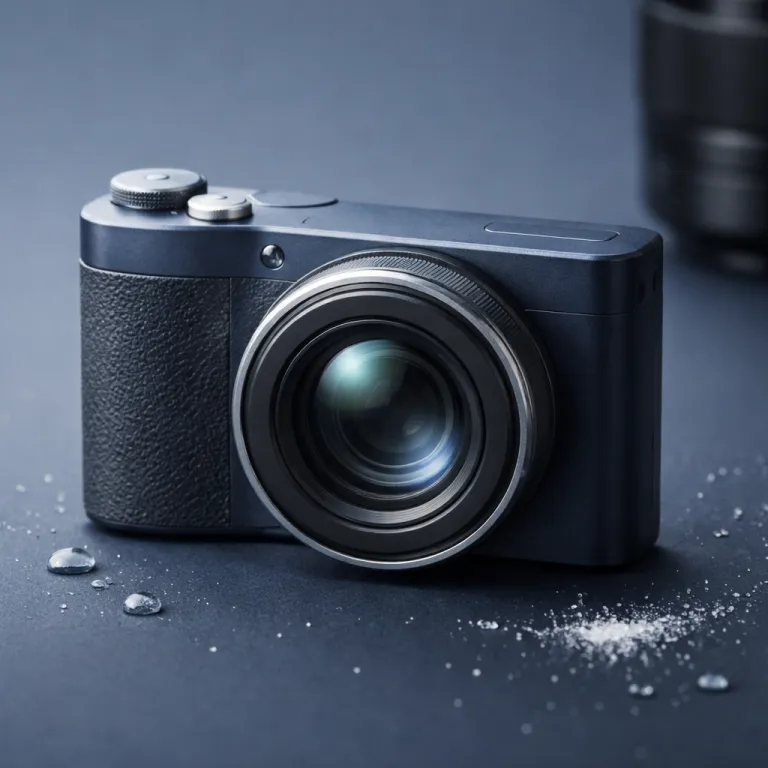
Compact camera revival and why the bad compacts died
The compact camera revival of 2026 is not a nostalgia story. It is a correction in a camera market that chased interchangeable lens systems so hard that many people quietly stopped enjoying photography. When smartphones became good enough, they killed every compact camera that was slow, noisy, and worse than phones in low light.
What survived were compact cameras that behave like a dedicated camera you actually want to carry, with larger sensors, a fast fixed lens, and controls that respect experienced users. These premium digital cameras such as the Fujifilm X100VI, Ricoh GR IIIx, and high end Canon compacts deliver image quality and background blur that no phone with computational photography tricks can fully match. The resurgence of compact cameras is therefore less about retro dials and more about people wanting a point shoot tool that removes friction instead of adding another complex system.
Look at how the camera industry has shifted its messaging around compact cameras and compacts in general. Canon has publicly signaled a major ramp up in production of its compact camera lineup in recent years, a move that only happens when camera sales data show real demand rather than a passing trend. At the same time, waiting lists for fixed lens cameras such as the X100VI and GR IIIx at major retailers have stretched from weeks into months, which strongly suggests that serious photographers will pay for a compact camera that feels like a trusted film camera, not a downgraded accessory to their smartphones.
Smartphones did not kill compact cameras as a category, they simply erased the bad models that never justified their space in a bag. When your phone already offers decent video, quick sharing, and acceptable low light performance, a weak digital camera with a tiny sensor and slow lens design has no reason to exist. The current wave of premium compacts is powered by compact cameras that lean into their strengths as dedicated camera tools rather than pretending to be mini mirrorless cameras.
There is also a psychological shift at play in this camera market story. Many people who own advanced mirrorless cameras and several lens options are tired of the constant decision making before each shoot. A single compact camera with a fixed lens and a clear point shoot philosophy removes that paralysis and lets photographers focus on timing, light, and composition instead of gear choices.
Film cameras and the renewed interest in film camera simplicity helped pave the way for this trend. When photographers tried a small film point and shoot, they rediscovered how liberating it feels to have one focal length and one compact body. The modern compact camera revival borrows that mindset while using digital sensors, better low light performance, and modern autofocus to avoid the frustrations of older film cameras.
In this context, the rise of premium compacts is not a quirky niche but a structural response to how people actually shoot. The camera industry overbuilt mirrorless cameras with deep menus and complex autofocus systems that many owners never fully master. Compact cameras that prioritize direct controls, clear feedback, and fast response times are winning back photographers who want a digital camera that behaves like a reliable tool rather than a science project.
For an enthusiast who already owns a larger system, this renewed interest in compact cameras offers a second body that feels refreshingly focused. Instead of adding another zoom lens to an existing kit, many photographers now add a compact camera with a fixed lens for everyday photography and travel. This shift is visible in camera sales reports where premium compact cameras punch far above their historical weight in the overall camera market.
Why premium compacts beat smartphones in real photography
The core of the compact camera revival in 2026 is simple, phones are brilliant at convenience but limited by physics. A smartphone camera uses tiny sensors and heavy computational photography to fake background blur and low light performance. A premium compact camera uses larger sensors and real glass to create image quality that holds up when you print big or crop hard.
Take a Canon PowerShot G series compact camera or a Sony RX100 style compact as an example of this new generation of digital cameras. These compact cameras pair a relatively large digital sensor with a bright fixed lens or short zoom, which gives you clean files at ISO 3200 where many phones already show smeared detail. When you shoot people in a dim restaurant or street scenes at night, that difference in low light performance is the gap between a keeper and a noisy memory.
Smartphones excel at quick snaps, but they flatten the shooting experience into a glass slab with minimal tactile feedback. A good compact camera offers a physical shutter button, a proper grip, and dials for exposure compensation or aperture that you can adjust without diving into menus. That is why the renewed interest in small fixed lens cameras resonates with photographers who want a point shoot experience that still respects manual control when needed.
There is also the matter of lens behavior and how it shapes your photography. Phones rely on multiple tiny modules and software to simulate different focal lengths, while a compact camera with a fixed lens or short zoom gives you consistent rendering and predictable background blur. Over time, that consistency trains your eye in a way that hopping between phones and various point shoots never quite achieves.
Video is another area where premium compact cameras quietly outclass most phones for serious creators. A digital camera with a larger sensor handles rolling shutter, motion, and mixed lighting more gracefully than many smartphones that lean on aggressive processing. For travel vloggers and street shooters, a compact camera that fits in a jacket pocket yet records stable, detailed video becomes a dedicated camera they actually trust.
Some argue that computational photography will eventually erase these advantages, but physics still matters. Larger sensors gather more light, which improves dynamic range, color depth, and overall image quality in ways that software can only partially imitate. The current compact camera boom is built on this physical foundation, not on marketing claims about phones replacing every camera.
Canon clearly sees this, as shown by its Canon Analog Concept Camera with a waist level viewfinder aimed at people who crave a simple, tactile shooting experience. Rumors around the Canon RE 1 retro style digital camera for street shooters suggest that even big brands know the point shoot ethos is back in demand. These models sit alongside existing mirrorless cameras rather than replacing them, proving that the camera industry now treats compact cameras as serious tools instead of entry level toys.
If you want a concrete reference point, look at how a tested travel compact such as the Sony DSC HX50 performs in real use. Reviews of this compact camera black model show how a small body with a long zoom can still deliver respectable image quality when used within its limits, which explains why many photographers still search for a reliable travel compact camera test before buying. You can see this philosophy in action in a detailed Sony DSC HX50 compact camera review, where the balance between reach, portability, and digital performance is evaluated for everyday shooters.
Compacts versus mirrorless systems and entry level bodies
The compact camera revival 2026 raises a hard question, why buy a premium compact when an entry level mirrorless camera plus a prime lens costs less. The answer lies in how you actually use cameras over months, not in a one time spec comparison. A compact camera that lives in your bag or coat pocket will see more real photography than a larger system that often stays at home.
Mirrorless cameras such as the Canon EOS R10, Sony A6400, or Nikon Z50 offer interchangeable lens flexibility and better ergonomics for long shoots. They are excellent for sports, wildlife, or any situation where you need multiple lens options and a robust autofocus system. Yet the compact camera revival 2026 shows that many people do not need that complexity for daily life, they need a point shoot tool that is always with them.
When you compare a premium compact camera to an APS C mirrorless kit, you trade lens flexibility for certainty. A fixed lens compact with a 35 mm or 40 mm equivalent focal length forces you to move your feet and think more about composition, which often improves your photography. That is why many experienced shooters now pair a compact camera with their main system instead of buying another zoom lens or chasing marginal upgrades in digital cameras.
There is also the issue of menu depth and cognitive load. Modern mirrorless cameras pack dozens of autofocus modes, custom buttons, and video options that can overwhelm people who just want to shoot. A well designed compact camera with clear menus and a simple point shoot philosophy reduces that friction, which explains a large part of the compact camera revival 2026 among enthusiasts.
Cost arguments against premium compacts often ignore the total system price. Once you add a second and third lens, extra batteries, and a better bag for a mirrorless kit, the gap to a high end compact camera narrows quickly. For many photographers, a single compact camera with a bright fixed lens becomes the most economical dedicated camera they own over several years.
Film cameras offer a useful analogy here. Many photographers bought a single film camera body with a 35 mm lens and used it for a decade, focusing on content rather than gear churn. The compact camera revival 2026 channels that same spirit, but with digital convenience, instant review, and better low light performance than most older film cameras could ever provide.
If you are weighing a compact camera against an entry level DSLR or APS C body, it helps to see how those larger cameras behave in practice. Detailed guides to the top APS C DSLR cameras show how much size, weight, and system complexity you accept when you choose a traditional body. Against that backdrop, the appeal of compact cameras that deliver strong image quality without the bulk becomes easier to understand.
Travel focused compacts such as the Panasonic Lumix TZ series illustrate another side of this compact camera revival 2026. A model like the Panasonic DMC TZ60 pairs a long zoom with a small body, giving you reach that many phones and some point shoots cannot match while still fitting in a jacket pocket. A thorough Panasonic Lumix compact digital camera test shows how such a digital camera balances zoom range, low light performance, and handling for real world travel photography.
What this shift means for your next camera purchase
The compact camera revival 2026 is not just a curiosity, it should shape how you plan your next purchase. If you already own a mirrorless system with two or three lenses, your next upgrade might not be another body but a compact camera that fills the everyday gap. For many people, that compact becomes the camera they use for 80 percent of their photography while the larger system handles the remaining 20 percent of specialized work.
Start by being honest about how you shoot and what you enjoy. If you mostly photograph people, street scenes, and travel moments, a compact camera with a fixed lens around 28 mm to 40 mm equivalent will likely cover most of your needs. That is the sweet spot driving the compact camera revival 2026, where point shoot simplicity meets serious image quality and reliable low light performance.
On the other hand, if you regularly shoot sports, wildlife, or fast action, a compact camera alone will not replace a system with interchangeable lenses. In that case, think of compact cameras as a complement, not a substitute, for your main digital camera body. Many photographers now carry a mirrorless camera with a telephoto lens for specific jobs and a compact camera for everything else, which keeps both kits focused and efficient.
When evaluating specific models, pay attention to sensor size, lens brightness, and handling rather than chasing the latest trend. Larger sensors such as 1 inch or APS C in compact cameras give you better dynamic range and cleaner files at higher ISO settings than smaller digital sensors. A bright fixed lens with an aperture around f/2 or wider will help you achieve natural background blur without relying on computational photography tricks that sometimes misread edges around people or objects.
Also consider how a compact camera fits into your broader digital life. If you already use phones and tablets for quick sharing, a compact camera with solid wireless transfer and simple apps will integrate smoothly without adding friction. The compact camera revival 2026 is strongest among people who want a dedicated camera that plays nicely with smartphones rather than fighting them.
There are valid concerns about whether waiting lists for popular compacts are partly manufactured or whether the retro trend will fade. Even if some scarcity is marketing driven, the sustained demand for models like the X100VI and GR IIIx suggests that the underlying desire for simple, high quality point shoots is real. The more important question for you is whether a compact camera will meaningfully change how often and how joyfully you shoot.
In the broader camera industry, this shift is already influencing product roadmaps and camera sales strategies. Canon, Sony, and other brands are rethinking how they balance mirrorless cameras, compact cameras, and even experimental film camera inspired concepts to meet this demand for simplicity. As the compact camera revival 2026 continues, expect more lens cameras with larger sensors and clear point shoot ergonomics rather than a return to the weak compacts that phones rightly replaced.
Ultimately, the best camera is not the one with the most features but the one you keep reaching for without hesitation. For a growing number of photographers, that camera is now a compact with a fixed lens, strong low light performance, and controls that get out of the way. In a world of endless options, the quiet power of a simple, dedicated camera may be the most important trend in photography gear right now.
Key figures behind the compact camera resurgence
- Canon has indicated in recent investor briefings and interviews that it is increasing production of its compact cameras to keep up with demand, a rare upward adjustment in a camera market that has otherwise been shrinking for years. Exact percentages vary by model line and are not always disclosed in public reports.
- Premium fixed lens compacts such as the Fujifilm X100VI and Ricoh GR IIIx have maintained waiting lists stretching several months at major retailers, according to retailer preorder notices and enthusiast forum reports, indicating sustained demand rather than a short term spike.
- Industry analysts tracking global camera sales, including data from CIPA and similar organizations, note that while overall unit volumes for digital cameras continue to decline, revenue from high end compact cameras and mirrorless cameras with larger sensors has grown as a share of the total camera industry.
- Market data from organizations that monitor imaging trends show that smartphones now account for the vast majority of casual photography, which has pushed dedicated camera makers to focus on compacts and systems that offer clear advantages in image quality and background blur.
- Surveys of enthusiast photographers reveal that a significant portion of buyers who already own a mirrorless camera system are purchasing a compact camera as a second body, rather than adding another interchangeable lens to their existing kit. This pattern appears consistently in reader polls and community surveys on major photography sites.