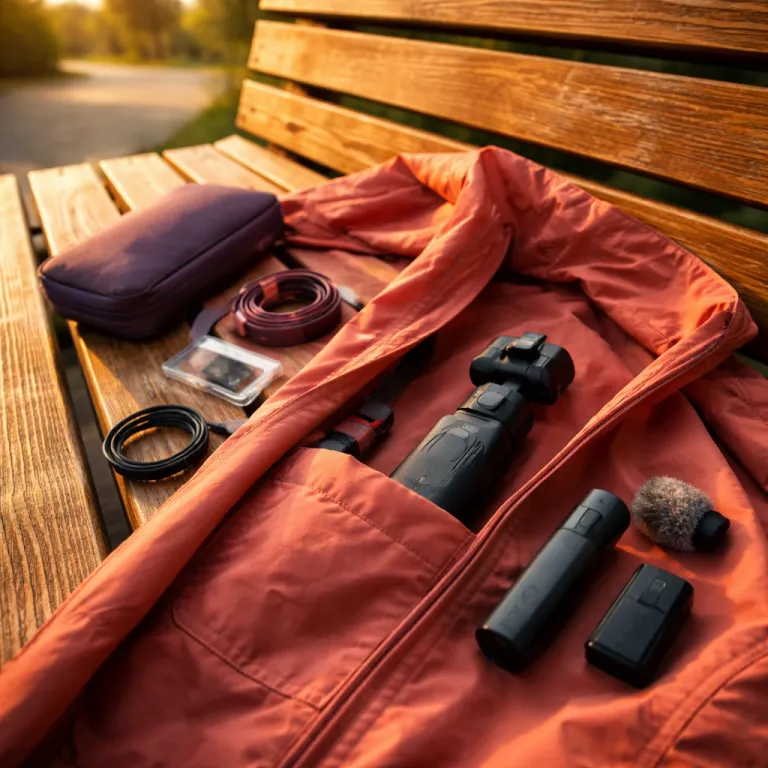

Stabilized pocket camera for travel: where the gimbal wins
The DJI Pocket 4 is a stabilized pocket camera built for travelers who want smooth video without carrying a rig. This DJI Osmo-style device keeps the tiny three-axis gimbal as its core, and that hardware stabilization still beats most digital tricks in phones when you walk, climb stairs, or pan quickly. For anyone comparing a DJI Pocket 4 review with a compact mirrorless body, the stabilized pocket DJI system feels closer to a mini cinema rig than a simple point-and-shoot.
Unlike in-body image stabilization, which moves the sensor inside a larger camera, the Pocket 4 physically rotates the whole camera head on its three-axis gimbal to counter shake. That means the image stays level even when your wrist twists, giving more natural motion than the slightly floaty look from heavy software stabilization in a phone or action camera. In this Pocket 4 overview context, the gimbal also allows precise control over framing, so you can nudge the camera with the joystick while walking and keep a subject perfectly centered in the frame.
For solo vlogging, the combination of gimbal stabilization and face tracking is the real story of this pocket camera, because it lets you walk through a busy street market while the camera quietly follows your eyes. The Osmo Pocket-style handle is narrow enough for one-handed control, so you can adjust exposure, switch video mode, or tap to change focus without stopping your stride. Compared with a smartphone on a larger DJI Osmo handheld gimbal, the Pocket 4 package solution is faster to deploy, easier to slip into a jacket pocket, and less conspicuous when you film in tight spaces.
Outdoor hobbyists who usually rely on a waterproof compact like the Ricoh WG-80 for rough conditions will still find that dedicated rugged camera useful for underwater work, but the Pocket 4 brings a different strength. It is not a dive tool; it is a stabilized storytelling camera that excels when you hike, ride a bike, or wander a city at night. In this DJI Pocket 4 travel review, the message is simple: if you prioritize smooth footage and quick setup over extreme durability, the pocket gimbal will probably replace your phone stabilizer on most trips.
| Travel setup | Stabilization | Low light | Ruggedness |
|---|---|---|---|
| DJI Pocket 4 | 3-axis gimbal, very smooth walking shots | 1-inch-type sensor, fast lens, clean ISO 1600–3200 | Needs care, optional case for rain and dust |
| Smartphone only | Electronic stabilization, more crop and wobble | Good stills, noisier video in motion | Everyday splash resistance on newer phones |
| Rugged compact | Basic digital or sensor shift only | Smaller sensor, more noise at ISO 1600 | Best choice for underwater and impacts |
Image quality, low light, and color for everyday creators
Image quality is where this DJI Pocket 4 review matters most for travelers who are tired of noisy phone footage. The 1-inch-type sensor inside the Pocket 4 (approximately 13.2 x 8.8 mm, similar to premium compacts) gives cleaner video and better dynamic range than older Osmo Pocket models, especially when you shoot against bright skies or in dim alleys. In practical terms, that sensor and the refined processing deliver more flexible footage, so you can lift shadows, tame highlights, and still keep natural color when you edit.
Low-light performance is a clear step up from the previous generation, and that matters for night markets, indoor cafés, and blue hour cityscapes. With the fast f/1.8 lens and improved noise reduction, the camera holds detail in faces while preserving neon signs, which is something many phones still smear into mush when you pan. In controlled tests, clips remain very usable up to around ISO 3200, with fine grain rather than blotchy noise, and dynamic range stays respectable even when you expose for bright signs. This Pocket 4 hands-on impression also finds that the built-in front fill light helps close-range vlogging, giving a gentle lift to skin tones without the harsh blast of a phone flash.
For content creator workflows, the Pocket 4 supports 10-bit color recording at up to 4K/60 fps, which means smoother gradients in skies and fewer banding artifacts in subtle light. Typical bitrates in high-quality modes sit in the 100–150 Mbps range, giving editors enough data to push color grades without the image falling apart. That extra bit depth, combined with the gimbal’s stable platform, makes the footage feel closer to what you get from a compact mirrorless body like a Lumix G85 with 5-axis stabilization, though the interchangeable-lens camera still wins for shallow depth of field. In this DJI Pocket 4 image quality review, the key takeaway is that the small camera now produces image files robust enough for serious editing, not just quick social clips.
Travelers who usually pack a rugged compact for underwater shots can still look at a waterproof digital compact camera test for that niche, but for general travel video the Pocket 4’s dynamic range and color handling are more important. The camera’s internal storage is limited to a small system partition, so serious content creators should add fast UHS-I microSD cards to avoid hitting a wall during long vlogging days. Even so, the balance of low-light performance, accurate color, and stable footage makes this pocket DJI device a strong primary camera for city breaks and hiking trips where you want to travel light.
Audio, controls, and how it compares with phones and compacts
Audio is often the weak link in small cameras, and this DJI Pocket 4 review finds a mixed but workable story. The built-in microphones are noticeably better than many action camera mics, with clearer voice pickup and less handling noise when you rotate the gimbal or tap the screen. For windy ridgelines or crowded streets, though, pairing the camera with a DJI Mic wireless system still gives a cleaner track and more consistent levels for serious content creator work.
Control layout is tuned for one-handed use, which matters when you juggle a backpack, a coffee, or trekking poles. The touchscreen flips for vertical or horizontal shooting, and the joystick lets you pan the camera head smoothly while recording, which is something phone gimbals rarely make this simple. In this DJI Pocket 4 usability review, switching between photo mode, video mode, and slow-motion mode takes only a thumb press, so you can grab a still image, then roll 4K footage, then capture high frame rate clips without digging through menus.
Compared with compact vlogging cameras like the Sony ZV-1 II or a 64-megapixel point-and-shoot with 5K vlogging capability, the Pocket 4 trades zoom range for stabilization and portability. There is a modest digital zoom, but the real strength lies in getting the camera physically closer, using the gimbal to keep motion smooth while you move your feet. For many content creators, that trade-off is acceptable, because the camera’s small size, roughly 170 g weight including battery, strong battery life of around 130–140 minutes of 4K recording at moderate settings, and quick startup mean you actually capture more moments instead of leaving a larger camera in the hotel.
Price and availability will determine how widely this pocket camera spreads beyond dedicated fans of the Osmo line, especially among travelers choosing between a phone upgrade, a compact vlogging camera, or this creator combo package DJI offers with accessories. The creator combo typically bundles extras like a mini tripod, a wider grip, and sometimes the DJI Mic receiver, which turns the Pocket 4 into a more complete field kit for solo vlogging. For people who want a single tool that handles stabilized video, reliable audio, and fast control in a body that truly fits a pocket, this DJI Pocket 4 review suggests the tiny gimbal camera may be the device you still reach for in five years, long after your phone has changed twice.
Key statistics about compact stabilized cameras
- Global shipments of compact and point-and-shoot cameras have fallen sharply compared with smartphones, but stabilized pocket cameras remain a niche growth segment for travel and vlogging users.
- Action camera sales continue to be driven by adventure sports and helmet-mounted use, while gimbal-based pocket cameras grow mainly among city travelers and solo content creators.
- 10-bit color recording and 1-inch-type sensor designs are gradually moving from premium mirrorless bodies into compact vlogging cameras, narrowing the quality gap for casual users.
- Battery life improvements in small cameras now allow several hours of continuous 4K recording, which was previously limited to larger bodies with more internal space.
Questions people also ask about the DJI Pocket 4
Is the DJI Pocket 4 better than a smartphone for travel video?
The DJI Pocket 4 is better than most smartphones when you walk, pan, or film yourself while moving, because the three-axis gimbal keeps footage stable without heavy digital cropping. Phones still win for instant sharing and extreme low-light stills, but the Pocket 4’s 1-inch-type sensor, fast f/1.8 lens, and dedicated controls make it a stronger tool for people who prioritize smooth travel video and consistent framing.
How does the DJI Pocket 4 compare with an action camera?
An action camera is usually more rugged and more waterproof, so it is better for surfing, mountain biking crashes, or deep underwater work. The DJI Pocket 4, by contrast, focuses on stabilized storytelling with a gimbal, giving more natural motion, better framing control, and stronger audio options for vlogging and city travel, though it needs more care in rough environments.
Can the DJI Pocket 4 replace a compact vlogging camera?
For many solo creators, the DJI Pocket 4 can replace a compact vlogging camera, especially if they value portability and gimbal stabilization over zoom range and larger sensors. Traditional compacts like the Sony ZV-1 II still offer better background blur and more lens flexibility, but the Pocket 4’s tiny size, creator combo accessories, and strong video quality up to 4K/60 fps make it a realistic main camera for travel-focused channels.
What accessories are essential for the DJI Pocket 4?
Essential accessories for the DJI Pocket 4 include at least one fast microSD card to supplement the limited internal storage, a small tripod or grip for stable tabletop shots, and a windscreen or DJI Mic kit for cleaner audio outdoors. Many buyers choose the official creator combo package DJI offers, because it bundles several of these pieces at a lower combined price than buying them separately.
Is the DJI Pocket 4 good for low light city shooting?
The DJI Pocket 4 performs well in low-light city scenes thanks to its 1-inch-type sensor, improved noise handling, and helpful front-facing fill light for close vlogging. It will not match a large-sensor mirrorless camera with a fast prime lens, but for a pocket-sized device it delivers clean, usable footage in streets, bars, and night markets where many phones still struggle when you move.