Summary
Editor's rating
Value for money: who this camera suits best
Compact travel-friendly design with a real viewfinder
Battery and connectivity: strengths and blind spots
Durability and the reality of a renewed compact
Zoom, image options and autofocus: what to expect
What the Lumix DMC-TZ60EB-K offers on paper
Pros
- 30x 24–720 mm equivalent Leica zoom with optical stabilisation in a compact 214 g body
- RAW support, PASM modes, control ring, manual focus and focus peaking for advanced control
- Electronic viewfinder plus Wi‑Fi/NFC connectivity, rare at this price level especially on a renewed unit
Cons
- Small 1/2.3" sensor and 1080p-only video, behind modern cameras in low light and video features
- No weather sealing and unknown exact battery endurance, so extra care and possibly spare batteries are advisable

Specifications
View full product page →| Brand | Panasonic |
A 30x travel zoom that still makes sense in 2024
The Panasonic Lumix DMC-TZ60EB-K is not a new model. It dates back to 2014 and here it’s offered as a renewed compact camera with a 30x optical zoom, 18.1 MP MOS sensor and a 3-inch LCD. On paper, it’s clearly aimed at people who want something more flexible than a smartphone, but without the size and weight of a DSLR or big bridge camera. The presence of an electronic viewfinder (EVF) and RAW capture immediately puts it in the more serious travel compact category rather than a basic point-and-shoot.
The published Amazon comments are few but very positive, with a 4.8/5 average from 7 ratings. Buyers insist on two main points: image quality that’s better than expected for the price, and a zoom range that they actually use in real situations, especially when they do not want to carry a larger camera. One reviewer even compares it directly to a newer model and prefers this older one because it keeps the built-in viewfinder.
On the technical side, the spec sheet is dense for a compact: 24–720 mm equivalent Leica DC Vario-Elmar lens, 5-axis optical stabilisation, Wi‑Fi and NFC, manual modes, RAW, focus peaking and a 20 fps burst. That’s a lot of control options for a camera that weighs around 214 g and fits in a pocket. It clearly targets enthusiasts or demanding travellers more than absolute beginners, even if there is a full auto mode.
It’s not perfect: small 1/2.3" sensor, no 4K video, and the usual limits of older compacts in low light are to be expected. But if the price is reasonable, this kind of renewed model can still be a good value travel tool for people who want a long zoom and a real grip on settings, without going into interchangeable-lens systems. The following sections look at what you can realistically expect from it, judging from the specifications and the few published user opinions.
Value for money: who this camera suits best
The price is not displayed here, but the context is clear: this is a renewed, older-generation compact, so it is generally positioned below the cost of a brand-new premium compact or entry-level mirrorless kit. The Amazon comments repeatedly highlight value: one buyer calls it “a first-class camera, better than anticipated at this price”, and another simply says “This was an excellent camera” and rates it 5/5. A third emphasises that the zoom is “incredible”, which hints that they feel they are getting a lot of reach without paying for a big lens and body.
On paper, the value argument rests on several concrete points:
- 30x Leica-branded zoom from 24 to 720 mm equivalent.
- RAW support and full manual modes, which are uncommon in entry-level compacts.
- Electronic viewfinder, missing on many newer mid-range compacts.
- Wi‑Fi and NFC for sharing and remote control.
- A relatively light 214 g body that is easy to carry.
The trade-offs are also clear: 1/2.3" sensor, only 1080p video, no weather sealing, and an older generation interface and electronics. If you mainly shoot in low light, want 4K video and modern autofocus tracking, a recent mirrorless or a 1" sensor compact will do better, but at a much higher price. In that sense, this Lumix makes the most sense for users who mostly shoot daylight travel, family events and holidays, and who value the long zoom and EVF more than cutting-edge video specs.
In my opinion, the value for money is quite strong if the renewed price is significantly lower than any new advanced compact. The positive reviews, the one-year warranty and the solid spec sheet back this up. It’s not a camera for gear obsessives chasing the latest sensor tech, but for a traveller or casual enthusiast who wants more reach and control than a smartphone, it offers a sensible balance of cost and capability.
Compact travel-friendly design with a real viewfinder
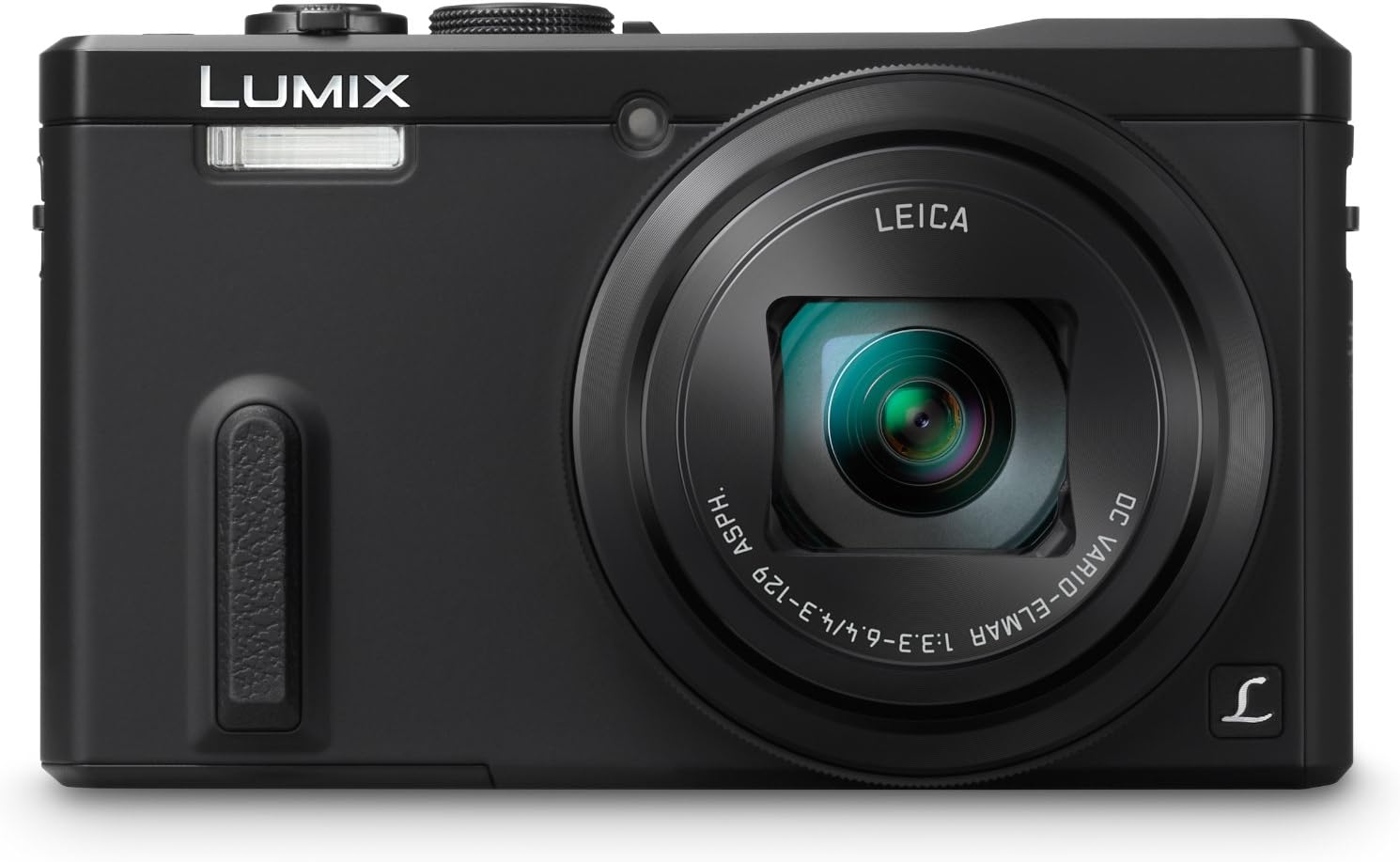
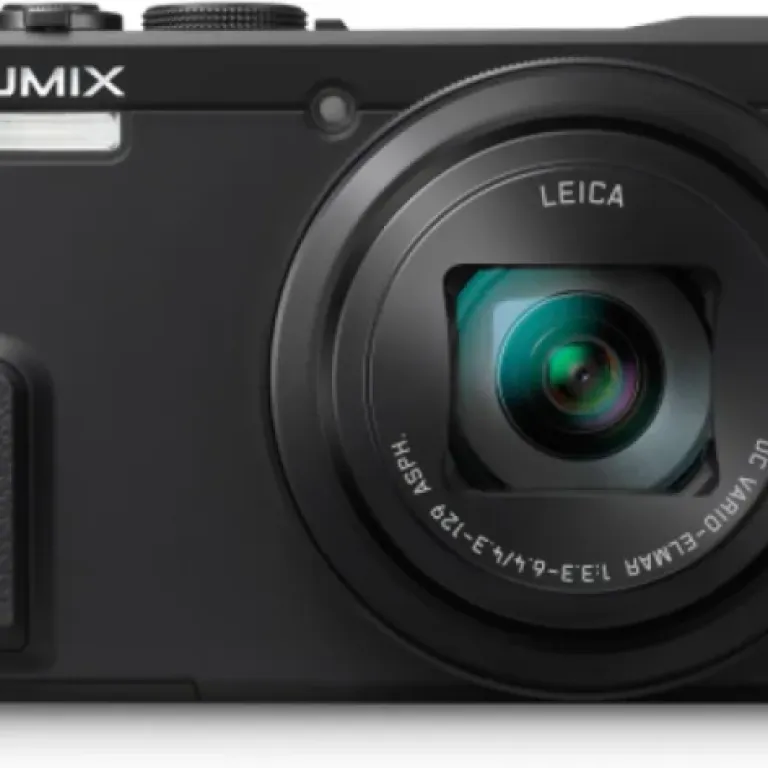
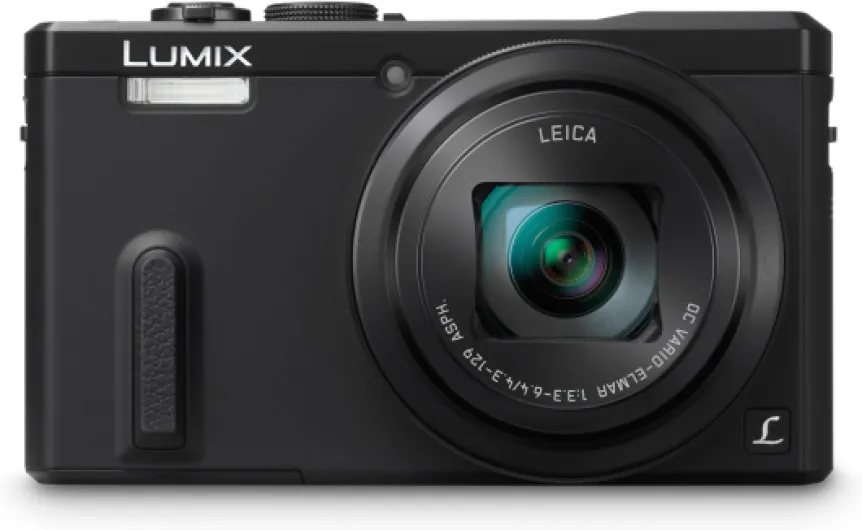
On the design front, the DMC-TZ60EB-K sticks to the classic travel-zoom recipe: pocketable rectangular body, retractable lens, and a 3-inch fixed LCD. The weight is listed at about 214 g, which is lighter than most bridge cameras and far easier to carry all day than a DSLR with a telephoto lens. This is exactly what buyers mention: one comment explains that it’s the camera they grab when they do not want to “lug” their larger FZ2000 around. That sums up the design goal pretty well.
The presence of a 0.2" electronic viewfinder is a key design point. Many current compact cameras in the same size bracket have dropped the EVF to cut costs, forcing users to rely solely on the rear screen. Here, you get both: an LCD for casual framing and menus, and an EVF with 100% field of view for more precise composition or when the sun makes the screen hard to read. One reviewer directly compares this to a newer Lumix that lost the LVF and says they were disappointed, which shows that for some users, the tiny viewfinder is not a gimmick but a deciding factor.
The control layout is geared towards users who want more than a simple auto mode. The spec sheet mentions a control ring, PASM modes and manual focus. That suggests the body has enough buttons and dials to access key settings without constantly diving into menus. For a compact, that usually means a mode dial on top, a ring around the lens, and a directional pad or wheel on the back. It’s not a pro ergonomics level, but for travel it’s a good compromise between direct control and compactness.
There is no mention of weather sealing or ruggedisation, so it should be treated as a standard electronic device: fine for everyday city and travel use, but not designed for heavy rain, dust storms or rough outdoor abuse. In my opinion, the design is practical and efficient rather than flashy: small, with a long zoom and an EVF, clearly aimed at people who care more about getting the shot than about the camera looking premium. If you’re ok with a fixed screen and no weather sealing, the design ticks the main travel boxes.
Battery and connectivity: strengths and blind spots
The spec sheet does not give a precise battery capacity or CIPA rating, which is a bit of a blind spot. For a compact camera with an EVF, Wi‑Fi and a 30x zoom, power consumption will not be trivial. Real-world stamina will depend heavily on how often the viewfinder is used instead of the LCD, how much you zoom, and whether Wi‑Fi is left on. Without a clear manufacturer figure, you have to assume a typical compact camera behaviour: decent for a day of casual shooting, but probably not enough for very intensive use without either a power bank or a spare battery.
On the positive side, the camera includes Wi‑Fi and NFC connectivity. That means you can transfer images to your smartphone or tablet and control the camera remotely using a compatible app. For travel, this can reduce the need to carry a laptop: you can send selected photos directly to social networks or cloud storage through your phone. Remote shooting also lets you set the camera somewhere (tripod, wall, railing) and trigger it from a distance, which is handy for group photos or self-portraits without relying on a self-timer.
The box contents mention a USB cable, so charging and data transfer likely happen through a standard USB port. That’s important when travelling: you can often recharge from a power bank, car charger or any USB outlet, without hunting for a proprietary charger. However, there is no detail about fast charging or charging while shooting, so it’s safer to plan for one or two spare batteries if you tend to shoot a lot in one day, especially using the EVF and telephoto end of the zoom.
In the Amazon comments, nobody insists on battery problems or praises exceptional endurance, which suggests it behaves like a typical compact of its era: acceptable but not a strength. In my opinion, the real benefit on the “power & connectivity” side is less the raw battery life and more the convenience of Wi‑Fi/NFC and USB charging. For a travel compact, that combo is often more important than squeezing out a few extra shots per charge, as long as you organise yourself with occasional top-ups or a spare battery.
Durability and the reality of a renewed compact
This particular listing is for a renewed Panasonic DMC-TZ60EB-K, not a brand new unit fresh from the factory. That changes how you should look at durability. The seller clearly states that the box may be opened before dispatch so they can check contents and apply a quality-check seal. There is also mention of a one-year limited warranty, and they insist that the manufacturer or network warranty remains valid according to terms and conditions. For a refurbished or renewed camera, a clear warranty period is important, because you are dealing with hardware that has already had an initial life cycle.
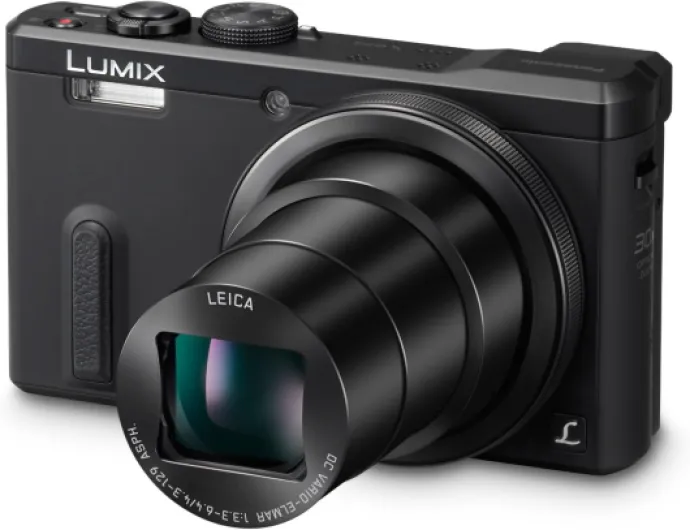
The camera itself is not advertised as rugged or weather-sealed. There is no claim of water resistance, shock proofing or freeze resistance. With a retractable zoom lens that extends and retracts, plus a small EVF and moving parts for stabilisation, it’s reasonable to assume that careful handling is needed. This is standard for travel compacts: they’re made for bags and city trips, not for heavy impacts or being dropped in sand. The lens mechanism in particular is an area to protect from dust, sand and moisture.
Among the published reviews, none report early failure, broken parts or malfunction. On the contrary, one buyer notes that the product arrived in excellent condition with some useful extras, which is reassuring for a renewed item. That is only one case, so it cannot be generalised, but at least there is no visible pattern of defects in the small sample of comments. The high average rating (4.8/5) also suggests that, at least for the people who left a review, there were no major durability surprises in the short term.
In my opinion, if you go for this camera, it makes sense to treat it like any delicate electronics: use a small padded case, avoid exposure to rain or sand, and be gentle with the zoom mechanism. The renewed status plus a one-year warranty can be seen as a trade-off: you save money compared to a new high-end compact, but you accept a previous life cycle and the usual limits of non-rugged hardware. For normal travel and family use, there is nothing alarming in what users say, but this is not the kind of device you’d take on harsh expeditions without extra protection.
Zoom, image options and autofocus: what to expect
The strong point of this camera’s spec sheet is clearly its 30x optical zoom, covering 24–720 mm equivalent. For travel, that range is very flexible: wide enough for landscapes, architecture and group shots, and long enough for details on buildings, animals at a distance or candid portraits from afar. One Amazon review explicitly calls the zoom “incredible”, which shows that everyday users do feel a big difference compared to phones, which usually top out at much shorter effective focal lengths or rely on digital zoom.
The 18.1 MP high-sensitivity MOS sensor is a standard 1/2.3" size for compact cameras of its generation. That is smaller than the sensors in many newer premium compacts or mirrorless cameras, so low-light performance and dynamic range will logically be more limited. Still, RAW capture and manual exposure give you more margin to correct shadows and highlights afterwards than a basic JPEG-only compact. In my opinion, for daylight and well-lit indoor scenes, this sensor should deliver more than enough detail for prints and online sharing, but night shots will likely require some compromise on noise and sharpness.
The autofocus system is described as hybrid, with 9 AF points and support for manual focus plus focus peaking. Hybrid AF usually combines contrast detection with some additional method to improve speed or accuracy. With only 9 points, it’s not a sports specialist, but for travel, portraits and landscapes it should be fine. Continuous shooting is announced up to 20 fps, which is high on paper for a compact. The real limitation will likely be buffer size and AF tracking, but there is enough here to catch brief moments or moving subjects in bursts, at least in good light.
Image stabilisation is another important performance factor with such a long zoom. Panasonic mentions enhanced optical image stabilisation with 5-axis correction and Level Shot. On a small, light body at 720 mm equivalent, stabilisation is crucial to avoid blurred shots from hand shake. This system should help keep shutter speeds reasonably low without always needing a tripod, especially for video or telephoto stills. Overall, performance looks solid for a compact of this type: not at the level of a modern large-sensor camera, but more than enough for someone who wants a travel tool with serious zoom and manual options.
What the Lumix DMC-TZ60EB-K offers on paper
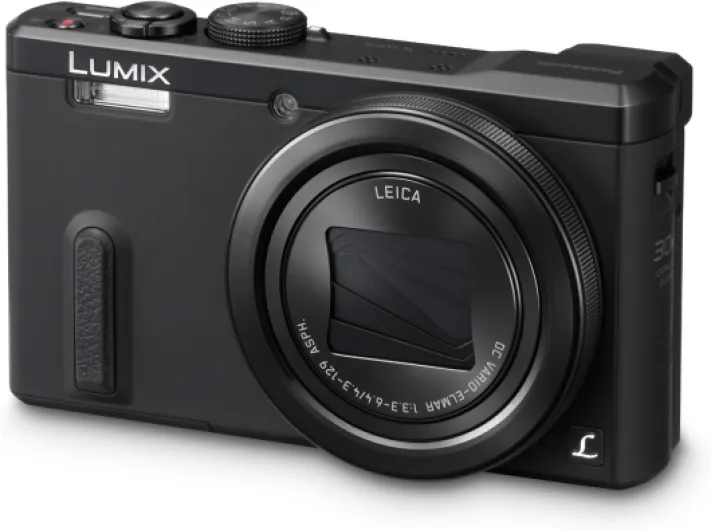
The DMC-TZ60EB-K is a compact camera from Panasonic’s well-known TZ (Travel Zoom) series. Its main promise is clear: big zoom in a small body. The lens goes from 24 mm ultra wide angle to 720 mm equivalent with a 30x optical zoom, coupled with a 18.1 MP high-sensitivity MOS sensor. It supports both JPEG and RAW, and records video in Full HD 1080p MP4. For a pocket camera, that spec sheet is still convincing if you just need good photos for prints, albums or online sharing.
Control-wise, it’s not a toy. There is a control ring around the lens, full PASM (Program, Aperture Priority, Shutter Priority, Manual) modes, manual focus with focus peaking, and a burst mode up to 20 fps according to the manufacturer. It also includes a built-in flash with several modes (Auto, On, Off, Slow Sync, Rear Curtain Sync), spot metering, and a maximum shutter speed of 1/200–1/250 s for flash sync, up to 30 s for long exposures. For a travel compact, that opens the door to night cityscapes, light trails and some creative shots, at least on paper.
The camera integrates Wi‑Fi and NFC for quick transfer to a smartphone or tablet and for remote control. That’s handy for group shots, discreet street photography or placing the camera in unusual positions while framing from a phone. There’s also a 0.2" electronic viewfinder with about 200k dots and 100% field of view. Several buyers highlight this EVF as a real advantage compared to newer compacts that dropped the viewfinder, especially in bright sunlight where LCDs can be hard to see.
In the Amazon comments, people mainly emphasise the perceived value: one buyer calls it a “first-class camera, better than anticipated at this price” and another says they are “really happy” and mentions that a newer model lost the LVF (viewfinder), which for them is a downgrade. Overall, the positioning is pretty clear: this is a traveller’s compact for users who want real photographic controls, not just a point-and-shoot to replace a phone. If that matches your profile, the spec sheet lines up well with expectations, as long as you accept the limits of its small sensor and older video standard.
Pros
- 30x 24–720 mm equivalent Leica zoom with optical stabilisation in a compact 214 g body
- RAW support, PASM modes, control ring, manual focus and focus peaking for advanced control
- Electronic viewfinder plus Wi‑Fi/NFC connectivity, rare at this price level especially on a renewed unit
Cons
- Small 1/2.3" sensor and 1080p-only video, behind modern cameras in low light and video features
- No weather sealing and unknown exact battery endurance, so extra care and possibly spare batteries are advisable
Conclusion
Editor's rating
The Panasonic Lumix DMC-TZ60EB-K, in this renewed version, comes across as a very capable travel compact with a long zoom and serious controls. The 30x 24–720 mm equivalent Leica lens, optical stabilisation, RAW capture, PASM modes and electronic viewfinder put it above basic point-and-shoot cameras. The published Amazon reviews are few but very positive, with people praising image quality for the price, the flexibility of the zoom and the convenience of having a smaller alternative to a large bridge camera.
It clearly has limits: a small 1/2.3" sensor, only 1080p video, no weather sealing and unknown but likely average battery life. It’s also an older model, so anyone looking for cutting-edge autofocus or low-light performance should look toward newer, more expensive systems. But if the main goal is to travel light while keeping a real zoom and manual options, this camera still makes sense. The renewed status and one-year warranty help keep the cost down while offering some security.
In my view, this Lumix is well suited for travellers, families and amateur photographers who want better reach and control than a smartphone, without diving into interchangeable lenses. People who mainly shoot video, work a lot in low light, or want the latest tech should skip it and aim higher. For everyone else, it’s a solid, no-nonsense tool that delivers good value, as long as the renewed price is right.