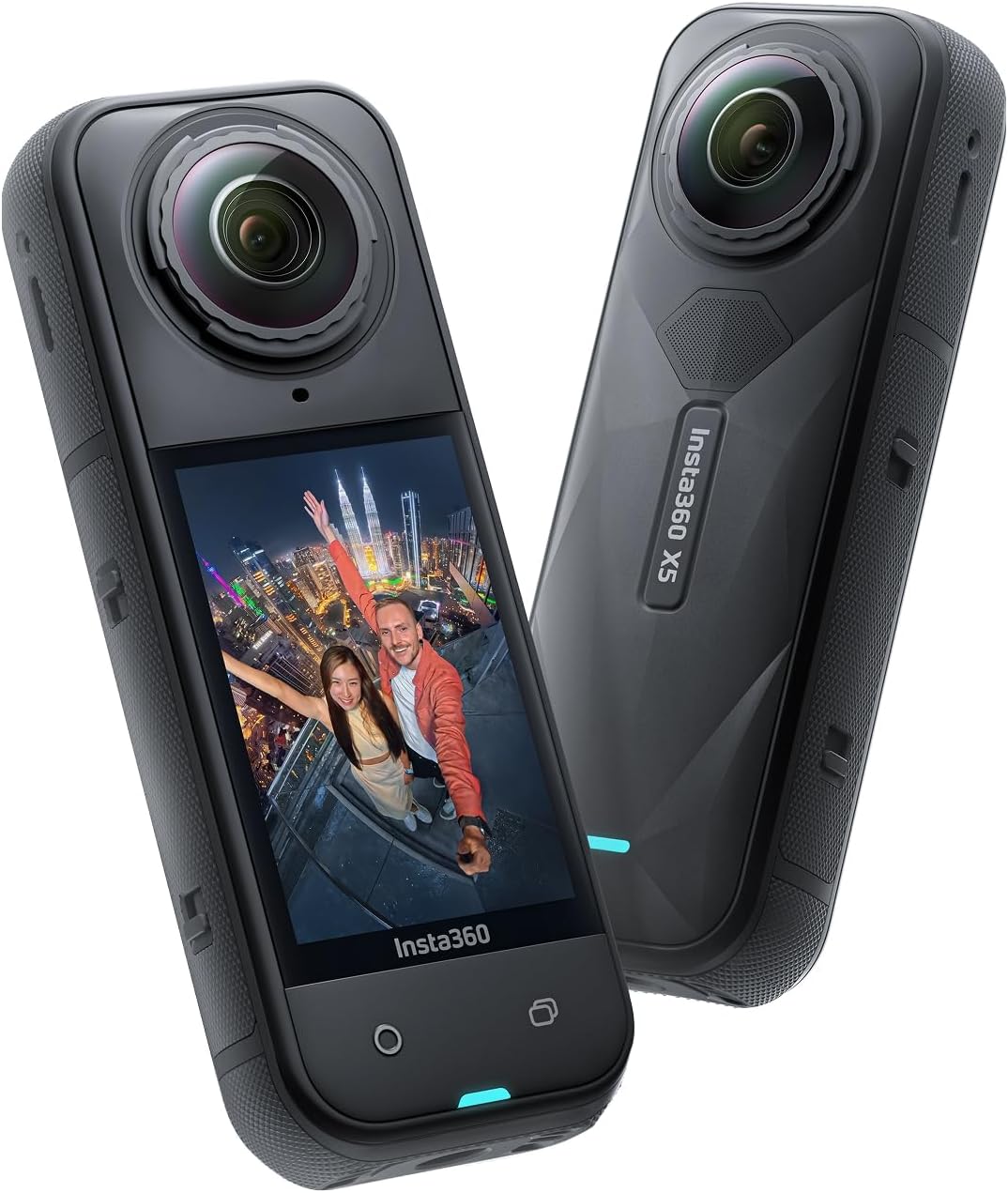
Key specifications that define quality in 360 degree cameras
To judge the best 360 degree digital cameras fairly, you need to decode their specifications. Resolution, FPS, sensor size, and lens quality all interact to shape both stills resolution and video resolution in practice. A camera with modest numbers on paper can still deliver very good image quality if its processing and optics are well tuned.
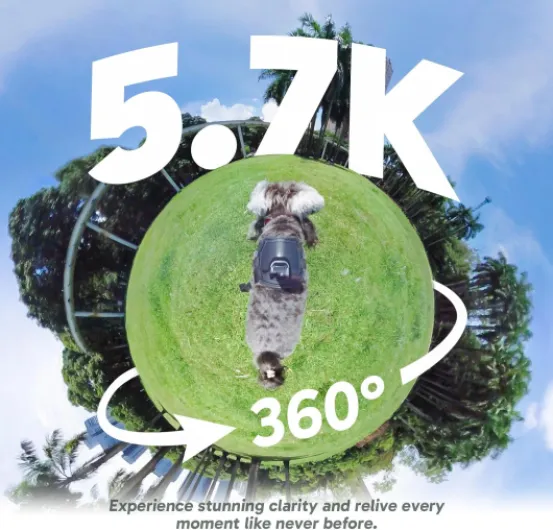
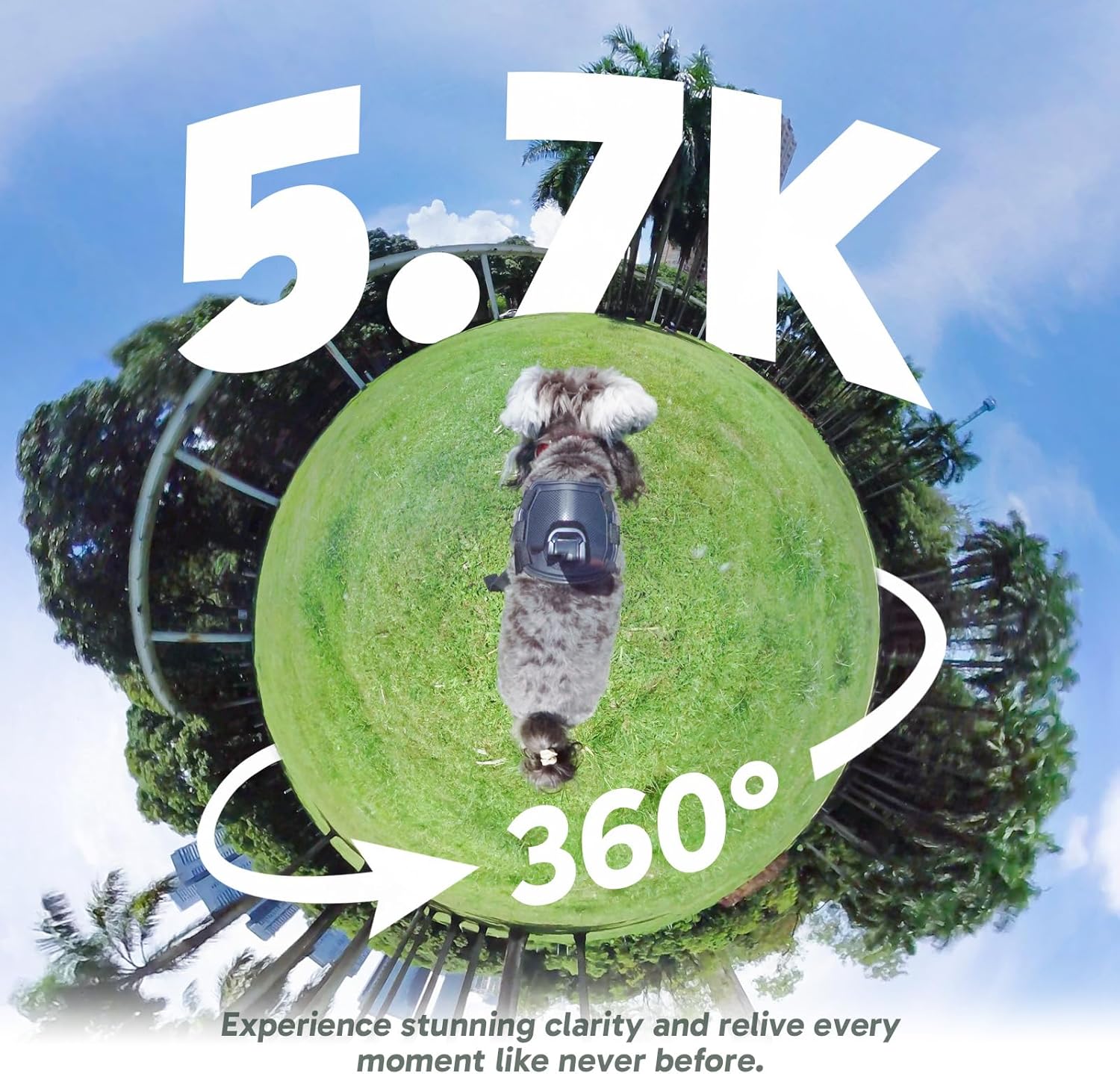
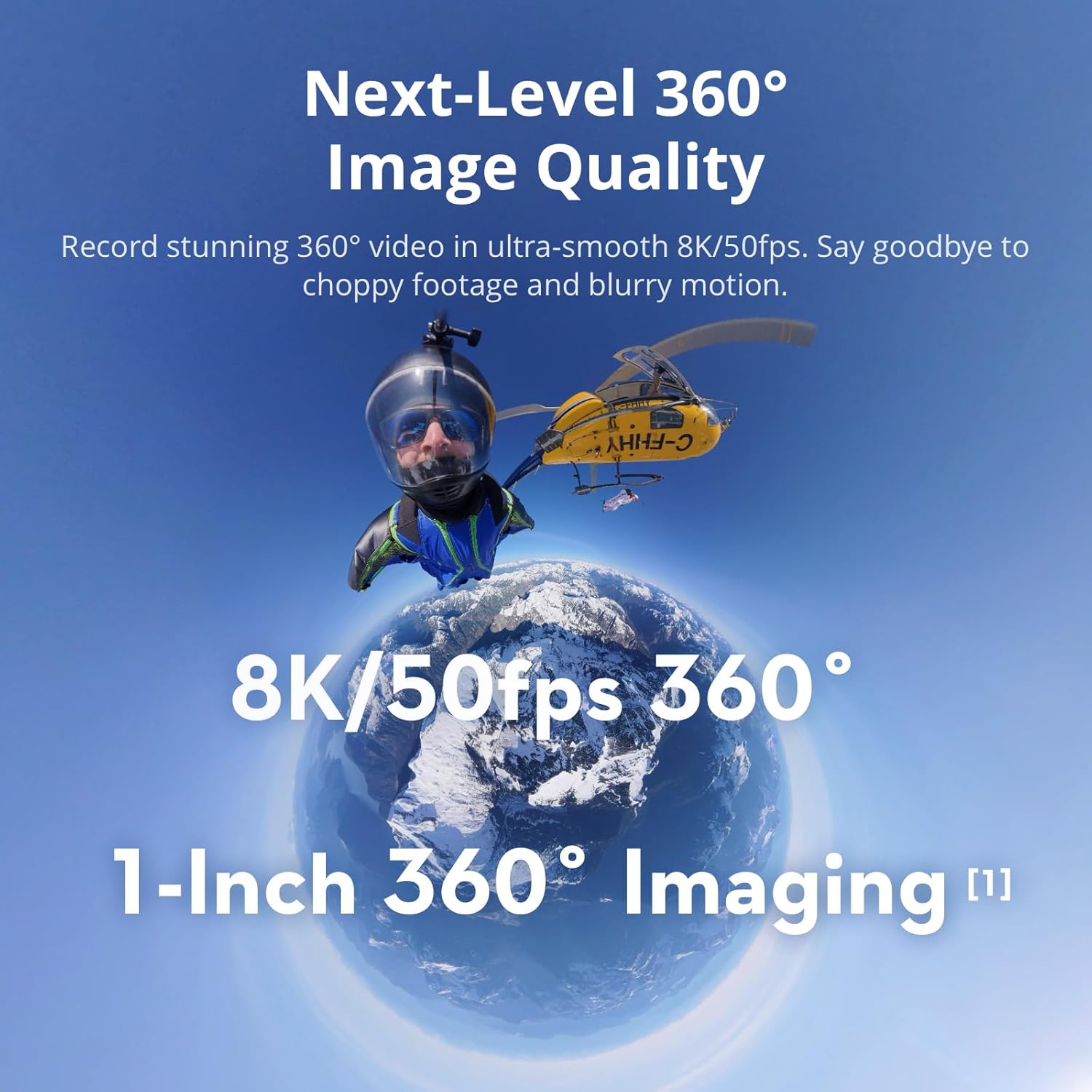
Most consumer 360 degree cameras record at around 5.7K video resolution, which sounds high but is spread across the entire sphere. When you crop a standard 16:9 video from that sphere, the effective resolution drops, so the best camera is often the one that handles detail retention intelligently. This is why an expert review will often compare cameras side by side, examining low light noise, motion blur, and color accuracy rather than just quoting FPS and pixel counts.
Battery life is another critical factor, especially for action camera users who film long sessions. Manufacturers usually quote battery life in minutes, but real performance depends on FPS, resolution, ambient temperature, and how often you use Wi Fi or Bluetooth. When you read a detailed review specifications table, check whether the tester measured life minutes in demanding modes such as 5.7K at 30 FPS or 4K at 60 FPS.
Weight and ergonomics also matter, because specifications weight influences how stable your video looks and how comfortable the camera feels on a rig. Lighter cameras are easier to mount, but they may sacrifice battery capacity or ruggedness, so there are always reasons buy and reasons avoid with each design. For a deeper technical background on sensor formats and optics, resources that explain systems like Four Thirds and Micro Four Thirds cameras can help you understand how physics shapes image quality.
Comparing GoPro, Insta, and DJI in the 360 degree arena
Among the best 360 degree digital cameras, three ecosystems dominate most expert review discussions. GoPro, Insta, and DJI each bring distinct strengths in action camera design, image quality, and workflow, which means the best camera for one person may not suit another. Understanding these differences helps you read any review specifications list with a more critical eye.
The GoPro Max is positioned as a hybrid between a traditional action camera and a full 360 degree camera. In 360 mode, the GoPro Max captures spherical video with strong stabilization, while its single lens mode behaves like a classic wide angle GoPro for everyday action. Many reviewers highlight reasons buy such as robust build, good low light handling for an action camera, and polished software, but they also mention reasons avoid like higher specifications weight and a learning curve for editing.
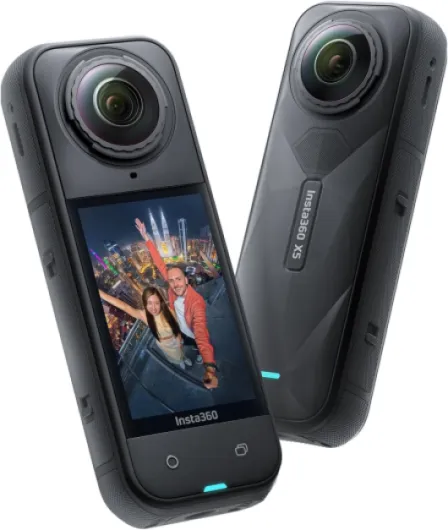
Insta branded cameras, including popular Insta 360 models, focus heavily on creative reframing tools and AI assisted editing. These cameras often deliver very good stills resolution and flexible video resolution options, making them attractive for social media creators who want both photos and video from one device. DJI, with its DJI Osmo line, brings its gimbal and drone expertise into the 360 and action camera space, emphasizing stabilization, compact design, and efficient battery life in minutes.
Travel photographers weighing these ecosystems should also consider how each camera fits into a broader kit. Articles that examine a body like the Leica SL 601 as a versatile travel companion show how a 360 degree camera can complement, rather than replace, a main stills camera. In practice, many users pair a GoPro Max or Insta model with a larger camera, using the lighter action camera for risky shots where image credit and credit future memories matter more than absolute technical perfection.
Real world performance: image quality, low light, and stabilization
Laboratory charts tell only part of the story when assessing the best 360 degree digital cameras. Real world performance depends on how a camera handles mixed lighting, fast motion, and challenging scenes where both stills resolution and video resolution are pushed to their limits. A careful expert review will therefore include outdoor tests, indoor low light scenes, and action sequences.
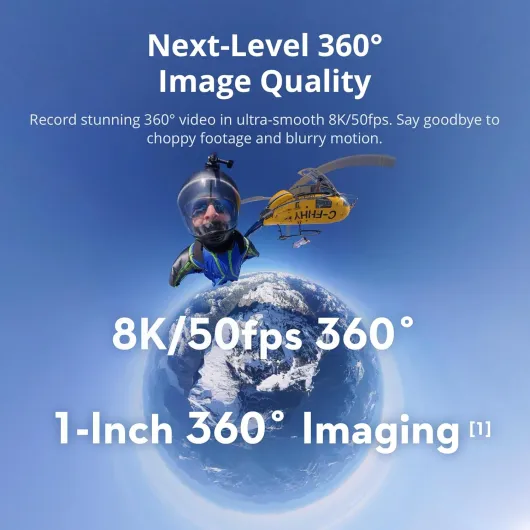
Image quality in 360 degree cameras is shaped by sensor size, lens sharpness, and processing algorithms. Smaller sensors can struggle in low light, producing noise and smearing fine detail, even if the headline resolution and FPS look impressive. When you read a review, look for side by side crops that show how well each camera preserves texture in shadows and highlights, because this reveals more than any marketing claim about max clarity.
Stabilization is another pillar of performance, especially for action camera use on bikes, skis, or drones. GoPro, Insta, and DJI all use advanced electronic stabilization that leverages the full 360 capture to smooth motion, which is one reason buy into this category rather than a traditional camera. However, there are also reasons avoid certain models if their stabilization introduces warping or if their specifications weight makes mounting awkward.
Battery life in minutes can drop quickly when stabilization, high FPS, and maximum video resolution are enabled simultaneously. For long hikes or travel days, many users carry spare batteries or power banks, treating battery life as a consumable resource rather than a fixed specification. A thorough review specifications table should therefore list both rated and tested life minutes, giving you a realistic sense of how long the camera will last between charges in demanding conditions.
Buying advice: how to read reviews and avoid common mistakes
Choosing among the best 360 degree digital cameras requires more than scanning star ratings. You need to read each expert review carefully, paying attention to how the reviewer tested the camera, what they highlight as reasons buy, and which limitations they flag as reasons avoid. A responsible review specifications section should clarify test settings, including FPS, resolution, and whether low light scenes were included.
One frequent mistake is to focus solely on headline specs like max resolution or highest FPS. In practice, a camera with slightly lower video resolution but better processing can deliver more pleasing image quality, especially when viewed on common devices rather than specialized headsets. Another error is to underestimate specifications weight and battery life, which directly affect how often you carry the camera and how long you can film.
Shoppers should also be wary of impulse purchases driven by social media clips that may not reflect typical performance. If a reviewer does not show unedited footage or stills resolution samples, you should treat their claims cautiously and seek a second expert review. When in doubt, look for independent tests that include clear image credit labels and transparent disclosure of any sponsorship or credit future arrangements.
For those comparing 360 degree cameras with more conventional superzoom or bridge models, a detailed test such as this Nikon Coolpix P950 review can provide useful context about what a non 360 camera offers. Such comparisons highlight that a 360 degree action camera excels at immersive video and creative perspectives, while a traditional camera may still win for pure telephoto reach and low light stills. The key is to align the best camera choice with your actual shooting habits rather than abstract specifications.
Practical usage tips and long term ownership considerations
Once you have chosen among the best 360 degree digital cameras, thoughtful setup and maintenance will help you get the most from your investment. Start by updating firmware, calibrating stabilization, and testing different FPS and video resolution combinations to find a balance between image quality and manageable file sizes. Many users also configure custom presets for action, low light, and tripod based shooting to avoid constant menu diving.
Because 360 degree cameras rely on exposed lenses, protecting the glass is essential for preserving stills resolution and overall image quality. Use lens caps, protective cases, and careful handling, especially with action camera mounts where impacts are likely, since even small scratches can show up in every image. Regularly cleaning the lenses and checking for condensation or dust will also extend the camera’s useful life minutes in harsh environments.
Battery life management becomes a routine part of ownership, particularly with GoPro Max, Insta, and DJI Osmo models that encourage frequent video capture. Rotate multiple batteries, avoid leaving them fully depleted for long periods, and store them in moderate temperatures to protect capacity over time. When reading any long term expert review, pay attention to whether the reviewer mentions battery swelling, charging issues, or other reasons avoid that may only appear after months of use.
Finally, consider how your 360 degree camera fits into your broader creative workflow and archive. Organizing files with clear image credit notes, including photographer names such as Sam Kieldsen where relevant, helps maintain transparency and respect for creators. Thoughtful planning about storage, backup, and credit future usage of your footage ensures that the best camera you buy today continues to serve you well for many years, both for personal memories and professional projects.