Key video, fps, and image features that really matter
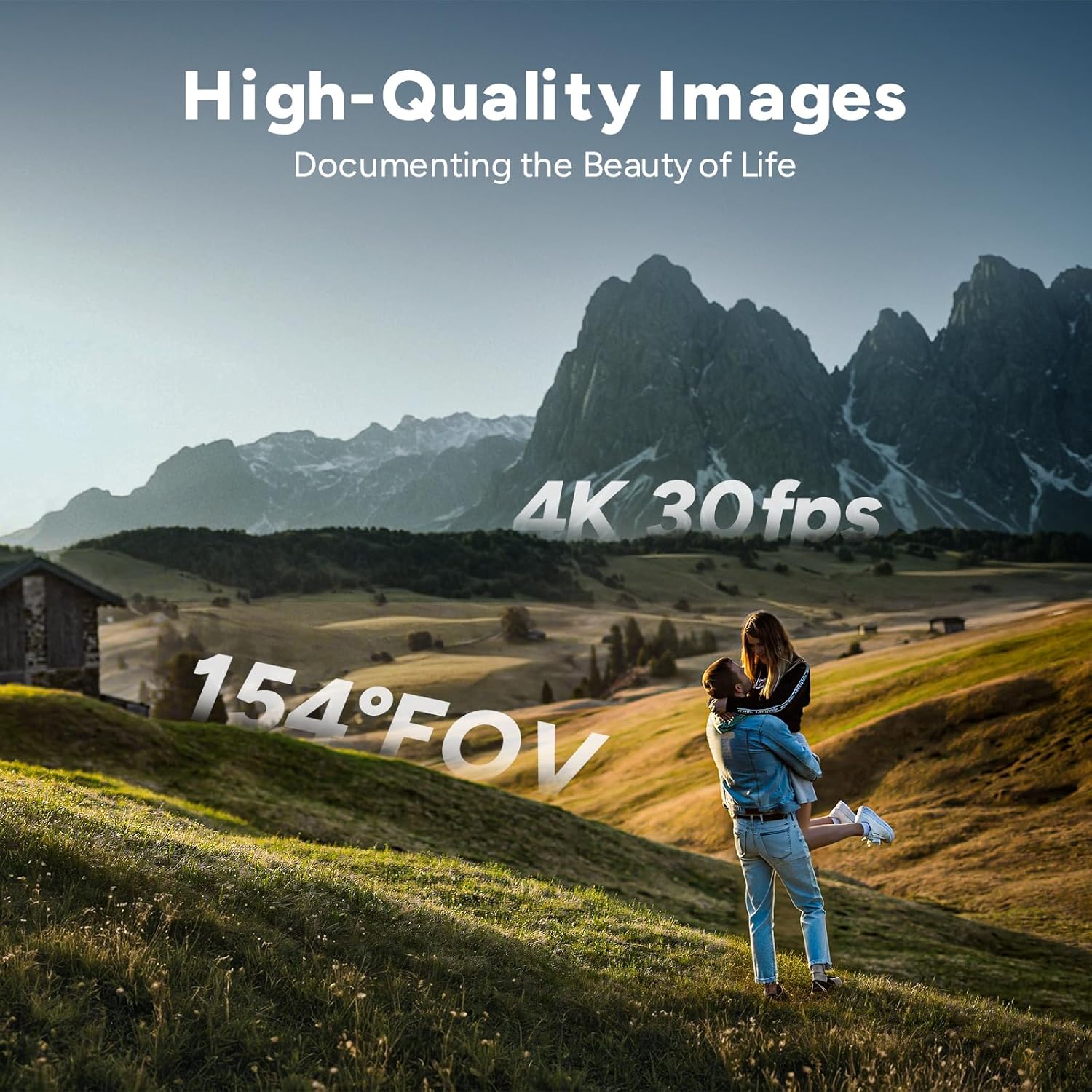
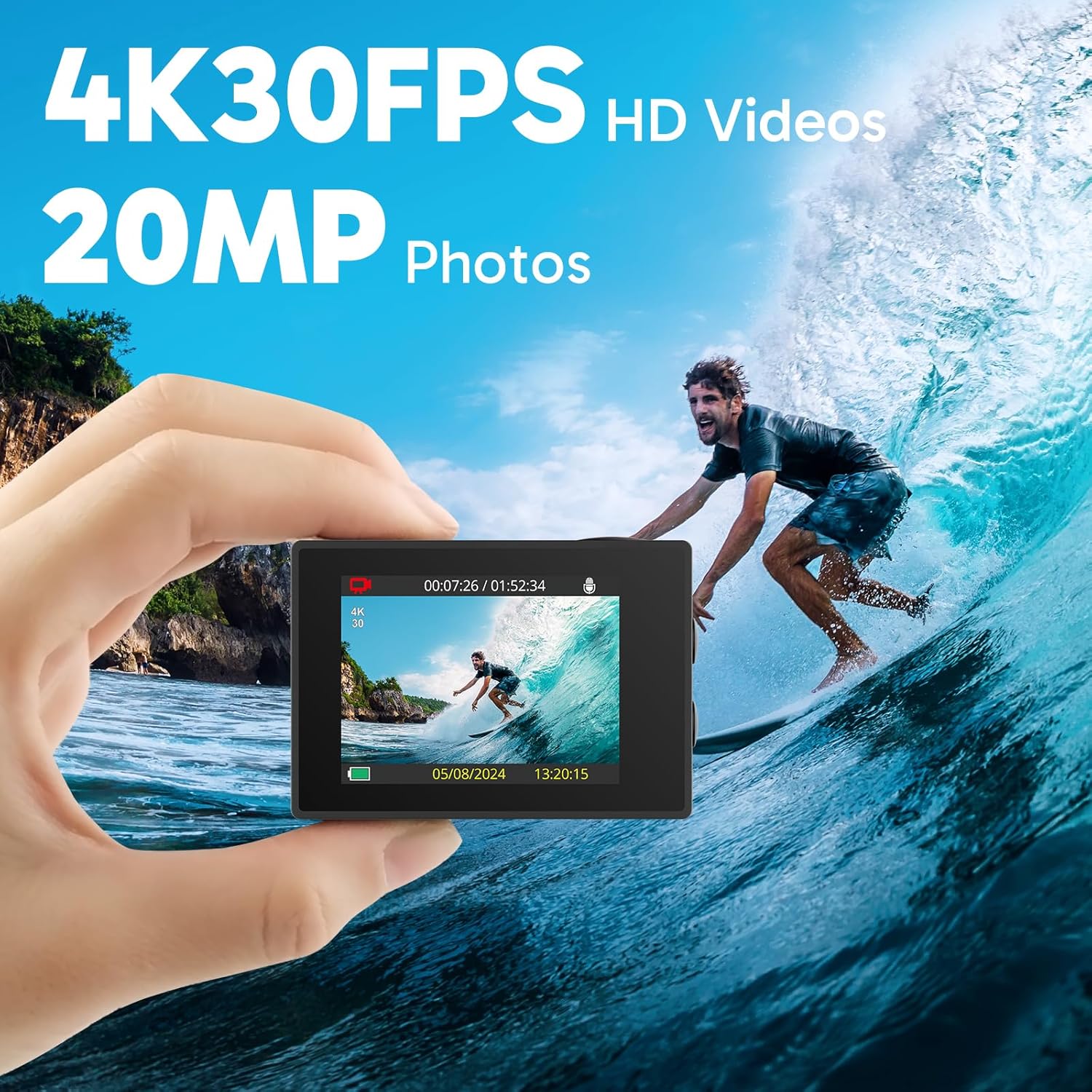
For action cameras, video quality depends on more than just resolution labels like 4K or 5.3K. You must examine video fps choices, because higher frame rates such as 60 or 120 fps allow smoother slow motion that reveals subtle action details. When a camera offers flexible video fps settings at different resolutions, you can adapt quickly between cinematic clips and fast action sequences without changing cameras.
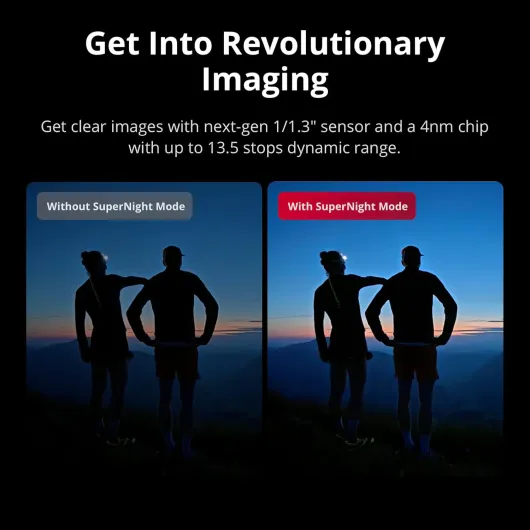
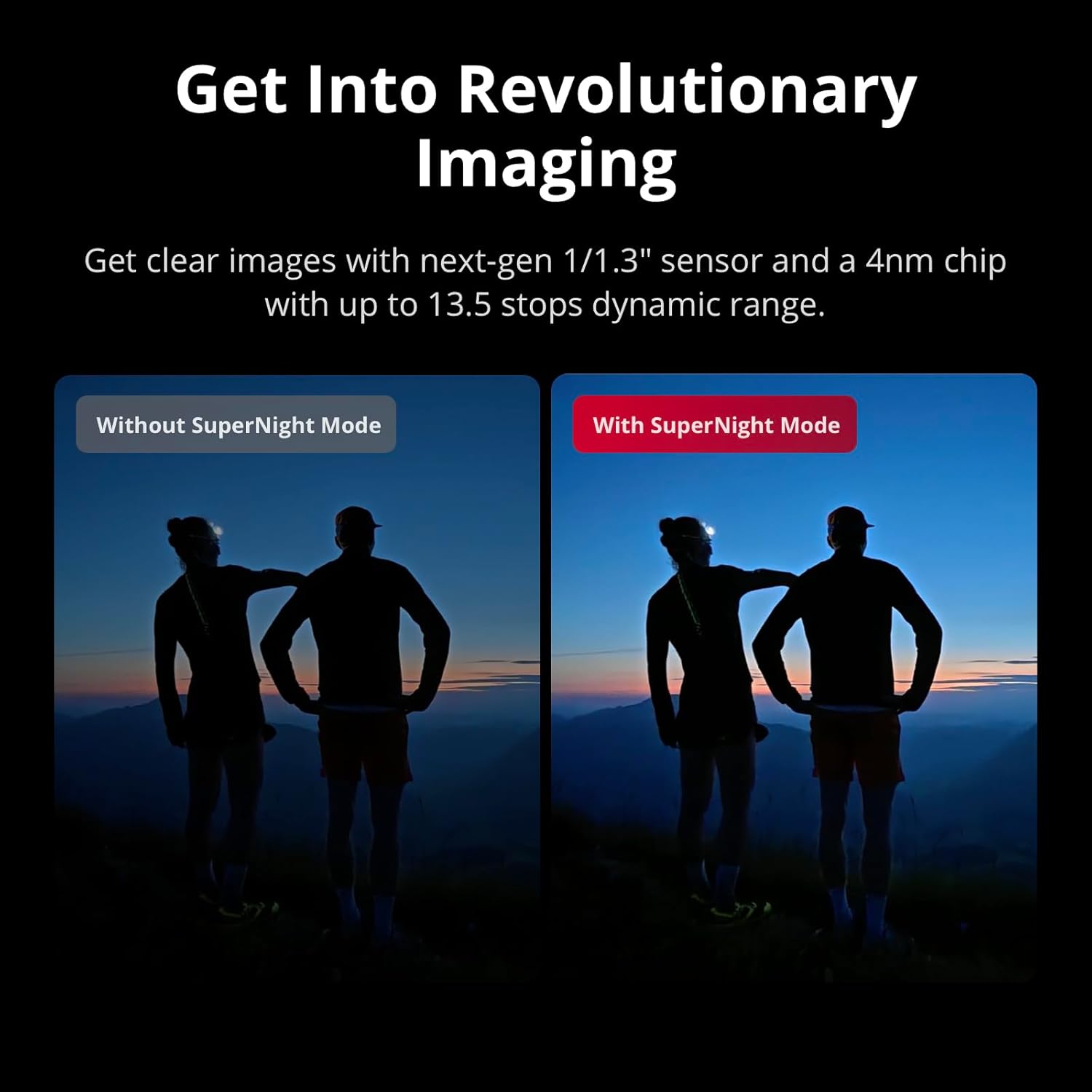
Another critical factor is how the camera handles low light, since many adventures extend into dusk, forests, or indoor arenas. A sensitive sensor and fast lens combination lets the camera keep shutter speeds high enough to freeze motion while maintaining acceptable image quality. Some gopro and insta models now use advanced processing to brighten shadows and reduce noise, but an expert review is essential to see whether these tricks preserve fine detail or create artificial looking textures.
Stabilization technology separates the best action digital cameras from cheaper options that produce shaky footage. Systems in gopro hero and dji osmo lines use sophisticated algorithms to analyze motion and keep the horizon level, which is vital when mounting a camera on helmets, handlebars, or boards. When you read a review specifications section, check whether stabilization works across all video fps modes, because some cameras limit their best stabilization to specific resolutions.
Audio is often overlooked, yet clear sound can transform a simple video into an immersive story. Many action cameras now include directional microphones and wind reduction, but accessories and mounting positions still influence final audio quality. Before buying, compare sample clips and note whether the camera maintains consistent sound when you rotate it, submerge it briefly, or place it inside a protective housing for rough action.
Battery life, specifications weight, and practical field handling
Battery life is a decisive factor when choosing the best action digital cameras for long days outdoors. Recording high resolution video at elevated video fps drains any battery quickly, so you should compare rated battery life figures and real world endurance tests. A camera that offers slightly lower resolution but significantly better battery performance may prove the best action choice for multi hour hikes or bike rides.
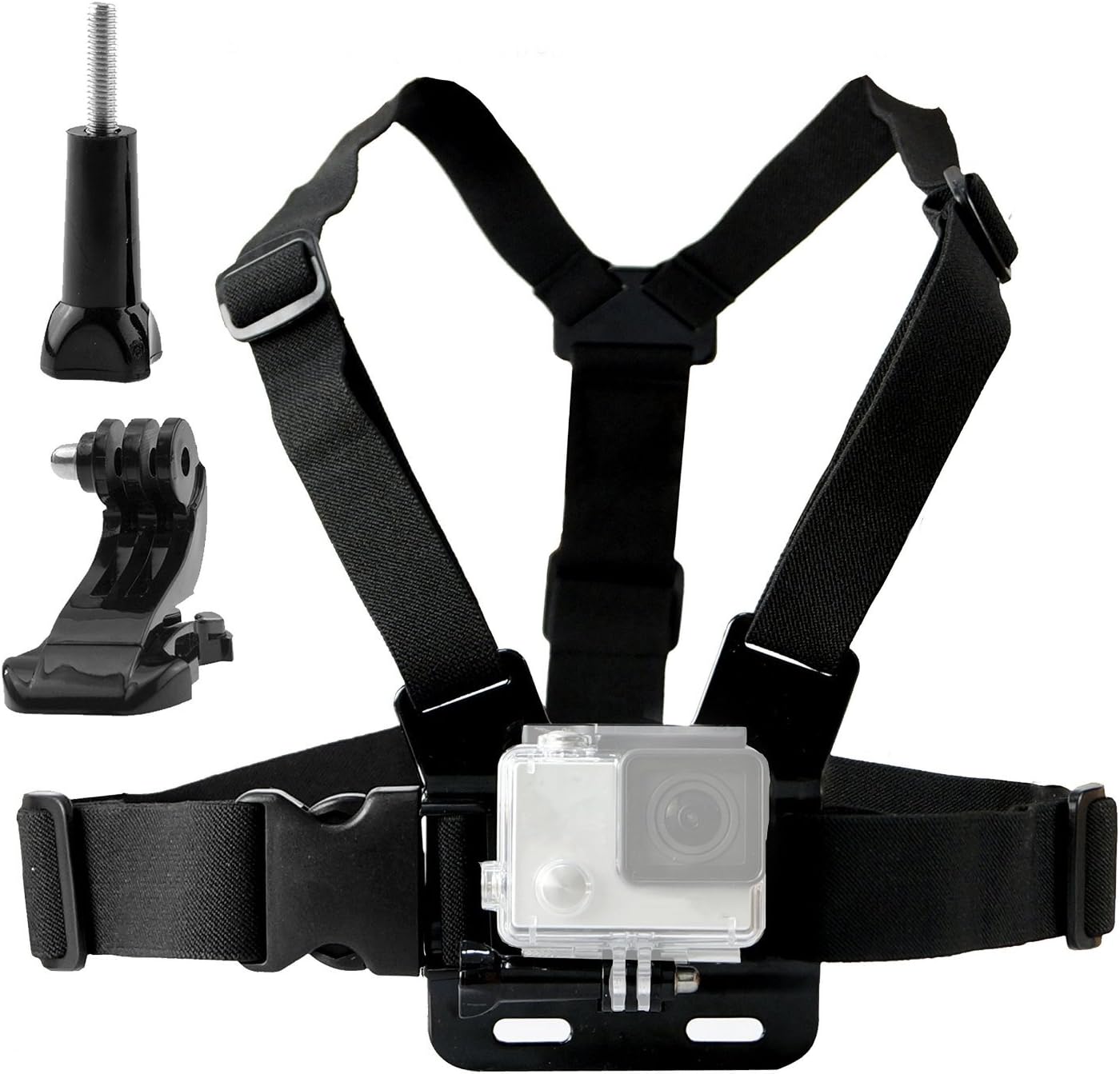
Weight and size also shape how often you actually carry and use an action camera. Carefully reading specifications weight helps you understand whether a gopro, dji osmo, or insta ace pro will feel balanced on a helmet, chest harness, or selfie stick. Lighter cameras reduce fatigue and strain on mounts, but extremely small bodies can be harder to operate with gloves or in cold conditions.
Storage planning is another practical concern, especially when shooting high bitrate video. Guides that explain the capacity of a 32 GB SD card help you estimate how many minutes of 4K video you can record before swapping cards. Combining that knowledge with each camera’s maximum supported card size ensures you do not run out of space during a key action sequence.
Field handling also includes how quickly the camera wakes from sleep, locks focus, and adjusts exposure when you move from bright sun to low light. A responsive camera sensor and processor reduce missed moments, while intuitive menus let you change video fps or stills resolution without diving through confusing options. When reading any expert review, pay attention to comments about ergonomics, menu logic, and how easily the camera switches between video and stills modes.
Optics, lens choices, and low light performance in action cameras
Even in compact action cameras, the lens design strongly influences overall image quality. A sharp, well corrected lens maintains detail across the frame, which is crucial when you want every corner of a wide action scene to look crisp. Some gopro hero and insta models offer multiple digital lens modes that simulate different focal lengths, but the underlying optics still determine how clean and distortion free your footage appears.
Low light performance remains a traditional weakness for many small sensor cameras, yet recent action camera generations have improved significantly. A bright lens combined with intelligent noise reduction helps preserve color and contrast when you shoot under streetlights, in forests, or indoors. When you compare the best action digital cameras, look for side by side night clips that reveal how each camera handles shadow detail, highlight clipping, and color shifts.
For users who also own interchangeable lens cameras, understanding optics across systems can be helpful. Reviews of telephoto options, such as a detailed test of an RF 100 400 mm lens kit, illustrate how lens coatings, stabilization, and aperture affect clarity and contrast. Although action cameras use fixed lenses, the same optical principles apply, so you can better judge marketing claims about sharpness and flare resistance.
When evaluating optics, consider how each camera handles flare, chromatic aberration, and edge softness, especially in high contrast scenes. A strong expert review will include stills resolution crops that show fine detail at the frame edges, revealing whether the lens truly matches the sensor’s capabilities. Over time, you may find that a camera with slightly lower headline resolution but a superior lens delivers better real world image quality in both photos and video.
Comparing gopro, insta, and dji osmo lines for different users
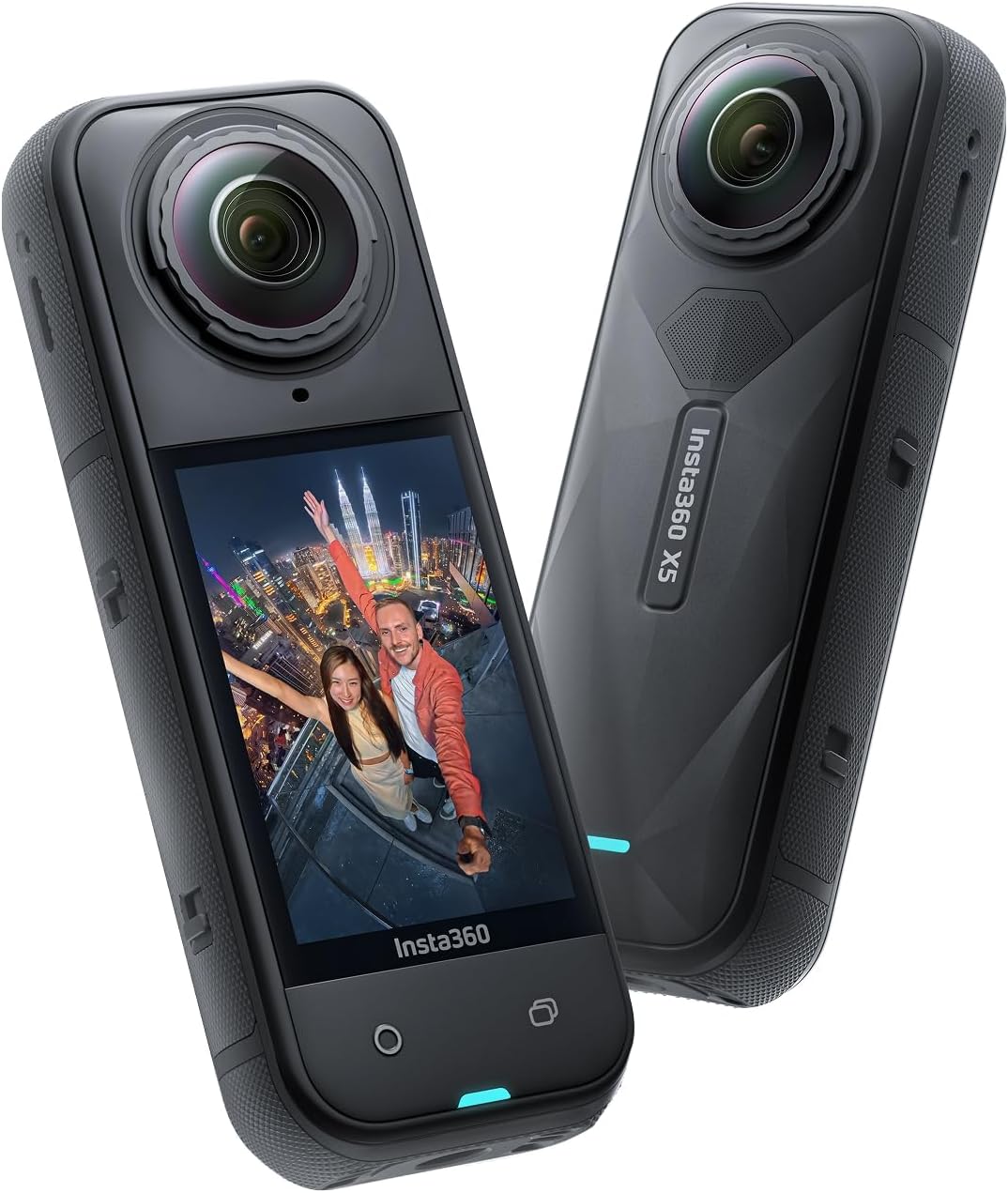
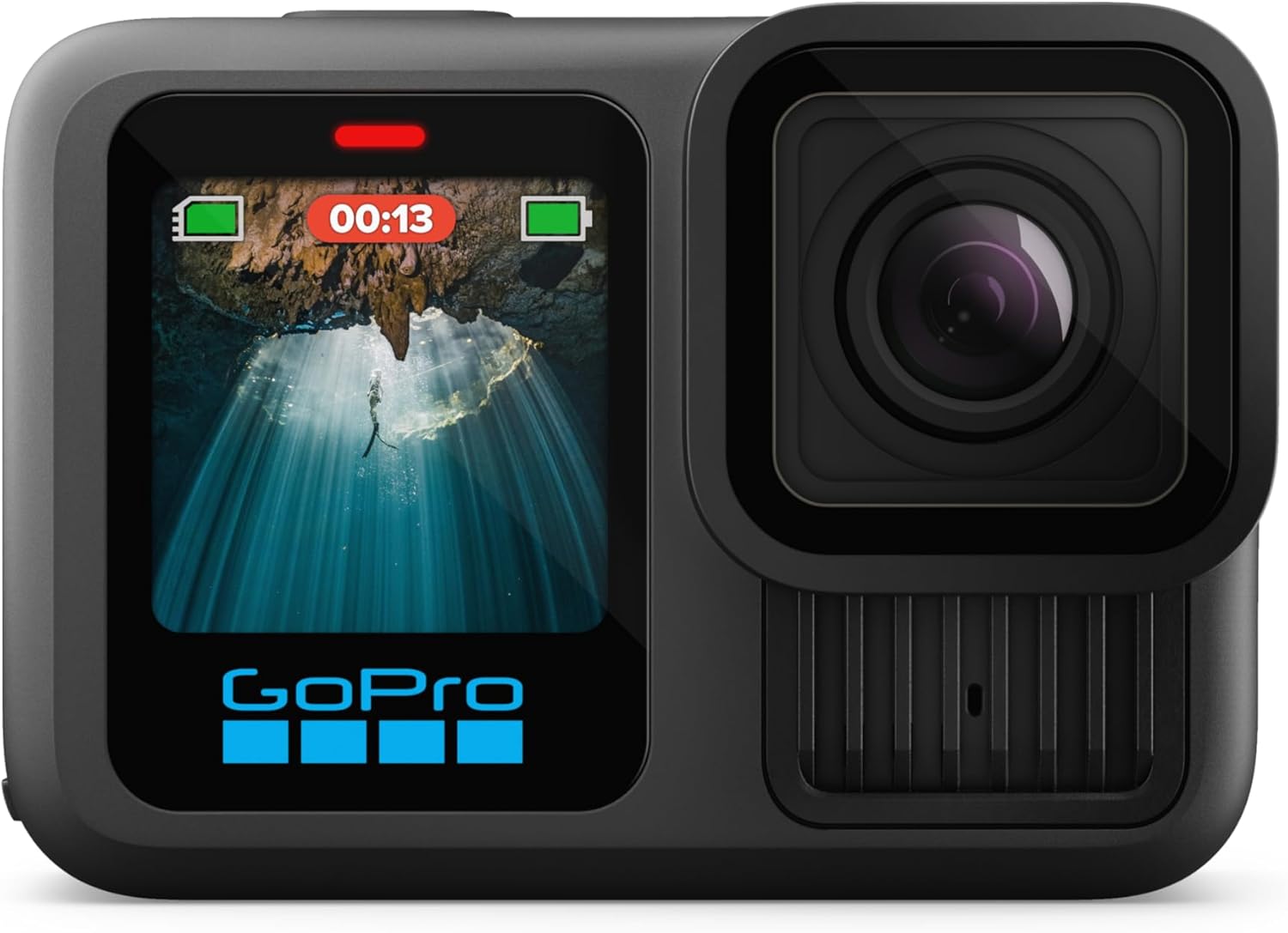
Choosing between gopro, insta, and dji osmo action cameras requires understanding each brand’s strengths. Gopro hero models, especially the hero black versions, emphasize ruggedness, mature accessories, and refined stabilization that suits high impact sports. Insta cameras often focus on creative formats, such as 360 capture or modular designs, while dji osmo and ace pro models integrate tightly with the company’s drones and gimbals.
When you compare these brands, list your priorities in terms of video quality, stills resolution, battery life, and ease of use. Some users value the best action slow motion performance, which demands high video fps and robust processing, while others prioritize low light capability for indoor climbing or night rides. Reading an expert review that includes both review specifications tables and subjective impressions helps you see beyond marketing slogans.
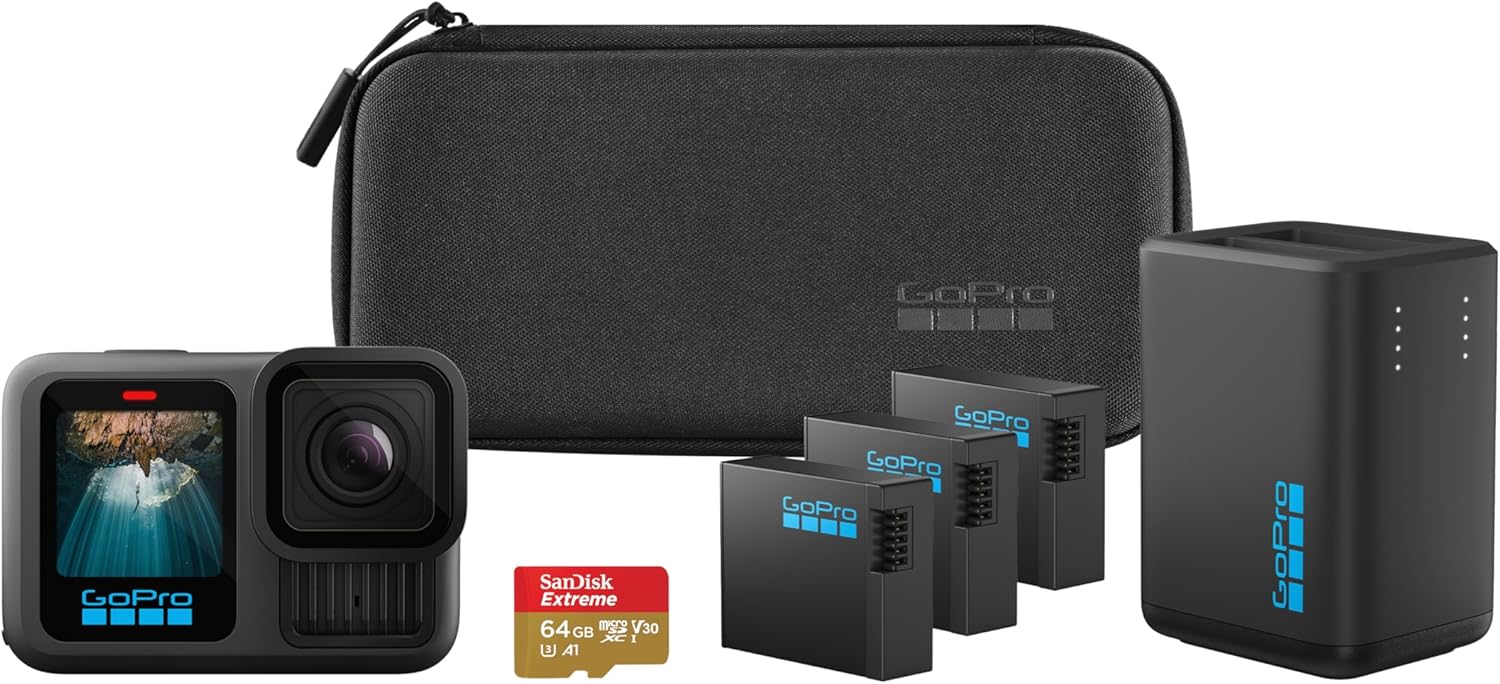
Accessories and ecosystem support also influence long term satisfaction with any action camera. Gopro offers a vast range of mounts and cases, while insta and dji continue expanding their own ecosystems with microphones, handles, and remote controls. Before deciding which camera is best, check whether essential accessories like extra battery packs, chargers, and protective cases are readily available in your region.
Finally, consider how each brand handles firmware updates, customer support, and repair options, because these factors affect the credit future of your purchase. A company that regularly improves stabilization, image processing, and interface design through updates can extend the useful life of your camera. Evaluating these long term aspects alongside immediate image quality and specifications weight gives a more complete picture of which system truly fits your needs.
Reasons buy, reasons avoid, and how to read expert reviews critically
Every action camera involves trade offs, so you should list clear reasons buy and reasons avoid for each model. Reasons buy might include excellent video quality, strong low light performance, or outstanding battery life, while reasons avoid could involve overheating, limited video fps options, or awkward controls. Writing these points down for several gopro, insta, and dji osmo models helps you compare them more objectively.
When reading any expert review, pay attention to how thoroughly the reviewer tests the camera. A reliable expert review will examine stills resolution, stabilization, audio, and battery performance, not just headline specifications weight or marketing features. Look for review specifications sections that include measured data, such as recording times, overheating thresholds, and dynamic range tests, because these numbers reveal how the camera behaves in real action.
Also consider how reviewers handle image credit and sample footage, since transparent labeling builds trust. When a publication clearly states image credit for each sample, you know exactly which camera, lens, and settings produced the result. This transparency, combined with honest discussion of both strengths and weaknesses, helps you judge whether the best action digital cameras truly match your expectations.
Finally, remember that no single camera is objectively the best for every user or scenario. A compact gopro hero black might suit mountain bikers, while an insta ace pro or dji osmo action camera could better serve vloggers who need front screens and advanced microphones. By weighing reasons buy and reasons avoid against your own shooting style, you can choose a camera that feels better in daily use and remains a reliable companion for years.
Future trends, credit future, and how to protect your investment
Action cameras continue to evolve rapidly, with manufacturers pushing sensor technology, processing power, and stabilization algorithms. Future models will likely offer even higher video fps at 4K and beyond, while improving low light performance and dynamic range for both stills and video. Understanding these trends helps you judge whether a current gopro, insta, or dji osmo purchase offers enough headroom for your needs.
Protecting your investment starts with basic care, such as using proper cases, cleaning the lens, and managing heat during long recordings. Monitoring battery health and carrying spares ensures consistent performance, especially when shooting in cold environments that can shorten battery life. Choosing reliable memory cards, guided by resources on selecting the right memory chips for cameras, also safeguards your footage from corruption.
Thinking about credit future means considering resale value and long term support when you buy. Popular lines like gopro hero black or dji osmo action often retain value better, because accessories and community knowledge remain strong for many years. When manufacturers provide frequent firmware updates and clear repair options, your camera stays relevant longer and becomes a safer long term choice.
Finally, remember that the best action digital cameras are tools for storytelling, not just gadgets. Whether you film family trips, extreme sports, or quiet landscapes, focus on composition, light, and narrative to elevate your footage beyond simple clips. By combining thoughtful technique with a carefully chosen action camera, you can create images and videos that remain meaningful long after specifications weight and marketing buzz have faded.