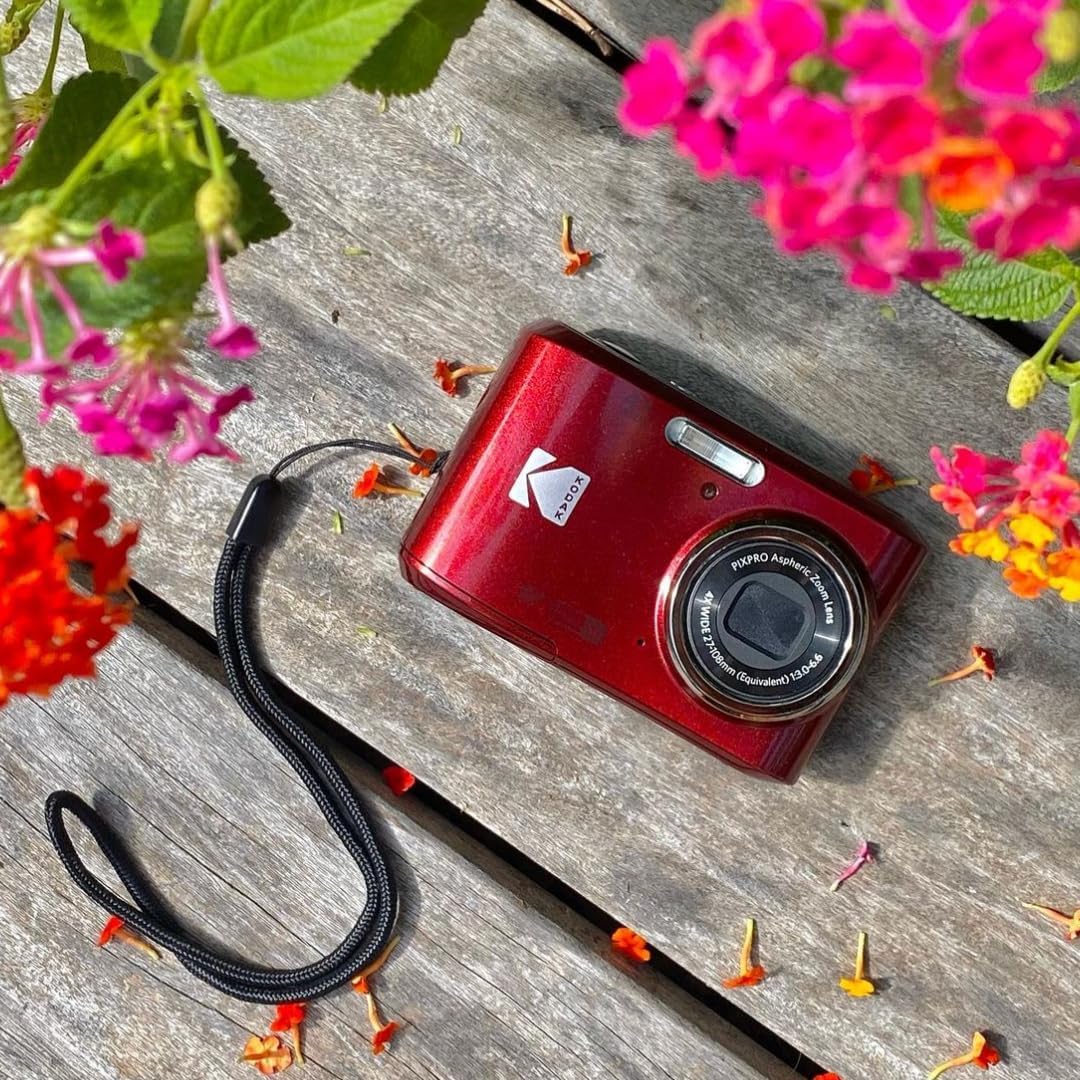
Key features that define the best point and shoot cameras
When comparing the best point and shoot cameras, start with the sensor and lens. A larger sensor, whether one inch or an APS sensor, usually delivers better image quality, smoother background blur, and more flexibility in low light. Pair that with a bright zoom lens and you have a compact camera that can handle family events, travel, and casual video without constant compromises.
Look closely at focal length and equivalent coverage. Many compact cameras offer a 24 to 70 mm equivalent zoom lens, which balances wide angle versatility with short telephoto reach for portraits and detail shots. Some models stretch further, but extreme zoom ranges can reduce maximum aperture and overall image quality, so the best compact options often prioritize a moderate focal range with sharper rendering.
Stabilization and view options also shape the shooting experience. Optical image stabilization or hybrid systems help keep photos sharp and video steady, especially at longer focal lengths or in low light interiors. An electronic viewfinder, even a small one, gives a stable point of contact and a clearer field view in bright sun, which many photographers find more comfortable than composing only on the rear screen.
Battery performance and storage planning deserve attention as well. Manufacturers quote approximate shots charge, but real world battery life depends on how much you review photos, record video, or use wireless features. To avoid frustration, pair your compact camera with a fast memory card and understand how many photos a 16 GB card can store, then carry spares so your shoot is never cut short.
How sensor size and lens design shape image quality
Sensor size is one of the most important factors in the best point and shoot cameras. A larger sensor captures more light per pixel, which improves dynamic range, color depth, and overall image quality in challenging scenes. Even if a full frame camera still leads in absolute performance, a well tuned one inch or APS sensor inside compact cameras can feel dramatically better than a phone in everyday use.
The relationship between sensor and focal length also affects how your photos look. Because compact cameras use smaller sensors than full frame bodies, manufacturers specify focal length as an equivalent value to help you compare fields of view. For example, a lens marked 8.8 to 25.7 mm might provide a 24 to 70 mm equivalent field view, giving you both wide angle coverage and short telephoto reach in a pocketable body.
Lens design influences sharpness, distortion, and low light capability. A zoom lens with a constant bright aperture across its focal range keeps exposure consistent and allows faster shutter speeds, which is especially helpful when you shoot moving subjects or handheld video. When combined with effective image stabilization, this design lets you work in low light without raising ISO too far, preserving cleaner detail and smoother tones.
Storage capacity and workflow also matter when you shoot frequently. Understanding the capacity of a 32 GB memory card for photos helps you plan long trips or intensive projects without running out of space. By matching card size, battery life, and your typical shots charge, you can keep your compact camera ready for any spontaneous shoot without constantly deleting older images.
Ricoh, Fujifilm, Sony and the rise of premium compact cameras
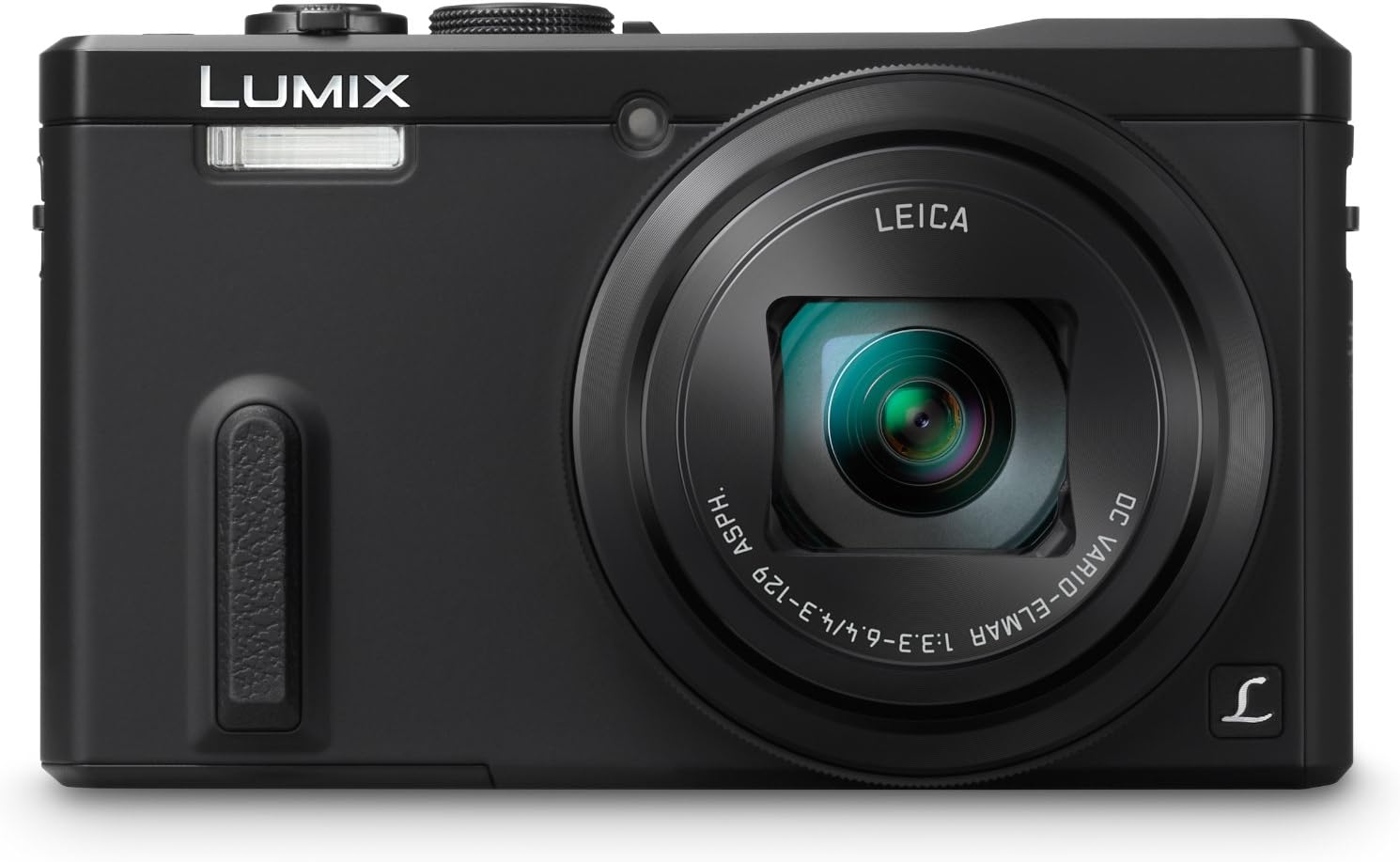
Several brands have transformed expectations around the best point and shoot cameras. Ricoh, Fujifilm, and Sony each offer compact cameras that prioritize image quality, fast handling, and a refined shooting experience over simple specifications. These models often cost more than basic cameras, yet many photographers consider them the best compact choices for serious everyday work.
Ricoh has become famous for its pocketable cameras with a fixed wide angle lens. The company emphasizes a discreet body, intuitive controls, and a unique snap focus feature that lets you preset a focal distance for instant street photos. This approach, combined with an APS sensor and thoughtful image processing, creates a compact camera that feels closer to a professional tool than a casual gadget.
Fujifilm takes a different path with retro styled compact cameras. Many Fujifilm models use a fixed focal length lens paired with film simulation modes that emulate classic color and monochrome looks, giving photos a distinctive character straight out of the camera. When you add an electronic viewfinder, strong image stabilization, and reliable battery life, these cameras become appealing companions for travel, reportage, and documentary work.
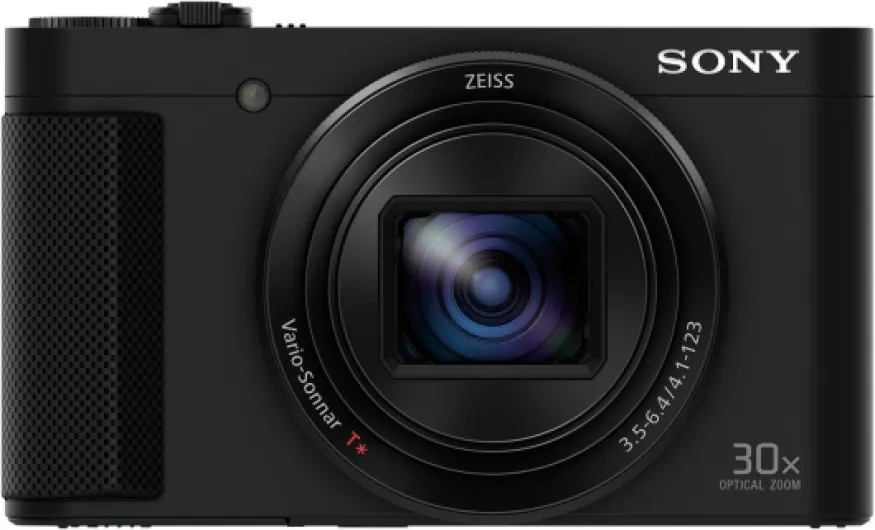
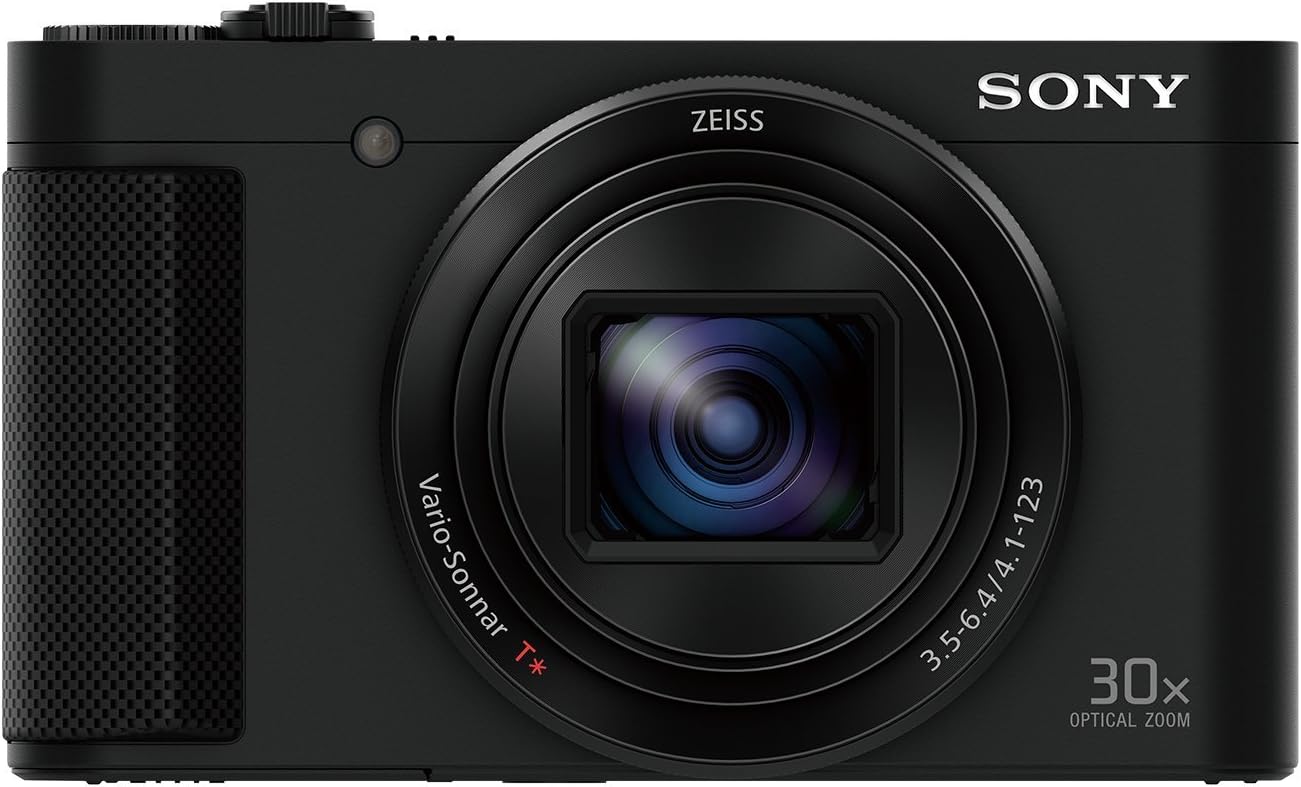
Sony has pushed the boundaries of small cameras with its advanced series that includes the Sony VII model. These compact cameras combine a fast zoom lens, a stacked sensor for quick readout, and sophisticated autofocus that tracks faces and eyes during both stills and video. For users who want a full feature set in a pocketable body, this blend of speed, image quality, and flexible focal length coverage often feels better than carrying a larger full frame system every day.
Fixed lens versus zoom lens: choosing the right compact camera
One of the central decisions when evaluating the best point and shoot cameras is whether to choose a fixed lens or a zoom lens design. A fixed focal length compact camera usually offers a brighter aperture, simpler optical formula, and potentially higher image quality at that specific field view. In contrast, zoom equipped compact cameras trade a little sharpness and brightness for the flexibility to reframe without moving your feet.
Fixed lens cameras from Ricoh and Fujifilm often appeal to photographers who value discipline and consistency. With a single equivalent focal length, such as 28 mm or 35 mm, you learn how scenes fit within that field view and start anticipating compositions before you even raise the camera. This predictability can make the shooting experience faster and more intuitive, especially when combined with features like snap focus and responsive manual controls.
Zoom lens models, including many Sony VII style cameras, suit travelers and families who face varied subjects. A compact camera that covers a 24 to 200 mm equivalent range allows wide angle landscapes, mid range portraits, and tighter details without changing position. When this zoom is paired with effective image stabilization and a capable sensor, the overall image quality remains strong enough for large prints and high resolution screens.
Battery life and handling should also influence your choice. Fixed lens compact cameras sometimes achieve slightly better shots charge because the lens design is simpler and may require less power for focusing and stabilization. Zoom based shoot cameras, however, can reduce lens changes and system weight compared with interchangeable lens setups, which many users find better for spontaneous video clips and casual photos throughout a long day.
Low light performance, video features and everyday usability
Low light capability separates average point shoot models from the best point and shoot cameras. A larger sensor, bright lens, and strong image stabilization work together to keep shutter speeds usable and noise under control when you shoot indoors or at night. Even if a compact camera cannot match a full frame body at extreme ISO values, it can still outperform most phones and basic cameras in dim conditions.
Video performance has become equally important for many buyers. Modern compact cameras from Ricoh, Fujifilm, and Sony often record high resolution video with fast autofocus, making them suitable for vlogs, travel diaries, and family events. An electronic viewfinder can help you maintain a stable field view while recording, while a tilting screen supports creative angles and more engaging footage.
Everyday usability also depends on thoughtful design details. A well placed shutter button, clear menus, and customizable buttons make the shooting experience smoother, encouraging you to adjust focal length, exposure, and focus modes without diving into complex settings. Features like snap focus, face detection, and reliable battery life reduce friction so you can concentrate on timing and composition rather than technical distractions.
Accessories can further enhance what compact cameras deliver. A high quality magnetic ND filter, for example, allows slower shutter speeds in bright light and can dramatically change the look of your photos, as explained in this guide to how magnetic ND filters can transform your digital camera photography. By combining the right compact camera, a versatile zoom lens or fixed lens, and a few smart accessories, you build a lightweight kit that feels better balanced between convenience and creative control than many larger systems.
Battery life, field view and practical tips for choosing shoot cameras
Evaluating battery life realistically is essential when selecting the best point and shoot cameras. Manufacturers often quote optimistic shots charge figures based on standardized tests, yet real usage with frequent image review, wireless transfers, and video recording can reduce those numbers. Planning for at least one spare battery and understanding your own shooting habits will help ensure your compact camera remains ready when important moments appear.
Field view and focal length choices should match your typical subjects. If you mainly shoot landscapes, architecture, and environmental portraits, a compact camera with a wide angle equivalent around 24 mm and a moderate zoom range may be ideal. Those who prefer distant wildlife or sports might need a longer zoom lens, though they should accept some trade offs in maximum aperture and low light performance.
Handling different brands can reveal subtle but important differences. Ricoh cameras emphasize discreet operation and fast snap focus for street photography, while Fujifilm models often highlight color science and tactile dials that invite manual control. Sony VII style compact cameras lean toward advanced autofocus, strong video features, and a balance between zoom range and image quality that appeals to hybrid shooters.
Finally, remember that the best compact choice depends on how a camera feels in your hand. Pay attention to the clarity of the electronic viewfinder, the responsiveness of the controls, and the overall shooting experience rather than only comparing specifications like sensor size or full frame equivalence. When a compact camera encourages you to shoot more often, explore varied focal lengths, and enjoy reviewing your photos, it becomes a better creative partner than any spec sheet alone can predict.