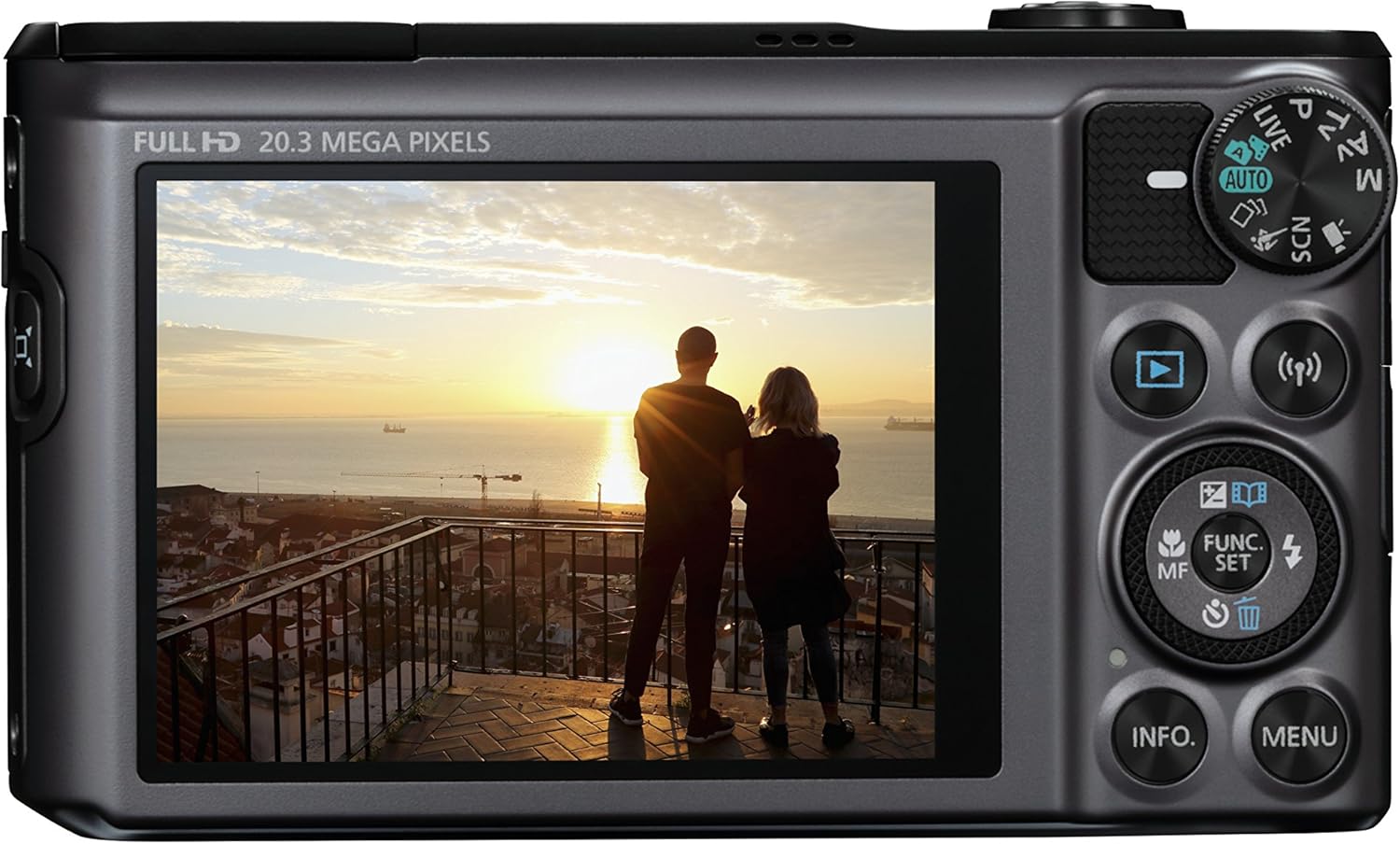
Best compact digital cameras for travel: how to choose the right one
When you compare the best compact digital cameras for travel, start with the balance between camera size and image quality. A truly portable travel camera should slip into a jacket pocket yet still offer a large enough sensor and a bright zoom lens to handle city streets, landscapes, and low light scenes. Aim for a body that feels solid in the hand, with intuitive controls that let you react quickly during spontaneous travel photography.
Sensor size shapes both image quality and depth of field, so it deserves careful attention. A 1-inch type CMOS sensor typically delivers cleaner files than a smaller chip, while an APS-C sensor or even a Micro Four Thirds sensor brings better dynamic range and smoother tones for serious travel photography. Full-frame sensors remain the reference for shallow depth of field and low light performance, but they usually make the camera body larger and less convenient to carry all day.
Lens design is the second pillar when evaluating the best compact digital cameras for travel. A versatile zoom lens with a 24–70 millimetre full-frame equivalent field of view suits most travellers, while a longer zoom reaching 200 millimetres helps with wildlife or distant architecture. Fixed lens compacts with a fast wide angle prime often offer superb image quality and low light capability, but they demand that you move your feet instead of relying on zoom.
Zoom range, autofocus performance, and handling on the road
When you evaluate zoom ranges in the best compact digital cameras for travel, think about how you actually shoot during a typical trip. Many travellers find that a 24–105 millimetre full-frame equivalent zoom lens covers everything from wide angle street scenes to tight portraits, while a superzoom reaching 300 millimetres or more suits safari or bird photography. Remember that a very long zoom can compromise maximum aperture, which affects low light performance and the ability to blur backgrounds with shallow depth of field.
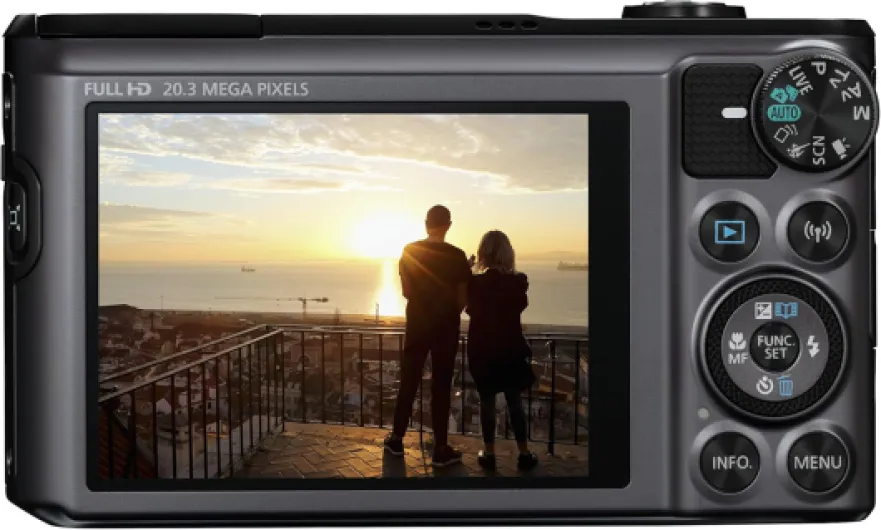
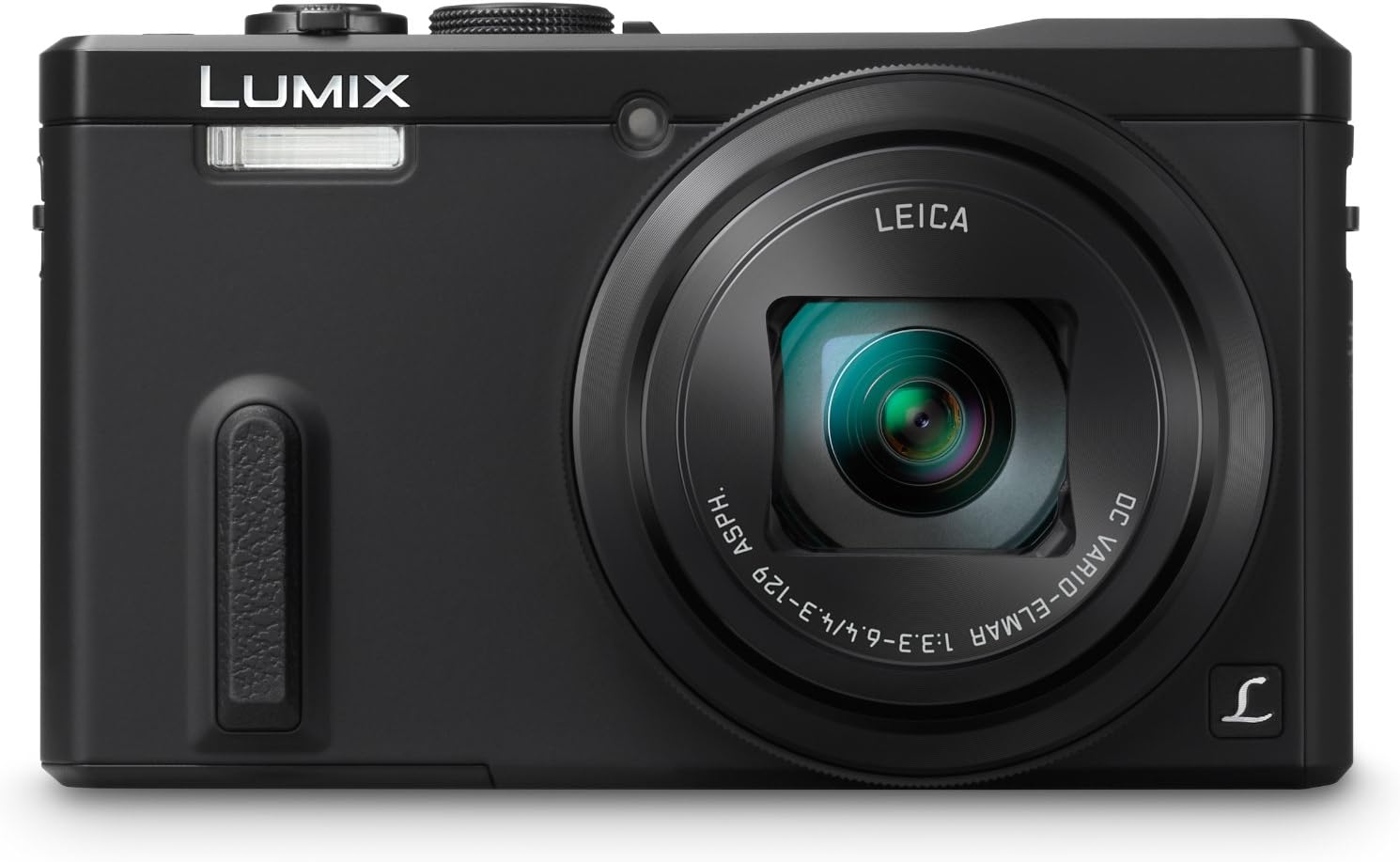
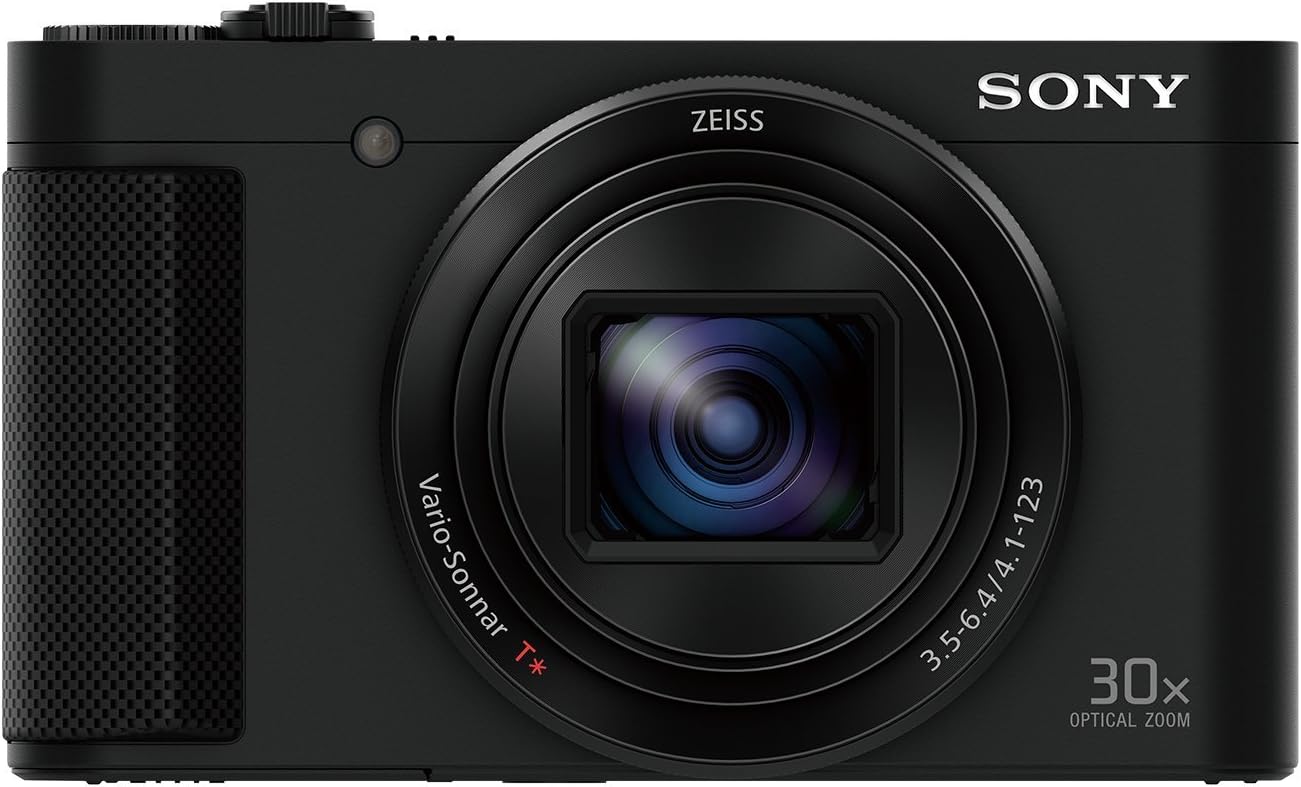
Autofocus speed and reliability matter just as much as zoom reach, especially for moving subjects in busy markets or on crowded streets. Modern compact cameras from Sony, Fujifilm, Panasonic Lumix, and Leica Lux branded models often include face and eye detection autofocus that locks onto people quickly, which is invaluable for candid travel photography. Look for cameras that offer continuous autofocus tracking and a responsive touch screen, because these features help you react instantly when a fleeting moment appears in your field of view.
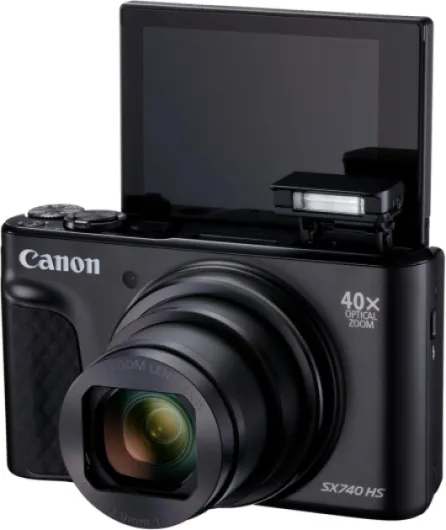
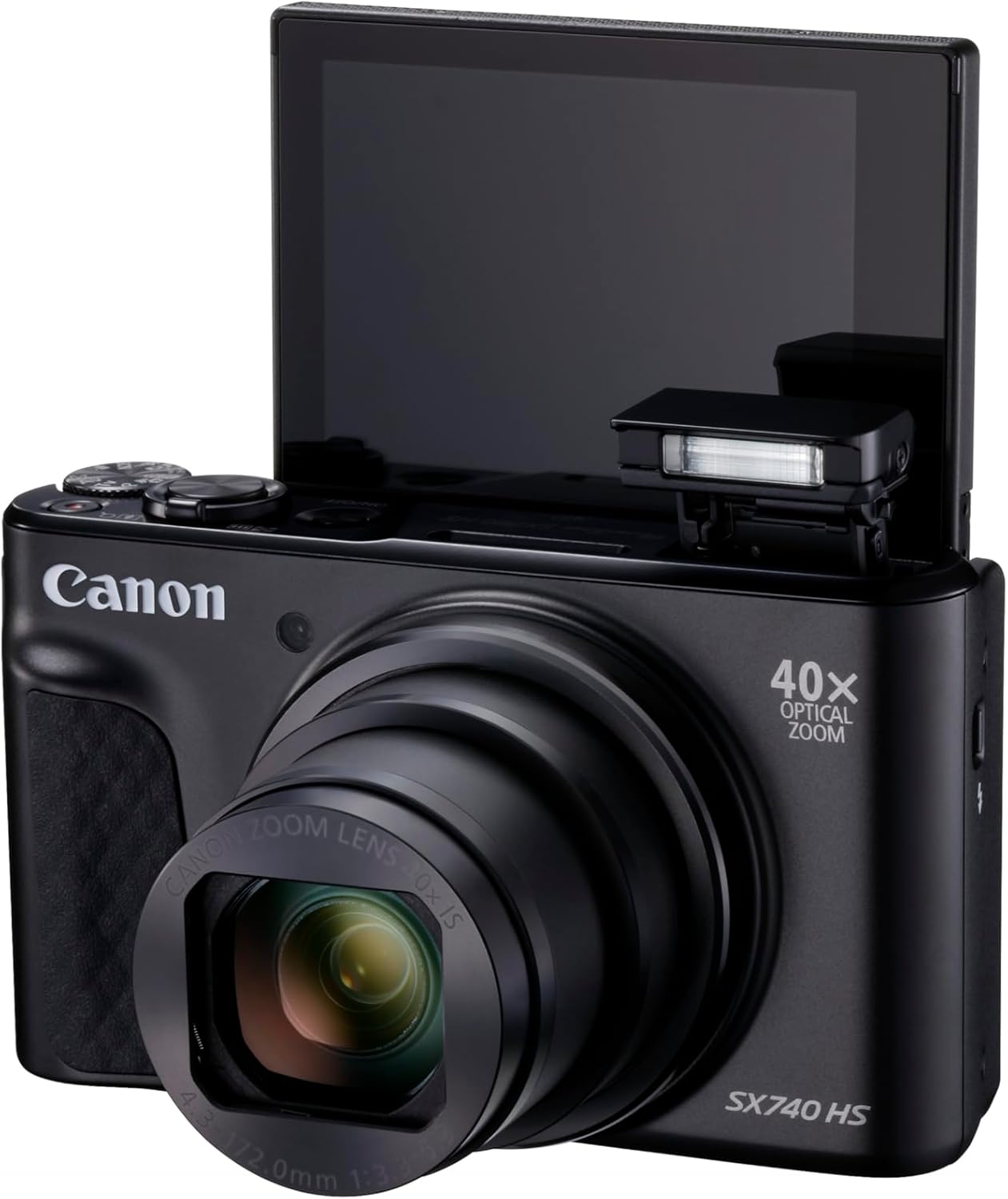
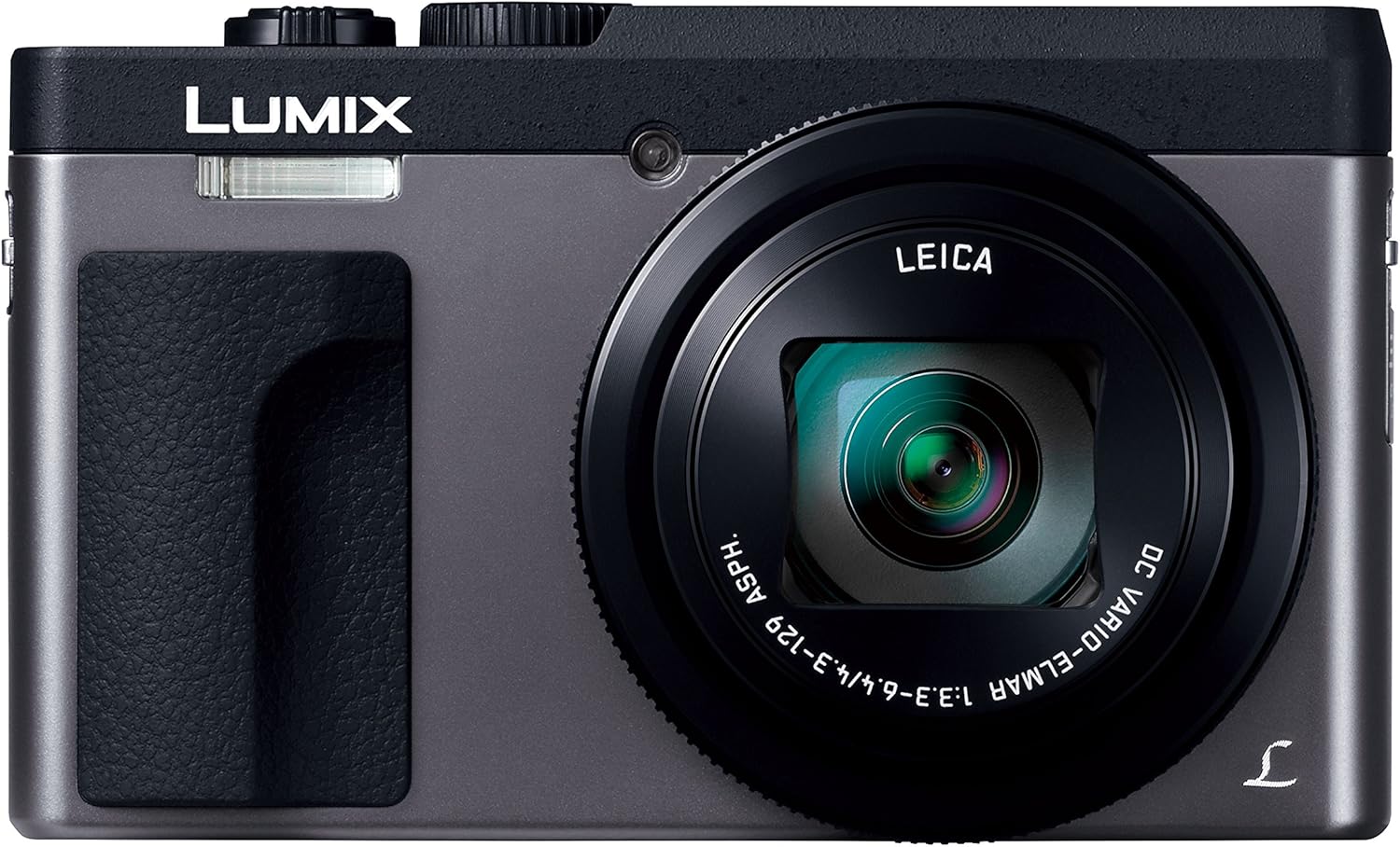
Handling details decide whether a camera travel companion feels like a pleasure or a burden. A compact body with a small grip can still feel secure if the texture is well designed and the buttons fall naturally under your fingers, letting you carry it all day without fatigue. For travellers who also shoot video, a model with a flip screen, strong stabilisation, and fast autofocus such as the one examined in this advanced digital camera for photography and video review can double as a compact vlogging tool.
Comparing Sony, Fujifilm, Panasonic Lumix, and Leica Lux travel compacts
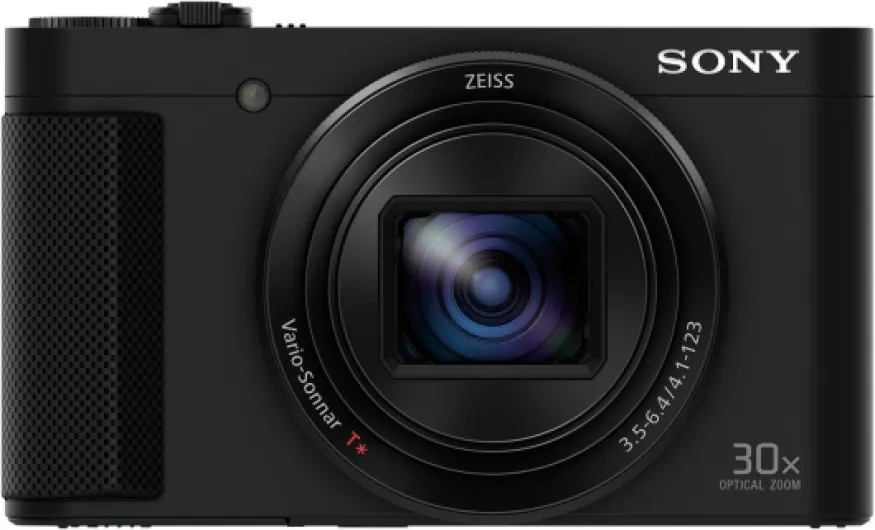
Among the best compact digital cameras for travel, Sony has built a strong reputation with its RX100 series, including the RX100 III and later models. These compact cameras pair a 1-inch CMOS sensor with a bright zoom lens and fast autofocus, delivering excellent image quality in a body that truly fits into a pocket. The RX100 III in particular offers a useful 24–70 millimetre equivalent range, a pop up electronic viewfinder, and a tilting screen that helps with low angle street photography.
Fujifilm approaches the compact camera category with a different philosophy that emphasises tactile controls and colour science. Models such as the X100 series use an APS-C sensor and a fixed lens with a classic wide angle field of view, which encourages a slower, more deliberate style of travel photography. While you lose the flexibility of a zoom lens, you gain a distinctive rendering, strong low light performance, and a shooting experience that many photographers describe as closer to traditional rangefinder cameras.
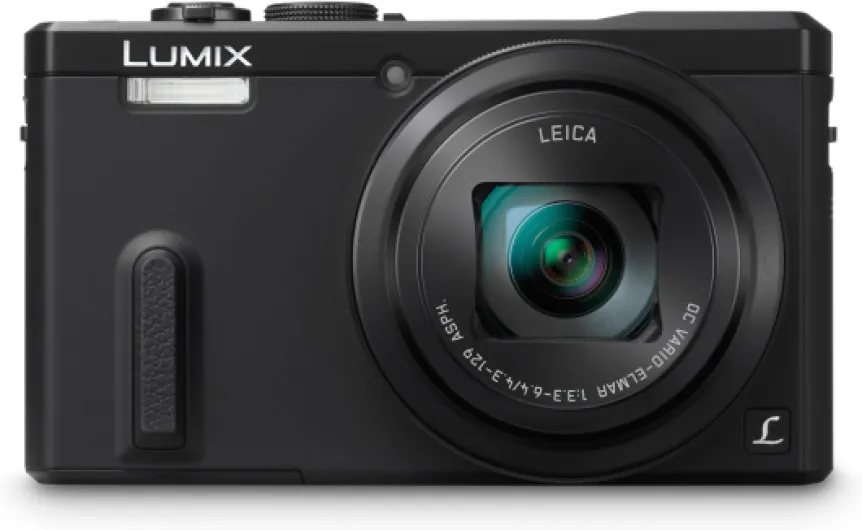
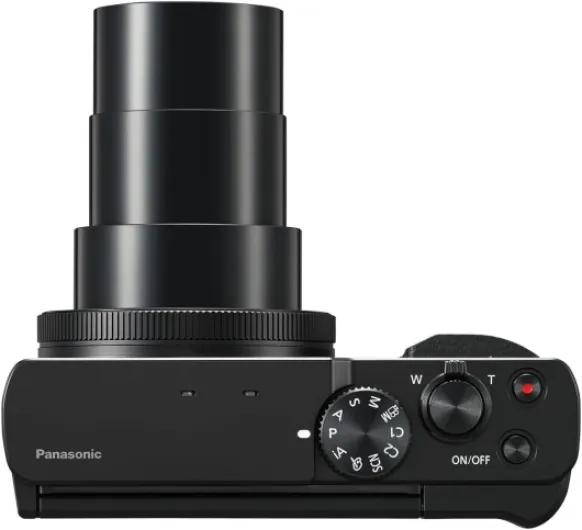
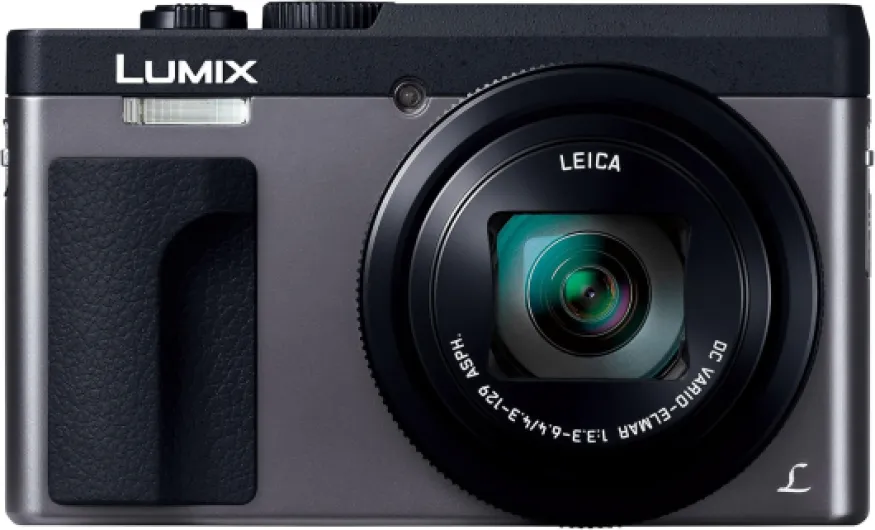
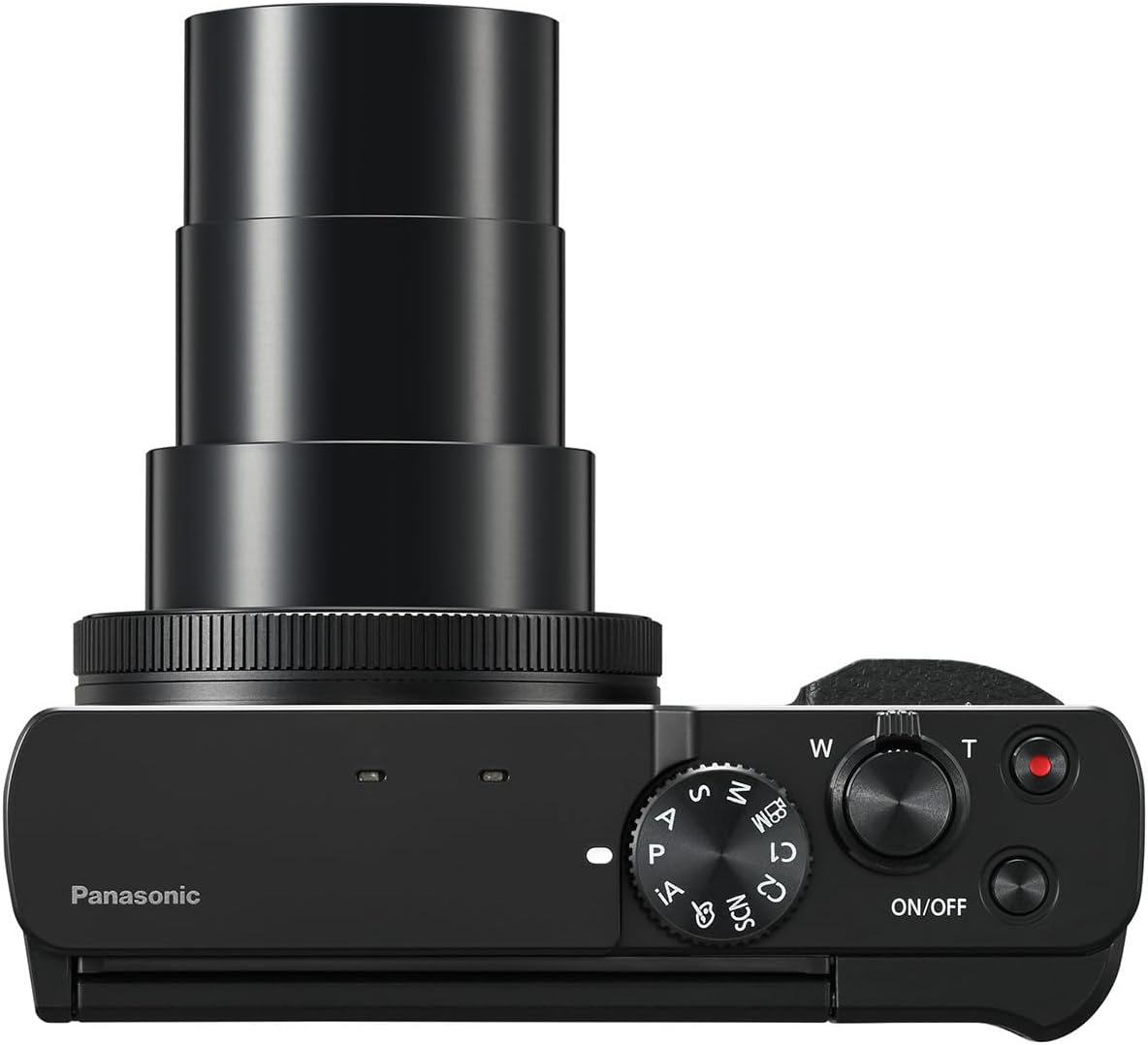
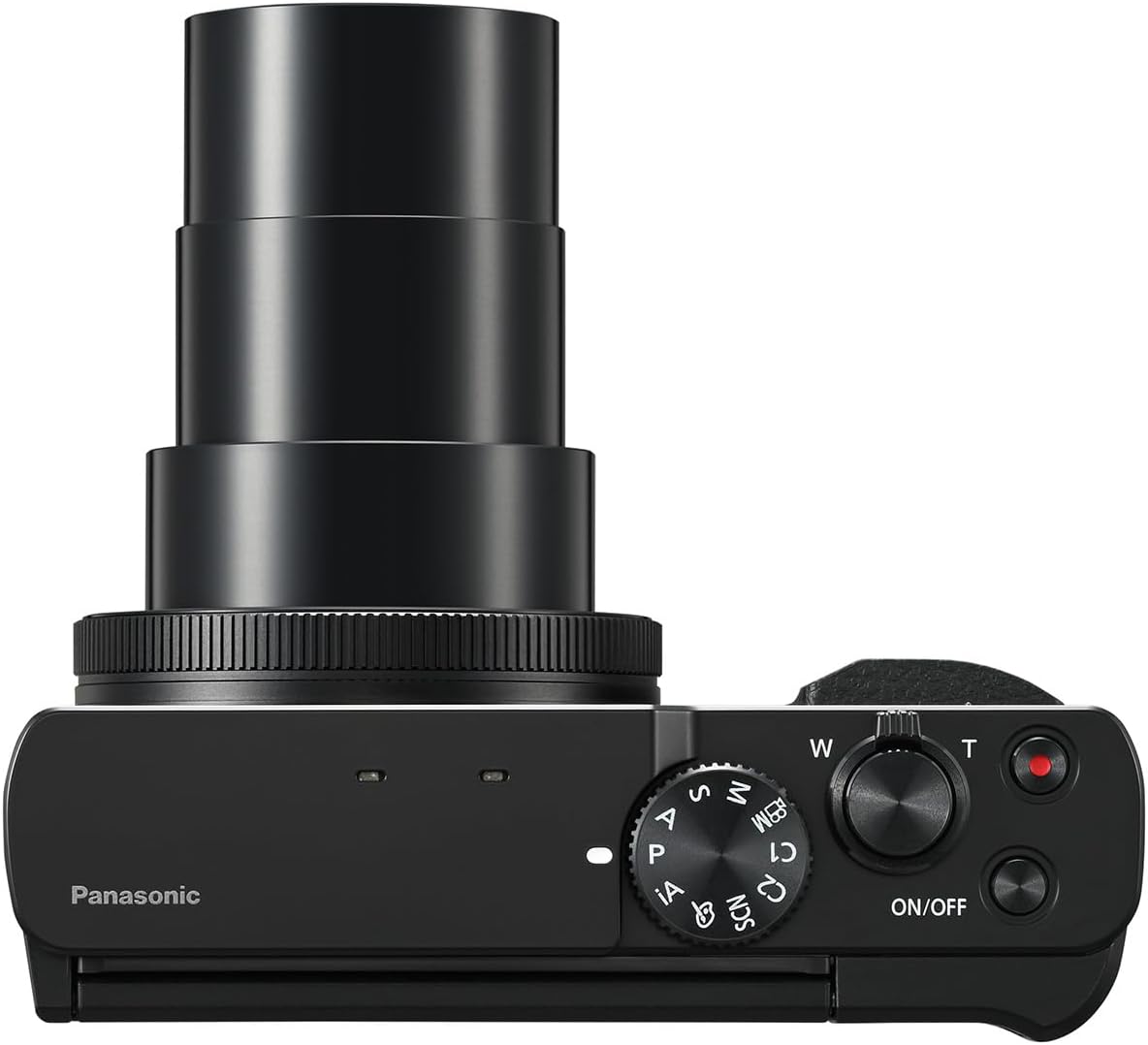
Panasonic Lumix and Leica Lux branded compacts often share technology, offering long zoom ranges and refined ergonomics. A Panasonic Lumix travel zoom camera might provide a 24–300 millimetre equivalent lens in a slim body, which is ideal when you want one camera to handle everything from interiors to distant details. Leica Lux versions of similar designs usually command a higher price, but they often add subtle refinements in build quality and colour tuning that appeal to enthusiasts who value both performance and aesthetics.
Price, value, and how to match a compact camera to your trip
Price differences between compact cameras can be dramatic, so you should link your budget to your real needs. Entry level point and shoot cameras cost far less than premium models with a 1-inch sensor or an APS-C sensor, yet they may struggle in low light and offer limited control over depth of field. Mid range travel zoom cameras from brands like Panasonic Lumix or Sony often provide the best balance between cost, zoom range, and overall image quality for most travellers.
When you assess value, consider how often you will carry the camera each day of your trip. A slightly more expensive compact camera that you happily carry all day because of its light body and intuitive controls will deliver more keepers than a heavier model that stays in your hotel room. Look for offers that bundle extra batteries, a case, or a memory card, because these accessories add real value and reduce the total cost of building a complete travel photography kit.
Specialist compacts such as fixed lens APS-C sensor cameras or premium Leica Lux models make sense for travellers who prioritise a particular shooting style. If you love environmental portraits with creamy backgrounds, a wide angle fixed lens compact with a large sensor and a bright aperture might be the best compact choice despite its higher price. For those who want a versatile and affordable option, reviews like this test of a budget friendly waterproof and zoom capable camera can highlight models that punch above their weight in both features and durability.
Practical tips for carrying, shooting, and maintaining a travel compact
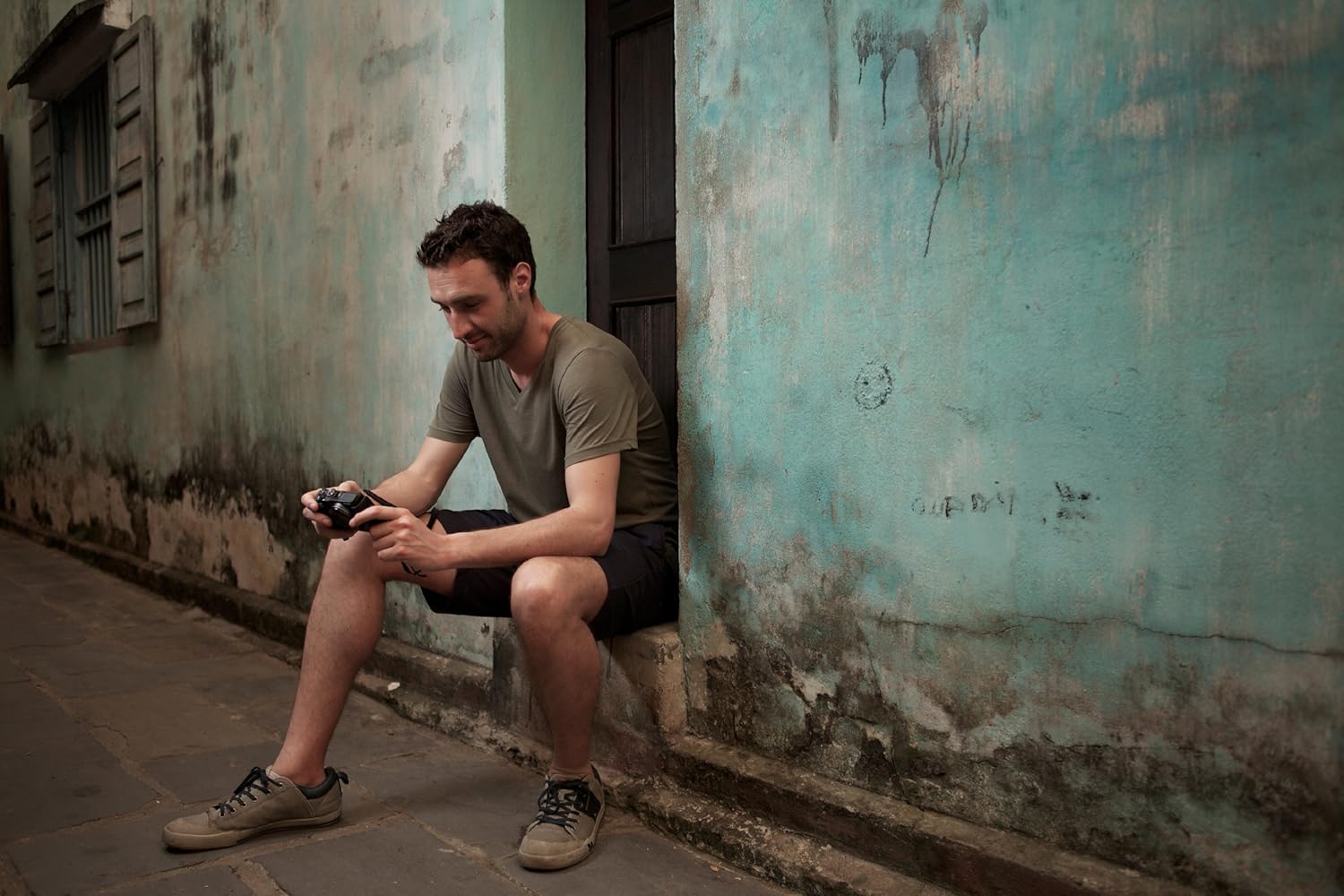
Once you have chosen one of the best compact digital cameras for travel, how you use it will determine the results. Keep the camera on a small wrist strap or a thin cross body sling so that you can carry it all day without drawing attention, which is crucial in crowded cities. A compact body with a retractable zoom lens fits easily into a small pouch, protecting the lens and sensor from dust when you move between locations.
For effective travel photography, learn how your camera behaves in low light before you leave home. Practice shooting at high ISO values, wide apertures, and different focal lengths to understand how the image quality changes across the zoom range and how much depth of field you can expect at each setting. This familiarity lets you react instinctively when you step into a dimly lit restaurant, a night market, or a cathedral interior where tripods are not allowed.
Maintenance habits also influence long term performance and reliability. Wipe the camera and lens barrel with a soft cloth after dusty hikes, and avoid changing memory cards or opening battery doors in blowing sand or rain to protect the body seals. Even though compact cameras are simpler than interchangeable lens systems, treating the zoom lens mechanism and the CMOS sensor area with care will keep your best compact travel companion working smoothly for many journeys.
Deep dive: point and shoot cameras as serious tools for travel photography
Point and shoot cameras once meant basic models, but modern versions can be serious tools within the best compact digital cameras for travel. Many current point and shoot designs include a 1-inch CMOS sensor, a fast zoom lens, and sophisticated autofocus algorithms that rival larger systems, while still offering the simplicity of a fixed lens. This combination makes them ideal for travellers who want strong image quality without the complexity of interchangeable lenses or the bulk of a full-frame camera body.
Fixed lens point and shoot cameras with wide angle designs excel at storytelling in tight spaces. A 24 millimetre full-frame equivalent field of view lets you include both a subject and their surroundings, which is perfect for environmental portraits, markets, and street scenes that define travel photography. Because the lens does not extend as far as a long zoom, these cameras often remain more compact, easier to carry all day, and quicker to power on and shoot.
Advanced point and shoot cameras also benefit from refined autofocus and exposure systems. Face and eye detection, subject tracking, and intelligent scene recognition help ensure that your images remain sharp and well exposed, even when you react quickly to changing situations. When combined with a bright lens, a capable CMOS sensor, and thoughtful ergonomics, these compact cameras prove that a small point and shoot can legitimately rank among the best compact options for serious camera travel enthusiasts.
Key figures about compact travel cameras
- According to CIPA shipment data for digital still cameras with built-in lenses, compact cameras with 1-inch or larger sensors have grown to represent a significant share of premium fixed lens models, reflecting traveller demand for higher image quality in small bodies.
- Many popular travel zoom compacts now offer 24–200 millimetre full-frame equivalent ranges, giving more than an eight times zoom factor in a pocketable camera, which covers most real world travel situations from interiors to distant details.
- Laboratory tests from independent reviewers show that modern 1-inch CMOS sensors can maintain usable image quality up to around ISO 3200, allowing handheld low light shooting in restaurants, streets, and museums without a tripod.
- Autofocus systems in recent compact cameras can lock focus in as little as approximately 0.05 seconds under good light, which is fast enough to capture candid moments during fast moving travel scenes such as markets or festivals.
- Rugged and waterproof compact cameras are typically rated for depths between 10 and 15 metres, making them suitable for snorkelling and shallow diving, while also providing strong protection against rain, dust, and accidental drops on land.