
Summary
Editor's rating
Value for money: who this renewed camera makes sense for
Design: pocketable, a bit busy, but practical
Battery life and connectivity: okay for a day, but bring a power bank
Build quality and durability on a renewed unit
Performance and image quality: good in daylight, more limited at night
What this camera actually is (and isn’t)
Pros
- 30x optical zoom (24–720mm) in a genuinely pocketable body
- USB‑C charging and Wi‑Fi/Bluetooth make it practical for travel and sharing
- Daylight image quality and stabilisation are good enough for most casual users
Cons
- Small sensor and slow lens at long zoom give limited low‑light performance
- Battery life is only average, especially with 4K and Wi‑Fi use
- Menus and overall feel are a bit dated compared to newer cameras and phones

Specifications
View full product page →| Brand | Panasonic |
A compact camera for when your phone just isn’t enough
I bought this renewed Panasonic Lumix DC-TZ99 because I was getting tired of my phone camera struggling with zoom and low light. I wanted something small enough to throw in a jacket pocket, but with a proper zoom and better control over photos. I’ve used it for about three weeks now: a weekend trip, a couple of evenings out, and a kid’s school show in a dark hall. So this is not a lab test, just how it behaved in real life.
The short version: it’s a practical little travel camera with a strong zoom, decent image quality for the size, and a few quirks you need to accept. Coming from a phone, the zoom feels like cheating. Coming from a bigger camera, the small sensor and slow lens at the long end are pretty obvious. So it sits right in that middle ground: better than a phone in some cases, clearly below a DSLR or bigger mirrorless setup.
Because this is a renewed unit, I was also a bit worried about the condition: scratches, battery health, weird noises, that kind of thing. Mine arrived clean, no marks on the lens, screen in good shape, and the battery seems okay so far. Still, you can feel it’s not a brand-new model in terms of menu layout and screen resolution compared to current stuff.
If you’re expecting miracles from a 1/2.3" sensor and 30x zoom, you’ll be disappointed. But if you just want a pocketable camera that handles travel, concerts, and family events better than a phone when you need zoom, this one gets the job done. The rest of this review is basically what worked for me, what annoyed me, and where I think it sits for the price as a renewed buy.
Value for money: who this renewed camera makes sense for
On the value side, this Panasonic DC‑TZ99 as a renewed product sits in an interesting spot. You’re not buying the latest tech, and the small sensor is clearly behind modern phones in low light. But you’re getting a 30x optical zoom, 4K video, and a proper camera interface for a price that’s usually lower than a brand‑new travel zoom. If you actually use the zoom and manual controls, it feels like decent value. If you mostly shoot wide, you might be better off just sticking with your smartphone.
Compared to carrying a bigger camera with interchangeable lenses, this is obviously cheaper and lighter. You’re trading flexibility and image quality for convenience. For me, on a short trip where I don’t want to drag a full kit, this trade‑off is acceptable. The thing I liked is that I could cover everything from wide city shots to far‑away details (like signs or people on a stage) with one small device. No lens changes, no extra weight, just point and shoot. That alone is worth something.
On the downside, there are other compacts and even some phones in this price range that will simply do better in low light and offer cleaner software experiences. The camera menus feel a bit old, the screen is not the sharpest, and the autofocus isn’t on par with newer mid‑range mirrorless bodies. So if you’re picky about image quality or plan to shoot a lot indoors, this might feel limited pretty quickly. Also, since it’s renewed, resale value later won’t be great.
For someone who travels occasionally, wants a simple, pocketable zoom camera, and doesn’t want to spend big money on a new model, this renewed DC‑TZ99 is a reasonable deal. For someone already deep into photography gear or with a very good recent phone, it’s more of a niche tool. I’d call it good value if you specifically need long zoom in a compact body, but just average value if you’re mainly chasing the best image quality per dollar.
Design: pocketable, a bit busy, but practical
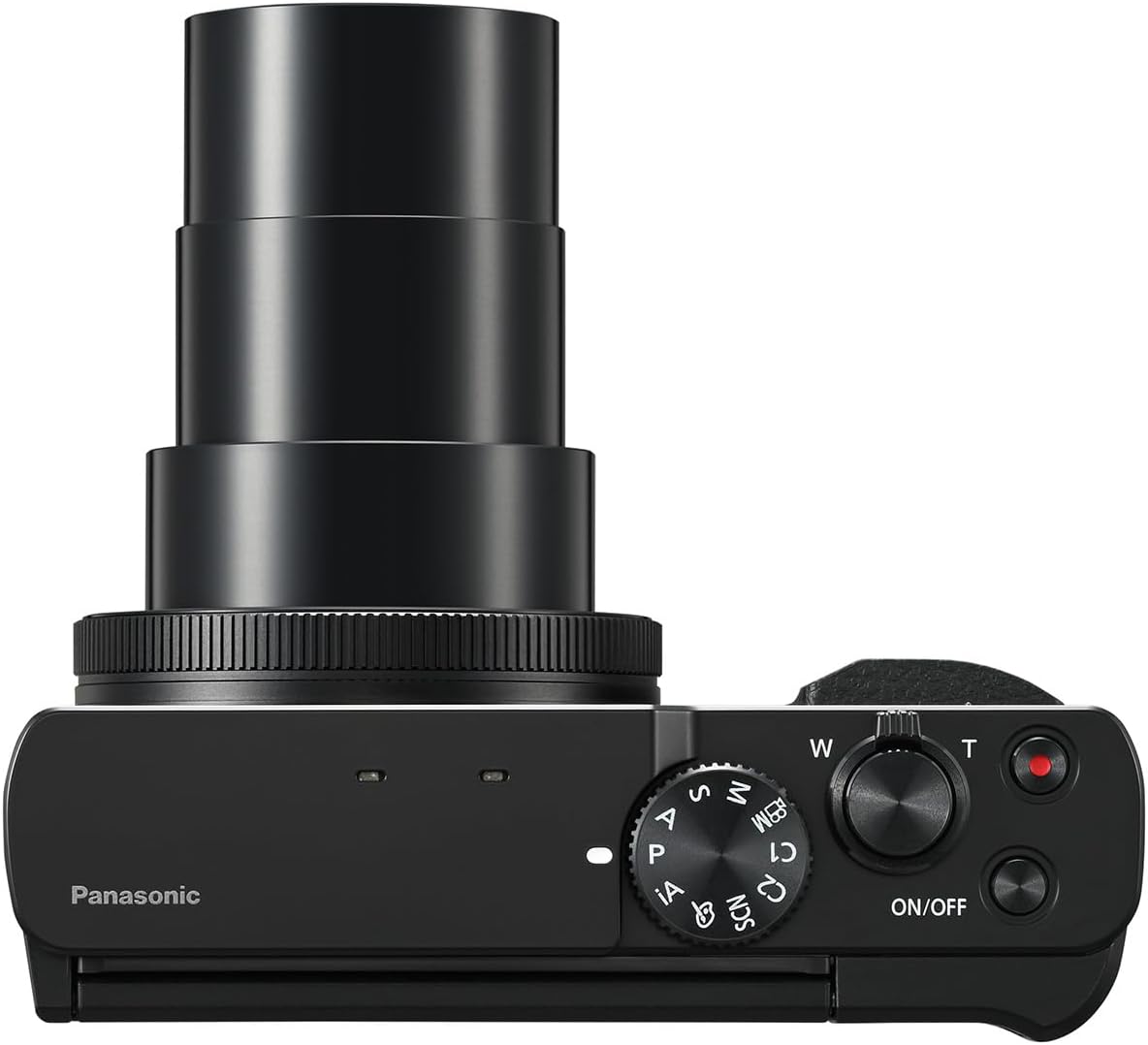
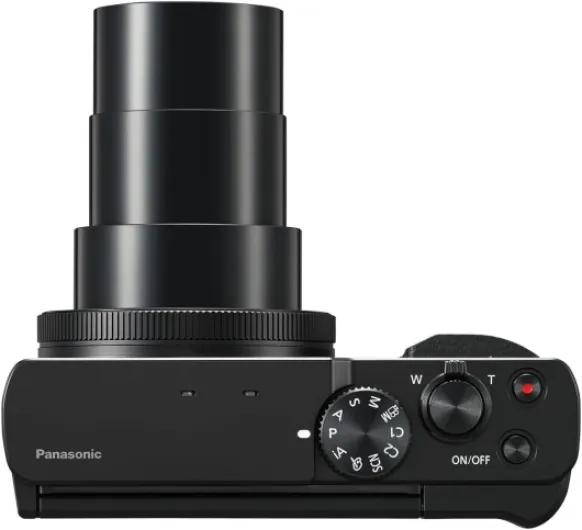
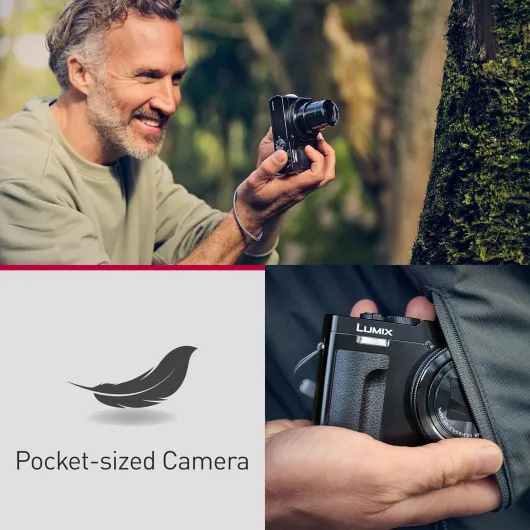
Design-wise, the DC‑TZ99 is compact and dense. It fits in a jacket pocket or a bigger jeans pocket, but you’ll feel the weight a bit (just over 1 pound with battery). For me that’s fine: it feels more solid than those super-light plastic compacts, and I never felt like it was going to fall apart. Compared to carrying a mirrorless body with a telephoto lens, this is obviously much easier to live with on a trip.
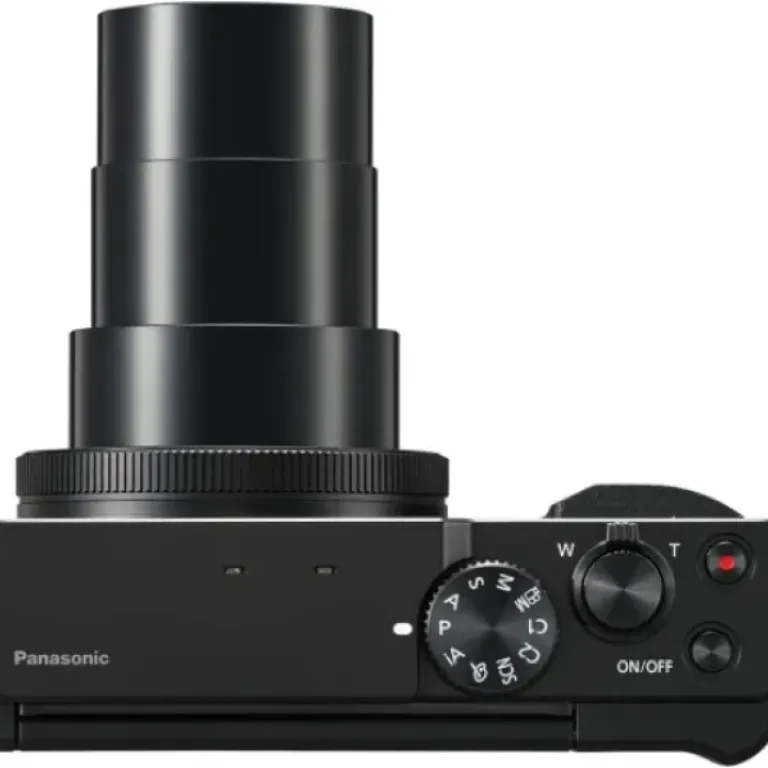
The grip is small but usable. There’s a little rubber area on the front where your fingers sit, and a slight thumb rest on the back. I wouldn’t say it’s super comfortable if you have big hands, but I spent a full day walking and shooting with it and didn’t feel like I was going to drop it. One thing I liked is the physical mode dial on top: you can quickly switch from Auto to Aperture Priority or Manual without digging into menus. The shutter button has a zoom lever around it, very classic compact camera layout.
The back is a bit busy: there are a lot of buttons crammed into a small area. At first I kept hitting the wrong thing, especially the 4‑way pad around the menu button. After a few days it became more natural, but if you’re coming from a phone, it will feel cluttered. The tilting LCD is handy for low angles and selfies, but don’t expect a super sharp or ultra bright display. It’s fine indoors and in the shade; in bright sun you need to work a bit harder to see if your focus is on point.
Overall, the design is functional more than pretty. It looks like a normal compact camera, nothing fancy. Controls are there, they work, but the interface feels a bit dated compared to recent mirrorless cameras or even some apps on phones. Still, for a travel tool, the main point is that it’s small, fairly tough, and you can operate it one‑handed once you get used to it. On that front, it does the job.
Battery life and connectivity: okay for a day, but bring a power bank
Battery life on this camera is decent but nothing more. On my weekend trip, shooting a mix of photos and short 4K clips, with Wi‑Fi mostly off, I was getting roughly 250–300 shots per charge. If I used a lot of 4K video or kept the camera on standby in my hand, that number dropped. So it’s not terrible, but it’s not the kind of camera you can use heavily for two days without thinking about power. For a full day of sightseeing, I’d either bring a spare battery or a power bank.
The good thing is the USB‑C charging. This is one of the features I really appreciated in practice. I just plugged it into the same power bank I use for my phone, and it charged fine in my backpack during a lunch break or train ride. No need for a bulky proprietary charger. That’s a small detail, but when you travel, it really simplifies things. I did notice that charging while the camera is on is slower, so I usually turned it off when topping it up.
Connectivity-wise, you get Wi‑Fi and Bluetooth, and there’s a dedicated button to send images to your phone. Once you’ve paired it with the Panasonic app, transferring photos is fairly straightforward. It’s not as seamless as AirDrop or Google Photos, but it works. I mostly used it to grab a couple of shots at the end of the day to post on social media. The transfer speed is okay for JPEGs; for big 4K videos, it’s a bit slow, so I still prefer using a card reader when I’m back home.
If you’re planning to vlog all day in 4K, this is not the most battery-friendly camera. For normal travel use—some photos, some clips, some transfers—it’s manageable, but I’d seriously consider buying at least one spare battery, especially since this is a renewed unit and long‑term battery health is always a question mark. The USB‑C port partly compensates for that, which is probably the feature that saves it in real‑world use.
Build quality and durability on a renewed unit
Since this is a renewed camera, durability was one of my main concerns. When it arrived, the body looked clean: no big scratches, no dents, lens glass was clear, and the screen only had very light marks that you only see when it’s off. So whoever refurbished it did a decent job cosmetically. After three weeks of use—backpack, jacket pocket, a bit of drizzle—nothing has changed. No rattling parts, no weird noises from the zoom, and all buttons still click properly.
The body itself feels solid for a compact. It’s not weather‑sealed, so I wouldn’t use it in heavy rain, but a bit of light rain and humidity didn’t kill it. I did keep it under my jacket when it started to drizzle, just to be safe. The lens mechanism extends and retracts smoothly; I never got any error messages or grinding sounds. That’s usually the first thing to go on old compacts if they’ve been dropped or abused, so at least on my unit, that seems fine.
The screen hinge for the tilting display feels okay but not bulletproof. I wouldn’t yank it around or let kids play with it. It holds its position and doesn’t wobble, but you can feel it’s a delicate part compared to the rest of the body. If you’re rough with your gear, that’s the bit I’d worry about long term. I’d also recommend a simple screen protector, because the LCD can scratch fairly easily if you throw it into a bag with keys.
Overall, for a refurbished camera, I’m reasonably confident in the build. It’s not a tank, but for normal travel and everyday use, it seems up to the job. Still, I wouldn’t pay full new‑product prices for this model today. As a renewed buy with a 1‑year limited warranty, it makes more sense. Just handle the lens and screen with some care, and don’t expect it to survive serious drops or heavy rain. It’s a compact travel camera, not a rugged action cam.
Performance and image quality: good in daylight, more limited at night
In terms of overall performance, the DC‑TZ99 is pretty solid for what it is. Startup is reasonably quick; by the time I press the power button and lift it up, it’s ready to shoot. Autofocus in good light is fast enough, especially with the contrast‑detect system and the DFD tech Panasonic likes to talk about. For static subjects, I had no real issues. For moving kids or pets, it’s hit or miss: in daylight, it keeps up okay; in darker rooms, it hunts more and you get some soft shots.
Image quality in daylight is where this camera makes sense. At 24mm, photos look sharp enough with good detail for travel albums and prints up to A4 without problem. Colors are on the neutral side, which I prefer over heavy saturation. Once you start zooming towards 720mm, you can see the image getting softer and the lens getting slower (f/6.4). The stabilisation helps a lot, but you still need to watch your shutter speed and ISO. On a bright sunny day, it’s fine. On a cloudy afternoon, noise creeps in faster than you’d like.
In low light, you feel the small sensor. Indoors in the evening, without flash, you either get some noise or some motion blur if your subject moves. It’s still better than some cheap compacts, but don’t expect miracles compared to a decent modern phone with good computational processing. The advantage here is the optical zoom: you can actually zoom in on a stage during a concert or school play, which your phone just can’t handle optically. The downside is that those zoomed shots at ISO 1600+ aren’t super clean.
For video, 4K 30p looks sharp, and the stabilisation does a decent job for handheld walk‑and‑talk clips. The rolling shutter is there if you pan too fast, and the autofocus sometimes breathes a bit when lighting changes, but for casual vlogging or travel footage, it’s perfectly usable. The high‑speed 120fps HD mode is fun for slow motion, but the quality drops; it’s more of a toy than a serious feature. Overall, performance is good enough for travel and family use, as long as you keep your expectations aligned with the sensor size and lens speed.
What this camera actually is (and isn’t)
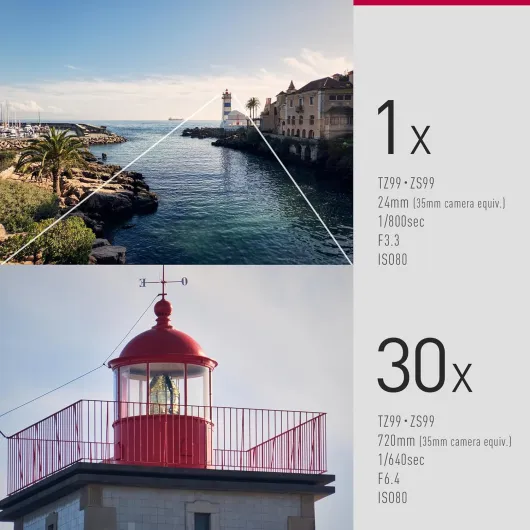
The Panasonic Lumix DC-TZ99 is a compact travel zoom camera with a 20.3MP MOS sensor and a 30x optical zoom (24–720mm equivalent). On paper it sounds like a lot: Leica-branded lens, 4K video at 30p, 4K photo modes, Wi‑Fi and Bluetooth, plus a tilting LCD screen. In practice, it’s basically a camera you carry when you don’t want to lug a bigger body and lenses, but still want more reach and control than your phone.
The lens goes from f/3.3 at the wide end to f/6.4 at 720mm, which is fairly typical for this type of camera. The sensor is small (1/2.3"), so don’t expect crazy background blur or perfect low‑light performance. You do get 5‑Axis HYBRID image stabilisation, which actually helps a lot when you’re zoomed in at 720mm. I managed to get usable handheld shots at full zoom in daylight, which is pretty solid for such a tiny body.
The camera offers automatic modes, scene modes, and manual control (shutter, aperture, full manual). You also get things like continuous shooting up to 30 fps in 4K photo mode (basically grabbing stills from 4K video) and a standard burst mode for normal photos. For video, it records 4K 30p and 1080p, with a 120fps high‑speed mode in HD for slow motion. Nothing crazy by today’s standards, but enough for casual vlogging or travel clips.
So, to be clear: this is not a pro camera, and it’s not some magic upgrade over every smartphone. It’s a compact all‑in‑one that gives you a big zoom range in a small package. If that’s what you’re looking for, it makes sense. If you mostly shoot wide angles for Instagram and don’t care about zoom, your phone will probably be fine and even better in low light.
Pros
- 30x optical zoom (24–720mm) in a genuinely pocketable body
- USB‑C charging and Wi‑Fi/Bluetooth make it practical for travel and sharing
- Daylight image quality and stabilisation are good enough for most casual users
Cons
- Small sensor and slow lens at long zoom give limited low‑light performance
- Battery life is only average, especially with 4K and Wi‑Fi use
- Menus and overall feel are a bit dated compared to newer cameras and phones
Conclusion
Editor's rating
After a few weeks of use, I’d sum up the Panasonic Lumix DC‑TZ99 (renewed) as a practical travel zoom camera that does its job without being spectacular. The 30x optical zoom is the main reason to buy it: being able to jump from 24mm wide shots to 720mm close‑ups in your pocket is genuinely useful for trips, concerts, and kids’ events. In good light, image quality is perfectly fine for prints and social media, and the stabilisation helps keep shots usable even at full zoom. The tilting screen, USB‑C charging, and Wi‑Fi/Bluetooth sharing make it more convenient than older compacts.
On the flip side, the small 1/2.3" sensor and slow aperture at the long end mean low‑light performance is limited, especially compared to newer phones. Autofocus is okay but not great in dim conditions, the menus feel dated, and battery life is only average, so a spare battery or power bank is almost mandatory for long days. Being a renewed unit, build on mine is fine, but there’s always a bit of uncertainty versus buying new.
If you’re a casual user who wants better zoom and more control than a phone in a compact body, and you can find this renewed model at a good price, it’s a sensible choice. If you mainly shoot indoors, care a lot about low‑light quality, or already own a decent mirrorless or DSLR, you’ll probably find it underwhelming. It’s a solid, no‑nonsense travel tool, not a miracle camera.