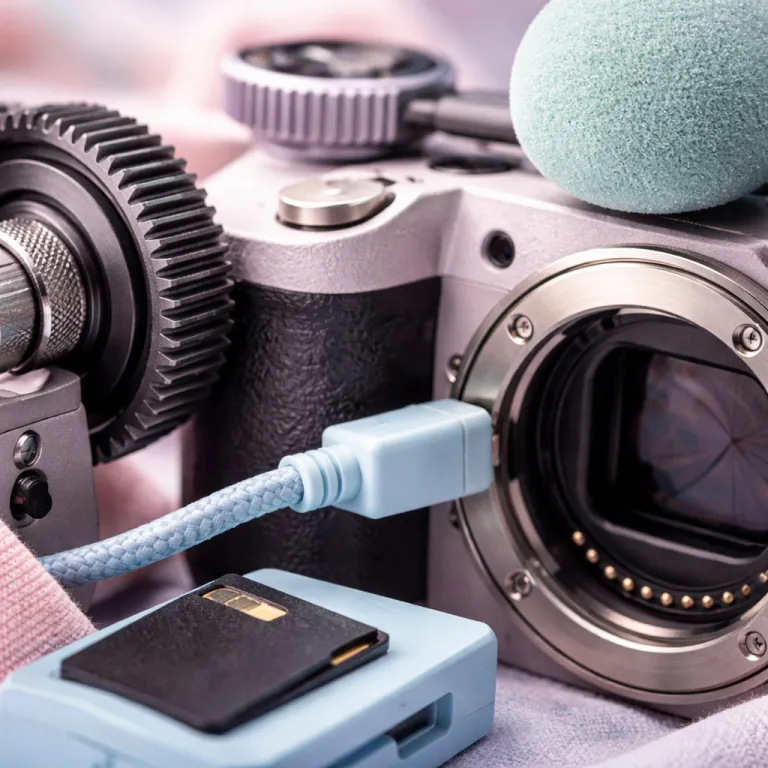
Canon EOS R6 V rewrites what a full frame creator body is for
The Canon EOS R6 V is the first Canon EOS body in the EOS series that openly presents itself as a video‑first tool rather than a traditional hybrid stills and video compromise. Canon removes the mechanical shutter and on‑body flash support entirely, betting that serious content creation will revolve around extended video recording, dependable live streaming, and external LED panels rather than hot shoe speedlites. That choice frees space for active cooling, a slimmer camera body profile, and a front record button that finally treats solo operators as the primary users.
At the heart of the Canon EOS R6 V sits a full frame image sensor that captures high‑resolution data for open gate recording and oversampled 4K video recording at up to 120 fps without an additional crop. This sensor is tuned less for ultra‑high‑resolution stills and more for clean image quality at high frame rates, generous dynamic range when using Canon Log profiles, and responsive Dual Pixel autofocus that locks onto faces and eyes while you walk toward the lens. For vloggers stepping up from an entry level EOS Canon DSLR such as a compact Canon beginner camera kit, the jump in stabilization, autofocus intelligence, and codec flexibility will feel dramatic.
Extended recording time is the headline change, and it matters more than any spec sheet brag about fps or bit rate for working creators. The built‑in active cooling system, with a discreet fan behind the screen, keeps open gate and high‑frame‑rate 4K recording stable in situations where earlier hybrid R6 bodies could overheat during long shooting sessions. In practice this means you can run multi‑hour live streaming sessions, full‑length interview recordings, or a day of B‑roll capture with far fewer interruptions from thermal limits or awkward breaks in your video recording schedule.
Key Canon EOS R6 V video‑centric specs at a glance
- Full frame sensor with high‑resolution open gate capture and oversampled 4K up to 120 fps
- Electronic shutter only, optimized for silent operation and video workflows
- Active cooling with rear fan for stable long‑form recording
- Dual card slots for high‑speed SD media, supporting sustained high‑bit‑rate codecs
- Canon Log profiles and 10‑bit internal recording for flexible color grading
- USB power delivery support for continuous power during streaming or studio use
Active cooling, Canon Log, and why this undercuts Canon's own cinema line
Canon’s decision to build active cooling into the Canon EOS R6 V directly challenges its own cinema‑style cameras, especially the compact C70 and the hybrid R5 C, which previously held the crown for long‑form recording in the EOS series. Where those bodies wrap cinema features in bulkier cages and more complex menus, this new camera keeps a stills‑style grip, a simple record button layout, and a front record tally lamp that makes self‑shooting less stressful. For a YouTube or TikTok creator who will never mount a matte box or rig a follow focus, the smaller body with integrated fan is simply the more practical system.
In terms of codecs and profiles, the Canon EOS R6 V leans heavily into Canon Log options, high‑resolution internal recording modes, and high‑quality 10‑bit video capture that grades cleanly without banding. You can shoot open gate recording for vertical and horizontal reframing, then punch out multiple aspect ratios for different platforms from a single take, which is a major workflow upgrade over older EOS Mark and Mark III era bodies. Dual Pixel autofocus remains the star, tracking eyes reliably at 4K 120 fps while the in‑body image stabilization and lens‑based image stabilization cooperate to smooth handheld walking shots without the jelly wobble that plagued some earlier EOS Canon models.
This focus on video means some traditional stills features are gone, and that is intentional rather than a cost‑cutting measure. There is no mechanical shutter, so rolling shutter in stills bursts will not match a sports‑tuned EOS Mark III DSLR, and there is no support for on‑camera flash, which will push event photographers toward other Canon bodies. For creators whose income depends on content creation and continuous recording instead of one‑off stills, the trade is clear, because the power, cooling, and stabilization gains directly improve their day‑to‑day shooting reliability.
For readers comparing this body with smaller APS‑C options, it helps to look at how Canon positions its range from the compact Canon EOS R10 mirrorless camera up to this full frame flagship for video. The R10 and similar bodies remain better travel companions for mixed stills and casual video shooting, while the Canon EOS R6 V is clearly tuned for long‑form video recording, streaming, and demanding multi‑camera movie‑style productions. If you mainly shoot family photos with occasional clips, the smaller cameras will feel friendlier, but if your calendar is filled with upload deadlines, the new full frame body is the safer long‑term investment.
RF 20-50mm F4 L PZ kit, power zoom, and life as a solo operator
The most interesting part of the Canon EOS R6 V launch is the RF 20‑50mm F4 L PZ kit lens, which turns the camera into a near‑complete video rig out of the box. This power zoom lens covers ultra‑wide to normal focal lengths, giving solo creators enough range for handheld talking‑head shots, desk setups, and tight B‑roll without swapping glass or rebalancing a gimbal every time. A dedicated zoom lever on the lens barrel, combined with a customizable front record control on the camera body, lets you operate zoom and recording with one hand while holding a small grip or mini tripod in the other.
Because the lens is designed around video recording rather than stills sharpness charts, focus breathing is well controlled and the power zoom transitions feel smooth at multiple speeds. When paired with the camera’s in‑body image stabilization and lens‑based optical image stabilization, you can walk through a scene at 20 millimetres while the Dual Pixel autofocus tracks your face, then slowly zoom toward 50 millimetres without jarring jumps in framing. For creators used to older EOS Mark or Mark III era zooms that snapped in and out abruptly, this combination of power zoom and refined stabilization will feel like a different class of tool.
Connectivity and power management round out the package in ways that matter more than spec sheet trivia. Full‑size HDMI, fast USB for data and USB power delivery, and clean HDMI output mean the Canon EOS R6 V can anchor a streaming setup or a multi‑camera movie‑style shoot without extra adapters, while the internal fan keeps recording stable for as long as your storage and power last. If you are coming from a compact vlogging body such as the Canon EOS R50 vlogging camera, the step up in continuous recording reliability, open gate options, and overall system flexibility will feel like moving from a smartphone to a dedicated cinema‑style rig that still fits in a shoulder bag.