
Summary
Editor's rating
Value: good overall, especially if you care about autofocus and 4K
Design: compact and practical, but very much a Sony box
Battery life: usable, but bring a spare if you shoot a lot
Durability and build: feels solid enough, but not a tank
Performance: autofocus is the star, the rest is solid but not mind‑blowing
What you actually get with the Sony A6100 kit
Effectiveness for photos, video, and streaming
Pros
- Fast, reliable autofocus with eye tracking for humans and animals
- Compact and lightweight body that’s easy to carry daily
- 4K video with flip screen and mic input, good for vlogging and streaming
Cons
- No in-body image stabilization, so handheld video can be shaky
- Average battery life, extra batteries or constant power are recommended
- 16-50mm kit lens is decent but limited in low light and not very robust-feeling

Specifications
View full product page →| Brand | Sony |
A small camera that feels more serious than it looks
I’ve been using the Sony Alpha 6100 with the 16‑50mm kit lens as an everyday camera for a mix of stuff: walks in the city, quick family shots, a bit of product photo on the desk, and some casual video. I’m not a pro photographer, but I’ve used phones, basic DSLRs and a couple of older mirrorless bodies, including an older Sony A6000 borrowed from a friend. So I had a decent idea of what to expect and what would annoy me.
The very first thing that stood out is how small and light it is for what it does. With the 16‑50mm power zoom, it easily fits in a small sling bag and doesn’t drag your shoulder down like an old DSLR with a big kit lens. That makes a big difference in practice: I actually took it out with me instead of leaving it at home “just in case”. A camera you leave at home is useless, even if it’s technically better.
After a couple of weeks, the pattern was clear: this body is all about autofocus speed and convenience. Eye AF, subject tracking, and the 11 fps burst make it really easy to catch kids running around, pets, or random street scenes. On the flip side, you quickly feel some compromises: no in‑body stabilization, the battery isn’t great, and the menus are still a bit of a maze, even if they’re more colourful than the old Sony ones.
Overall, it feels like a camera built for people who want to step up from a phone without diving into something huge and complex. It’s not perfect, and there are things that bugged me after a few days, but it gets a lot of the basics right: sharp images, fast focus, 4K video, and a flip screen that actually helps for vlogging or selfies. If you know those are your priorities, it starts to make sense despite its flaws.
Value: good overall, especially if you care about autofocus and 4K
In terms of value, the A6100 sits in a slightly awkward place, but it still makes sense for a lot of people. On one side, you have cheaper older bodies or used cameras that can save you money. On the other, you have newer models with better features like in‑body stabilization and better screens. The reason the A6100 still holds up is that it gives you very reliable autofocus, 4K video, and a flip screen in a compact body, without going into crazy prices.
Compared to entry‑level DSLRs, you’re paying for a smaller body, better live view, and much better continuous AF and eye tracking. If you mostly shoot people, pets, and casual video, those things actually matter more in daily use than having an optical viewfinder or a slightly bigger body. Compared to your phone, the difference is in low‑light performance with a decent lens, subject separation, and control. With the kit lens, the gap isn’t giant in perfect light, but once you start adding fast primes, the camera pulls ahead clearly.
The downsides do affect value, though. No in‑body stabilization means you either live with shakier video, rely on lenses with optical stabilization, or buy extra gear like a gimbal. The battery situation is just okay, so you’ll likely end up buying extra batteries. And the kit lens is usable but nothing more; it gets the job done, but you’re not getting the best this sensor can offer. All of that adds up in cost if you decide to upgrade the system over time.
So, value rating from me: pretty good if you find it at a decent price and know what you’re getting. For a beginner or casual creator who wants good autofocus, 4K, and a small body, I think the price is justified. If you’re already deep into photography and want stronger video tools, better battery life, and stabilization, there are better choices for a bit more money, and the A6100 starts to feel like a compromise rather than a bargain.
Design: compact and practical, but very much a Sony box
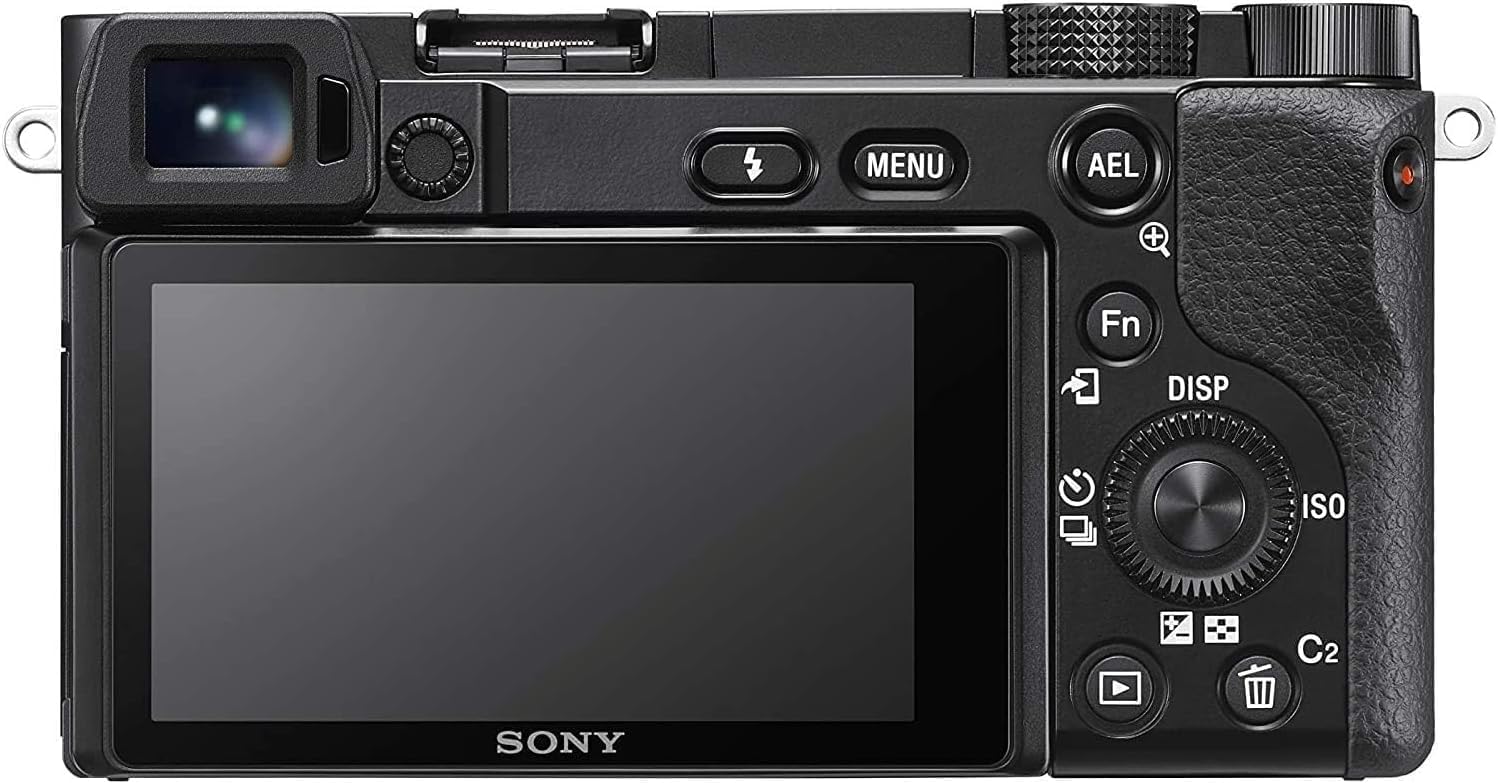
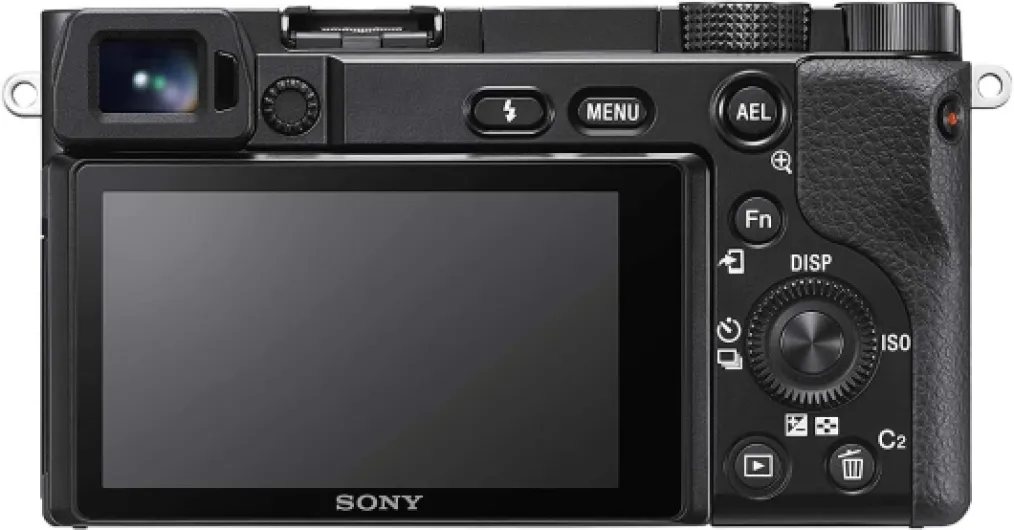
Design‑wise, the A6100 doesn’t try to be pretty. It’s a small black rectangle with a modest grip and a basic control layout. If you’ve seen the A6000 or A6400, this is basically the same body with a few tweaks. In the hand, it feels more like a compact tool than a stylish object. Personally, I don’t care, but if you’re into retro‑looking cameras like Fujifilm, this one will feel a bit bland.
The grip is decent for a small body. I have average‑sized hands and could hold it one‑handed with the 16‑50mm without feeling like I’d drop it, but it’s still not as secure as a bigger DSLR grip. The buttons are fairly small, and if you have big fingers you might press the wrong thing occasionally at the start. The top dials (mode and control dial) are easy to reach with your thumb, so switching from auto to aperture priority or manual is quick enough once you get used to it.
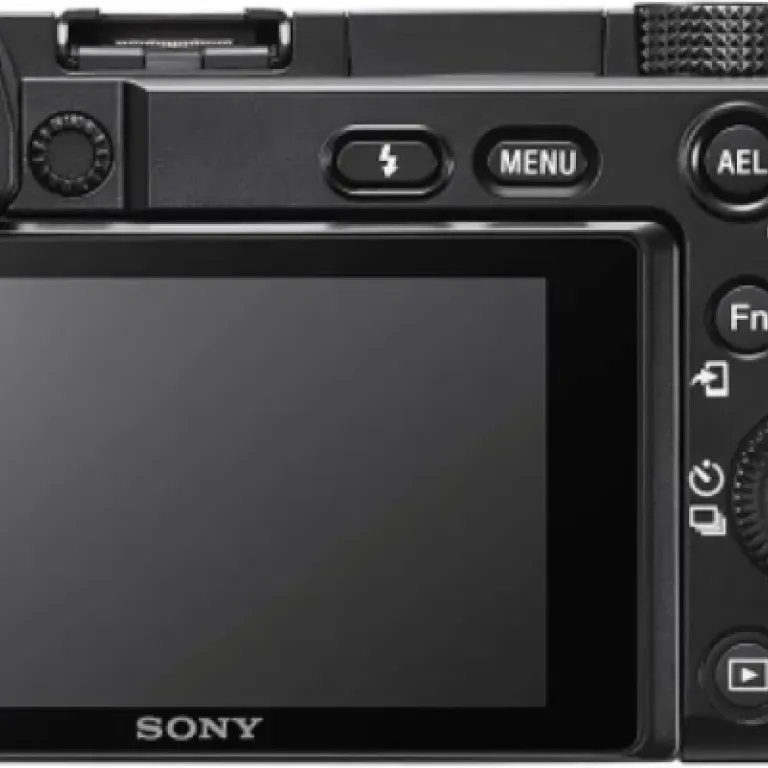
The flip‑up screen is a big plus in practice. It tilts up 180° and down a bit, which helps a lot for low‑angle shots, overhead shots, and vlogging. The downside is that if you mount a mic on the hot shoe, it blocks the screen when it’s flipped up. You can work around it with side‑mounted cages or brackets, but out of the box it’s not perfect for serious vlogging setups. Also, the screen doesn’t flip sideways, which some people prefer.
The electronic viewfinder is usable but not fancy. It’s there, it works, and I ended up using it outdoors in bright light when the screen was harder to see. The camera has a decent number of customizable buttons, but the labels and menu logic are still very Sony: not impossible to learn, just a bit clunky. After a week of use, I had my main functions (ISO, focus mode, drive mode) mapped to buttons and rarely had to dive deep into menus. Overall, the design is practical and compact, but clearly built to a price: nothing feels premium, but nothing feels fragile either.
Battery life: usable, but bring a spare if you shoot a lot
The A6100 uses the older NP‑FW50 battery, which is known for being a bit weak compared to Sony’s newer Z batteries. In real use, I was getting roughly a day of light shooting or half a day of heavier mixed photo and video before I started seeing the battery warning and getting nervous. If you mostly take photos and don’t chimp (review) every shot, you can stretch it. If you shoot a lot of 4K video or use continuous AF with tracking all the time, it drains faster.
On a typical weekend outing, I took around 250–300 photos and a few short 4K clips. By the time I got home, the battery was usually sitting around 20–30%. That’s okay but not generous. If I had decided to shoot more video, I’d probably have killed it. Compared to some mirrorless rivals that use bigger batteries, this feels a bit behind the times. It’s not unusable, but you do have to think about it instead of just forgetting about the battery all day.
The good news is you can charge via USB, so I often plugged it into a power bank between sessions or while driving. That helps, but you can’t really use the camera comfortably while it’s tethered unless you’re on a tripod. In my opinion, if you plan to travel or vlog seriously, a second battery isn’t optional; it’s almost mandatory. The small body is nice, but this is one of the trade‑offs you feel.
So, battery life is basically: fine for casual shooters, borderline for heavy users. For someone taking a few photos each day on holiday, it gets the job done with nightly charging. For someone doing long shooting sessions, events, or streaming, budget for at least one or two extra batteries and maybe a dual charger. It’s not a deal‑breaker, but it’s definitely one of the weaker points of this camera in 2024 standards.
Durability and build: feels solid enough, but not a tank
Build quality on the A6100 is what I’d call pretty solid for the price, but nothing that screams “professional workhorse”. The body is light and doesn’t flex or creak when you grip it tightly. The buttons and dials don’t feel luxurious, but they also don’t feel like they’ll fall off in a week. After carrying it around in a small bag without a dedicated case, it picked up a couple of tiny scuffs but nothing serious. It feels like something you can toss into a backpack without babying it every second.
There’s no official mention of proper weather sealing at this level, so I treated it as a “don’t be stupid” device: fine in light drizzle for a minute or two, but I wouldn’t shoot in heavy rain or dusty environments for long. I did get caught in a short drizzle once; I wiped it off and it kept going without any issues, but I wouldn’t push my luck. If you want something you can abuse outdoors regularly, you might want to look higher up in Sony’s line or at a more rugged system.
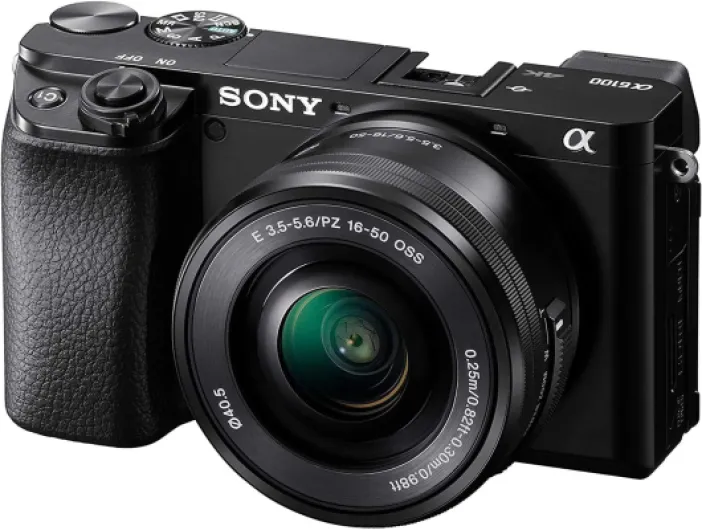
The 16‑50mm power zoom lens is where you feel more compromise. It’s very light and collapses when powered off, which is nice for portability, but it doesn’t feel especially tough. The power zoom mechanism is convenient for video, but I’m always a bit cautious with moving parts like that over the long term. For casual use, I think it’s fine, but if I owned this camera long term, I’d eventually add a more solid prime or zoom lens both for image quality and peace of mind.
From a long‑term user review I read (someone using a similar body for years), these Sony APS‑C cameras do tend to hold up if you don’t abuse them. Buttons may get a bit softer over time, but the core body and sensor keep working. So overall, I’d say: durable enough for normal everyday use, not something I’d use as a beater in harsh conditions, and the kit lens is the weakest link in terms of perceived toughness.
Performance: autofocus is the star, the rest is solid but not mind‑blowing
The main thing this camera does well is autofocus. Sony’s 0.02s AF claim sounds like marketing, but in real life, it’s genuinely quick. Eye AF for humans works well in both photos and basic video, and it picks up faces even when people are moving around. I tried it on kids running in a park and on a dog that never sits still: the hit rate was much higher than what I usually get with older cameras or phones. Real‑time tracking is also handy; once you lock onto a subject, it tends to stick unless they leave the frame or lighting gets really bad.
Continuous shooting at up to 11 fps with AF/AE tracking is more than enough for casual sports, kids, or street stuff. I held the shutter down a few times just to see what would happen, and the camera rattles off frames quickly. The buffer isn’t infinite, especially if you shoot RAW, but for normal bursts it’s fine. You do have to wait a bit while it writes to the card if you go crazy with bursts, which can be annoying if you’re impatient.
Image quality is what you’d expect from a modern 24 MP APS‑C sensor: very usable up to ISO 3200, and still okay at 6400 if you don’t zoom in too much or you’re fine with some noise reduction. With the kit lens, low‑light performance is limited more by the slow aperture (f/3.5‑5.6) than by the sensor itself. Indoors at night, I often had to push ISO higher or accept slightly slower shutter speeds, which isn’t ideal for moving subjects. If you pair it with a faster prime lens, you get a lot more out of the sensor.
For video, 4K looks sharp, and the autofocus still does a good job tracking faces. However, there’s no in‑body stabilization, so handheld footage can look shaky unless you’re careful or use a stabilized lens / gimbal. Rolling shutter is visible if you pan quickly, so this isn’t a camera for fast whip‑pans or action‑heavy handheld stuff. Overall, performance is very strong on focus and decent on everything else. If your priority is getting sharp shots of people and pets without fuss, it delivers. If you want super smooth handheld video and low‑light magic, you’ll hit its limits.
What you actually get with the Sony A6100 kit
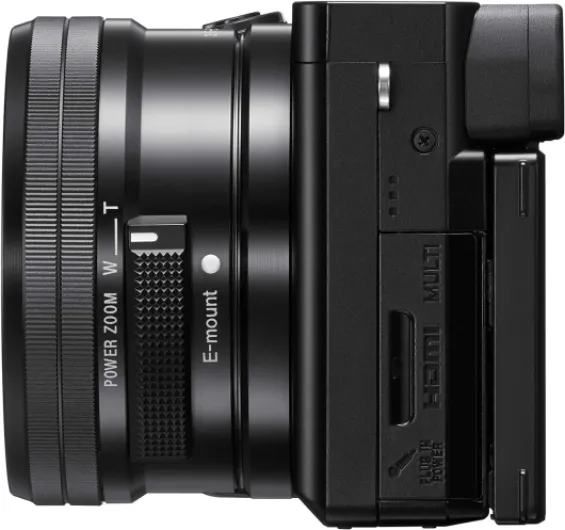
The version I used is the A6100 with the 16‑50mm f/3.5‑5.6 power zoom kit lens. Out of the box, you get the camera body, the lens, battery, strap, charger, and the usual cables. No fancy extras. It’s basically everything you need to start shooting, as long as you already have an SD card. The lens covers a useful range for everyday stuff: 16mm is wide enough for landscapes or small rooms, 50mm is fine for portraits and tighter shots.
On paper, the camera has a 24.2 MP APS‑C sensor, 4K video, up to 11 fps continuous shooting, and 425 autofocus points. It sounds like spec sheet bragging, but in real life it translates to: photos look clean and detailed if you don’t mess up the exposure, and the camera locks focus on faces and eyes very quickly. I mostly used it in aperture priority (A mode) with auto ISO, and the results were consistent enough that I didn’t feel the need to fight the settings all the time.
The screen flips up 180°, which is clearly aimed at vloggers and people who film themselves. There’s also a 3.5mm mic jack, which is nice if you want better audio without dealing with Sony’s hot shoe mics. For video, it does 4K with full pixel readout (no obvious softness), but keep in mind it’s still a basic APS‑C body: no fancy 10‑bit, no crazy codecs, and rolling shutter is visible if you whip the camera around.
In daily use, the A6100 feels like a camera that’s trying to hit a sweet spot: simple enough for a beginner, but with enough features that you don’t outgrow it in 6 months. You can start with full auto, then gradually move into manual modes, custom buttons and RAW files if you feel like it. It’s not a pro video rig or a low‑light monster, but as a general purpose body, it covers a lot of ground without becoming a pain to carry or learn.
Effectiveness for photos, video, and streaming
For still photos, the A6100 is very effective as a “point and think a bit” camera. You can leave it in auto or aperture priority, trust the autofocus on faces and eyes, and concentrate on framing. For family events, travel, and street shots, that’s basically what you want: something that doesn’t fight you. Dynamic range is decent enough that you can recover some highlights and shadows if you shoot RAW, but even JPEGs straight out of camera look fine for social media and small prints.
For video, it’s a mixed bag but mostly positive. 4K quality is sharp, autofocus works well, and the flip screen plus mic jack make it workable for vlogging or YouTube content. I tried a basic talking‑head setup with a cheap external mic, and the result was clean enough that I wouldn’t feel embarrassed putting it on a channel. The main issue is stabilization: handheld walking shots can look shaky, and digital stabilization in post only goes so far. For static shots on a tripod or small movements, it’s great; for active handheld vlogging, you start to feel the lack of in‑body stabilization.
For streaming or webcam use, this camera is actually pretty solid. Several users mention using it for live streaming and product photography, and that matches what I experienced. With clean HDMI out and good autofocus, you can set it up once and let it track your face while you talk or show products. The 16‑50mm lens gives you enough range to adjust framing in small rooms. Just remember the battery: for long streams, you really want a dummy battery or constant power, otherwise you’ll be watching the battery indicator more than your chat.
Overall, in terms of effectiveness, the A6100 does what it says on the tin: it helps you get in‑focus, usable shots and videos with minimal fuss. It doesn’t solve everything – shaky handheld footage and low‑light with the kit lens are the main weak points – but for most beginner to intermediate use cases (travel, family, YouTube, basic streaming), it performs well enough that you can focus on your content instead of fighting the camera.
Pros
- Fast, reliable autofocus with eye tracking for humans and animals
- Compact and lightweight body that’s easy to carry daily
- 4K video with flip screen and mic input, good for vlogging and streaming
Cons
- No in-body image stabilization, so handheld video can be shaky
- Average battery life, extra batteries or constant power are recommended
- 16-50mm kit lens is decent but limited in low light and not very robust-feeling
Conclusion
Editor's rating
The Sony Alpha 6100 with the 16‑50mm kit lens is a compact, capable everyday camera that leans heavily on its autofocus and convenience features. If your main goal is to get sharp photos of people, pets, and day‑to‑day life without learning every technical detail, it does the job very well. Eye AF and tracking are genuinely useful, 4K video looks clean, and the flip screen plus mic input make it a solid entry point for vlogging and streaming. It’s light enough that you actually carry it, which in practice matters more than squeezing out the last bit of image quality.
On the downside, you feel the cost‑cutting: there’s no in‑body stabilization, the battery is just okay, and the kit lens is decent but nothing more. For handheld video and low‑light indoors, those limitations show up quickly. The body design and menus are very Sony: functional but a bit clunky until you customize things. If you’re a more advanced user or very video‑focused, you might be happier spending more for a body with stabilization and a better battery.
I’d recommend the A6100 for beginners stepping up from a phone, casual photographers who want a light travel camera, and creators who want a reliable autofocus‑driven body for YouTube or streaming without going overboard on budget. People who should probably skip it: those who shoot a lot of handheld video, work often in low light, or already know they’ll end up buying multiple lenses and accessories – in that case, starting with a slightly higher‑end body could make more sense long term. Overall, it’s a pretty solid, no‑nonsense choice if you understand its strengths and weaknesses before you buy.