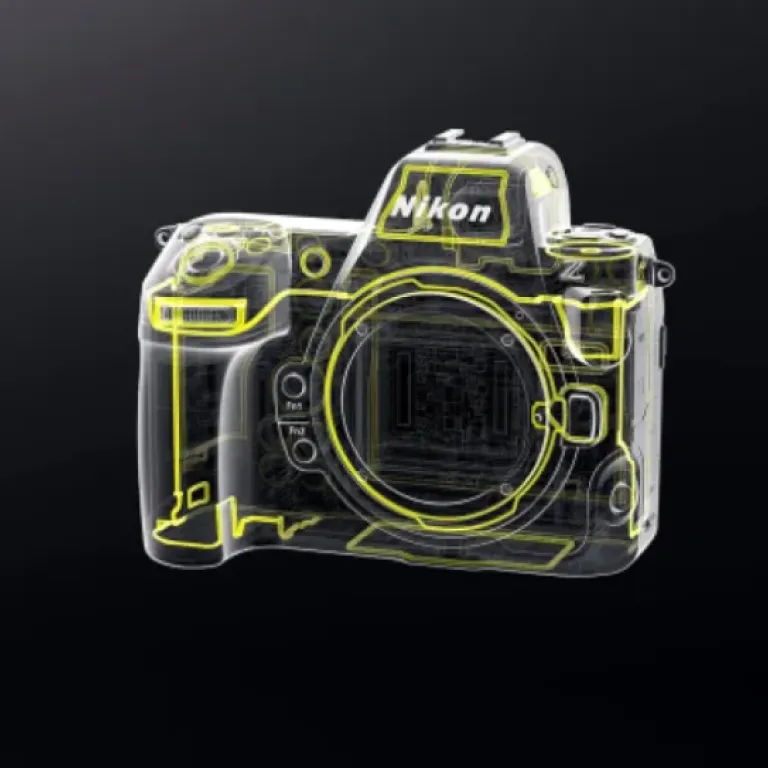

Summary
Editor's rating
Value for money: strong body, but don’t get blinded by a small discount
Design and handling: smaller than a Z9, still a chunky boy
Battery life and overheating: fine for photos, watch it for heavy video
Packaging and what’s in the box: check for grey import signs
Build quality and reliability: solid body, but watch the seller issues
Autofocus, speed and image quality: does it keep up?
What the Nikon Z8 actually offers in real life
Pros
- High-resolution 45.7 MP stacked sensor with strong stills and video quality
- Fast, modern autofocus with subject detection that works well for most real-world use
- Compact compared to the Z9 while keeping most of its performance and features
Cons
- Battery life and heat can be limiting for heavy or long-form video shooting
- Grey import and seller issues on some marketplaces create warranty and support risks
- Body and ecosystem (lenses, CFexpress cards) are expensive if you’re not already invested

Specifications
View full product page →| Brand | Nikon |
A proper step up from DSLRs, without the brick weight
I’ve been using the Nikon Z8 for a few weeks now, coming from a D850 and occasionally renting a Z9 when I needed the extra speed. So I’m very much the target user for this body: someone who shoots both photos and video, wants pro features, but is tired of lugging around a huge brick all day. On paper, the Z8 is basically a shrunken Z9, and in practice, that description isn’t far off.
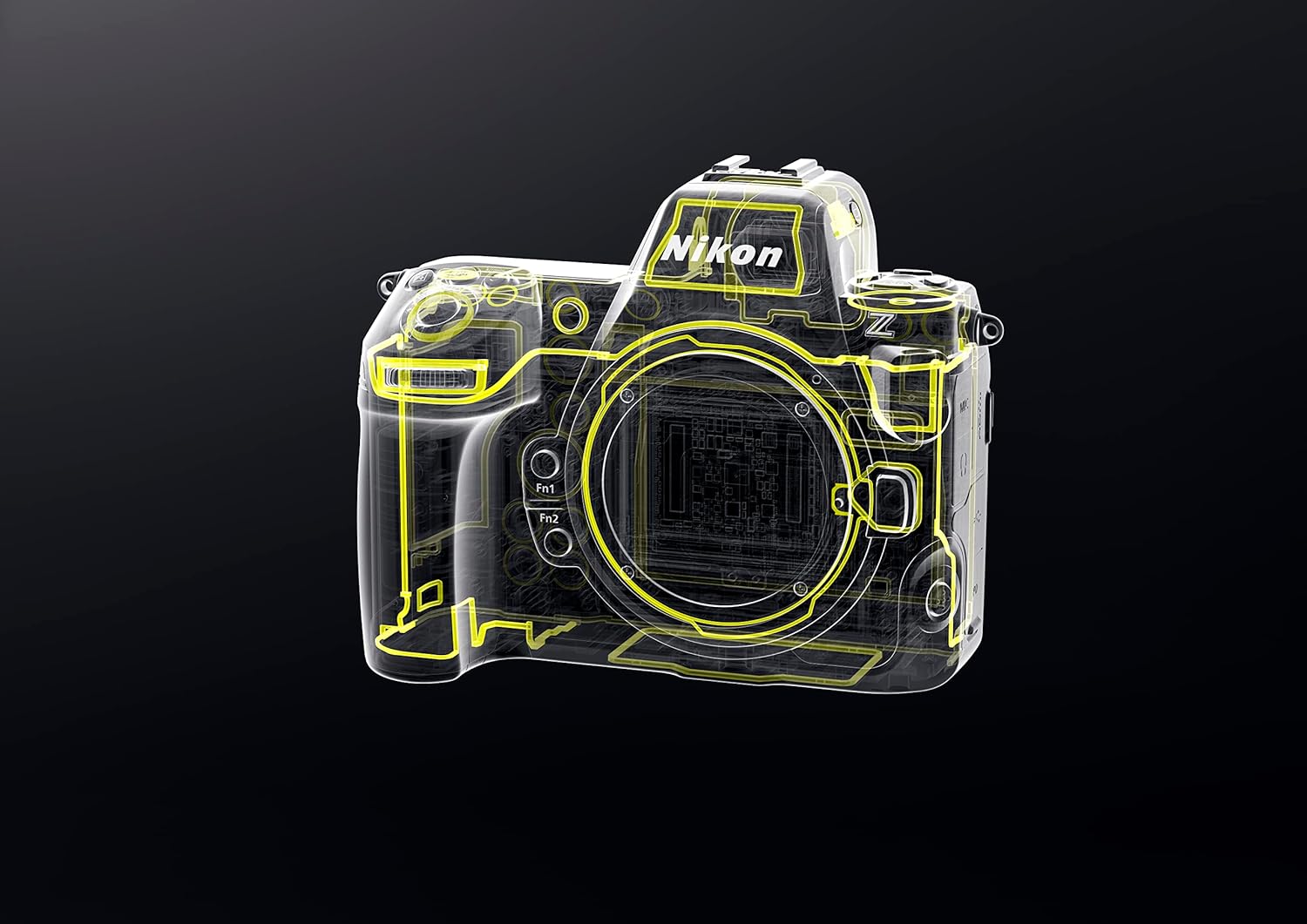
Right away, the first thing that struck me is the balance between size and performance. It’s not a small camera in an absolute sense, but compared to the D850 or Z9 it feels a lot more manageable in a shoulder bag or on a gimbal. You still get the 45.7 MP stacked sensor, the fast EXPEED 7 processor, and all the fancy autofocus modes, just in a body that doesn’t wreck your back after a long shoot.
I’ve mostly used it for mixed work: portraits, some sports, and quite a bit of 4K and 8K video for client projects. My takeaway so far: it’s a very capable hybrid body that handles most things you throw at it, but it’s not perfect. There are quirks, especially around heat and battery life when you push video hard, and a few menu oddities that still feel like classic Nikon.
If you’re thinking about upgrading from a D850 or another Nikon DSLR, or deciding between this and the Z9, I’ll walk you through what actually matters in day-to-day use. I’m not going to repeat the spec sheet just for fun – I’ll stick to what helped or annoyed me on real shoots, including a couple of things that don’t show up in the marketing blurbs, and the grey-import mess you need to watch out for when buying online.
Value for money: strong body, but don’t get blinded by a small discount
In terms of value, the Z8 sits in that high-end but not flagship zone. It’s cheaper than a Z9 but still a serious investment, especially once you add a couple of good Z-mount lenses and fast CFexpress cards. If you compare it to something like the Nikon D850 at launch, the price feels in the same ballpark, but now you’re getting much better autofocus, serious video features, and modern mirrorless benefits. So for someone fully in the Nikon ecosystem, it makes sense as a long‑term workhorse.
The tricky part is how you buy it. Some Amazon listings undercut the official price by around £200, but as the reviews show, that often means grey imports: no official local warranty, non‑local charger, and sometimes dodgy return practices from certain sellers. If you’re a hobbyist and just want to save every penny, maybe that trade‑off is acceptable. But if you’re using this for paid work, I don’t think that small discount justifies the risk of poor support, especially if you get a bad copy or something fails under heavy use.
From a pure performance standpoint, the Z8 is good value compared to a Z9 if you don’t need the integrated grip and slightly better battery life. You’re basically getting most of the Z9’s capabilities in a smaller body for less money. Against other brands, it’s competitive: Sony and Canon equivalents in the same resolution and feature range are also pricey. Where Nikon bites you is the cost of native Z lenses and CFexpress cards, which you really need to fully enjoy the speed and video options.
My bottom line: if you’re already in Nikon and want a serious hybrid camera, the Z8 is a sensible investment as long as you buy from a reputable, authorised seller. Don’t be fooled by a small discount from a random marketplace store; you’ll forget the £200 saving pretty fast if you’re stuck arguing about returns or repairs. If you’re on a tighter budget or don’t need 45 MP and 8K, you might get better value from a lower-tier Z body or even a used Z7II and put the savings into lenses instead.
Design and handling: smaller than a Z9, still a chunky boy
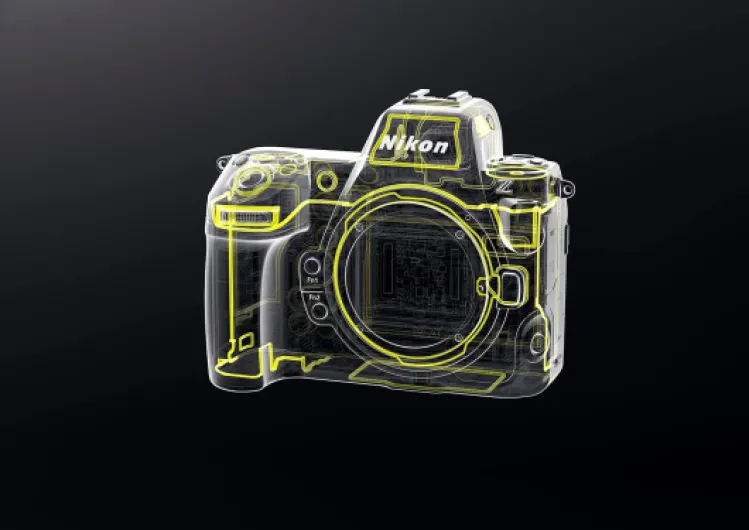
The design of the Z8 is very much Nikon: chunky grip, lots of physical controls, and a layout that feels familiar if you used their DSLRs. Compared to the D850, it’s a bit shorter and slimmer, and compared to the Z9 it feels noticeably more compact, especially in a bag. But don’t expect something tiny like a Fuji X‑T series – this is still a serious body with some heft. Personally, I prefer that, because it balances better with heavier lenses like the 70-200mm or the S-line 24-70mm f/2.8.
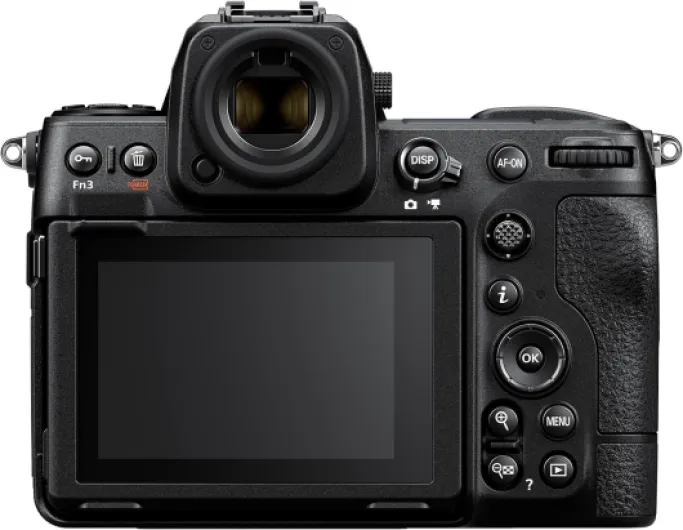
The buttons and dials are where they should be for the most part. You get a proper joystick, front and rear command dials, top screen, and plenty of custom function buttons. After a couple of days, I barely needed to go into the menu during shoots, which is always a good sign. The only thing that bugs me is Nikon’s menu structure still feels a bit old-school and bloated. It’s usable, but you need to spend some time customising the My Menu and function buttons to avoid digging around mid-shoot.
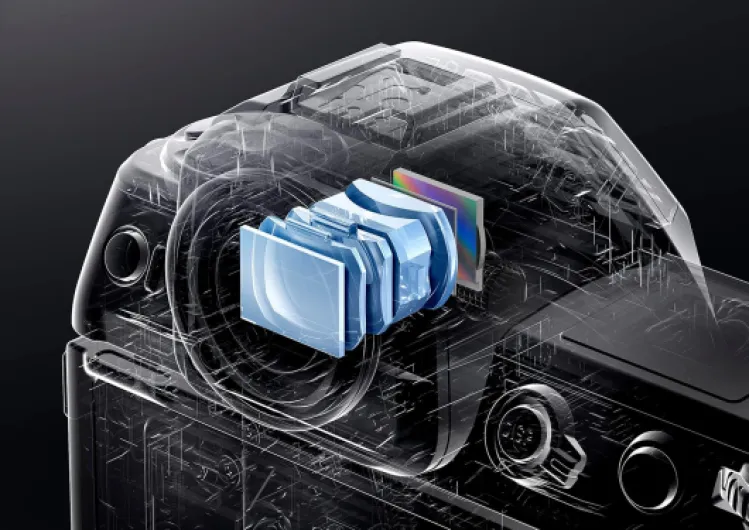
The tilting rear screen is handy, but I do miss a fully articulating flip screen when I’m shooting myself or doing vertical video for social media. The screen is bright enough outdoors most of the time, and the touch interface is responsive, but Nikon still doesn’t let you do everything via touch in the menus, which feels dated compared to some competitors. The EVF is sharp and good enough for pro work, but it’s not miles ahead of the pack; it just does the job.
One thing to flag is the overall size for gimbal use. The Z8 is lighter than the Z9, yes, but with a decent zoom lens it still pushes smaller gimbals to their limits. I had to rebalance and tweak my setup when moving from a Sony body to the Z8 because of the deeper grip and weight distribution. It’s doable, but if you plan to live on a gimbal, double-check your gimbal’s payload and clearance, especially with longer lenses and the HDMI/USB cables plugged in.
Battery life and overheating: fine for photos, watch it for heavy video
Battery life on the Z8 is okay but not great, especially if you’re coming from big DSLRs or the Z9. The body uses Nikon’s EN‑EL15 series battery (depending on the exact variant you get), which is convenient if you already have spares from older cameras. For stills, I usually get through a full day of shooting with 2 batteries without sweating it: think a few hundred RAW photos, some chimping, and short video clips here and there. If you’re careful with screen brightness and don’t leave the camera idling, you can stretch it further.
Where it starts to show limits is video. Long 4K or 8K recording drains the battery much faster, especially if you’re using features like IBIS, subject tracking, and a bright LCD. On a couple of corporate shoots, shooting mostly 4K, I was swapping batteries more often than I’d like. It’s not unusable, but if you’re planning to shoot video-heavy days, I’d say budget for at least 3–4 batteries or plan to power the camera via USB‑C or an external power solution when possible.
On overheating, my experience has been mixed but manageable. In moderate indoor temps, I haven’t had the camera shut down on me during typical clip lengths (2–10 minutes). When I tried pushing 8K for longer continuous takes as a test, the body did get warm, and I started to feel less comfortable relying on it for very long unbroken recordings. It didn’t instantly overheat, but it’s clearly not a dedicated cinema body with big cooling vents. If you’re a wedding videographer shooting long ceremonies in hot churches or outdoors in summer, you’ll want to test your limits before using it on a one‑shot job.
Overall, for mixed photo and video work, the battery and heat behaviour are acceptable but not generous. If you’re mainly a stills shooter with occasional video, you’ll be fine with a couple of spares. If you’re a pure video shooter, I’d treat this as a strong A‑cam for shorter segments or a B‑cam for long-form work, and always bring extra power. This is one of the main trade-offs of packing Z9-level guts into a smaller body: less room for a big battery and less passive cooling.
Packaging and what’s in the box: check for grey import signs
The official box contents for the Z8, according to the listing, include the camera body, a Li‑ion battery, charger (MH‑25a), eyepiece, strap, cables (HDMI/USB, USB‑C), and a few small bits like the clip case for the flash cover. That’s roughly what I got with mine from an authorised dealer: everything was neatly packed, the box was sealed, and the paperwork included a proper warranty card and documentation in the right language for my region.
Where things get messy is when you look at the Amazon reviews mentioning grey imports. Some people received the camera in a box that wasn’t sealed, with a European or US plug on the charger, plus a cheap UK three‑pin adapter thrown in, and no real warranty documents. That’s a pretty clear sign the unit wasn’t intended for that market originally. Another reviewer mentioned the product being about £200 cheaper than list price and admitted it was a grey import, though the camera itself seemed unused (very low shutter count).
In practice, the camera will still work the same way whether it’s a grey import or not, but it’s a risk in terms of long-term support. Also, unsealed packaging always makes me a bit nervous with expensive gear: you can’t easily tell if it’s been opened, returned, or handled roughly. If you’re paying this much money, you shouldn’t have to guess whether the box was opened in a warehouse somewhere or by a previous buyer.
My honest take: for a pro‑level body, I want clean packaging, sealed box, correct charger, and proper local warranty paperwork. If you’re browsing Amazon and see a noticeably lower price, check the seller info carefully and read the 1‑star reviews. If several people mention unsealed boxes, wrong plug types, or missing warranty cards, I’d personally skip that seller. Saving a bit at the start and then fighting with warranty or support later is not my idea of a good deal, especially if this camera is going to be part of your income.
Build quality and reliability: solid body, but watch the seller issues
Physically, the Z8 feels robust. The body has that dense, magnesium-alloy feel you expect from Nikon’s higher-end line. The grip is firm, buttons don’t feel cheap, and the ports have proper rubber covers. I’ve used it in light rain and dusty environments, and nothing weird happened: no random glitches, no condensation in the EVF, no sticky buttons. It feels like a tool you can throw in a bag and not baby, which is important if you’re shooting events or travel.
That said, reliability isn’t just about how it feels in hand. The Amazon reviews highlight a couple of important points. One user got a lemon unit with weird behaviour like randomly switching from RAW to JPEG. They replaced it with another Z8 from a different seller and the issues went away, which suggests the camera line itself is generally fine, but QC or handling by some sellers might be questionable. I haven’t encountered that specific bug, but when I buy a new body, I always test all the basic functions heavily in the first week: burst modes, card writing, switching picture profiles, changing file formats, etc.
The other big red flag in the reviews is the grey import situation. Several buyers mention getting cameras in unsealed boxes, with non‑UK chargers, third‑party adapters, and no proper Nikon warranty documentation. That lines up with the price being about £200 cheaper than list. The camera itself may be physically new and work fine, but if something fails down the line, you might not get local support from Nikon. Personally, for a body at this price, I’d rather pay a bit more and have full warranty and proper support, especially for a camera I plan to use professionally.
So in terms of durability: the hardware itself feels tough and ready for real use, but where you buy it from matters a lot. If you go through an authorised dealer, I’d trust this body for regular pro work. If you gamble on a grey import to save money, you might be fine, but you’re also taking on more risk if there’s a hidden defect or if Nikon refuses warranty service. Given the cost of one serious repair, that saving can vanish quickly. My advice: don’t cheap out on the seller for a camera in this price bracket.
Autofocus, speed and image quality: does it keep up?
Performance-wise, the Z8 is pretty solid. The 45.7 MP sensor delivers detailed files with good dynamic range. Coming from the D850, the jump in autofocus and overall responsiveness is obvious. The stacked sensor and EXPEED 7 processor make the camera feel snappy: startup is fast, menus don’t lag, and shot-to-shot time is basically instant. Continuous shooting at high frame rates is overkill for most situations, but for sports and wildlife it’s nice to have that headroom.
Autofocus is where I noticed the biggest improvement compared to older Nikon bodies. You get 493 AF points and a hybrid phase/contrast system with subject detection. Face and eye detection for humans is generally reliable, and animal detection works decently for dogs and birds. It’s not magic – it can still grab the wrong thing if your scene is busy – but overall it sticks better than the D850 ever did. In low light, it hunts a bit more, but still usable for events and indoor work. Compared to Sony’s latest AF, I’d say Nikon is close but not ahead; good enough for pro work, but not flawless.
For image quality, RAW files are flexible, especially at lower ISOs. ISO 64 base is handy for landscape shooters who want cleaner files and more dynamic range. Noise performance is fine up to ISO 6400 for most uses, and I’ll push to 12,800 if needed for events. The camera’s JPEG engine is decent, but if you’re buying a Z8, you’re probably shooting RAW anyway. One weird thing mentioned in an Amazon review: a unit randomly switching from RAW to JPEG. I haven’t seen that on mine, so that sounds like either a lemon or a mis-set custom mode, but it’s something I’d test early if you buy one.
In video, 8K looks sharp and 4K oversampled modes are clean, but rolling shutter is still there if you whip-pan like crazy, just much less than older non-stacked sensors. AF during video is usable, with face/eye detection working most of the time, but it can occasionally breathe or jump if the scene changes quickly. For paid work, I still keep an eye on focus peaking and don’t fully trust AF for every shot, especially with shallow depth of field. Overall, though, performance is good enough for serious hybrid shooters, as long as you learn its quirks and don’t expect it to read your mind.
What the Nikon Z8 actually offers in real life
On the spec side, the Nikon Z8 is basically a 45.7 MP full-frame mirrorless with a stacked CMOS sensor, 8K video, and up to 120 fps burst in some modes. It takes Nikon Z-mount lenses and uses dual card slots: one CFexpress/XQD and one SD (UHS-II). Weight is around 910 g for the body, so noticeably lighter than a Z9 but heavier than something like a Sony A7 IV or Canon R6 Mark II. This is clearly aimed at people who need pro-level performance, not casual weekend shooters.
For stills, you get high resolution for detailed landscapes or studio work, plus very fast readout from the stacked sensor, which helps with rolling shutter and lets you shoot silently with the electronic shutter without horrible distortion most of the time. For video, the headline is 8K recording and high-quality 4K options, including oversampled modes and slow-motion. It’s built as a proper hybrid camera: not a stills body with video thrown in, and not a pure cinema camera either.
Feature-wise, Nikon packs in subject-detection autofocus (people, animals, vehicles), in-body image stabilization, a decent EVF, and a tilting LCD. You also get Wi‑Fi, HDMI out, USB-C, and the usual Nikon ergonomics with a deep grip and a ton of custom buttons. It’s meant to be the more compact alternative to the Z9, and basically the mirrorless successor to the D850, which lines up with how it feels in hand and how it behaves in the field.
In practice, the Z8 is a workhorse body. It’s not a casual travel camera you throw in a small purse, but if you shoot events, weddings, sports, wildlife, or serious video, it has the horsepower to keep up. Just be aware: to really get the most out of it, you also need fast (and not cheap) CFexpress cards, and good Z-mount glass. The body alone doesn’t magically give you pro-looking results if the rest of your kit is lagging behind.
Pros
- High-resolution 45.7 MP stacked sensor with strong stills and video quality
- Fast, modern autofocus with subject detection that works well for most real-world use
- Compact compared to the Z9 while keeping most of its performance and features
Cons
- Battery life and heat can be limiting for heavy or long-form video shooting
- Grey import and seller issues on some marketplaces create warranty and support risks
- Body and ecosystem (lenses, CFexpress cards) are expensive if you’re not already invested
Conclusion
Editor's rating
The Nikon Z8 is a serious hybrid camera that makes sense if you’re already into Nikon and want something close to Z9 performance without carrying a full-on brick. Image quality is strong, autofocus is finally in the modern league, and the video options are more than enough for most creators. For mixed photo and video jobs, it handles pretty much everything I’d expect from a pro body in 2024, as long as you learn its quirks and accept that battery life and heat aren’t limitless.
It’s not perfect. Battery life is just okay, especially for heavy video. The body is smaller than a Z9 but still chunky compared to some rivals. The menu system is powerful but a bit old-fashioned, and you really need to be careful about where you buy it from to avoid grey imports with weak warranty support. But overall, as a tool, it gets the job done and feels like a natural upgrade path from the D850 for people who are ready to fully move into mirrorless.
I’d say the Z8 is for: Nikon users who shoot a mix of stills and video, event and wedding shooters, and anyone who wants high resolution plus fast AF in one body. People who should probably skip it: casual hobbyists who don’t need 45 MP, pure videographers who want long, no‑stress recording times, and anyone who isn’t ready to spend extra on proper Z lenses and fast cards. If you fit the first group and buy from an authorised seller, the Z8 is a solid, long-term camera body that can handle real work without feeling outdated anytime soon.