Canon EOS versus Nikon full frame DSLRs for stills and video
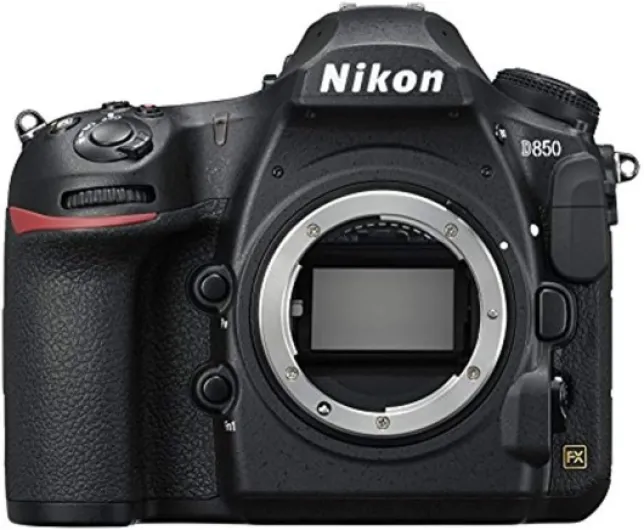
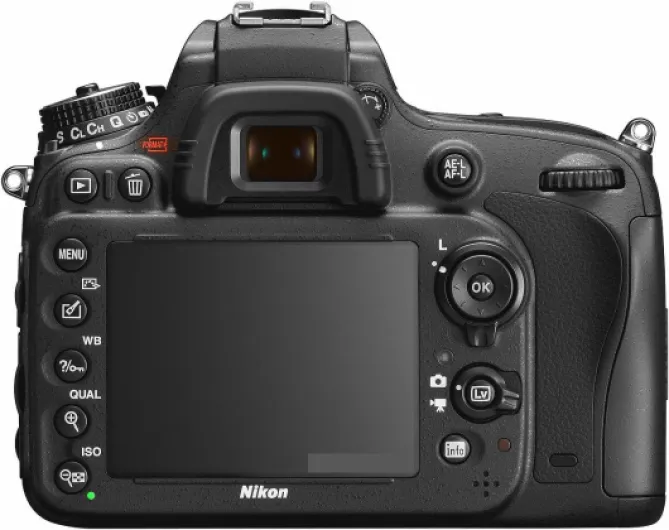
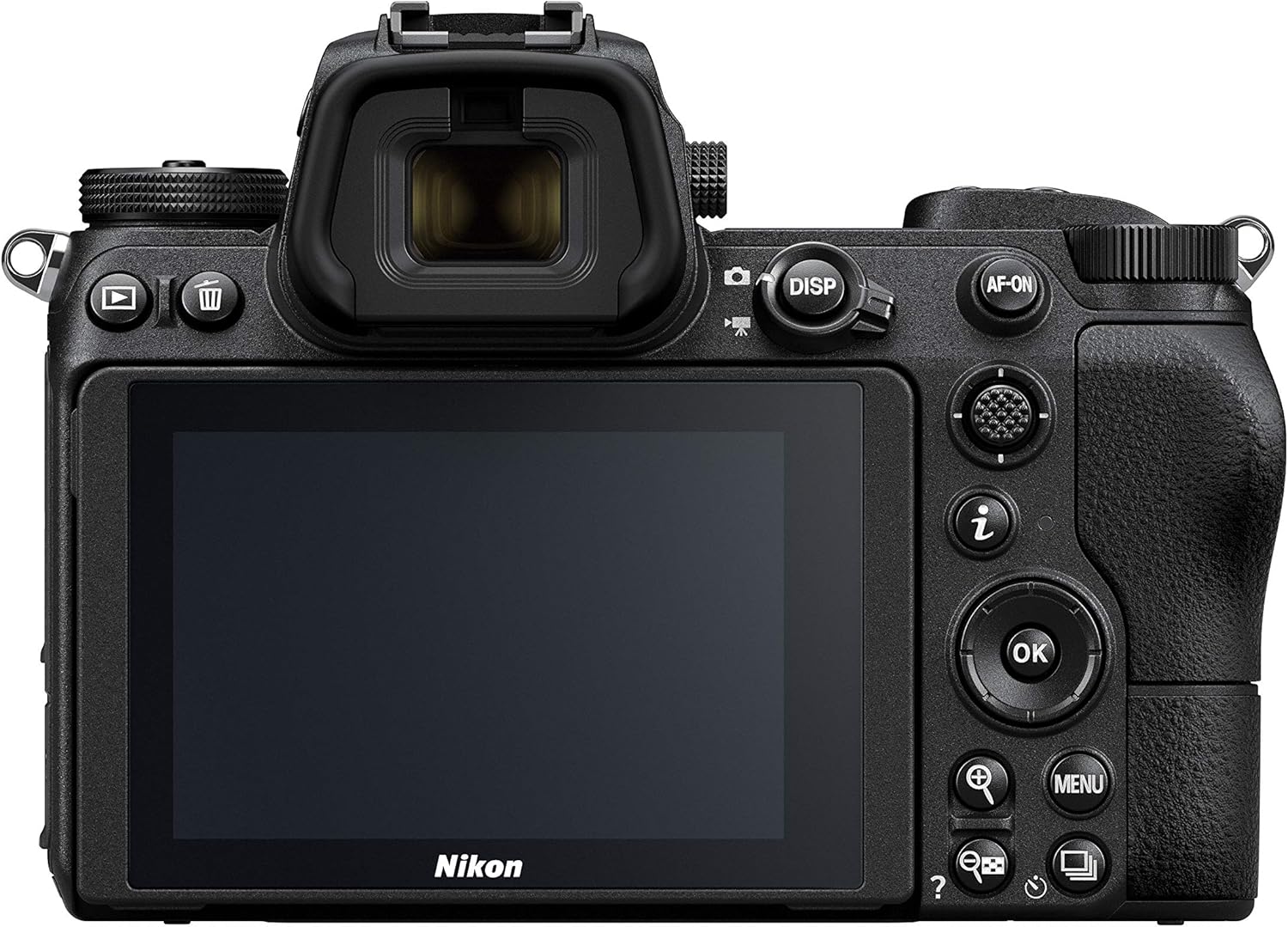
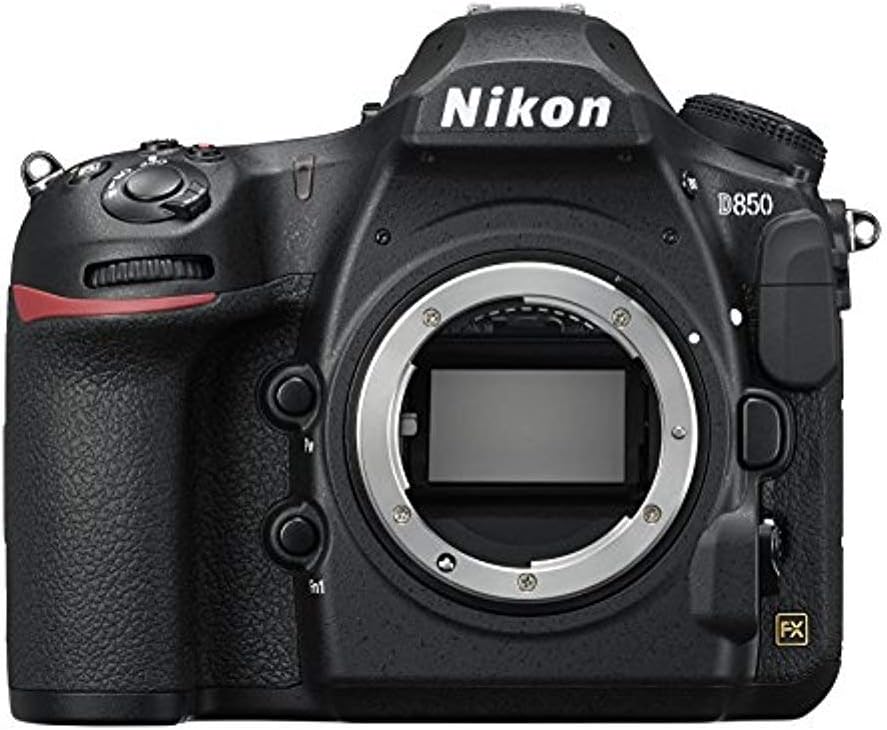
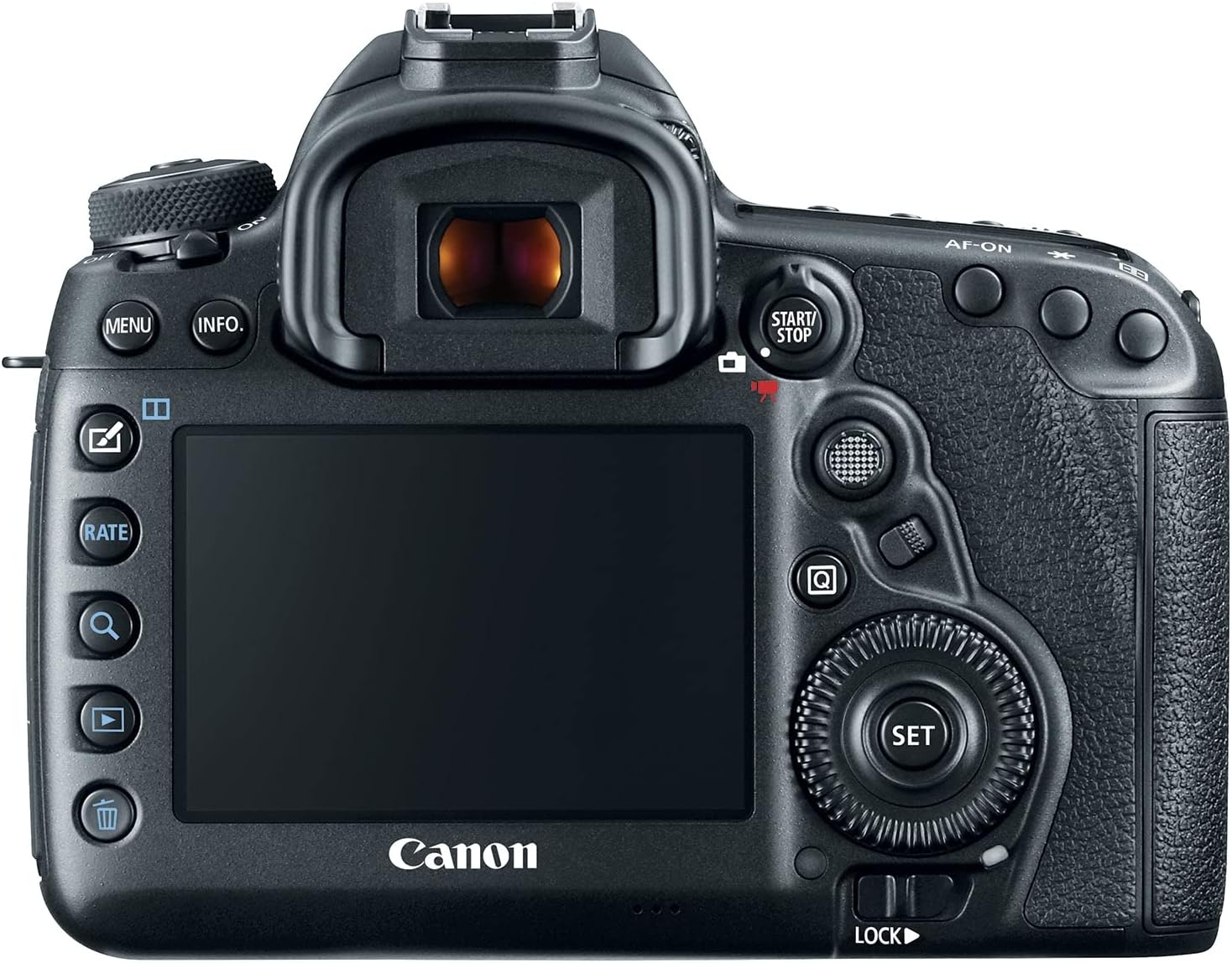
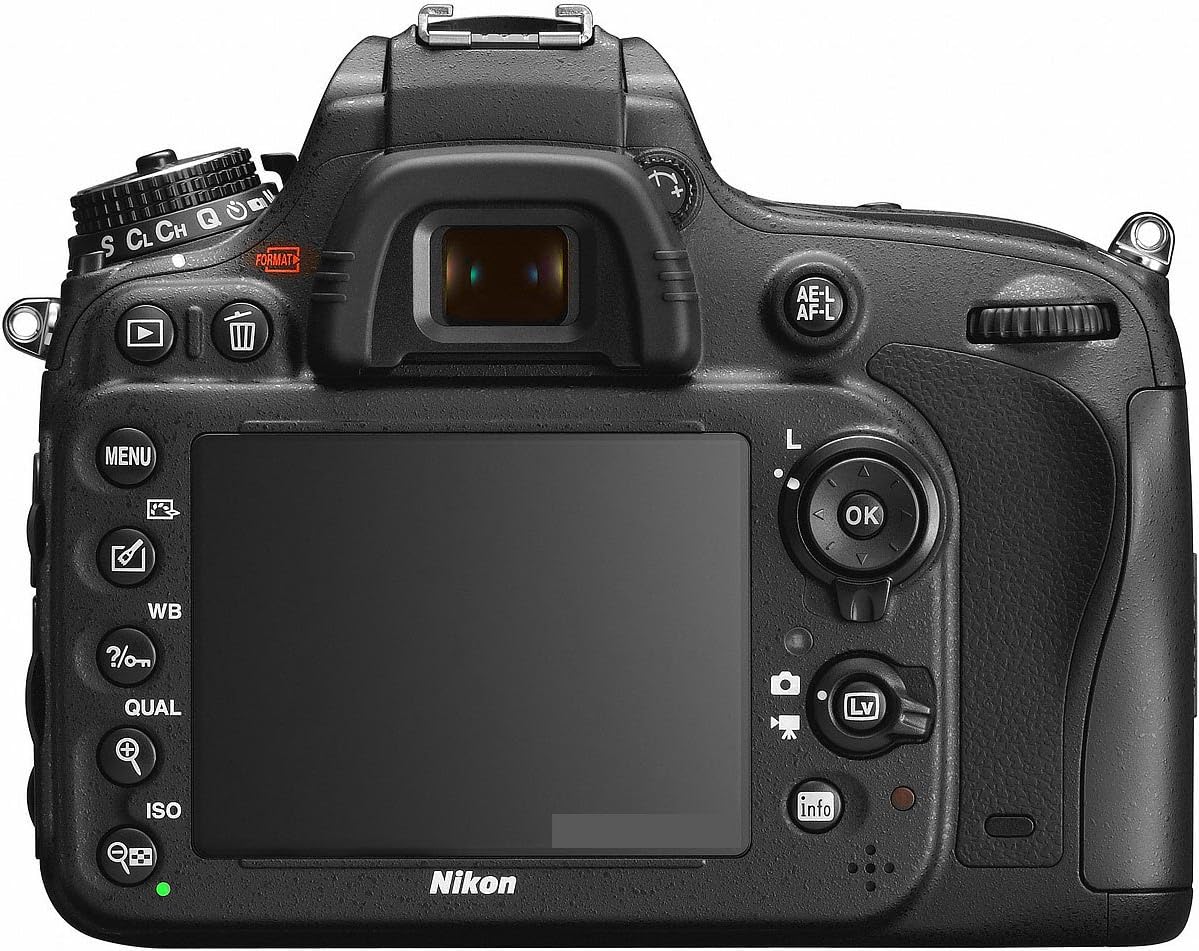
Choosing between a Canon EOS full frame DSLR and a Nikon full frame DSLR starts with how the camera feels in your hands. Canon full frame bodies such as the Canon EOS 5D Mark IV emphasise intuitive menus, strong video features, and polished colour science, while Nikon full frame DSLRs like the Nikon D780 or D850 focus on exceptional dynamic range and fine detail for still images. Both brands offer some of the best full frame DSLR cameras that can handle weddings, portraits, and commercial work with equal confidence.
For photographers who prioritise image quality above everything, Nikon full frame DSLRs often deliver slightly higher base dynamic range from their CMOS sensor designs. Lab measurements put the Nikon D780 around 14.3 EV at ISO 100, which helps when you recover shadows in RAW files or shoot high contrast scenes where highlight detail matters as much as deep blacks. If you compare any detailed review of a Nikon D780 digital SLR camera body only, with its 24 megapixel sensor and tilting LCD, you will see how strongly reviewers praise its images, autofocus, and overall rating for landscape and studio work.
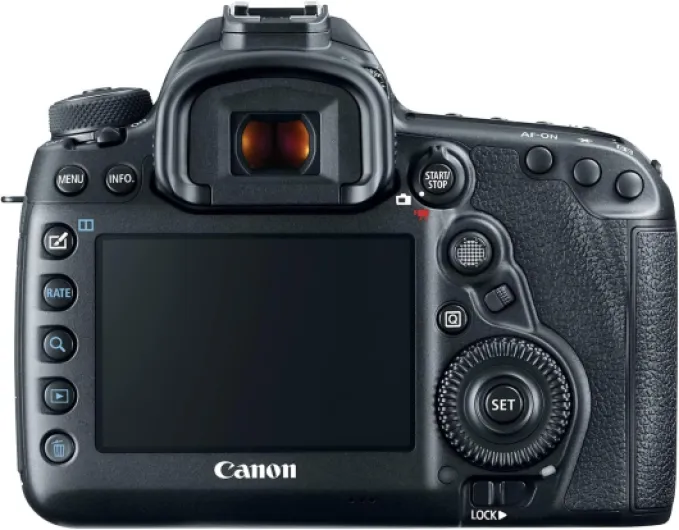
Canon EOS Mark series bodies such as the Canon EOS 5D Mark IV respond with excellent colour rendering, reliable advanced autofocus, and refined video tools including 4K recording and clean HDMI output. Many filmmakers still buy Canon EOS full frame DSLRs because they like the way Canon renders skin tones in video and still images, and because the EF lens range covers everything from budget primes to cinema glass. When you weigh cameras price, lens availability, and long term system growth, both Canon and Nikon offer top tier full frame DSLR cameras that can anchor a professional kit for many years.
How to evaluate image quality, autofocus, and video performance
When you compare the best full frame DSLR cameras, start with image quality rather than headline megapixels. A modern full frame camera with a well designed CMOS sensor will usually offer clean files up to ISO 6400 or higher, which matters more than chasing tiny resolution gains. Look for reviews that measure dynamic range, colour accuracy, and noise, because these factors shape how flexible your images will be in editing and how far you can push exposure adjustments.
Autofocus performance separates entry level full frame DSLRs from the best full professional bodies, especially when tracking moving subjects. Advanced autofocus modules combine many cross type points with intelligent subject recognition, which helps you keep eyes sharp in portraits and athletes crisp in action sequences. When you read detailed reviews product pages for a Canon EOS 4000D DSLR camera and EF S 18 55 mm f/3.5 5.6 III lens kit, pay attention to how testers describe autofocus reliability in low light, subject tracking during continuous shooting, and how quickly the system locks focus.
Video capabilities now influence many buying decisions, even for photographers who mainly shoot stills. A strong full frame DSLR video mode should offer clean HDMI output, headphone and microphone jacks, flat picture profiles, and codecs that hold up during grading. While a mirrorless camera might add extra frame rates or more advanced subject tracking, a well specified full frame DSLR with solid video tools still delivers cinematic images when paired with the right mount lenses and careful exposure control.
DSLR systems versus mirrorless cameras for full frame shooting
Anyone researching the best full frame DSLR cameras will inevitably compare them with full frame mirrorless cameras. A full frame mirrorless body removes the optical mirror and uses an electronic viewfinder, which allows real time exposure previews, focus peaking, and live histograms. This mirrorless camera design can be lighter and quieter, but it also depends heavily on battery power, viewfinder resolution, and refresh rate for a comfortable shooting experience.
DSLR systems still appeal to photographers who value an optical viewfinder and long battery life during long assignments. A full frame DSLR camera with a bright pentaprism lets you see the scene directly, without lag or refresh artefacts, which some shooters prefer for fast sports or wildlife. When you compare a full frame DSLR with a comparable full frame mirrorless body, consider how each system balances weight, ergonomics, shutter feel, and lens availability for your style of work.
Lens ecosystems also differ between DSLR and mirrorless cameras, even within the same brand. Canon full frame DSLRs use EF mount lenses, while Canon mirrorless cameras rely on RF mount lenses that often cost more but add new optical designs and faster apertures. Nikon DSLR bodies use F mount lenses, whereas Nikon mirrorless systems use Z mount lenses, so your decision about the best full frame DSLR cameras should factor in which mount lenses you want to invest in over the next decade and how easily you can adapt existing glass.
Practical buying advice, pricing, and memory card choices
Before you buy one of the best full frame DSLR cameras, define your primary subjects and working conditions. A wedding photographer might prioritise dual card slots, weather sealing, and quiet shutters, while a travel photographer might care more about weight, cameras price, and compact lens options. Matching the camera body to your real shooting needs will give better results than chasing the highest rating or the newest EOS Mark badge on the box.
Price gaps between entry level and professional full frame DSLRs can be significant, especially once you add high quality mount lenses. An affordable full frame DSLR body paired with a sharp prime lens often beats an expensive camera with a mediocre zoom, because lens quality strongly influences final images. When you compare cameras price tables, remember to include spare batteries, fast memory cards for video, and a reliable backup body in your long term budget so that your system can handle paid assignments without compromise.
Memory card slots deserve more attention than they usually receive in quick reviews. Dual card slots allow instant backup of critical images, which matters for paid work where file loss is unacceptable. If you shoot high bitrate video or long bursts of RAW stills, choose a full frame camera whose card slots support fast standards such as UHS II SD or CFexpress, and test your cards before important assignments to confirm sustained write speeds and reliability.
Building a complete full frame system around your DSLR body
Owning one of the best full frame DSLR cameras is only the first step toward a capable system. Over time you will add mount lenses, flashes, filters, and support gear that shape how effectively you can respond to different assignments. A balanced kit usually includes a wide angle lens for landscapes, a standard zoom for everyday work, and a fast telephoto for portraits or sports, plus at least one fast prime for low light.
When planning your system, think about how DSLR and mirrorless camera bodies might coexist in your bag. Some photographers keep a robust full frame DSLR as their main stills camera and add a smaller full frame mirrorless body for travel or discreet video work. Others gradually transition from DSLR to mirrorless cameras while keeping their favourite full frame lenses via adapters, which protects earlier investments and keeps familiar handling and optical rendering.
Compact cameras still have a role in this ecosystem, especially for casual outings or as backups. A detailed test of a compact model such as the Pixpro FZ55 16 MP 5x zoom compact camera shows how far small sensors have progressed, even if they cannot match the image quality of a full frame DSLR. By combining a strong full frame camera, a thoughtful lens selection, and a small backup body, you create a resilient system that covers almost any shooting scenario, from family trips to demanding client work.
Key statistics about full frame DSLR and mirrorless adoption
- According to CIPA shipment data, interchangeable lens camera sales have shifted strongly toward mirrorless cameras, which now account for more than half of global shipments, while DSLR volumes continue to decline but remain significant among professionals and advanced amateurs.
- Independent lab tests from sources such as DxOMark show that many full frame cameras now offer base ISO dynamic range figures around 13–14 stops, giving photographers substantial flexibility to recover shadows and highlights in RAW files without obvious banding or colour shifts.
- Modern CMOS sensor designs in leading Canon EOS and Nikon full frame bodies routinely deliver usable image quality at ISO 12800, which allows event photographers to work in dim venues without relying heavily on flash or sacrificing shutter speed.
- Professional surveys from major photo associations indicate that a large share of working photographers still keep at least one full frame DSLR body in active service, even when they adopt mirrorless systems for some assignments or specialised video work.
- Lens catalogues for Canon and Nikon DSLR mounts each include hundreds of native and third party options, which gives buyers of the best full frame DSLR cameras a wide range of focal lengths, apertures, and price points when building a system over time.